
Golden Barrel Cactus
Echinocactus grusonii
Golden Ball Cactus, Mother-in-Law's Cushion, Mother-in-Law's Seat, Golden Barrel


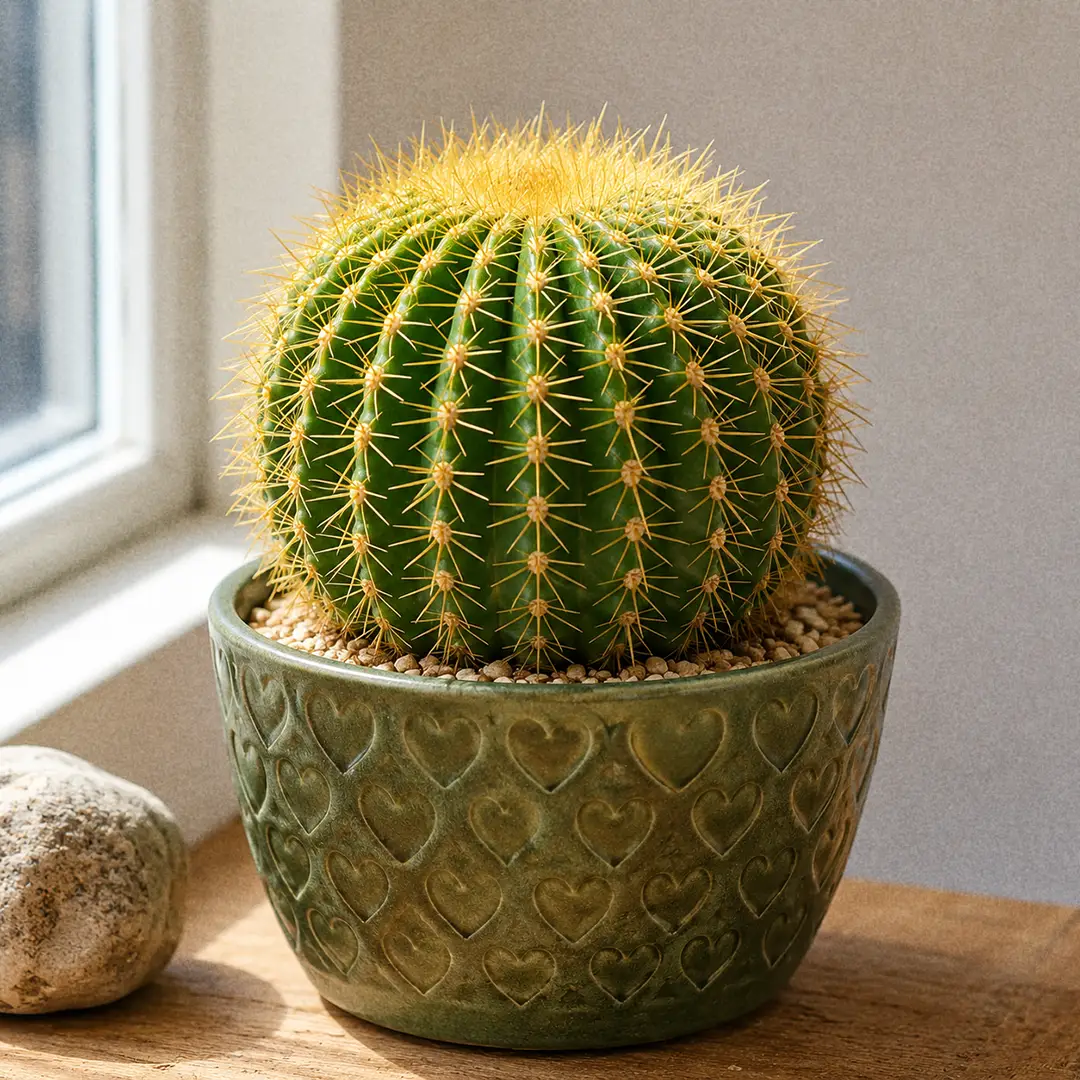
The Golden Barrel Cactus (Echinocactus grusonii) is the perfectly round, bright-yellow-spined Mexican globe cactus that anchors every great desert display. It is critically endangered in the wild, slow-growing to the size of a beach ball over twenty to thirty years, and one of the most rewarding long-term cacti you can keep on a sunny windowsill.
📝 Golden Barrel Cactus Care Notes
🌿 Care Instructions
⚠️ Common Pests
📊 Growth Information
🪴 In This Guide 🪴

☀️ Golden Barrel Cactus Light Requirements (Full Sun, Bright Direct)
Light decides whether your Golden Barrel keeps its perfect round shape or stretches into a leaning oval. Good light gives evenly spaced ribs, firm skin, and saturated yellow spines. Poor light produces a plant that narrows at the top, pales, and tilts. Once stretched, the shape is permanent.
The Sweet Spot
Place it right at a south or west window with six or more hours of direct sun. East windows work where mornings are sunny, but in cloudier climates leave the top pale. North windows are not enough; supplement with a grow light for 10-12 hours, 6-8 inches above the globe.
In late spring and summer, the plant loves outdoors as long as nights stay above 60°F (15°C). Acclimate gradually: dappled shade for three days, then an hour of direct sun on day four, adding an hour each day until full sun.
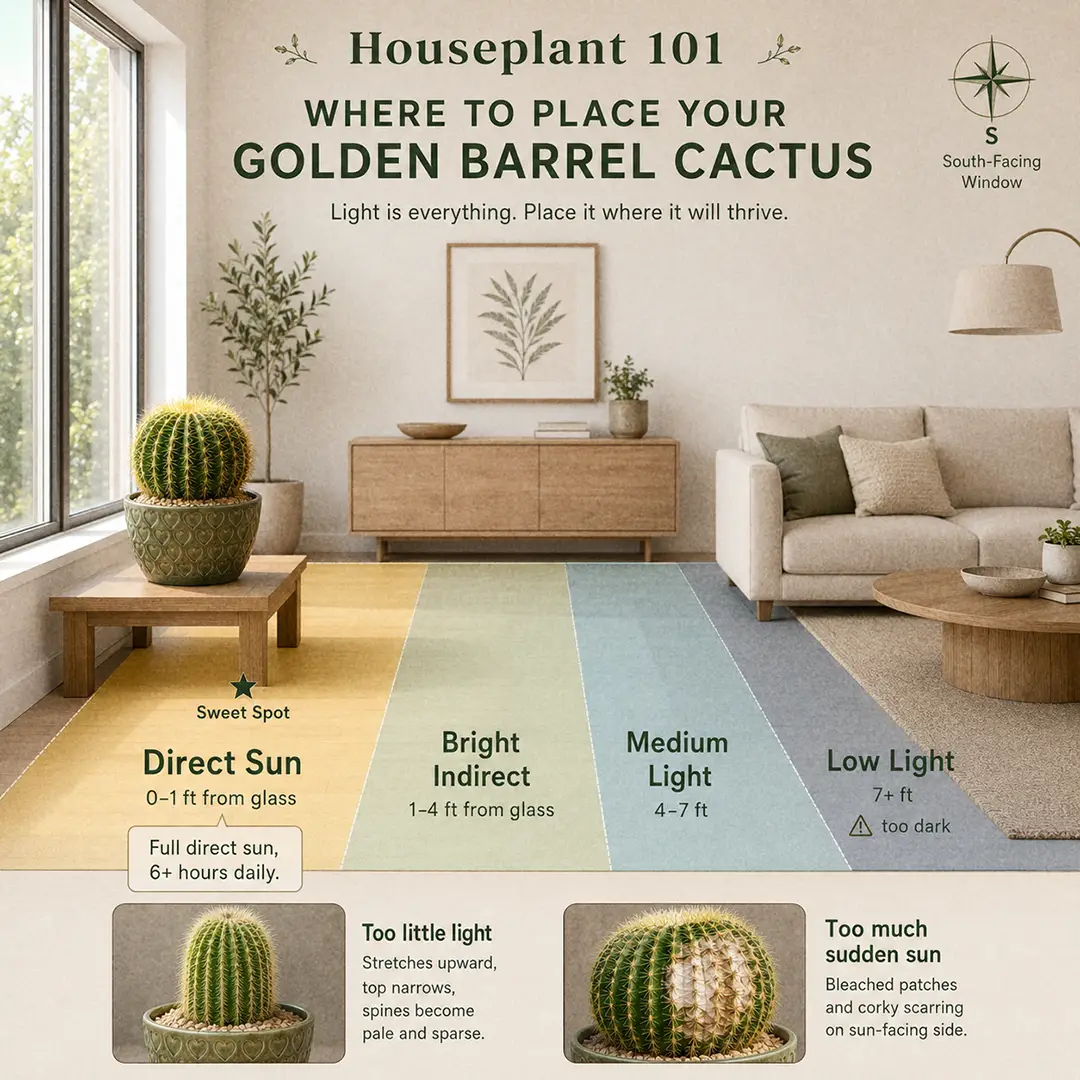
Too Little Light
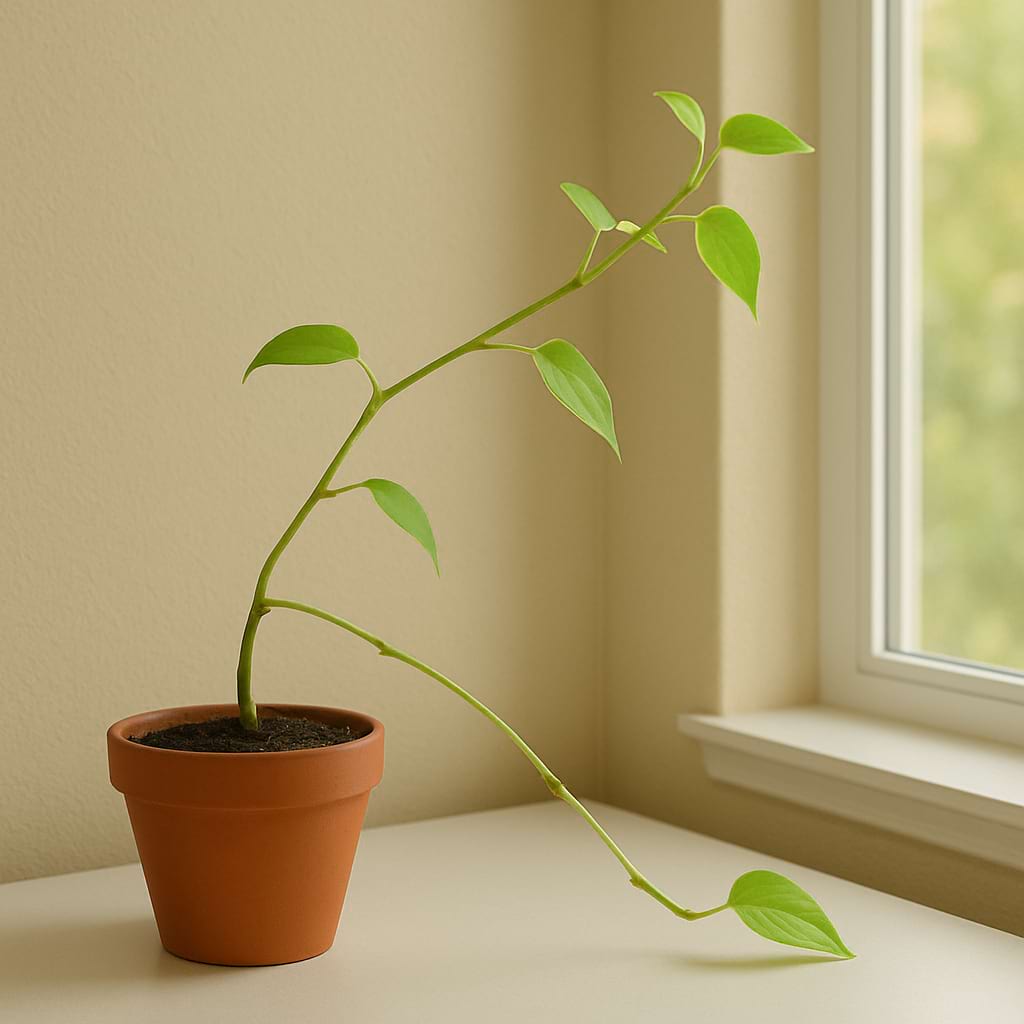
The top narrows, new spines come in pale, the skin yellows, the plant leans. None reverses. Move to the brightest window; new domed growth will rebuild the shape over a few years. Do not try to prune your way out of stretch.
Too Much Light
Bleached patches on the sunny side, sometimes scarring as brown corky tissue. Usually from skipping acclimation. The fix is acclimation, not less light. Rotate the pot a quarter-turn every few weeks so all sides get sun.
💧 Golden Barrel Cactus Watering Guide (Only When Bone-Dry)
This decides whether your plant lives for decades or dies its second autumn. Almost every dead Golden Barrel story starts with overwatering.
Watering Frequency
In active growth (late spring through early autumn), water only when the soil is completely dry top to bottom. For a 4-inch terracotta pot in a sunny window, that lands every 2-3 weeks. Larger plastic pots in cool rooms can stretch to 4-6 weeks. Push a wooden skewer to the bottom: any dampness means wait.
In winter, watering drops to almost nothing. A plant in a cool 50°F (10°C) sunroom can stay bone dry for three months. A plant in a warm living room needs a small drink every six weeks to stop the base shrivelling. See watering houseplants for the general approach; for Golden Barrel, lean thirsty.
How to Water
Pour room-temperature water around the base until water drains. Let it drain for 10-15 minutes, then tip out the saucer. Never let the plant sit in standing water. Do not pour water over the top of the globe; water trapped in the woolly crown causes rot. Bottom watering works well too.
Tap water is usually fine. Avoid cold water in winter; let it sit out an hour first to come up to room temperature.
Signs of Trouble
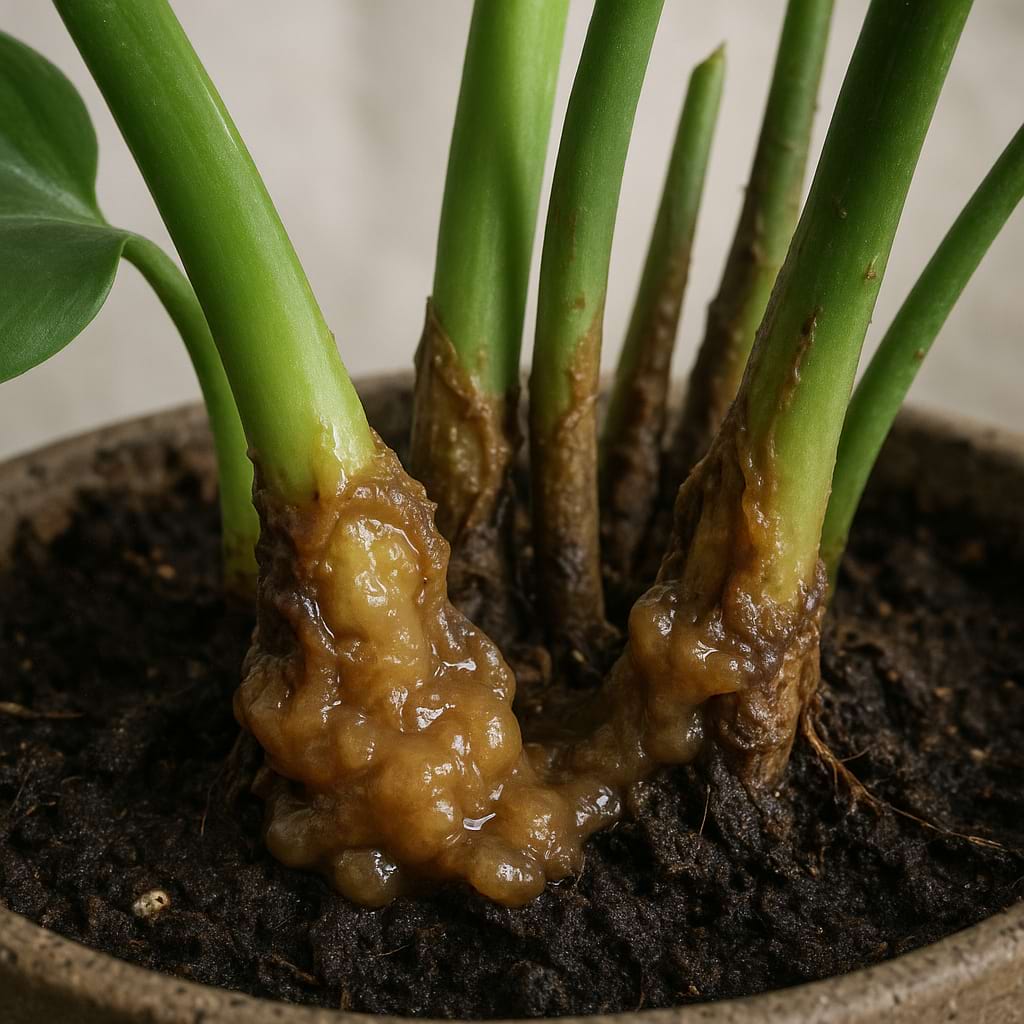
Underwatering is easy to spot and rarely fatal: shrinking base, pinched ribs, light pot. A deep drink plumps it back over a week or two. Overwatering is far more dangerous: soft squishy base, yellow-brown lower ribs, sour smell. By the time you see it, rot is usually advanced. Last chance: unpot, cut to firm green tissue with a sterile blade, dust with cinnamon or sulphur, callus in dry air for two weeks, replant in dry mix, no water for a month.
🪴 Best Soil for Golden Barrel Cactus (Gritty and Mineral-Heavy)
What the Soil Needs
If you get one thing right, make it the soil. Dense peat-heavy compost is a slow disaster because no amount of careful watering can save roots in soggy soil. A good mix drains in seconds and stays airy so oxygen reaches the roots.
DIY Soil Mix
More mineral than organic:
- 1 part standard cactus and succulent mix
- 2 parts coarse pumice (or perlite)
- 1 part coarse horticultural sand (not builder's sand)
Optional: a teaspoon of horticultural charcoal or crushed oyster shell. Squeeze a damp handful: it should crumble apart the instant you open your hand.
Pre-Made Options
Specialist cactus mixes work well; mass-market "cactus mix" usually needs 50% extra pumice or perlite cut in.
Pot Choice
Terracotta almost always. The unglazed clay breathes and wicks moisture away. Pick a pot only slightly larger than the rootball; oversized pots hold wet soil around the edges.
🍼 Fertilizing Golden Barrel Cactus (Less Is More)
A desert plant from nutrient-poor volcanic soil. Happier underfed than overfed.
When and How Often
Feed only during active growth. I give an established plant two feedings a year: one in mid-to-late May, one in late June or early July. That is it. Never fertilize from late autumn through early spring, never feed a freshly repotted plant (wait two months), and never feed a stressed plant.
What to Use
Use a low-nitrogen cactus fertilizer around 2-7-7 or 5-10-10, diluted to half label strength. Water with plain water first, then apply the diluted feed. See fertilizing houseplants for the basics. Slow-release granules work too: a small sprinkle in late spring is plenty.
Over-Fertilizing Signs
White crust on the soil or pot rim means salt build-up. Flush the soil with several pot-volumes of plain water and skip the next two feedings.
🌡️ Golden Barrel Cactus Temperature Range
Golden Barrel thrives on seasonal contrast: warm and bright in summer, cool and almost dry in winter. The winter rest is the secret to compact growth, thicker spines, and (on very old plants) flowers.
Summer Range
In growing season, 70-95°F (21-35°C) is ideal. The plant is at home in a hot sunroom other houseplants would hate.
Winter Rest
In winter, aim for 45-55°F (7-13°C) if possible. A bright unheated room, sunroom, or sunlit garage corner works. The plant survives heated rooms but grows tighter with a cold cue. Brief drops to just above freezing are fine if the plant is bone dry. Never let the soil be both damp and below 40°F (4°C).
Drafts and Heat Sources
Avoid placing directly above a radiator or vent; dry rising heat pulls moisture faster than roots can replace it. Cool drafts are not a problem; cold plus damp is.
💦 Golden Barrel Cactus Humidity Requirements
Ideal Humidity
Easy. Golden Barrel prefers low to moderate humidity (30-40%), normal for most homes. Do not mist, do not run a humidifier, do not group with tropical plants.
When Humidity Goes Wrong
Watch high humidity combined with cool temperatures, especially in late autumn before heating comes on. Stagnant damp air causes fungal spots and crown rot. A small fan a few hours a day solves it. Skip bathrooms, poorly ventilated kitchens, and terrariums.
🌸 Golden Barrel Cactus Flowers (On Very Old Plants Only)
What the Flowers Look Like
Yes, the plant flowers: small yellow cup-shaped blooms in a ring at the top of the globe. The hard truth is you almost certainly will not see them indoors. Most Golden Barrels do not flower until at least 14 inches across and 20 years old.
How to Trigger Bloom
Three things have to line up. The globe must be a foot across or more (15-20 years old). It must receive very strong direct light through spring and summer. And it must have had a real cool, dry winter rest at 45-55°F (7-13°C) with almost no water for at least eight weeks. Each bud opens into a 1-2 inch yellow flower lasting 2-4 days.
If It Won't Bloom
A non-flowering Golden Barrel is not failing; it is young. Keep up the routine, give it a real winter rest, and check back in a decade or two.
🏷️ Golden Barrel Cactus Types and Varieties
The base species Echinocactus grusonii is the most common, but a few variants exist. None change the care routine.
Main Varieties
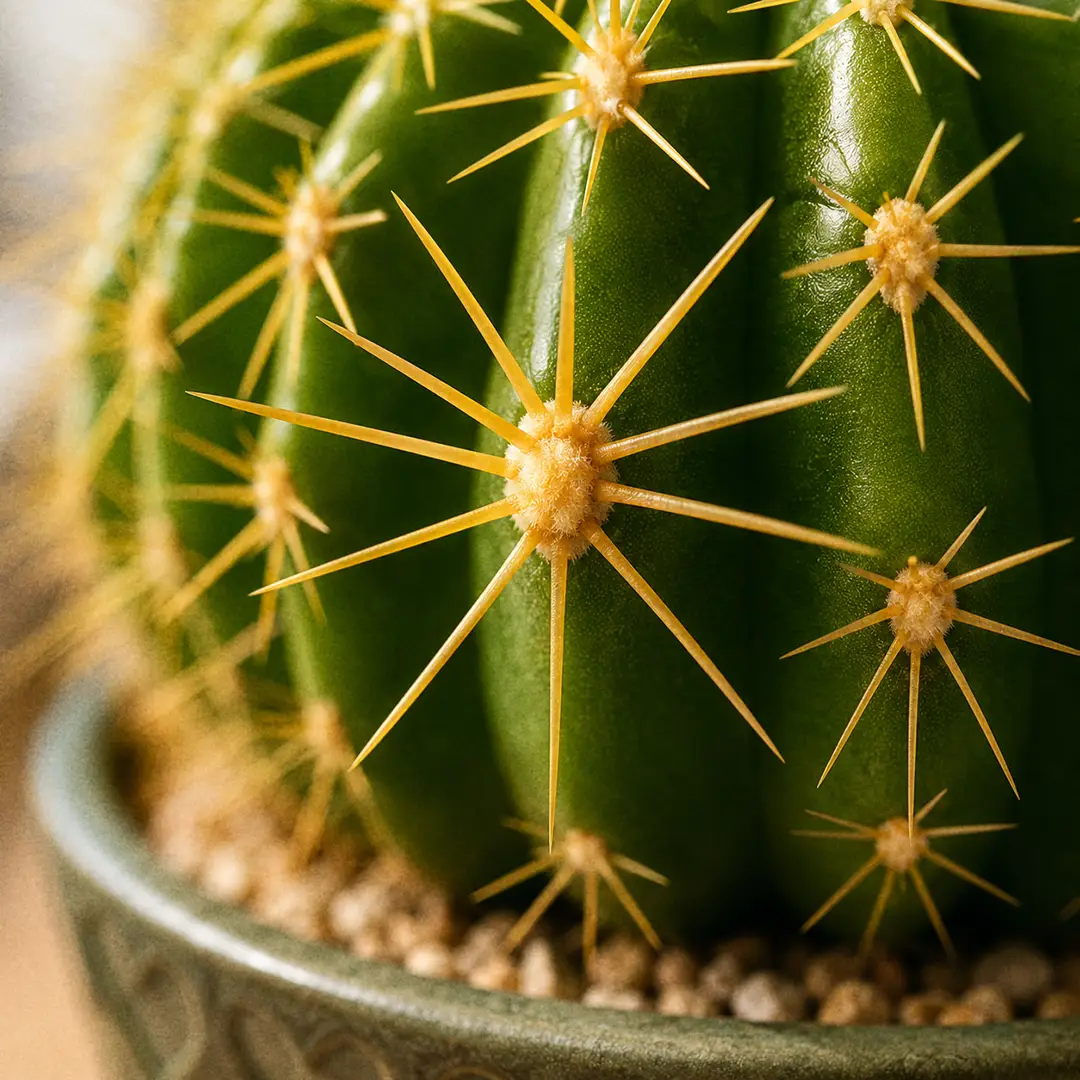
- Echinocactus grusonii (Standard): Round green globe, stiff golden-yellow spines, woolly crown. Mature plants eventually produce basal pups.
- 'Brevispinus' (Short-Spined): Denser, softer-looking golden-fuzz spines. Identical care.
- var. albispinus (White-Spined): Creamy white spines instead of gold; slightly more sun-sensitive.
- f. variegata (Variegated): Yellow or cream patches. Slower and more sun-sensitive; use bright indirect light with short bursts of direct sun.
Look-Alikes
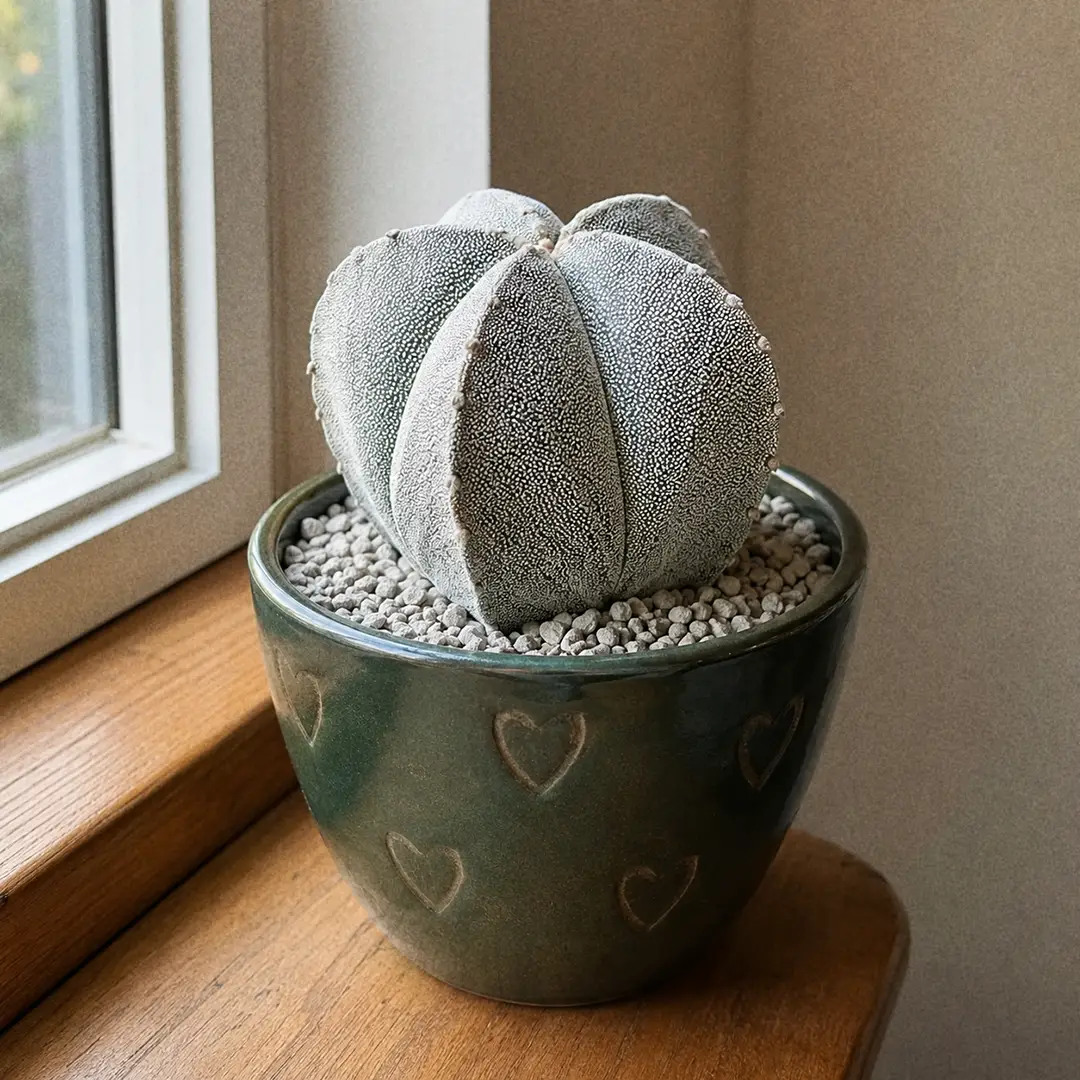
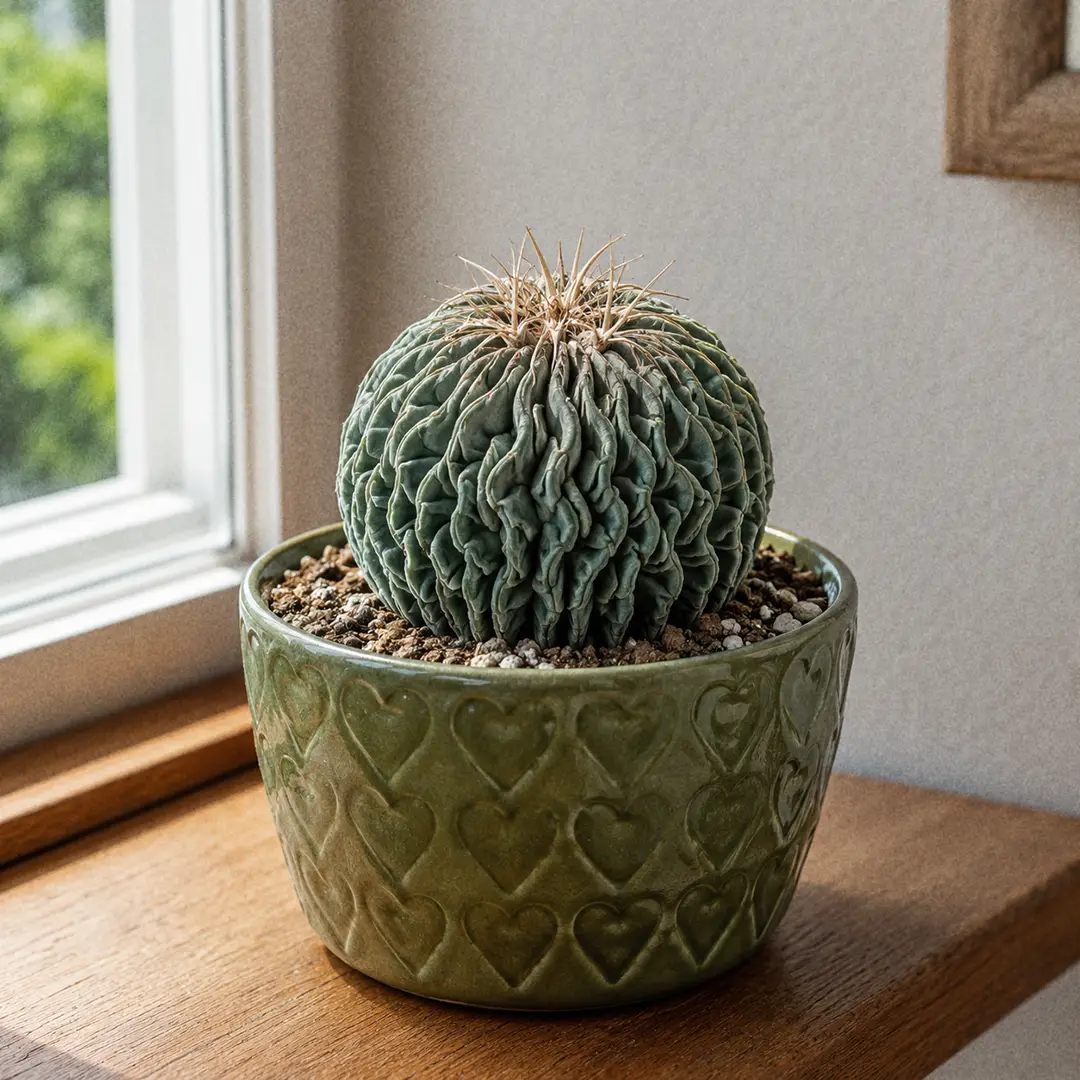
Echinocactus platyacanthus (Giant Barrel) gets larger with flatter spines. Ferocactus species have reddish hooked spines and more cylindrical bodies. For a different texture on the same shelf, try an Old Man Cactus, a Bunny Ear Cactus, the spineless star-shaped Bishop's Cap Cactus, the wavy folded ribs of a Brain Cactus for a completely different spin on the ribbed globe, a small clumping Pincushion Cactus that flowers in a tidy pink ring every spring, or the snow-white wool of a Powder Puff Cactus (Mammillaria bocasana), which reads especially well next to the gold spines of the Barrel. The clumping Lady Finger Cactus (Mammillaria elongata) repeats that same spine gold in slim upright fingers, a natural echo of the Barrel in a completely different silhouette. And for the one thing the Barrel almost never does indoors, flower, set a Hedgehog Cactus beside it for reliable, oversized spring blooms. For winter interest instead of spring, a wiry Christmas Cholla breaks up all those globes with its thin, tangled stems and scarlet December berries.
🪴 Potting and Repotting Golden Barrel Cactus
When to Repot
Golden Barrel is one of the slowest cacti and genuinely happy snug. Repot every 3-4 years, or when the globe nearly touches the rim.
Choosing a Pot
Terracotta is the default for breathability. Glazed and plastic work but need a slower watering rhythm. Size up just one step (about an inch wider). Golden Barrel has a shallow root system that spreads sideways, so oversized deep pots hold too much wet soil. Wide and shallow beats tall and narrow.
Step-by-Step (Without Getting Speared)
- Wait until the plant is bone dry, ideally 2-3 weeks since the last watering.
- Wrap the globe in thick folded newspaper or a dish towel, twice around the equator.
- Tip the pot sideways and slide the rootball out. Shake off old soil.
- Trim dead roots with sterile scissors and let the cuts air-dry for a day.
- Place fresh gritty mix in the new pot, settle the plant at the same soil line, and tamp lightly with a chopstick. Top with pale grit.
- No water for at least a week, ideally two, so any nicked roots can callus.
Thick gloves help. For very large globes, long-handled tongs work better than the wrap method.
✂️ Pruning Golden Barrel Cactus
When to Prune
Golden Barrel almost never needs pruning; the whole point is its untouched geometry. Cut only to remove rot, separate a rare basal offset, or trim frost or sunburn damage.
How to Prune
Use a sterile blade, cut to firm green tissue, dust with cinnamon or sulphur, and callus in dry air for at least two weeks before watering.
What Not to Do
Do not try to "reshape" a stretched plant by cutting off the top. The wound is huge, healing is slow, the result is a scarred plant. Better light is the only real fix.
🌱 How to Propagate Golden Barrel Cactus
Most Golden Barrels in shops come from seed, because mature plants rarely produce offsets.
From Seed
The standard route, and a decade-plus project. Sow on sterile gritty mix, mist, cover with clear plastic, keep at 70-80°F (21-27°C) in bright indirect light. Germination takes 2-6 weeks. Expect 2-3 years for a marble-sized plant, 4-5 years for a clementine. If you want a Golden Barrel for your living room next year, buy one.
From Offsets (Rare)
Some older plants produce basal pups, especially after a crown injury.
- Wait until the pup is at least an inch across with several spine clusters.
- Cut cleanly at the joint with a sterile blade.
- Callus the cut in dry shade for at least two weeks. Skipping this is the most common failure.
- Plant upright in dry gritty mix, just deep enough to stand.
- No water for 3-4 weeks, then water lightly.
Tips for Success
See succulent propagation for the basics. Success rates are lower than for the Bunny Ear Cactus.
🐛 Golden Barrel Cactus Pests and Treatment
Less pest-prone than fuzzy or padded cacti because the ribbed body offers fewer hiding places. Pests that appear lodge in the woolly crown or at the soil line.
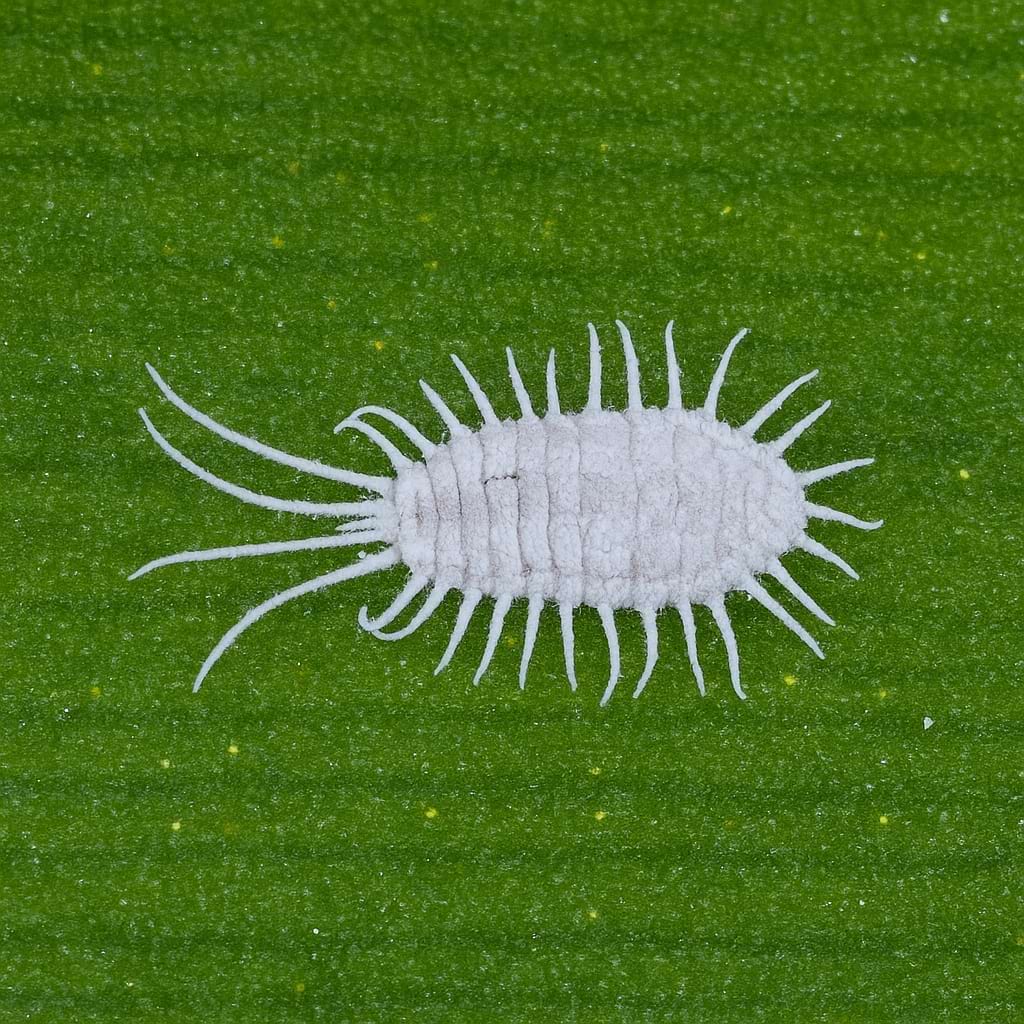
- Mealybugs: Cottony specks in the crown and rib grooves. Dab with isopropyl alcohol on a swab weekly for three weeks; a soil-drench insecticide for big infestations.
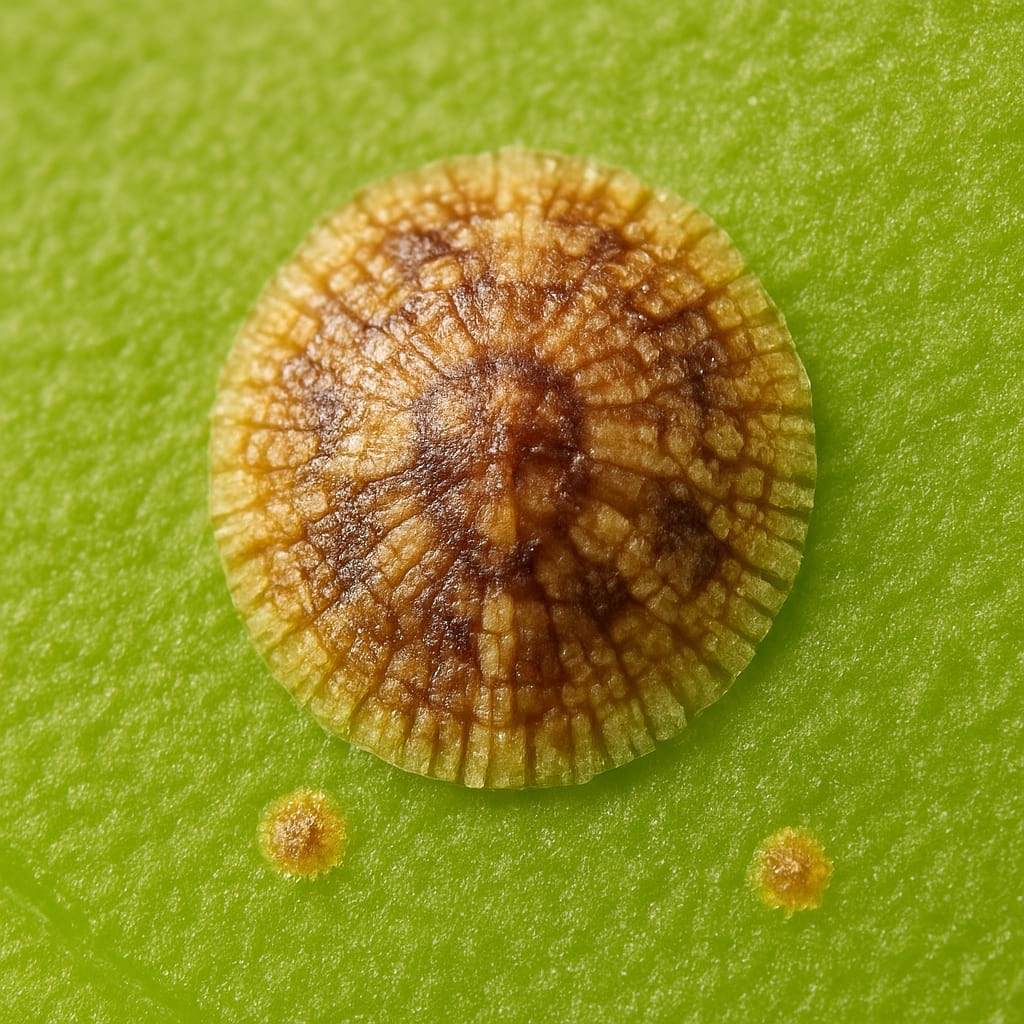
- Scale Insects: Flat brown shells on the body. Scrape off with a wooden toothpick.
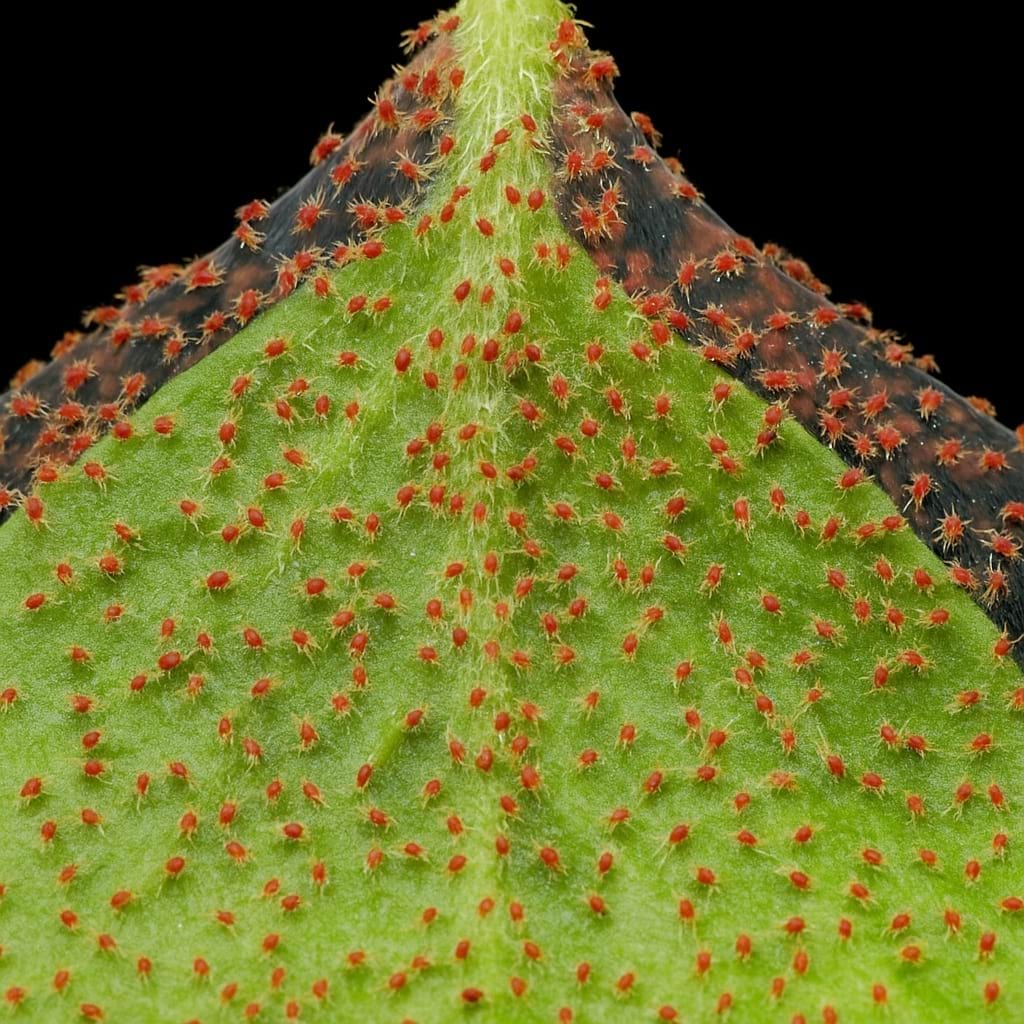
- Spider Mites: Fine webbing between spine clusters; treat with horticultural soap, avoiding the crown.
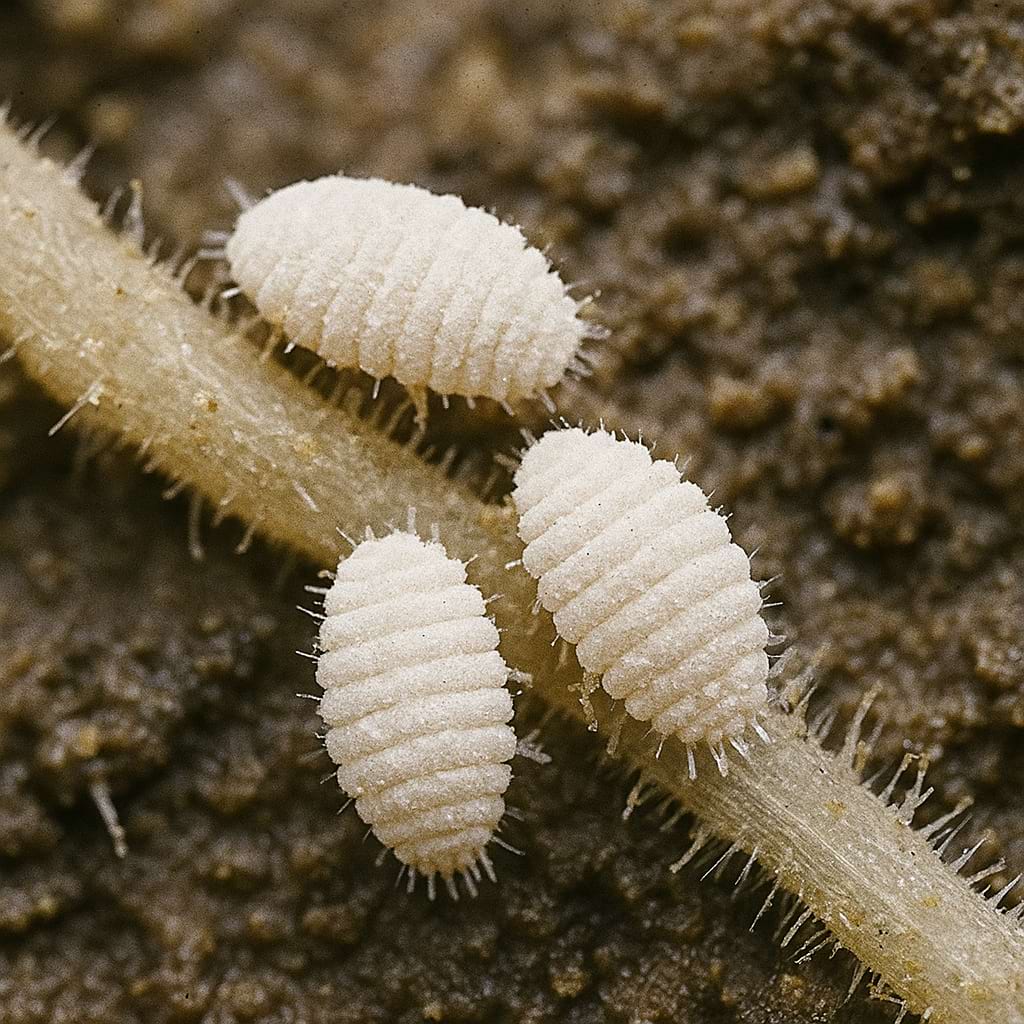
- Root Mealybugs: White powdery clusters on roots. Wash roots, repot in fresh dry mix, no water for two weeks.
A soft paintbrush dipped in alcohol is the gentlest tool for the crown.
🩺 Common Golden Barrel Cactus Problems
Almost every problem traces back to too much water, not enough light, or rough handling.
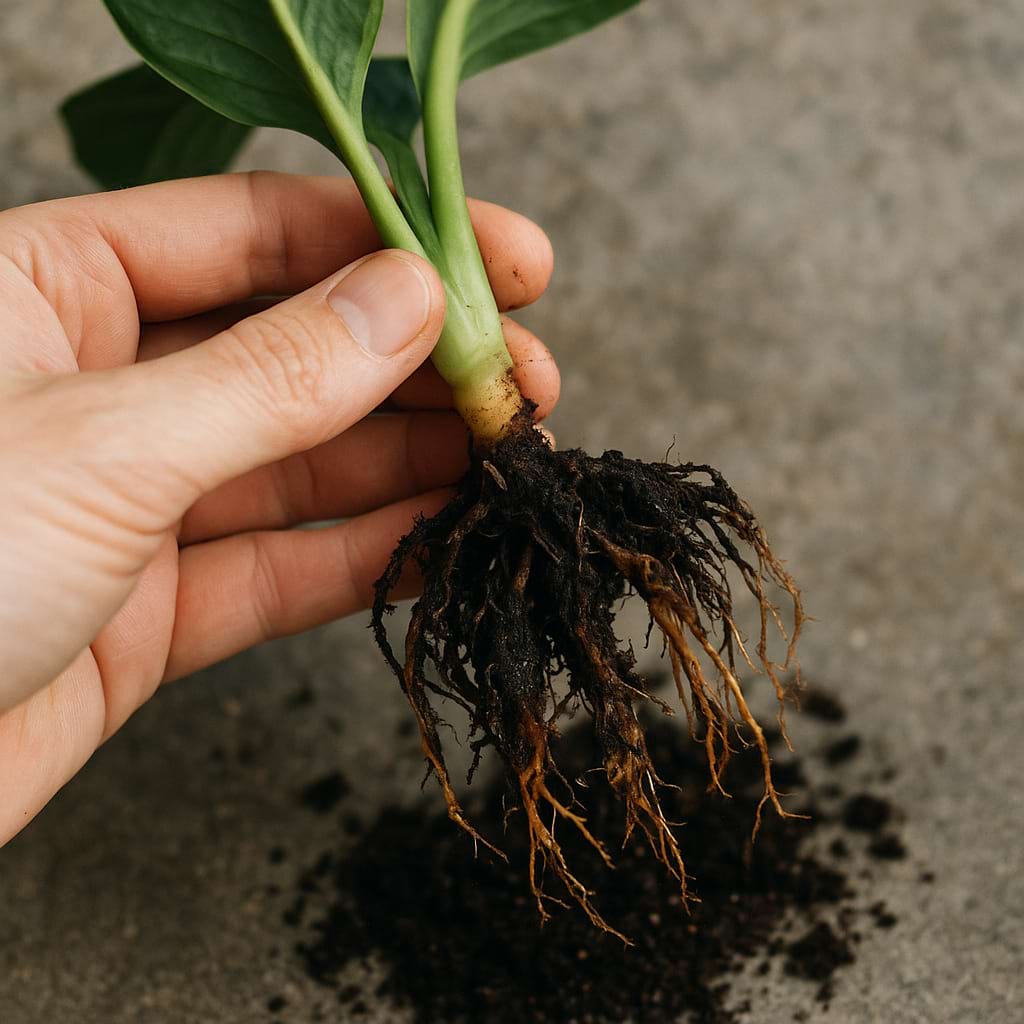
- Root rot: Soft mushy base, foul smell. The number-one killer. Cut back to firm green tissue, callus, restart from the healthy upper section.
- Leggy stretched growth: Too little light. Move to the brightest window. The stretched zone will not reverse.
- Yellowing skin: Even yellowing from the base is overwatering; patchy yellowing on the sunny side is sunburn.
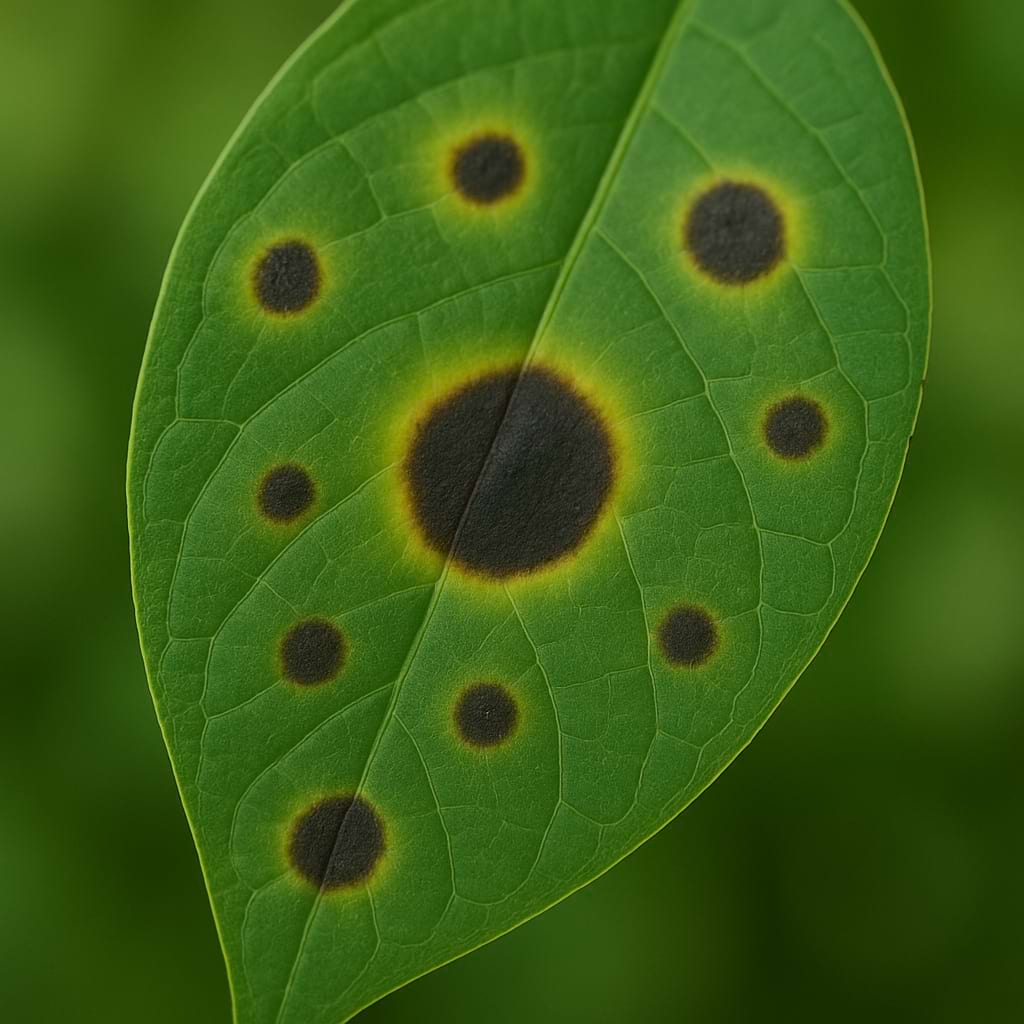
- Brown-black spots: Water trapped in the crown plus damp cool air. Improve airflow, water at soil only.
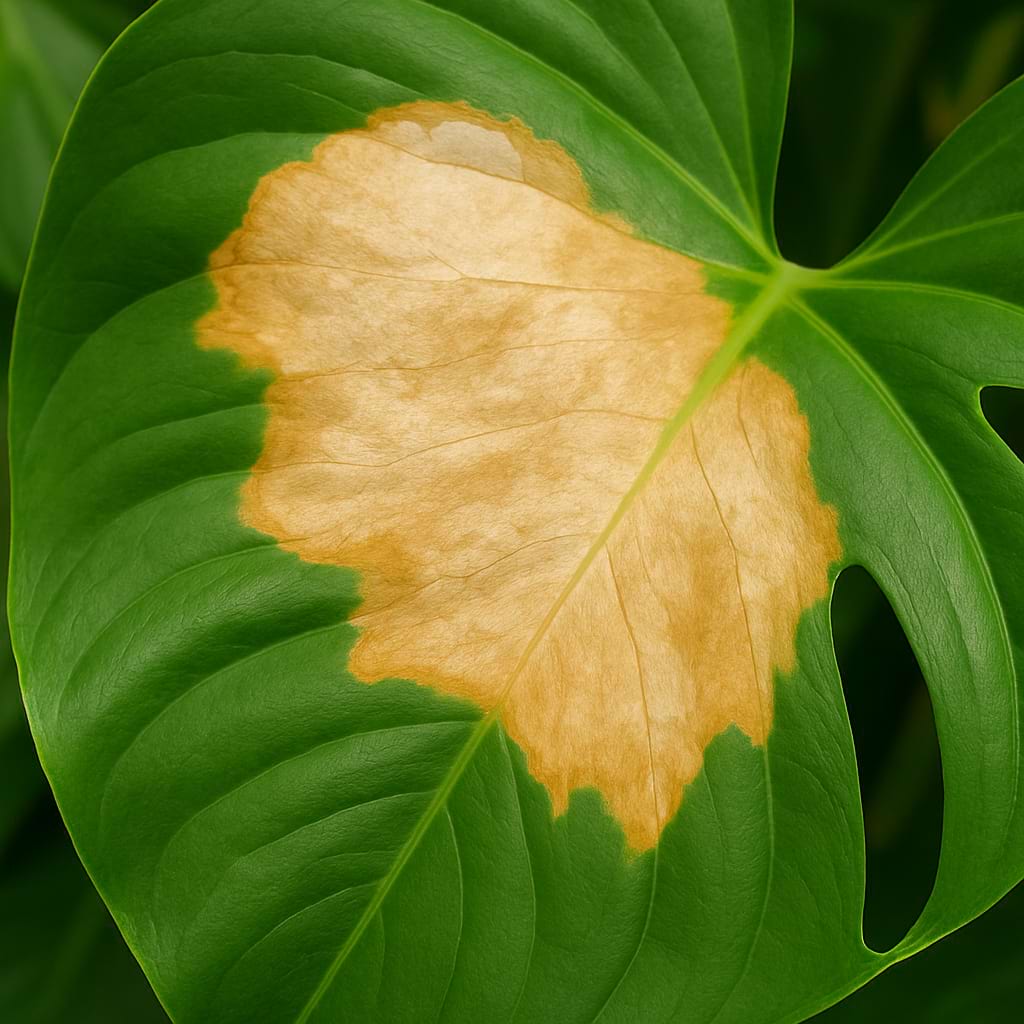
- Sunburn / leaf scorch: Bleached patches on the sunny side. Acclimate slowly when moving outdoors.
- Stunted growth: Often low light, stale soil, or root mealybugs. Refresh soil, inspect for pests, move to brighter light.
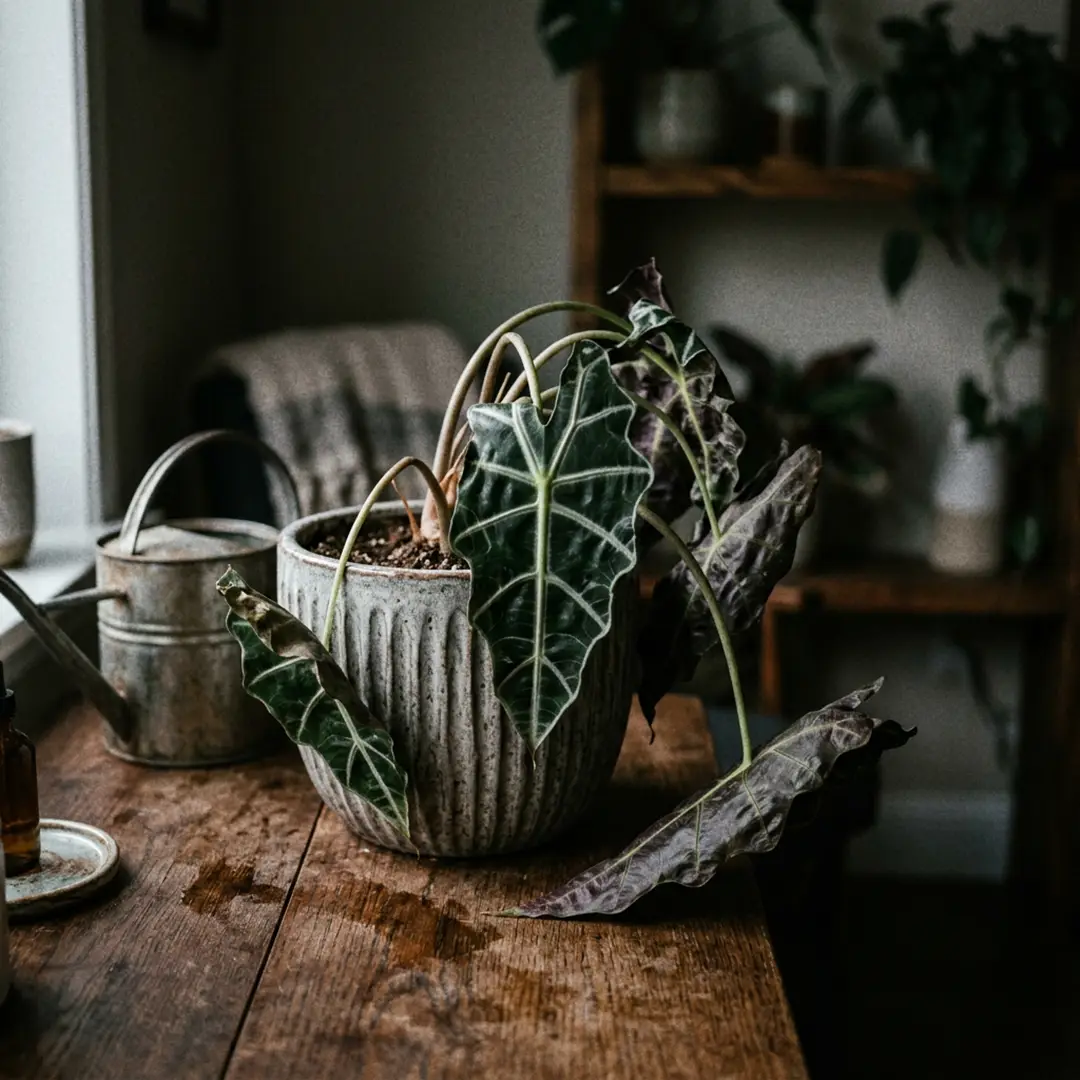
- Wrinkled, wilting body: Thirst if the soil is dry; root rot if the soil is wet.

🖼️ Golden Barrel Cactus Display and Styling Ideas
The geometry is so strong that even a young plant reads as sculpture.
Solo Setups
My favourite setup is a mature Golden Barrel in a wide low terracotta bowl with pale tan grit and a single weathered stone tucked to one side. The pale grit lifts the gold spines, the wide bowl mirrors the round shape. Glazed concrete in soft grey works for a modern look.
Grouped Arrangements
Odd-number groups (three or five) of graduated sizes are the second classic look. Line up a small, medium, and large plant in matching pots and the eye reads them as one composition.
For a desert dish garden, pair a Golden Barrel centrepiece with an Aloe Vera, a small Echeveria, and one taller column like an Old Man Cactus, a silvery white-spined Silver Torch Cactus, or a fast-growing blue-green Peruvian Apple Cactus. A Spiral Cactus is the most eye-catching of the tall options, since its corkscrewed ribs play off the barrel's perfect sphere better than any straight column does. For a jolt of spring color in the lineup, tuck in a low, sprawling Peanut Cactus, which throws out scarlet flowers most desert groupings lack, or a round Easter Lily Cactus for its giant fragrant pink trumpet blooms. A branching Fairy Castle Cactus works well behind the barrel too, since its cluster of uneven towers gives the group a broken skyline rather than one straight column. A nearly spineless Domino Cactus is the safe one to set at the front of the group, where its soft white-dotted body invites a touch, and a completely spineless Totem Pole Cactus does the same job as the tall element if the arrangement sits somewhere people reach past. Mulch with pale grit. Skip moss and bark.
Where Not to Put It
A sunny kitchen windowsill or south-facing study suits this plant. Avoid the bathroom (too humid) and bedroom (often too dim).
🌟 Golden Barrel Cactus Pro Care Tips
- Buy nursery-grown. Wild collection contributes to the endangered status. Avoid anything labelled "wild" or "collected."
- Use a wide shallow pot. Roots spread sideways more than down.
- Sunniest window in the house. South-facing, right against the glass is the right answer.
- Real winter rest. Cool, bright, almost no water from November to February.
- Move air. A small fan a few hours a day reduces fungal problems in autumn and winter.
- Never water the top. Always at the soil; the woolly crown traps water.
- Rotate the pot every two to three weeks to keep the globe growing evenly.
- Top-dress with pale grit. It makes the gold pop and keeps lower ribs out of damp soil.
❓ Frequently Asked Questions
Why is my Golden Barrel Cactus turning yellow?
Soft yellowing from the base means overwatering and likely root rot. Cut back to firm green tissue and restart from the healthy upper section. Patchy yellowing on the sunny side is sunburn; re-acclimate gradually.
Is the Golden Barrel Cactus toxic to pets?
Not chemically. The danger is mechanical: the spines are stiff and sharp enough to injure a curious paw or nose. Keep out of reach.
How fast does Golden Barrel grow?
Very slowly: about half an inch of diameter per year indoors. A 4-inch garden centre plant is already 4-5 years old, and a "beach-ball" 12-inch specimen is usually 20-30 years in the making.
How big does a Golden Barrel get?
Indoors, 12-18 inches in diameter over many years. Outdoors in zones 9-11 over decades, plants reach 3 feet with side pups. The largest wild plants approach 4 feet.
Will my Golden Barrel flower?
Probably not indoors. Flowers only appear on very mature plants (14+ inches, 15-20 years old) after a real cool dry winter rest combined with strong direct light.
Can I keep my Golden Barrel outside in summer?
Yes, and it loves it. Late spring through early autumn on a sunny patio is great as long as nights stay above 60°F (15°C). Acclimate over a week or two. Bring it back inside before nights drop below 50°F (10°C) with rain forecast.
Is the Golden Barrel really endangered?
Yes, critically endangered in the wild after a 1990s dam project flooded much of its native habitat. Almost all plants in cultivation are nursery-propagated from seed, so reputable nurseries support conservation.
Why does my Golden Barrel lean to one side?
It is growing toward the brightest light. Rotate the pot a quarter-turn every 2-3 weeks. A strong lean will not straighten, but new growth from the top will gradually rebuild a more even shape.
ℹ️ Golden Barrel Cactus Info
Care and Maintenance
🪴 Soil Type and pH: Gritty, sharply draining cactus and succulent mix with at least 50 percent mineral content (pumice, perlite, coarse sand); neutral to slightly acidic pH.
💧 Humidity and Misting: Comfortable in low household humidity around 30 to 40 percent; dislikes damp, still air.
✂️ Pruning: Almost never needed; remove only damaged or rotten tissue with sterile tools.
🧼 Cleaning: Brush the spines and ribs gently with a soft, dry paint brush; never wet the body to clean it.
🌱 Repotting: Move up one pot size only when the globe nearly touches the rim of the current pot, usually every 3 to 4 years.
🔄 Repotting Frequency: Every 3-4 years
❄️ Seasonal Changes in Care: Active growth from late spring through early autumn; requires a cool, bright, almost dry winter rest to stay compact and healthy.
Growing Characteristics
💥 Growth Speed: Very Slow
🔄 Life Cycle: Perennial
💥 Bloom Time: Late spring to summer on very old plants (typically 20 years or more), only with full sun and a cool winter rest
🌡️ Hardiness Zones: 9-11 outdoors; grown as a houseplant elsewhere
🗺️ Native Area: Central Mexico, especially the rocky volcanic slopes of the Querétaro and Hidalgo states, where it is now critically endangered
🚘 Hibernation: Cool, bright winter rest with almost no water from late autumn to early spring
Propagation and Health
📍 Suitable Locations: South-facing or west-facing windowsills, sunrooms, bright conservatories, dry porches in summer, succulent display shelves
🪴 Propagation Methods: From seed for true Echinocactus grusonii, or by detaching and rooting offsets on the rare clumping plants.
🐛 Common Pests: Mealybugs, Scale Insects, Spider Mites, Root Mealybugs
🦠 Possible Diseases: Root rot, soft rot, fungal stem spot, sunburn scarring
Plant Details
🌿 Plant Type: Globular ribbed cactus in the Echinocactus genus (Cactaceae)
🍃 Foliage Type: Succulent green ribbed stem with no true leaves; photosynthesis happens on the body surface
🎨 Color of Leaves: Bright apple-green to mid-green ribs, sharply defined by stiff golden-yellow spines
🌸 Flower Color: Yellow, small (1-2 inches), opening in a crown at the top of mature plants
🌼 Blooming: Yes, but only on very old, sun-bathed plants given a cool dry winter; almost never indoors
🍽️ Edibility: Not commonly eaten; the species is grown ornamentally and is protected in the wild
📏 Mature Size: 1-2 feet indoors over many years, up to 3 feet on very old plants
Additional Info
🌻 General Benefits: Sculptural focal point, extreme drought tolerance, very long-lived, low-effort once established, supports cactus conservation when bought from responsible nurseries
💊 Medical Properties: None in mainstream use; the plant is grown ornamentally
🧿 Feng Shui: Traditionally placed near entrances or facing sharp corners to deflect harsh chi; avoid in bedrooms and quiet rest areas because of the strong upward spine energy
⭐ Zodiac Sign Compatibility: Capricorn, Aries
🌈 Symbolism or Folklore: Patience, resilience, endurance, the slow steady reward of a long-tended plant; the perfectly round form symbolises completeness in many desert cultures
📝 Interesting Facts: Echinocactus grusonii is critically endangered in its native Mexico, where a major dam-building project in the 1990s flooded a substantial portion of its remaining wild habitat. The plants you see in garden centres are almost all nursery-propagated from seed in Europe, North America, and Asia, and the species is far more common in cultivation than in the wild. A mature Golden Barrel grows extremely slowly: a four-inch plant from a typical garden centre is often already four or five years old, and a classic "beach-ball" specimen may be 20 to 30 years in the making. In Mexico the plant has the affectionate nickname "asiento de la suegra" or "mother-in-law's seat," a name that should give you a clear sense of the spines.
Buying and Usage
🛒 What to Look for When Buying: Choose a plant with a perfectly symmetrical globe, bright apple-green skin between the ribs, evenly coloured golden spines with no broken or blackened areas, and no soft or sunken patches at the soil line. Avoid plants that lean to one side, show pale "summer tan" lines on one face from improper sun exposure in transit, or have a softness when gently tapped near the base. A healthy four-inch plant from a specialist cactus nursery is a much better long-term bet than a stressed six-inch plant from a supermarket.
🪴 Other Uses: Architectural focal point in succulent dish gardens and rockeries, statement plant in desert-themed interiors, container feature on sunny terraces in mild climates, conservation ambassador for the dry forests of central Mexico
Decoration and Styling
🖼️ Display Ideas: Solo in a wide low terracotta bowl with pale grit mulch, grouped in odd numbers of three or five graduated sizes for a sculptural cluster, paired with low spreading succulents in a desert dish garden
🧵 Styling Tips: Keep the pot simple and earthy (terracotta, concrete, stoneware) so the spines remain the star; use a pale neutral grit mulch (cream, tan, soft grey) to make the yellow spines pop, and avoid moss or bark which look out of place with this plant.
🪴 See also 🪴
Complete Guide to Bishop's Cap Cactus Care and Growth
Complete Guide to Brain Cactus Care and Growth
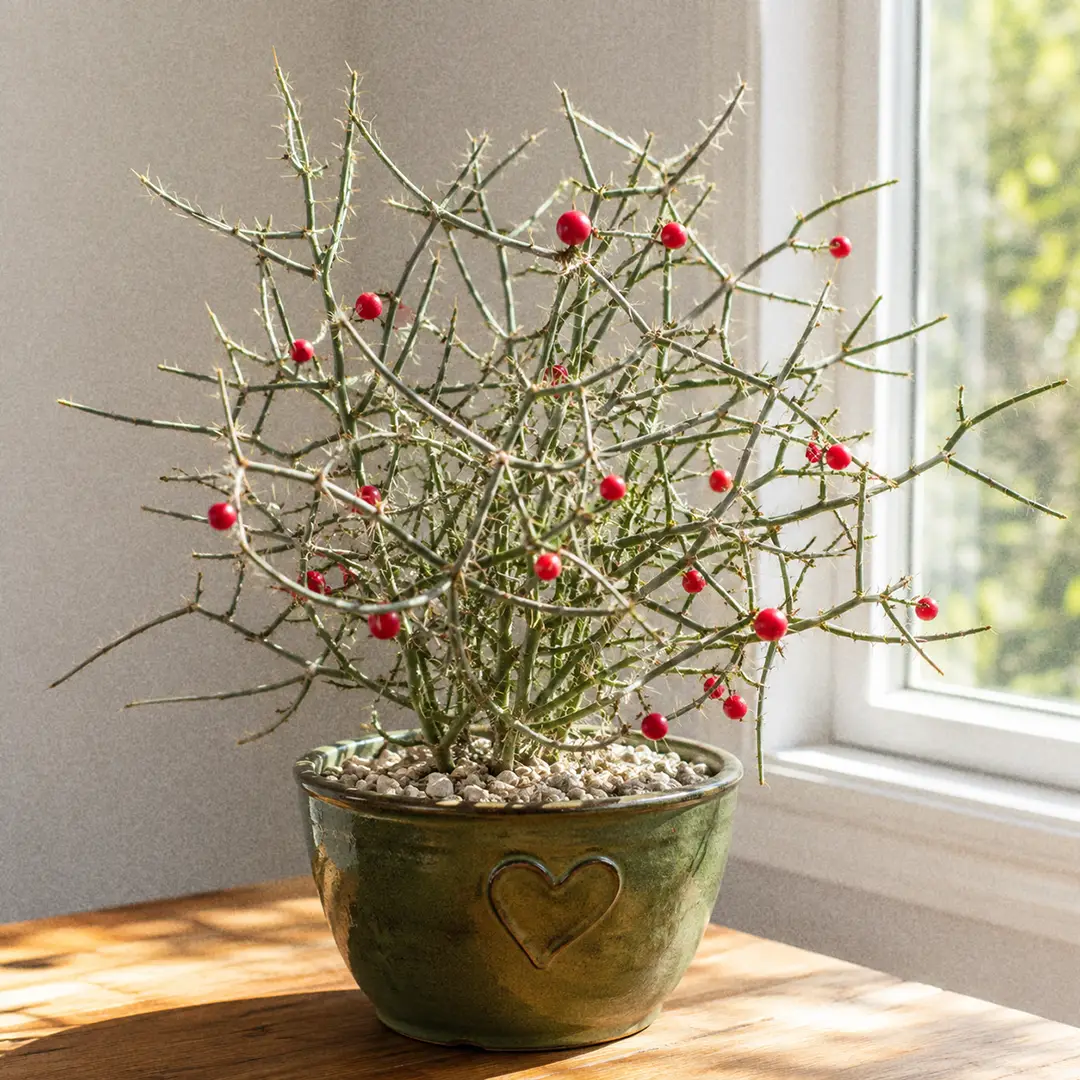
Complete Guide to Christmas Cholla Care and Growth
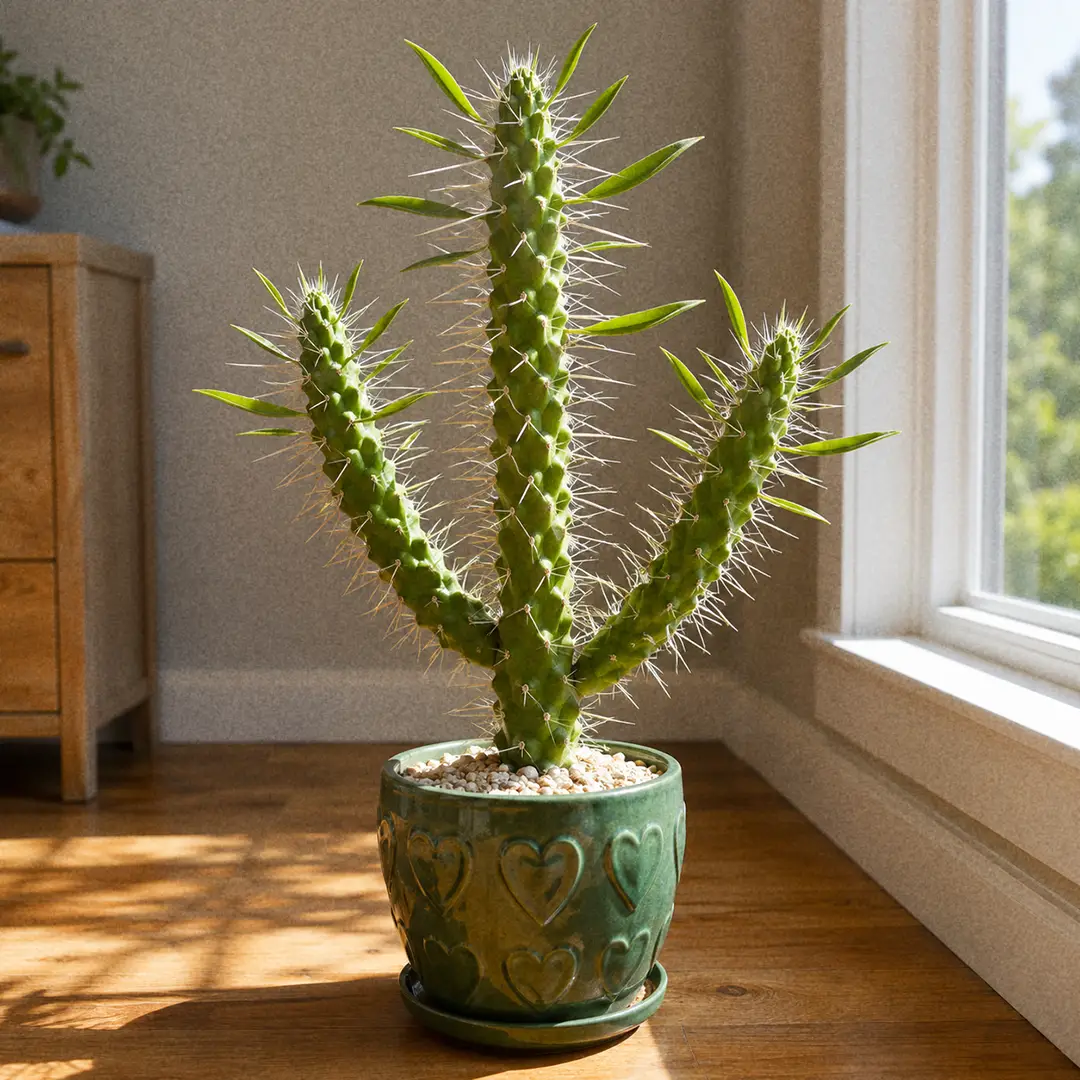
Complete Guide to Eve's Needle Cactus Care and Growth
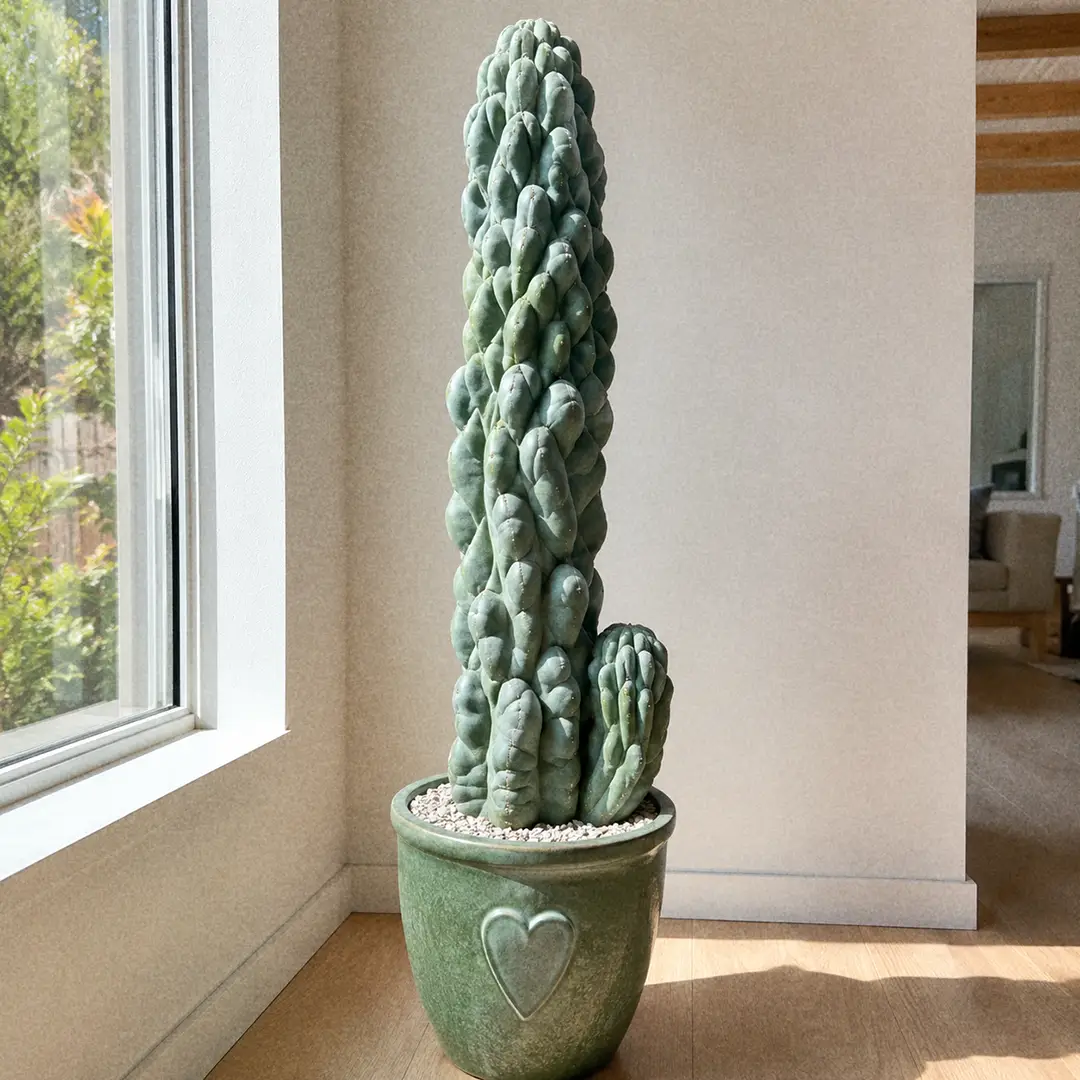
Complete Guide to Totem Pole Cactus Care and Growth
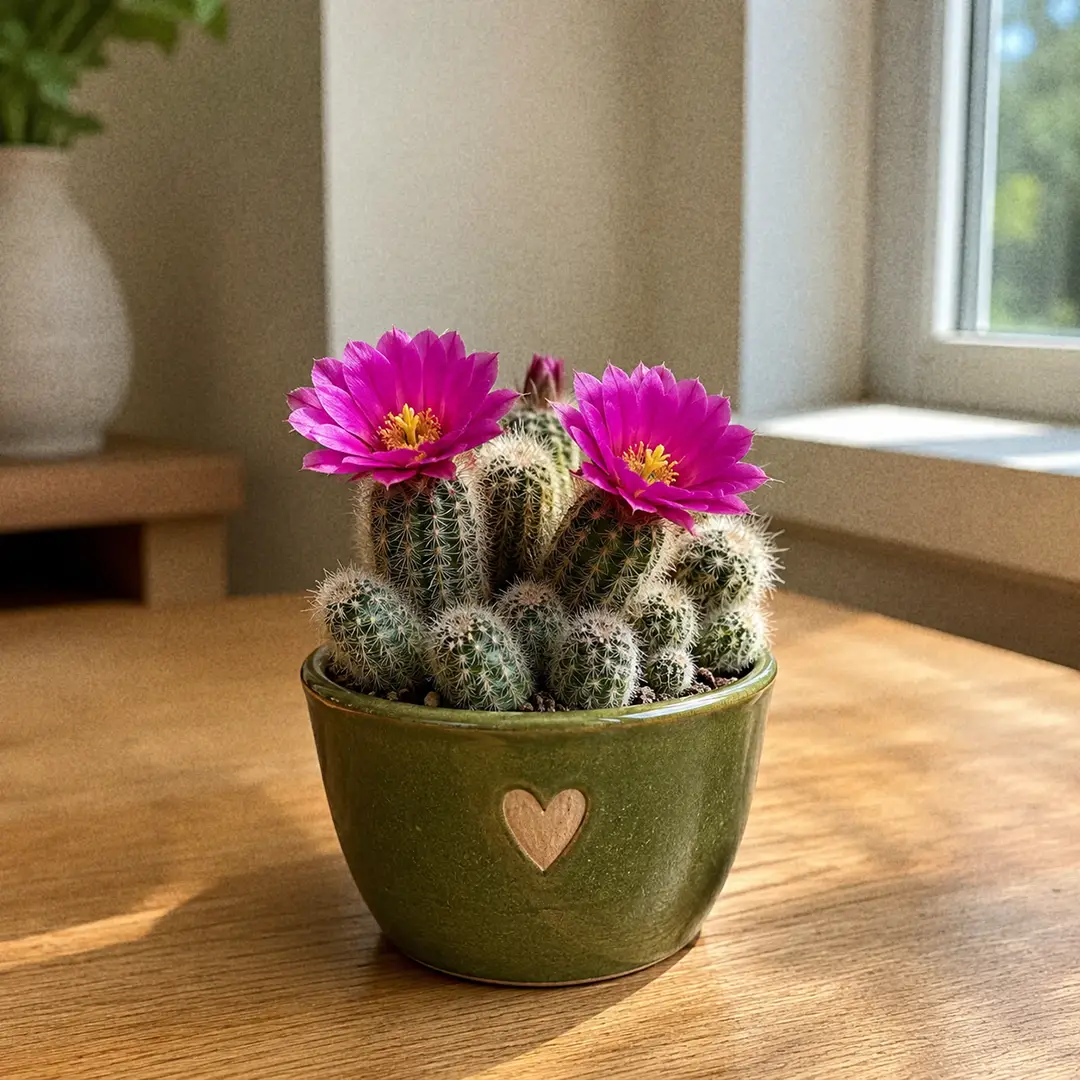
Complete Guide to Hedgehog Cactus Care and Growth
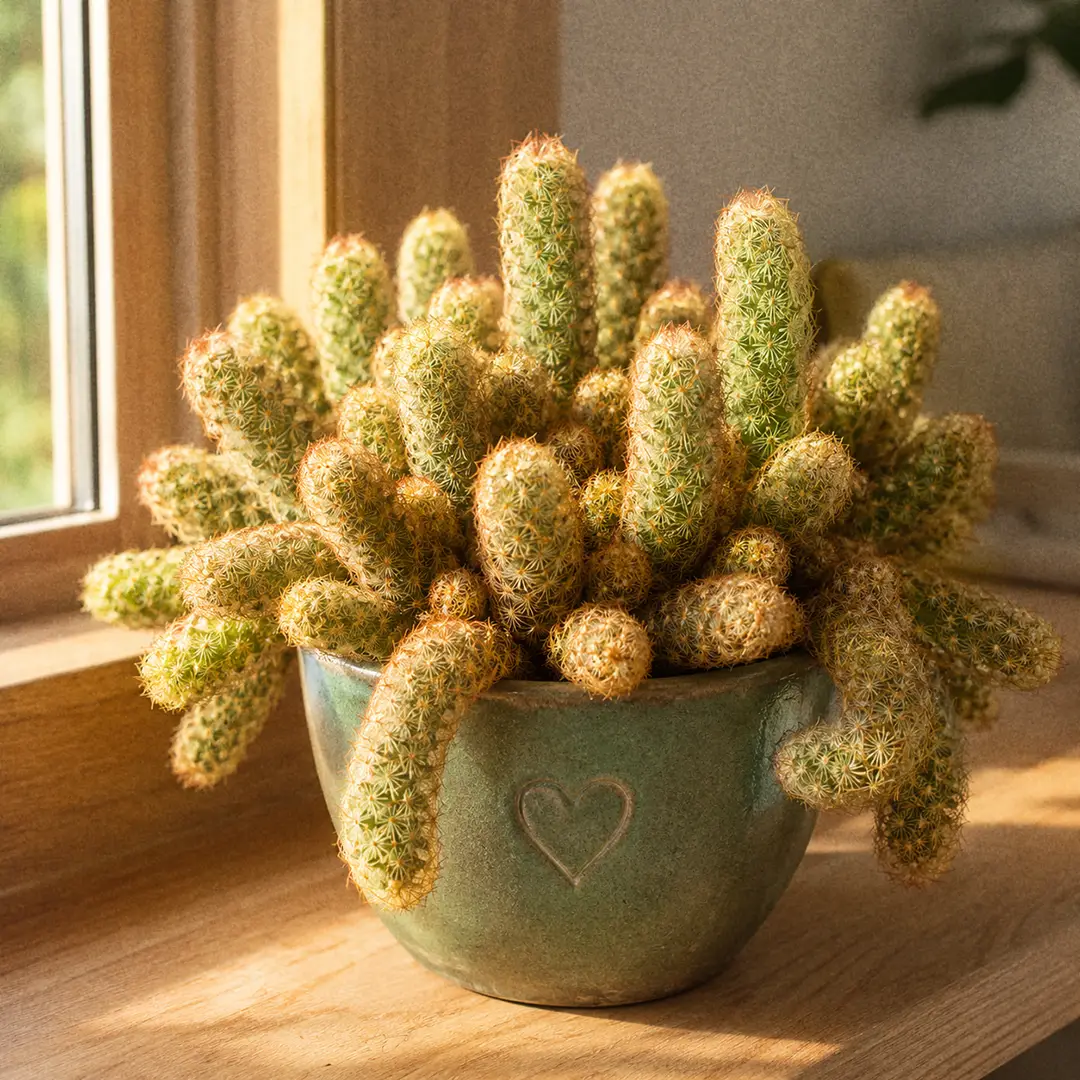
Complete Guide to Lady Finger Cactus Care and Growth
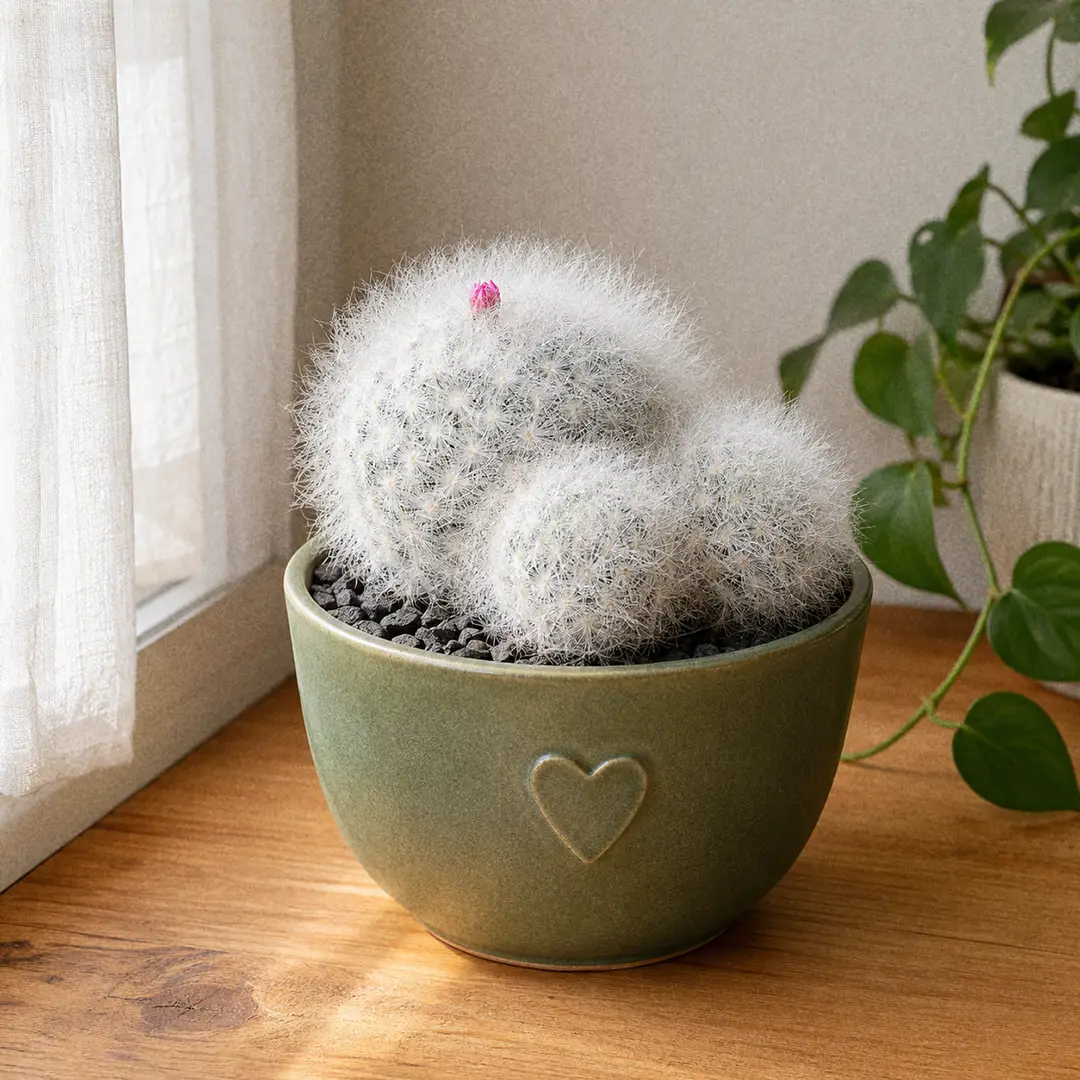
Complete Guide to Old Lady Cactus Care and Growth
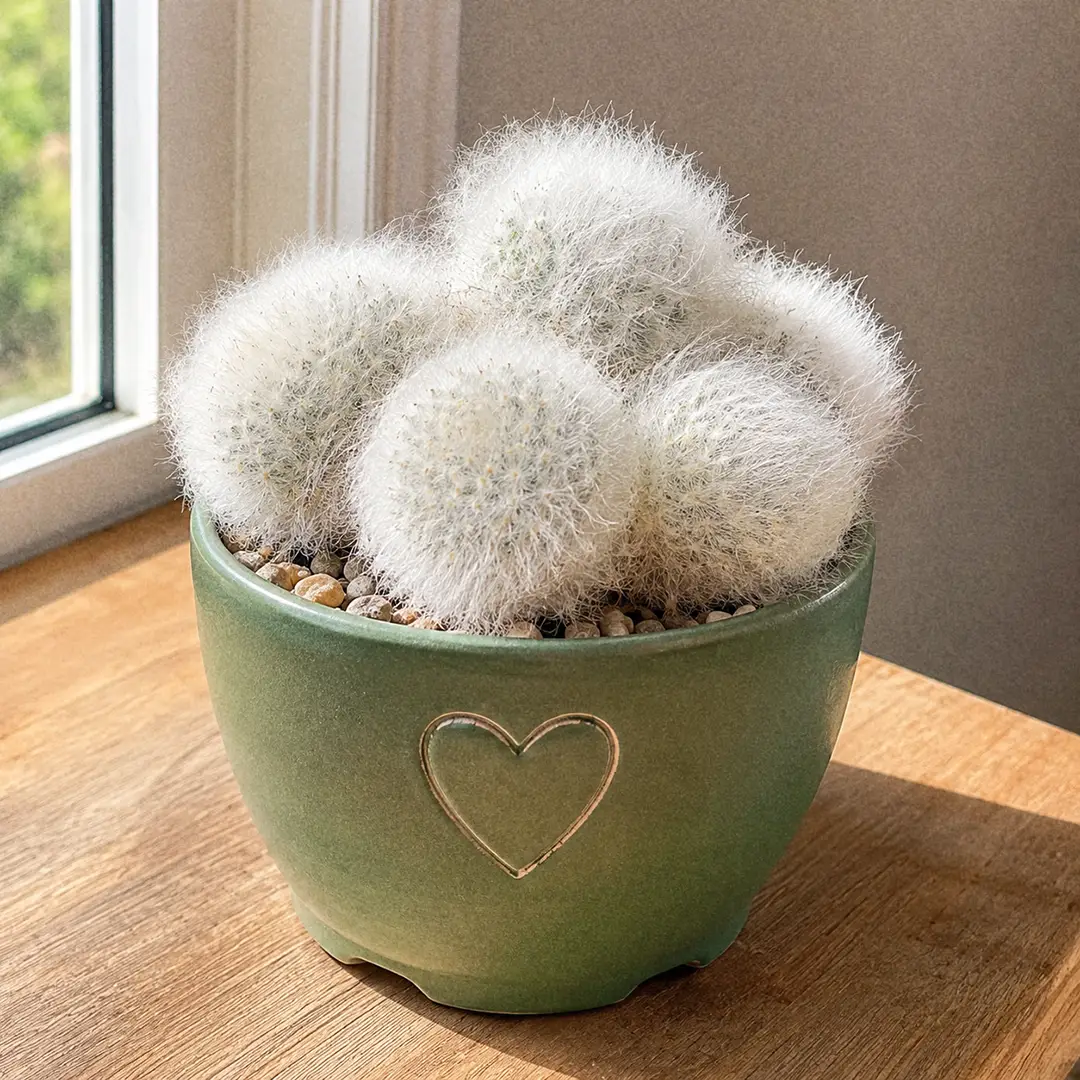
Complete Guide to Powder Puff Cactus Care and Growth
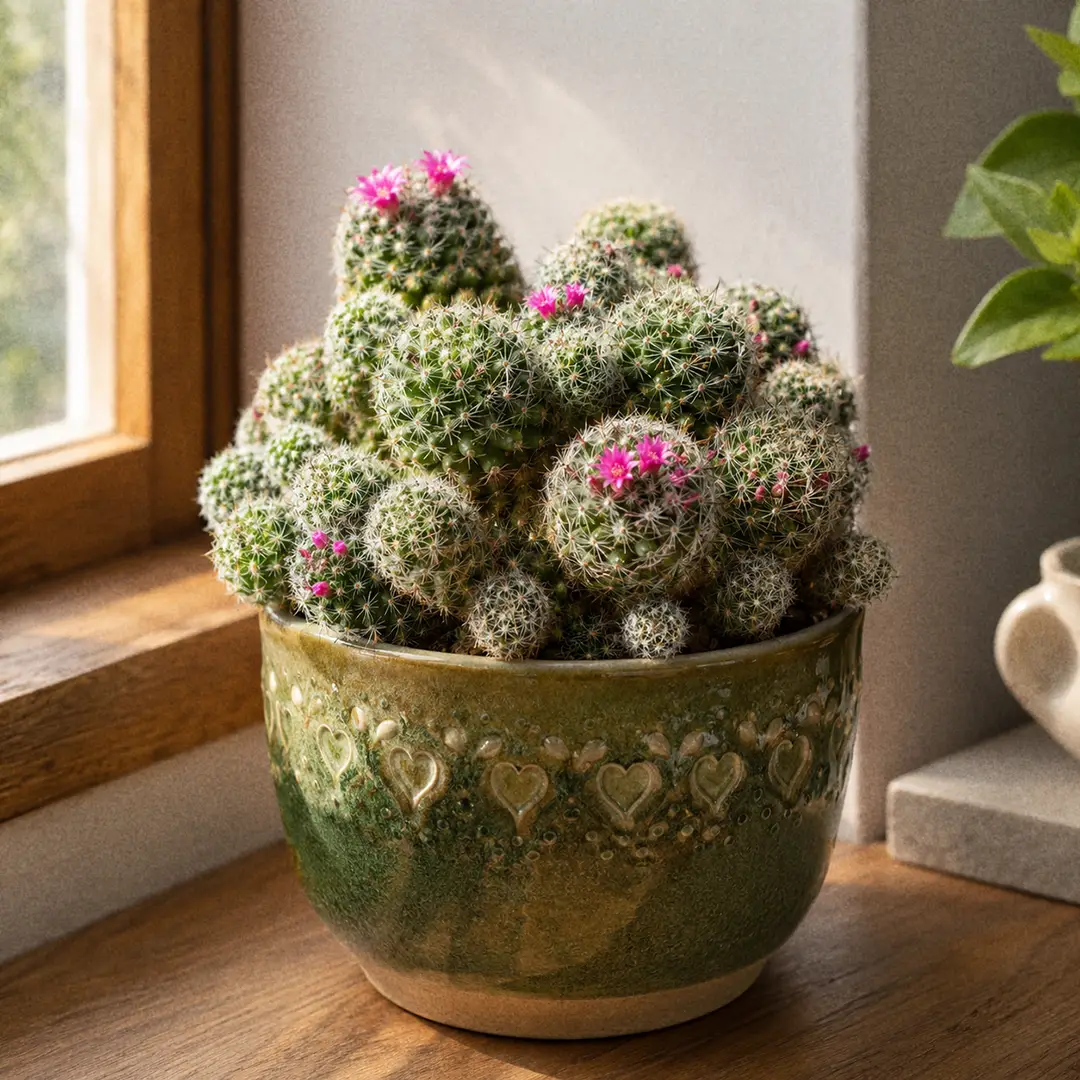
Complete Guide to Pincushion Cactus Care and Growth
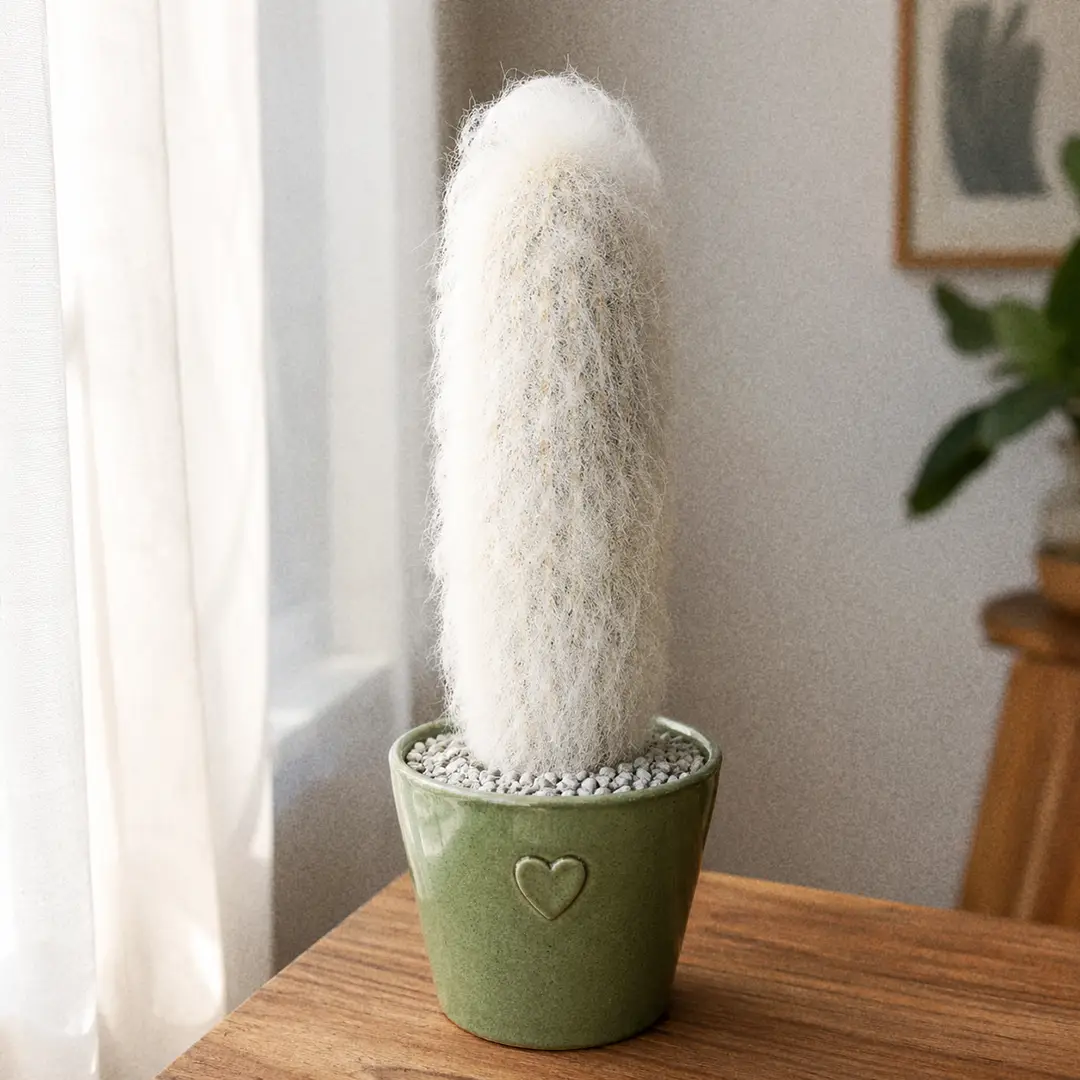
Complete Guide to Peruvian Old Man Cactus Care and Growth
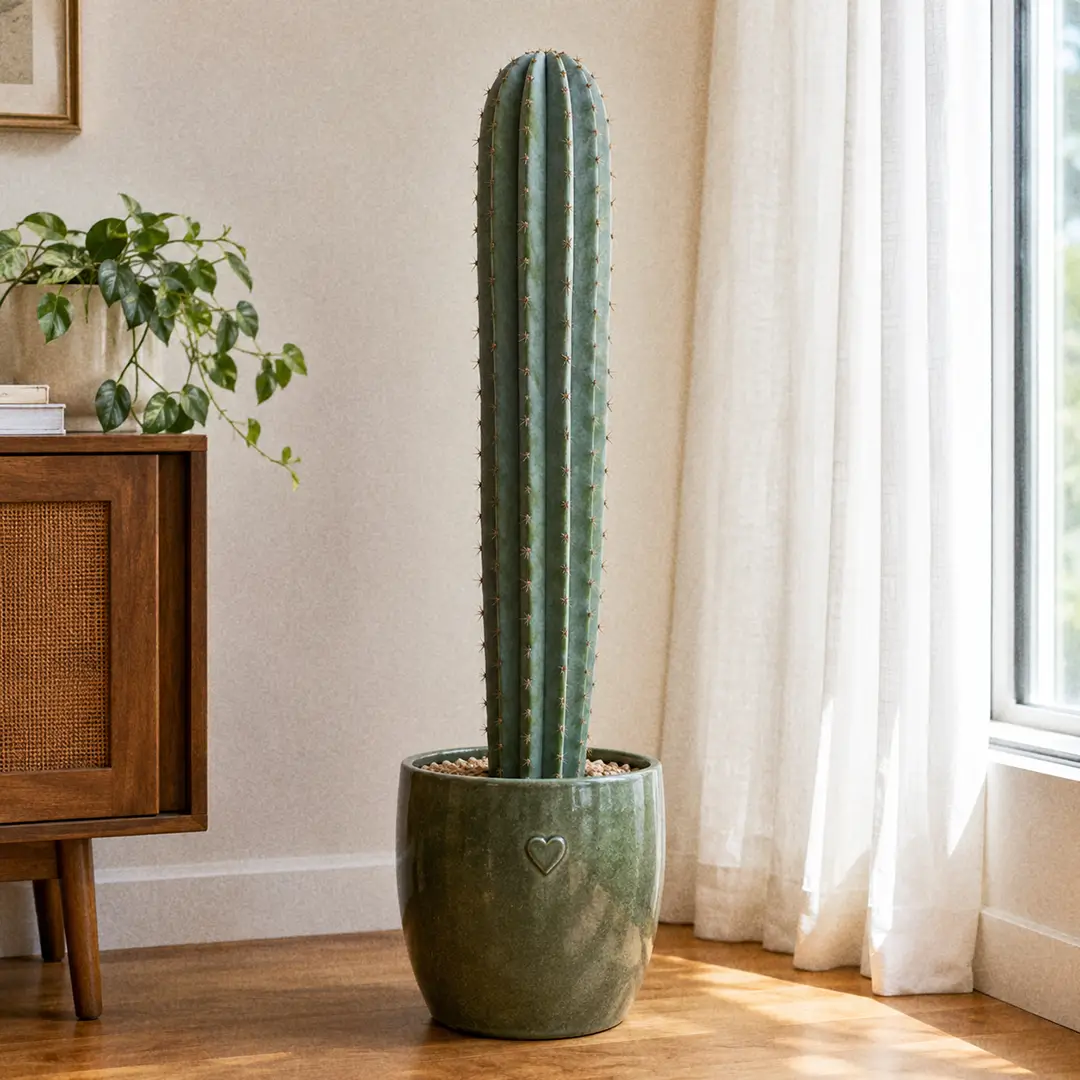
Complete Guide to Peruvian Apple Cactus Care and Growth
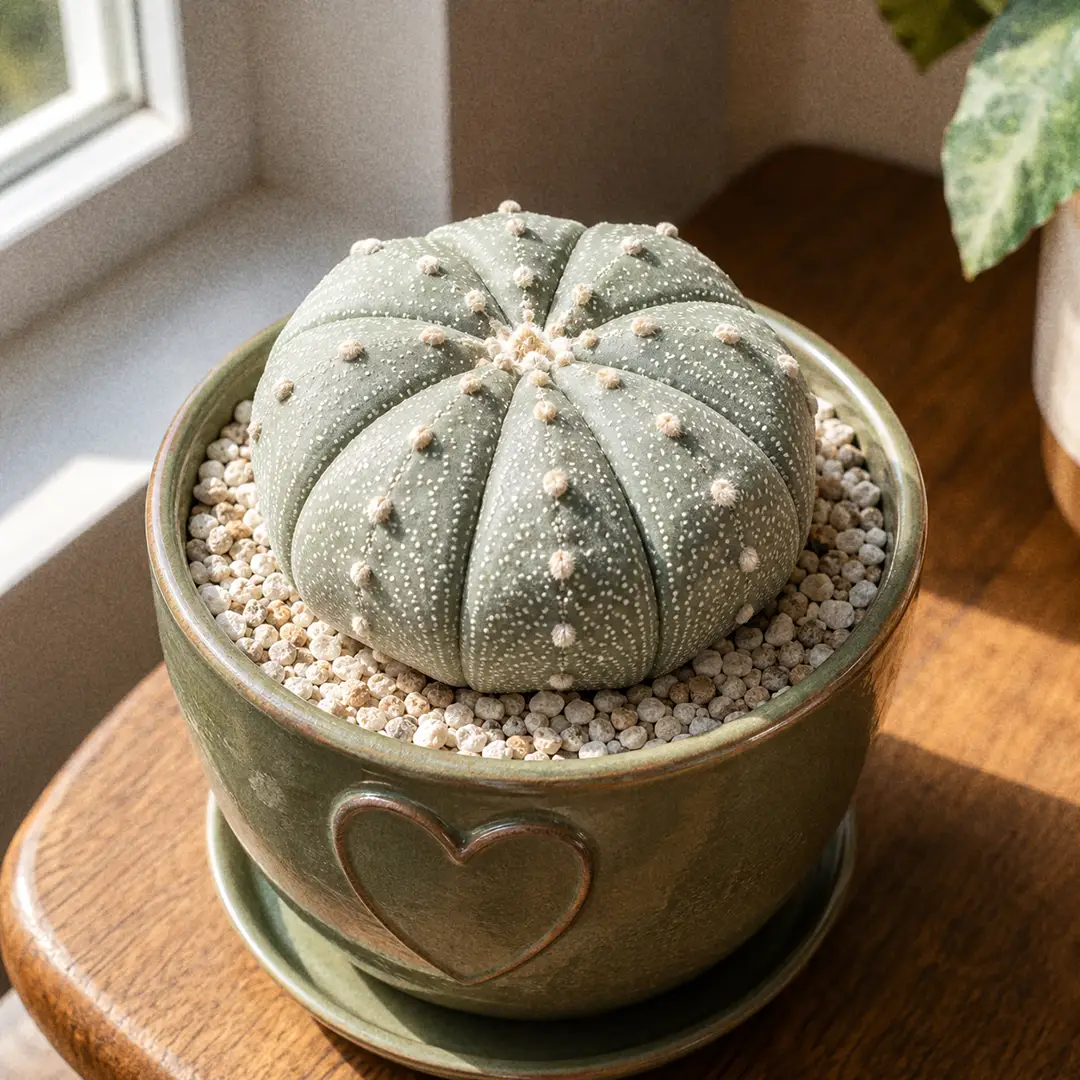
Complete Guide to Star Cactus Care and Growth

Houseplant101 Forum
Questions & Comments
Ask a question, share your plant experience, or help other plant owners.
Comments are temporarily unavailable.
Open the Houseplant101 ForumNo comments yet
Be the first to ask a question or share your experience about this page.
Log in or create an account
Comments use your Houseplant101 Forum account, but you can stay on this page.
Create a new account