
Xanadu
Thaumatophyllum xanadu
Philodendron Xanadu, Winterbourn, Thaumatophyllum xanadu, Aussie Xanadu


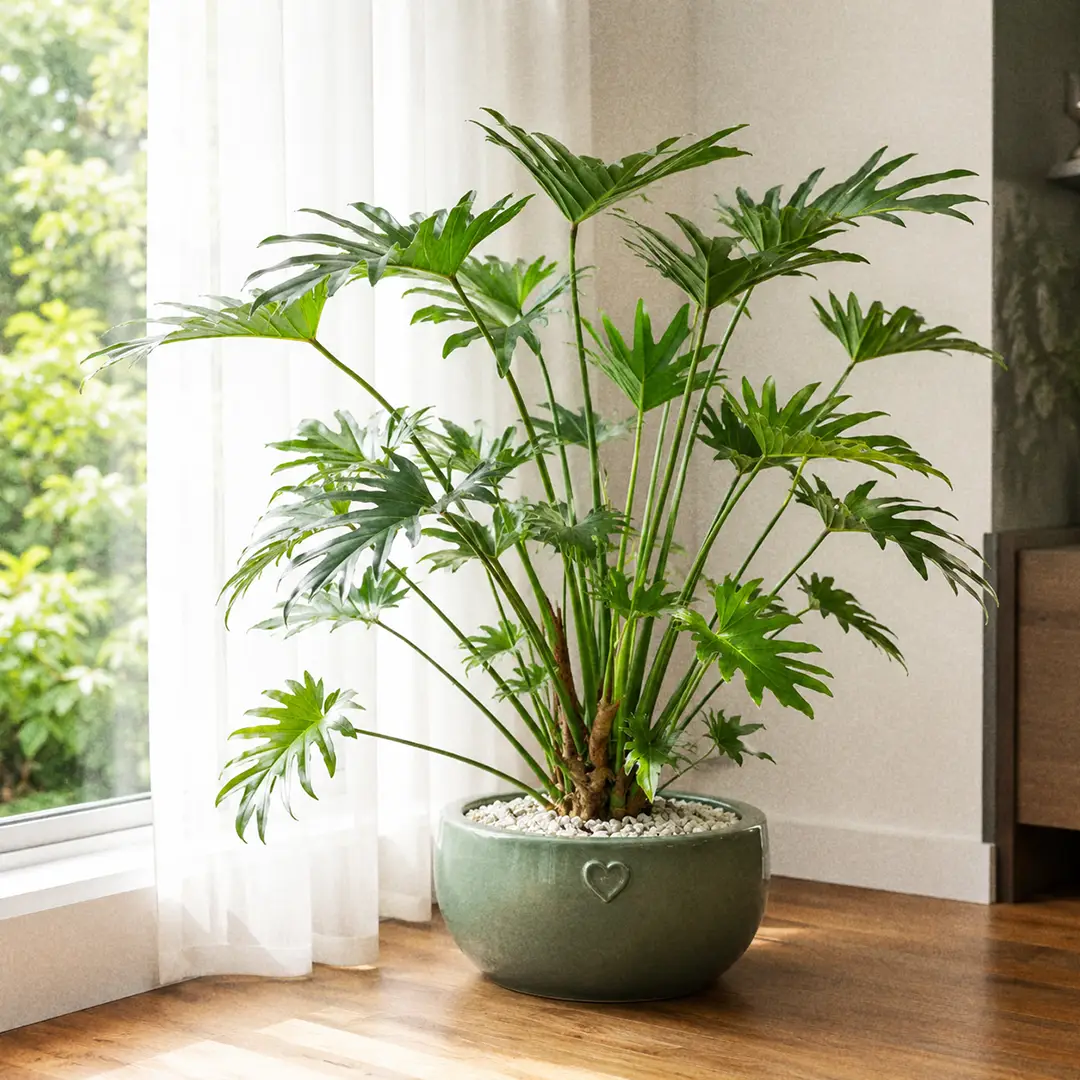
The Xanadu is a self-heading tropical aroid with deeply lobed, glossy green leaves that fan out in a low, generous mound. An Australian-bred cultivar that handles indoor life with very little fuss and earns its keep as a lush, sculptural floor plant.
📝 Xanadu Care Notes
🌿 Care Instructions
⚠️ Common Pests
📊 Growth Information
🪴 In This Guide 🪴

☀️ Xanadu Light Requirements (Bright Indirect, A Little Direct OK)
Light is what separates a lush, well-lobed Xanadu from a stretched, sparse one. Indoors it wants the brightest indirect spot you can offer, with a little direct morning sun perfectly welcome.
The Sweet Spot
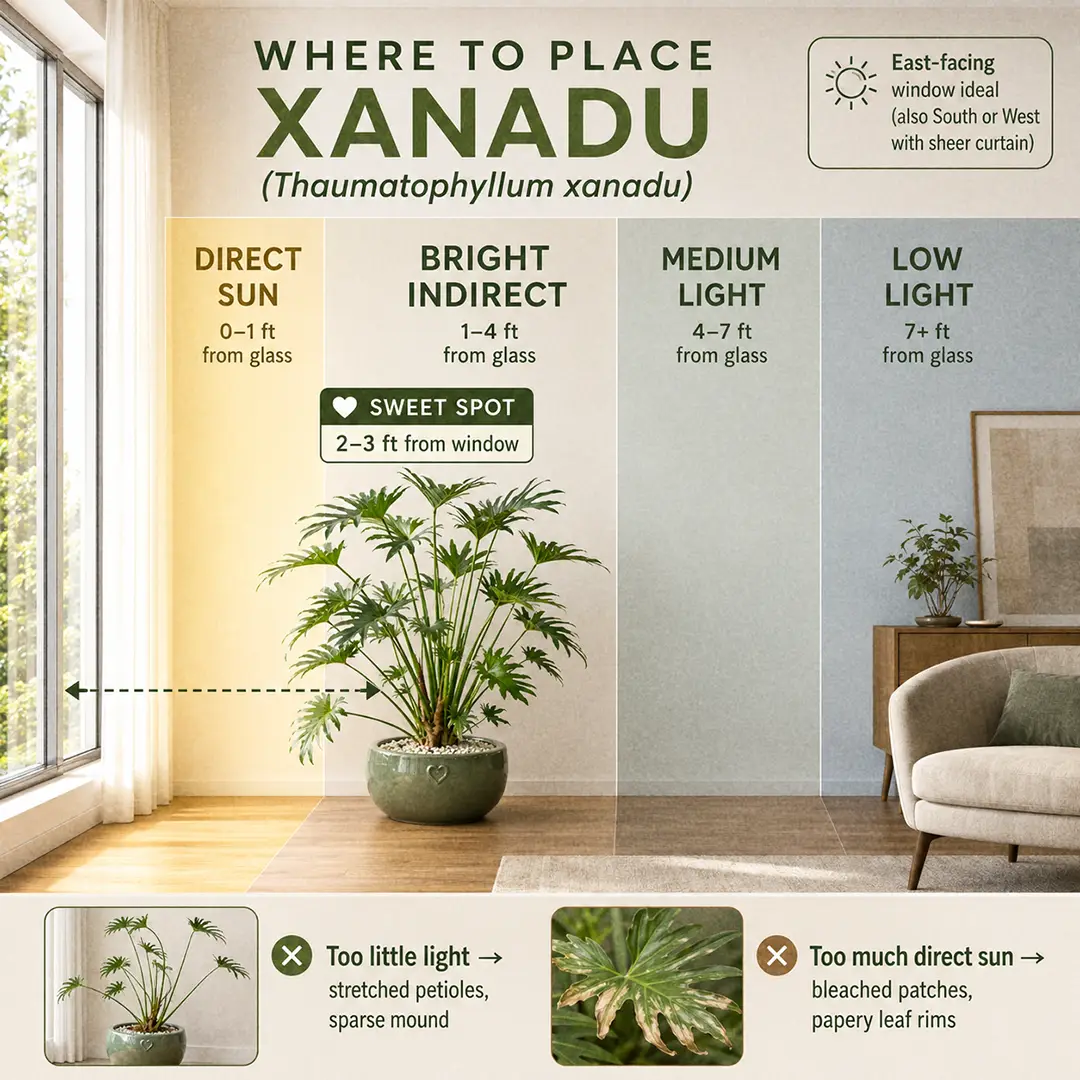
Aim for at least six hours of bright indirect light a day. A spot two to three feet back from an east-facing window is the textbook placement. South or west exposure also works as long as a sheer curtain softens the harshest afternoon hours. A little gentle morning sun keeps the leaves compact and pushes new lobed spears at a steady pace.
What Too Little Light Looks Like
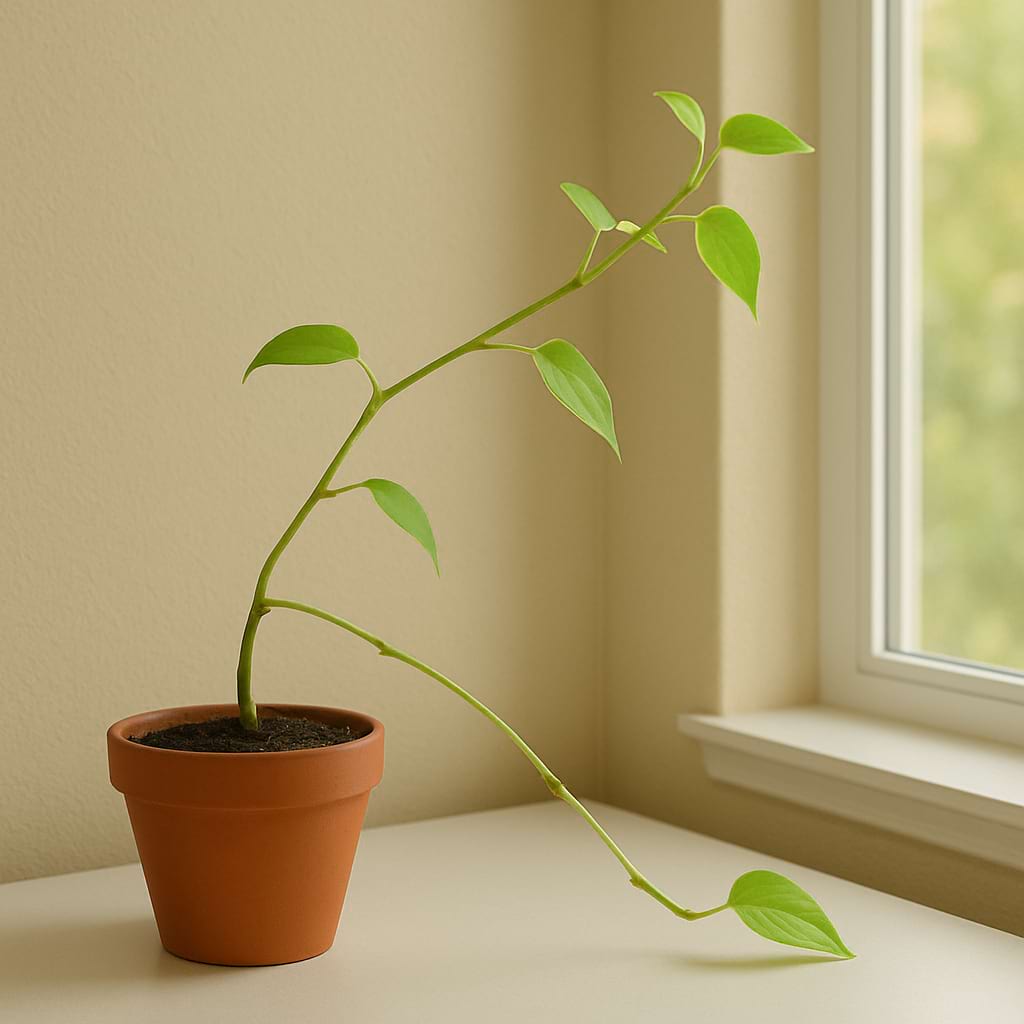
In dim light, petioles stretch outward and the leaves sit further apart on longer stems. Newer leaves emerge with shallower lobes, and the plant flops outward instead of building upward. If you see fewer than one new leaf every six weeks during spring and summer, move it closer to the window or add a small grow light for several hours a day.
What Too Much Light Looks Like
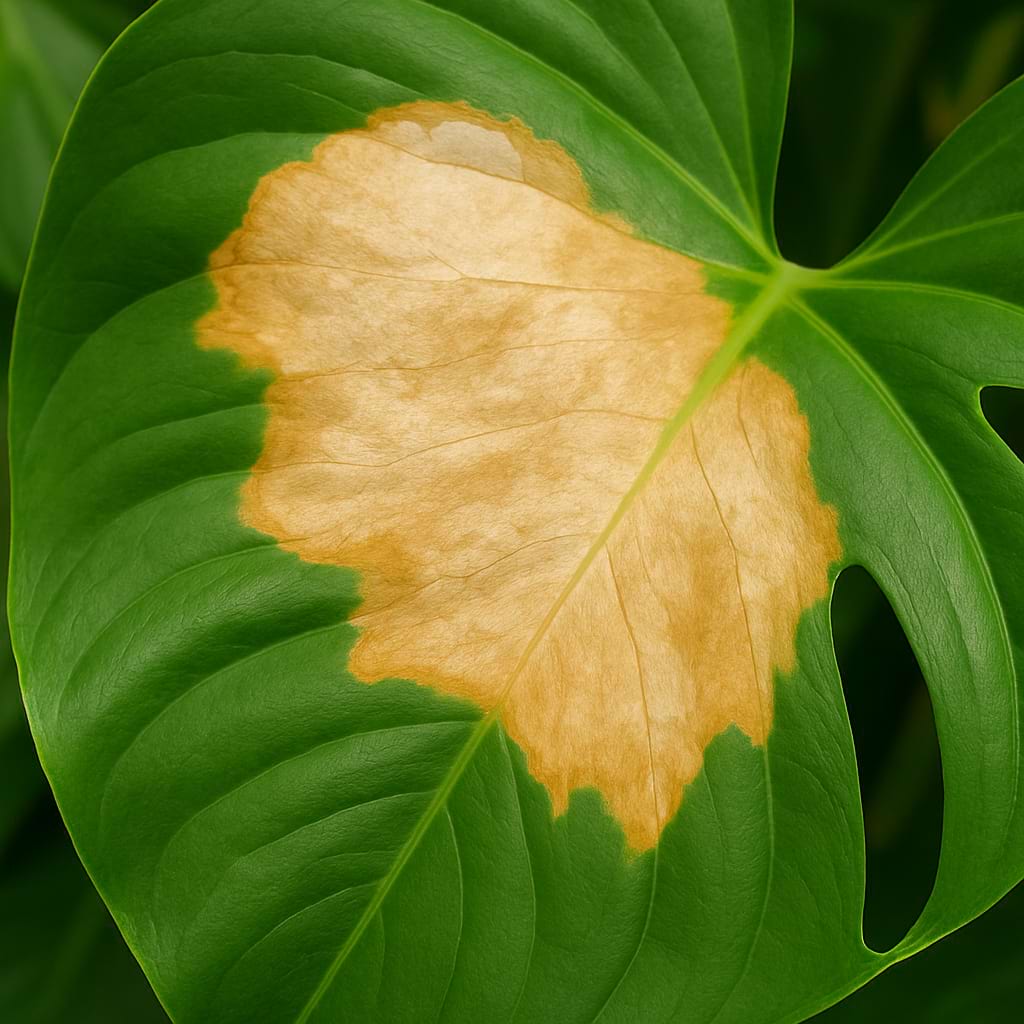
Direct afternoon sun bleaches the leaf surface. Watch for pale yellow patches at the center of exposed leaves and papery dry rims. Pull the plant a foot or two back from the glass, or hang a sheer curtain.
A quick check: hold your hand between the window and the plant. A soft, slightly fuzzy shadow on the foliage means the light is right. A crisp, hard-edged shadow means too much direct sun.
💧 Xanadu Watering Guide (When the Top Inch Dries)
The Xanadu likes consistent moisture but cannot sit in soggy soil. Aroid roots need air pockets, and constantly wet potting mix smothers them and invites root rot.
How Often to Water
Push a finger one knuckle deep into the soil. If the top inch feels dry and the soil below feels lightly damp, water. In a typical home, that lands every seven to ten days during spring and summer, and every two weeks or longer in winter. The general primer on watering houseplants covers the rhythm.
How to Water Properly
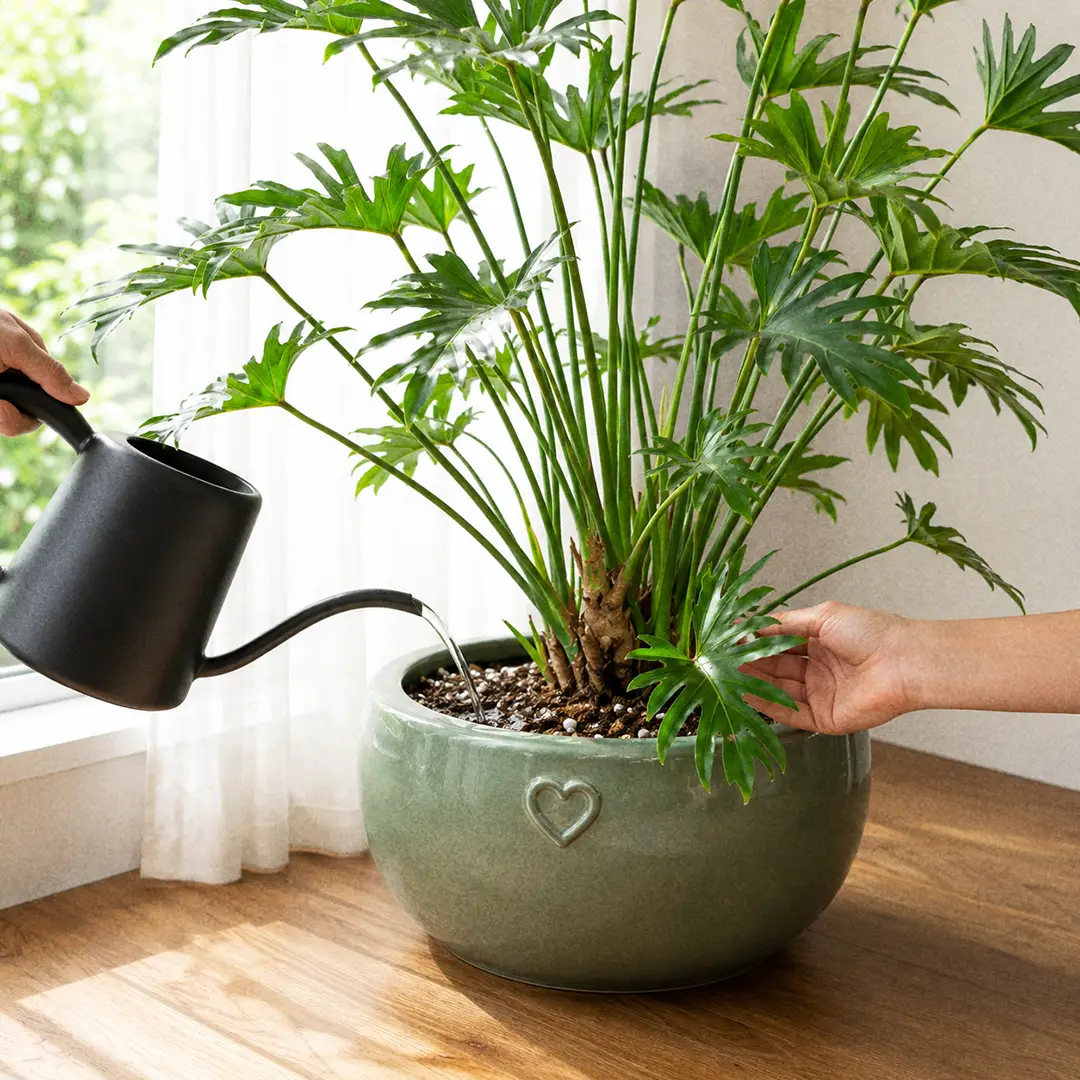
Water at the soil, not over the leaves. Pour slowly until water runs from the drainage hole. Let the pot drain fully, then tip out the saucer. The Xanadu's spreading mound shades the soil surface, so lift a few leaves out of the way as you pour.
Signs You Are Overwatering
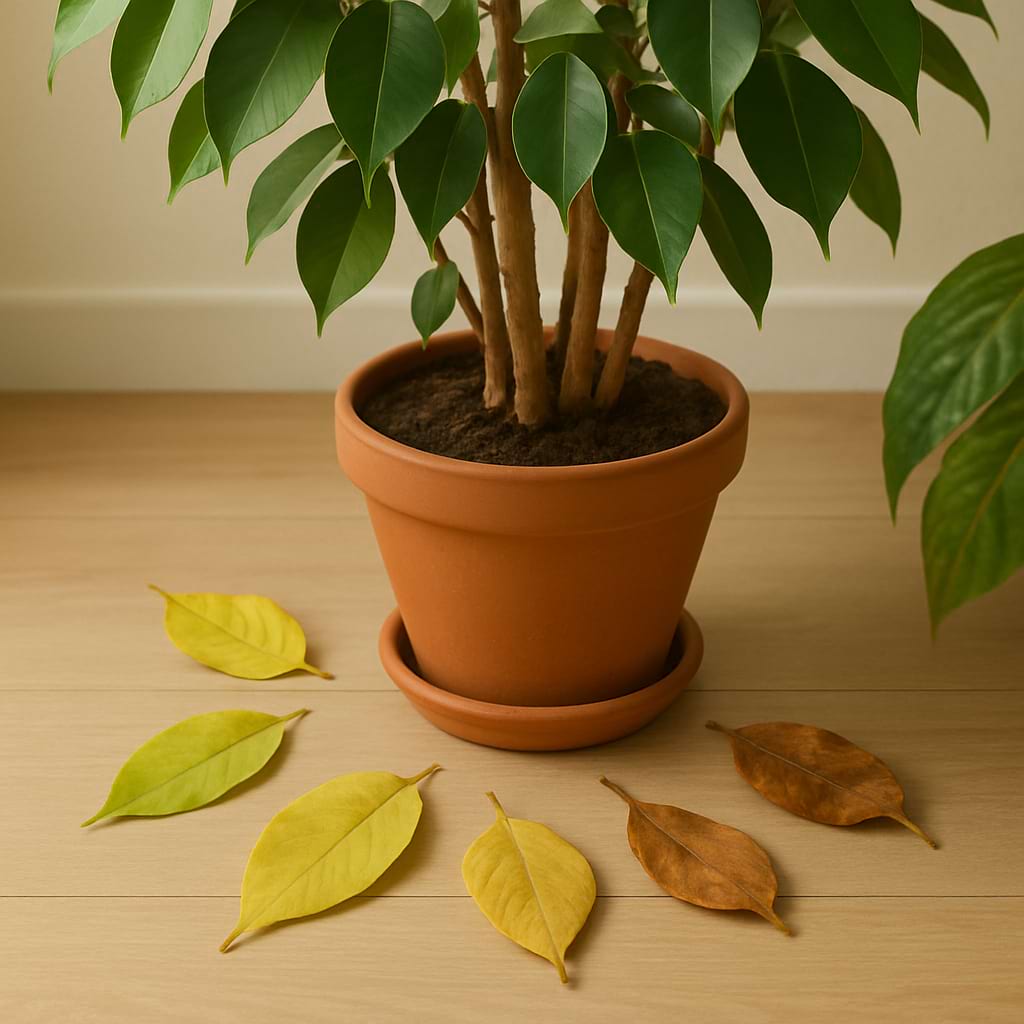
- Lower leaves yellowing one after another on the outer ring
- A sour or musty smell from the soil
- Soft, mushy stems near the base
- Soil that stays wet for more than a week
- Petioles collapsing outward and feeling spongy
Signs You Are Underwatering
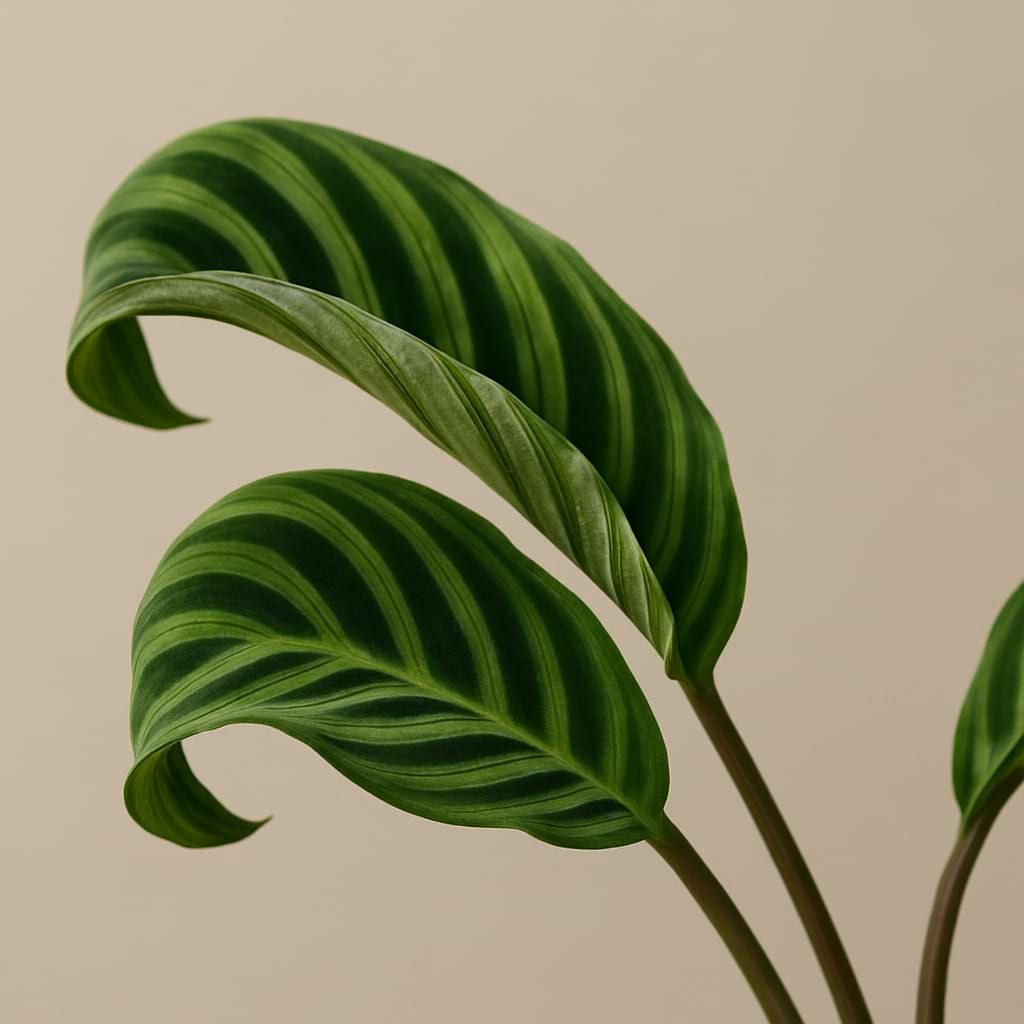
- Leaves curling lengthwise like a closing fan
- Crispy brown edges on otherwise healthy leaves
- Soil pulling away from the sides of the pot
- The whole mound drooping with petioles fanning low
- New leaves stalling halfway through unfurling
If the soil has gone bone dry and repels water, bottom watering is the fastest fix. Set the pot in a basin of room-temperature water for twenty minutes, then drain.
Water Quality
Tap water is fine, better tolerated than fussier aroids like a Calathea Orbifolia. If your tap is heavily chlorinated or hard, brown leaf tips can show up over time. Letting a watering can sit out overnight helps, and filtered or rainwater removes the rest.
🪴 Best Soil for Xanadu (Chunky Aroid Mix)
Standard potting soil packs down too tightly. The right blend is loose, chunky, and fast-draining.
A Simple DIY Aroid Mix
- 2 parts quality indoor potting soil
- 1 part orchid bark (medium grade)
- 1 part perlite or pumice
- 1/2 part horticultural charcoal
- A handful of worm castings
Mix and squeeze a fistful in your hand. It should hold loosely, then crumble apart. The base soil for houseplants guide covers what each ingredient does.
What to Look For in a Premix
Look for a bag labeled "aroid mix" or "monstera and philodendron mix." Avoid anything labeled "moisture control" or "African violet mix."
Why Drainage Matters So Much
The Xanadu's self-heading habit means a thicker, woodier crown sits at the soil line. If that crown stays wet, it rots from the center outward, and the whole plant can collapse before you notice anything wrong.
🍼 Fertilizing Xanadu (Balanced Feed in Spring and Summer)
A well-fed Xanadu pushes glossier, larger, more deeply lobed leaves.
When to Fertilize
Feed every three to four weeks during the active season, roughly March through September. Stop completely from late fall through winter.
What to Use
A balanced liquid houseplant fertilizer with an NPK around 3-1-2 or 10-10-10 works well. Always dilute to half the label dose. The full guide on fertilizing houseplants walks through the why.
If you prefer slow-release, work a small scoop of granular aroid food into the top inch of soil in early spring and top up with diluted liquid feed every six weeks.
Reading the Plant
- New leaves close in size to older leaves, saturated glossy green: feeding is on point.
- Smaller new leaves with paler color: bump up frequency slightly.
- Brown leaf tips and a white crust on soil: too much fertilizer. Flush the pot with plain water until it runs clear, then skip a cycle.
- Pale yellowing between veins on older leaves: try a monthly half-strength feed with micronutrients.
🌡️ Xanadu Temperature Range
The sweet spot is between 65 and 85°F (18 to 29°C), which is where most homes live year-round. Avoid sudden swings and cold air.
What to Avoid
- Cold drafts from leaky windows or doors
- Hot blasts from heating vents or radiators
- AC vents blowing directly on the canopy
- Anything below 55°F (13°C)
Seasonal Care
Move the plant a step away from cold windows once outdoor temperatures drop. If you summer plants outside, bring this one in well before nights fall under 60°F (15°C). A quick wipe-down and pest inspection on the way back inside saves trouble later.
💦 Xanadu Humidity Requirements
Ideal Humidity
The Xanadu enjoys moist air but does not demand it, and is one of the more forgiving aroids when winter humidity drops.
- Ideal range: 50 to 70 percent
- Tolerable: 40 percent
- Trouble starts below: 30 percent
Easy Ways to Boost Humidity
- Run a small humidifier in the room
- Group the Xanadu with other tropical plants
- Set the pot on a pebble tray (pot on pebbles, not in water)
- Move to a bright bathroom or kitchen if either gets enough light
A general overview of humidity for houseplants helps. Misting is fine for a quick boost but does not raise ambient humidity for long.
🌸 Xanadu Flowers (Rare Indoor Bloom)
Why It Rarely Blooms Indoors
This plant is grown for its leaves. A mature Xanadu in near-perfect conditions can produce the classic aroid inflorescence: a deep reddish purple spathe wrapping a cream spadix. Indoors, this is uncommon.
Keep or Pinch?
If yours blooms, treat it as a curiosity. The flower drains energy from the plant. You can leave it to enjoy or snip it off to redirect that energy into more leaves.
🏷️ Xanadu Types and Varieties
The Xanadu is a single named cultivar, properly called Thaumatophyllum xanadu 'Winterbourn,' patented by House Plants of Australia in the late 1980s. A few sports and lookalikes show up at garden centers.
Classic Green Xanadu ('Winterbourn')
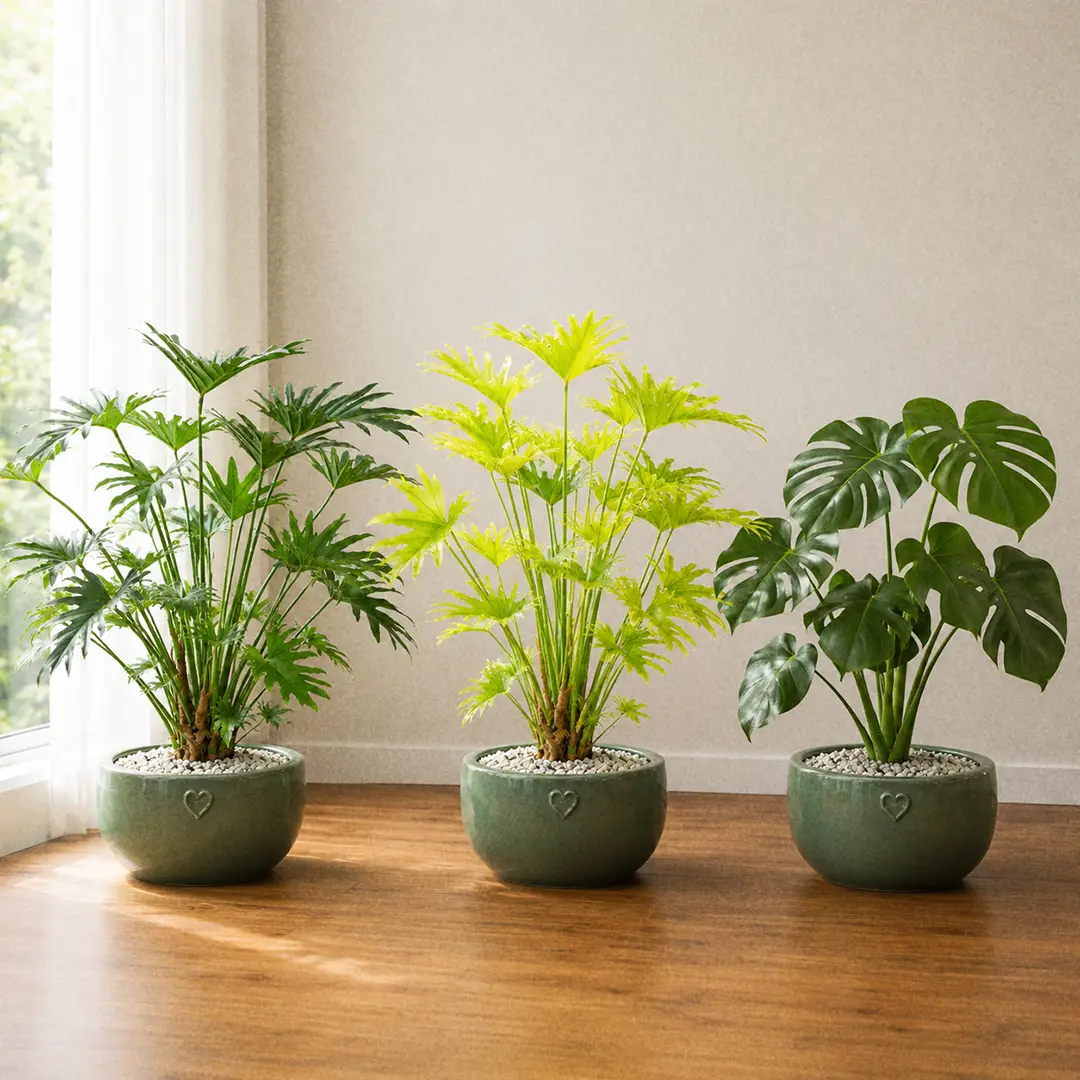
The original. Glossy medium-green leaves with seven to fifteen deep lobes per blade. Forms a low mound up to four feet wide indoors.
Golden Xanadu
A chartreuse-yellow sport. New leaves emerge bright lime gold and mature toward yellow-green. Care is identical, though it prefers slightly brighter light.
Variegated Xanadu
A rare, slow-growing sport with cream-and-green marbled lobes. Slower growers because the cream sections do not photosynthesize. Light should be a little brighter than for the green form.
Xanadu vs. Split-Leaf Philodendron (Hope, Selloum)
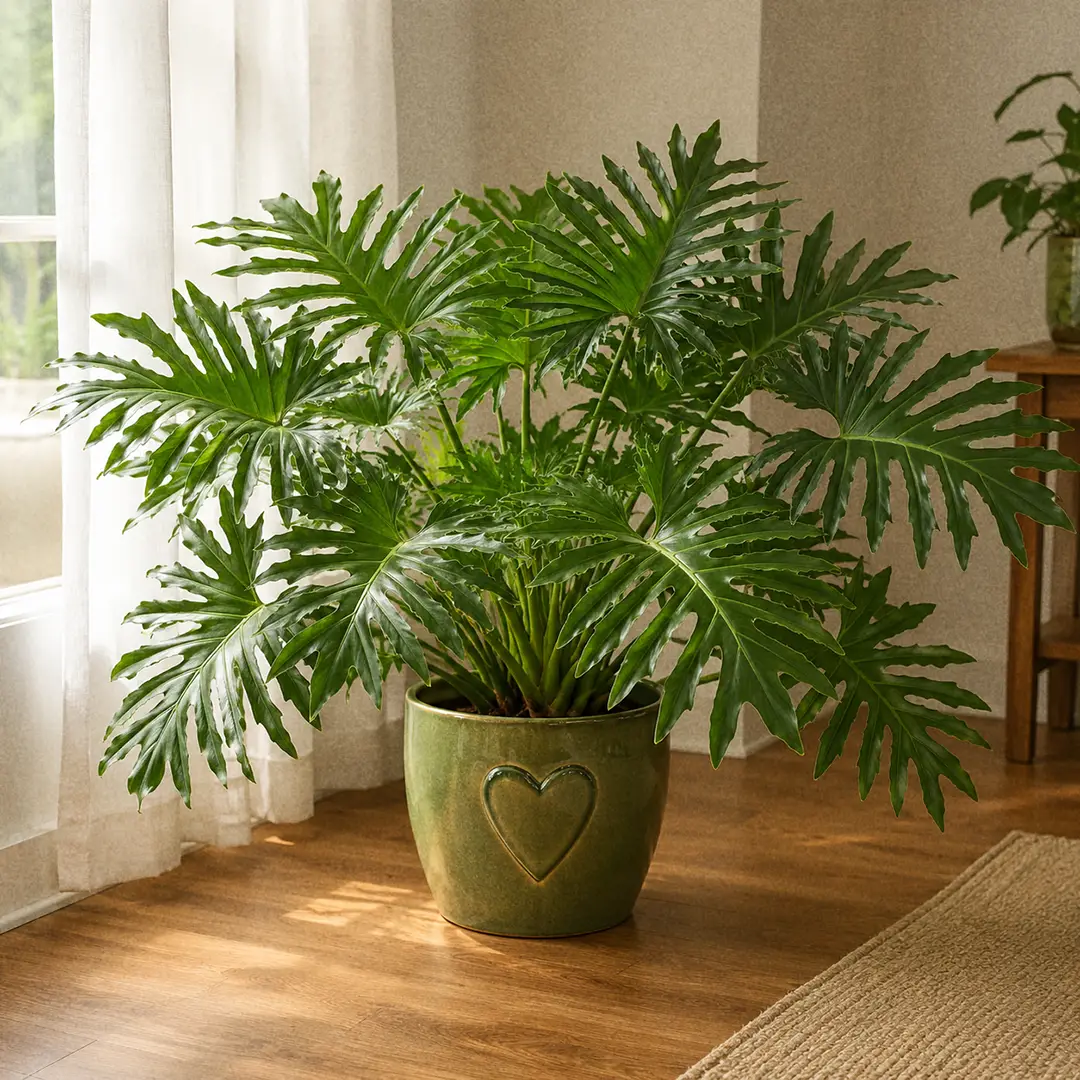
These names refer to Thaumatophyllum bipinnatifidum, the older cousin. The full-size Selloum grows to six feet or more with longer petioles and more deeply dissected leaves. The compact Hope Selloum is closer in size, but its leaves are bigger and more dramatically split. A Xanadu is roughly half the size of a mature Hope.
Xanadu vs. Monstera Deliciosa
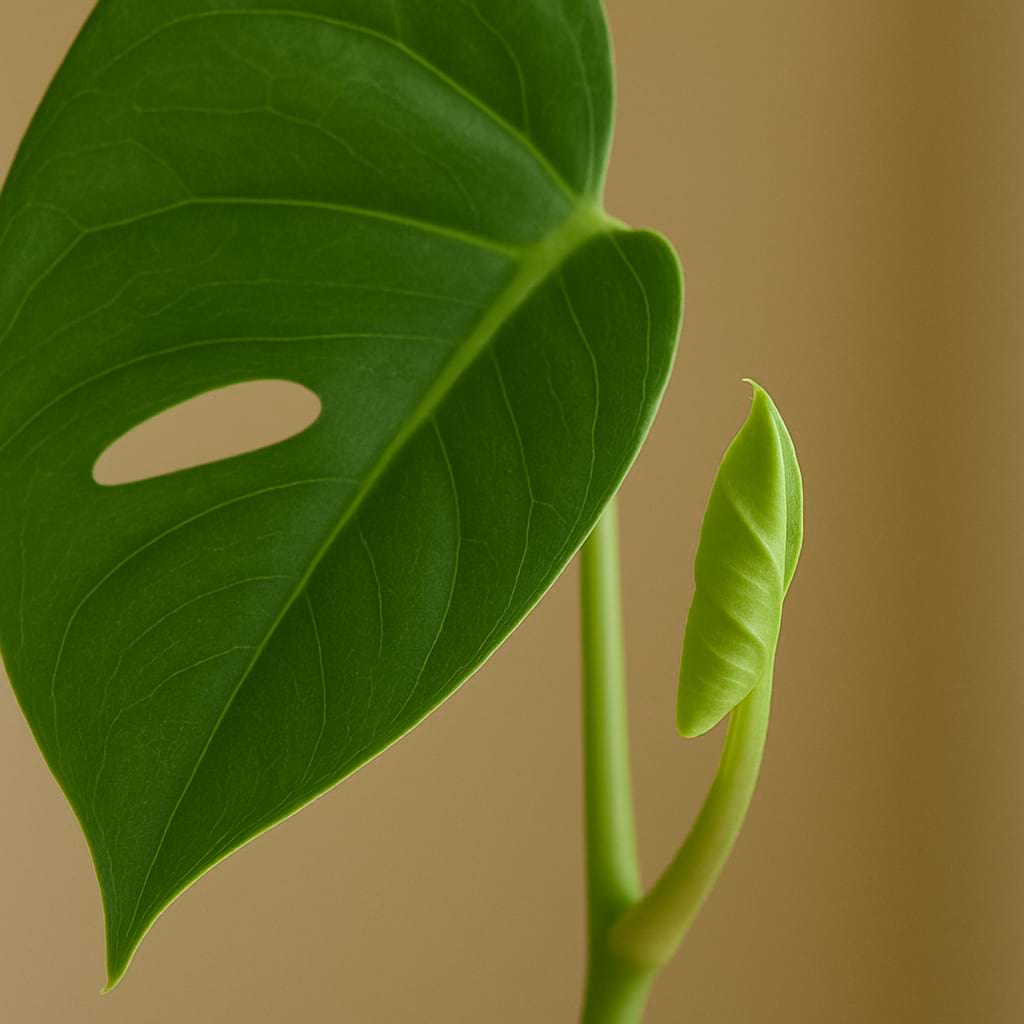
The Monstera Deliciosa is a climbing vine with fenestrations (holes) inside the leaf. The Xanadu is a self-heading shrub with deep lobes that go all the way to the central rib, and no internal holes.
Xanadu vs. Rojo Congo
The Rojo Congo is a self-heading Philodendron with broad, undivided burgundy-and-green leaves. Same growth habit, different leaf shape. The two pair beautifully.
Xanadu vs. Prince of Orange
The Prince of Orange brings bright orange new leaves that mature to deep green. Where the Xanadu offers texture, the Prince of Orange offers color drama.
🪴 Potting and Repotting Xanadu
The Xanadu spreads sideways rather than upward, so pot choice matters.
When to Repot
Repot every two to three years, or when you see:
- Roots circling tightly around the root ball
- Roots growing out of the drainage hole
- Water running straight through the pot
- Basal offsets crowding so densely the crown lifts above the soil line
- A noticeable slowdown in new leaf production
How to Repot
- Water lightly the day before so the root ball holds together.
- Choose a new pot one to two inches wider than the current one. Wide and low beats tall and narrow.
- Fill the bottom inch with fresh chunky aroid mix.
- Slide the plant out and gently loosen the outer roots. Trim any mushy or hollow ones.
- Set the plant in the new pot at the same depth. Do not bury the crown.
- Backfill, tap to settle, water thoroughly, and place back in its bright indirect spot.
A general overview of repotting houseplants covers timing and pot choice. Skip fertilizing for four weeks after a repot.
Pot Shape and Material
A wide low planter lets the foliage spill outward in proportion. Width should be at least two-thirds of the leaf canopy spread. Terracotta dries faster (good if you tend to overwater). Glazed ceramic and plastic hold moisture longer. Drainage holes are non-negotiable.
✂️ Pruning Xanadu
Pruning is mostly cleanup, not shaping.
What to Prune
- Yellowing or spent outer leaves: cut the petiole at its base with clean snips.
- Damaged or torn leaves: same approach.
- Browned leaf tips: trim with sharp scissors, following the natural lobed shape.
- Tall stretched petioles after a low-light spell: remove the worst offenders.
New growth emerges from the central crown, not from cuts higher up.
When to Prune
Spring and early summer are ideal. Avoid major cuts in winter. Sterilize snips with rubbing alcohol between cuts.
Cleaning
The lobed leaves are dust traps. Every couple of weeks, wipe upper and lower leaf surfaces with a soft, damp cloth. Skip leaf shine sprays.
🌱 How to Propagate Xanadu
Division at repotting time is the most reliable method.
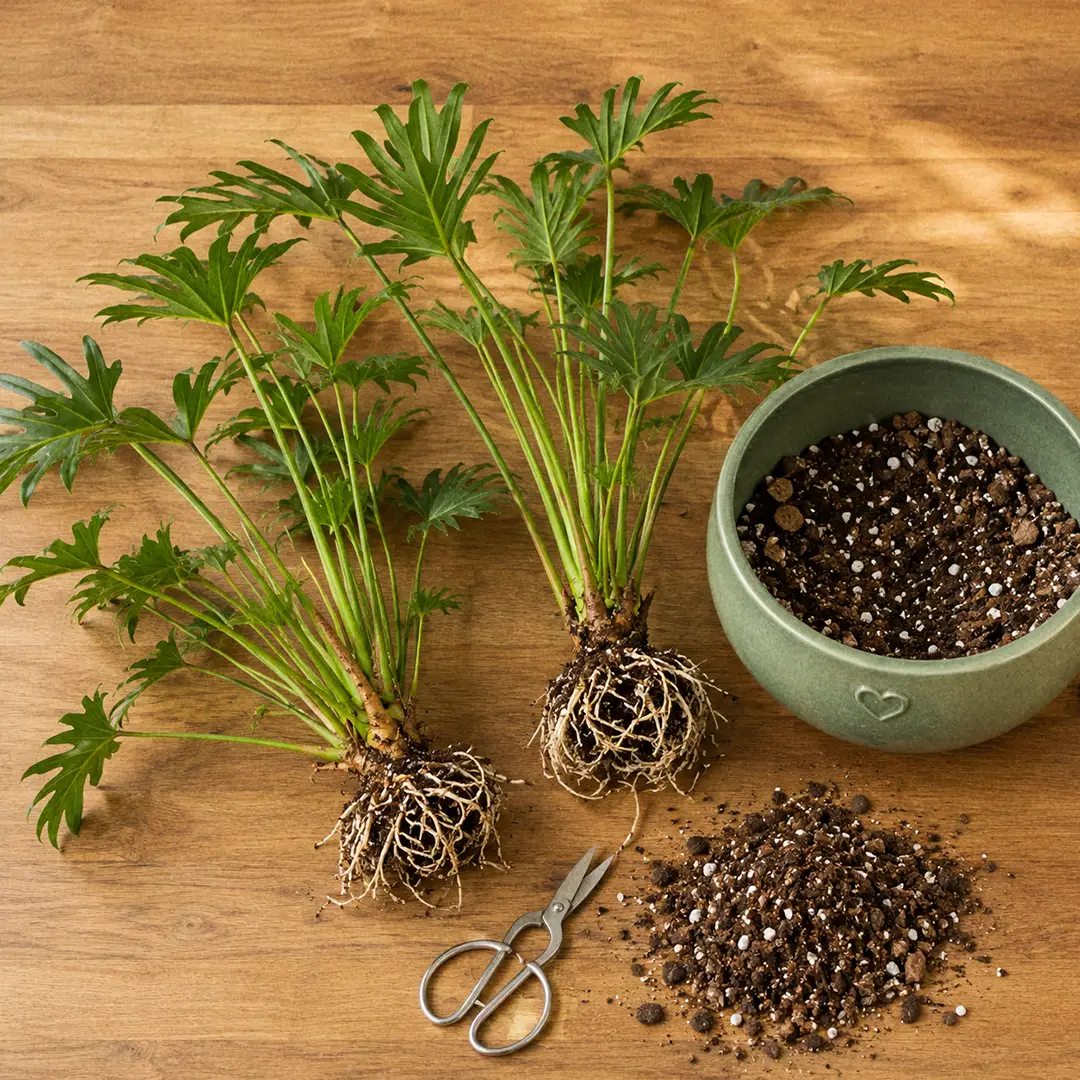
Method 1: Division
A mature Xanadu produces basal offsets, smaller crowns that emerge beside the main plant. Each offset has its own roots.
- Time the division to coincide with a planned spring repotting.
- Slide the plant out and gently tease soil away from the root ball.
- Look for a natural seam where the offset has its own roots.
- Use a clean, sharp knife to slice through connecting tissue, keeping as many roots attached as possible.
- Pot each section in fresh chunky aroid mix at the same depth.
- Water thoroughly and keep both pieces in slightly higher humidity for two weeks.
A small division usually settles in within a month.
Method 2: Stem Cuttings From Older Specimens
Very mature Xanadus develop a thicker, woodier stem at the base that can sometimes be used for cuttings. Much less reliable than division.
- Cut a section of stem with at least one node and one or two attached leaves.
- Let the cut callus over for a day.
- Plant in moist chunky aroid mix with the node buried.
- Cover with a plastic bag or dome and place in bright indirect light.
What Does Not Work
- Single-leaf cuttings: a leaf with no node will never root.
- Forcing division of a plant that has not yet produced visible offsets.
🐛 Xanadu Pests and Treatment
The Xanadu is tough, but indoor air is dry and dusty. Inspect new spears and leaf undersides every couple of weeks. Quarantine new plants for two weeks before placing them next to your Xanadu.
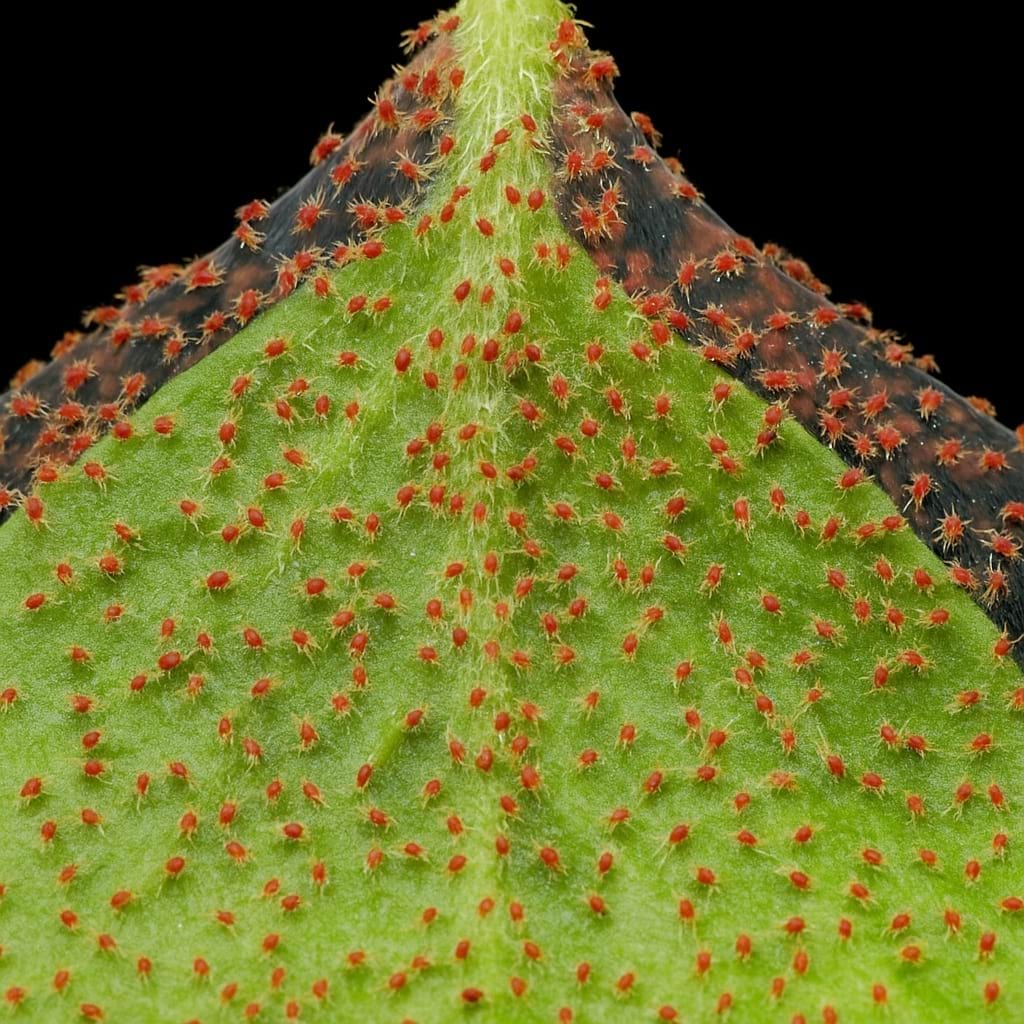
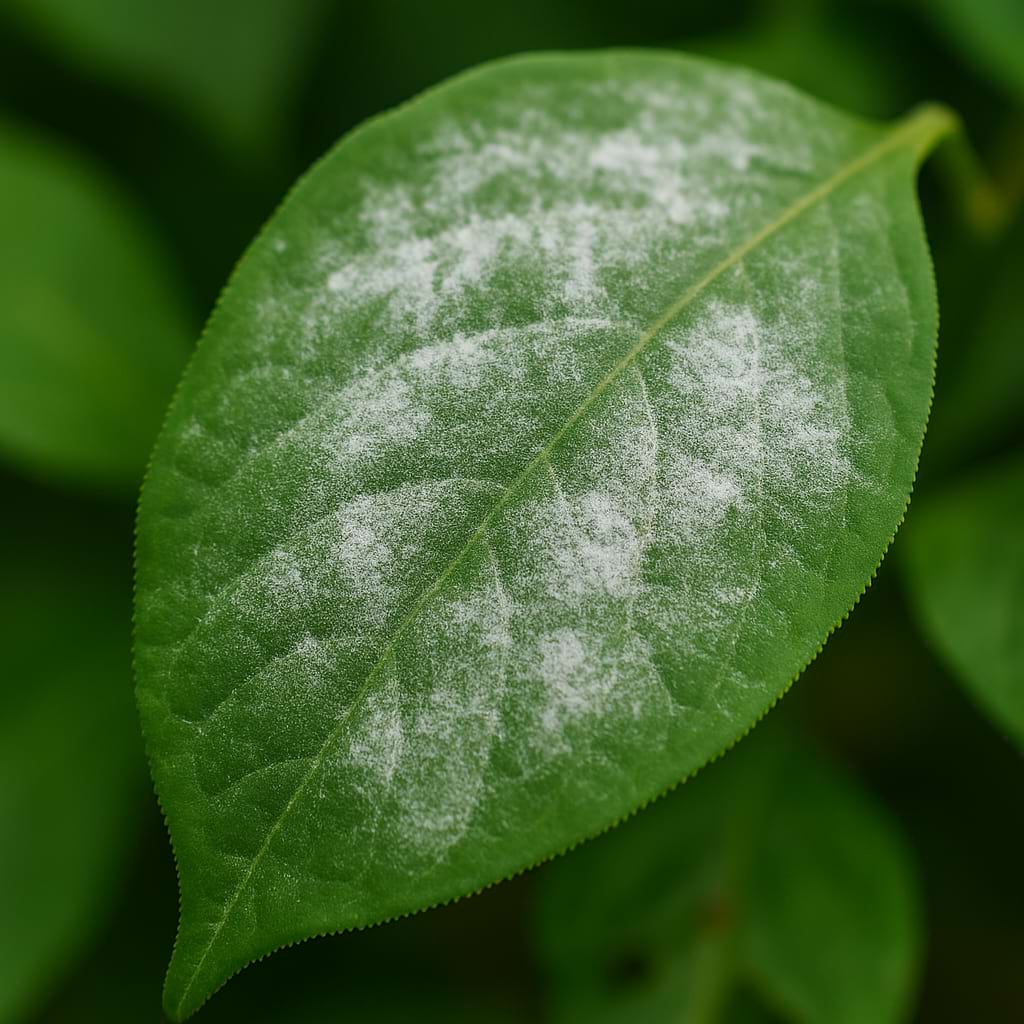
Spider mites are the most common pest, especially in winter. Look for fine webbing in the deep lobes and stippled dots. Wipe leaves down, raise humidity, and treat with insecticidal soap or neem oil weekly until you go two clean inspections in a row.
Mealybugs hide in the tight crevices where new spears unfurl. They look like tufts of cotton. Dab each one with 70 percent isopropyl alcohol on a cotton swab.
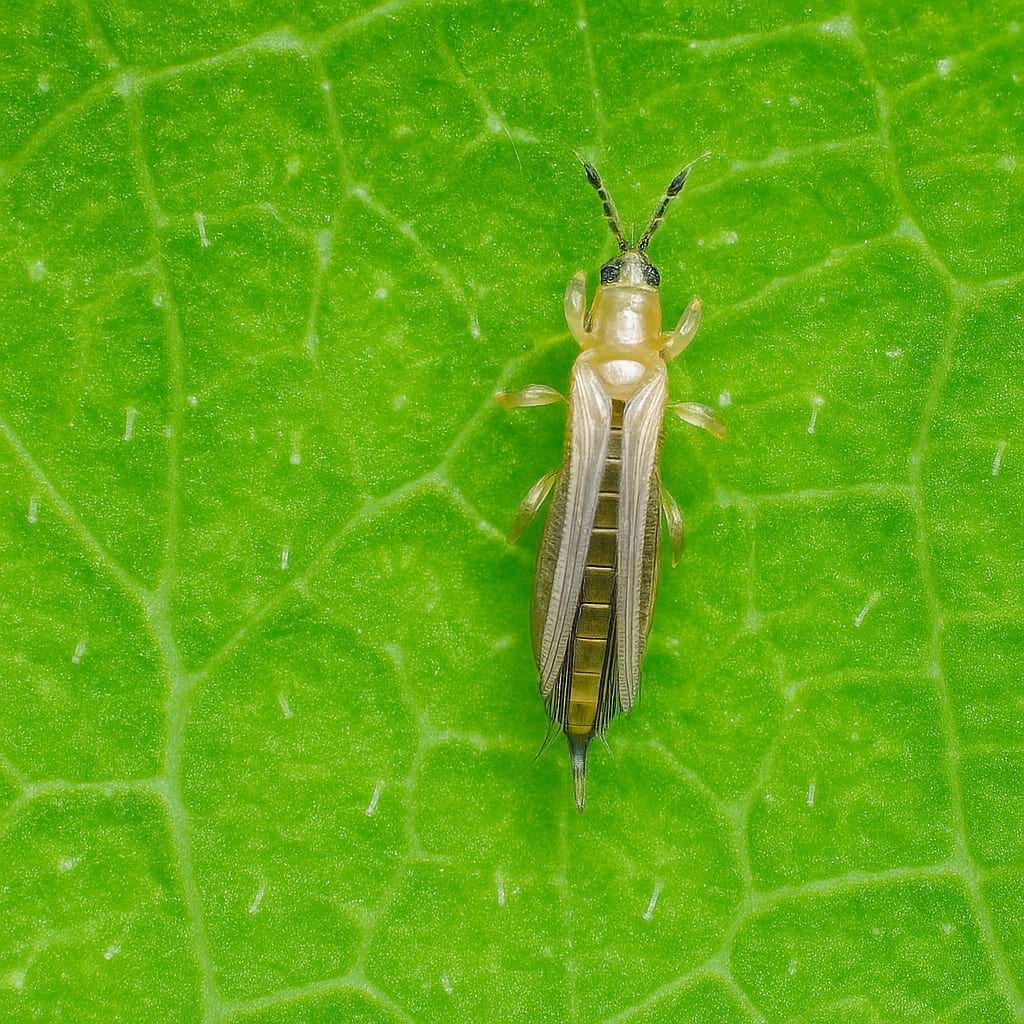
Thrips leave silvery scratch marks and deform new leaves. Treat aggressively with insecticidal soap and isolate the plant.
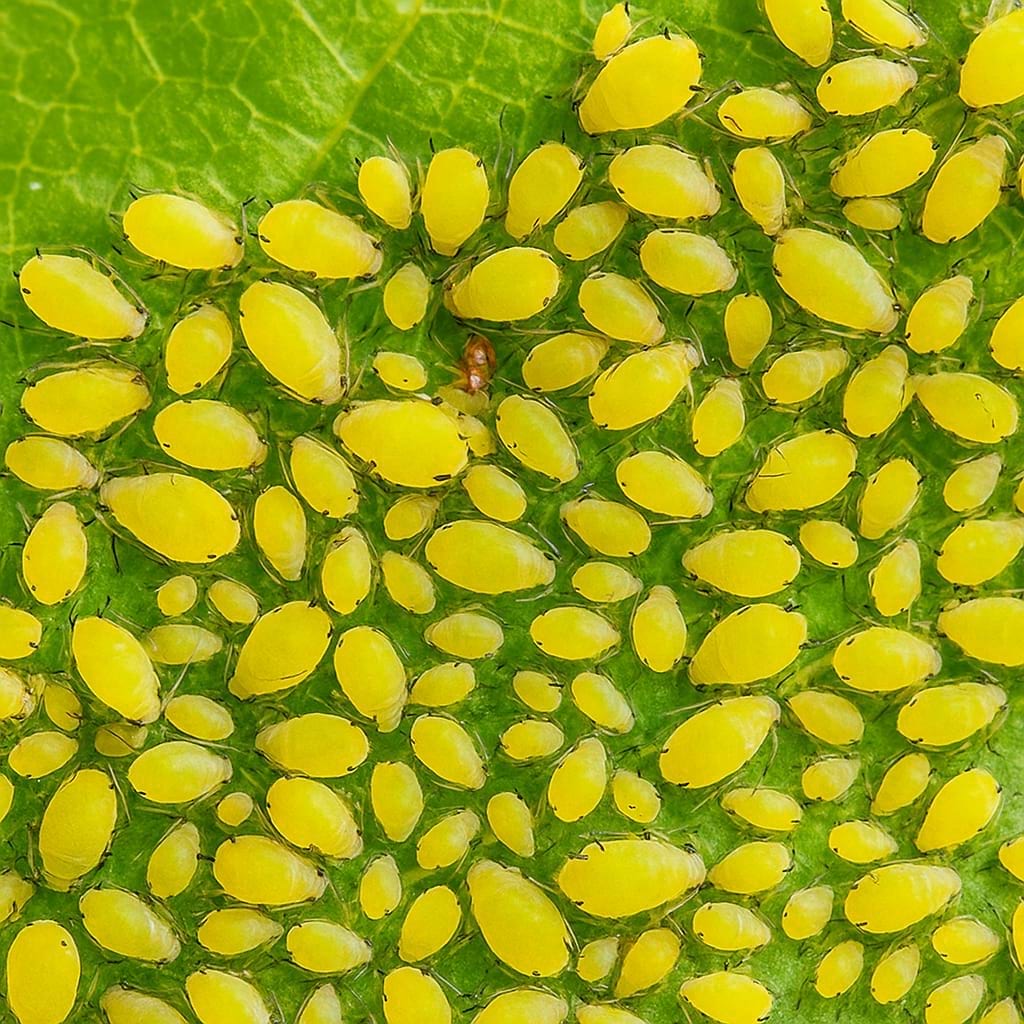
Aphids cluster on new growth. Rinse them off in the sink, then follow up with insecticidal soap.
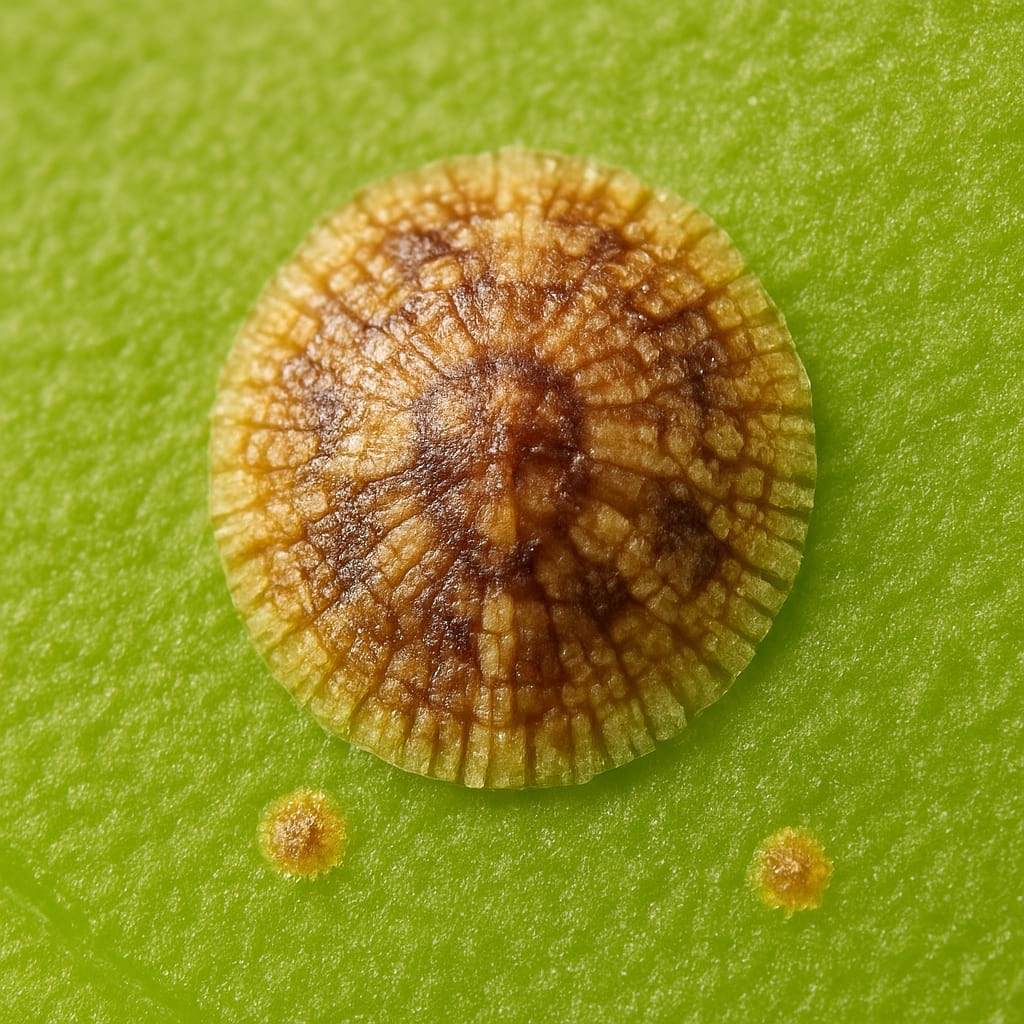
Scale insects appear as small brown bumps on petioles. Scrape them off, then treat with neem oil.
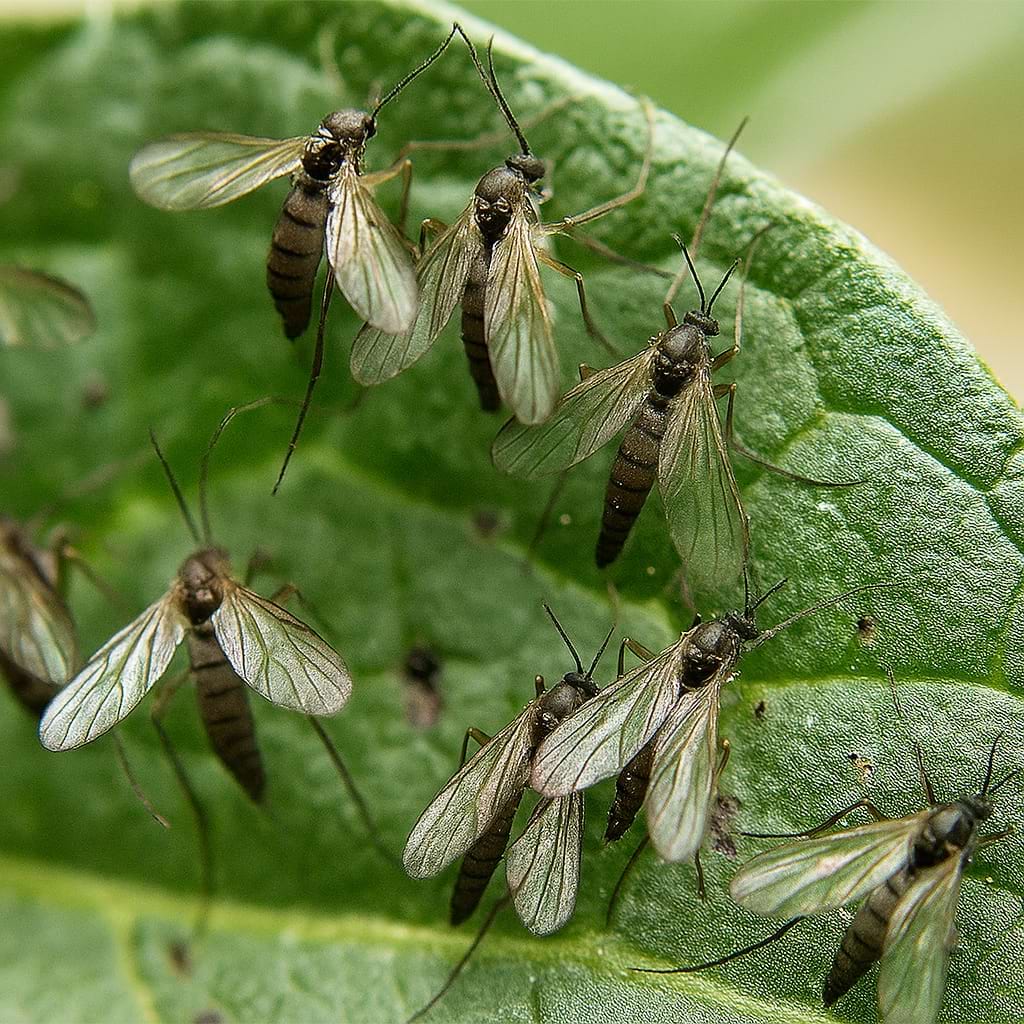
Fungus gnats mean soil is staying too wet. Let the top inch dry out fully, top-dress with sand, and use yellow sticky traps.

🩺 Common Xanadu Problems
Yellowing leaves on the outer ring usually mean overwatering. Check the soil. The occasional yellow outer leaf on a mature plant is normal aging.
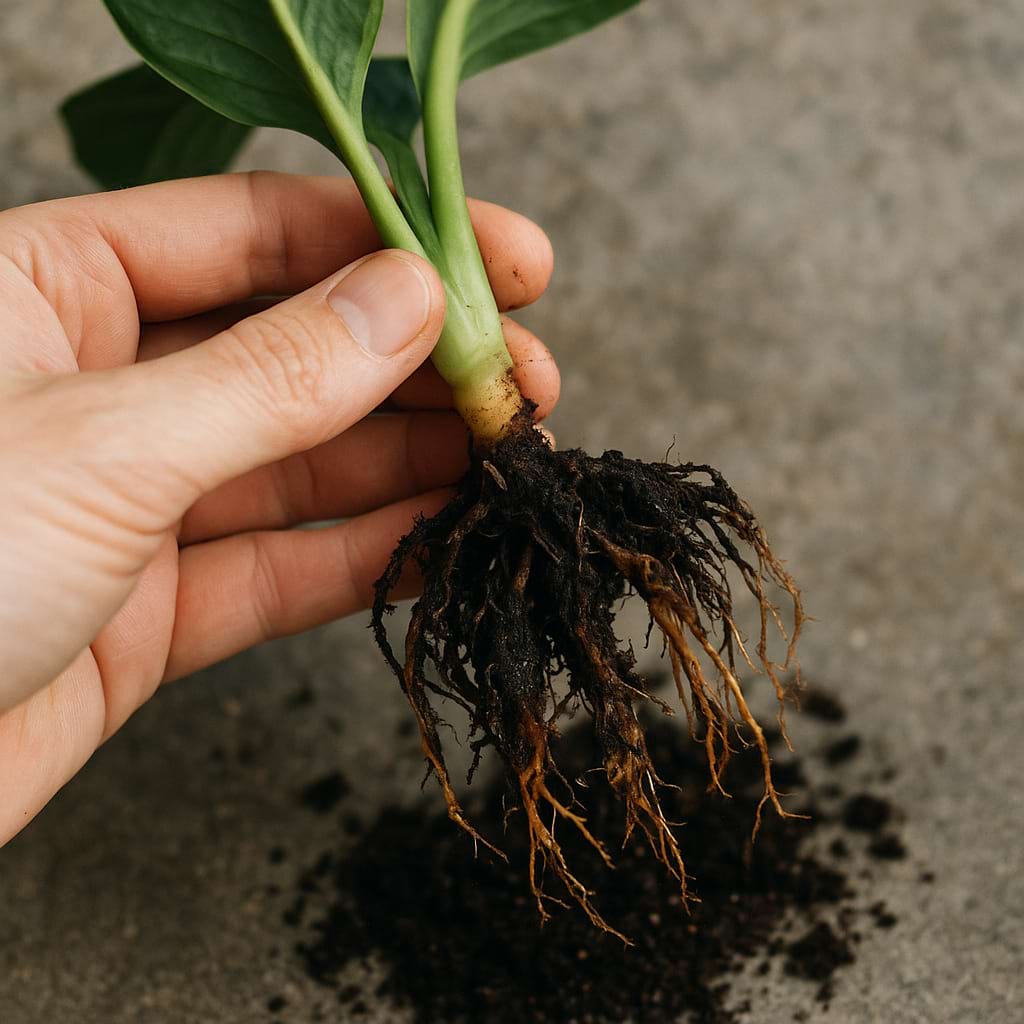
Root rot is the worst-case overwatering. If yellowing pairs with mushy stems and a sour soil smell, slide the plant out, trim every soft brown root back to firm white tissue, and repot into fresh mix.
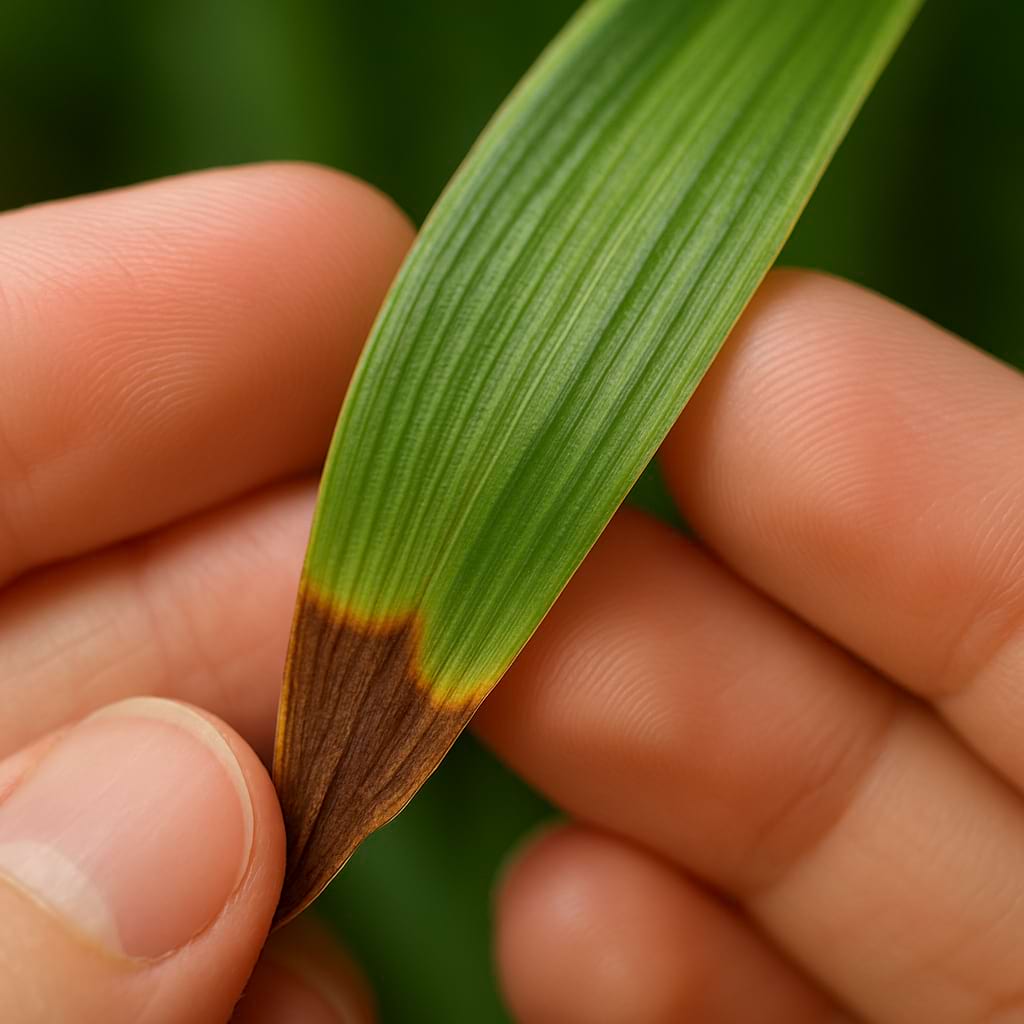
Brown crispy edges point to dry air, inconsistent watering, or salt buildup. Boost humidity and flush the pot every couple of months.
Curling leaves usually mean thirst, but also pests or cold drafts. Check soil first, then look at leaf undersides.
Leggy growth means the plant is reaching for light. Move it closer to a window and remove the longest petioles.
Small leaves with shallow lobes usually mean underfeeding, low light, or pot-bound roots. Check those three first.
Sunburn or leaf scorch appears as bleached patches on leaves catching direct afternoon sun. Move back from the glass or add a sheer curtain.
Nutrient deficiency shows as smaller, paler new leaves. Start regular half-strength feeding.
Fungal or bacterial leaf spot appears as dark spots ringed with yellow. Trim affected leaves, water the soil only, and add a small fan for airflow.
Leaf drop is usually shock from a cold draft, sudden move, or overwatering. Remove the trigger.


🖼️ Xanadu Display and Styling Ideas
The lobed leaves catch the eye from across a room, and the spreading mound softens furniture lines.
Pot and Color Pairings
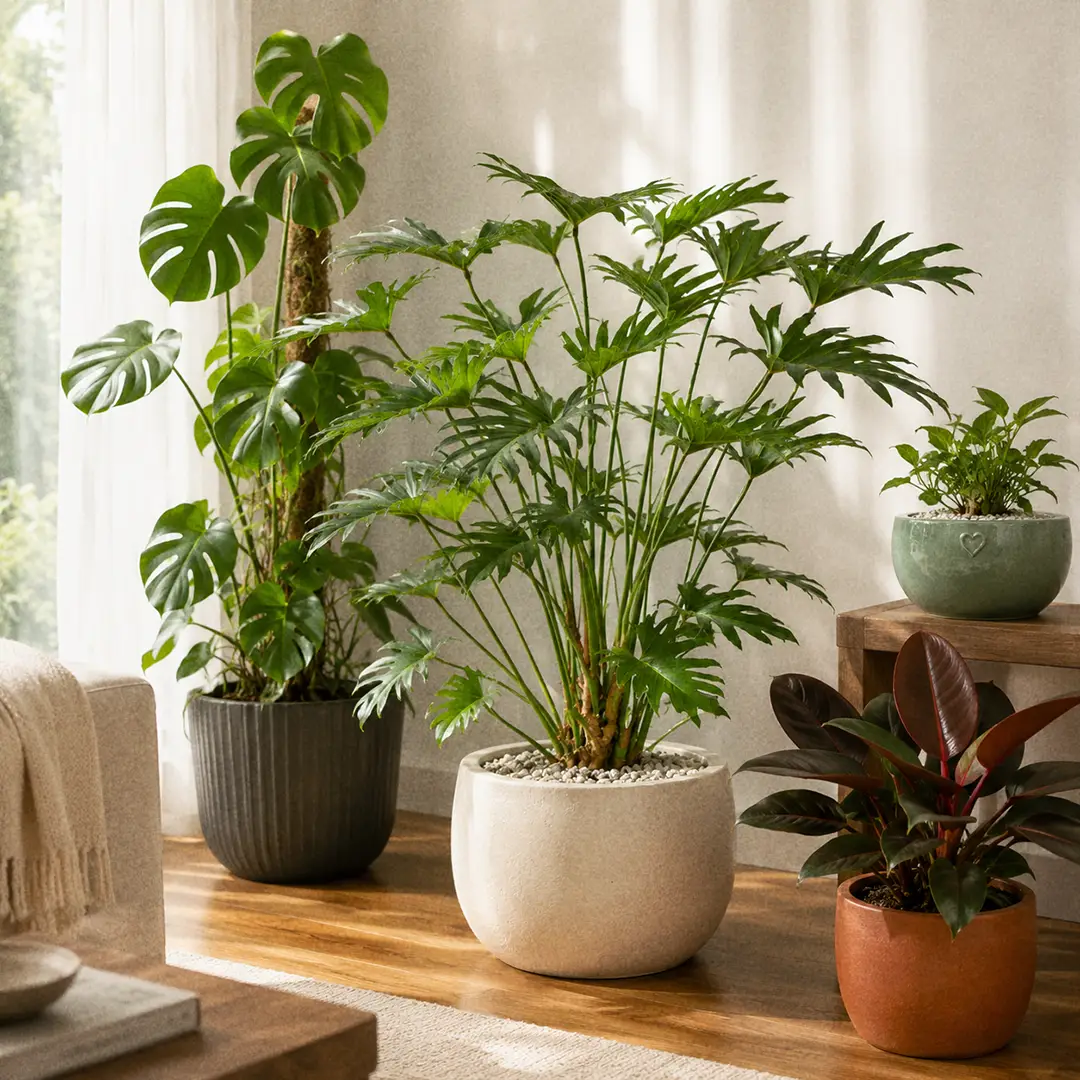
- Cream, pale gray, or stone-style planters make the deep green leaves pop.
- Warm terracotta gives a grounded, Mediterranean vibe.
- Matte black ceramic feels modern and pulls the leaf gloss forward.
- Avoid tall narrow pots and heavily patterned ones.
Spaces That Work Well
- A bright living room corner where the wide canopy fills empty floor space
- A sunroom or screened porch in warm climates
- A bright office lobby or reception area
- A bedroom corner for a quiet jungle feel
Companion Planting
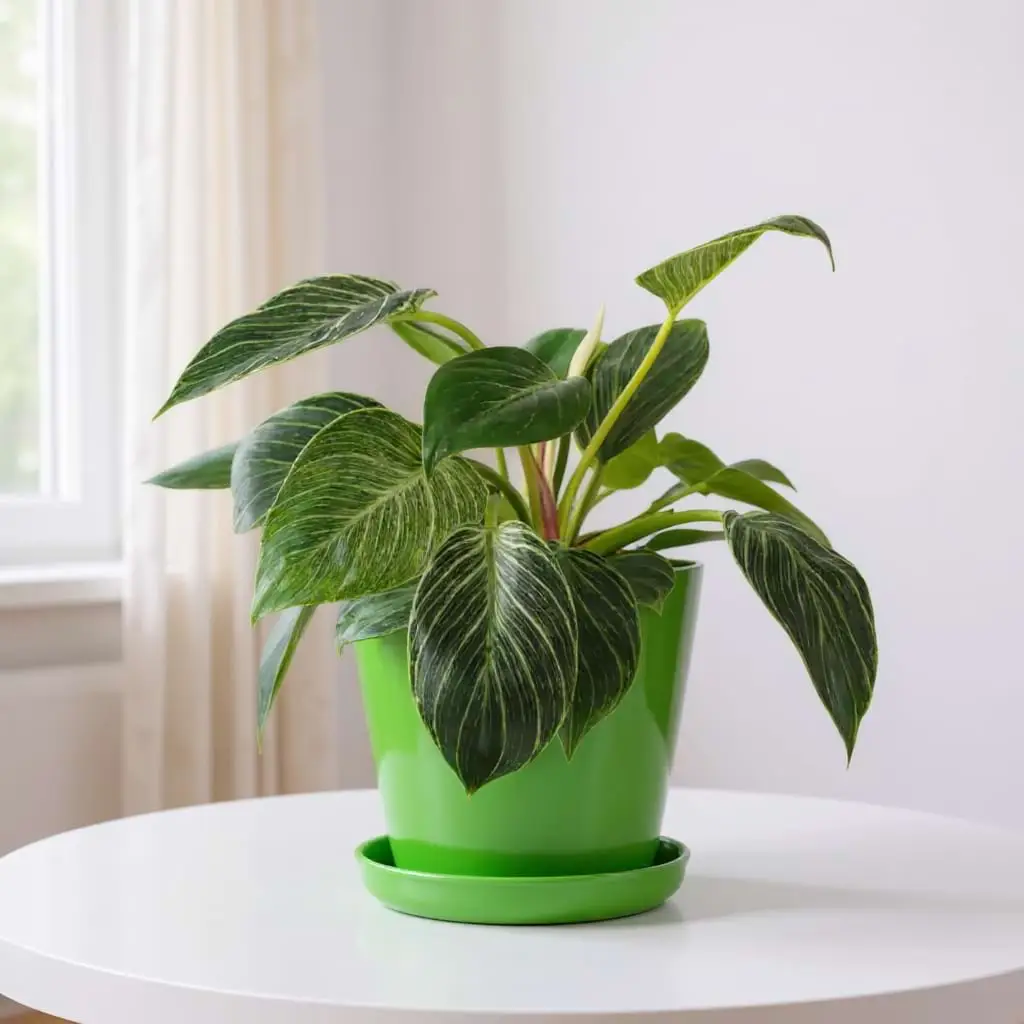
A Rojo Congo nearby gives saturated burgundy contrast. A Prince of Orange brings warm orange new growth. For vertical contrast, place a Monstera Deliciosa or Heart-Leaf Philodendron on a moss pole behind. A Philodendron Birkin on a side table layers a smaller pop of pattern.
🌟 Xanadu Pro Care Tips
- Light first, pot shape second, everything else third. The two together bring out the lush, well-lobed shape.
- Choose width over height for the pot. A planter matching the canopy spread keeps the silhouette balanced.
- Underwater rather than overwater. A thirsty Xanadu recovers in a day. A crown-rotted one may not.
- Wipe leaves every two weeks. Dust accumulates fast in the deep lobes.
- Keep it out of reach of pets and kids. Calcium oxalate sap is toxic if chewed.
- Quarter-turn at every watering. Keeps growth even on all sides.
- Lift the canopy when watering. The dense mound shades the soil, so pour at the soil line.
❓ Frequently Asked Questions
Is Xanadu a Philodendron?
It used to be. Philodendron xanadu was the accepted name for decades. In 2018, taxonomists moved it into the resurrected genus Thaumatophyllum. For care purposes, nothing changes.
How big does a Xanadu get indoors?
Two to four feet tall and three to five feet wide. A new four-inch nursery plant typically takes three to five years to reach full size.
Is Xanadu toxic to cats and dogs?
Yes. Like all aroids, it contains calcium oxalate crystals that irritate the mouth and digestive tract if chewed. Keep it out of reach. Contact your vet if a pet bites a leaf.
How fast does a Xanadu grow?
Moderate pace. Expect a new leaf every three to five weeks during spring and summer with bright indirect light and steady feeding. The plant fills out sideways more than upward.
Is Xanadu the same as Split-Leaf Philodendron?
No. Split-Leaf Philodendron usually refers to Thaumatophyllum bipinnatifidum (Hope or Selloum), a much larger cousin growing to six feet or more. The Xanadu was bred to stay compact at half that size.
Why are the leaves on my Xanadu drooping?
Usually thirst, cold, or root damage from overwatering. Check the soil first. If dry and limp, water thoroughly and the plant should perk up within a day. If wet and still drooping, suspect root rot.
Can I grow a Xanadu outdoors?
Yes, in USDA zones 9b through 11. It tolerates more direct sun outdoors than indoors thanks to better airflow, but still prefers filtered light during the harshest hours.
Should I mist my Xanadu?
Optional. The Xanadu is one of the more drought-tolerant aroids. A small humidifier is far more effective. If you do mist, do it in the morning so leaves dry by nightfall.
ℹ️ Xanadu Info
Care and Maintenance
🪴 Soil Type and pH: Loose, chunky, well-draining aroid blend with a slightly acidic pH around 6.0-6.5.
💧 Humidity and Misting: Comfortable around 50-60 percent; tolerates average household air without complaint.
✂️ Pruning: Trim spent or damaged leaves at the base; the plant shapes itself.
🧼 Cleaning: Wipe leaves with a soft damp cloth every couple of weeks to keep the glossy finish.
🌱 Repotting: Every 2-3 years or when basal offsets crowd the pot.
🔄 Repotting Frequency: Every 2-3 years
❄️ Seasonal Changes in Care: Cut watering and stop feeding from late fall through winter.
Growing Characteristics
💥 Growth Speed: Moderate
🔄 Life Cycle: Perennial evergreen
💥 Bloom Time: Very rare indoors
🌡️ Hardiness Zones: 9b-11 outdoors
🗺️ Native Area: Hybrid origin; parent species native to southern Brazil
🚘 Hibernation: No, but growth slows in winter
Propagation and Health
📍 Suitable Locations: Bright living rooms, offices, lobbies, sunrooms, screened porches in warm climates
🪴 Propagation Methods: Division of basal offsets at repotting time is the most reliable method.
🐛 Common Pests: Spider Mites, Mealybugs, Thrips, Aphids, Scale Insects, Fungus Gnats
🦠 Possible Diseases: Root rot, leaf spot, occasional bacterial blight
Plant Details
🌿 Plant Type: Self-heading evergreen aroid (shrubby, non-climbing)
🍃 Foliage Type: Evergreen, glossy, deeply pinnately lobed
🎨 Color of Leaves: Glossy medium to deep green
🌸 Flower Color: Reddish purple spathe with a cream spadix (rarely seen indoors)
🌼 Blooming: Almost never indoors
🍽️ Edibility: Not edible, contains calcium oxalate crystals
📏 Mature Size: 2-4 feet indoors
Additional Info
🌻 General Benefits: Sculptural lobed foliage, sturdy growth, mild air-cleaning effect typical of aroids
💊 Medical Properties: None; sap is irritating
🧿 Feng Shui: Grounding, protective energy associated with abundance and growth
⭐ Zodiac Sign Compatibility: Taurus
🌈 Symbolism or Folklore: Lush prosperity, calm strength, abundance
📝 Interesting Facts: The Xanadu was patented in the late 1980s by House Plants of Australia in Queensland and given the cultivar name 'Winterbourn' before being sold worldwide as Xanadu. In 2018 it was reclassified out of Philodendron into the resurrected genus Thaumatophyllum.
Buying and Usage
🛒 What to Look for When Buying: Pick a plant with several mature lobed leaves and at least one new spear coming up from the base. Avoid stretched specimens with long bare petioles.
🪴 Other Uses: Outdoor mass planting, low hedge, and ground cover in warm climates; common in commercial interiorscapes
Decoration and Styling
🖼️ Display Ideas: Floor specimen in a wide low planter; underplanting for taller trees; mass planting in a sunroom
🧵 Styling Tips: A wide, low planter flatters the spreading shape better than a tall narrow pot.
🪴 See also 🪴
Complete Guide to Philodendron Verrucosum Care and Growth
Complete Guide to Philodendron Ring of Fire Care and Growth
Complete Guide to Philodendron Gloriosum Care and Growth
Complete Guide to Philodendron Birkin Care and Growth
Complete Guide to Hope Selloum Care and Growth
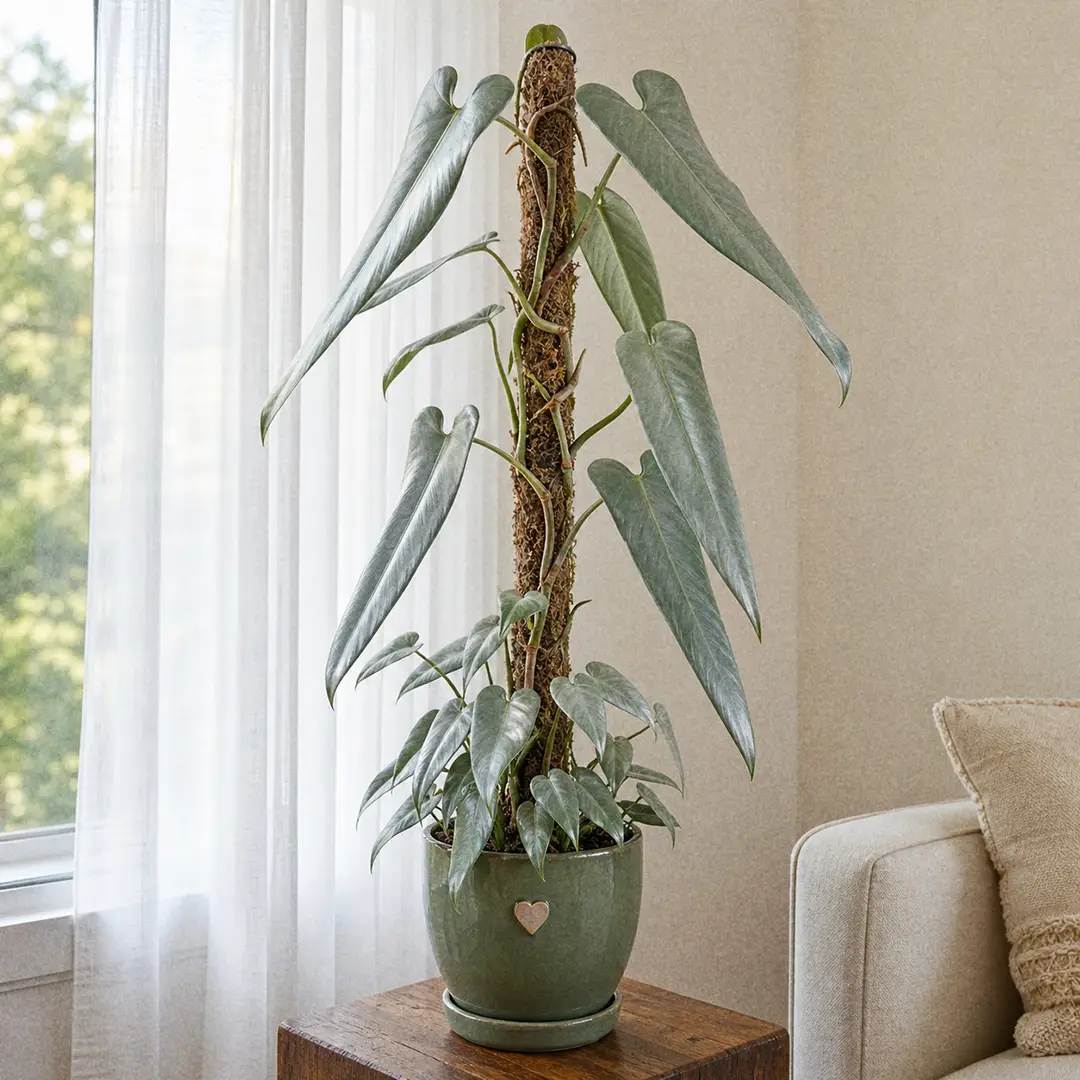
Complete Guide to Silver Sword Philodendron Care and Growth
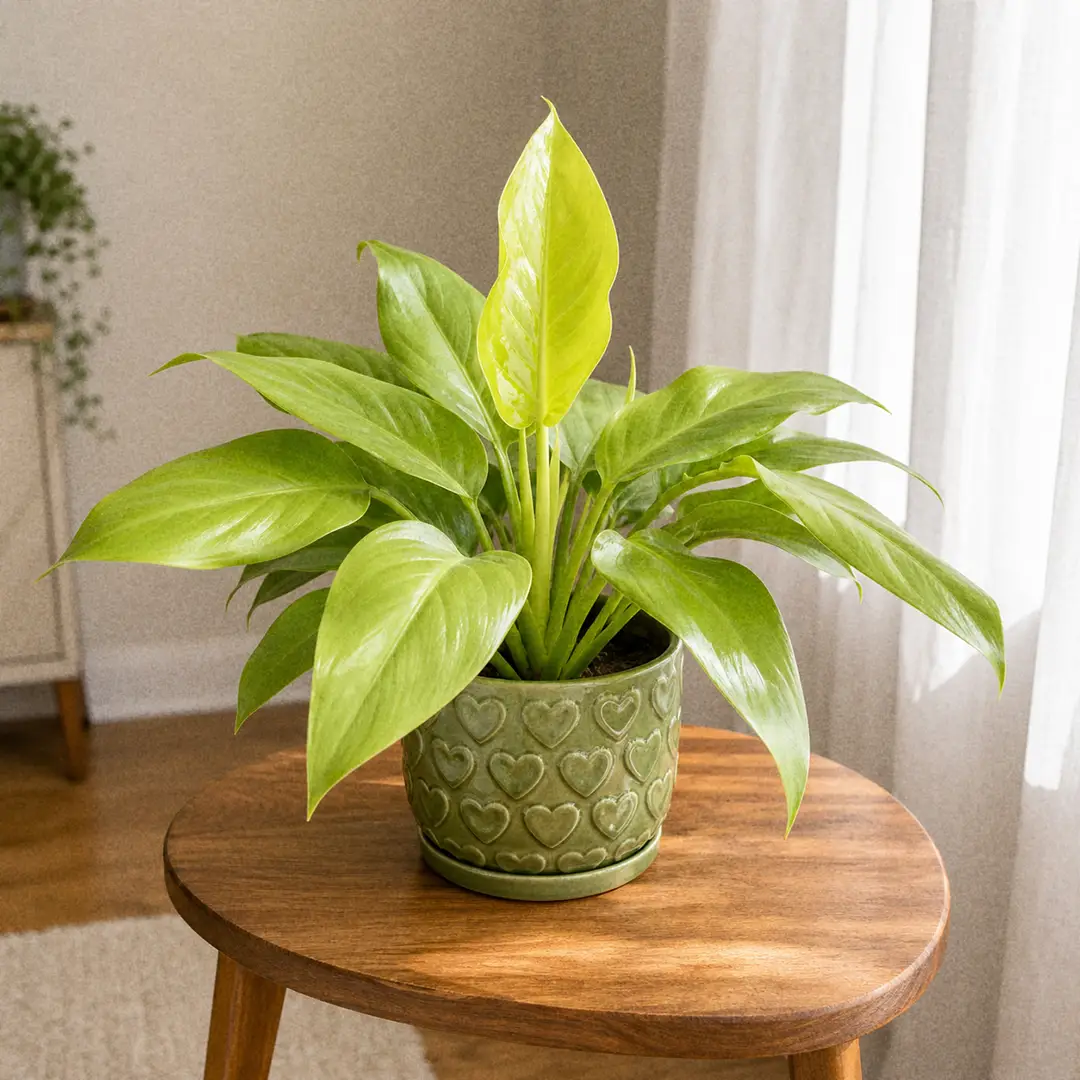
Complete Guide to Moonlight Philodendron Care and Growth
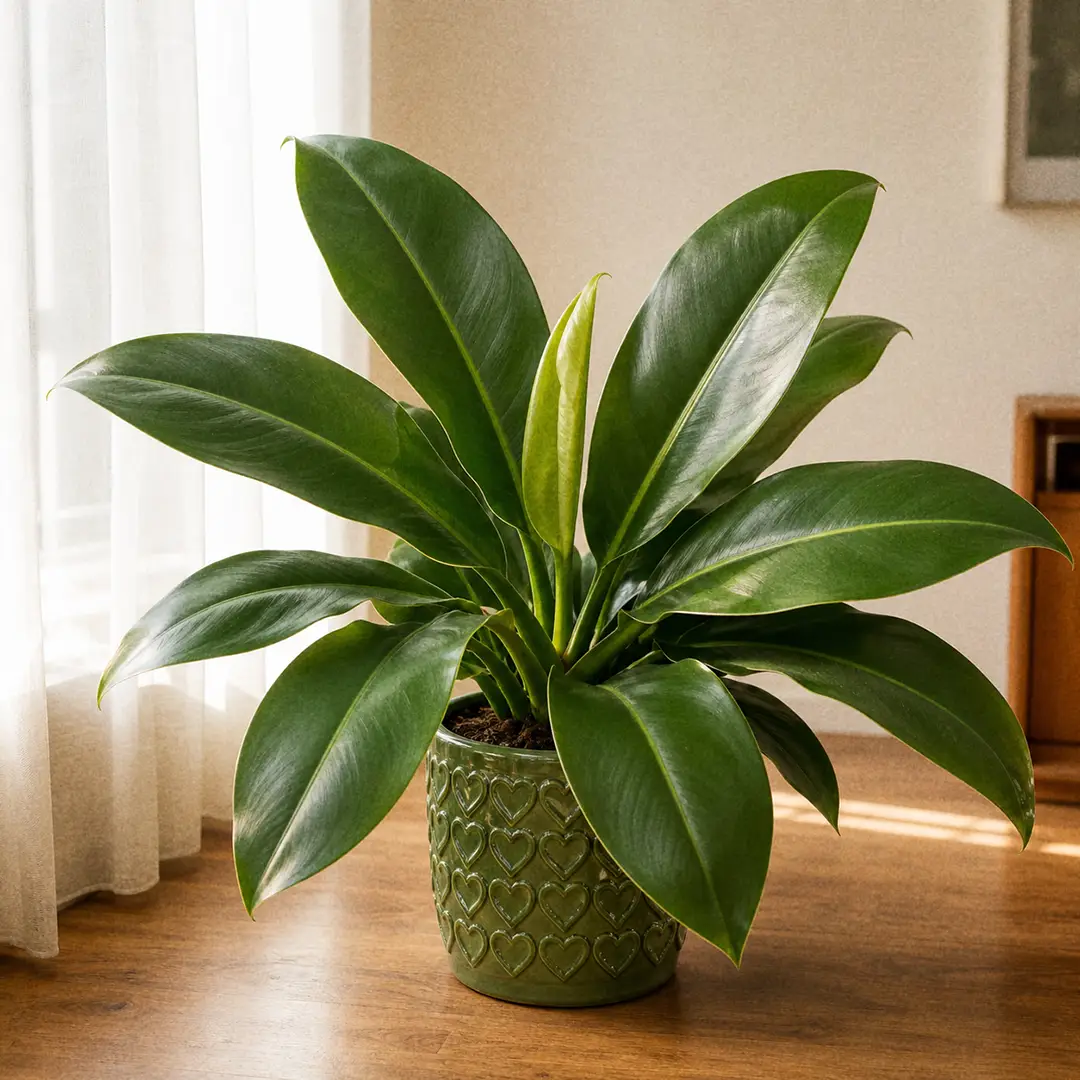
Complete Guide to Imperial Green Care and Growth
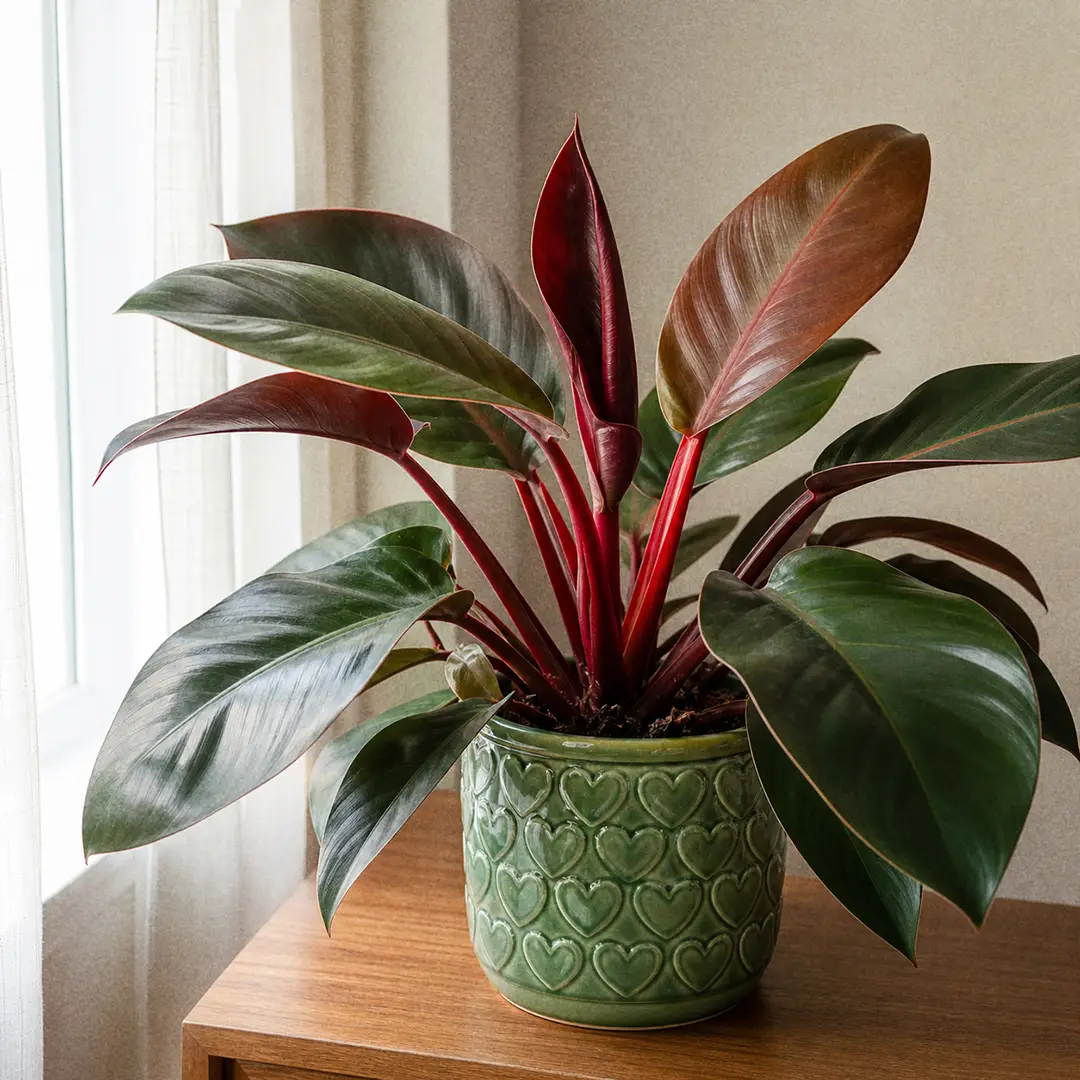
Complete Guide to Rojo Congo Care and Growth
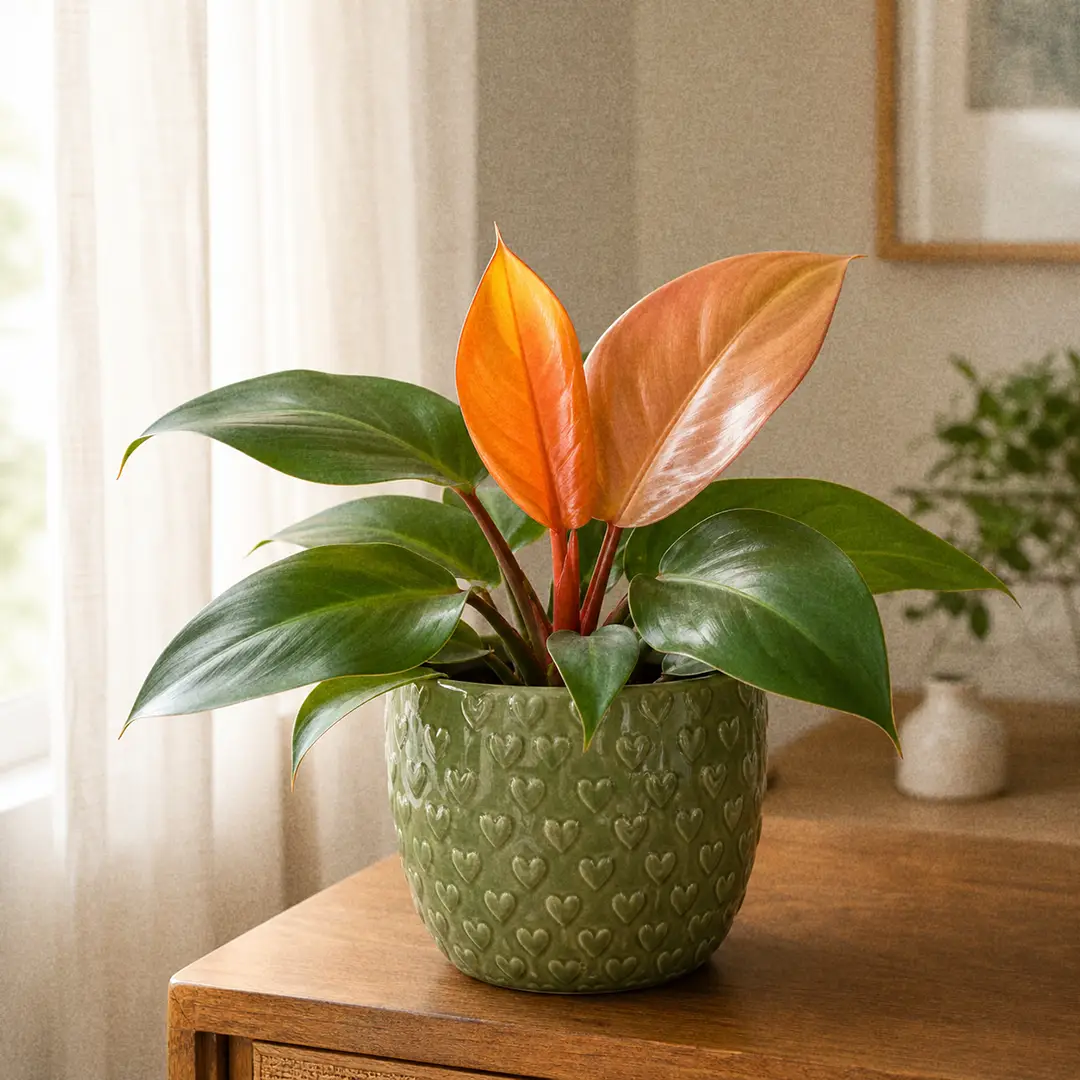
Complete Guide to Prince of Orange Care and Growth
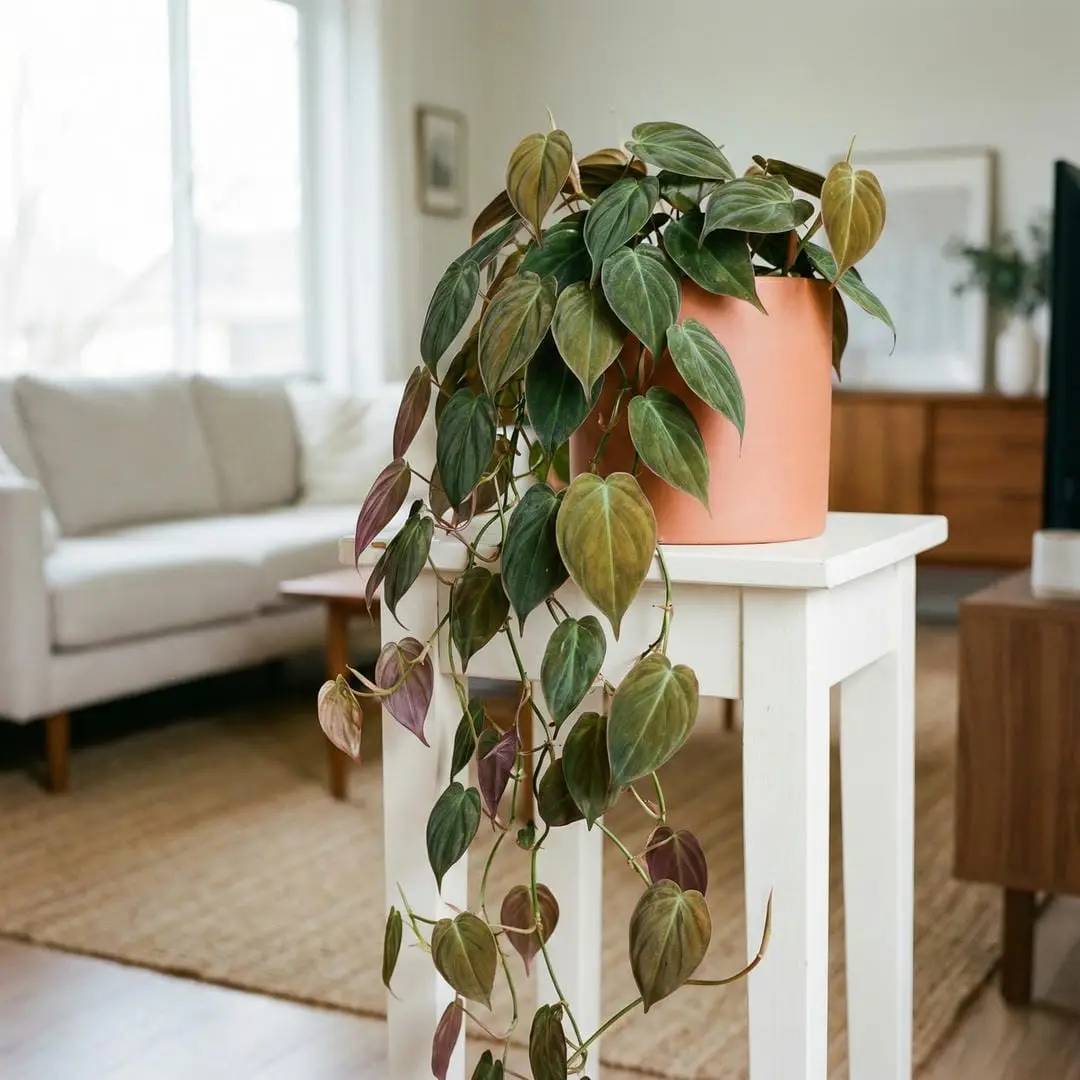
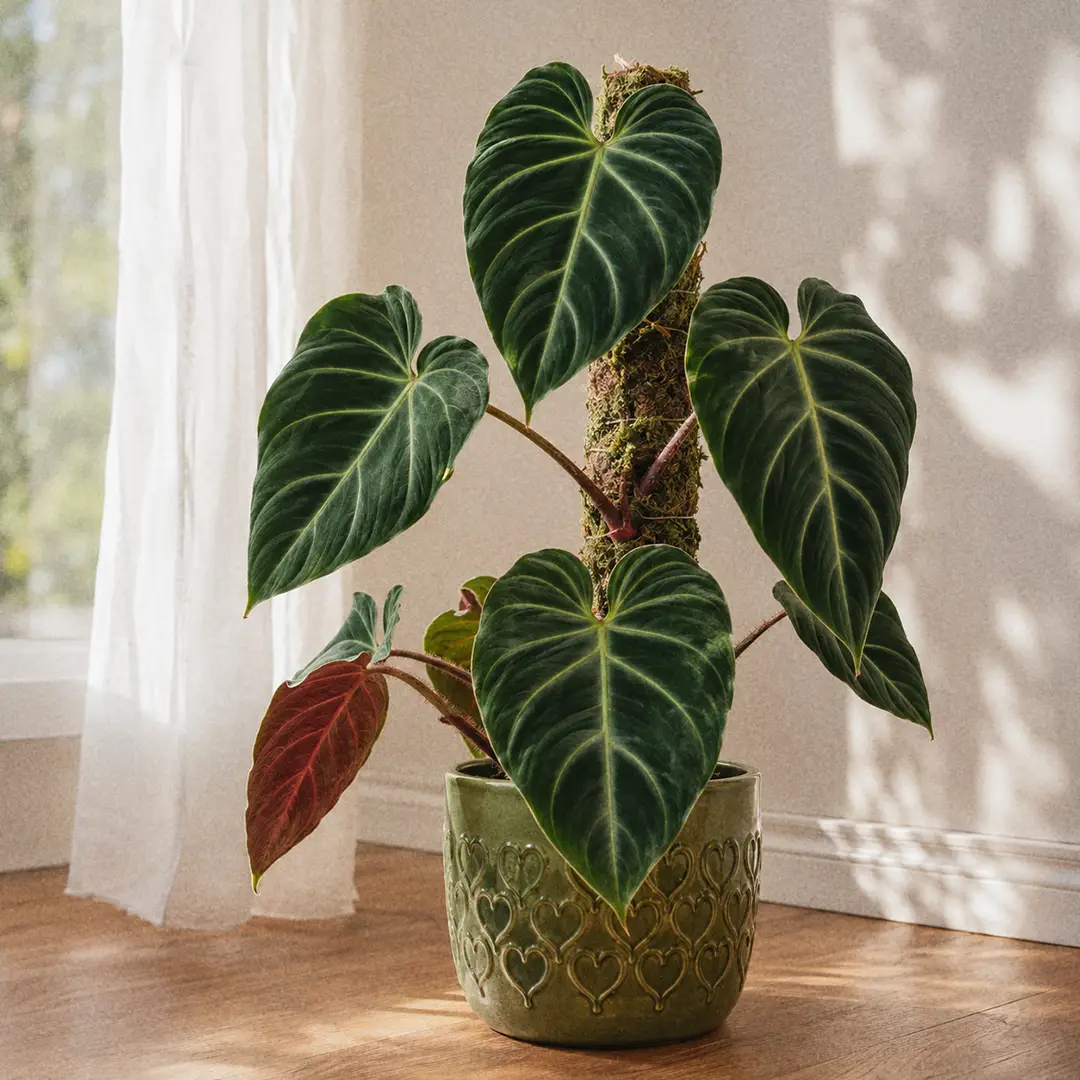
Complete Guide To Velvet Leaf Philodendron Care and Growth
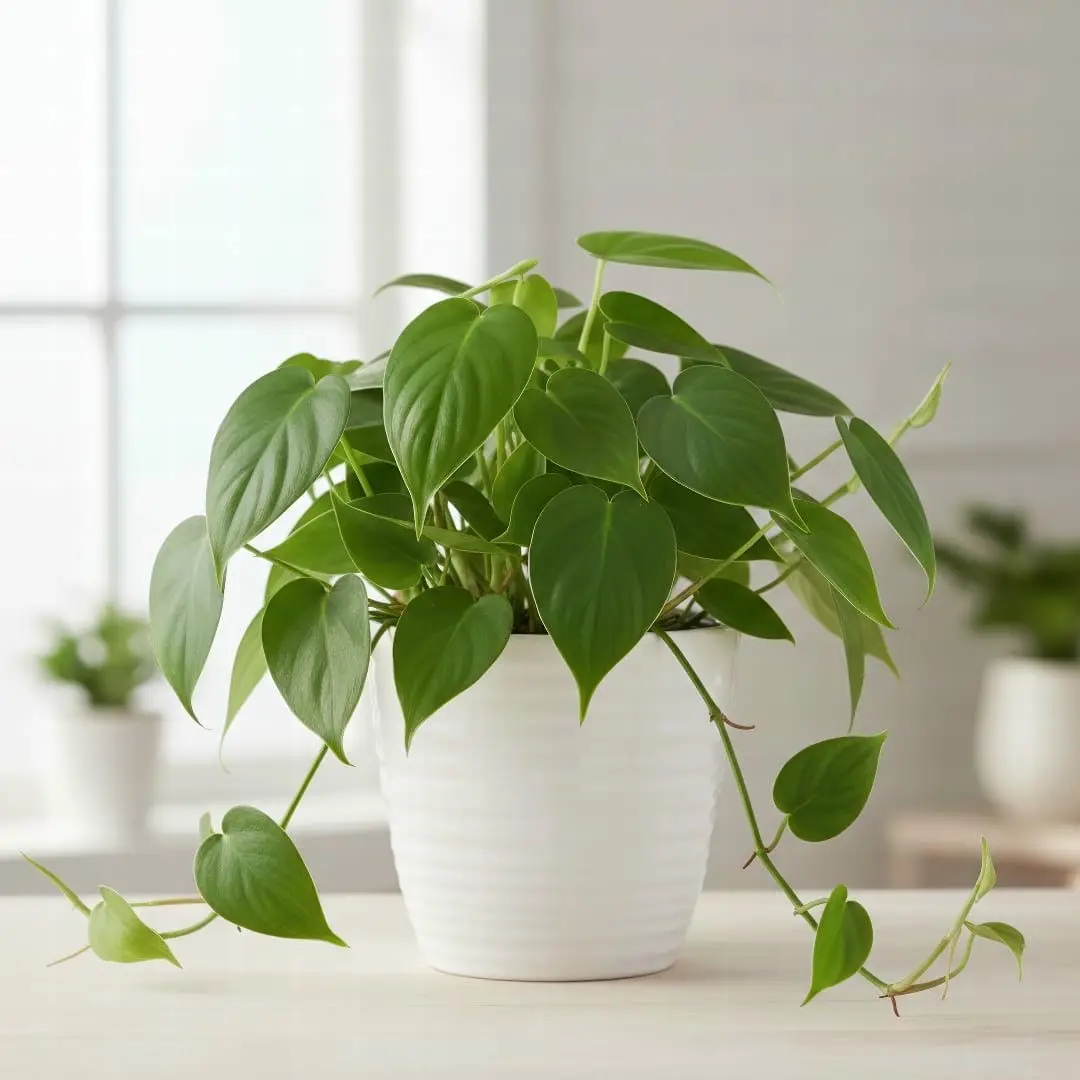
Complete Guide To Heart-leaf Philodendron Care and Growth
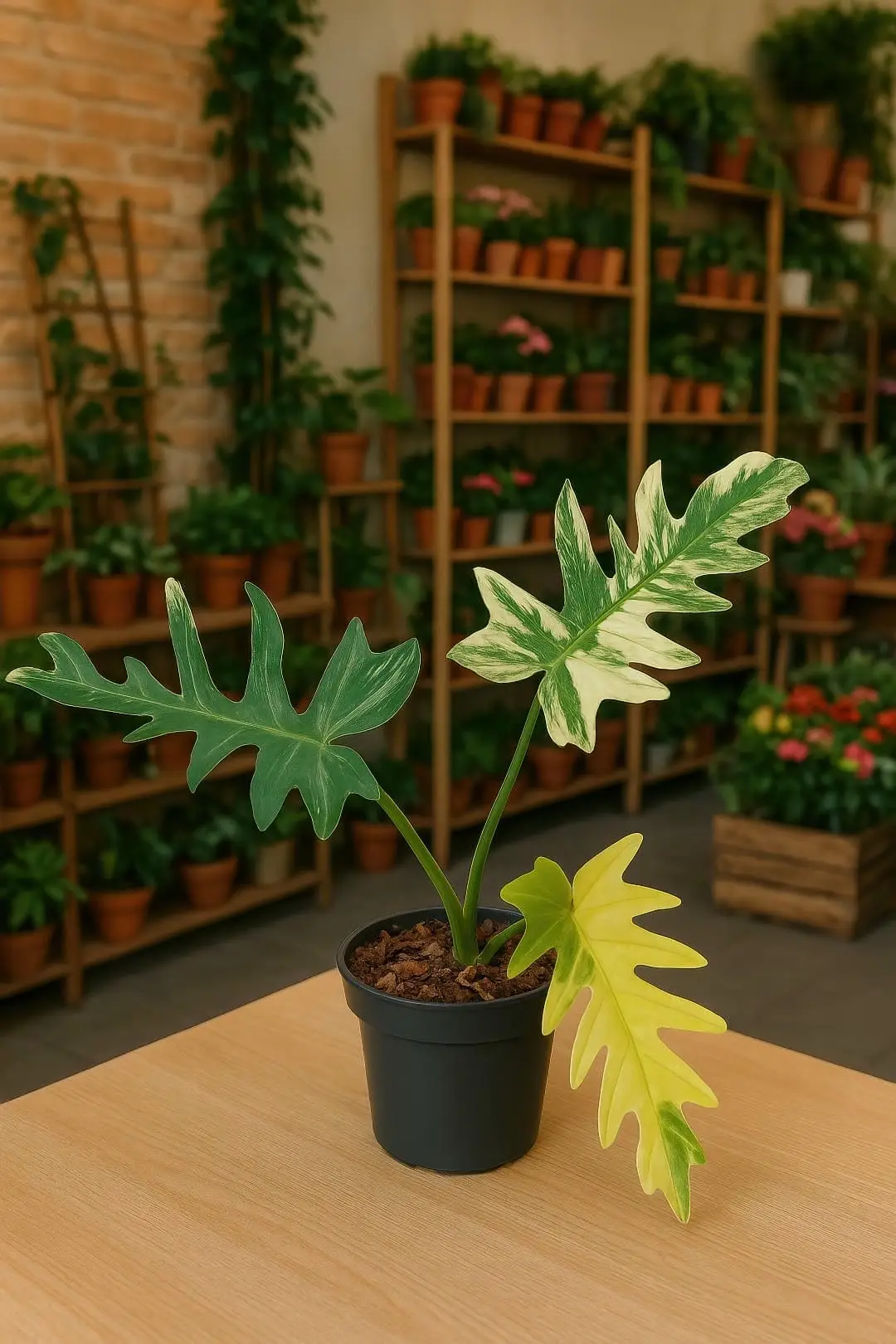
Complete Guide to Philodendron Florida Beauty x Tortum Care and Growth
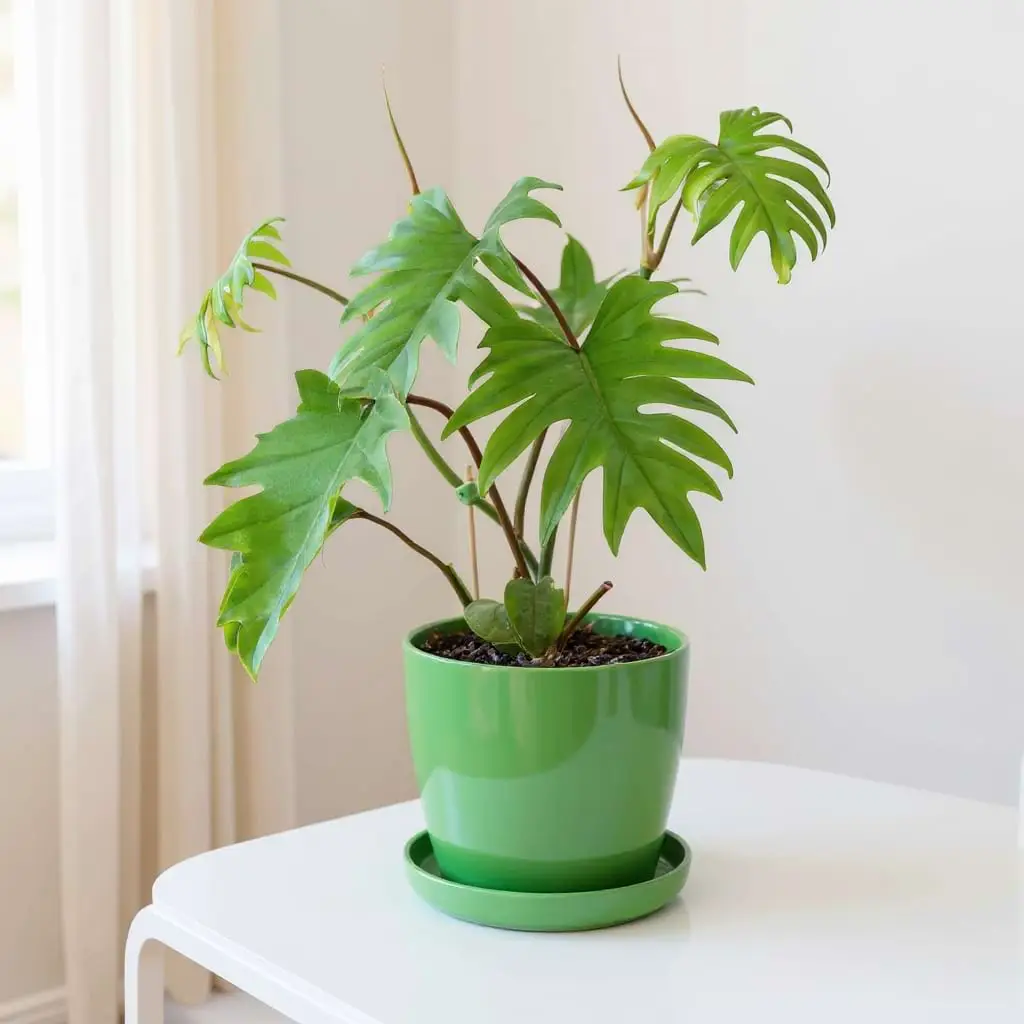
Complete Guide to Philodendron Mayoi Care and Growth
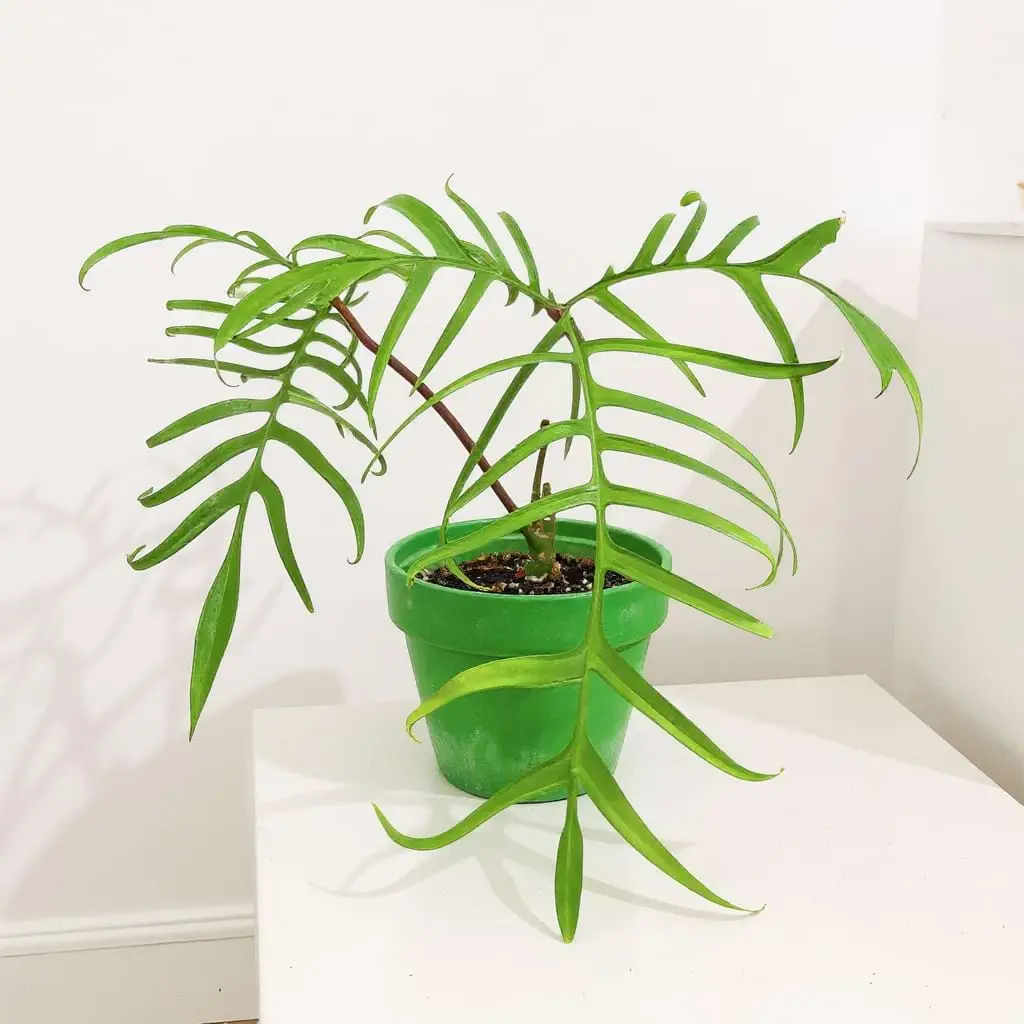
Complete Guide to Philodendron Polypodioides Care and Growth
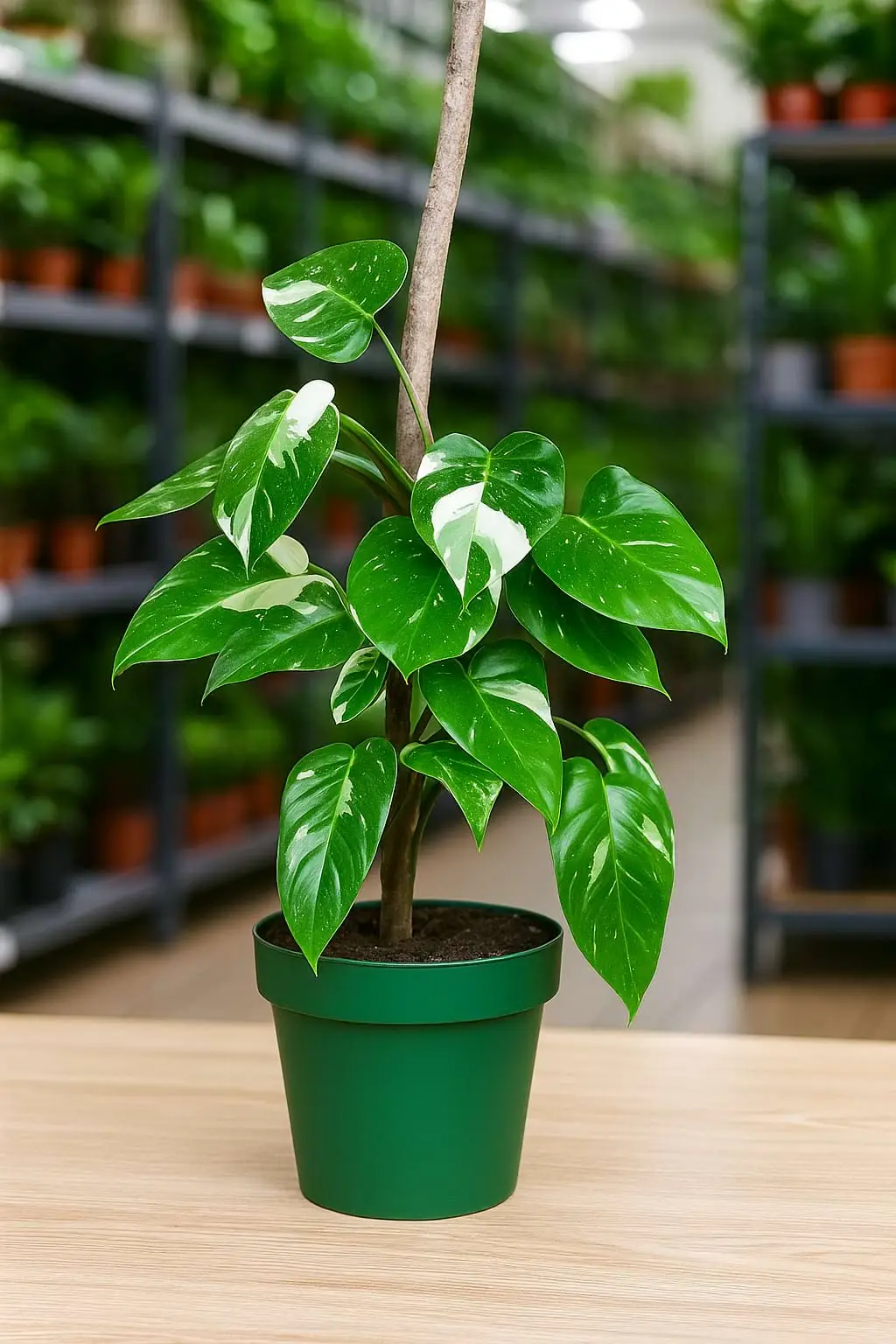
Complete Guide to Philodendron White Princess Care and Growth
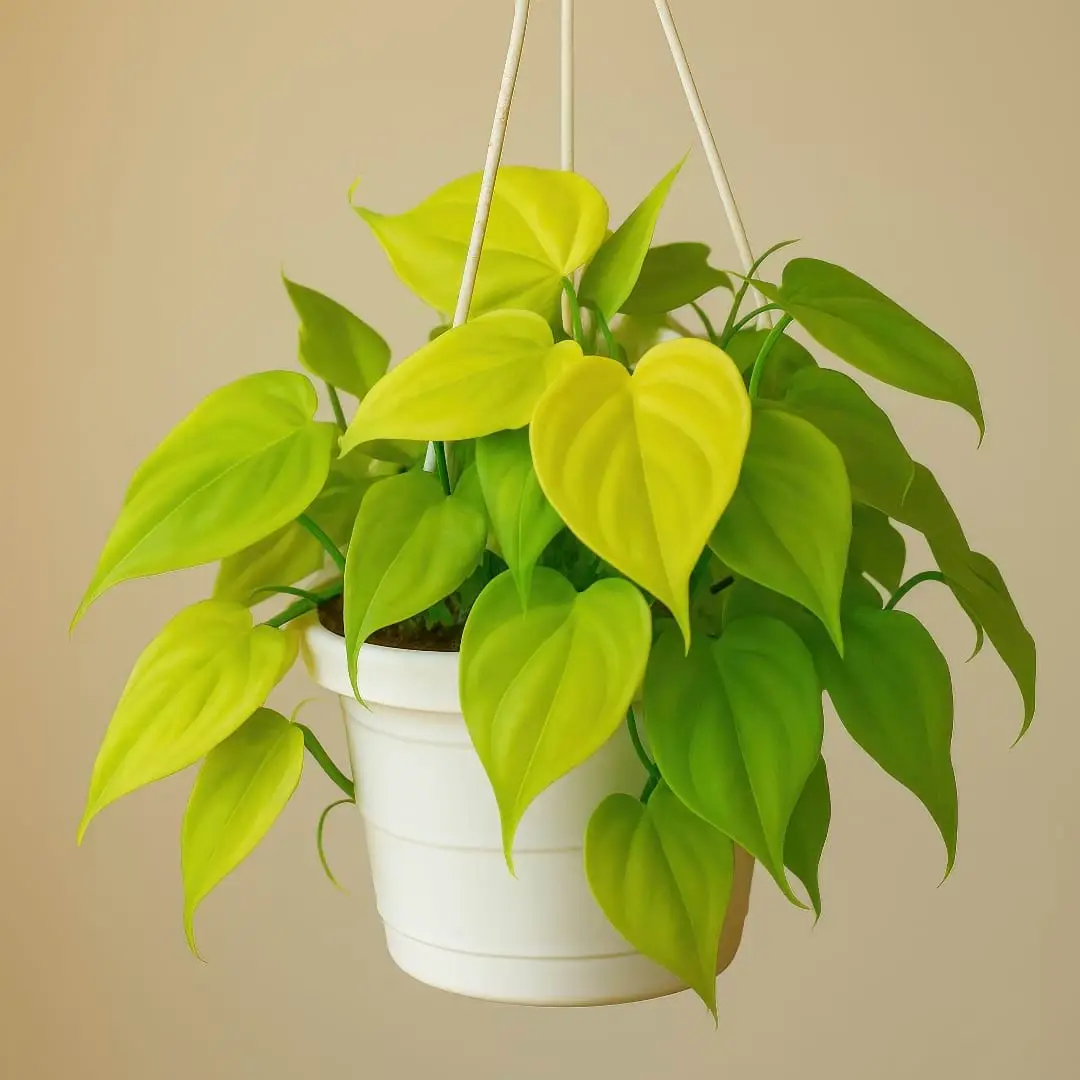
Complete Guide To Lemon Lime Philodendron Care and Growth

Houseplant101 Forum
Questions & Comments
Ask a question, share your plant experience, or help other plant owners.
Comments are temporarily unavailable.
Open the Houseplant101 ForumNo comments yet
Be the first to ask a question or share your experience about this page.
Log in or create an account
Comments use your Houseplant101 Forum account, but you can stay on this page.
Create a new account