
Imperial Green
Philodendron erubescens 'Imperial Green'
Imperial Green Philodendron, Philodendron Imperial Green, Green Imperial


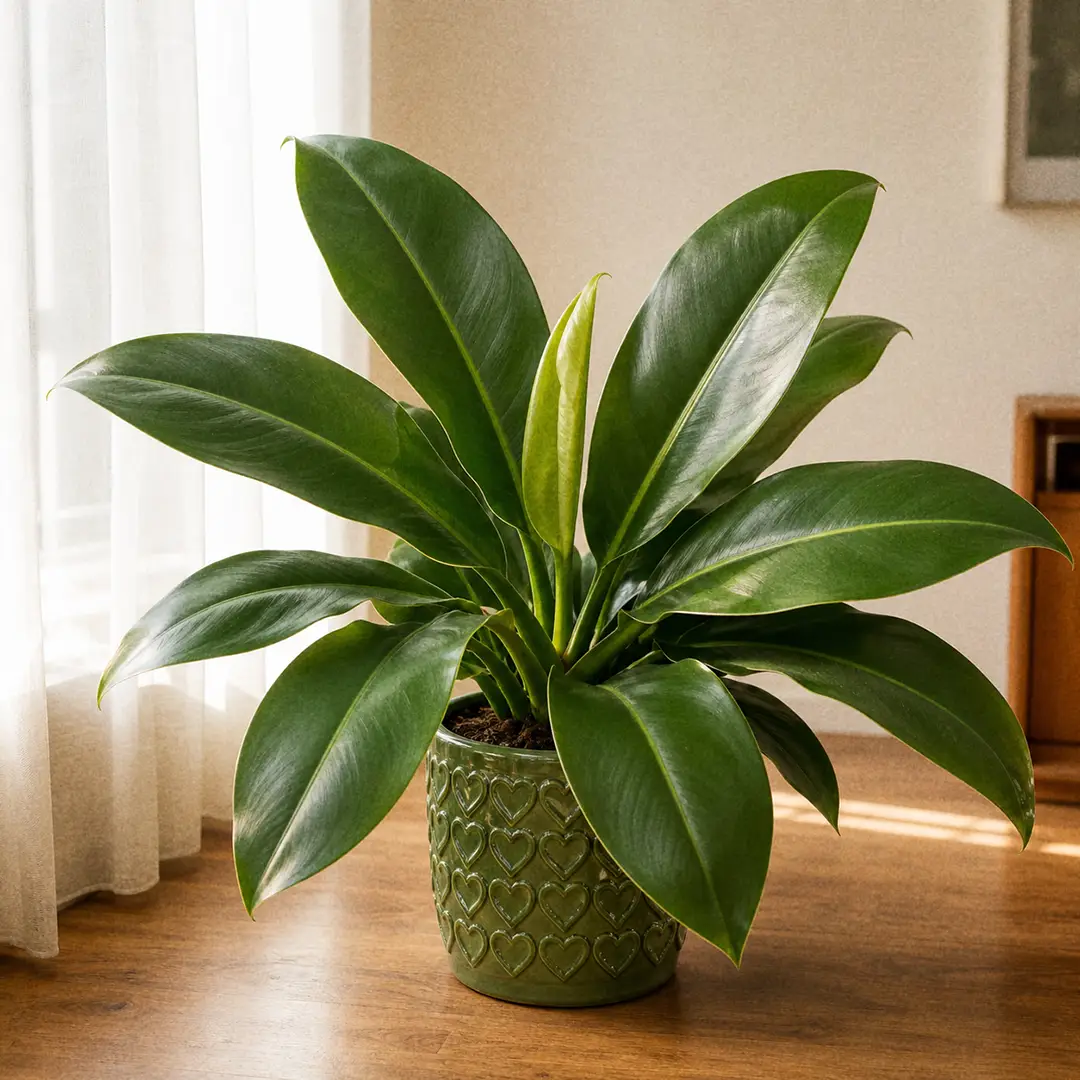
The Imperial Green is a self-heading Philodendron hybrid grown for its huge, glossy, deep-green leaves and effortless temperament. A compact rosette that holds its shape without a moss pole, tolerates lower light than most aroids, and turns any corner into a calm tropical statement.
📝 Imperial Green Care Notes
🌿 Care Instructions
⚠️ Common Pests
📊 Growth Information
🪴 In This Guide 🪴

☀️ Imperial Green Light Requirements
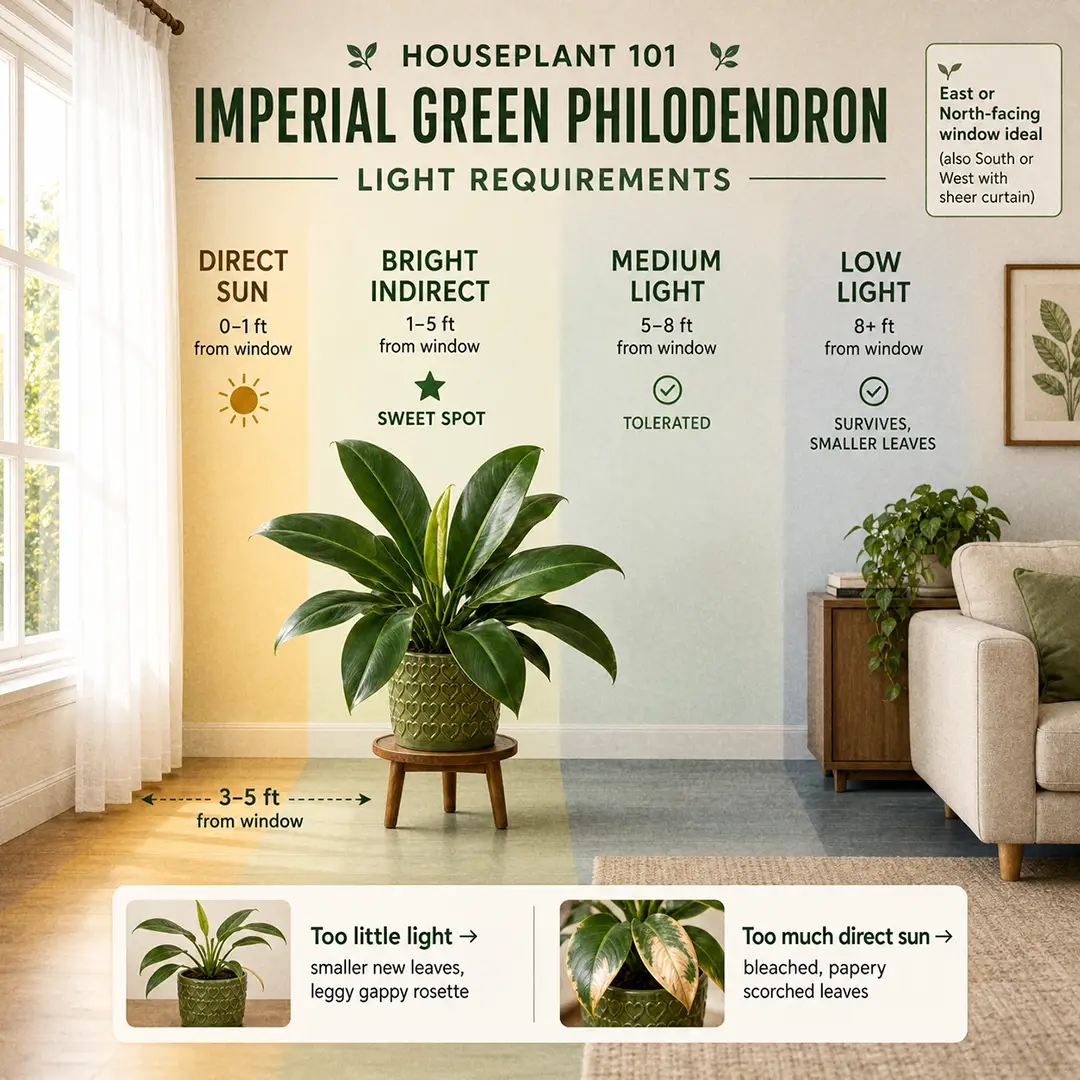
Light controls the size and color depth of those big leaves. The Imperial Green is more flexible than most Philodendrons, which is part of why offices love it. It still has a clear sweet spot.
The Sweet Spot
Bright indirect light for six to eight hours a day. Ideal: three to five feet back from an east or north window, or behind a sheer curtain in a south or west window. In that range, new leaves come in large and the deep green hardens off quickly.
Low-Light Tolerance, Within Reason
One of the few aroids you can park in a dim corner and keep alive. Expect smaller leaves and looser growth, but it keeps going. If your only option is a north-facing room or an interior spot, a small grow light on a timer for six to eight hours a day is a perfectly good substitute.
What Too Much Light Looks Like
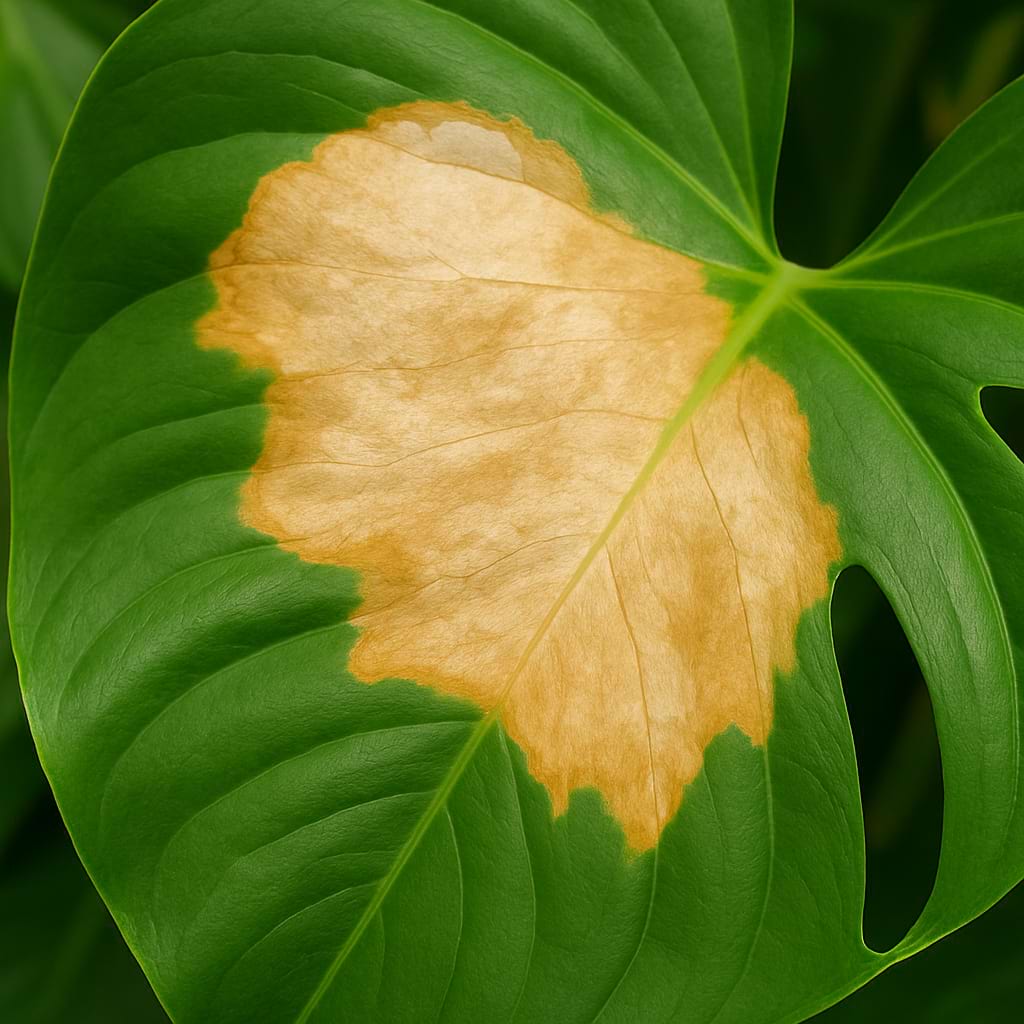
Direct sun is the hard line. A few hours of unfiltered afternoon sun can scorch the glossy leaves in a single day. Watch for bleached patches, dry papery edges, and a yellow tint. Slide the plant back from the glass or hang a sheer panel.
Quick check: a midday shadow that is soft and slightly fuzzy means the light is right. A crisp dark shadow means too direct.
💧 Imperial Green Watering Guide
The Imperial Green likes a deep drink followed by a real dry-down. Constantly damp soil is the fastest way to lose this plant. The good news: it tells you clearly when it is thirsty.
How Often to Water
Stick a finger one knuckle deep into the soil. If the top inch feels dry and the next bit feels lightly damp, water. Typically every seven to twelve days in spring and summer, every two to three weeks in winter. The watering houseplants primer covers the basics.
How to Water Properly
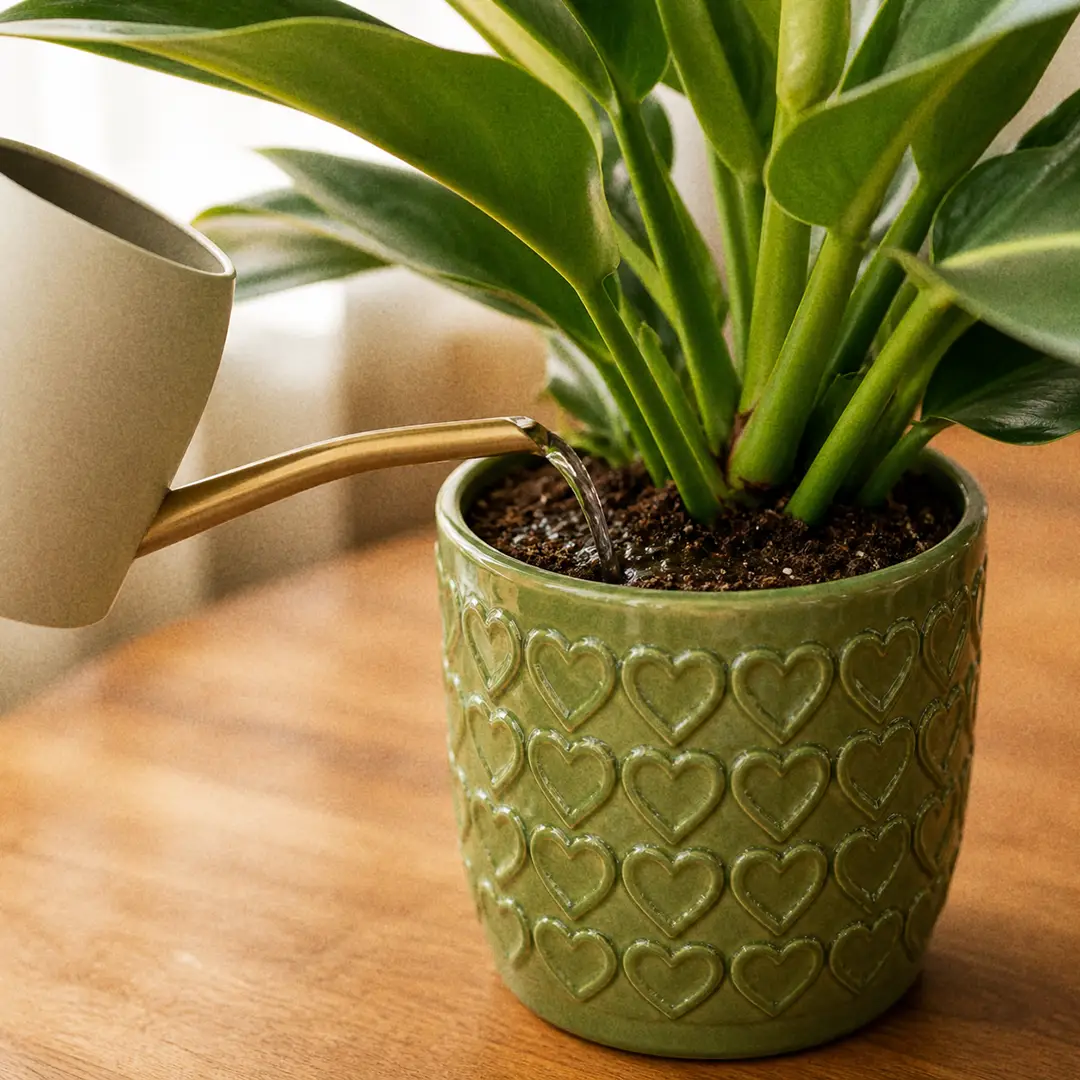
Pour slowly and evenly at the soil until water runs from the drainage hole. Let it drain fully, then tip out anything that pools in the saucer.
Tap water is fine for this plant. If yours runs heavily chlorinated or hard, let it sit out overnight or use filtered water.
Signs You Are Overwatering
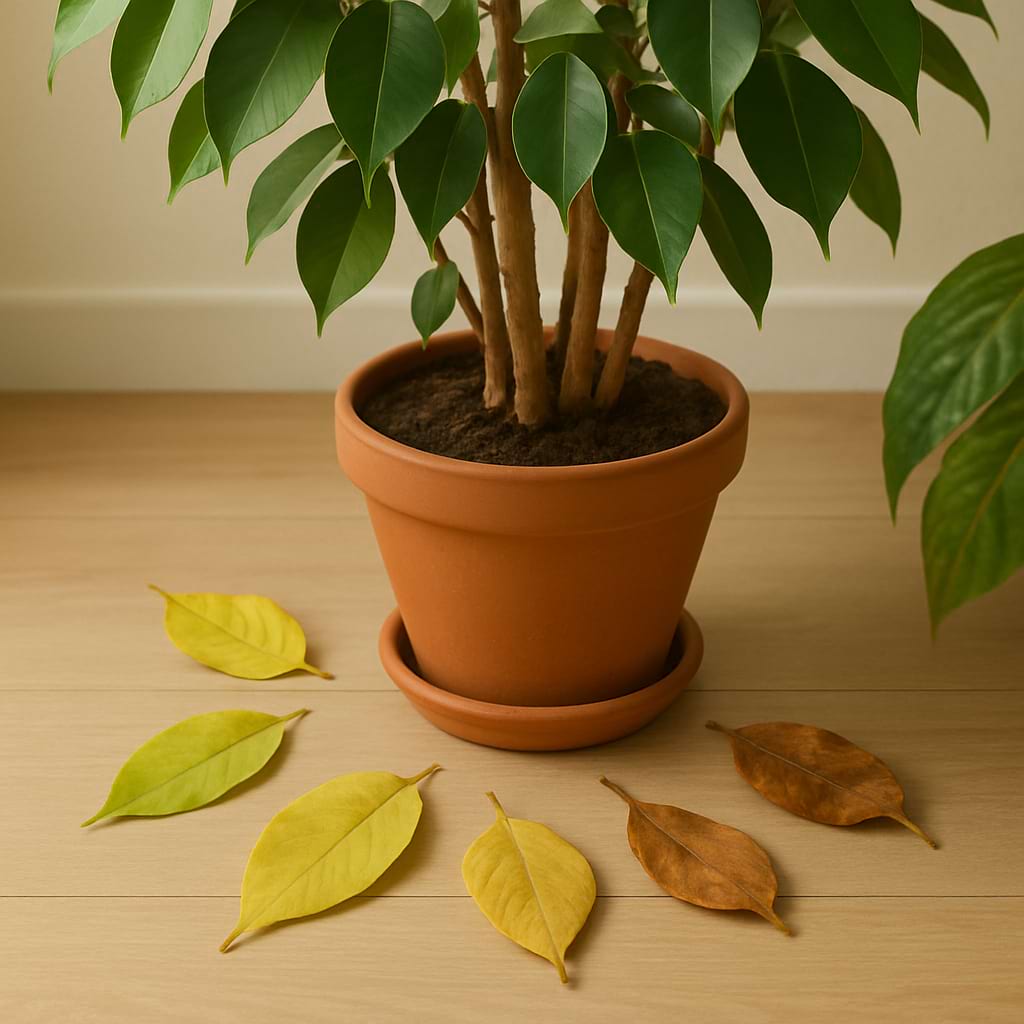
- Lower leaves yellowing one after another from the bottom up
- A faint sour smell from the soil
- Soft mushy stems where the petioles meet the crown
- Soil staying wet for more than ten days
Signs You Are Underwatering
- Drooping leaves and softening petioles
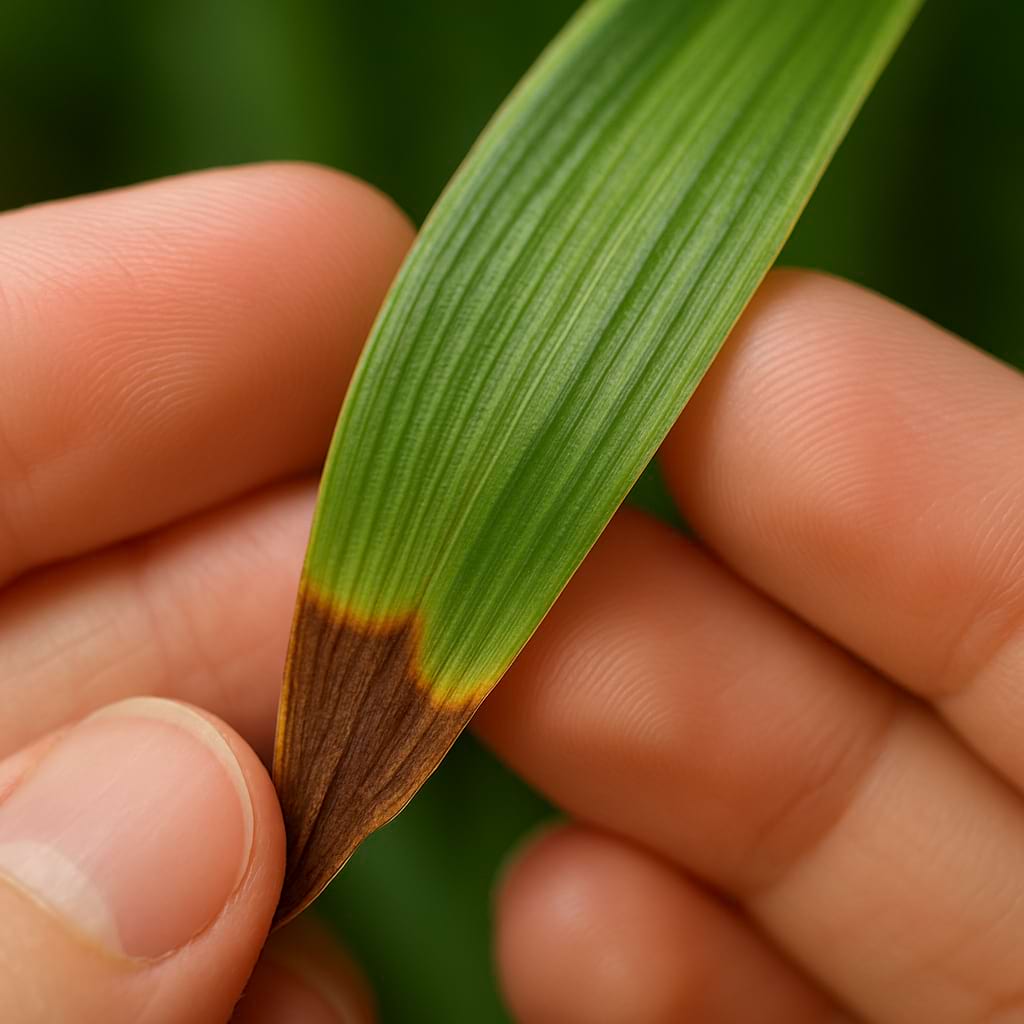
- Crispy brown edges on otherwise healthy leaves
- Soil pulling away from the inside of the pot
If the soil has gone bone-dry and water runs straight through, bottom watering is the fastest fix. Twenty to thirty minutes in a basin, drain fully, then resume normal schedule.
🪴 Best Soil for Imperial Green
Standard houseplant soil is too dense. The Imperial Green wants a chunky, fast-draining mix that mimics loose forest litter.
A Simple DIY Aroid Mix
- 2 parts indoor potting soil
- 1 part orchid bark (medium grade)
- 1 part perlite or pumice
- 1/2 part horticultural charcoal
- A small handful of worm castings
Squeeze a fistful. It should hold its shape loosely, then crumble apart when you nudge it. If it stays in a tight clump, add more bark and perlite.
Buying a Premix
Look for "aroid mix," "monstera and philodendron mix," or "chunky tropical mix." Bark, perlite, and coco coir should be near the top of the ingredients. Avoid anything labeled "moisture control," "African violet mix," or "seed starter."
🍼 Fertilizing Imperial Green
This is a slow grower, so it does not need heavy feeding. Overfeeding is more common than underfeeding here.
When and What
Feed every four to six weeks from roughly March through September. Stop completely from late fall through winter. A balanced liquid houseplant fertilizer (NPK around 3-1-2 or 10-10-10) at half label strength works well. The fertilizing guide covers the why behind diluted feeding.
If you prefer slow-release, work a small scoop of granular aroid food into the top inch of soil in early spring.
Reading the Plant
- New leaves the same size as old leaves and a clean deep green: feeding is right.
- Smaller new leaves and a pale tone: bump frequency up a little.
- Brown leaf tips with a white or yellow crust on the soil: too much fertilizer. Flush the pot with plain water and skip the next two feedings.
🌡️ Imperial Green Temperature Range
Warm and stable. Sweet spot: 65-80°F (18-27°C), exactly where most homes already live year-round.
What to Avoid
- Cold drafts from leaky windows or front doors
- Hot blasts from heating vents
- AC vents blowing on the leaves
- Anything below 55°F (13°C)
- Quick swings of more than 15°F in a day
Seasonal Care
Move the plant a step back from cold windows in winter. If you summer it outdoors, bring it back inside well before nights drop below 60°F (15°C), and inspect for pests on the way in. Avoid sudden moves from a heated room to a cold porch and back.
💦 Imperial Green Humidity Requirements
Ideal Humidity
- Ideal: 50-60%
- Comfortable: 40-50%
- Trouble below: 30% (crispy edges, stalled new leaves)
Easy Boosters
This is one of the most adaptable Philodendrons on the humidity front. To boost it: run a small humidifier on a timer, group with other tropicals, use a pebble tray, or move to a bright bathroom. The humidity overview helps if you want to dial it in.
Skip Misting
Misting fades within minutes and risks fungal spots if leaves stay wet overnight.
🌸 Imperial Green Flowers
Why It Rarely Blooms Indoors
Grown for leaves, not flowers. A mature plant in near-perfect conditions for years on end may produce the classic aroid inflorescence: a pale green spathe wrapping a cream spadix. Indoors, this is uncommon.

If It Does Bloom
Treat it as a curiosity. Enjoy it or snip it off to redirect energy into more leaves. The spathe contains calcium oxalate just like the leaves, so handle with the same care.
🏷️ Imperial Green Types and Varieties
The Imperial Green is a named cultivar, so there are no sub-varieties under it. Here is how to tell it apart from the lookalikes you may see at the shop.
Imperial Green (the original)
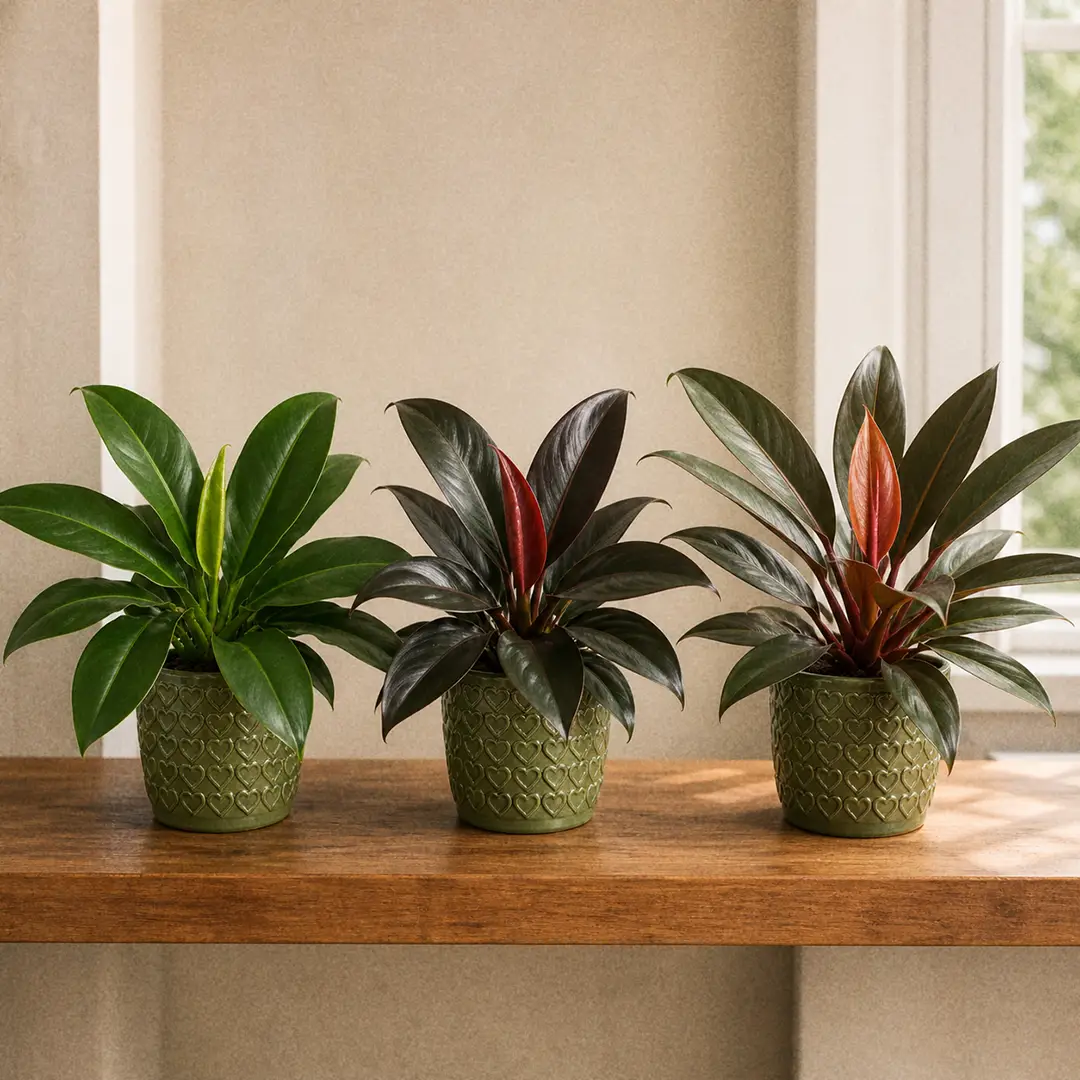
Large, broad, oblong-elliptical leaves emerge pale green and mature to deep glossy emerald. Tight vase-shaped rosette. Mature size around two to three feet tall and three to four feet wide.
Imperial Green vs. Imperial Red
Imperial Red is the sister cultivar with the same shape, but new leaves emerge wine-burgundy and mature to dark olive with a reddish underside. If your "Imperial Green" pushes a burgundy new leaf, you have a mislabel. The two pair beautifully on the same shelf.
Imperial Green vs. Rojo Congo
Rojo Congo has bright red petioles year-round, slightly more elongated leaves, and coppery-red new growth rather than burgundy. Care is essentially identical.
Imperial Green vs. Moonlight
The Moonlight Philodendron has a similar rosette form but new leaves are bright chartreuse-yellow fading to lime. Smaller and more playful where Imperial Green reads as stately. A great chartreuse-and-emerald pairing.
When buying, check the tag and the new leaf color. Pale stretched plants at the store are usually just under-lit there and tighten up at home with better light.
🪴 Potting and Repotting
This plant likes being a little snug. No need to upgrade pots every spring.
When to Repot
Every two to three years, or when you see:
- Roots circling tightly around the root ball
- Roots growing out of the drainage hole
- Water running straight through in seconds
- The plant tipping or visibly outgrown
How to Repot
- Water lightly the day before so the root ball holds together.
- Choose a pot only one to two inches wider. Going bigger leaves a ring of soggy unused soil.
- Fill the bottom inch with fresh chunky aroid mix.
- Slide the plant out gently, loosen the outer roots, and trim any that are mushy or hollow.
- Set it at the same depth it was before. Do not bury the crown.
- Backfill, tap to settle, do not pack hard.
- Water thoroughly and return to its usual bright spot.
The repotting guide covers timing and pot choice. Skip fertilizing for four weeks after a repot.
Pot Material and Sizing
Terracotta dries faster, suits overwaterers. Glazed ceramic and plastic hold moisture longer, pair better with cooler drier homes. Drainage holes are non-negotiable. A fully grown three-foot plant sits comfortably in an eight to ten inch pot. If yours has outgrown a ten-inch pot, divide rather than upsize.
✂️ Pruning Imperial Green
Pruning here is cleanup, not shaping. New leaves emerge from a central crown, so there is nothing to "train" the way you would a Heart-Leaf Philodendron.
What to Prune
- Yellowing or fully spent lower leaves: cut the petiole at the base
- Damaged or torn leaves: same approach
- Browned tips on otherwise healthy leaves: trim with sharp scissors, following the leaf's natural curve
Do not top the central growth point. Clean tools with rubbing alcohol between cuts.
Cleaning Counts
Dust on those big glossy leaves quietly cuts photosynthesis. Wipe each one gently with a soft damp cloth every two weeks. Skip leaf-shine sprays, they clog leaf pores. Clean leaves grow deeper green and bigger new leaves.
🌱 How to Propagate Imperial Green
Different game from a vining Philodendron. Stem cuttings will not work the way they do on a Brasil or a Pink Princess, because there are no long stems with multiple nodes. The reliable method is division.
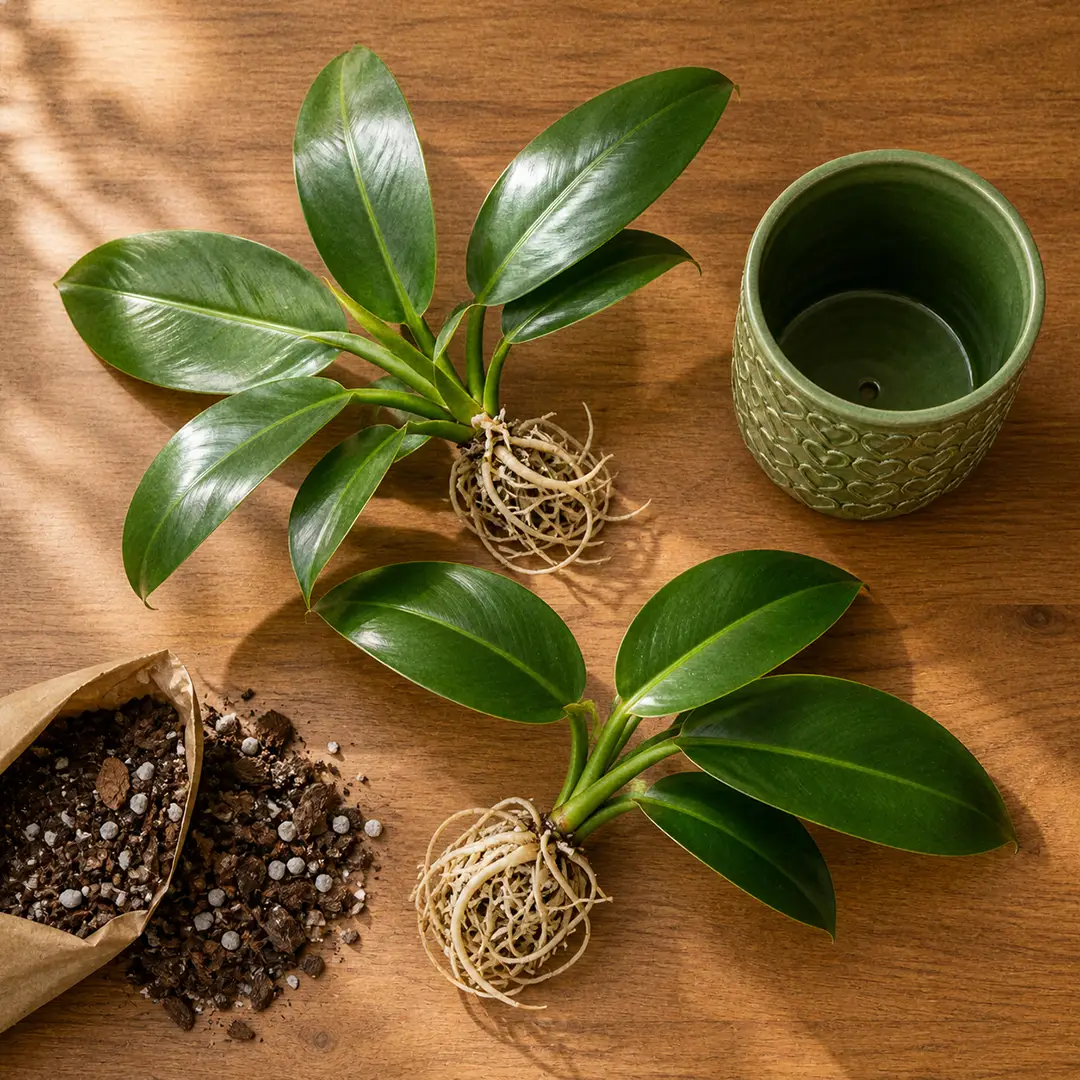
Method 1: Division at Repotting
- Wait until you can see two or more separate crowns coming from the soil.
- The next time you repot, slide the plant out fully.
- Brush away soil to see how the roots and crowns connect.
- Find a natural break point.
- Use a clean sharp knife to cut through connecting tissue. Do not tear.
- Pot each division in its own pot of fresh aroid mix at the original depth.
- Water lightly, bright indirect light, no fertilizer for a month.
Divisions sulk for two or three weeks, then start pushing new leaves. The first new leaf or two may be smaller than usual.
Method 2: Basal Offsets (Pups)
Mature Imperial Greens sometimes throw a small pup at the base. Wait until it has two or three leaves of its own, then separate during a normal repot.
What Does Not Work
- Single-leaf cuttings (no node, no growth point)
- Topping the crown (kills the parent for nothing)
- Long water-rooting in plain tap water (rots before rooting)
The fastest way to grow your collection is buying a second mature plant and dividing both.
🐛 Imperial Green Pests
Not a pest magnet, but any aroid can pick up trouble in dry indoor air. Inspect new leaves and undersides every couple of weeks, especially around leaf joints.
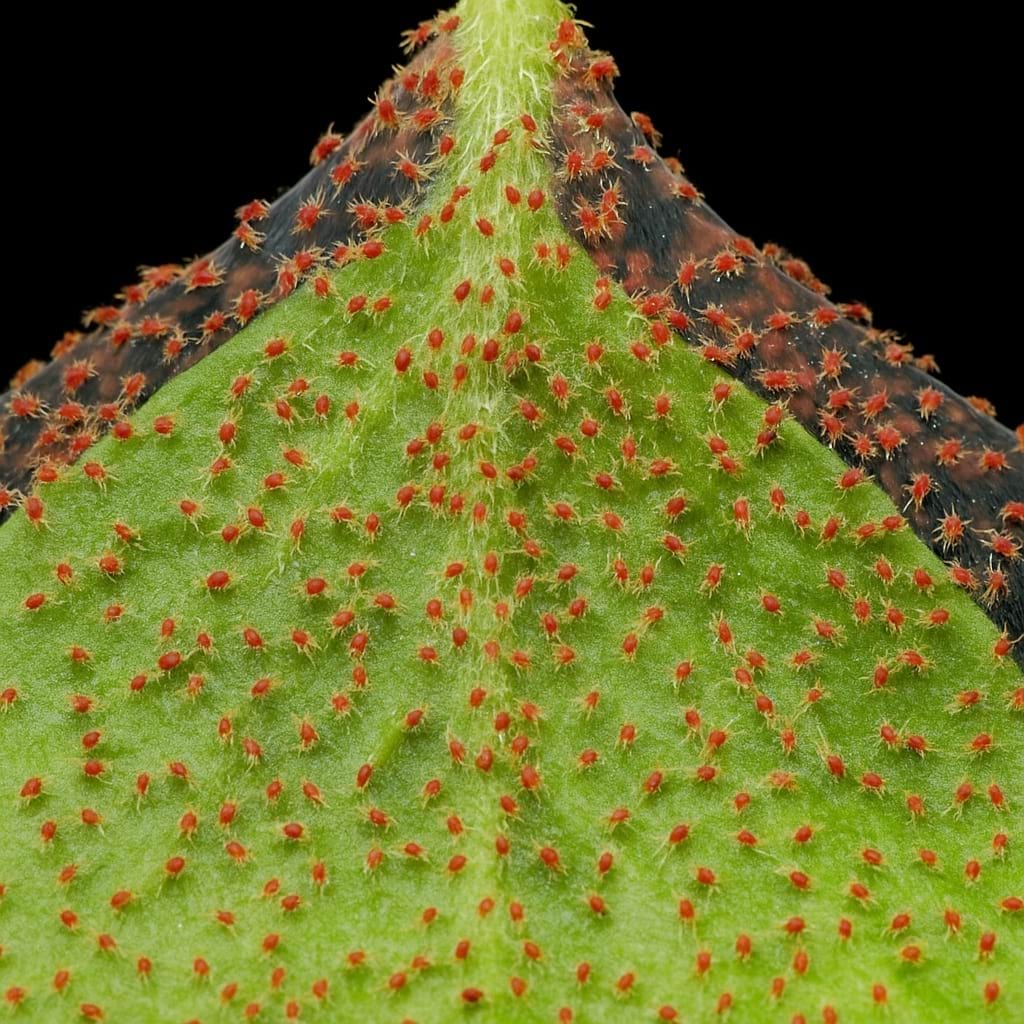
Spider mites: fine webbing in leaf joints and stippled dots that dull the surface. Wipe leaves, raise humidity, treat with insecticidal soap or neem oil weekly until two clean inspections in a row.
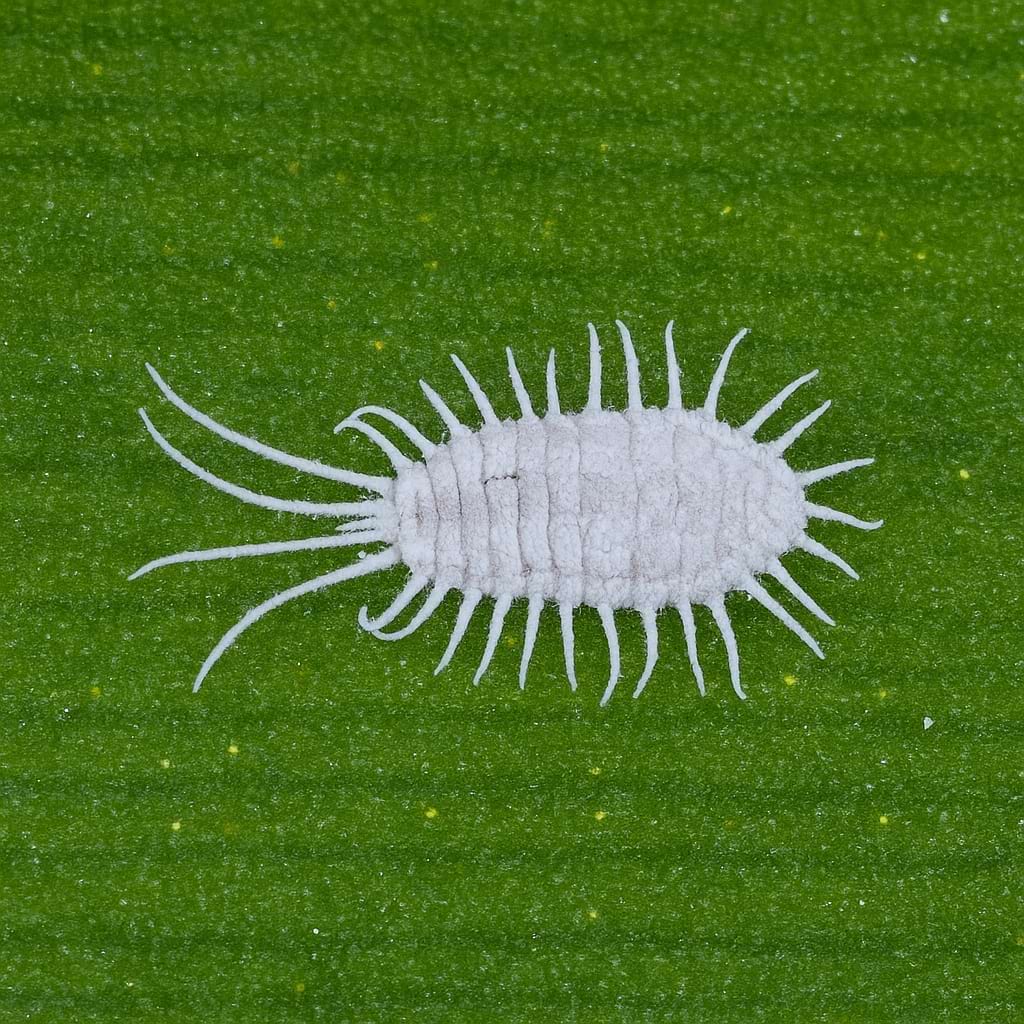
Mealybugs: cotton tufts tucked into the crown where new leaves are unfurling. Dab each with a cotton swab dipped in 70% isopropyl alcohol.
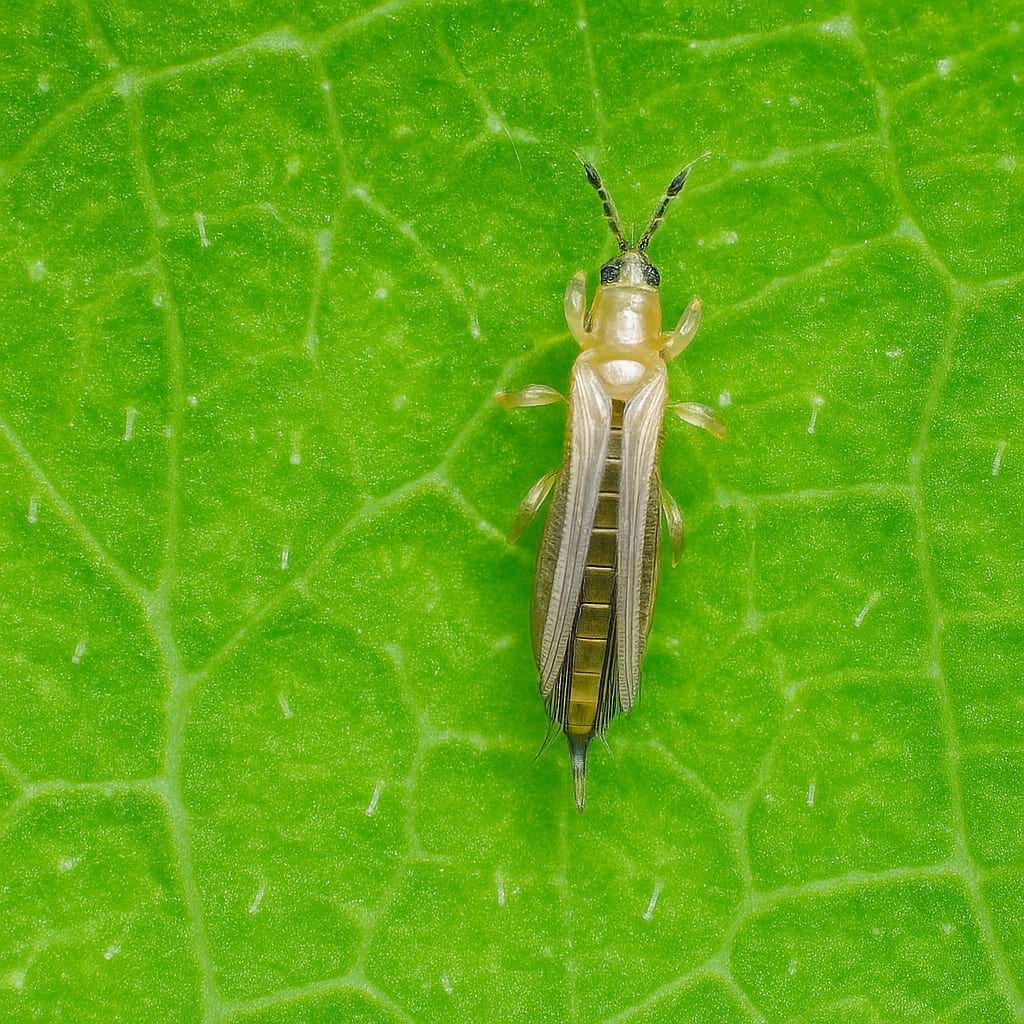
Thrips: silvery scratch marks and deformed new leaves. Treat aggressively, isolate the plant, run weekly soap or neem rounds until three weeks clean.
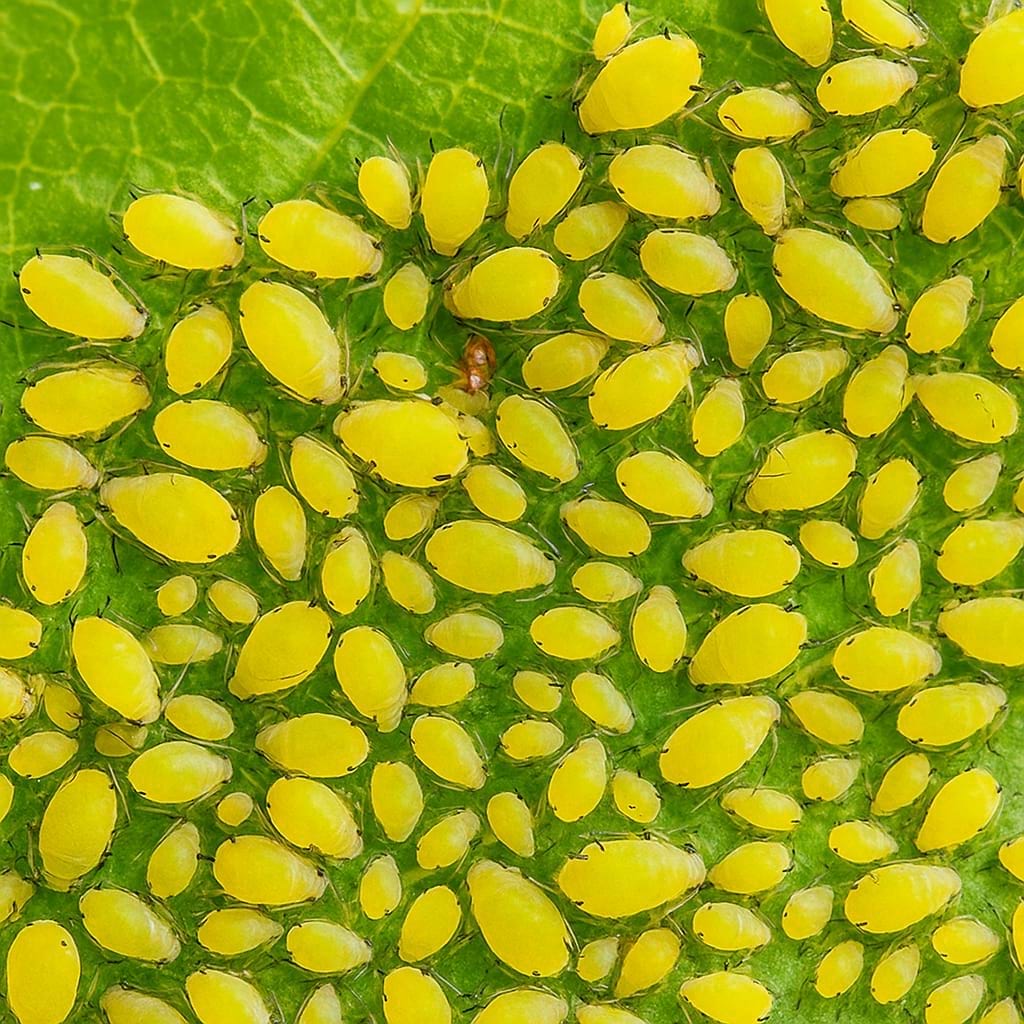
Aphids: clusters on the freshest new growth. Rinse in the sink and follow up with insecticidal soap.
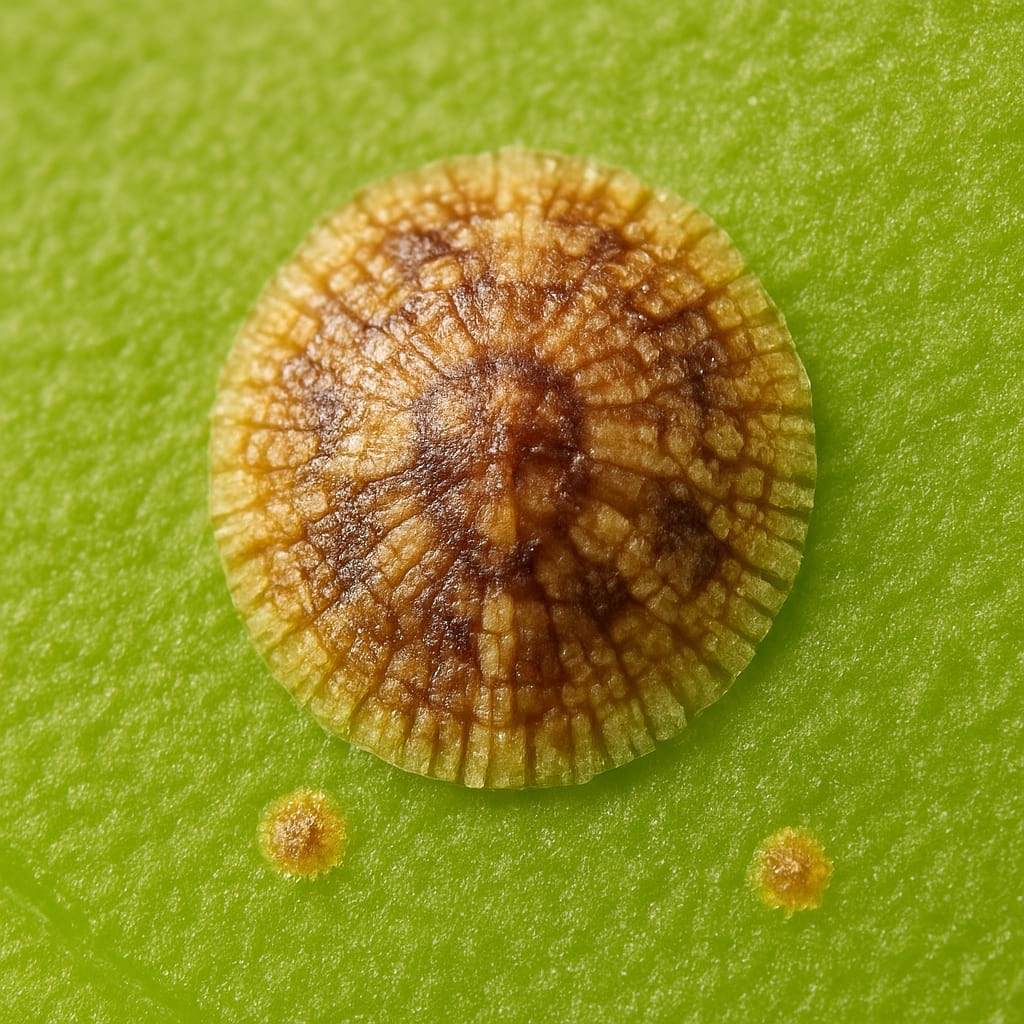
Scale insects: brown bumps on petioles. Scrape off, then treat with neem oil weekly.
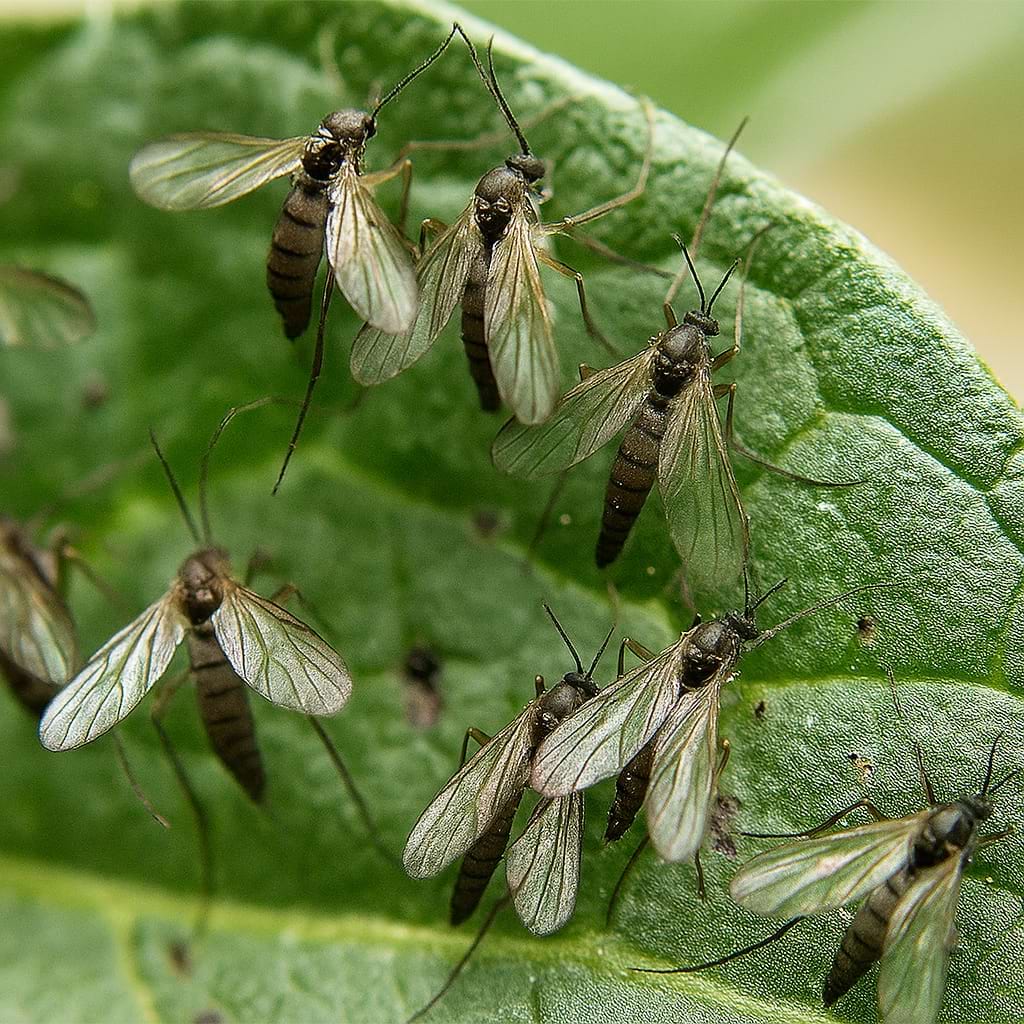
Fungus gnats: a sign the soil is too wet. Dry the top inch out, top-dress with sand or fine bark, use yellow sticky traps.
Quarantine new plants for two weeks before placing them near your Imperial Green.
🩺 Common Imperial Green Problems
Most issues trace back to watering, light, or air.
Yellowing leaves on the lower tier usually mean overwatering. A single yellow outer leaf on a mature plant is normal aging; multiple at once is a problem.
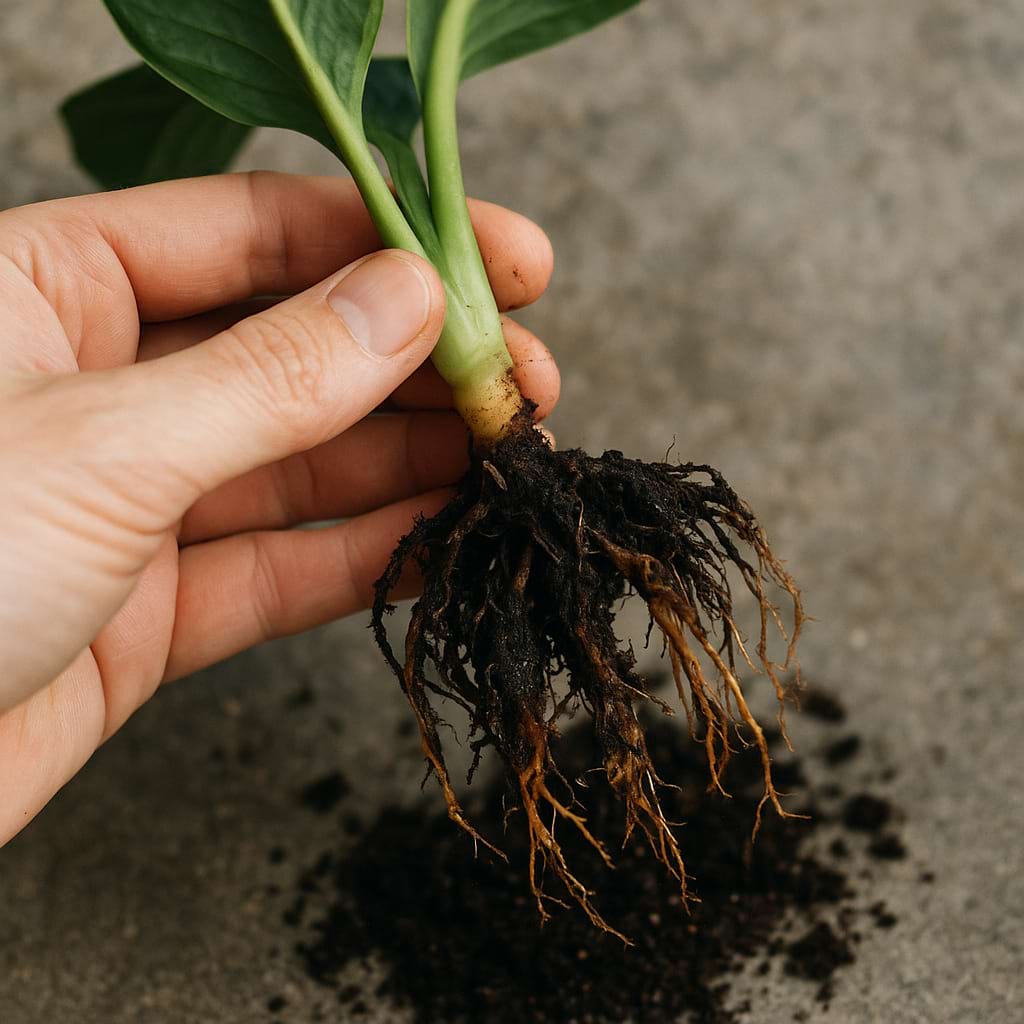
Root rot: yellowing plus mushy stems and a sour soil smell. Slide the plant out, trim every soft brown root back to firm white tissue, repot in fresh chunky mix. Hold off watering for three or four days.
Brown crispy edges: dry air, inconsistent watering, or salt buildup. Boost humidity, settle into a regular rhythm, flush the pot every couple of months.
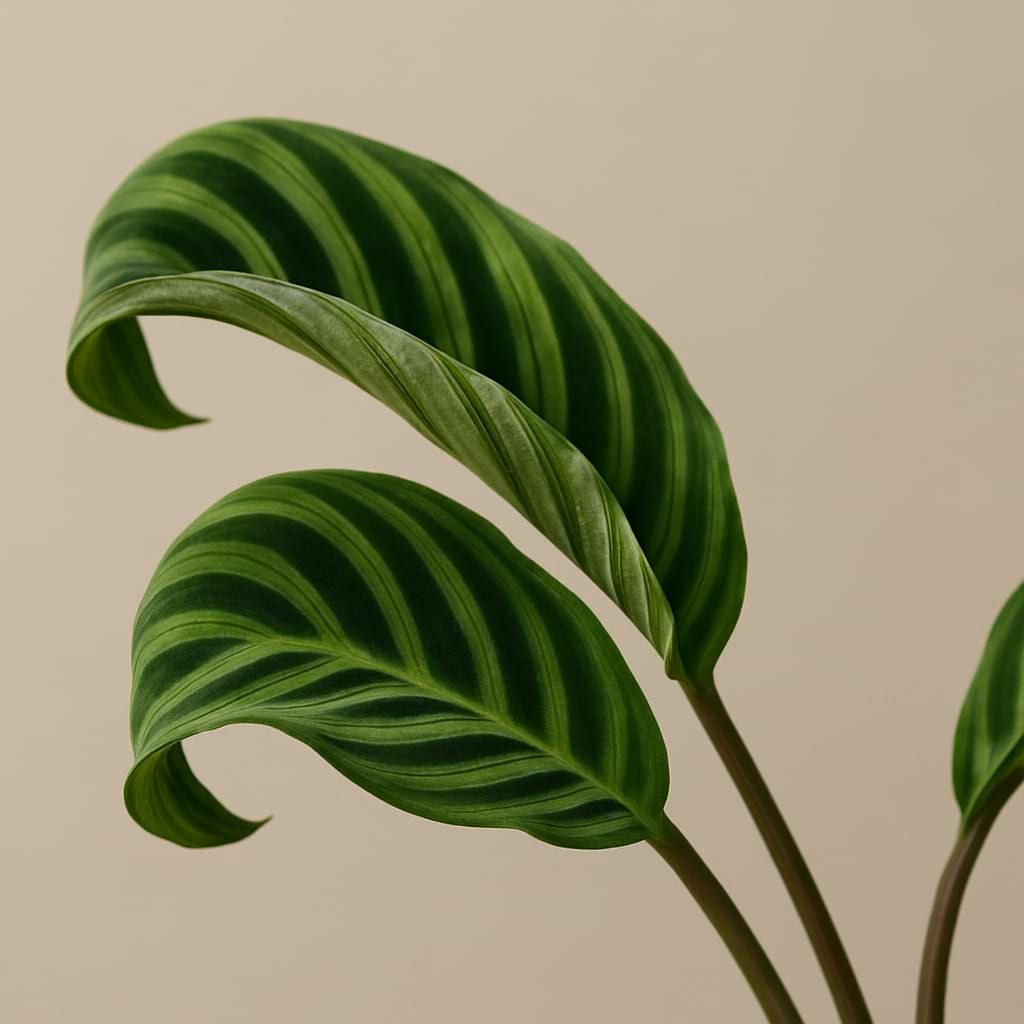
Curling leaves: usually thirst, sometimes pests or cold drafts. Check soil first, then leaf undersides.
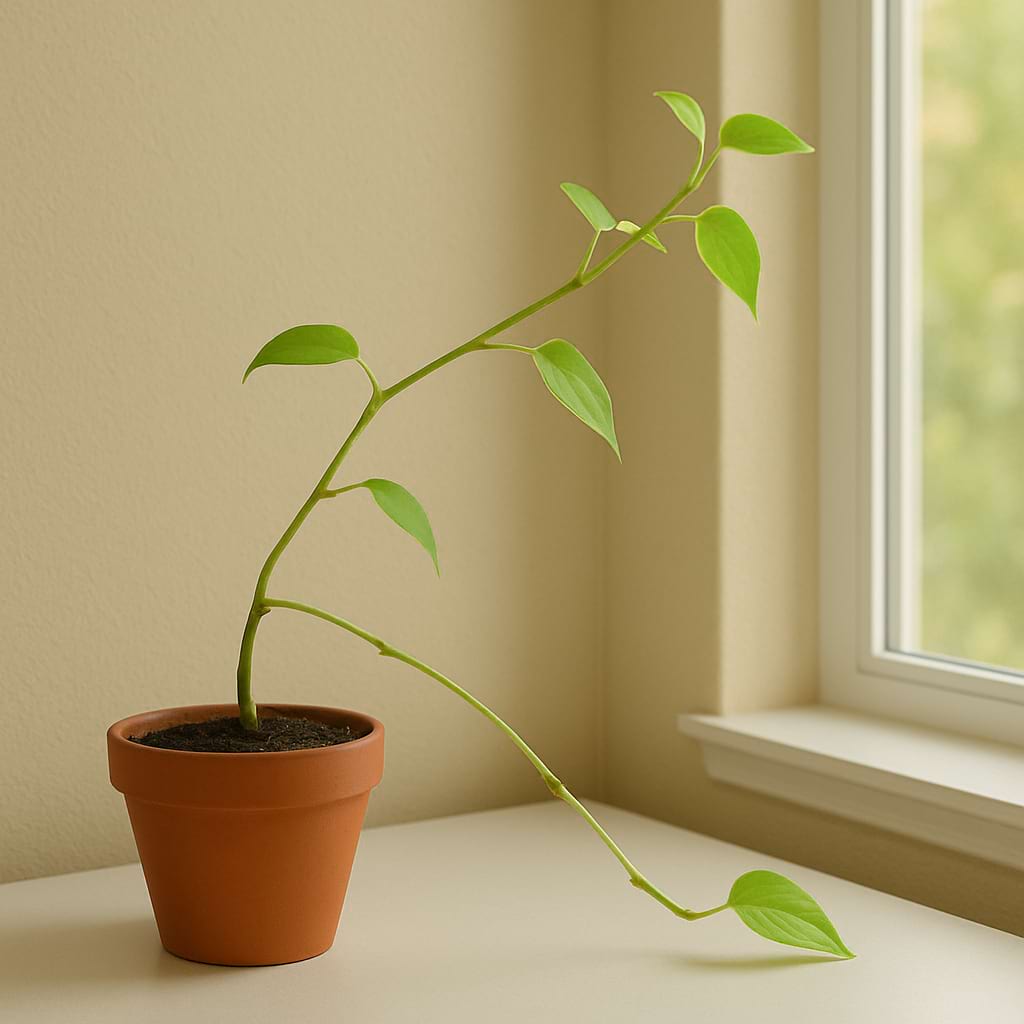
Leggy growth: long bare stretches and a loose rosette mean the plant is reaching for more light. Move closer to a window or add a grow light.
Sunburn: bleached papery patches from direct afternoon sun. Move back from the glass or add a sheer curtain.
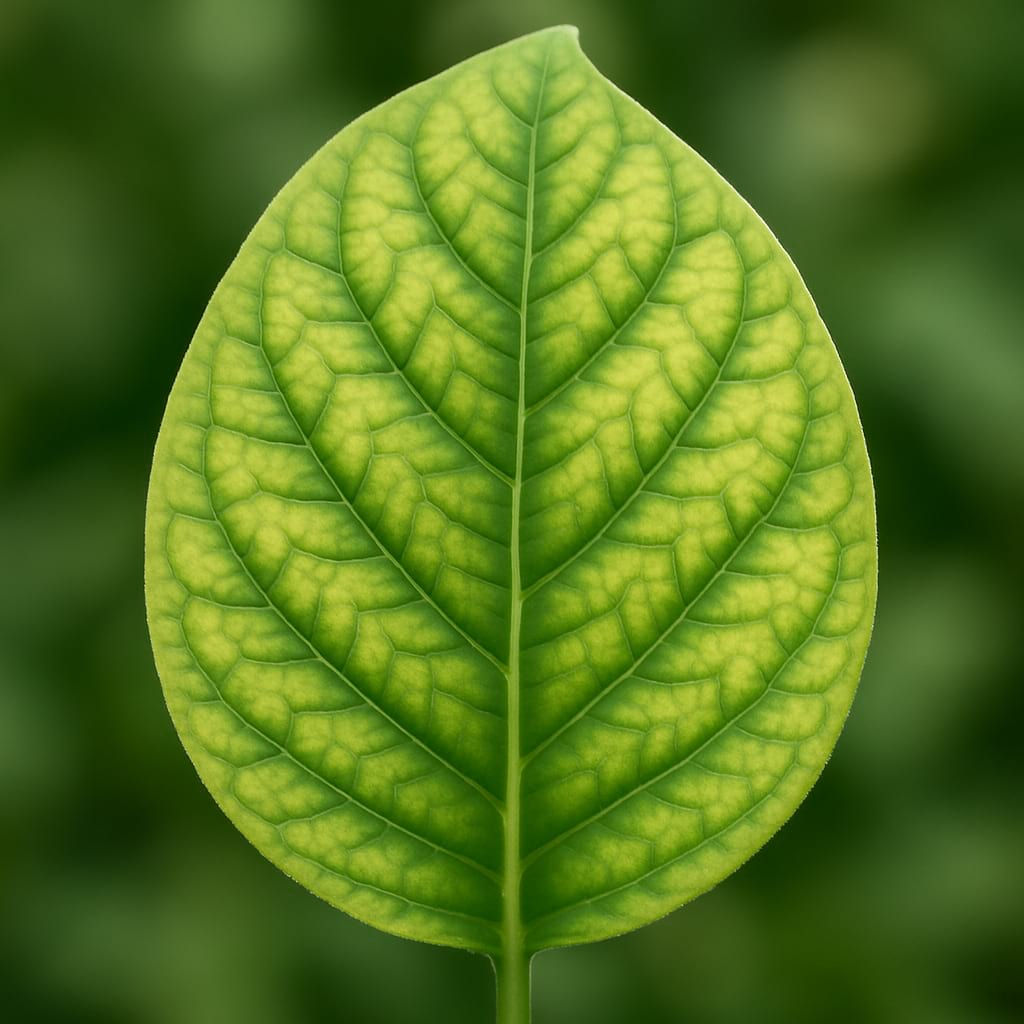
Nutrient deficiency: smaller pale new leaves with yellowing between veins. Start a half-strength feeding schedule.
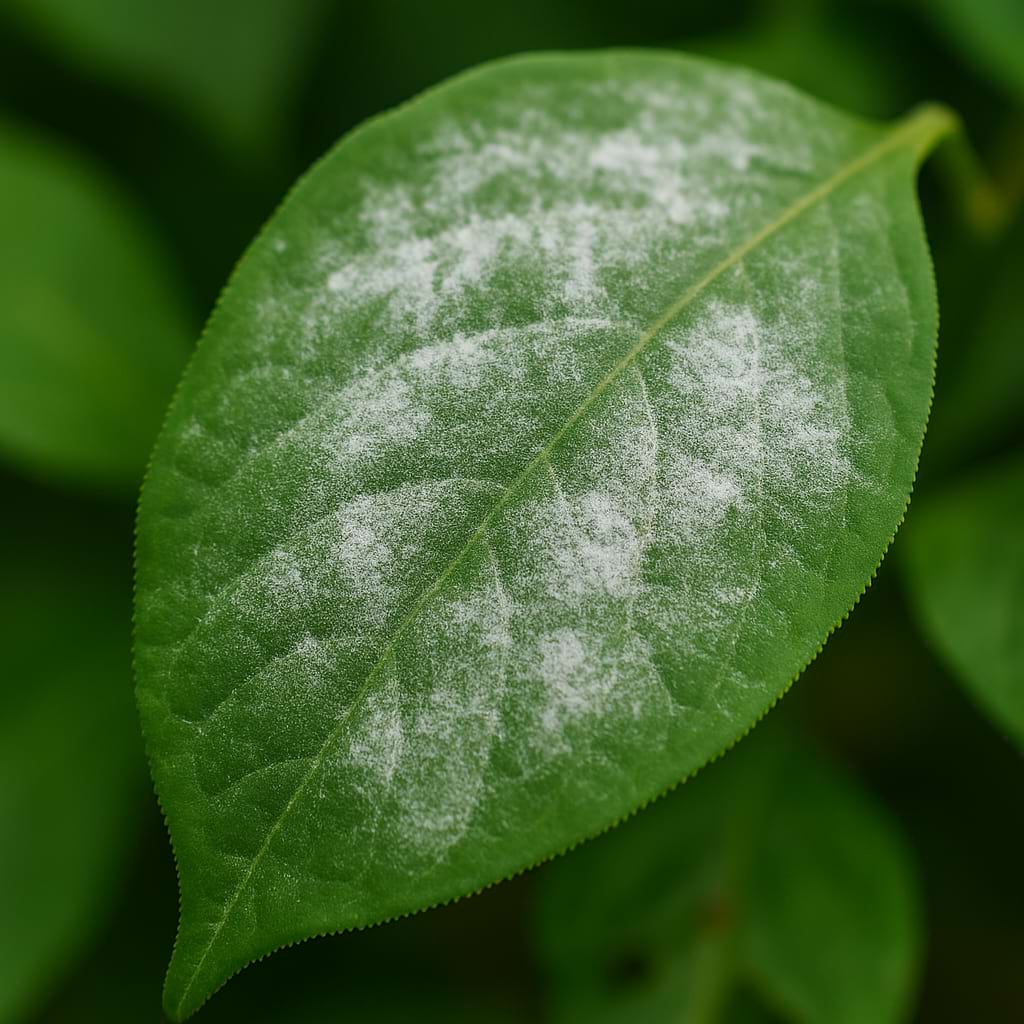
Fungal or bacterial leaf spot: dark spots ringed with yellow, often after leaves stay wet overnight. Trim affected leaves, water the soil only, improve air circulation.
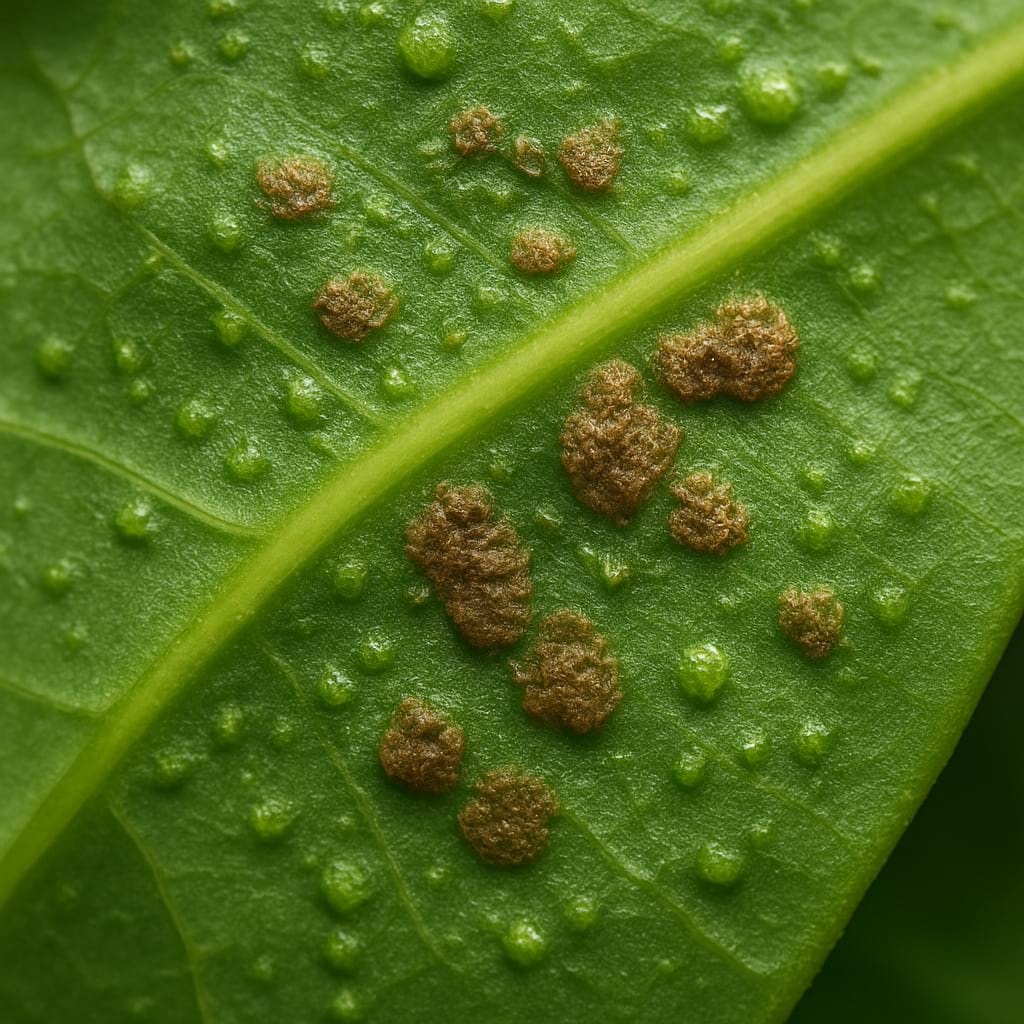
Edema: small water blisters or corky scars under leaves from rapid water uptake in cool humid conditions. Even out your watering.
Leaf drop: a reaction to a sudden change (move, draft, watering shock). Stabilize and the plant recovers in a few weeks. Resist changing more variables.

🖼️ Display and Styling Ideas
The Imperial Green does the design work for you. The deep glossy leaves and tidy rosette read as expensive in any room.
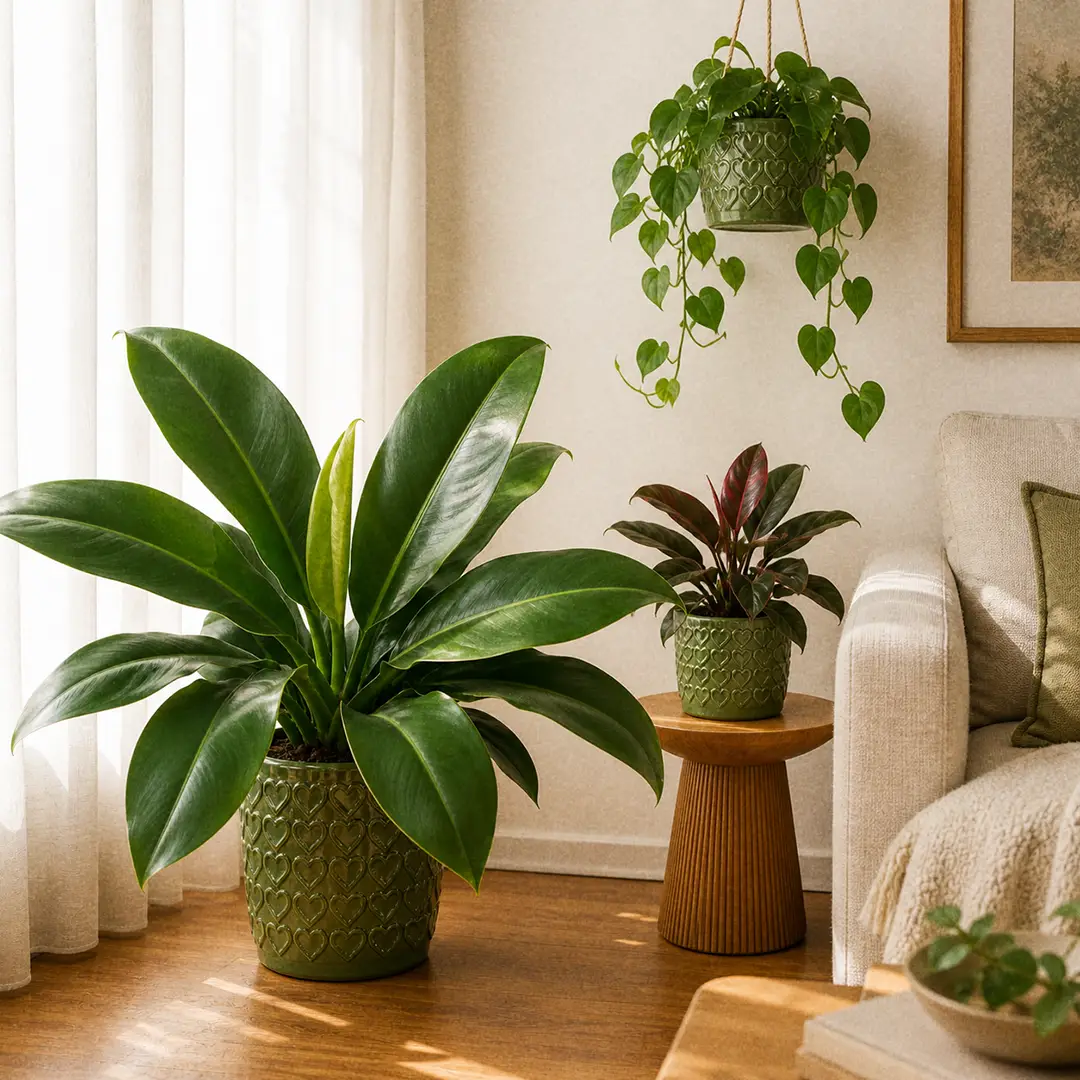
Pot Pairings
- Matte cream or white pots feel airy and clean.
- Charcoal or dark stone pots create gallery-like contrast.
- Warm terracotta works in earthy rooms.
- Avoid loud patterns that fight the leaves.
Spaces That Work
- A floor specimen three to five feet from a window
- A low side table next to a reading chair (leaves at eye level when seated)
- A bedroom corner with steady indirect light
- A bright bathroom or kitchen if humidity tends to run higher
Companion Planting
Pair with a Rojo Congo for the green-and-burgundy classic, or add a Prince of Orange for a glowing third color. A Birkin brings pinstripes, a Brasil trails alongside, and a tall Bird of Paradise towers above without crowding.
🌟 Pro Care Tips
- Light first, everything else second. A correctly placed Imperial Green forgives a lot of small misses.
- Underwater rather than overwater. This plant recovers from a missed watering in a day. It does not always recover from soggy soil.
- Resist potting up. This plant likes a snug root ball. Two inches up at most.
- Mind the drafts. Reassess the spot once every season.
- Wipe leaves every two weeks. Dust dulls color and cuts photosynthesis.
- Keep it out of reach of pets and kids. Calcium oxalate crystals make this plant toxic if chewed.
- Quarter-turn weekly. New leaves track the light; rotating keeps the rosette symmetrical.
- Track new leaf size. Smaller new leaves mean the plant wants more light, more food, or both.
❓ Frequently Asked Questions
Is the Imperial Green a climbing plant?
No. It is a self-heading Philodendron with leaves growing from a central crown. No moss pole or trellis needed. Treat as a floor or table plant.
How big does it get indoors?
Two to three feet tall and three to four feet wide, with individual leaves up to a foot long. It takes around four to six years to reach mature size. Leave room for the spread.
Is the Imperial Green toxic to cats and dogs?
Yes. Like all Philodendrons, it contains calcium oxalate crystals that irritate the mouth, throat, and digestive tract if chewed. Keep out of reach of pets and small children. If a pet bites a leaf, contact your vet.
Why are new leaves smaller than older ones?
Two common reasons: not enough light, or a recently divided or shipped plant still settling in. Move closer to bright indirect light first. After division or shipping, give it a full month before judging.
Can I grow Imperial Green under a grow light only?
Yes, very successfully. A full-spectrum LED running for ten to twelve hours a day produces big deep-green leaves, often better than a marginal window spot. Position twelve to eighteen inches above the canopy.
How often should I repot?
Every two to three years, or when roots are circling tightly or growing out the drainage hole. Move up only one to two pot sizes at a time.
What is the difference between Imperial Green and Imperial Red?
Same self-heading rosette and overall size, but Imperial Red pushes burgundy new leaves that mature to dark olive with a reddish underside. Imperial Green stays glossy emerald from start to finish. Care is identical, and many growers keep both for the contrast.
Is the Imperial Green air-purifying?
It is in the family that scored well in the original NASA Clean Air Study. Real-world impact in a normal room is modest, but it does take up small amounts of common indoor pollutants over time. The bigger benefit is the calming visual presence.
ℹ️ Imperial Green Info
Care and Maintenance
🪴 Soil Type and pH: Loose, chunky, well-draining aroid blend with a slightly acidic pH around 5.5-6.5.
💧 Humidity and Misting: Happy at 50-60 percent; tolerates average household air well.
✂️ Pruning: Remove yellow or damaged outer leaves at the base; no shaping needed.
🧼 Cleaning: Wipe glossy leaves with a soft damp cloth every two weeks to keep them dust-free.
🌱 Repotting: Every 2-3 years or when roots begin circling the pot.
🔄 Repotting Frequency: Every 2-3 years
❄️ Seasonal Changes in Care: Reduce watering and stop feeding from late fall through early spring.
Growing Characteristics
💥 Growth Speed: Slow to Moderate
🔄 Life Cycle: Perennial evergreen
💥 Bloom Time: Very rare indoors
🌡️ Hardiness Zones: 9b-11 outdoors
🗺️ Native Area: Hybrid cultivar; parent species native to Colombia and Costa Rica
🚘 Hibernation: No, but growth slows noticeably in winter
Propagation and Health
📍 Suitable Locations: Living rooms, offices, lobbies, bright bedrooms, kitchens with steady light
🪴 Propagation Methods: Division at repotting time is the only reliable indoor method.
🐛 Common Pests: Spider Mites, Mealybugs, Thrips, Aphids, Scale Insects, Fungus Gnats
🦠 Possible Diseases: Root rot, leaf spot, occasional bacterial blight
Plant Details
🌿 Plant Type: Self-heading evergreen aroid
🍃 Foliage Type: Evergreen, glossy, broad oblong-elliptical leaves
🎨 Color of Leaves: Light green when emerging, maturing to deep glossy emerald
🌸 Flower Color: Pale green spathe with cream spadix (rarely seen indoors)
🌼 Blooming: Almost never indoors
🍽️ Edibility: Not edible, contains calcium oxalate crystals
📏 Mature Size: 2-3 feet indoors
Additional Info
🌻 General Benefits: Excellent indoor air-cleaning candidate; calming visual presence; very low maintenance
💊 Medical Properties: None; sap is irritating
🧿 Feng Shui: Grounding, prosperity-friendly energy associated with steady growth
⭐ Zodiac Sign Compatibility: Taurus
🌈 Symbolism or Folklore: Calm, abundance, quiet confidence
📝 Interesting Facts: Imperial Green was bred as a sister cultivar to Imperial Red, sharing the same compact self-heading habit but with permanently green foliage instead of burgundy emerging leaves.
Buying and Usage
🛒 What to Look for When Buying: Look for a plant with at least one new leaf unfurling and no soft or yellow lower leaves.
🪴 Other Uses: Container plant for shaded patios and atriums in tropical climates
Decoration and Styling
🖼️ Display Ideas: Single floor specimen in a tall planter; pairs beautifully with Imperial Red for a green-and-burgundy duo
🧵 Styling Tips: Use a matte cream, charcoal, or stone-toned pot to make the deep glossy green pop.
🪴 See also 🪴
Complete Guide to Philodendron Verrucosum Care and Growth
Complete Guide to Philodendron Ring of Fire Care and Growth
Complete Guide to Philodendron Gloriosum Care and Growth
Complete Guide to Philodendron Birkin Care and Growth
Complete Guide to Xanadu Care and Growth
Complete Guide to Hope Selloum Care and Growth
Complete Guide to Silver Sword Philodendron Care and Growth
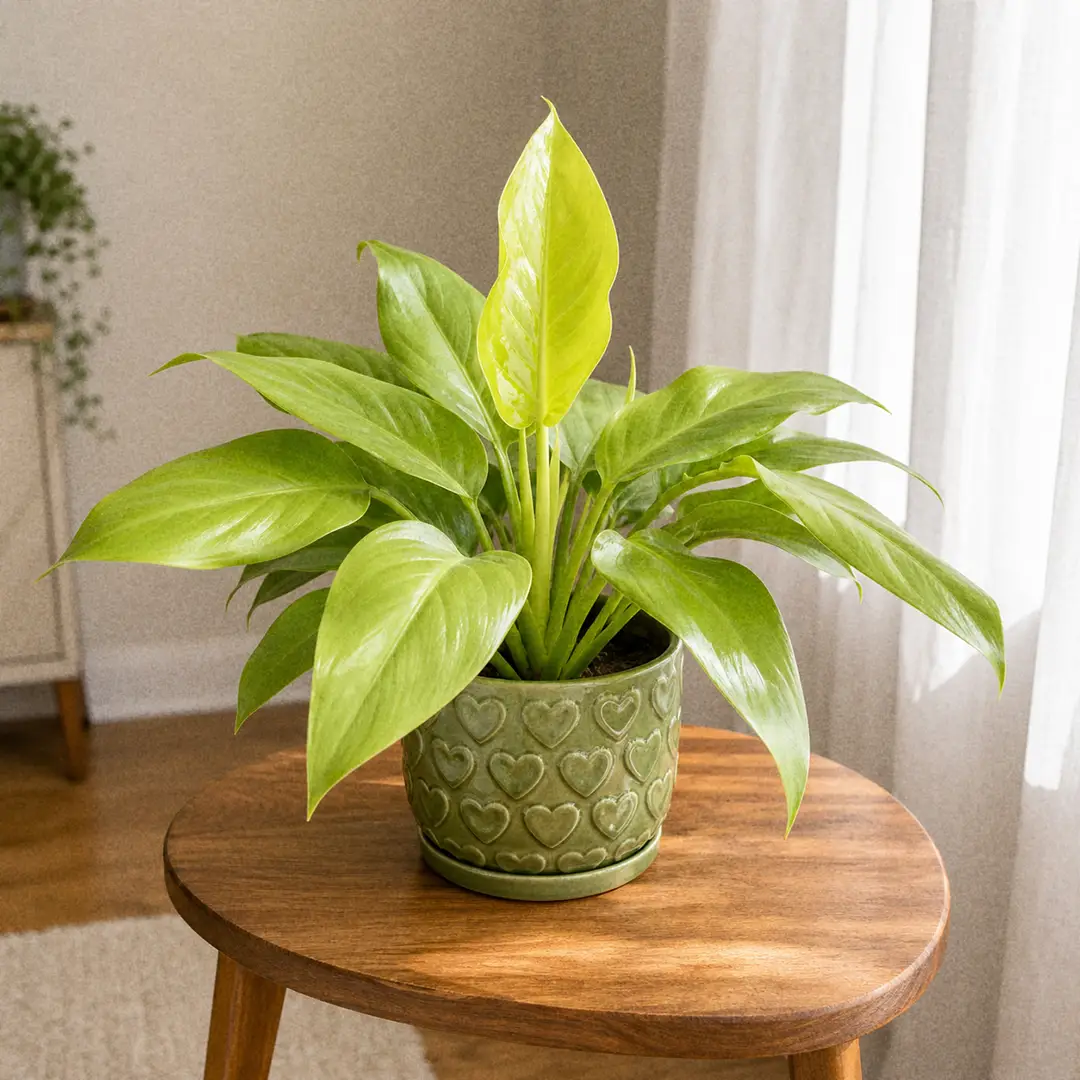
Complete Guide to Moonlight Philodendron Care and Growth
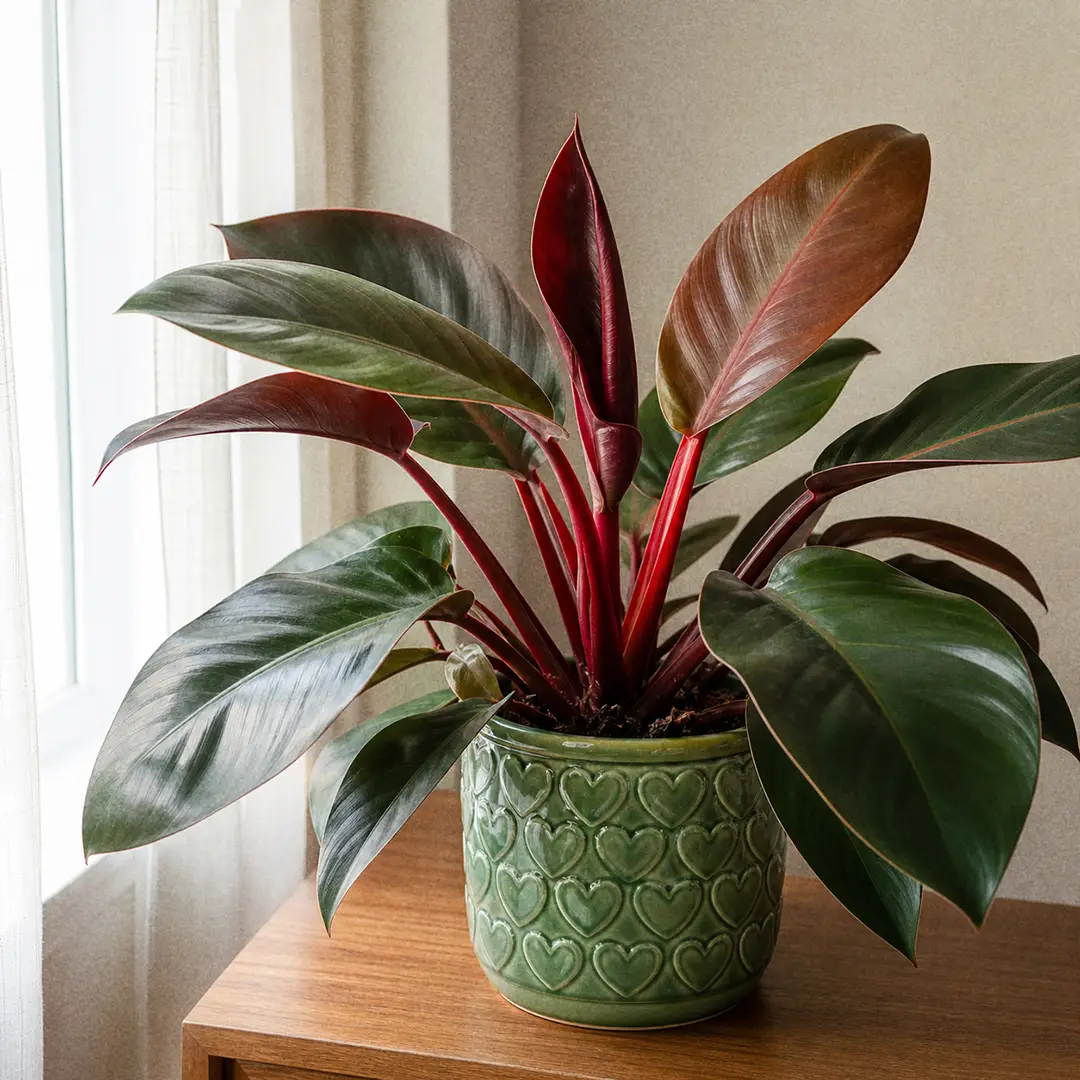
Complete Guide to Rojo Congo Care and Growth
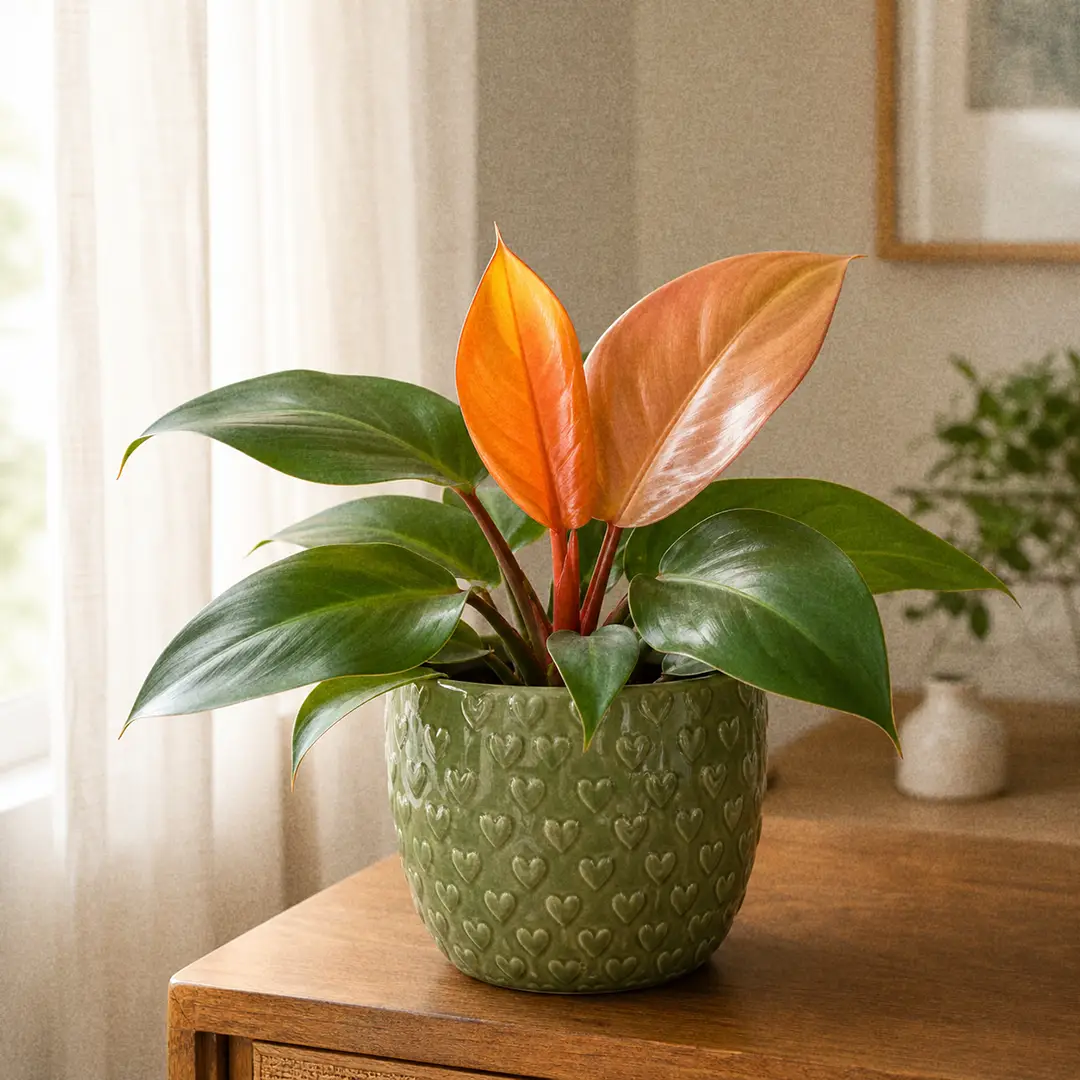
Complete Guide to Prince of Orange Care and Growth
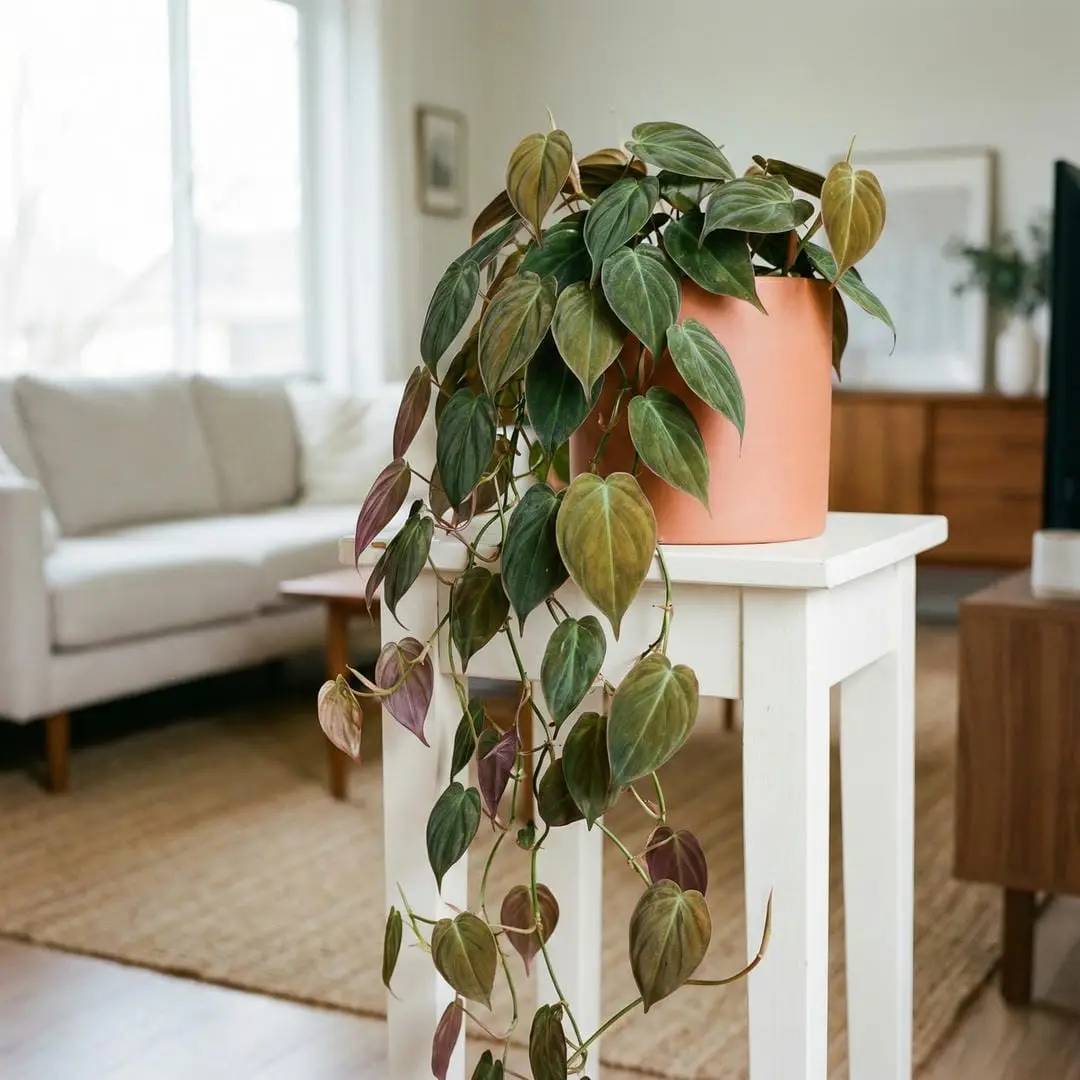
Complete Guide To Velvet Leaf Philodendron Care and Growth
Complete Guide To Heart-leaf Philodendron Care and Growth
Complete Guide to Philodendron Florida Beauty x Tortum Care and Growth
Complete Guide to Philodendron Mayoi Care and Growth
Complete Guide to Philodendron Polypodioides Care and Growth
Complete Guide to Philodendron White Princess Care and Growth
Complete Guide To Lemon Lime Philodendron Care and Growth

Houseplant101 Forum
Questions & Comments
Ask a question, share your plant experience, or help other plant owners.
Comments are temporarily unavailable.
Open the Houseplant101 ForumNo comments yet
Be the first to ask a question or share your experience about this page.
Log in or create an account
Comments use your Houseplant101 Forum account, but you can stay on this page.
Create a new account