
White Ghost Cactus
Euphorbia lactea 'White Ghost'
Dragon Bones, White Ghost Euphorbia


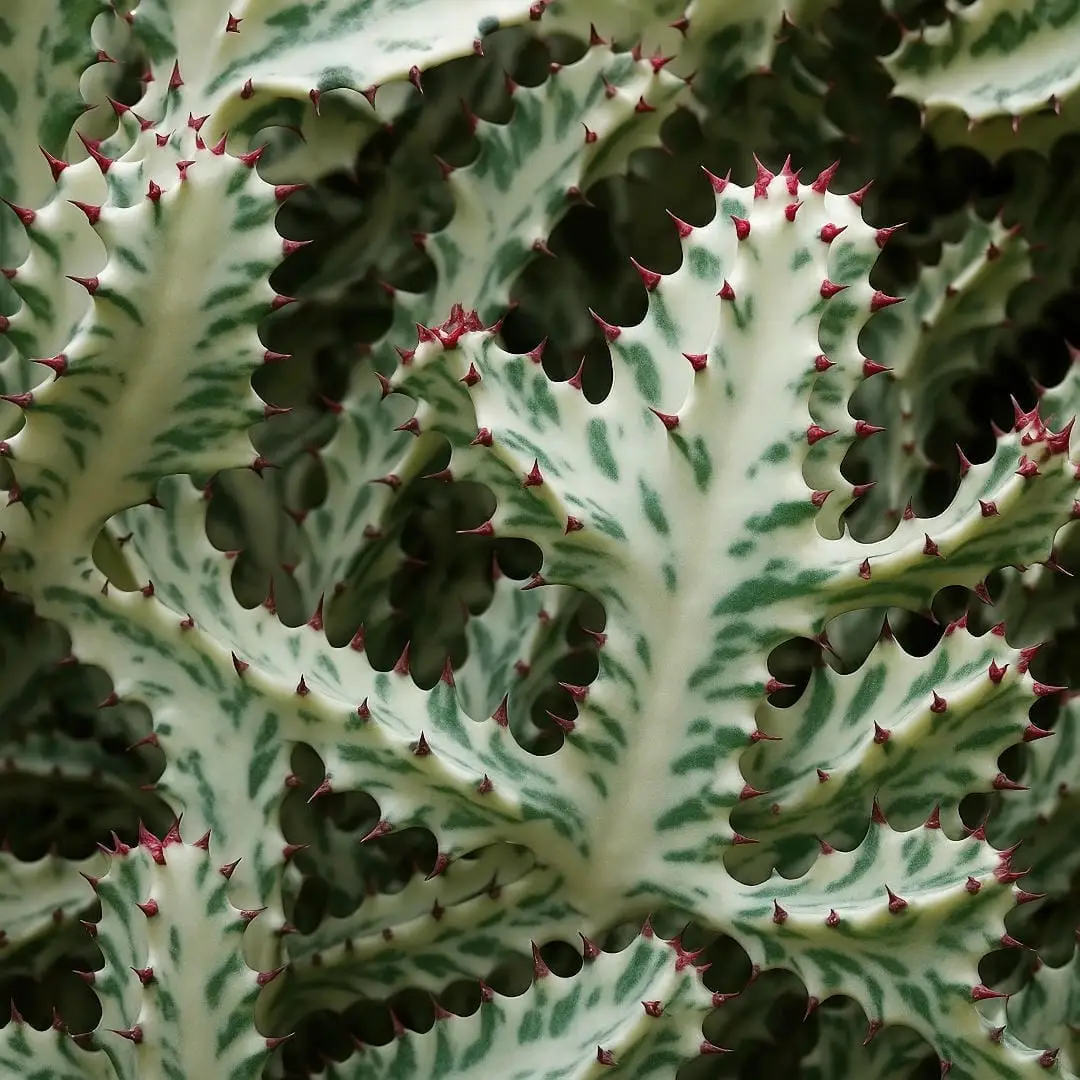
Euphorbia lactea 'White Ghost' is a striking succulent cultivar known for its ghostly white, contorted stems, making it a unique statement piece for any collection.
📝 White Ghost Cactus Care Notes
🌿 Care Instructions
⚠️ Common Pests
📊 Growth Information
🪴 In This Guide 🪴
💚 White Ghost Cactus Care Guide

Quick Overview
Euphorbia lactea 'White Ghost' (also called Dragon Bones) is a striking succulent with ghostly white, twisted arms that look almost alien. Despite the common name, it is not a true cactus, and the white color comes from a lack of chlorophyll in parts of the stem (the same quirk, taken further, that gives the grafted Moon Cactus its candy-bright red and yellow tops). Indoors it usually reaches 1-2 feet tall and 2-3 feet wide and grows slowly. Pair it on a sunny shelf with a Bunny Ear Cactus, an Old Man Cactus, the tall blue-green ribbed column of a Peruvian Apple Cactus, the knobby spineless column of a Totem Pole Cactus, or the spineless star outline of the Bishop's Cap Cactus, and the contrast in color and form does most of the styling work for you.
☀️ Light Requirements for White Ghost Cactus
The Sweet Spot
White Ghost needs at least 4-6 hours of direct sun a day. A south or west window is ideal. Supplement with a grow light if your space runs dim, especially in winter.
Too Little Light
Without enough sun, the plant stretches, gets lanky, and loses its sculptural form. Move it closer to a bright window or add a grow light before the etiolation gets worse.
Too Much Light
When moving the plant into brighter light or outdoors, acclimate it over a week or two. Start with an hour of morning sun and add time gradually so the pale stems do not burn.

Quick Light Cheat Sheet
Best: south or west window, several hours of direct sun, or grow light for 6+ hours.
Avoid: deep shade (causes etiolation) and sudden intense sun on an unacclimated plant.
💧 Watering Needs for White Ghost Cactus
Watering Frequency
Let the potting mix dry out completely between waterings. In spring and summer, that usually lands every 7-10 days. In fall and winter, growth slows and watering stretches to every 3-4 weeks or longer.
How to Water
When you water, soak thoroughly until water runs from the drainage holes, then tip out anything left in the saucer. Sitting water leads straight to root rot.
Signs of Trouble
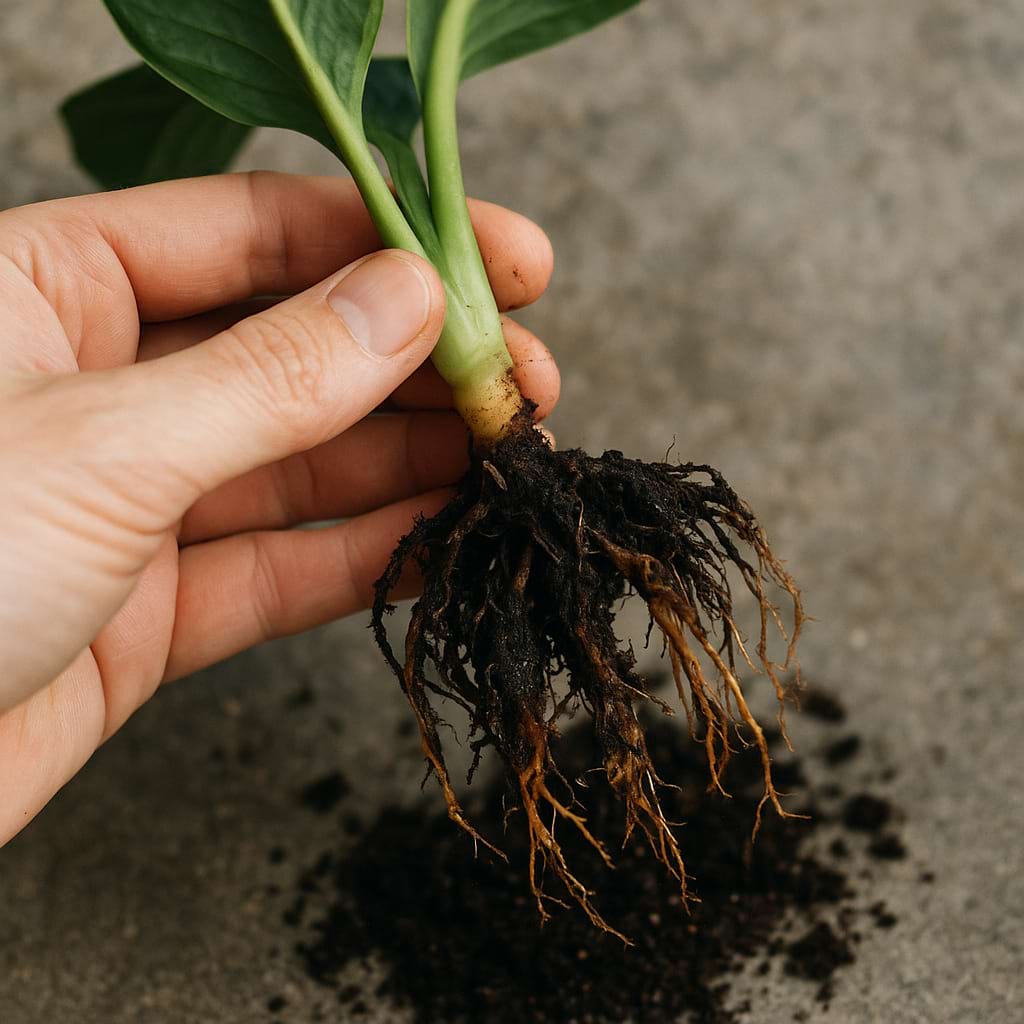
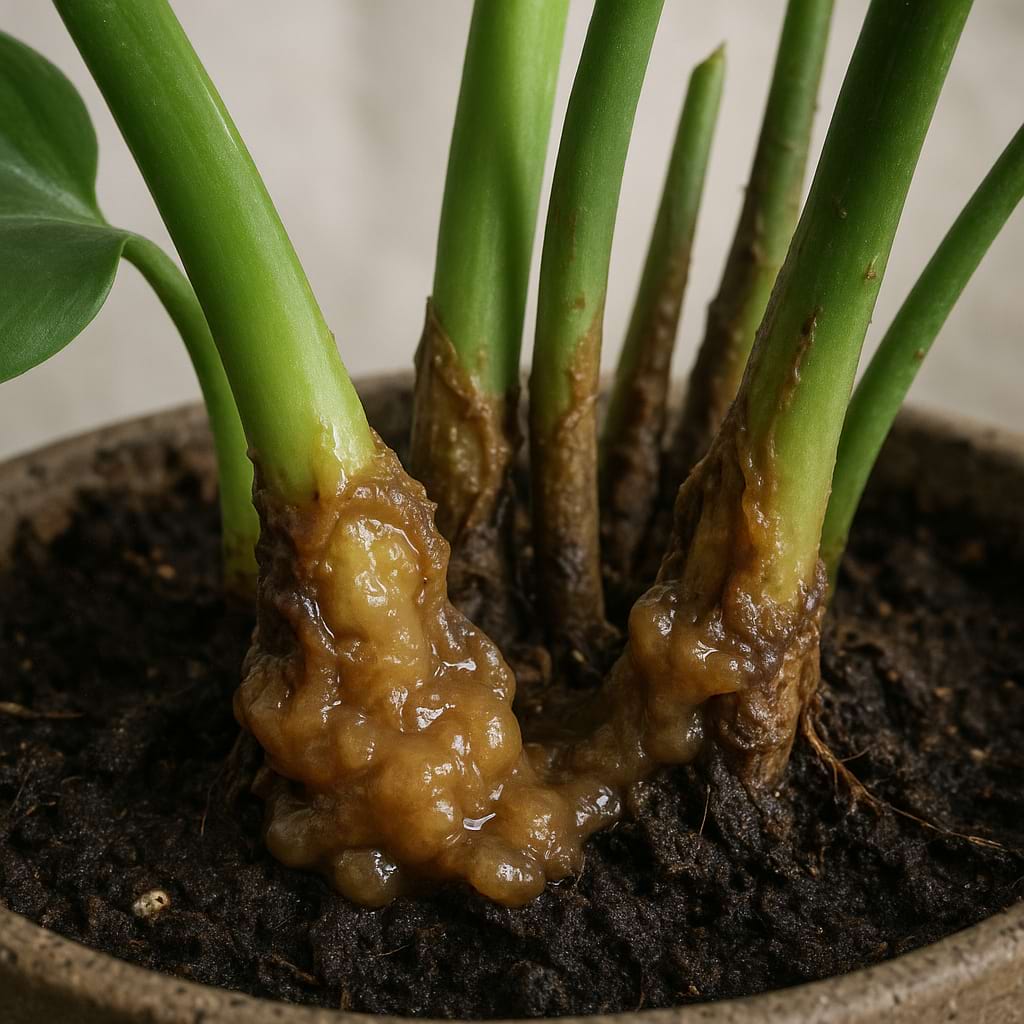
Overwatering shows up as mushy stems, yellowing, and a soft, rotting base. This is the most common cause of death for this plant. Underwatering looks like wrinkled, thinner stems. When in doubt, wait a few more days.

🌱 Soil Requirements for White Ghost Cactus
What the Soil Needs
White Ghost demands a very fast-draining mix. Standard potting soil holds too much moisture and rots the roots. Aim for a gritty, loose blend with a slightly acidic to neutral pH.
DIY Soil Mix
- 1 part standard potting soil
- 1 part perlite or pumice
- 1 part coarse sand or small gravel
- Optional: a handful of orchid bark or horticultural charcoal
Squeeze a moist handful: it should crumble apart, not hold a muddy clump.
Pre-Made Options
A commercial cactus or succulent mix works too, especially if you add extra perlite or pumice. Avoid heavy garden soils and anything labeled "moisture control."
🌿 Fertilizing White Ghost Cactus
When and How Often
Feed lightly during spring and summer, every 2-4 weeks. Water with plain water first so the roots are not feeding on dry soil. Skip fertilizer in fall and winter, when the plant is resting.
What to Use
A balanced liquid fertilizer or a cactus-and-succulent formula works well. Always dilute to half the label strength, since Euphorbias have sensitive roots.
Over-Fertilizing Signs
Brown crispy edges or a white crust on the soil mean too much feed. Flush the pot with plain water and skip the next round. When in doubt, underfeed.
🌡️ Temperature Requirements for White Ghost Cactus
Ideal Range
White Ghost likes 65-80°F (18-27°C) by day and stays comfortable above 50-55°F (10-13°C) at night. Keep winter temperatures above 60°F (15°C) for the easiest year.
Drafts and Heat Sources
It is not cold-hardy (zones 10-11), so protect it from frost, cold drafts, and direct blasts from heating or AC vents. A spot a foot or two off the floor, away from doors and vents, is usually safe.
💦 Humidity Needs for White Ghost Cactus
Ideal Humidity
Moderate humidity (40-60%) suits this plant, and most homes are fine without effort. If winter heating dries the air out, set the pot on a pebble tray or run a small humidifier nearby.
Avoid Damp Air
Skip misting; water sitting on the stems can lead to fungal issues. Good airflow matters whenever humidity climbs, so keep this plant out of steamy bathrooms and tight corners.
📃 Types of Euphorbia lactea
'White Ghost' is one cultivar of Euphorbia lactea. Other forms worth knowing:
Standard Green Form (Mottled Spurge)
Green stems with silvery mottling, growing upright and candelabra-like. This is the wild type of the species and the easiest to find.
'White Ghost'
The cultivar in this guide, with pale white to grey contorted, crested stems. Slightly more sun-sensitive than the green forms thanks to the lack of pigment.
'Cristata' (Green Crested)
Fan-shaped, flattened growth in the green coloration of the species, often grafted onto another Euphorbia rootstock for stability.
'Frilly Willy' and Variegated Forms
'Frilly Willy' is a rare ruffled crested form prized by collectors. Variegated plants show occasional patches of cream and yellow and are rare in cultivation.
Care is broadly similar across the species. If you like this candelabra style, the African Milk Tree (Euphorbia trigona) is a close cousin with similar form and faster growth.
🌸 Does White Ghost Cactus Bloom?

What the Flowers Look Like
Like other Euphorbias, 'White Ghost' produces small yellow-green flowers called cyathia. They are tiny and easy to miss, sometimes blushing pink at the edges of the stems.
How Often It Blooms
Blooming indoors is rare. Mature plants in strong sun may flower in summer, but most growers keep this plant for its sculptural form, not its flowers.
If It Won't Bloom
To improve the odds, give plenty of direct sun, follow a careful watering schedule, hold temperatures at 65-80°F, and feed lightly through spring and summer. Even with perfect care, blooms are a bonus, not a guarantee.

🪴 Potting and Repotting White Ghost Cactus
When to Repot
White Ghost grows slowly and prefers to be slightly snug in its pot. Repot every 2-3 years in spring, or when the plant gets top-heavy, roots poke through the drainage holes, or water no longer soaks in.
Choosing a Pot
Pick a pot only 1-2 inches wider than the current one with strong drainage. Terracotta works especially well, since it wicks moisture out of the soil and stays heavy enough to balance the top growth.
How to Repot Safely
- Wear thick gloves and eye protection. The sap is a serious skin and eye irritant.
- Use a fresh fast-draining cactus mix (see Soil section).
- Slide the plant out, trim any mushy or dead roots with sterile shears, and replant at the same depth.
- Wait a week before watering so any nicked roots can heal.

✂️ Pruning White Ghost Cactus
When to Prune
White Ghost rarely needs pruning. Cut only to remove dead or rotting arms, take cuttings for propagation, or control size. Spring or early summer is the best window.
How to Prune
Use sterile tools and sterilize the blade between cuts. Make clean cuts at the base of the arm you are removing, not partway up, so the plant heals into a tidy line.
Safety with Sap
Always wear gloves and eye protection. The milky white sap is a serious skin and eye irritant. Wash skin immediately with soap and water if it gets on you. Cuts on the parent plant will ooze sap; let it dry and seal on its own. A light dusting of cinnamon or sulfur powder on the cut is optional and only useful if conditions are damp.
🌱 How to Propagate White Ghost Cactus
Best Method
Propagate from stem cuttings in spring or early summer. For background on the technique, see our Succulent Propagation Guide.
Step-by-Step
- Wearing gloves and eye protection, take 4-6 inch cuttings from healthy arms with a sterile knife.
- Dab the cut end with paper towel or briefly dip it in cool water to stop the sap flow.
- Let the cutting callus in a dry, shaded spot for several days to a week, until the cut is hard and dry.
- Plant the calloused end 1-2 inches deep in well-draining cactus mix. Rooting hormone is optional.
- Place in warm, bright indirect light. Water very sparingly for the first few weeks. Roots can take several weeks to a few months.
Tips for Success
Offsets at the base, if you ever get them, can be separated during repotting and potted up the same way. Seeds rarely come true to form for this cultivar, so skip them. Patience is the real trick: a cutting that looks like it is doing nothing is often busy building roots underground.
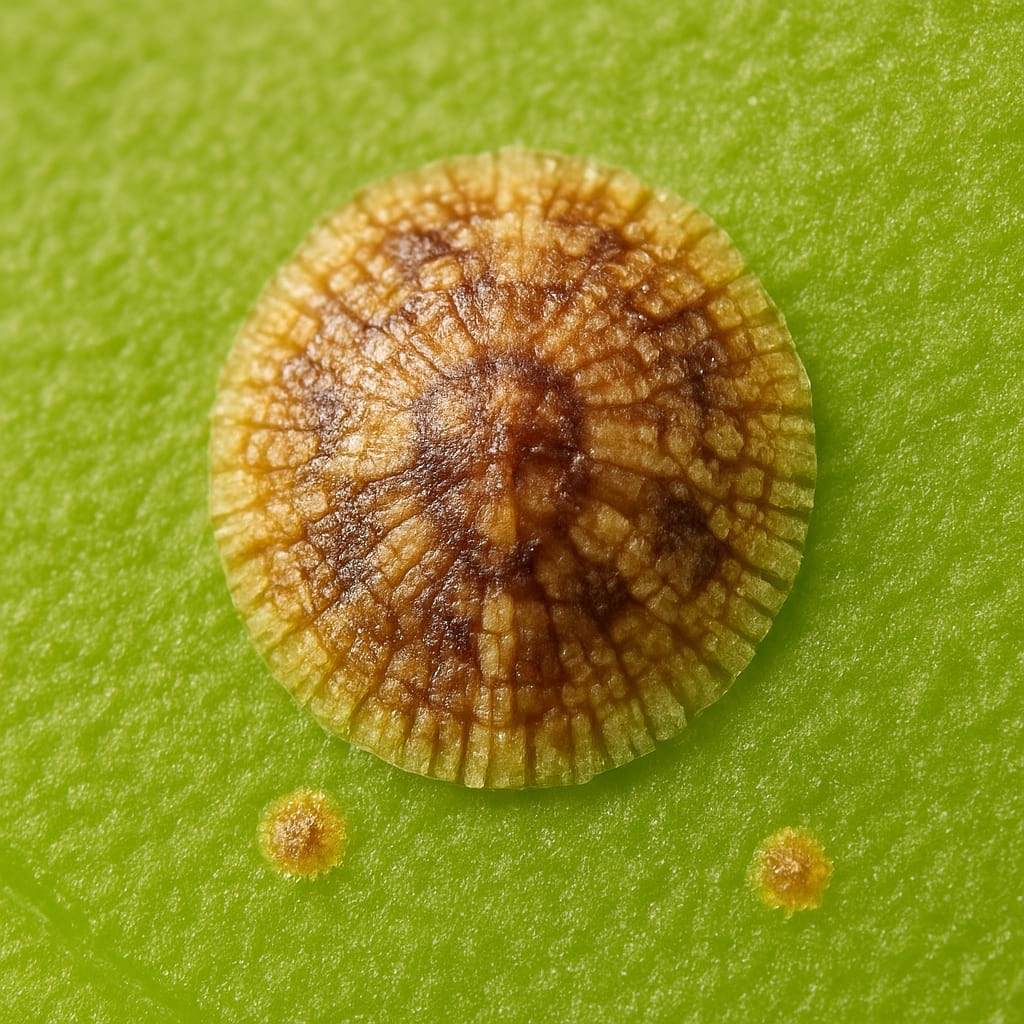
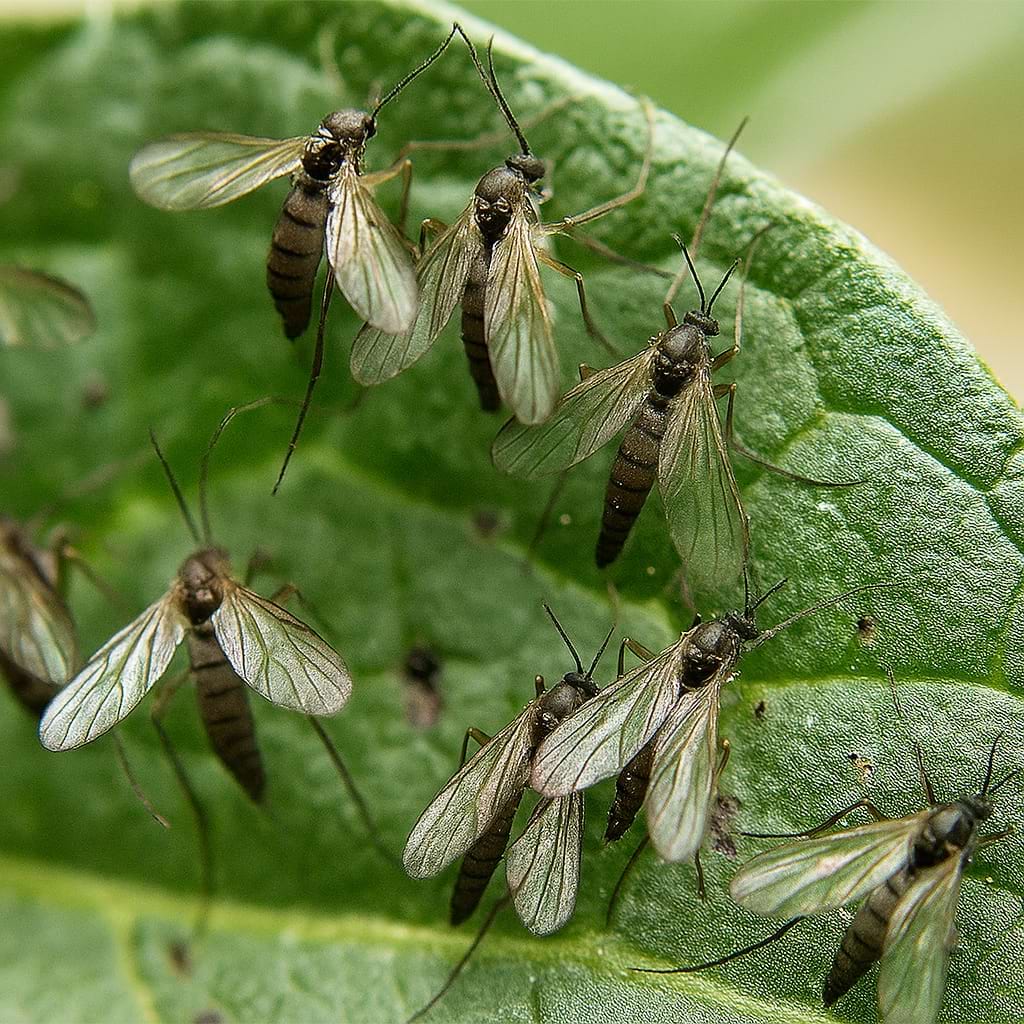
🐛 Common Pests
White Ghost is mostly tough, but pests can hide in its ridges and crevices.
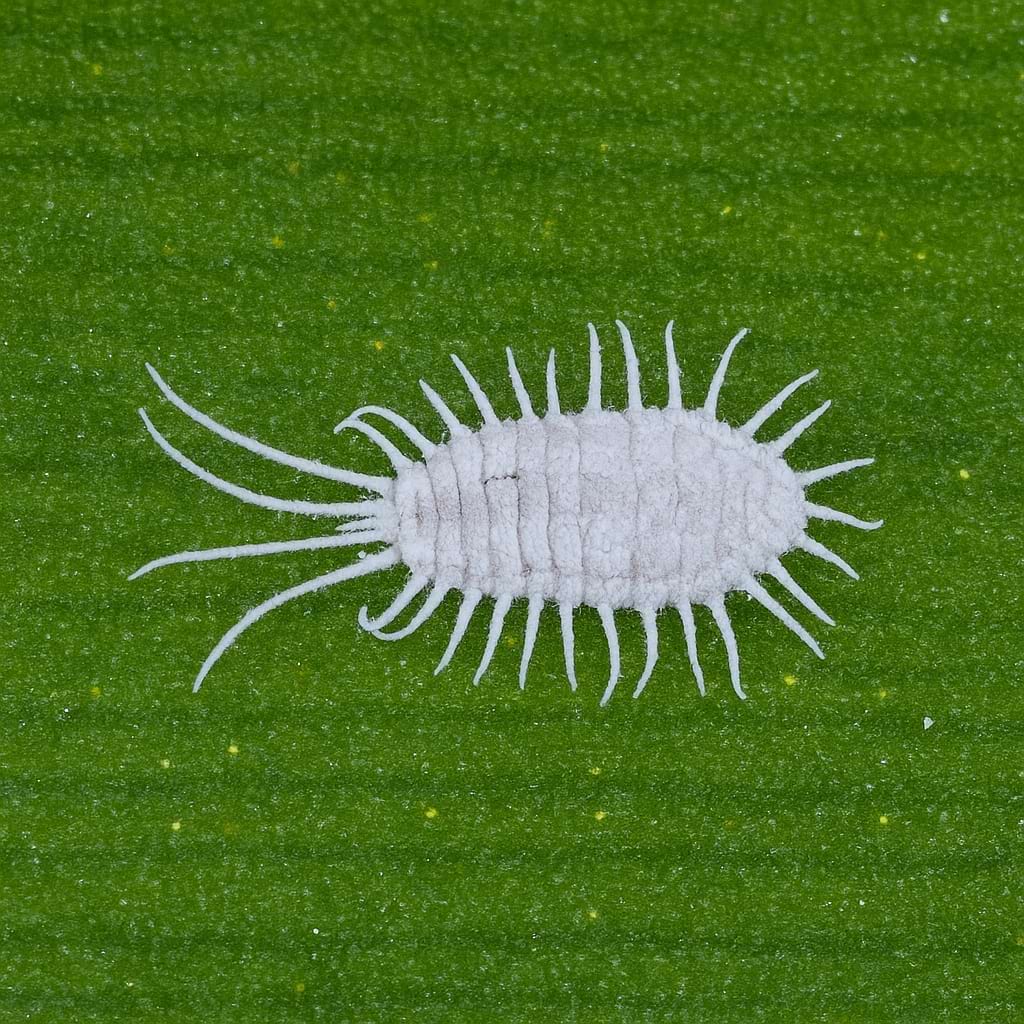
- Mealybugs - Fuzzy white spots deep in the ridges and branching points.
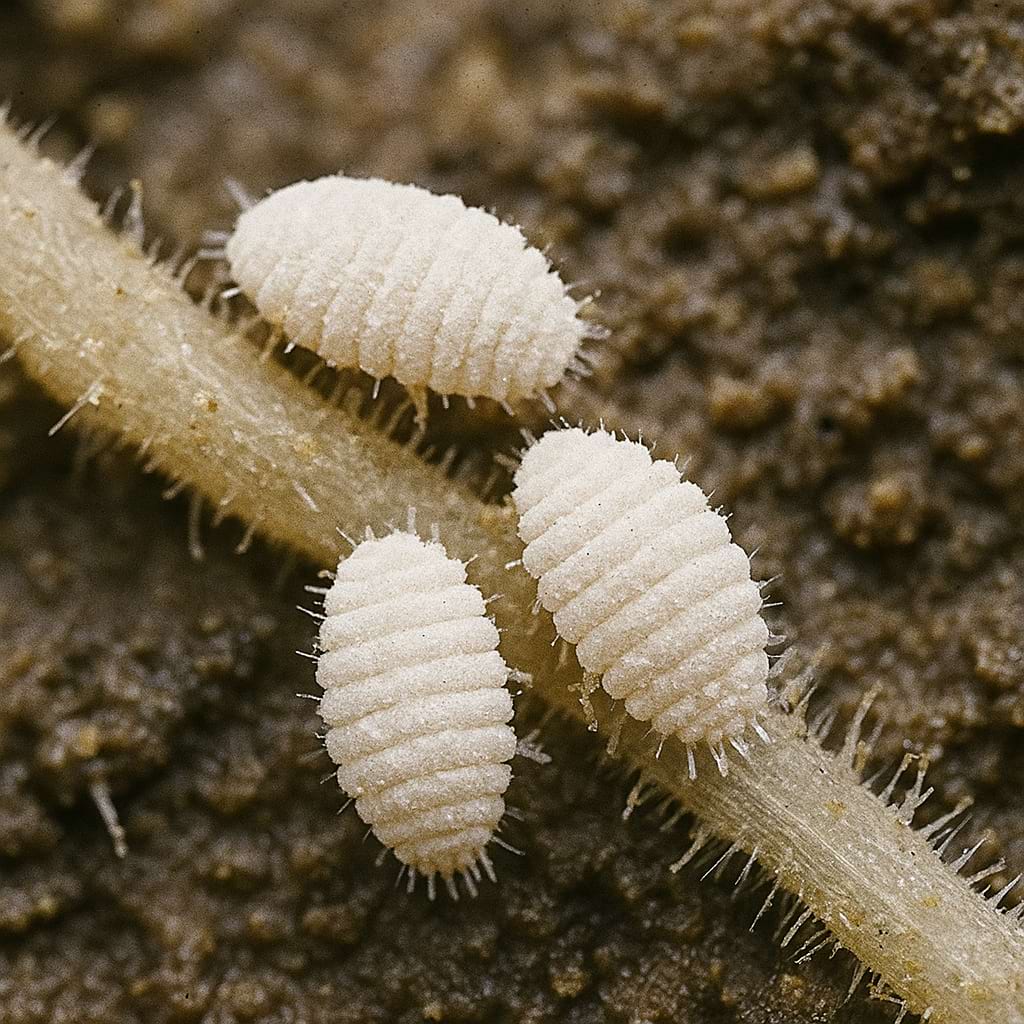
- Root Mealybugs - White waxy pests in the soil; unpot and inspect if a plant declines without visible bugs.
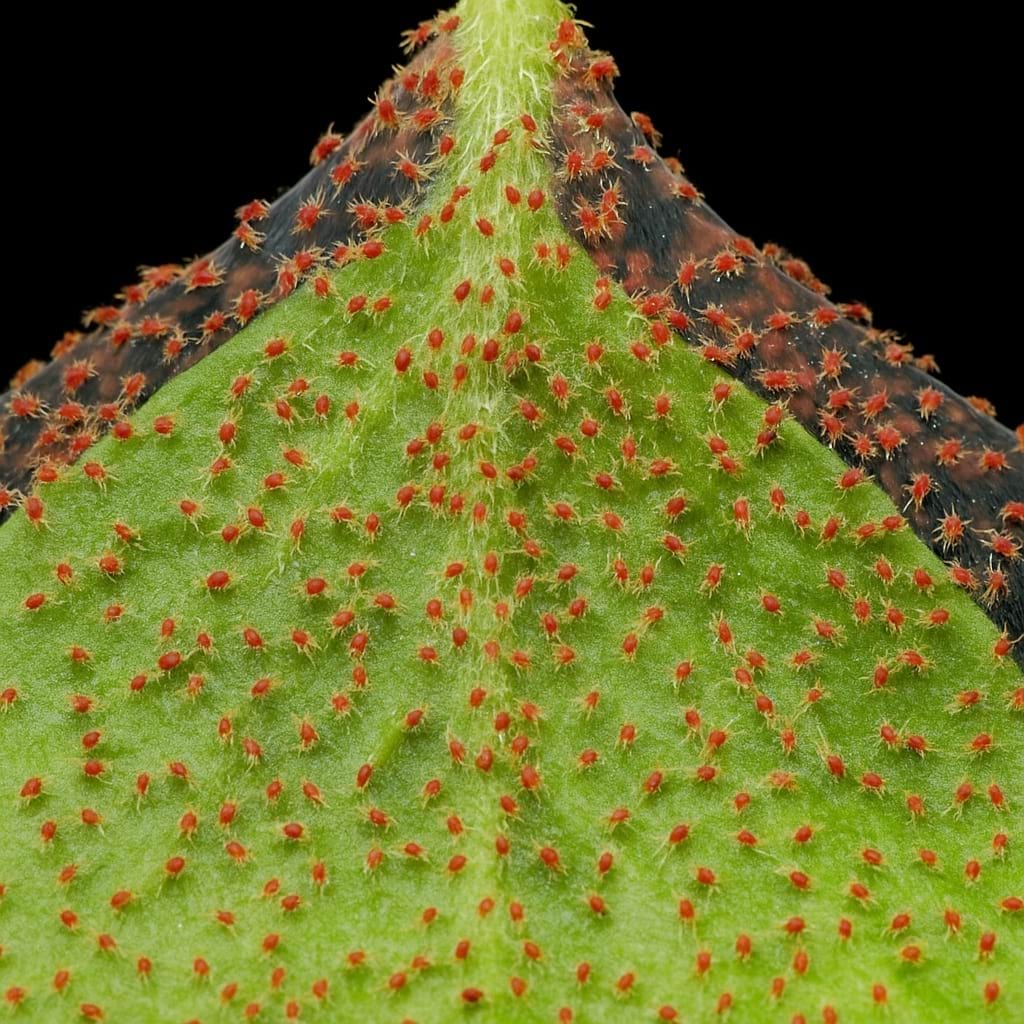
- Spider Mites - Fine webbing in the crevices, hard to spot on pale stems.
- Scale Insects - Hard, immobile bumps on the stems.
- Fungus Gnats - A sign the soil is staying too wet.
Caution: Wear gloves when treating pests. The milky white sap is a skin and eye irritant.
🩺 Common Problems
CAUTION: Euphorbia lactea produces a toxic, milky white sap when cut or damaged. Always wear gloves and consider eye protection when handling, pruning, or treating this plant.
- Root Rot & Mushy Stems - Soft or black base from overly wet soil. Hard to reverse once advanced.
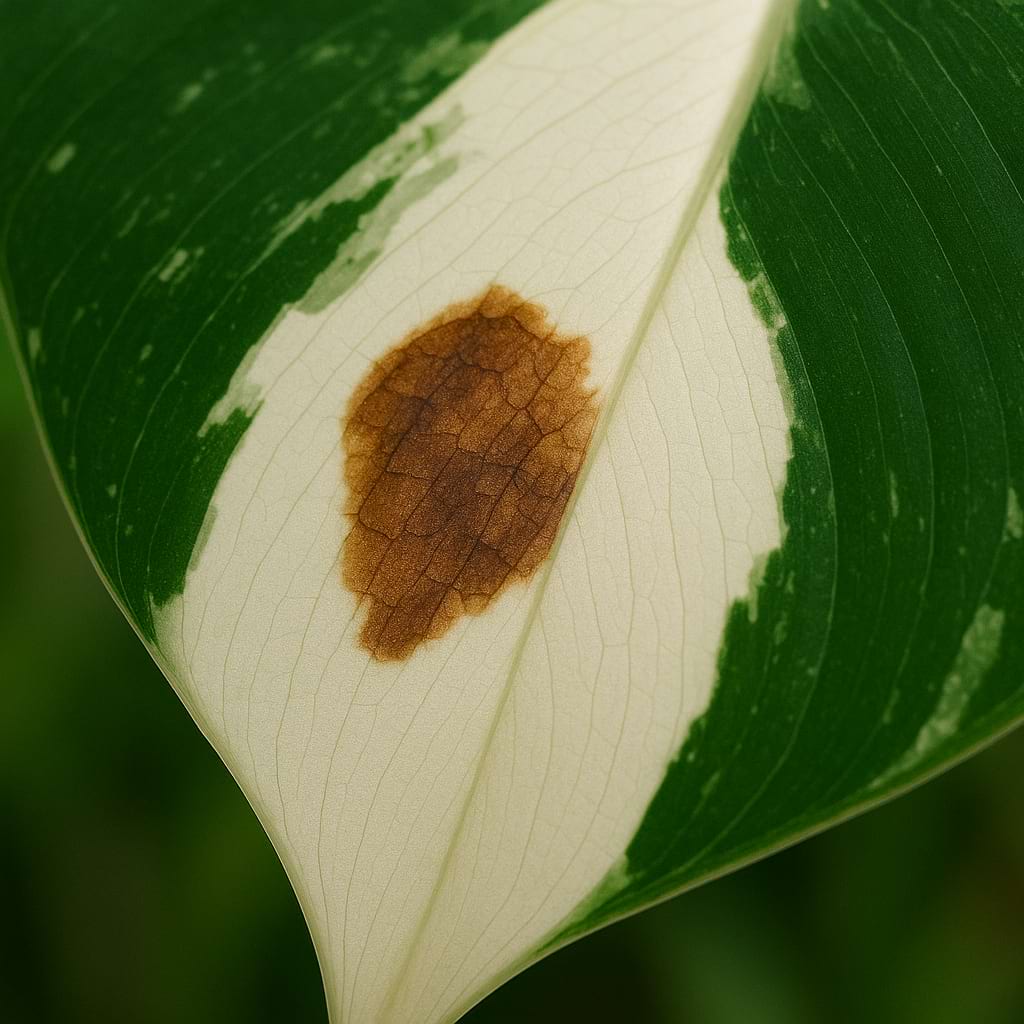
- Browning Variegation - Sun scorch on the chlorophyll-poor skin, showing as pink, tan, or brown patches.
- Yellowing Leaves - On this plant it means the stems themselves yellowing, almost always linked to overwatering.
- Brown or Black Spots - Spreading dark spots mean rot; hardened, dry "corking" is natural age scarring.
- Stunted Growth - Often low light, root issues, or the need for repotting.
- Fungal & Bacterial Disease - Dark spreading spots from high humidity and poor airflow.
- Nutrient Deficiency - Pale, slow growth long after the last feed.
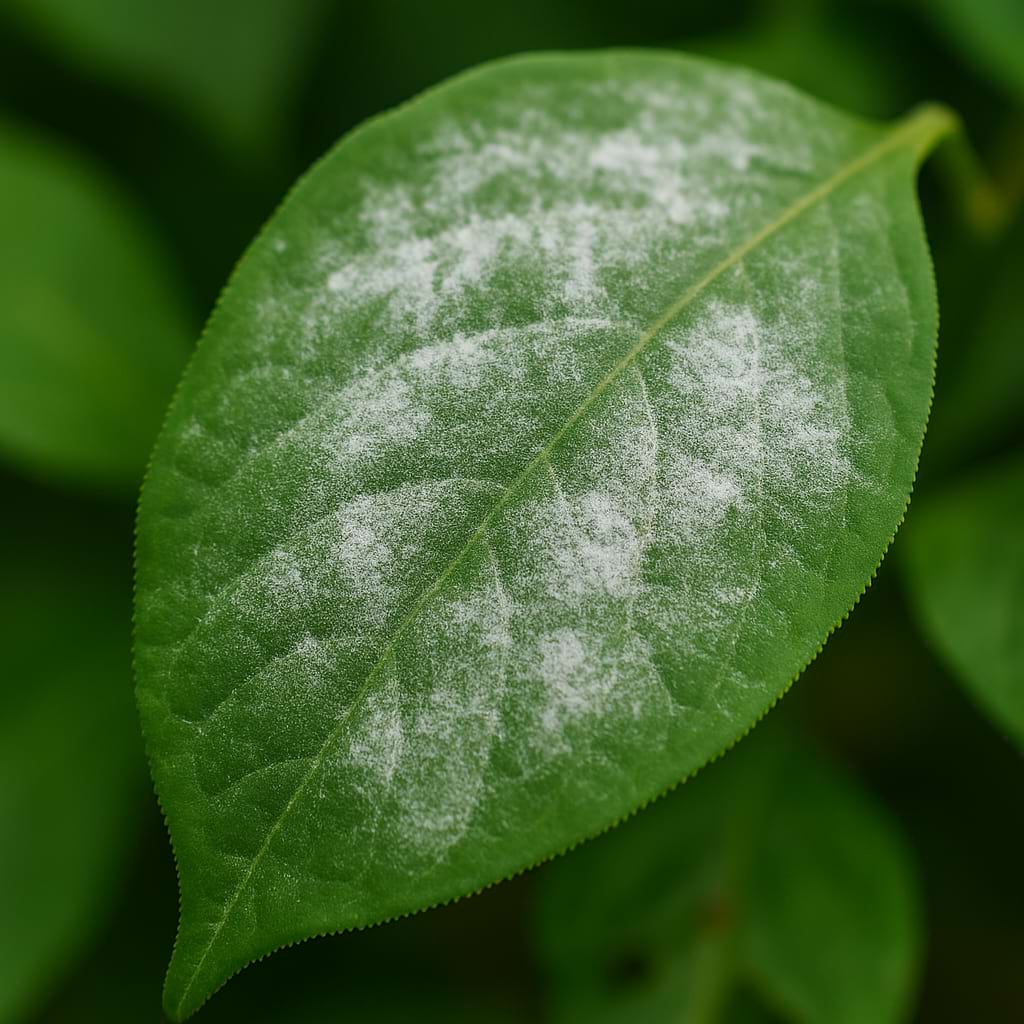
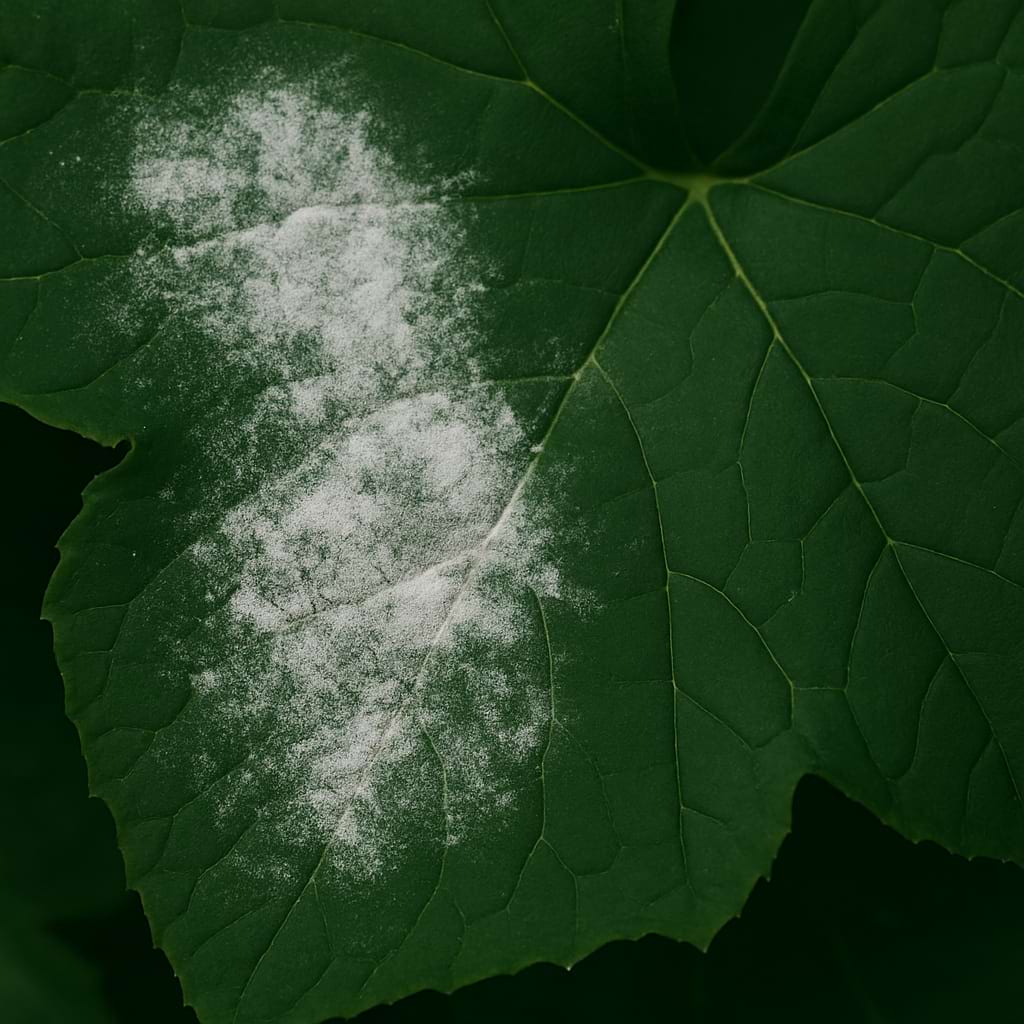
- Powdery Mildew - White dusty coating; treat with a fungicide and improve airflow.



🖼️ Display Ideas for White Ghost Cactus

The architectural form of White Ghost makes it a natural focal point.
Solo Setups
On a pedestal or end table, the twisting arms can be admired from all sides. A charcoal or matte black pot makes the white stems pop dramatically against any wall color.
Grouped Arrangements
Pair with other cacti and succulents of different shapes and colors that share its watering needs. A blue-green Spiral Cactus beside it turns the pairing into a study in pale columns, one chalky and upright, the other twisting. Specimens with dangling arms also work well in a hanging basket for a trailing effect.
Lighting the Display
A grow light on a dark shelf makes the white stems glow almost like bone. This trick turns an ordinary plant into a real conversation piece after sundown.

🌟 PRO Tips for Thriving White Ghost Cactus
- Handle with gloves and eye protection. The sap is a real skin and eye irritant.
- Underwater rather than overwater. Wait for the soil to be fully dry every time.
- Maximize light. South or west window, at least 4-6 hours of direct sun, or supplement with a grow light.
- Acclimate slowly. Always ease the plant into stronger sun over a week or two.
- Use terracotta. The porous pot helps the soil dry between waterings.
- Do not overpot. A pot only 1-2 inches wider at repotting is plenty.
- Rotate for even growth. A quarter turn each watering keeps the form symmetrical.
- Feed sparingly. Half-strength balanced fertilizer in spring and summer only.
❓ Frequently Asked Questions
How often should I water my White Ghost?
Only when the soil is completely dry. That usually lands every 7-10 days in summer and every 3-4 weeks in winter, depending on conditions. Always check the soil first.
What soil does White Ghost need?
A very fast-draining cactus or succulent mix. Use a commercial blend or mix your own with potting soil, perlite or pumice, and coarse sand.
Where should I place my White Ghost?
A south or west window with at least 4 hours of direct sun. Supplement with a grow light if your space runs dim.
Why is my plant turning brown?
Sudden brown patches usually mean sunburn from a too-quick move into strong light. Underwatering and pest damage are other possibilities. Acclimate gradually to strong sun.
Is White Ghost safe around pets?
No. The sap is toxic and irritating. Keep this plant out of reach of curious pets and children.
How do I propagate it?
Take a 4-6 inch cutting in spring or summer with a sterile knife (wear gloves). Let the cut callus for several days, then plant in well-draining mix. Roots form in several weeks to a few months.
Why is my White Ghost stretching?
Not enough light. Move it to a brighter spot. Stretched growth will not reverse, but new growth from a sunnier spot will rebuild a better form over time.
Does White Ghost flower indoors?
Rarely. The small yellow-green cyathia mainly appear on mature plants in strong sun. Most growers keep this plant for the stems, not the flowers.
ℹ️ White Ghost Cactus Info
Care and Maintenance
🪴 Soil Type and pH: Well-draining, cactus/succulent mix
💧 Humidity and Misting: Moderate (40-60%). Use pebble tray or humidifier if air is very dry.
✂️ Pruning: Generally not required. Trim dead/damaged arms with sterile tools. Sap is an irritant.
🧼 Cleaning: Gently dust with a soft brush if needed.
🌱 Repotting: When rootbound or to refresh soil.
🔄 Repotting Frequency: Every 2-3 years in spring.
❄️ Seasonal Changes in Care: Reduce watering in winter. Protect from frost and cold drafts.
Growing Characteristics
💥 Growth Speed: Slow to moderate
🔄 Life Cycle: Perennial
💥 Bloom Time: Summer (rarely indoors)
🌡️ Hardiness Zones: 10-11
🗺️ Native Area: Cultivated variety; parent species (Euphorbia lactea) is native to India and Sri Lanka.
🚘 Hibernation: No (dormancy in winter)
Propagation and Health
📍 Suitable Locations: Indoor (bright spots), outdoor in warm climates (zones 10-11).
🪴 Propagation Methods: Cuttings (allow to callous) or offsets in spring/summer.
🐛 Common Pests: Mealybugs, Root Mealybugs, Spider Mites, Scale Insects, Fungus Gnats
🦠 Possible Diseases: Root rot (if overwatered)
Plant Details
🌿 Plant Type: Succulent (not a true cactus)
🍃 Foliage Type: Evergreen (stems are modified)
🎨 Color of Leaves: Ghostly white to pale green (stems)
🌸 Flower Color: Yellow-green (cyathia)
🌼 Blooming: Rarely blooms indoors; flowers are small and inconspicuous.
🍽️ Edibility: Not edible. Sap is toxic.
📏 Mature Size: 1-2 feet indoors (up to 5 feet in ideal conditions)
Additional Info
🌻 General Benefits: Unique ornamental value
💊 Medical Properties: None known for 'White Ghost'. Sap is an irritant.
🧿 Feng Shui: Can represent resilience and uniqueness.
⭐ Zodiac Sign Compatibility: N/A
🌈 Symbolism or Folklore: Uniqueness, otherworldly beauty
📝 Interesting Facts: A crested mutation of Euphorbia lactea. Stems are white due to lack of chlorophyll in certain layers. Sap (latex) is irritating.
Buying and Usage
🛒 What to Look for When Buying: Choose plants with firm, turgid arms. Avoid those with soft spots, discoloration, or signs of pests.
🪴 Other Uses: Ornamental, collector's item.
Decoration and Styling
🖼️ Display Ideas: Pedestal, end table, grouped with other succulents, hanging basket (dangling arms).
🧵 Styling Tips: Complements minimalist, modern, or eclectic decor. Stands out against dark backgrounds.

Houseplant101 Forum
Questions & Comments
Ask a question, share your plant experience, or help other plant owners.
Comments are temporarily unavailable.
Open the Houseplant101 ForumNo comments yet
Be the first to ask a question or share your experience about this page.
Log in or create an account
Comments use your Houseplant101 Forum account, but you can stay on this page.
Create a new account