
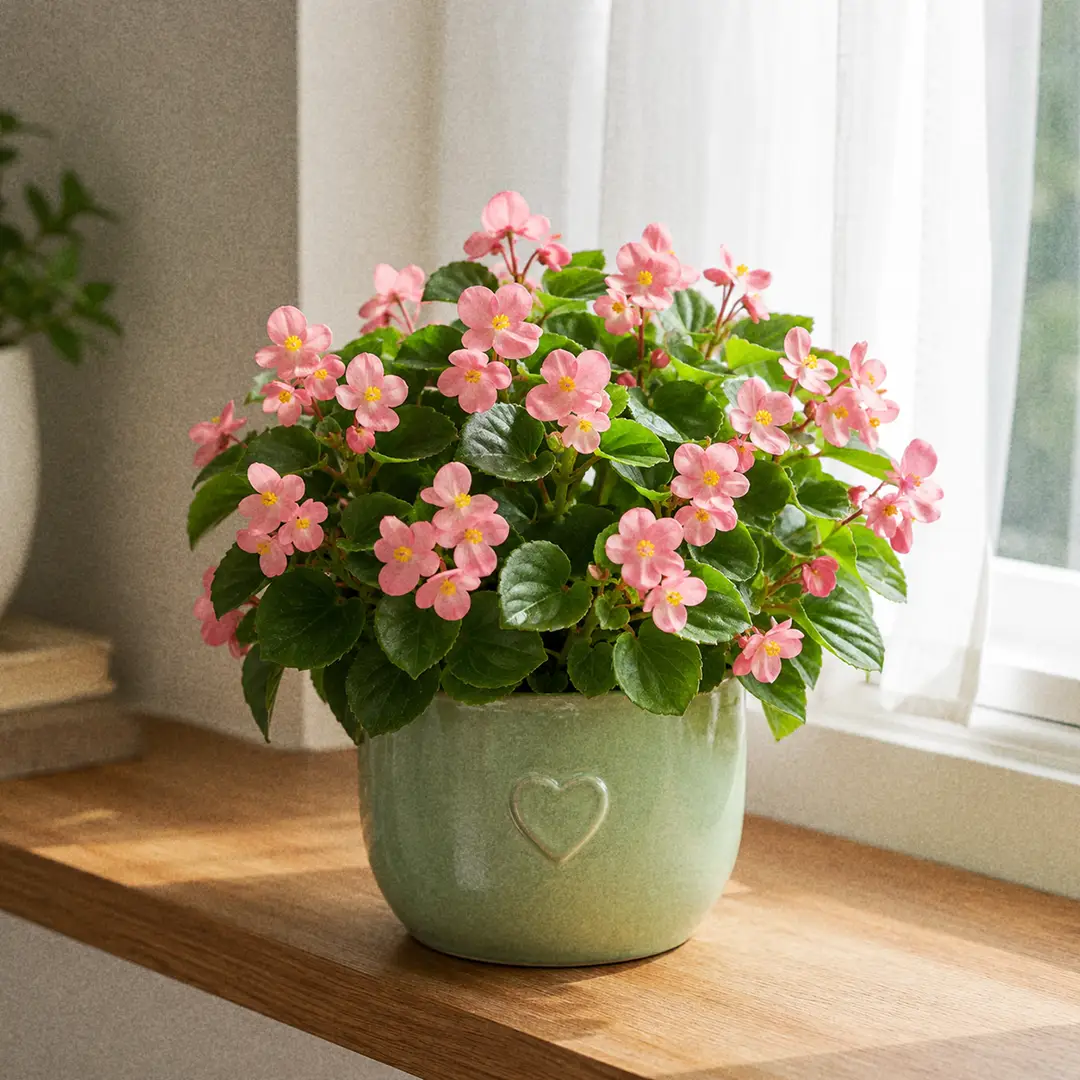
Wax Begonia
Begonia semperflorens-cultorum
Begonia cucullata, Bedding Begonia, Clubed Begonia, Everblooming Begonia, Fibrous Begonia, Begonia semperflorens


The Wax Begonia (Begonia semperflorens-cultorum) is the everblooming little workhorse of the begonia family, with glossy waxy leaves and clusters of white, pink, or red flowers that keep coming for nine months a year. Most gardeners know it as a summer bedding plant, but indoors it lives for years and outflowers almost any other compact houseplant.
📝 Wax Begonia Care Notes
🌿 Care Instructions
⚠️ Common Pests
📊 Growth Information
🪴 In This Guide 🪴

☀️ Wax Begonia Light Requirements (Bright Indirect to Gentle Direct)
Light is the single biggest factor in whether your Wax Begonia keeps blooming. Unlike most begonias, this one actively wants more sun. The thicker, waxier leaves protect it from light that would scorch a thinner cousin.
The Sweet Spot
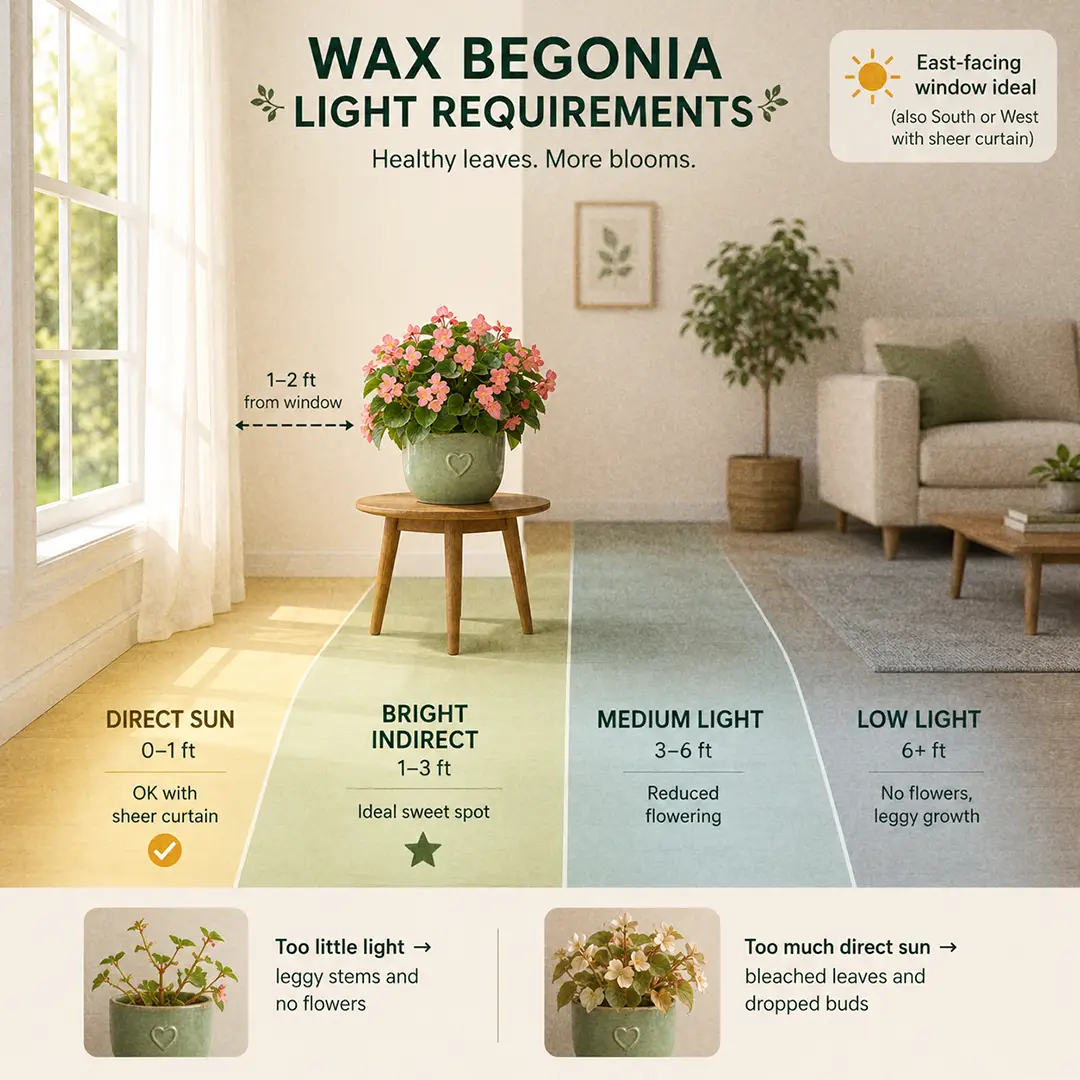
Aim for bright indirect light with two to four hours of gentle direct sun a day, ideally morning. An east-facing window is close to perfect. South or west works too, with a sheer curtain breaking summer afternoon rays. Bronze-leaved cultivars handle stronger light better than pure green types. North-facing rooms work but you will see fewer flowers.
Too Little vs. Too Much
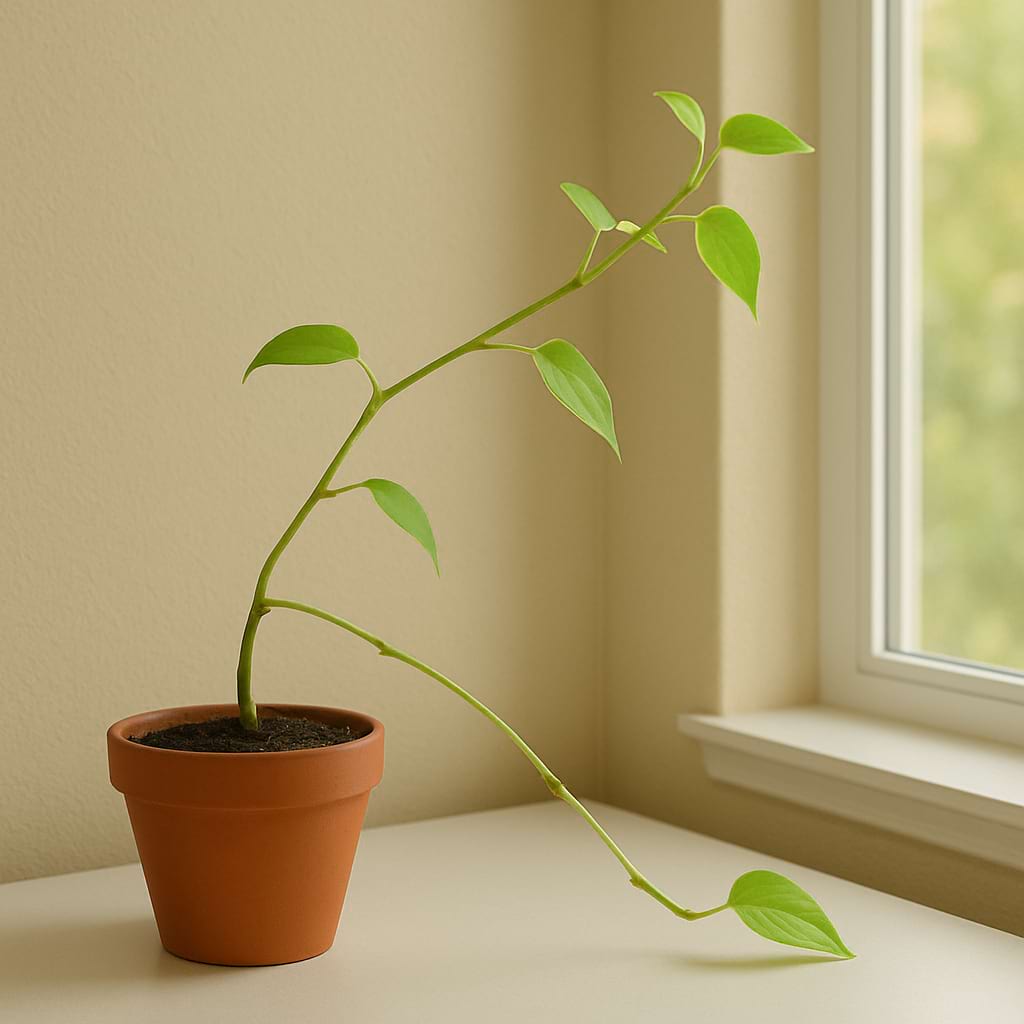
A starved plant stretches, gaps appear between leaves, and flowers stop. Move it closer to the window or add a grow light for ten to twelve hours a day. Too much sun shows up as bleached patches and papery dry spots. A sheer curtain or a step back from the glass fixes it.
A quick test: Wax Begonia leaves look glossy when light is right. If the gloss flattens, it is light-starved. If the surface goes dull and yellow-white, you have crossed into too much direct sun.
💧 Wax Begonia Watering Guide (Top Inch Dry, Then Drench)
Wax Begonias sip rather than gulp. Overwatering kills more of them indoors than every other problem combined, so when in doubt, wait another day.
How Often to Water
Push a finger one knuckle deep. If the top inch feels dry and the soil deeper is still lightly damp, water. In a typical home that lands every five to eight days in spring and summer, every ten to fourteen days in winter. The general watering houseplants primer covers the basics.
How to Water Properly
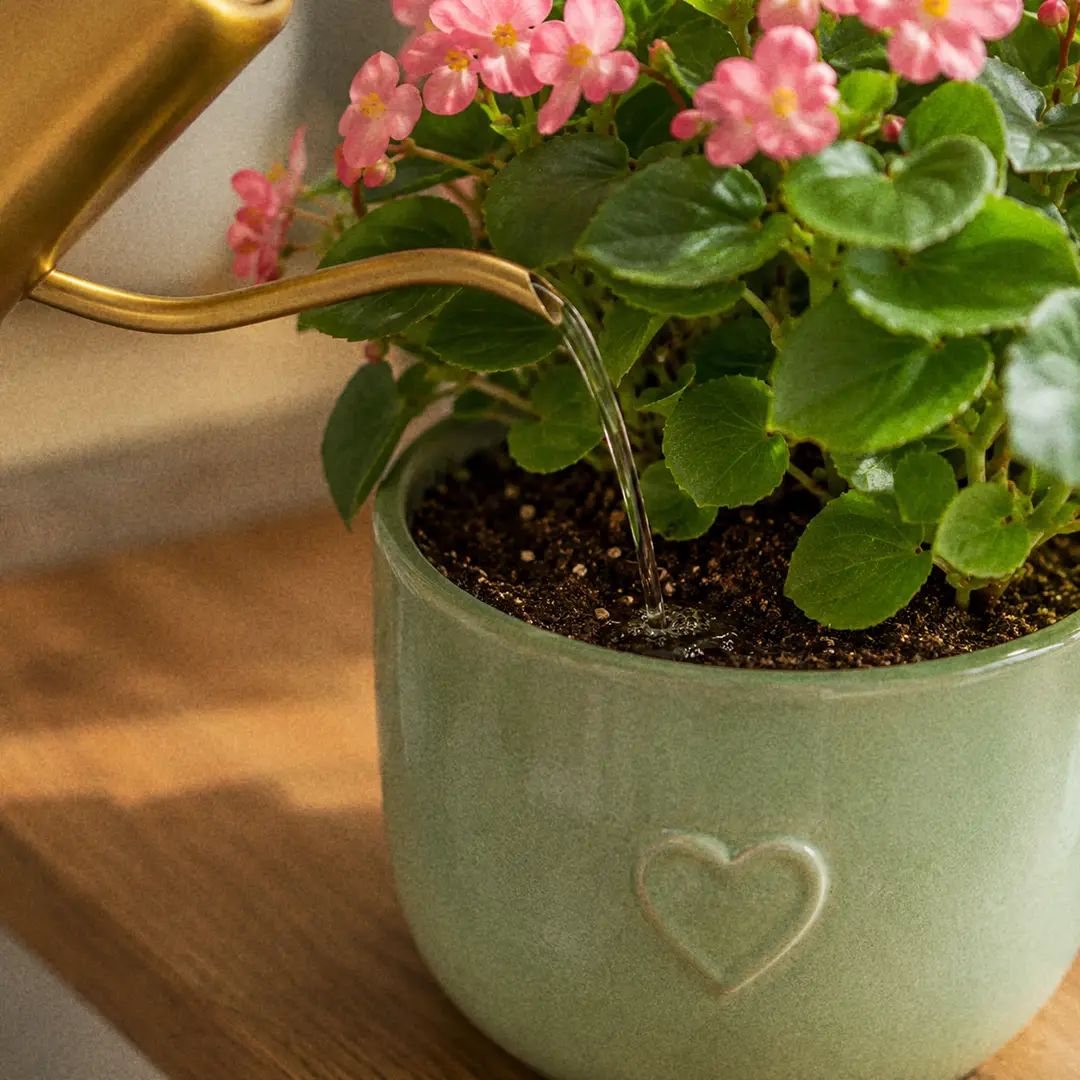
Water at the soil line, never from above. Pour slowly until water runs from the drainage hole, then tip out anything pooling in the saucer. Standing water is the fastest route to root rot. Try not to splash leaves or flowers, since persistently damp foliage invites powdery mildew and wet blooms go mushy. Bottom watering works great too: set the pot in room-temperature water for fifteen to twenty minutes, then drain.
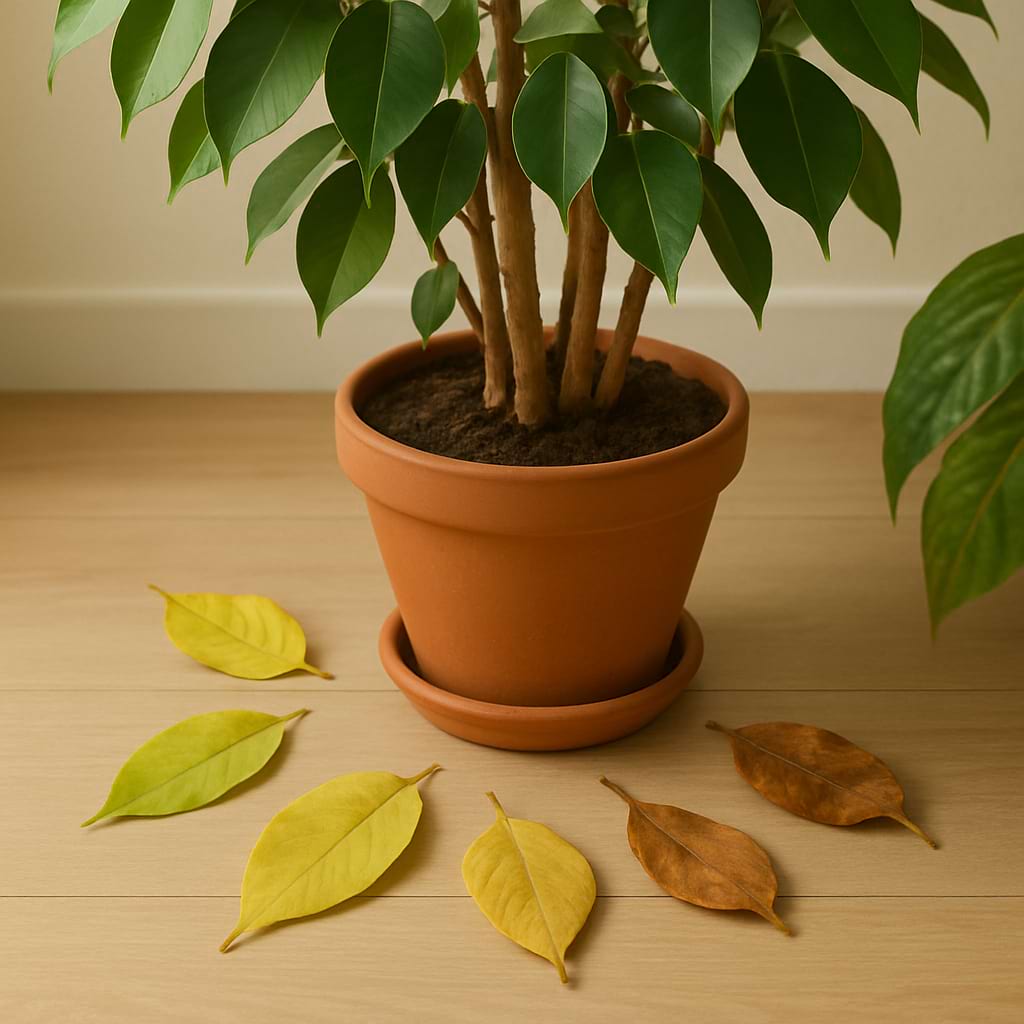
Signs You Are Overwatering
- Lower leaves yellowing one after another
- Soft, blackened patches at stem bases
- A sour smell from the pot
- Whole stems collapsing
- Flowers dropping unopened
Signs You Are Underwatering
- Leaves curling slightly inward
- The whole plant going limp
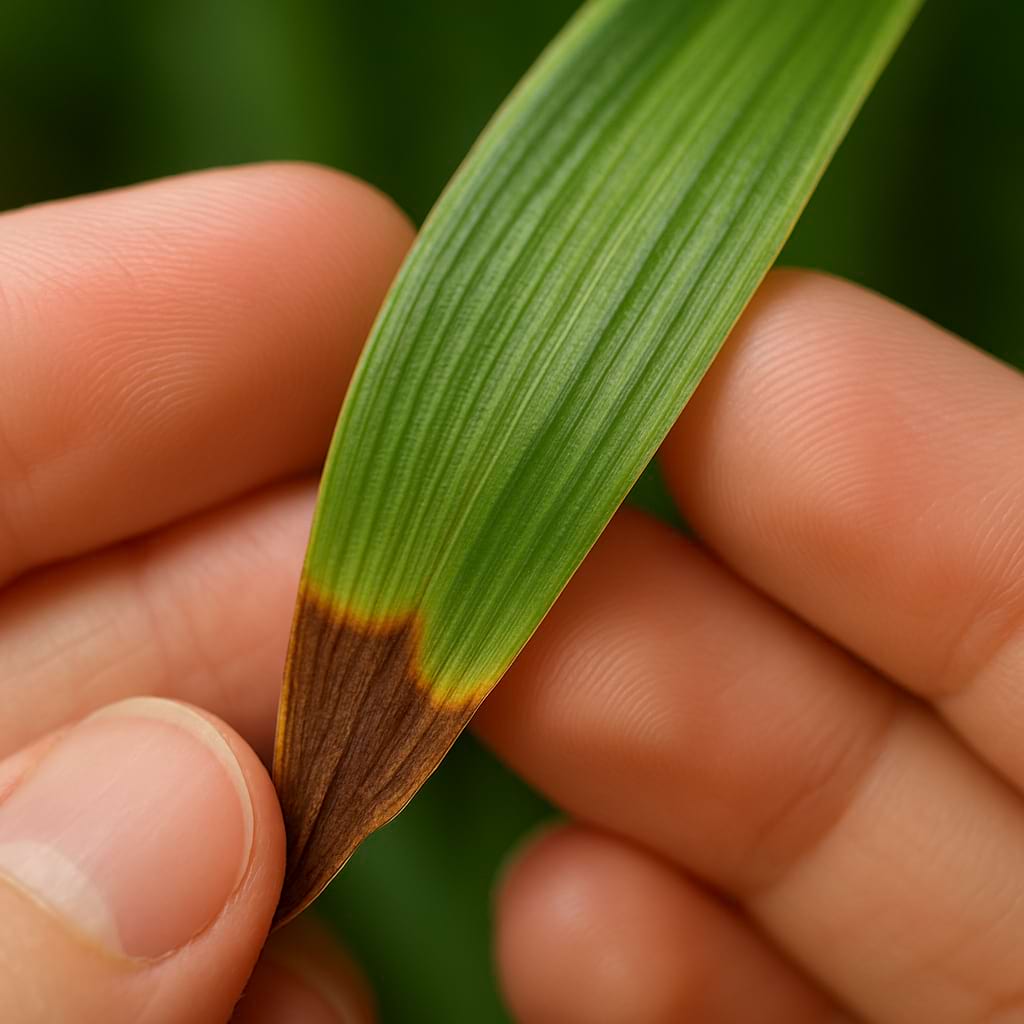
- Crispy brown edges
- Pot feels noticeably light
A thirsty plant recovers in hours. A waterlogged one keeps declining for days. Err on the dry side. Wax Begonias tolerate ordinary tap water; if your tap runs very hard, let a watering can sit out overnight.
🪴 Best Soil for Wax Begonia (Light, Airy, Slightly Acidic)
Standard bagged potting soil is too dense. The plant wants a fluffy, fast-draining mix that holds enough moisture to stay lightly damp but lets air reach the roots.
A Simple DIY Mix
- 2 parts quality indoor potting soil
- 1 part perlite or pumice
- 1/2 part orchid bark or coco husk chips
- 1/2 part coco coir or peat
- A handful of worm castings or compost
Squeeze a fistful: it should hold together briefly, then crumble. Too clumpy means more perlite; too loose means more soil.
Premix Options
An "African violet mix" works as a base, cut with a handful of perlite. Avoid anything labeled "moisture control," which holds far too much water. The fine fibrous roots rot quickly in soggy soil, so fast drainage is the single biggest factor in keeping this plant alive long term.
🍼 Fertilizing Wax Begonia (Light Feed, Often)
Bloom production is energy-expensive. Wax Begonias like steady light feeding far more than occasional heavy doses.
When and What
Feed every two to three weeks during the growing season (roughly March through October). Drop to once a month in winter or skip for the coldest weeks. Use a balanced liquid houseplant fertilizer (10-10-10 or 20-20-20) at half strength. The fertilizing guide covers why half strength is safer.
For a bloom push, switch to a higher-phosphorus formula (10-30-20 or an African violet feed) for one or two feedings, then return to balanced.
Reading the Plant
- Steady flowers and glossy leaves: feeding is on point.
- Lush leaves but few flowers: too much nitrogen. Switch to higher-phosphorus.
- Brown tips and white crust on soil: salt buildup. Flush the pot with plain water and skip the next feeding.
- Sudden bud drop: often fertilizer burn. Pause feeding for a month.
🌡️ Wax Begonia Temperature Range
Ideal Range
This is a Brazilian tropical that likes warmth without extremes. The sweet spot is 65 to 75°F (18 to 24°C). Avoid cold drafts, heating vents, and anything below 55°F (13°C). A single light frost kills the plant outright.
Bringing It Back Inside
If you summer your plants outside, bring them back in well before nights regularly fall under 55°F. Inspect for hitchhiking pests on the way in and expect a temporary flush of leaf drop as the plant adjusts. New growth fills in within a month.
💦 Wax Begonia Humidity Requirements
Ideal Humidity
Wax Begonias outshine other begonias on humidity. The thick waxy leaves hold moisture, so the plant keeps blooming through dry winter air without complaint.
- Ideal: 40 to 50 percent
- Tolerable: 30 percent
- Trouble below: 25 percent
Easy Boosters
Run a small humidifier, group plants together, or set the pot on a pebble tray. The boosting humidity primer helps if your home runs especially dry.
Never Mist
Wet flowers go mushy and standing water on leaves invites fungal spotting.
🌸 Wax Begonia Flowers (The Whole Point)
What the Flowers Look Like
This is where the plant earns its keep. Semperflorens literally means "always flowering," and a Wax Begonia in good light delivers.
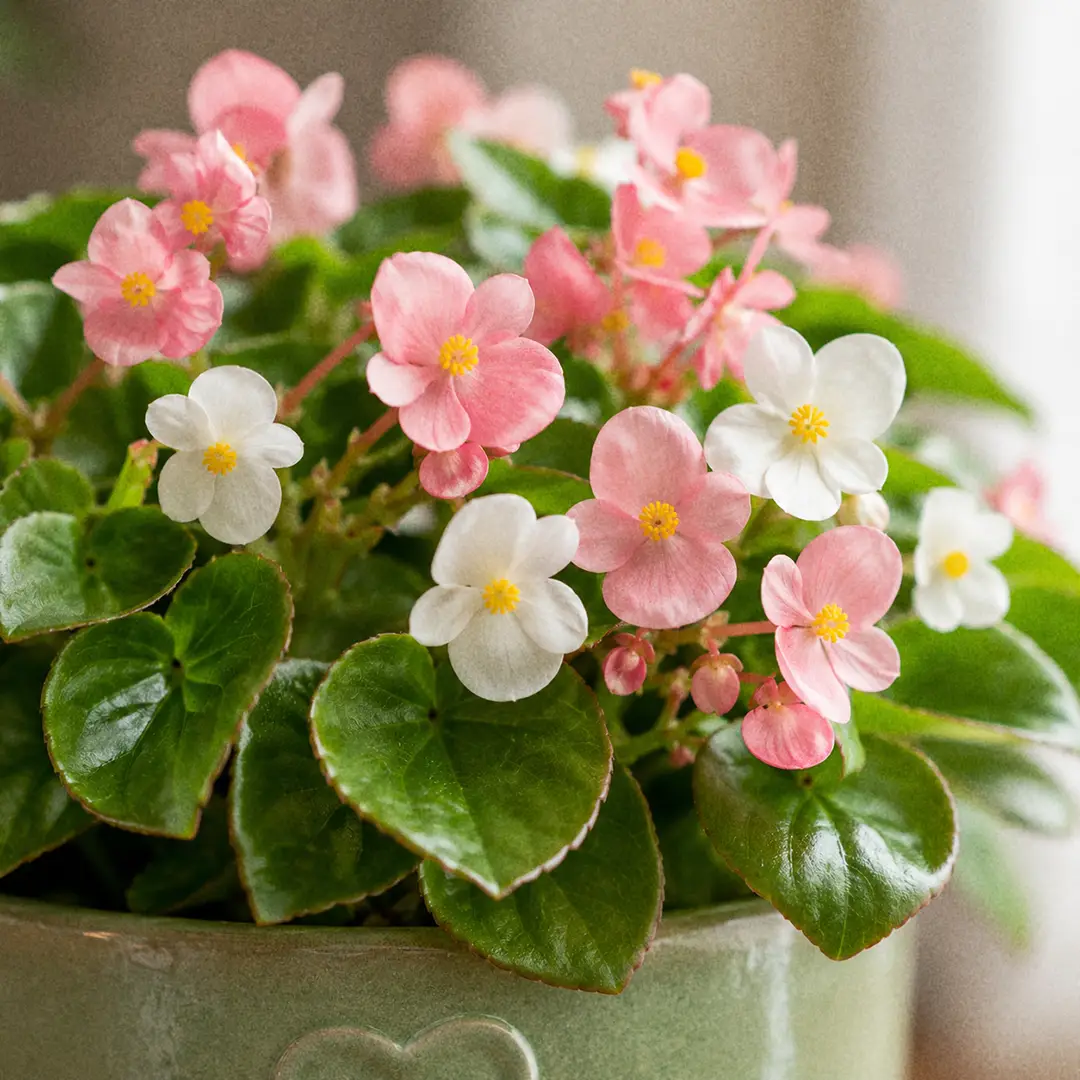
Each flower is half an inch to an inch across, with four petals and a tuft of bright yellow stamens. Colors range from pure white through pink, salmon, coral, and scarlet. Each bloom lasts several days, and a healthy plant always has fresh ones replacing spent ones. Petals are technically edible in small amounts with a mild lemony tang, but soluble oxalates make regular eating a bad idea.
How to Keep Blooms Coming
- Bright light, with a few hours of gentle direct sun.
- Half-strength feed every two to three weeks.
- Even watering: never bone dry, never waterlogged.
- Deadhead spent clusters at the base.
- A hard trim once a year in late winter.
If yours has stopped blooming, light is almost always the answer. Move it to a brighter spot and watch buds reappear within a month. The plant is mostly self-cleaning, but a weekly minute of deadheading visibly boosts bloom count.
🏷️ Wax Begonia Types and Varieties
Modern Wax Begonias are descendants of Begonia cucullata bred into thousands of cultivars, usually sold by series name.
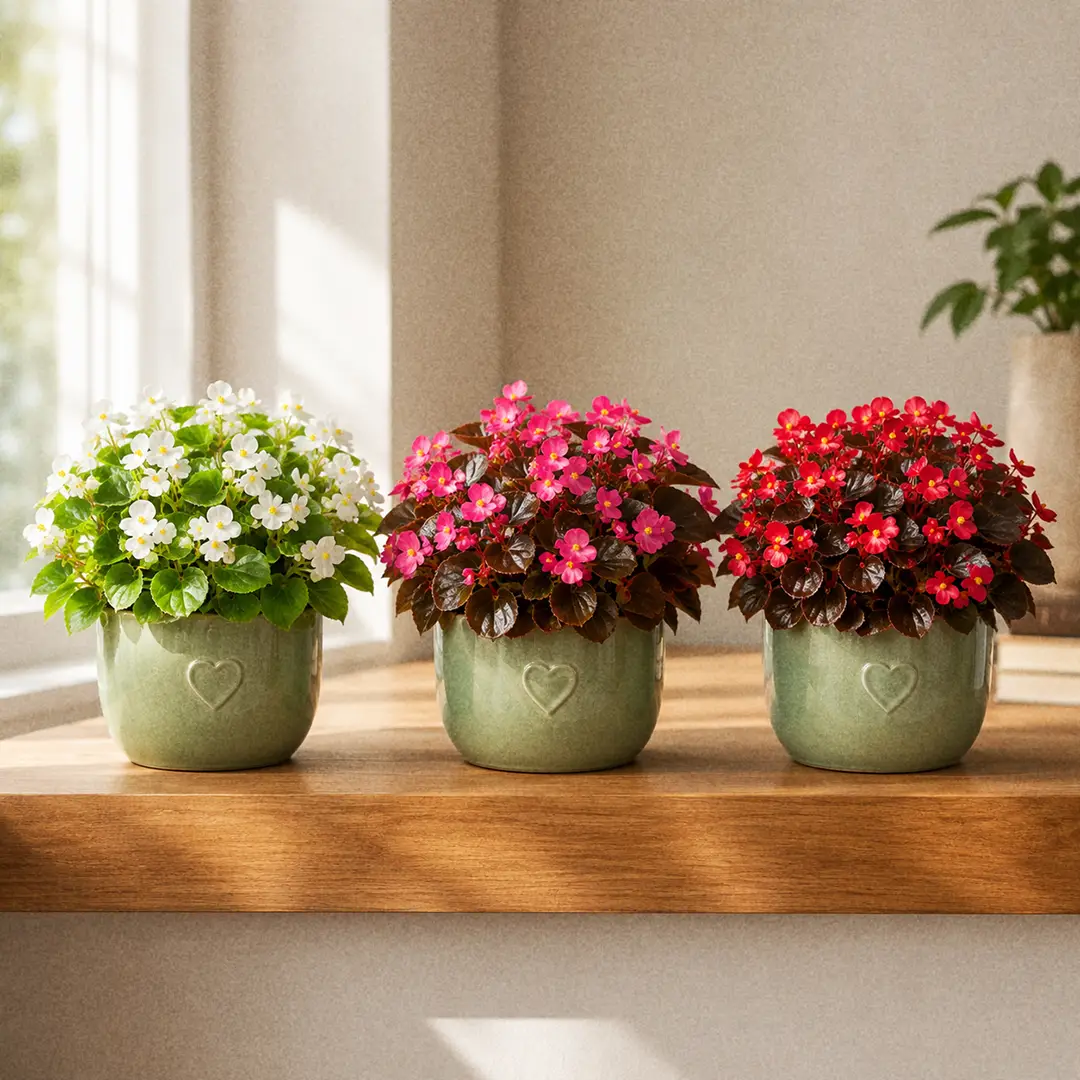
Cocktail Series
The most common at garden centres. Compact bronze-leaved plants. Cultivars include 'Brandy' (pink), 'Vodka' (red), 'Whiskey' (white), 'Gin' (rose), 'Rum' (pink-edged white).
Senator Series
Slightly larger with bronze leaves and bigger flower clusters. Takes a bit more sun than green-leaved types.
Ambassador Series
Green-leaved versions of the Cocktail series. Best in slightly less direct sun, since lighter leaves scorch faster.
Doublet Series
Double flowers like tiny roses. Slower to flower, fewer total blooms, but more visual presence per bloom.
Big and Whopper Series
Bedding-bred for outdoors, two feet tall and wide. Need a wide pot and serious light indoors.
Quick Compare
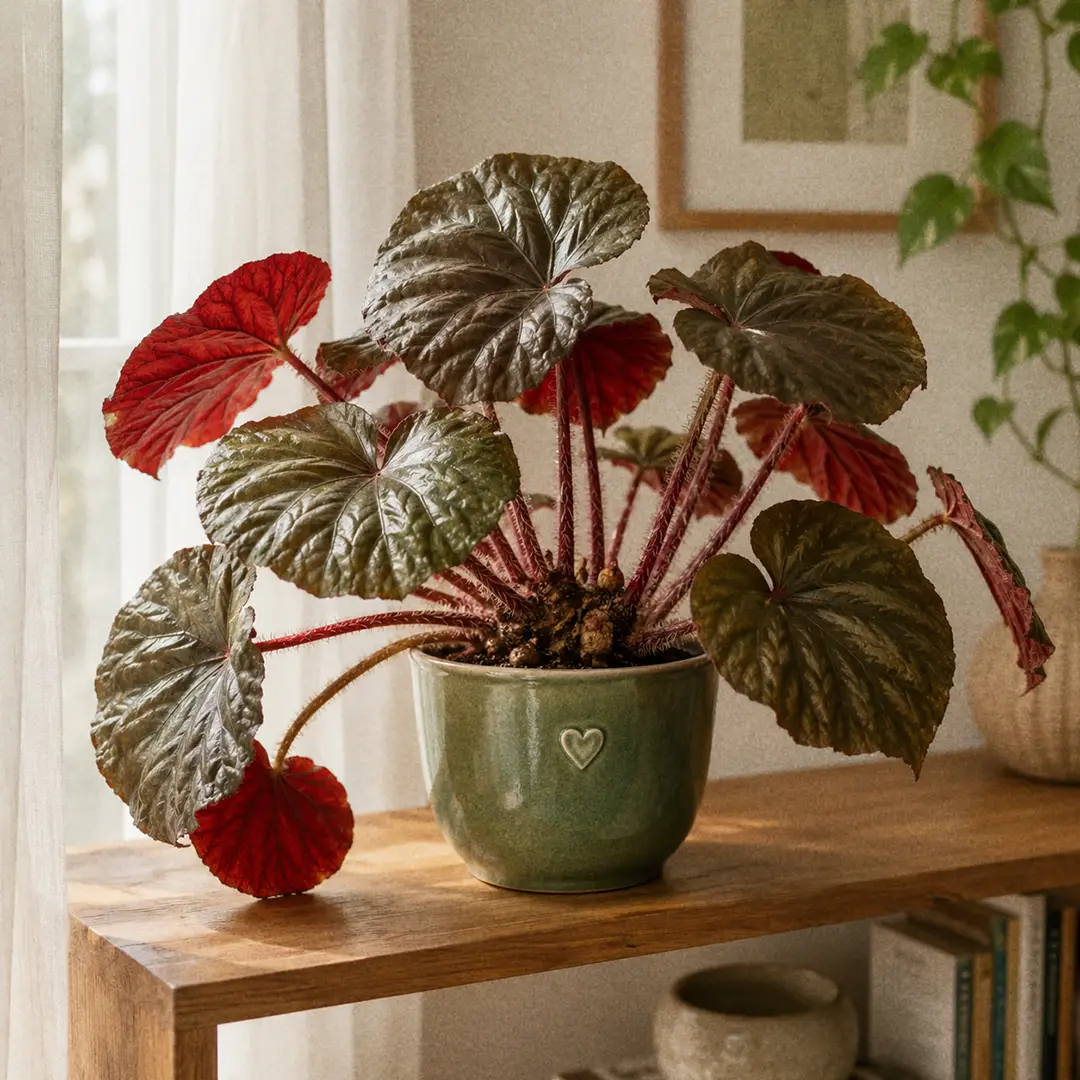
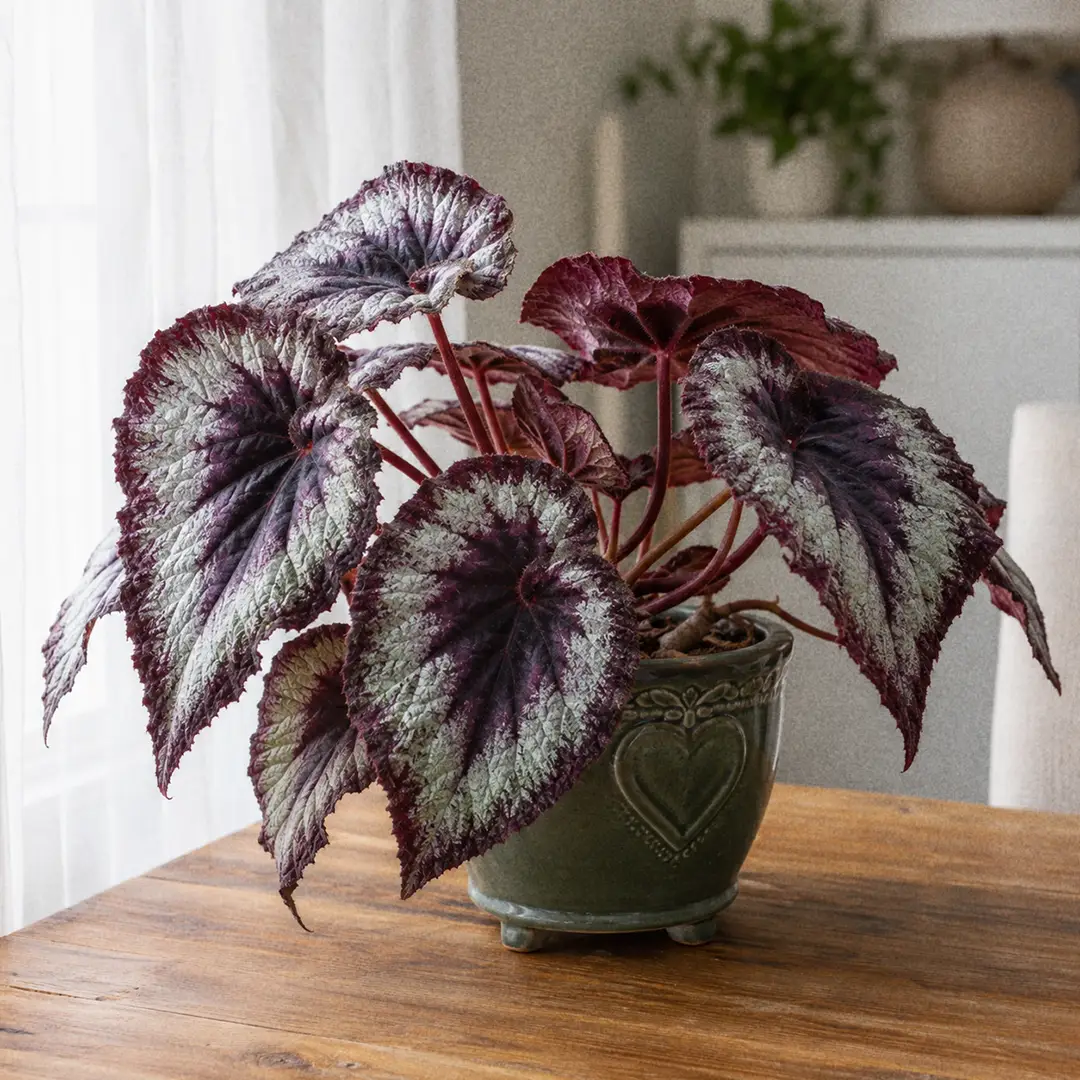
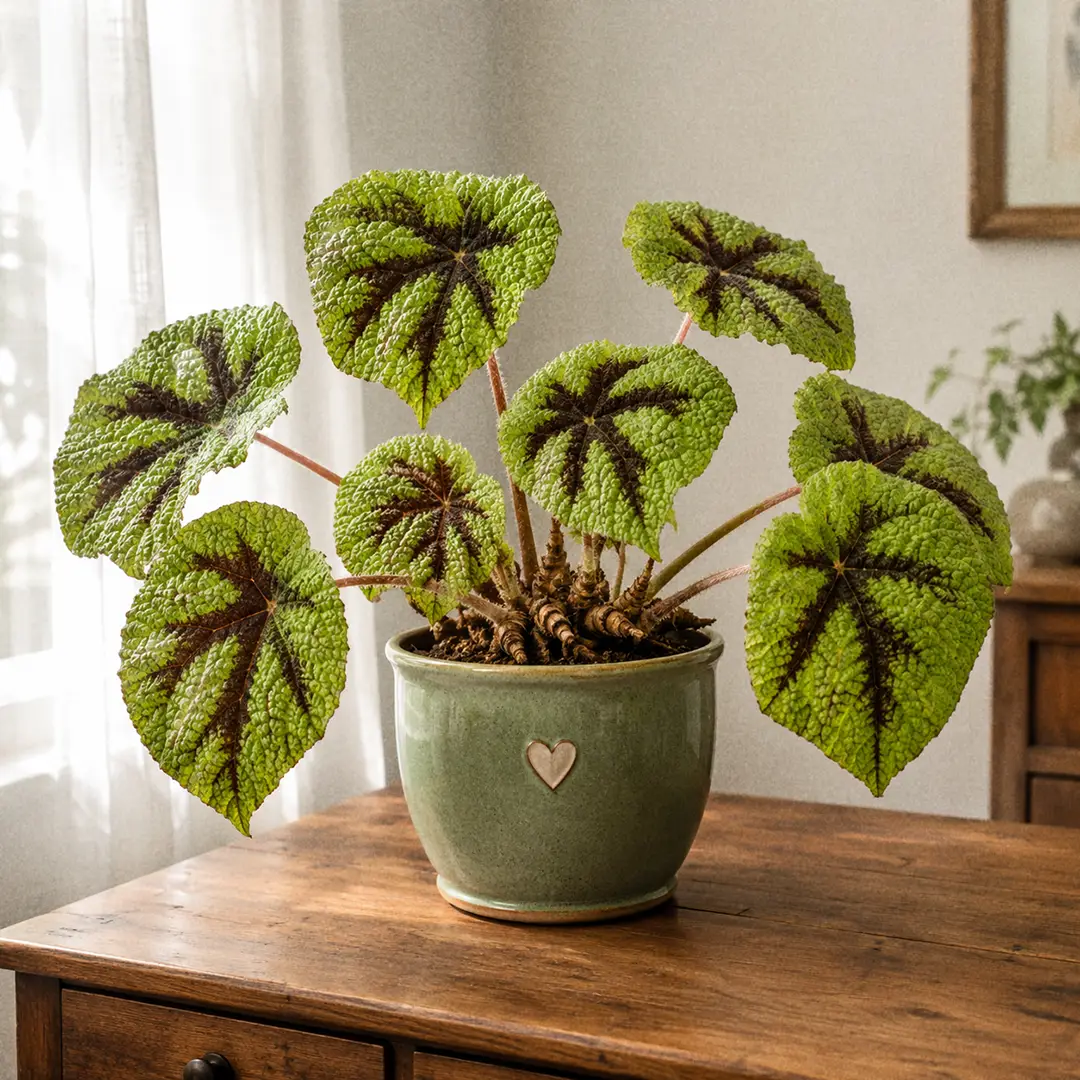
The Polka Dot Begonia is a cane begonia: tall bamboo stems, angel-wing leaves, high humidity. Wax stays small and blooms continuously in ordinary household air. The Beefsteak Begonia is rhizomatous with dramatic round leaves and one winter bloom cycle. The Strawberry Begonia is not a begonia at all (it is a Saxifrage). The Iron Cross Begonia is grown for puckered patterned foliage and rarely blooms indoors, and the Begonia Rex group takes that idea further with silver and purple banded leaves and no useful flowers at all.
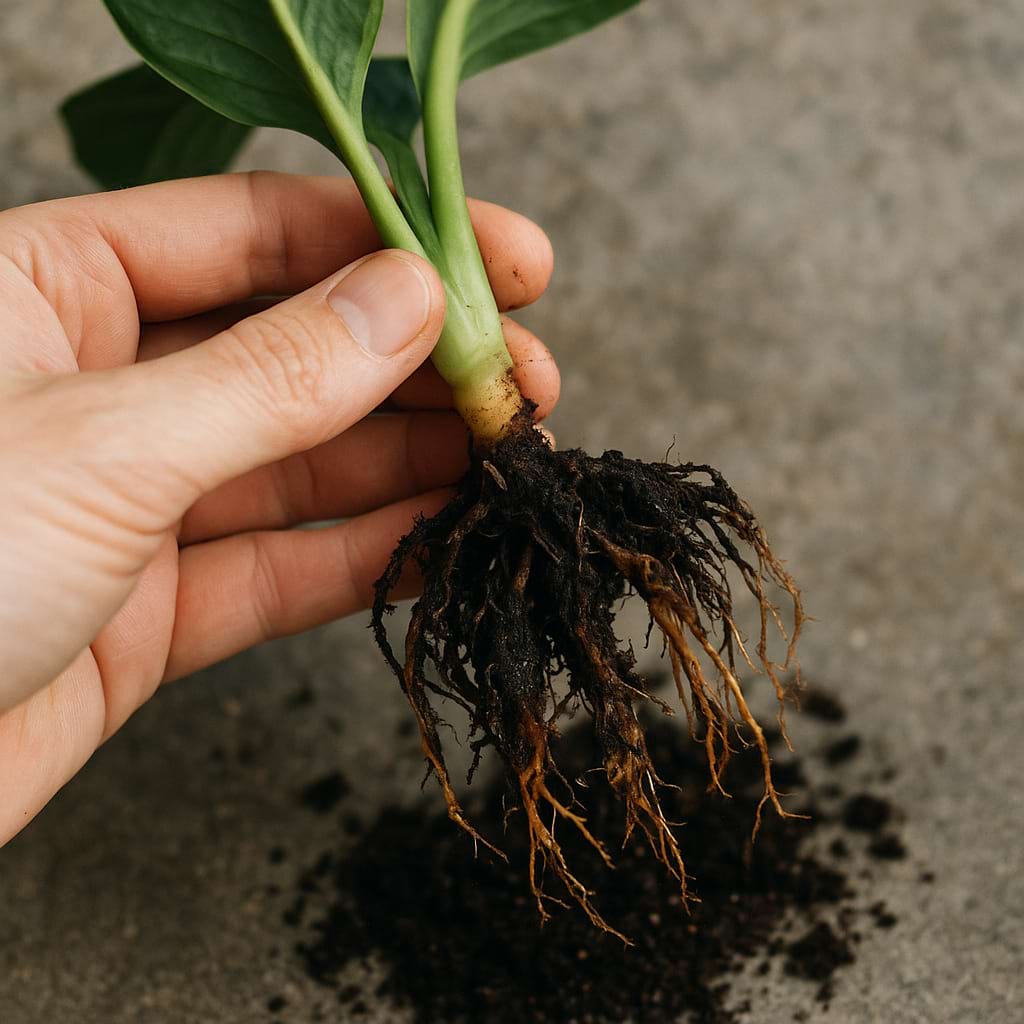
A real Wax Begonia has many fine fibrous roots and a low mounded habit. If you see one thick creeping stem at the soil line, it is a rhizomatous begonia. Tall bamboo-like stems mean a cane begonia.
🪴 Potting and Repotting Wax Begonia
Wax Begonias have small fibrous root systems and prefer to be slightly snug. An oversized planter full of damp soil rots them fast.
When to Repot
Plan to repot once a year in spring. Signs it is time: roots circling the bottom, water running straight through, growth and bloom slowdown, or sour-smelling soil. Skip repotting during heavy summer bloom; the disturbance often pauses flowering for a few weeks.
Pot Choice
Go only one to two inches wider than the current pot. Drainage holes are mandatory. Terracotta is great because the porous walls help soil dry evenly. Glazed ceramic and plastic also work in cooler, drier homes.
How to Repot
- Water lightly the day before.
- Add an inch of fresh begonia mix to the new pot.
- Slide the plant out and tease apart circling roots. Trim any mushy or hollow ones.
- Set the plant at the same depth. Do not bury the lower stems.
- Backfill, tap to settle, and water lightly.
The general repotting guide covers the basics. The one rule above all: do not bury the stems. Stems sitting in damp soil rot faster than almost anything else.
✂️ Pruning Wax Begonia
Pruning is half the secret to keeping this plant bushy and blooming for years.
Pinching
Once a week, pinch the very tip of any racing stem. Pinching forces branching from the next node down, which means more stems and more flowers. The plant rewards you within ten days every time.
Deadheading
Snip spent clusters at the base. A weekly pass takes a minute and visibly boosts bloom count.
The Annual Hard Trim
In late winter, cut every stem back by half to two thirds. It looks brutal. The plant looks like a sad stump for two weeks, then rebounds with dense, well-branched growth that flowers harder than tired old stems ever could. This single habit turns a season-long bedding plant into a multi-year houseplant. Save the cuttings; each one is a free new plant.
Cleaning
Once a month, dust the leaves with a soft dry brush. Skip damp wipes in the evening to avoid powdery mildew.
🌱 How to Propagate Wax Begonia
A snipped stem with a few leaves roots in water within two weeks. This is one of the easiest houseplants to propagate.
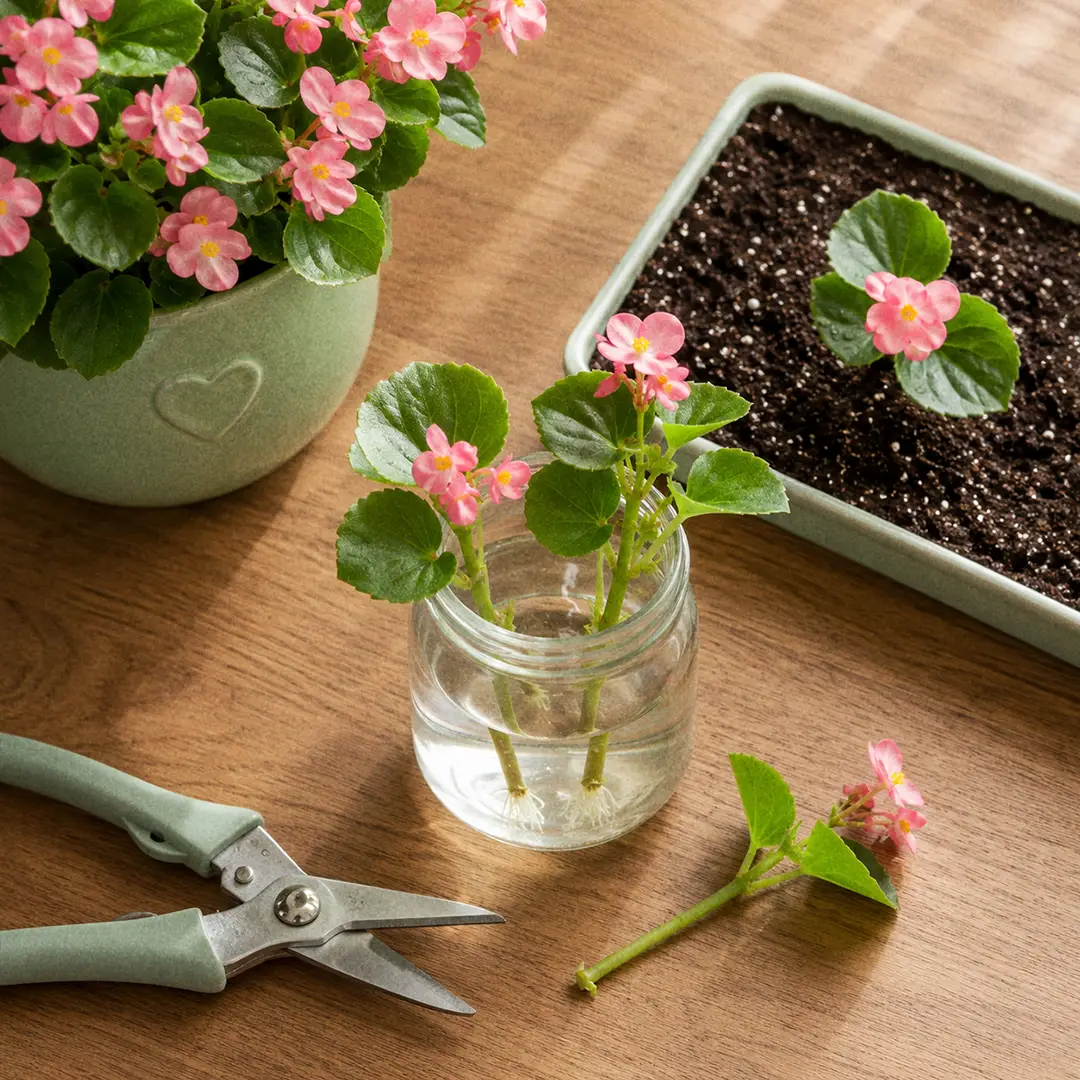
Water Cuttings
- Snip a healthy stem tip with three or four leaves and a couple of nodes. Cut at a 45-degree angle below the lowest node.
- Strip the lowest leaves so the bottom node is bare.
- Place in a jar of room-temperature water with the bare node submerged.
- Set in bright indirect light. Change water every five to seven days.
- Roots appear within ten to fourteen days. Pot up once roots are an inch long.
Keep the soil slightly damper than usual for the first month after potting. The water propagation guide goes deeper.
Soil Cuttings
The soil propagation method also works well. Take the same kind of cutting, let the cut end callus for an hour, dip in rooting hormone (optional), and push into damp mix. Cover loosely with a clear bag and lift daily for fresh air. Resistance to a gentle tug after two to three weeks means roots have formed.
What Does Not Work
Single leaves do not root for fibrous-rooted begonias; you need stems. Dirty water rots cuttings before roots form. Burying the stem deep in soggy soil rots it before it roots.
🐛 Wax Begonia Pests and Treatment
Inspect leaf undersides and soft new growth every two weeks. Quarantine new plants for two weeks before placing them next to your collection.
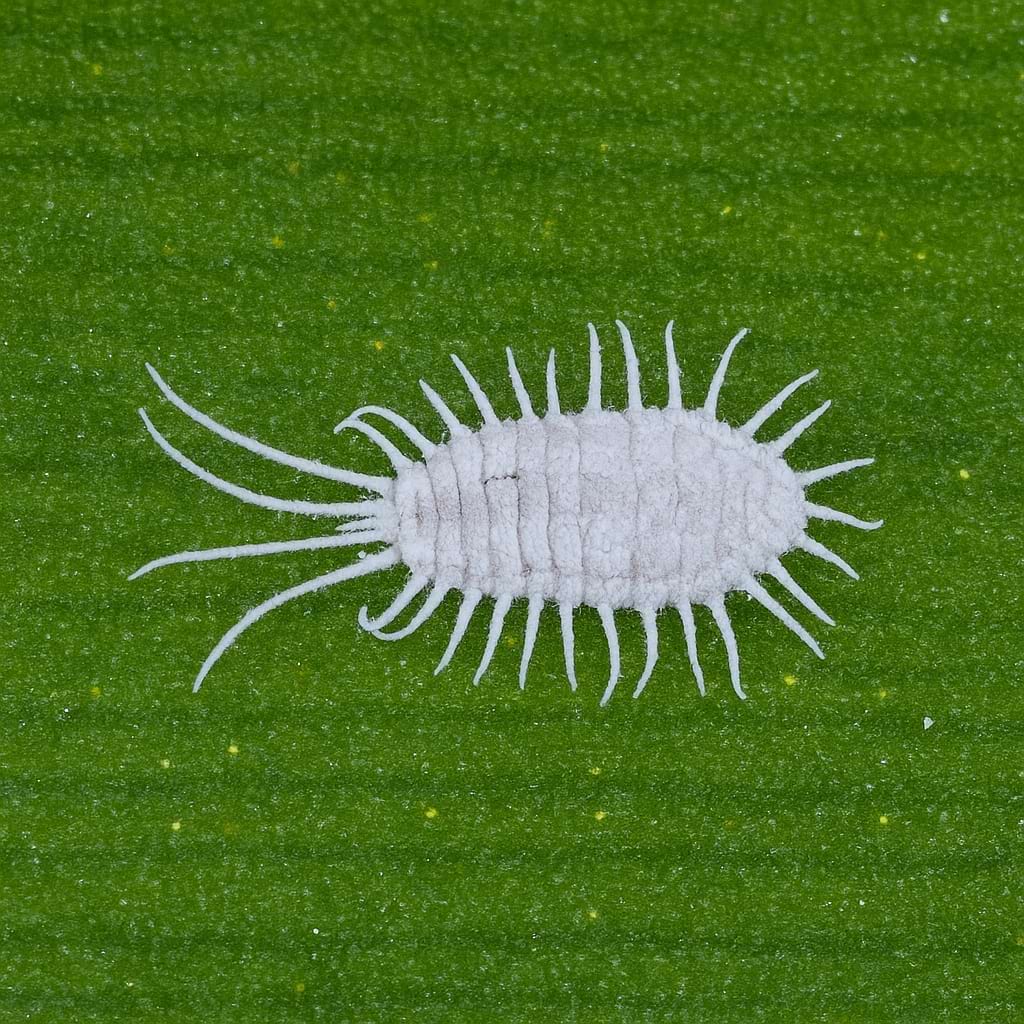
Mealybugs cluster in leaf joints like tiny cotton tufts. Dab with a swab of 70% isopropyl alcohol, repeat every five days for three weeks.
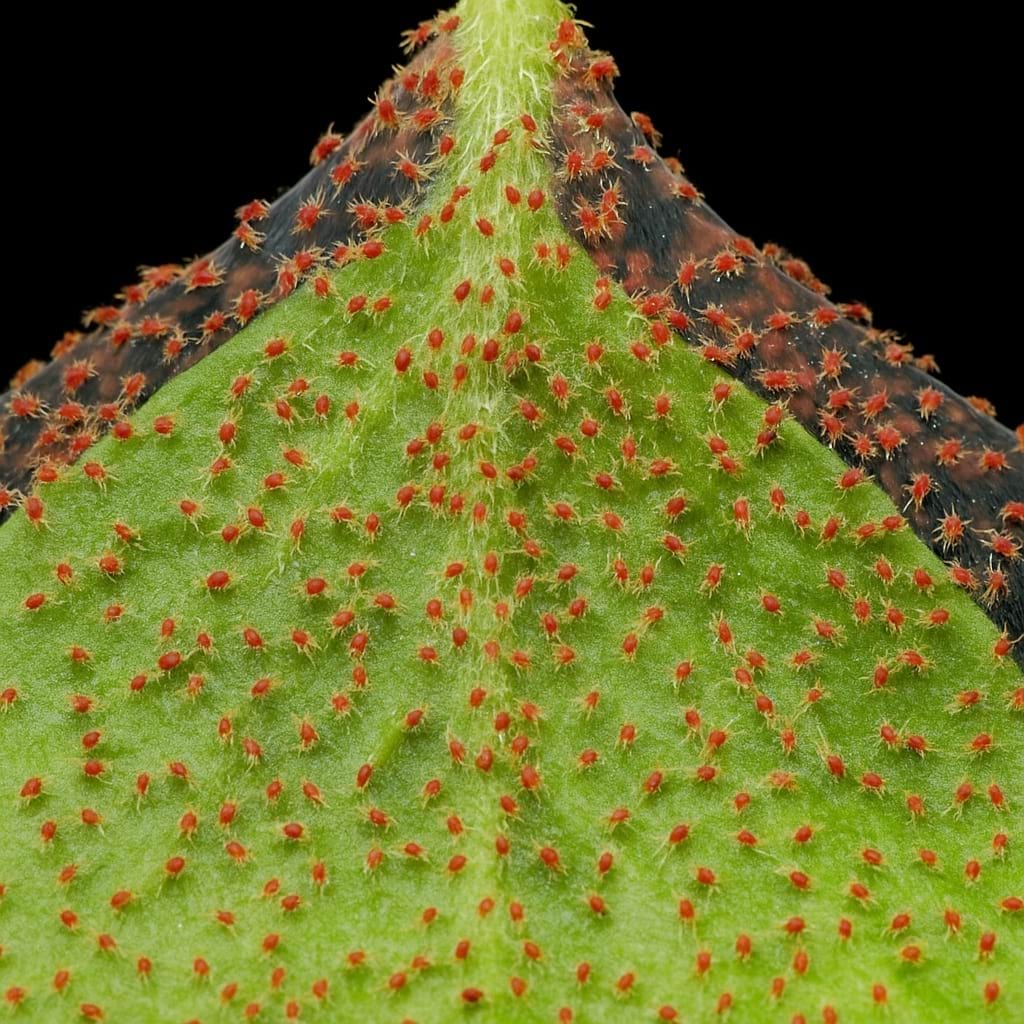
Spider mites appear when winter heating dries the air. Look for fine webbing and stippled dots. Boost humidity, wipe leaves, treat weekly with insecticidal soap or neem oil.
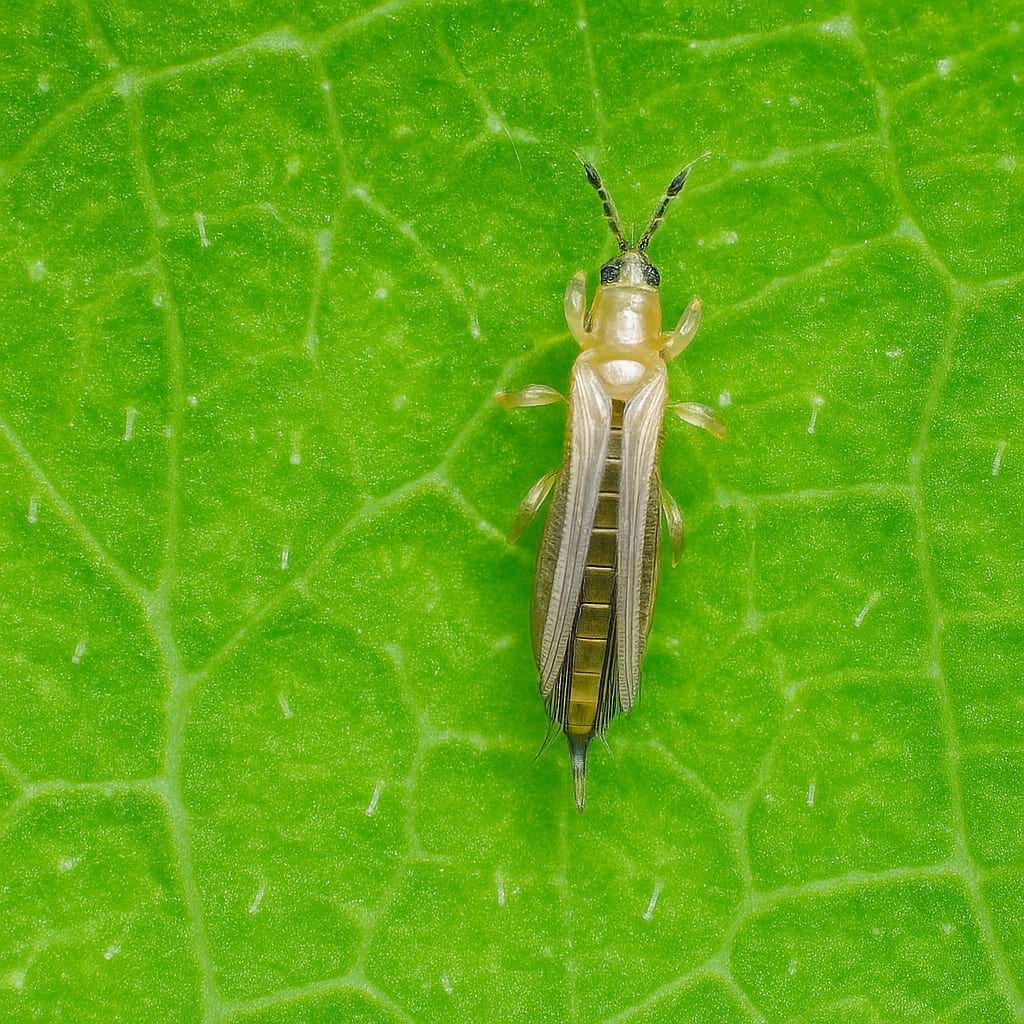
Thrips leave silvery scratches and deform flower buds. Treat with a whole-plant insecticidal soap drench and isolate.
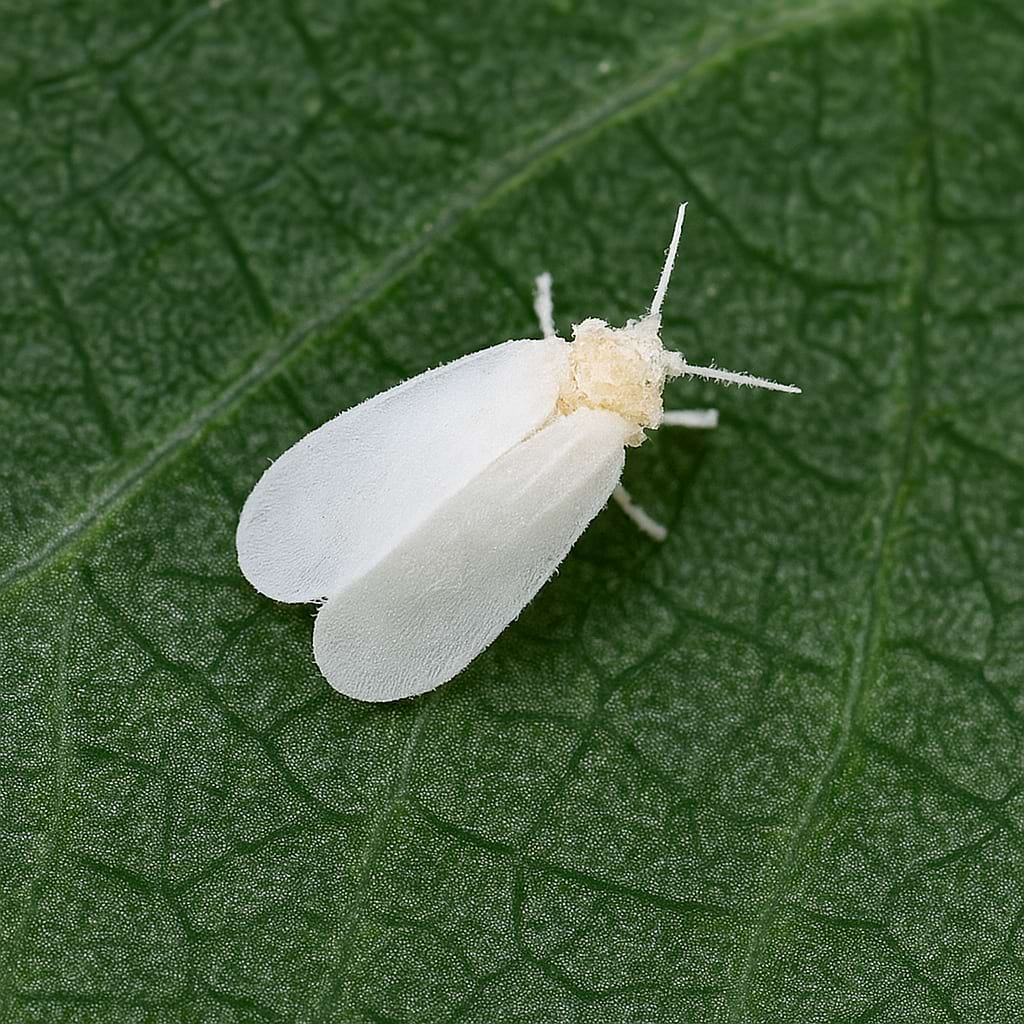
Whiteflies often arrive on plants summered outdoors. Yellow sticky traps plus weekly insecticidal soap handle them.
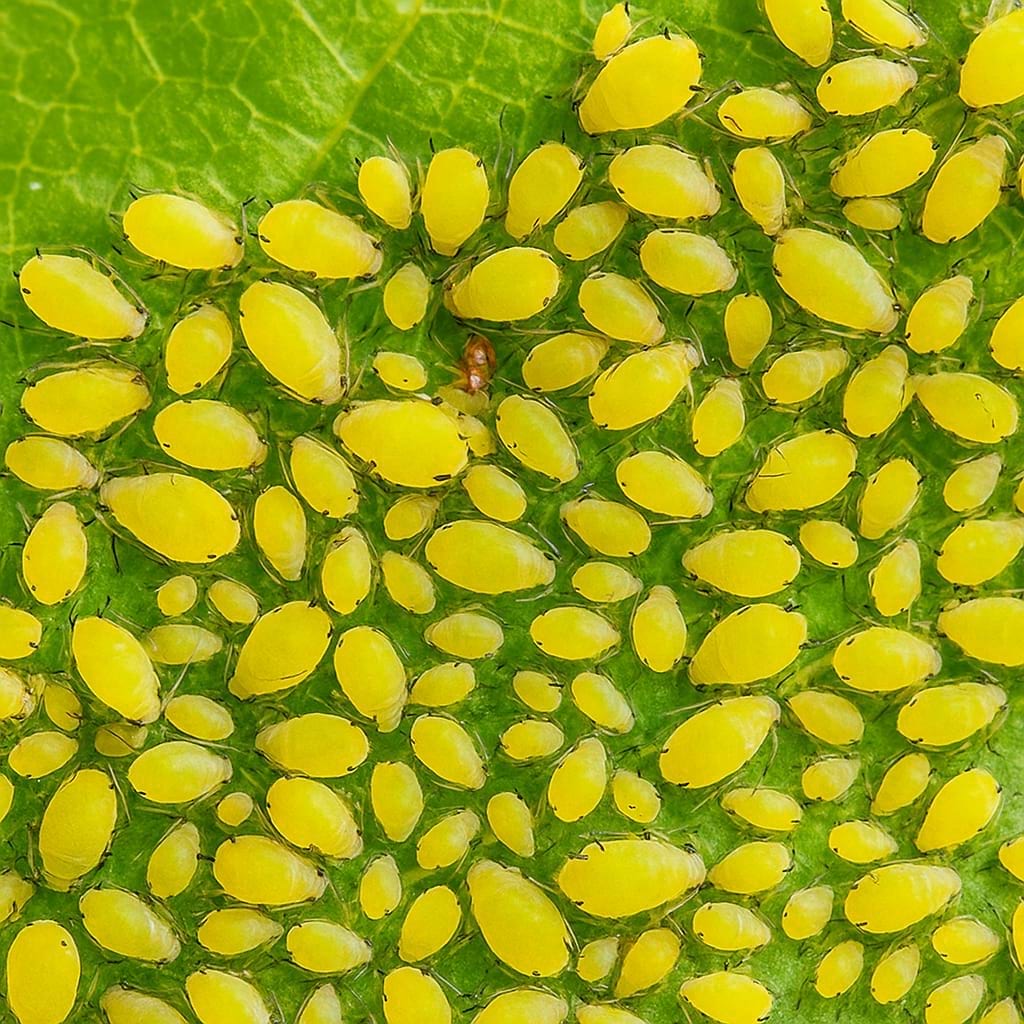
Aphids cluster on new growth. Rinse off in the sink, follow up with insecticidal soap.
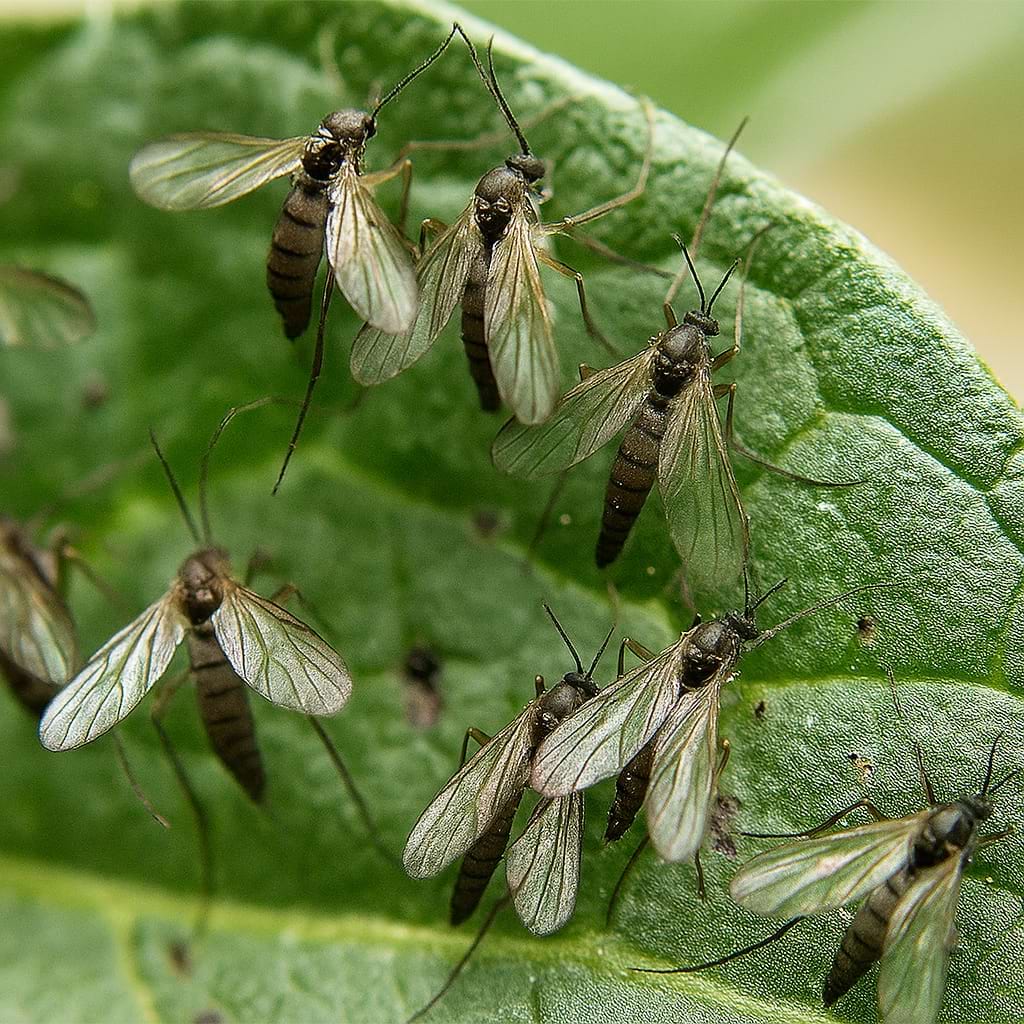
Fungus gnats mean soil is staying too wet. Let the top inch dry, top-dress with sand or fine bark, use yellow sticky traps. The pest prevention in winter primer covers the seasonal patterns.
🩺 Common Wax Begonia Problems
Most issues trace back to watering, light, or air.
Yellowing leaves on the lower plant usually mean overwatering. Check the soil. The odd yellow lower leaf on a mature plant is normal aging.
Root rot is the leading killer. If yellowing pairs with mushy stem bases and sour smell, slide the plant out, cut back to firm tissue with a sterile blade, dust with cinnamon, and replant in fresh dry mix.
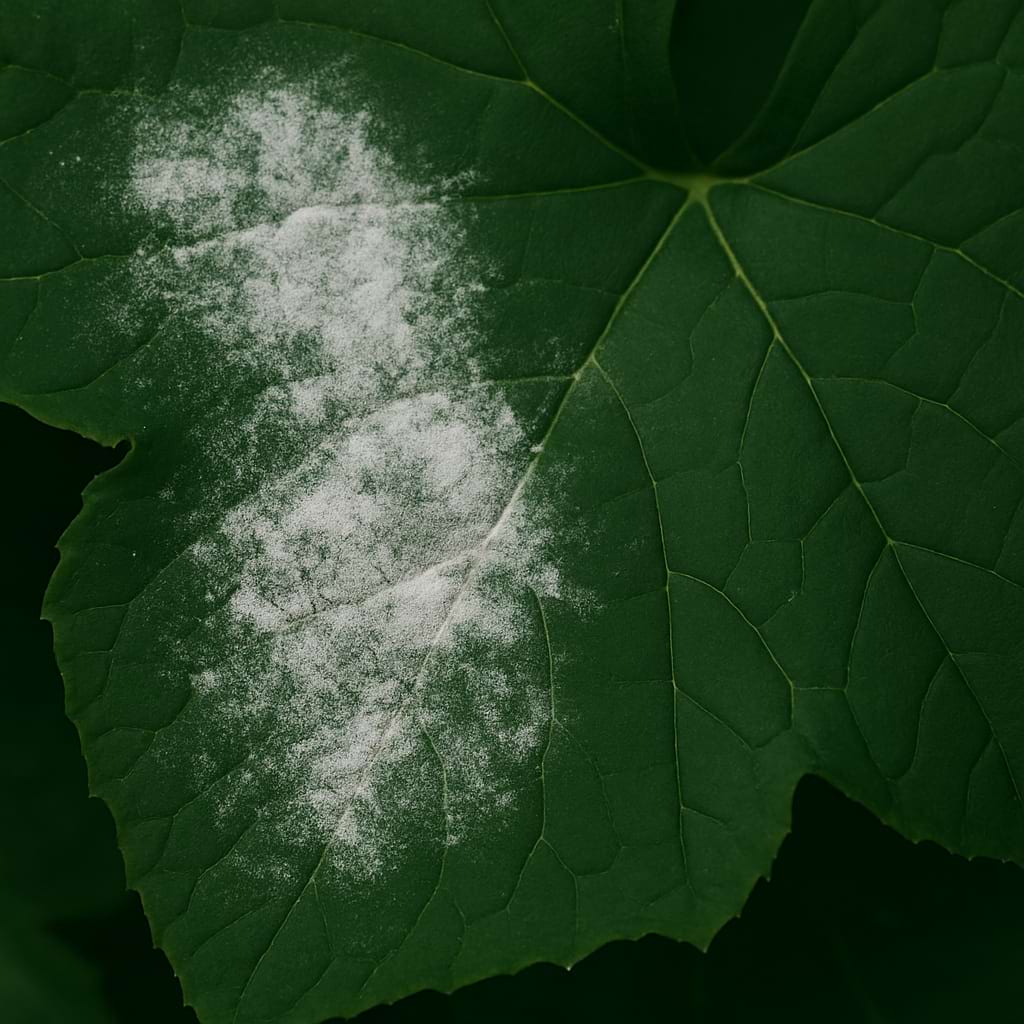
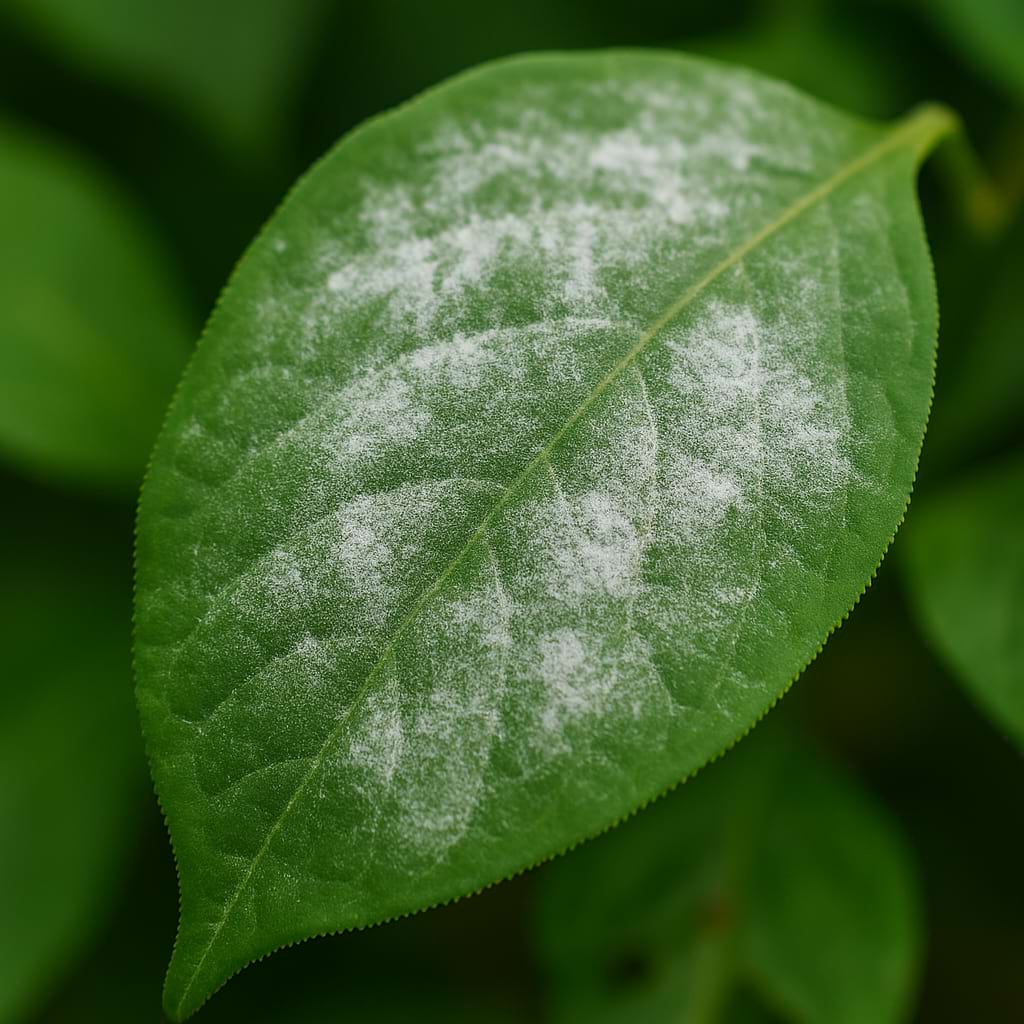
Powdery mildew shows as chalky white film. Trim affected leaves, water at the soil line, improve airflow with a small fan, treat with diluted neem oil.
Leggy growth means the plant is reaching for more light. Move closer to a window and pinch back. The annual hard trim resets it in one go.
Failure to bloom almost always means not enough light. Move to your brightest spot.
Leaf drop over a few days usually signals shock from a move, a draft, or heavy overwatering. Stabilise conditions and wait.
Brown crispy edges point to dry air or salt buildup. Boost humidity and flush the pot every couple of months.
Fungal or bacterial leaf spot shows as dark spots ringed with yellow halos. Trim affected leaves, water the soil only, improve airflow.

🖼️ Wax Begonia Display and Styling Ideas
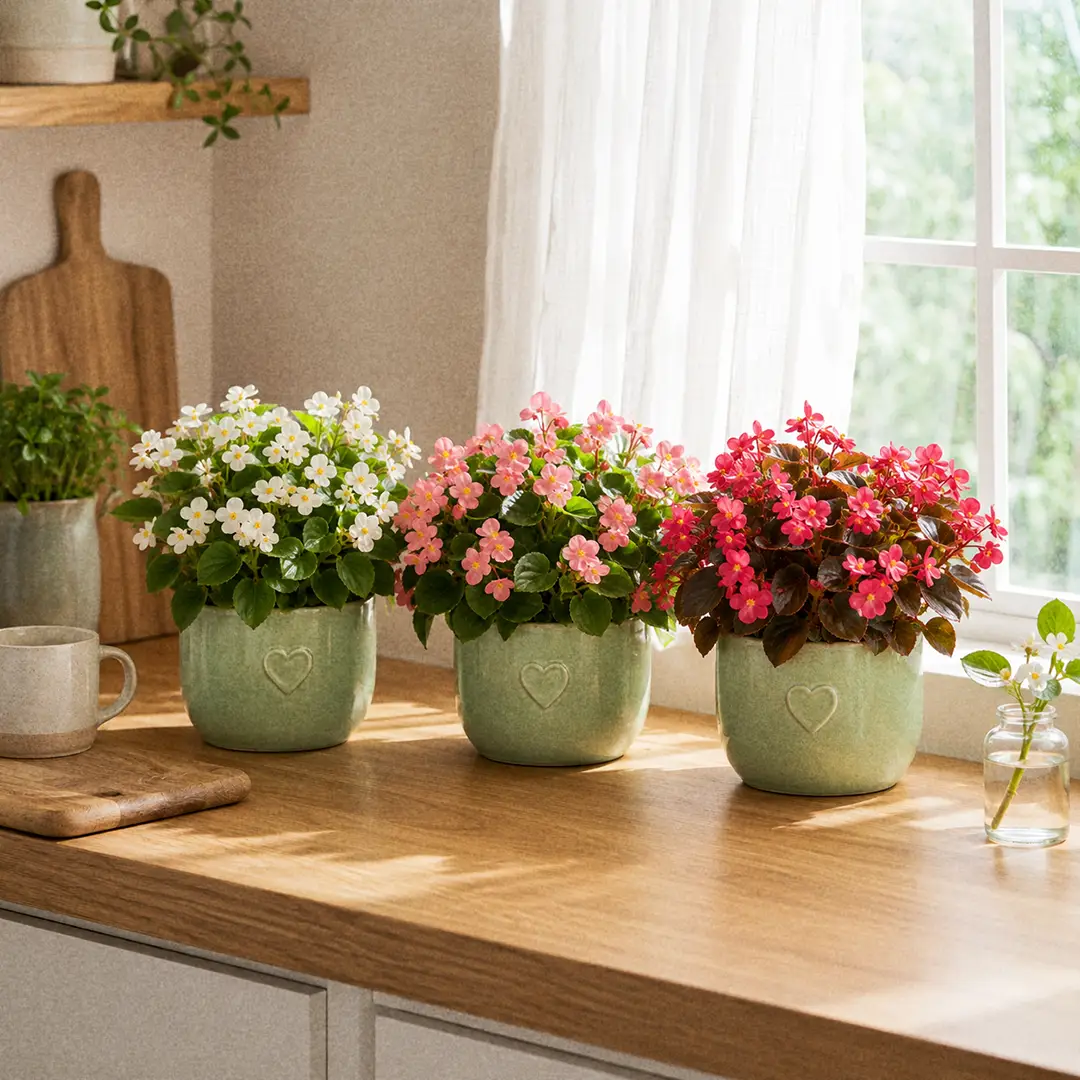
The Wax Begonia gives you nine-plus months of blooms a year, which makes it one of the best flowering picks for a sunny windowsill or kitchen counter.
Pot Pairings
Cream or ivory frames pink and white cleanly. Soft sage and warm terracotta pair well with bronze-leaved cultivars. Charcoal makes red and hot pink pop. Avoid loud floral pots: the flowers are the visual centre.
Companion Planting
Pair with a Polka Dot Begonia on a tall stand for height behind. Set a Strawberry Begonia in a hanging planter above for a trailing layer. A small Coleus makes a stunning summer partner. A Polka Dot Plant or Boston Fern brings contrasting texture.
Scale It Up
Three on a sunny shelf in matching pots becomes a feature. Six in a long planter along a south-facing windowsill turn into a quietly spectacular indoor flower border.
🌟 Wax Begonia Pro Care Tips
✅ Pinch growing tips weekly. The single best habit for a bushy plant.
💧 Underwater rather than overwater. A thirsty plant perks up in hours; a waterlogged one declines for days.
✂️ Hard trim once a year. Cut every stem back by half in late winter and watch it rebound denser than before.
☀️ Bright is bloom fuel. Wax Begonias take more direct sun than most begonias.
🌬️ Skip misting. Use a humidifier or pebble tray instead.
🌱 Save your trimmings. Every healthy stem is a free new plant.
🐾 Keep it out of reach. Mildly toxic to pets if chewed.
🔄 Quarter-turn at each watering. Keeps growth symmetrical.
❓ Frequently Asked Questions
Is Wax Begonia easy to care for?
Yes, easier than almost any other flowering houseplant. Bright light, water when the top inch is dry, deadhead, and trim hard once a year.
Are Wax Begonias annuals or perennials?
Tender perennials grown as annuals outdoors because they cannot survive frost. Indoors they live three to five years, often longer with steady care.
Is Wax Begonia toxic to cats and dogs?
Yes, mildly. All begonias contain soluble calcium oxalates that irritate the mouth and digestive tract. Chewing usually causes drooling, mouth pain, and vomiting. Call a vet if your pet bites a leaf.
Why is my Wax Begonia not blooming?
Light is almost always the answer. Move closer to your brightest window and check back in three to four weeks. The second cause is a leggy tired plant that needs a hard prune.
Can Wax Begonias take direct sun?
Yes, more than most begonias. A few hours of morning sun is ideal. The line to avoid is unfiltered south-facing afternoon sun in summer.
How big does a Wax Begonia get?
Six to twelve inches tall and eight to twelve inches across. Big and Whopper series reach two feet, but most cultivars stay compact and rounded.
Can I overwinter my outdoor Wax Begonia indoors?
Yes. Before first frost, dig the plant (or lift the pot), trim by half, check for pests, and bring it to a bright window. It will pause, then resume blooming in late winter.
How do I make my Wax Begonia bushier?
Pinch growing tips weekly and do a hard annual prune. Each pinch turns one stem into two, then four.
Are Wax Begonia flowers edible?
Technically yes in small amounts, with a mild lemony tang. They contain soluble oxalates, so a few as garnish are fine but they should not be eaten in quantity. Not a good idea for young children or anyone with kidney issues.
Can I propagate Wax Begonia from a leaf?
Not really. Take a stem cutting with three or four leaves and a couple of nodes. Single-leaf propagation works for rhizomatous begonias like Iron Cross but not for this one.
ℹ️ Wax Begonia Info
Care and Maintenance
🪴 Soil Type and pH: Light, fluffy potting mix with perlite, a slow-release pellet, and a pH around 5.8-6.5.
💧 Humidity and Misting: Comfortable around 40 to 50 percent; tolerates ordinary household air without crisping.
✂️ Pruning: Pinch growing tips for bushiness, deadhead spent flowers, and trim leggy stems back to a node.
🧼 Cleaning: Soft dry brush along the leaf surface; rinse only when truly dusty and let leaves dry before night.
🌱 Repotting: Once a year in spring, or sooner if roots circle the bottom of the pot.
🔄 Repotting Frequency: Every 1 year
❄️ Seasonal Changes in Care: Trim back hard in late winter to refresh the plant; reduce watering and skip fertilizer during the coldest weeks.
Growing Characteristics
💥 Growth Speed: Moderate to fast
🔄 Life Cycle: Tender perennial, often grown as an annual outdoors
💥 Bloom Time: Year-round indoors with enough light; spring through fall outdoors
🌡️ Hardiness Zones: 10-11 outdoors as a perennial; grown as annual elsewhere
🗺️ Native Area: Brazil and surrounding parts of South America
🚘 Hibernation: No, but growth slows in winter
Propagation and Health
📍 Suitable Locations: Bright windowsills, kitchen counters, sunny office desks, covered porches, balcony pots, sheltered patio containers
🪴 Propagation Methods: Stem cuttings root reliably in water or damp soil; seed propagation is also possible.
🐛 Common Pests: Mealybugs, Spider Mites, Thrips, Whiteflies, Aphids, Fungus Gnats
🦠 Possible Diseases: Powdery mildew, botrytis, leaf spot, root rot, stem rot
Plant Details
🌿 Plant Type: Fibrous-rooted begonia
🍃 Foliage Type: Evergreen, succulent-textured, glossy waxy leaves
🎨 Color of Leaves: Bright green, deep bronze, or chocolate-mahogany depending on cultivar
🌸 Flower Color: White, soft pink, hot pink, salmon, coral, or scarlet red, often with yellow stamens
🌼 Blooming: Almost continuous indoors with steady light; one of the most reliable bloomers among houseplants
🍽️ Edibility: Flowers are technically edible in small amounts and have a mild lemony tang, but soluble oxalates make regular eating a bad idea
📏 Mature Size: 6-12 inches indoors
Additional Info
🌻 General Benefits: Long flowering season, compact form, low fuss, easy propagation, brings color to a sunny windowsill in winter
💊 Medical Properties: None of note; sap can irritate sensitive skin
🧿 Feng Shui: Cheerful, abundant energy associated with steady prosperity and warm hospitality
⭐ Zodiac Sign Compatibility: Leo
🌈 Symbolism or Folklore: Lasting cheer, fortune, gratitude, gentle warning to be cautious
📝 Interesting Facts: Wax Begonias are the seed-grown bedding begonias every garden centre stocks by the flat in spring. The species was first introduced to Europe in the 1820s from Brazil, and modern cultivars are the result of nearly two centuries of breeding work, with thousands of named hybrids in cultivation. The "semperflorens" half of the Latin name simply means "always flowering."
Buying and Usage
🛒 What to Look for When Buying: Pick a compact bushy plant with several flower buds rather than fully open blooms, glossy waxy leaves with no chalky white film, and firm stems with no soft black spots near the soil line.
🪴 Other Uses: Window box filler, shaded patio pot, summer bedding, cut flowers for tiny arrangements, edible flower garnish in moderation
Decoration and Styling
🖼️ Display Ideas: Bright kitchen windowsill, grouped with foliage plants on a sunny shelf, mass-planted in a wide patio bowl, mixed with trailing companions in a hanging basket
🧵 Styling Tips: Plant three of the same color together for a denser blooming effect, or mix bronze-leaved and green-leaved cultivars for contrast within a single pot.
🪴 See also 🪴
Complete Guide to Beefsteak Begonia Care and Growth
Complete Guide to Begonia Rex Care and Growth

Houseplant101 Forum
Questions & Comments
Ask a question, share your plant experience, or help other plant owners.
Comments are temporarily unavailable.
Open the Houseplant101 ForumNo comments yet
Be the first to ask a question or share your experience about this page.
Log in or create an account
Comments use your Houseplant101 Forum account, but you can stay on this page.
Create a new account