
Japanese Bird's Nest Fern
Asplenium antiquum
Tani-watari, Japanese Nest Fern, Asplenium 'Osaka', Asplenium 'Victoria'


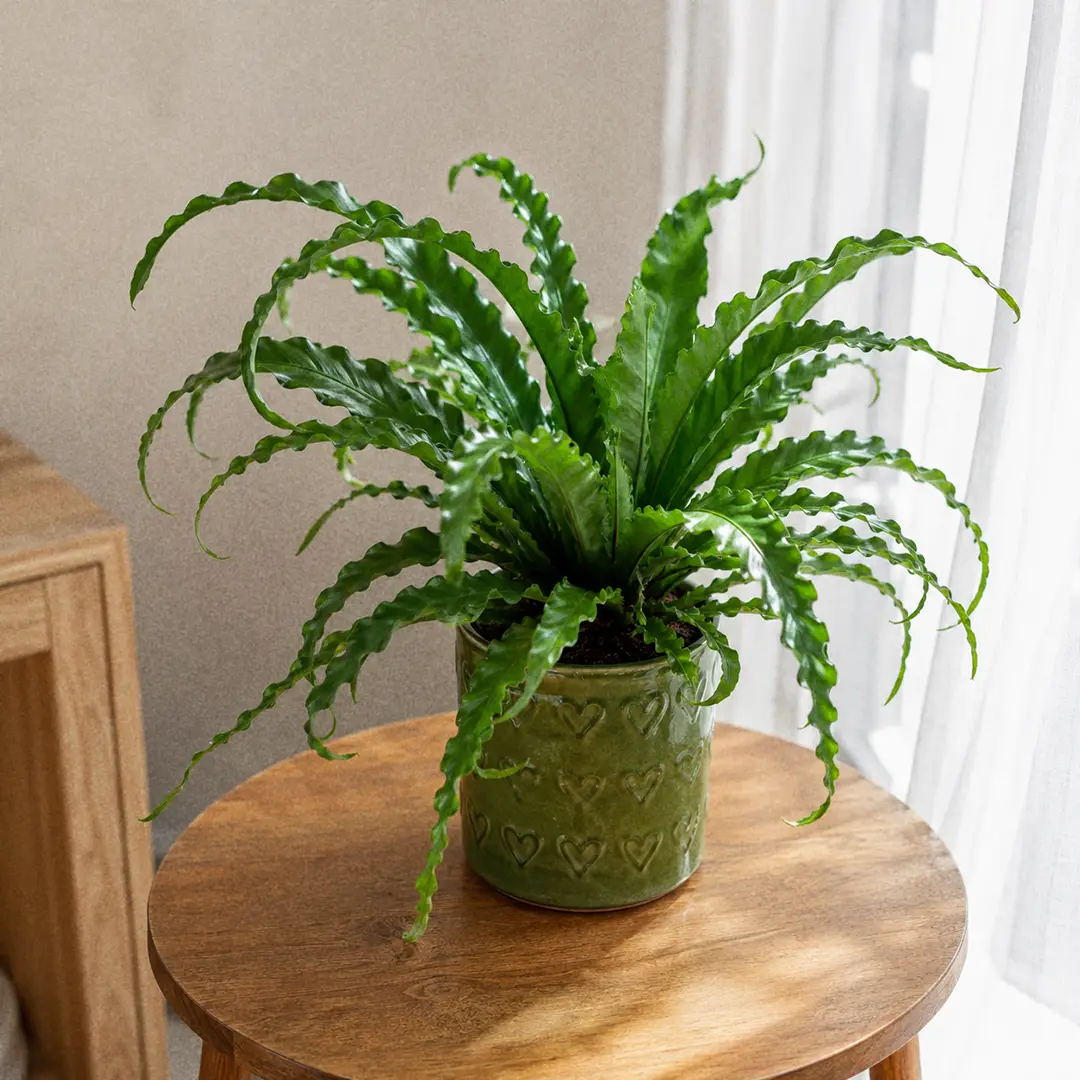
The Japanese Bird's Nest Fern is a glossy, upright rosette fern with wavy frond edges and a fuzzy central crown that new leaves unfurl from. Learn how to grow Asplenium antiquum indoors, keep the crown healthy, and stop the brown edges before they start.
📝 Japanese Bird's Nest Fern Care Notes
🌿 Care Instructions
⚠️ Common Pests
📊 Growth Information
🪴 In This Guide 🪴

☀️ Japanese Bird's Nest Fern Light Requirements (Indoor Lighting Guide)
The Sweet Spot
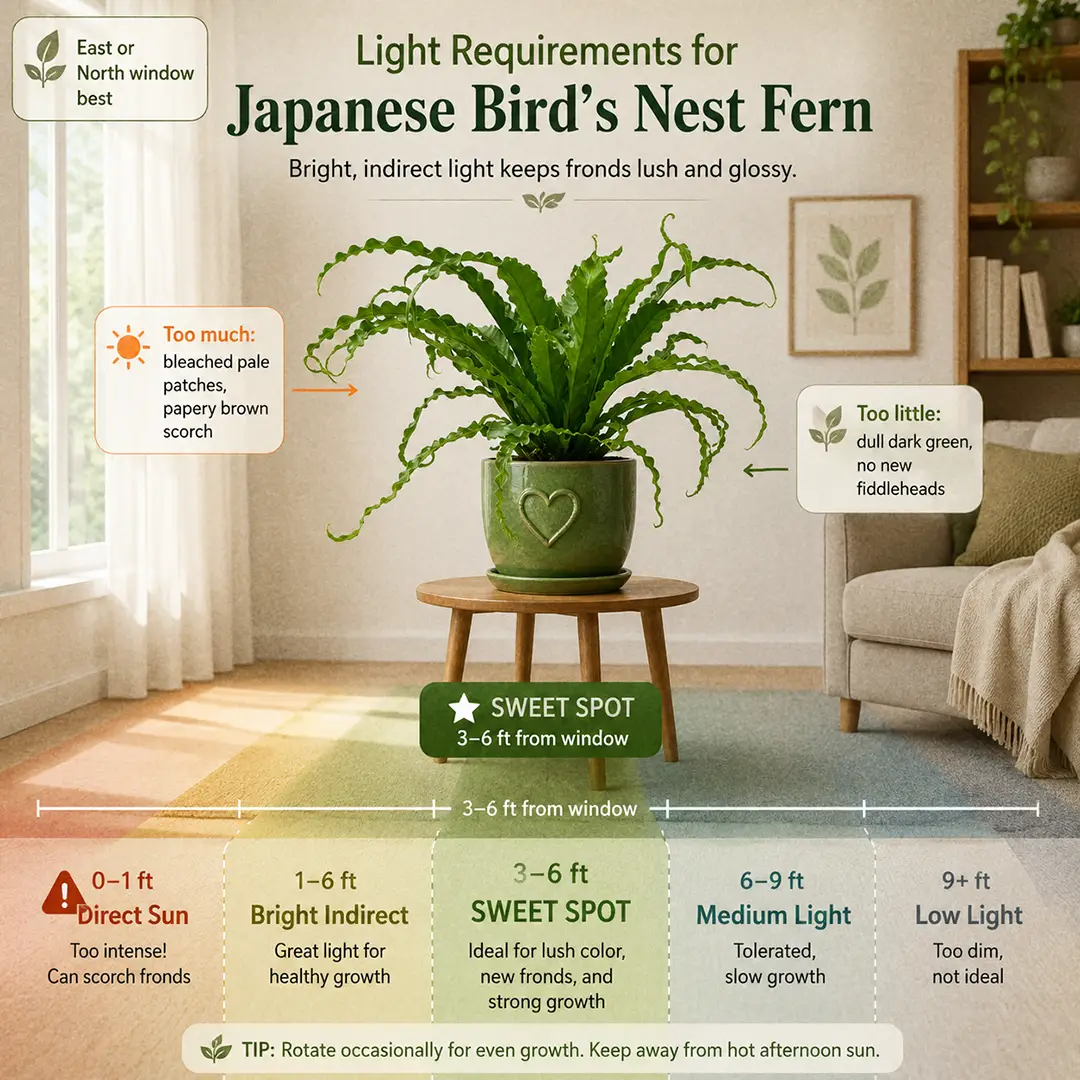
Bright indirect light, roughly 3 to 6 feet back from an east or north window. That is the whole answer for most homes. On a cliff face in southern Japan this fern lives in dappled forest shade, catching moving light through a canopy rather than a straight beam, and a spot set back from the glass reproduces that closely.
North-facing windows are the underrated option here. They give steady, soft light all day with no direct sun at all, which suits this plant better than a south window with a curtain. An east window works too, since early morning sun is weak enough that a little direct contact does no harm. Our Indoor Lighting Guide is worth a read if you are still judging spots by eye.
Too Little Light
This fern tolerates dim corners better than most ferns, which is exactly how people get into trouble. It will sit in a dark hallway looking fine for months while quietly doing nothing. The signs are slow: no new fiddleheads appearing in the crown for a whole season, and new fronds that come up smaller and floppier than the old ones, which reads as stunted growth.
The colour shifts too. Deep shade turns the bright apple green into a flat, dark, slightly dull green. If your only spot is a genuinely dim one, a small grow light on a timer for six hours a day keeps the rosette filling in.
Too Much Light
Direct afternoon sun is the fast way to ruin this plant. The fronds are thin enough to scorch within a couple of hot days behind glass, and the damage shows up as bleached pale patches that go papery brown, which is sunburn. Those marks never green back up, so you live with them until that frond is old enough to remove.
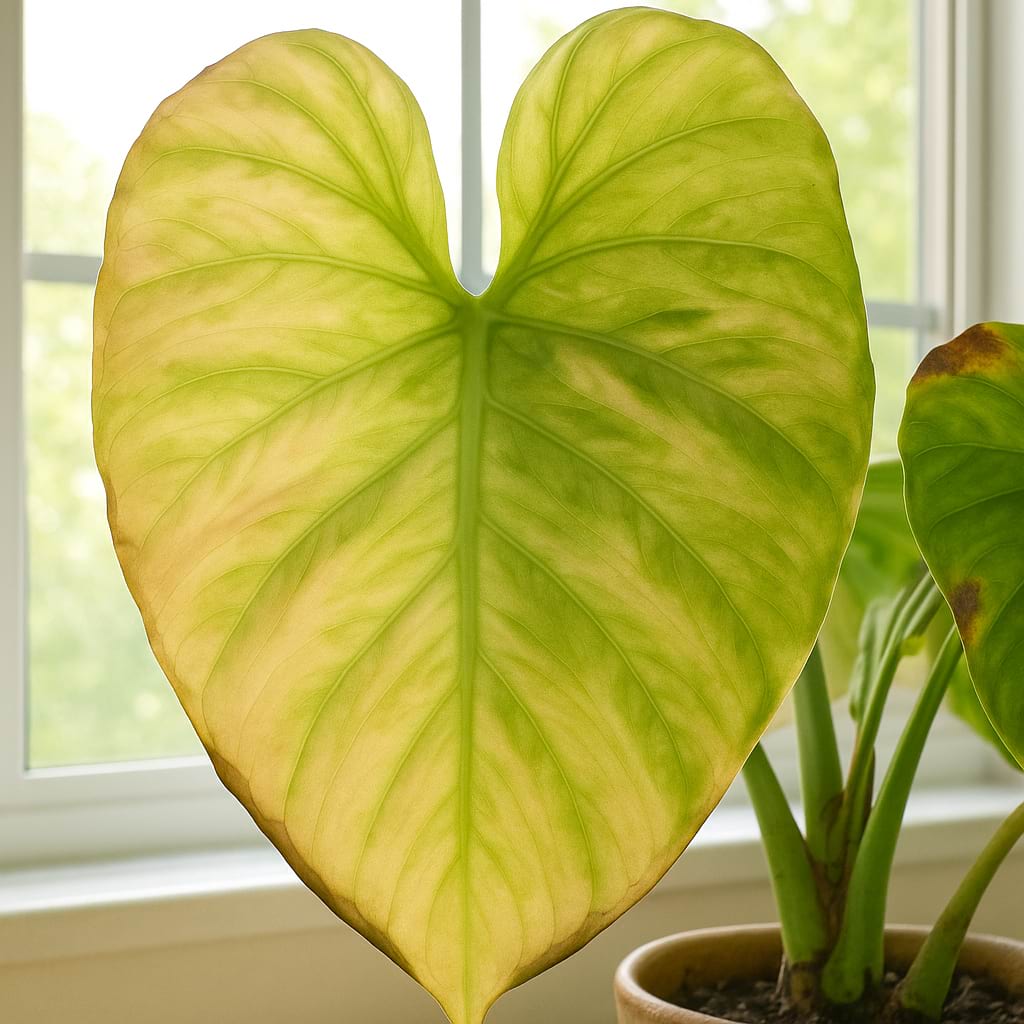
Milder overexposure is subtler. Fronds turn a washed-out yellow-green all over, look thinner than they should, and the wavy edges flatten out. Move the plant a few feet further from the window and the next generation of fronds comes in properly coloured.
💧 Japanese Bird's Nest Fern Watering Guide (How to Water Properly)
Watering Frequency
Water when the top inch of mix feels dry to the touch. In a bright warm room in summer that lands around every 5 to 7 days. In a cooler room in winter it can stretch to 10 or 12. This fern likes consistent light moisture, not the wet-to-bone-dry swing you would give a succulent, but it also hates sitting in a saucer of water.
Because it is epiphytic, the roots are used to air moving around them. Soggy mix suffocates them quickly, and by the time the fronds react the damage is already done underground. Poke a finger in before every watering, or use a moisture meter if you are the kind of person who waters on autopilot.
How to Water (Keep the Crown Dry)
This is the one technique that matters. Pour water around the outer edge of the pot, low and slow, so it soaks the mix without splashing into the middle of the rosette. Water that pools in that cupped centre sits against the growing point and turns into crown rot, which kills the plant outright rather than costing it a leaf.
That makes bottom watering a natural fit here. Stand the pot in an inch of water for 15 minutes, let the mix wick it up, then drain it fully. No splash, no risk, no guesswork. If water does end up in the crown, dab it out with a corner of kitchen paper straight away.
Signs of Trouble
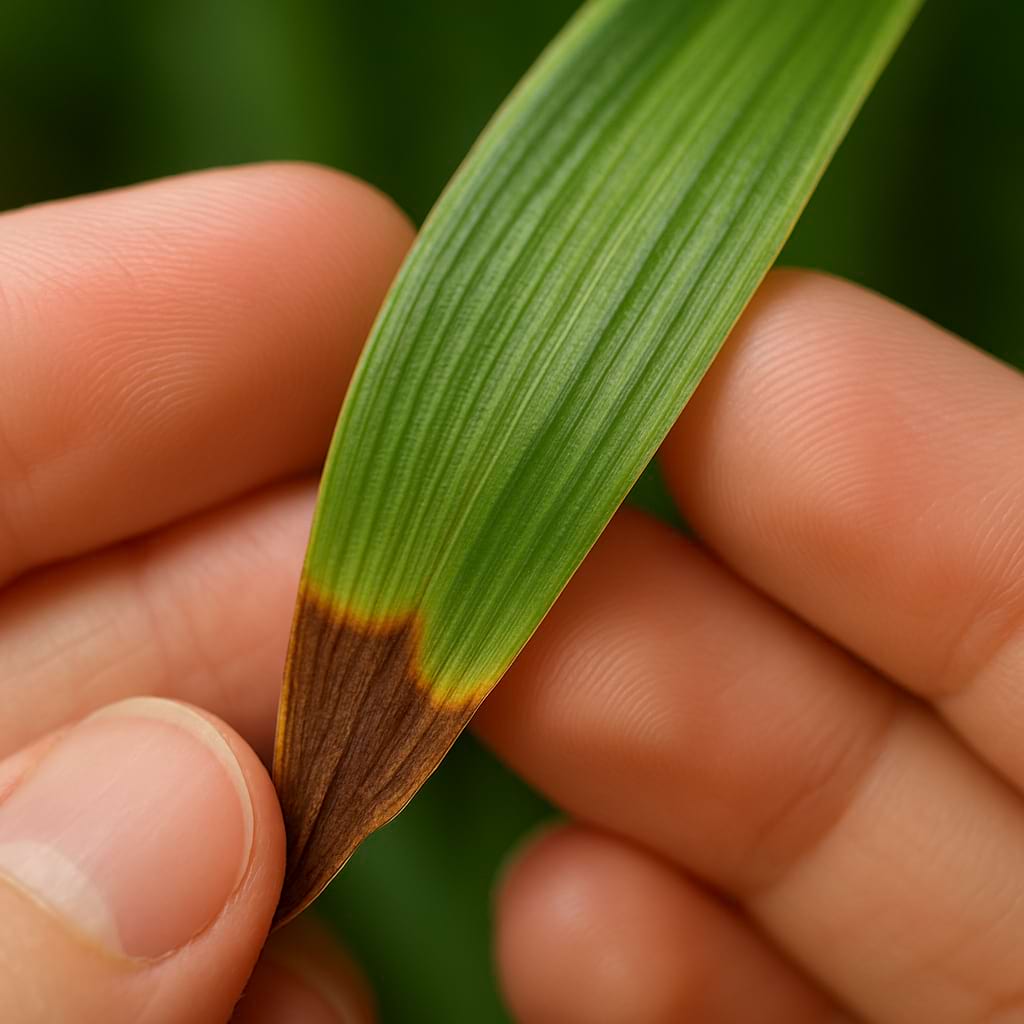
Underwatering shows up as brown, crispy tips and edges on the oldest outer fronds first, and the whole rosette loses some of its upright posture. A thorough soak usually perks it back up within a day.
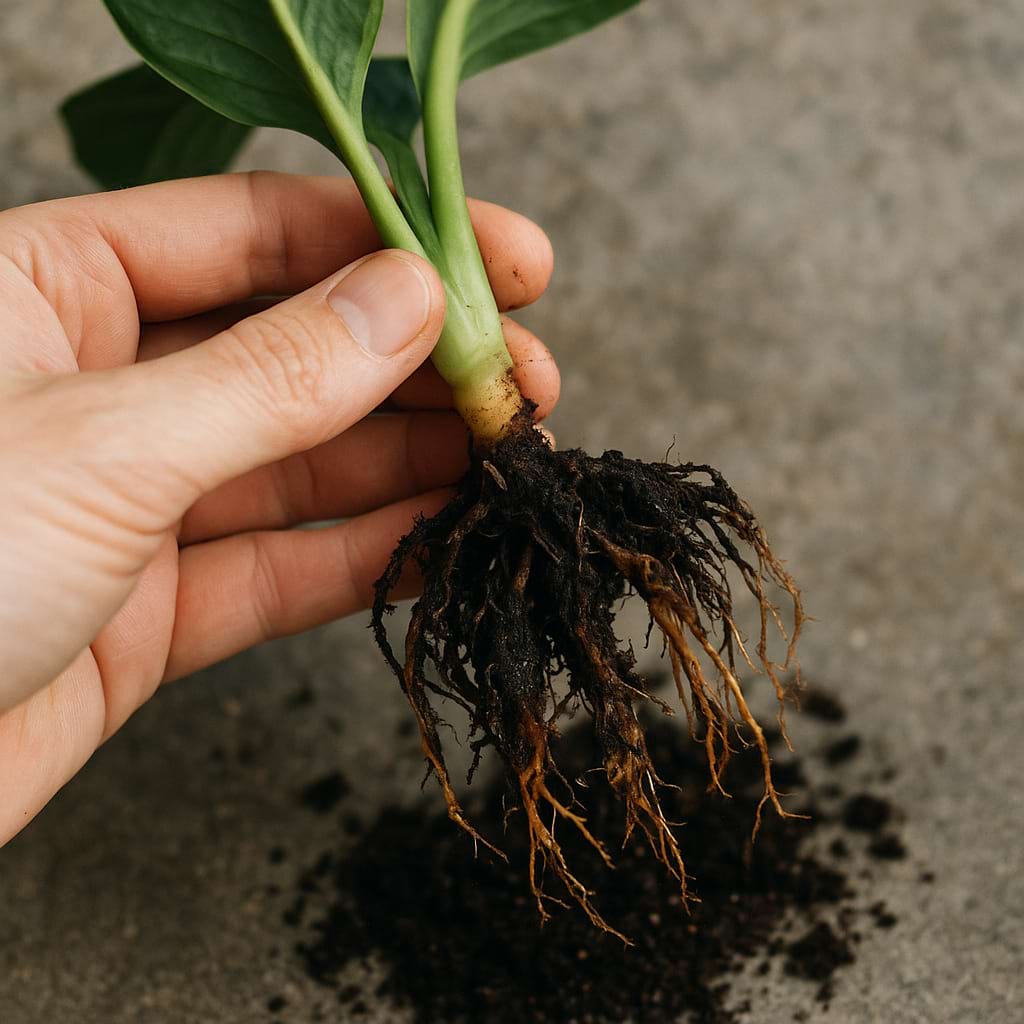
Overwatering is the more dangerous direction. Look for outer fronds going yellow at the base rather than the tip, a sour smell from the soil, and a crown that feels soft when you press gently beside it. That combination means root rot and needs an immediate repot into fresh dry mix.
🪴 Best Soil for Japanese Bird's Nest Fern (Potting Mix & Drainage)
What the Soil Needs
Remember where this plant actually lives: wedged into tree bark and rock crevices, roots half exposed to the air. It has never met dense soil. What it needs indoors is a mix that is chunky and airy, holds a little moisture in the gaps, and drains within seconds of watering. Straight bagged potting compost packs down over a few months and is the most common cause of a slow decline.
Slightly acidic is ideal, roughly pH 5.5 to 6.5, which most peat or coir-based mixes land on naturally.
DIY Soil Mix
A simple recipe that works well:
- 2 parts peat-free potting mix or coco coir, for moisture retention
- 2 parts orchid bark, for the air pockets the roots want
- 1 part perlite or pumice, for drainage
- 1 part worm castings or leaf mould, for gentle slow nutrition
Mix it dry, moisten it lightly before potting, and you should be able to squeeze a handful and have it fall apart rather than hold a ball.
Pre-Made Options
If you would rather buy, an orchid mix cut with about a third potting soil gets you close. A bagged aroid or chunky houseplant mix works straight from the bag. Avoid anything sold as moisture-retaining or water-storing, and avoid the very fine seed-starting composts. Our guide to choosing the right soil has more on reading a bag label.
🍼 Fertilizing Japanese Bird's Nest Fern (Feeding Schedule)
When and How Often
Feed once a month from early spring through late summer, and stop completely from autumn until growth restarts. This is a slow fern with a modest appetite, and it grows a handful of new fronds a year rather than a flush every few weeks, so heavy feeding does nothing useful.
What to Use
A balanced liquid houseplant fertilizer diluted to half the label strength is all it wants. Something in the range of 20-20-20 or a gentler 10-10-10 is fine. Fish emulsion and seaweed feeds suit ferns particularly well, and they are hard to overdo. Always water the plant lightly first, then feed, so the fertilizer never hits dry roots. Our fertilizing guide covers the ratios in more detail, and the fertilizer roundup compares specific products.
Over-Fertilizing Signs
Ferns are more salt-sensitive than most houseplants. Too much feed shows up as brown scorched frond tips that look like underwatering but do not improve when you water, plus a white crust on the soil surface or the pot rim. If you see that, flush the pot slowly with plain water for a minute or two and skip the next two feeds. Never let liquid fertilizer run into the crown.
🌡️ Japanese Bird's Nest Fern Temperature Range
Ideal Range
Between 60°F and 75°F (16°C to 24°C) is the comfortable band, and this fern is genuinely happier at the cooler end than most tropical houseplants. It comes from subtropical mountain forest, not steamy lowland jungle, so a room that sits around 65°F suits it beautifully.
Below about 55°F growth stalls, and prolonged exposure under 50°F causes blackened patches on the fronds. It will not survive frost, so treat any outdoor summer holiday as strictly seasonal and bring it back inside well before the first cold night.
Drafts and Heat Sources
Cold drafts are the obvious hazard: a spot beside a door that opens in winter, or a windowsill with a gap in the frame. The less obvious hazard is heat. A radiator, a heating vent, or a woodstove creates a column of hot dry air that browns frond edges within a week, even if the room temperature reads fine on a thermometer.
Sudden swings matter as much as absolutes. This plant handles a steady 62°F far better than a room that runs 78°F by day and drops to 55°F overnight.
💦 Japanese Bird's Nest Fern Humidity Requirements
Ideal Humidity
Aim for 50% to 60%. It survives at 40% but the frond edges start browning, and below that you are fighting the plant constantly. Its thick, glossy fronds hold moisture much better than a lacy fern's, which is why it copes with average rooms while a Maidenhair sulks.
Easy Humidity Boosters
A bathroom or kitchen with a window is the free option, and it is where this fern looks best anyway. Otherwise, grouping it with other plants lifts the air around it noticeably. A pebble tray helps a little. A small humidifier running near the plant is the only method that reliably shifts a whole room, and it beats misting, which does almost nothing beyond briefly wetting the fronds. Our humidity guide goes deeper.
🌸 Japanese Bird's Nest Fern Flowers (Why It Never Blooms)
It Will Never Flower, and That Is Normal
Ferns are older than flowering plants by roughly 200 million years, and they never evolved flowers, seeds, or fruit at all. So if you are waiting for your Japanese Bird's Nest Fern to bloom, you can stop. Nothing has gone wrong, and no amount of light, feeding, or patience will produce a single petal. What it does instead is arguably more interesting to look at.
The Spore Lines Underneath
Turn over a mature frond and you will find neat brown lines running out from the central midrib at an angle, like the herringbone pattern on a fish bone. Those are sori, the clusters of spore cases, and they usually appear on plants three years and older in late summer and autumn. They start pale green, ripen through tan to dark brown, and eventually release a dust of spores fine enough to drift across a room.
People panic about these constantly. They look like scale insects or a fungal disease at a glance, so it is worth learning the difference now: sori sit in a regular, evenly spaced, symmetrical pattern on both sides of the midrib. Pests and disease never arrange themselves that tidily. If it looks organised, it is spores.
What the Fuzzy Crown Is Doing
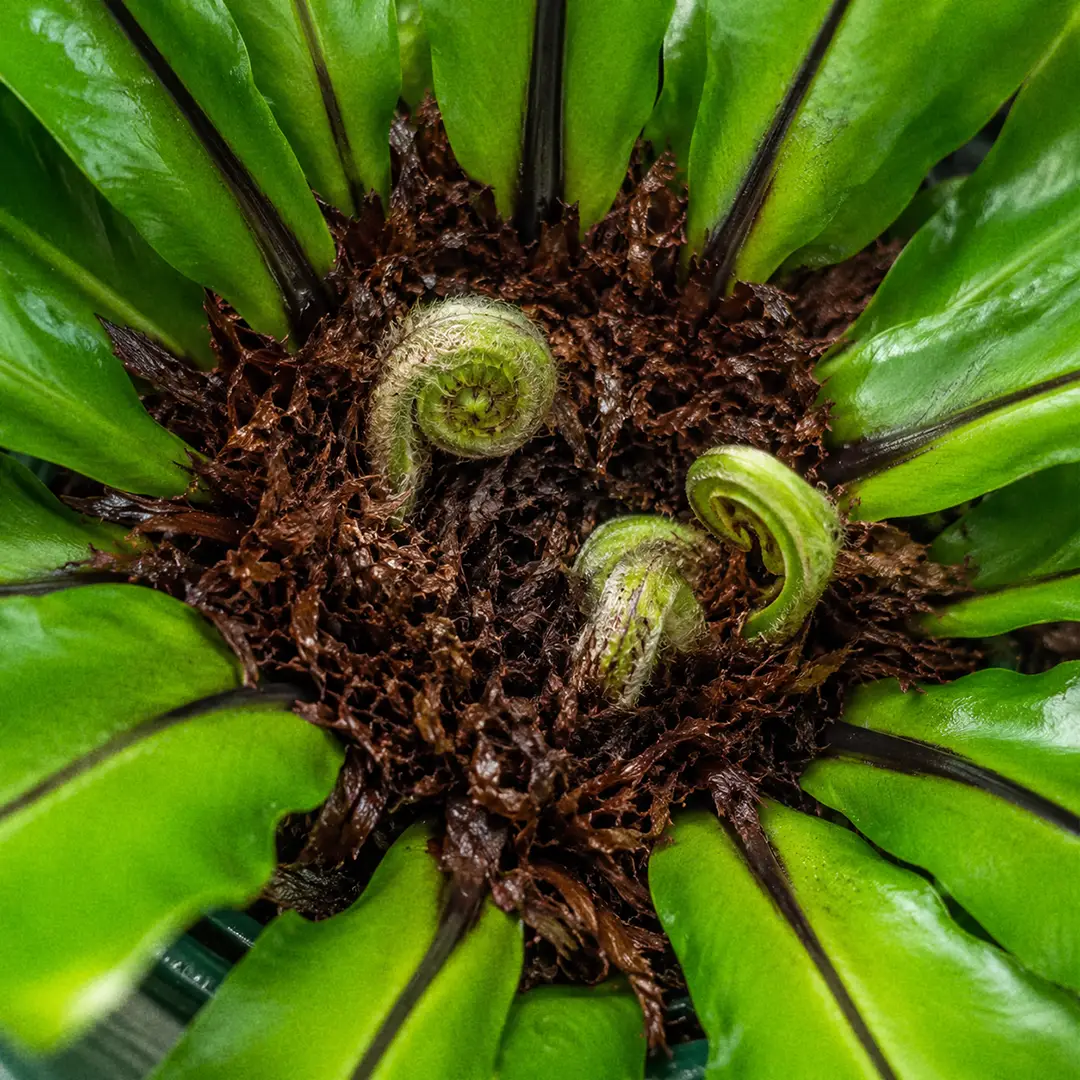
The other thing worth watching is the centre of the rosette. New fronds emerge as tight coiled fiddleheads wrapped in fine brown scales, then slowly unroll over a few weeks. That unfurling is this plant's version of a flower show, and it is why the crown must never be touched, trimmed, or watered into.
🏷️ Japanese Bird's Nest Fern Types and Varieties
'Osaka'
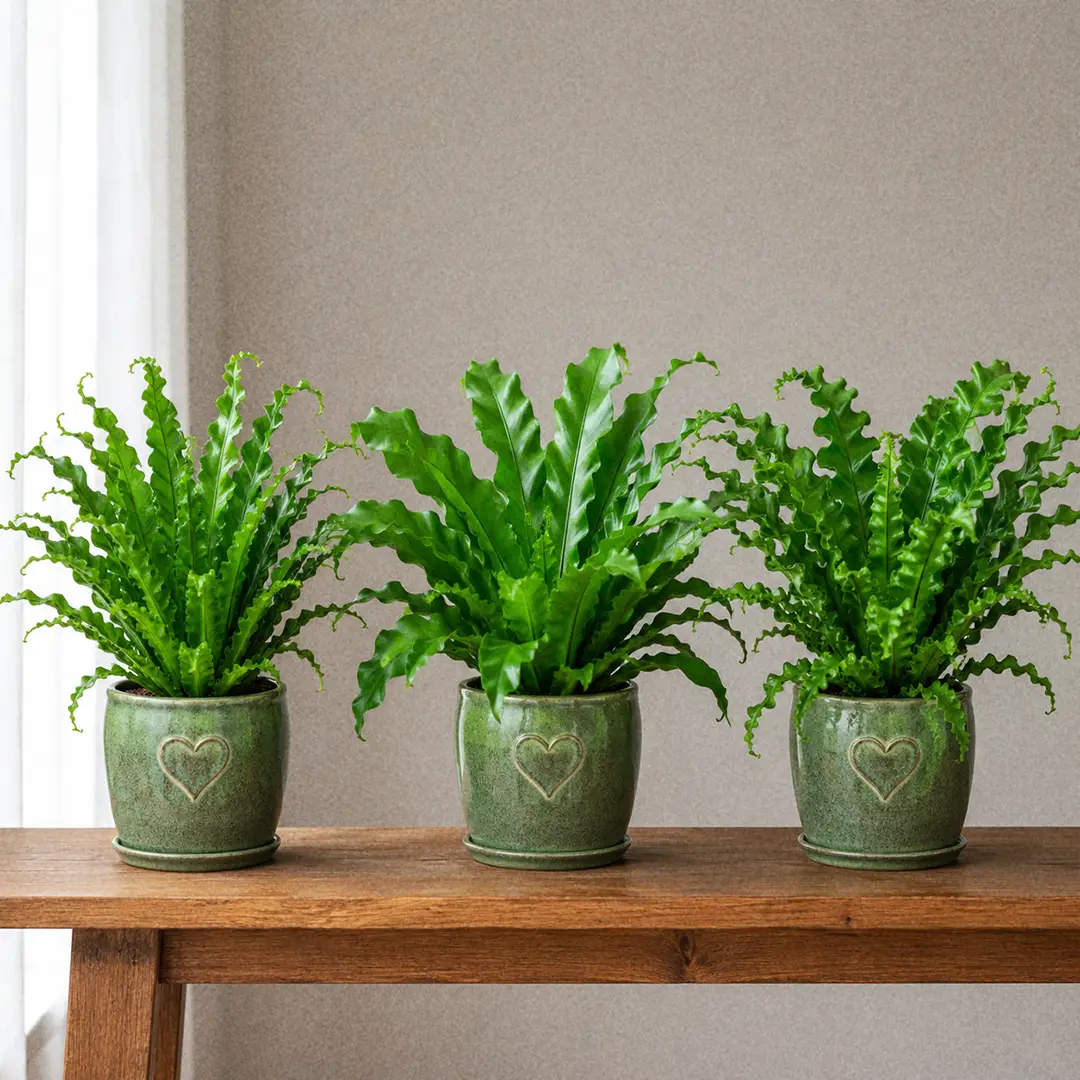
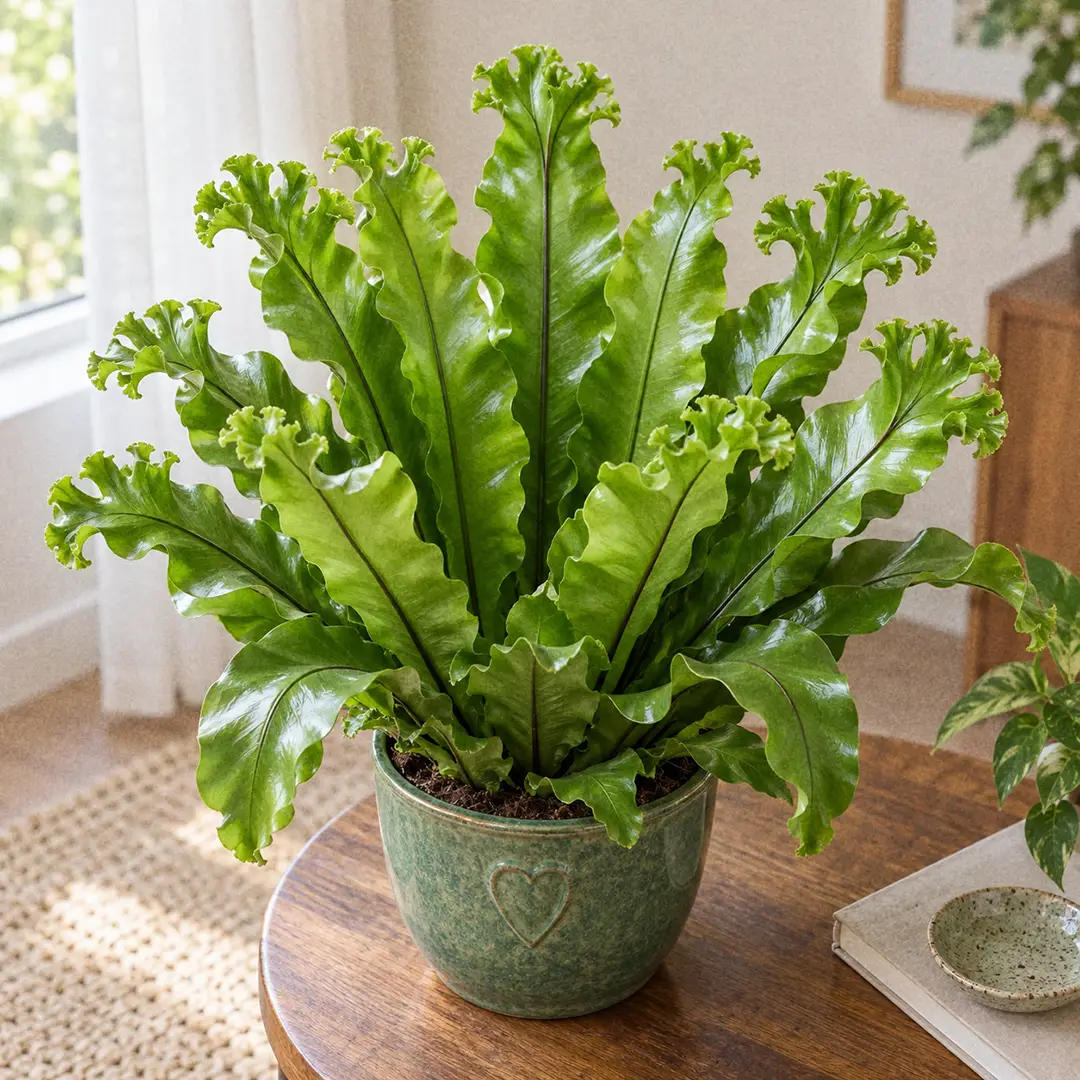
By far the most widely sold form, and probably what you brought home. 'Osaka' has narrow, strongly upright fronds with a pronounced wavy, almost pleated edge that catches the light. It stays more compact than the species, which makes it the practical choice for a shelf or a windowsill.
'Victoria'
Found as a chance seedling in a batch of Asplenium antiquum, 'Victoria' looks similar to 'Osaka' but its fronds are noticeably broader at the base before tapering to a point, and its wavy edge is softer. Growers consistently report it as the more drought-tolerant of the two, which makes it the forgiving option if you travel.
'Crispy Wave'
Heavily ruffled, deeply corrugated fronds that look almost pleated, and the one cultivar big enough to deserve a page of its own: see our Crispy Wave Fern guide. Worth knowing that this one has a naming muddle: it was patented as an Asplenium nidus selection, but it is sold under A. antiquum just as often. Care is identical either way, so buy the look you like and ignore the label argument.
'Leslie'
A compact, upright selection whose frond tips fork into frilly crests as the plant matures. It is the smallest crested form and a natural desk plant. Our Leslie Bird's Nest Fern guide covers how to bring those crests out.
How It Differs From the Common Bird's Nest Fern
Next to the more common Bird's Nest Fern (Asplenium nidus), this one is smaller, more upright, and its fronds stay roughly the same width along their length instead of bulging in the middle. The wave in the edge is sharper too. If you already grow Hart's Tongue Fern or Mother Fern, you are in the same genus and the same care habits carry over.
🪴 Potting and Repotting Japanese Bird's Nest Fern
When to Repot
Every two to three years is plenty. This is a slow grower with a small root system relative to its leaf spread, and it is perfectly content slightly snug. Repot in spring when you see roots coming out of the drainage holes, when water runs straight through without wetting anything, or when the mix has broken down into something dense and dark.
Choosing a Pot
Go one size up, no more. A pot that is too large holds wet mix around roots that cannot reach it, which is a direct path to rot. Drainage holes are non-negotiable. Terracotta suits this fern well because it breathes and dries evenly, though it does mean watering slightly more often. Our pot guide compares the materials.
Step-by-Step Repotting
- Water lightly the day before so the root ball holds together.
- Slide the plant out supporting the rosette from underneath, never by pulling on fronds.
- Tease away the old mix gently and snip off any black or mushy roots.
- Add fresh mix to the new pot, then set the plant so the crown sits at or slightly above the soil line. Burying the crown is the single most common repotting mistake with this plant.
- Fill in around the sides, firm lightly, and water around the edge.
- Keep it out of direct light for two weeks while it settles. Our repotting guide covers the aftercare.
✂️ Pruning Japanese Bird's Nest Fern
When to Prune
Only when a frond is genuinely finished. Unlike a bushy plant, this fern grows a fixed number of fronds from one crown, so every leaf you remove is a real loss of photosynthesis. Prune to tidy, never to shape.
How to Prune
Follow the browned frond down to the base of the rosette and cut it there with clean, sharp snips, taking care not to nick the neighbouring frond bases or the crown. Do not leave a stub, which rots. Old outer fronds naturally yellow and die back as the plant ages, and that steady turnover is normal rather than a problem.
Never Cut the Crown
If frond tips are brown but the rest of the leaf is healthy, you can trim just the brown edge, following the natural curve of the leaf so the cut is not an obvious flat line. What you must not do is cut into the centre of the rosette. There is one growing point in there, and removing it ends the plant. No exceptions, no recovery.
🌱 How to Propagate Japanese Bird's Nest Fern
Why You Cannot Divide It
Start here, because this is where most people waste a plant. A Japanese Bird's Nest Fern is one single rosette growing from one single crown. There is no rhizome to split, no offsets around the base, and no stem to cut. If you slice it in half hoping for two plants, you get two dead halves. Anyone telling you to divide this fern is confusing it with a Boston Fern, which genuinely does clump.
Cuttings do not work either. A detached frond has no growing point and will simply rot in water.
Spores Are the Only Route
Propagation is by spore, the way ferns have done it for a very long time. It is slow and a bit finicky, but there is nothing quite like it if you are curious about how plants work.
Step by step:
- Find a mature frond with dark brown, plump sori on the underside. Pale green sori are not ripe yet.
- Cut the frond, place it spore-side down on a sheet of white paper, and leave it somewhere still for a few days. A fine brown dust collects on the paper.
- Sterilise a shallow tray of moist peat or coir mix by pouring boiling water over it and letting it cool fully.
- Sprinkle the spores thinly across the surface. Do not bury them, since they need light.
- Cover with a clear lid or bag and keep it at around 70°F in bright indirect light.
- Keep it damp, never soaking, and wait.
Tips for Success
Patience is the entire skill. A green film like moss appears in one to three months, and those are prothalli, the fern's intermediate life stage. Actual tiny fronds follow a few months after that, and a recognisable little plant takes a year or more. Contamination is the usual failure, so sterilise the mix properly and keep the lid on. Our general propagation guide covers methods for easier plants if this feels like a lot.
🐛 Japanese Bird's Nest Fern Pests and Treatment
The good news is that the thick, glossy fronds are less inviting than soft, thin foliage, so this fern is not a pest magnet. The bad news is that ferns are sensitive to most pesticides, so treatment has to be gentler than usual.
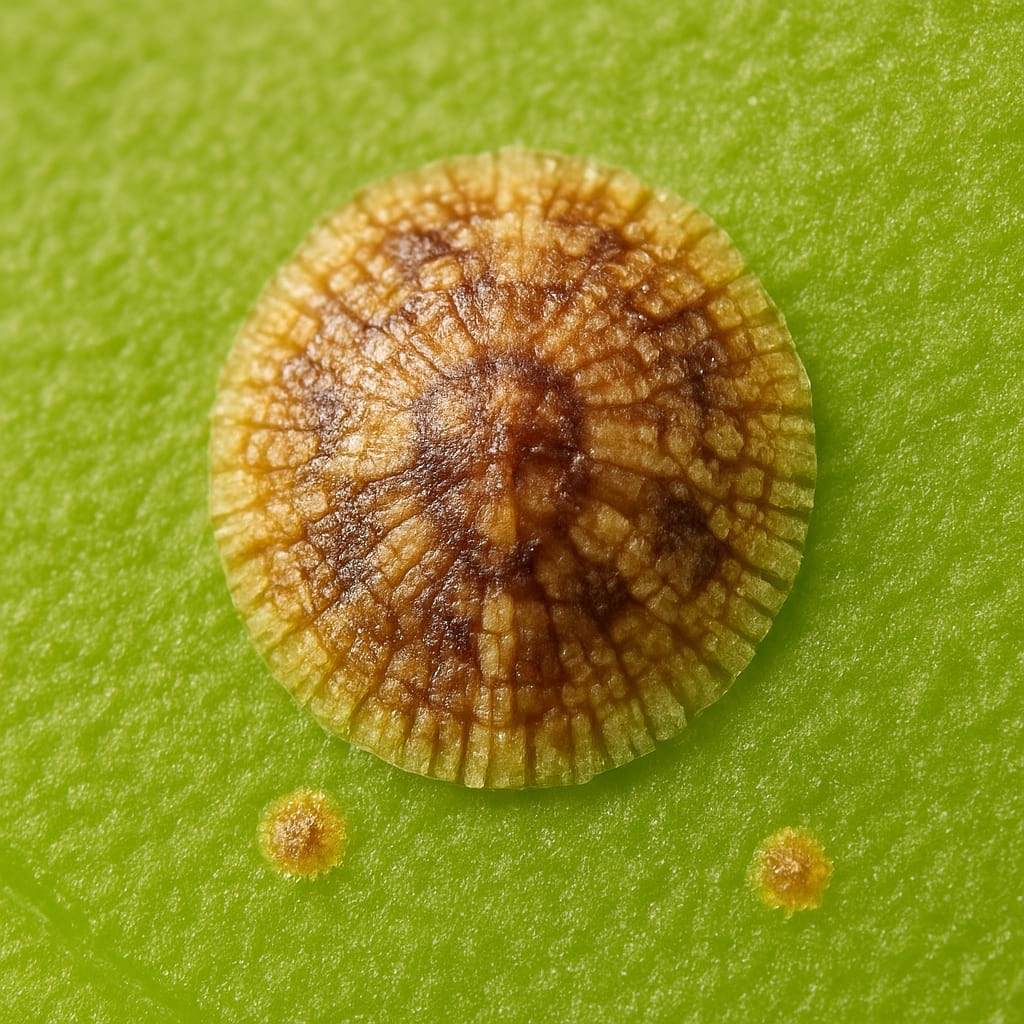
Scale insects are the one to watch. They look like small brown bumps stuck along the midrib and the frond underside, and they are the main reason people mistake sori for an infestation. Check the pattern before you panic: scale is scattered and irregular, spores are neat rows.
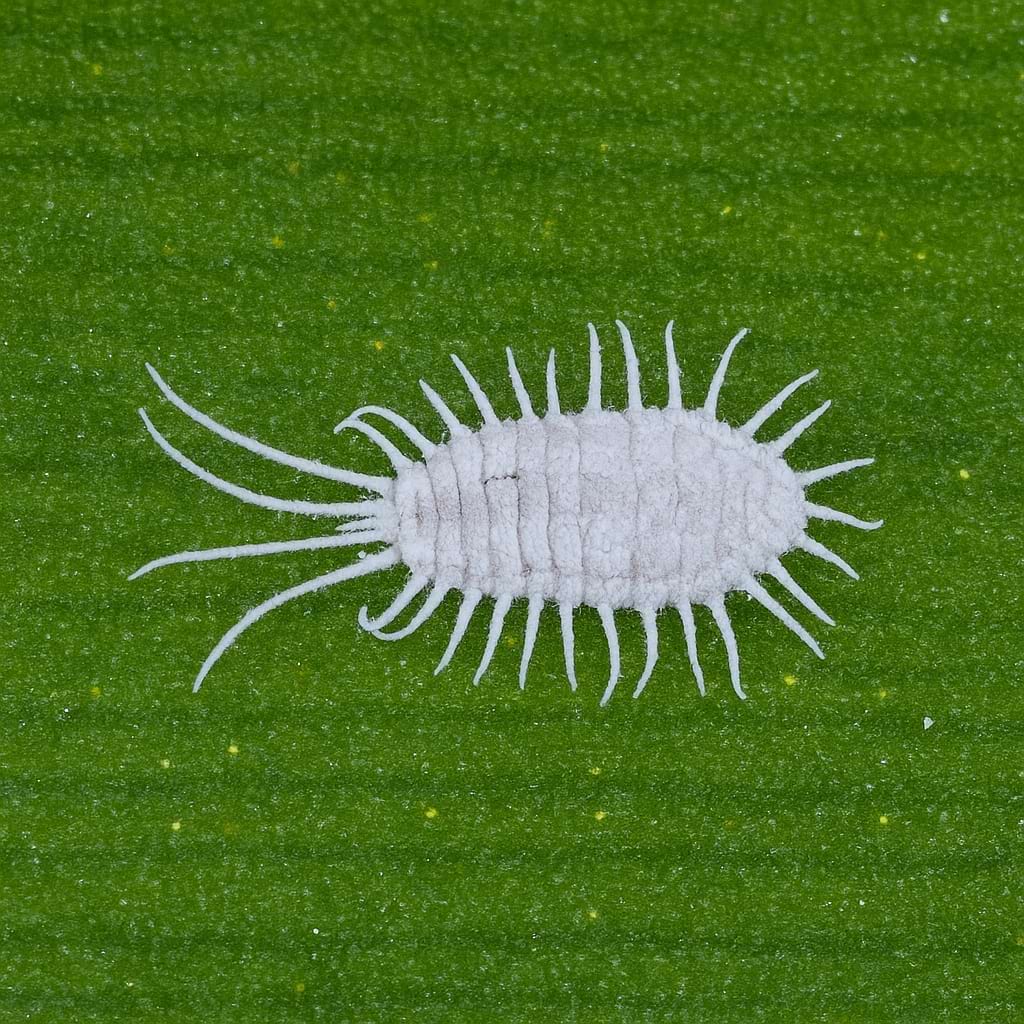
Mealybugs hide in the crown and the frond bases as white cottony fluff, which is a difficult spot to reach without soaking the growing point. Use a cotton swab dipped in diluted rubbing alcohol on each insect rather than spraying the whole plant.
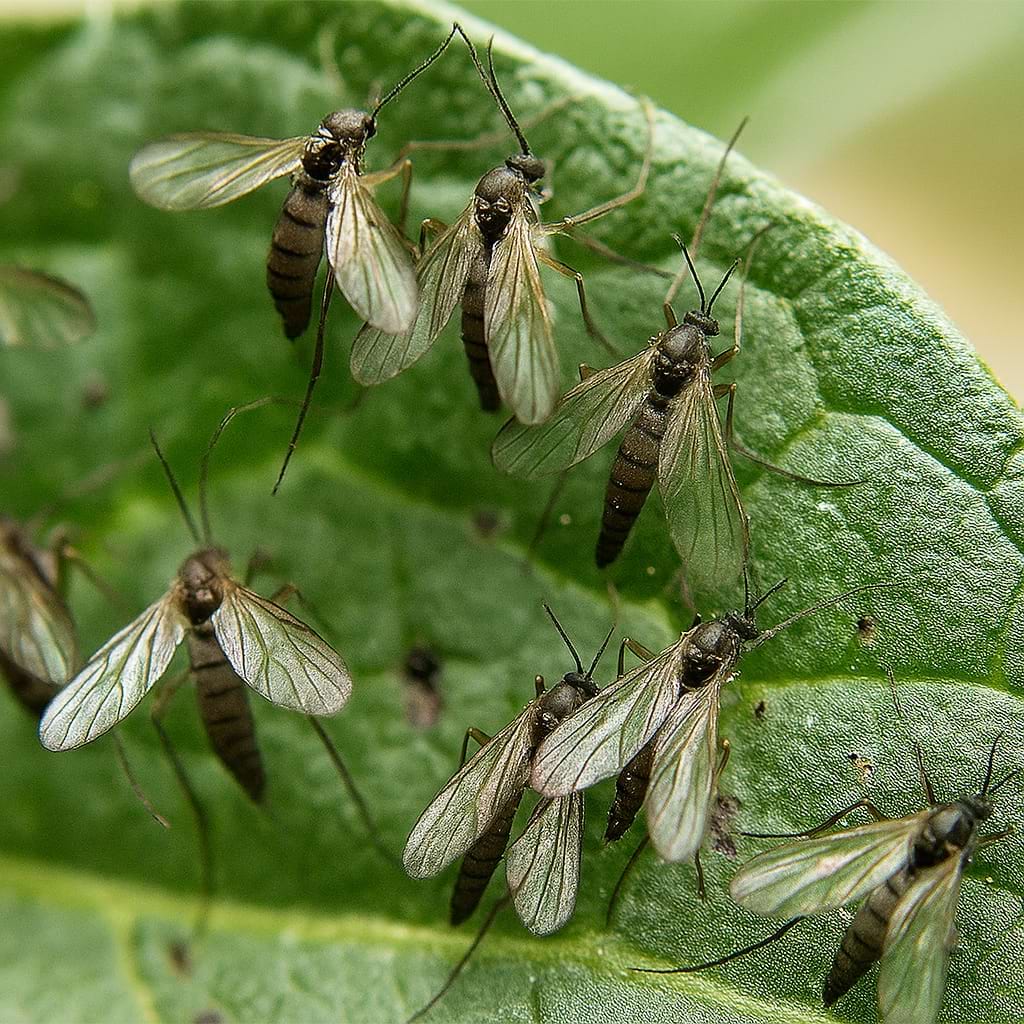
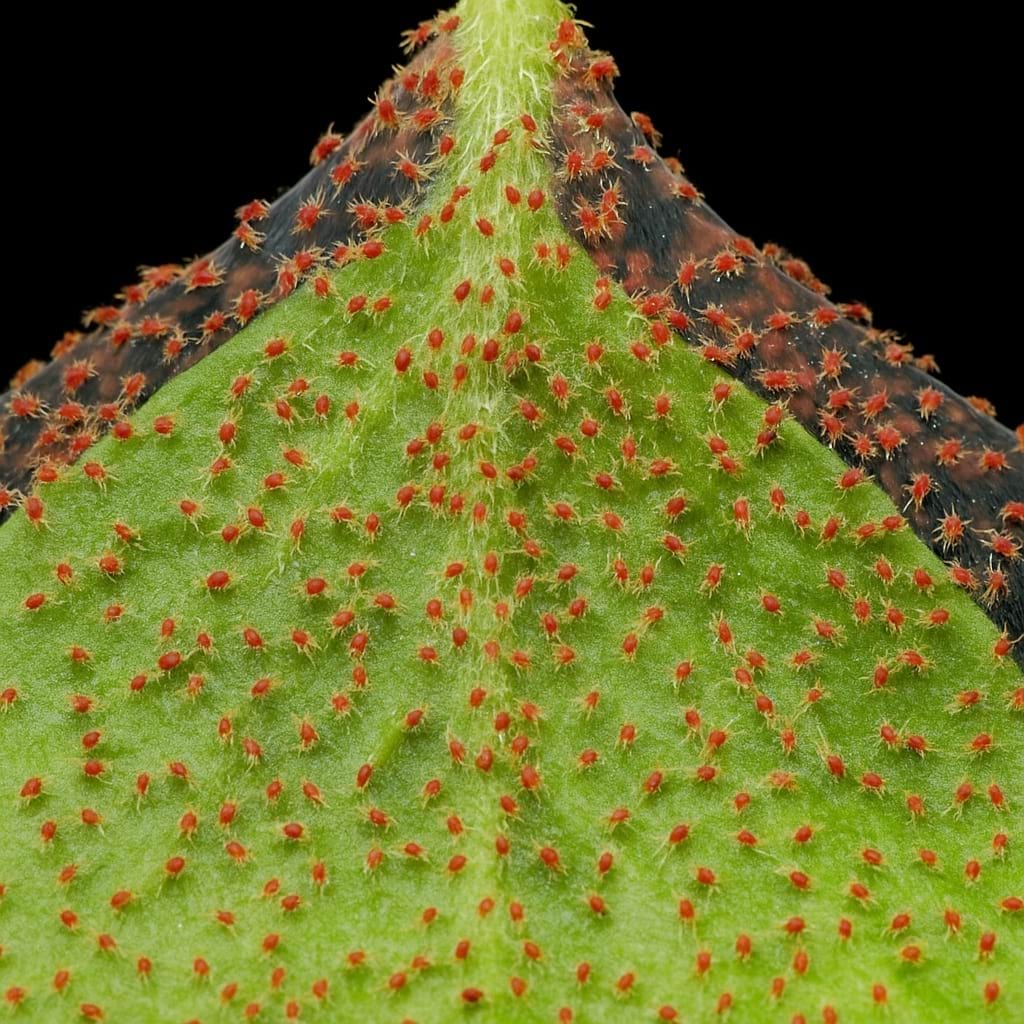
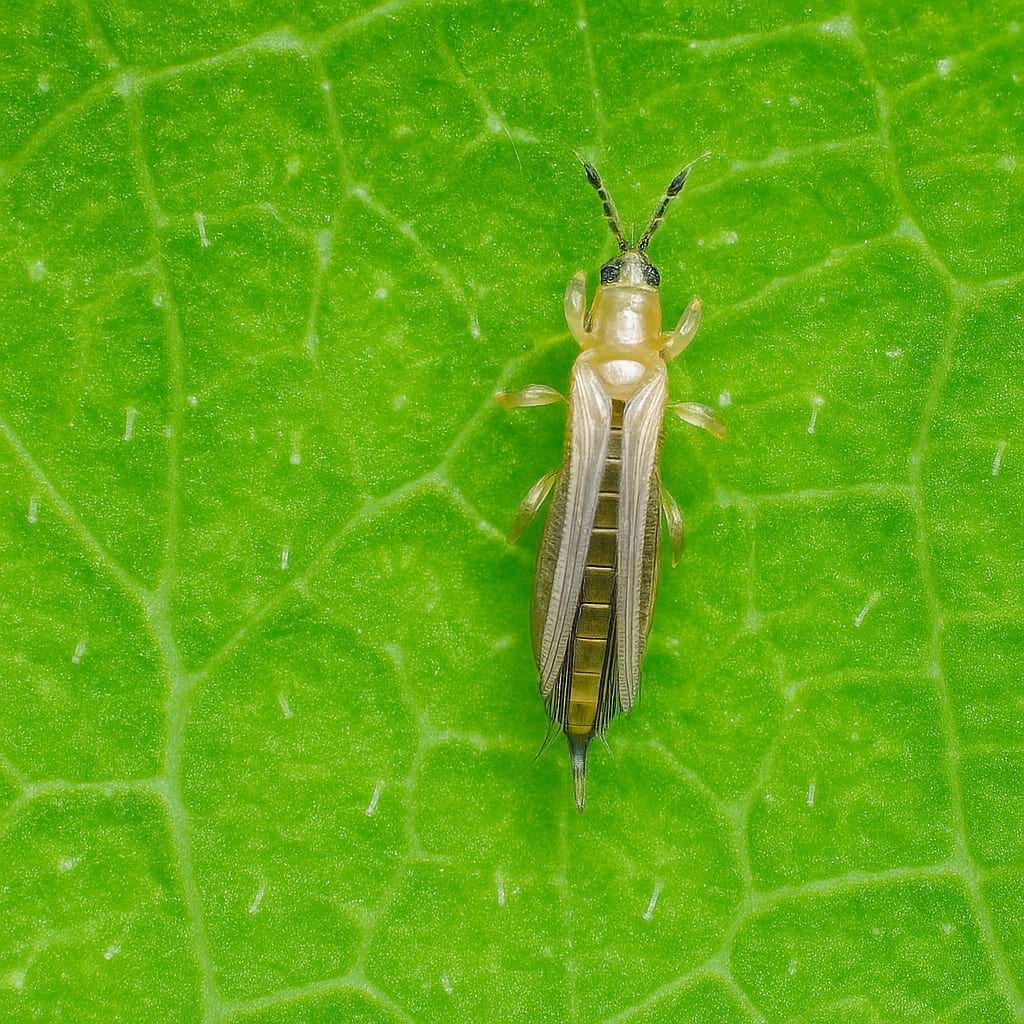
Fungus gnats turn up whenever the mix stays damp too long, which is a hint about your watering rather than a real threat. Spider mites appear in dry heat and show as fine speckling with webbing between fronds. Thrips leave silvery streaks and are worth catching early.
Insecticidal soap works, but always test it on one frond first and wait 48 hours. Never use neem oil at full strength on ferns, and never apply anything in direct sun.
🩺 Common Japanese Bird's Nest Fern Problems
Most trouble with this plant traces back to one of three things: water in the crown, air that is too dry, or soil that stays too wet.
Brown crispy edges are the single most common complaint and almost always mean humidity is too low, though fertilizer salt buildup and a nearby heat source produce the same look. Check the easy causes before you buy a humidifier.
Crown rot is the serious one. A dark, soft, watermarked centre with an unpleasant smell means water sat in the rosette. It is usually fatal once it starts, which is why the watering technique matters so much. Root rot comes from soggy mix and shows as yellowing at the frond bases with mushy brown roots underneath.
Yellowing leaves on the outer ring only is just normal ageing. Yellowing across the whole plant at once points to overwatering or, less often, a nutrient shortfall after several years in the same tired mix.
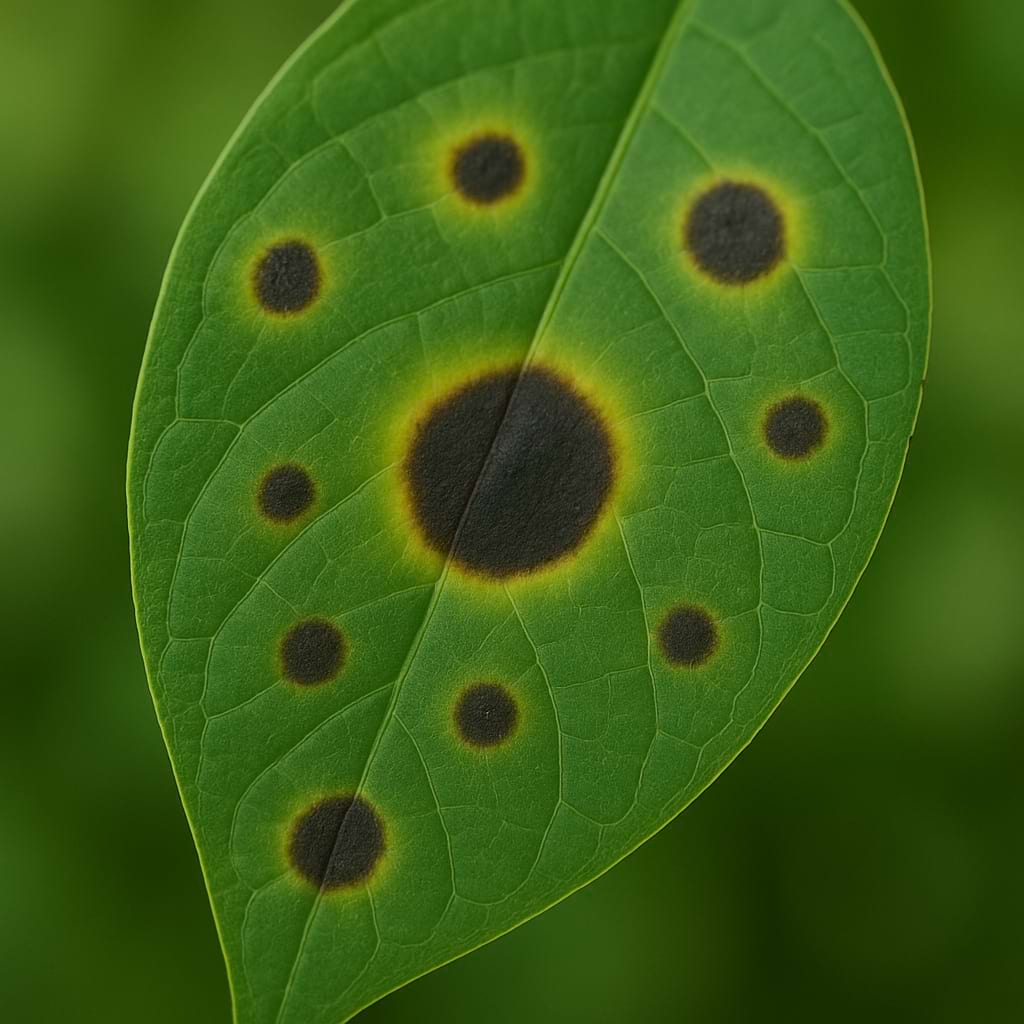
Brown or black spots with a yellow halo suggest bacterial leaf spot, which spreads on wet fronds. Remove the affected leaf, improve airflow, and keep the foliage dry. Pale faded fronds mean too much light, and curling points to underwatering or heat stress.

🖼️ Japanese Bird's Nest Fern Display and Styling Ideas
Show the Bowl
The rosette is a shallow cup, and the whole shape only reads properly when you can see into it. Put this fern at or slightly below eye level: a low plant stand, a coffee table, a stool, a bathroom shelf you look down onto. On a high shelf you see the underside of the fronds and lose the sculpture entirely.
Grouped Arrangements
The solid, undivided fronds make it an anchor plant among finer textures. It sits well beside the lacy foliage of an Austral Gem Fern or the ridged, textured leaves of a Crocodile Fern, and it holds its own next to a trailing plant spilling from above. A grouped fern corner also raises local humidity for everything in it.
Where Not to Put It
Not on a sunny south windowsill, not directly above a radiator, and not in the path of a door that opens to cold outside air in winter. Bathrooms with a window are the standout spot: warm, humid, softly lit, and exactly the conditions this fern grew up in.
🌟 Japanese Bird's Nest Fern Pro Care Tips
- Water the rim, never the middle. If you remember one thing from this guide, make it this one.
- Rotate the pot a quarter turn every time you water so the rosette stays symmetrical instead of leaning toward the window.
- Support fronds from below when you dust them. They crease permanently if you bend them backward, and the crease never fades.
- Do not repot a struggling plant into a bigger pot. Nine times out of ten the problem is too much water, and a bigger pot makes that worse.
- Learn the sori pattern early. It saves you from treating a perfectly healthy fern for a pest it does not have.
- Give it a cool winter. Slightly cooler and drier from November to February suits it, and pushing growth through low light just produces weak fronds.
- Buy the plant with the best crown, not the biggest fronds. Fronds are what it has already grown, the crown is what it will grow.
❓ Frequently Asked Questions
Why are the edges of my Japanese Bird's Nest Fern turning brown and crispy?
Nearly always low humidity, particularly in winter when heating dries the air. Get the room to 50% or above with a humidifier or by moving the plant to a bathroom. If humidity is already fine, check for fertilizer salt buildup on the soil surface and for a heat source blowing on the plant.
Are Japanese Bird's Nest Ferns safe for cats and dogs?
Yes. Asplenium ferns are non-toxic to cats and dogs, and this one is a safe pick for a home with pets or small children. Do not confuse it with the Asparagus Fern, which is not a true fern and is genuinely toxic.
What are the brown lines on the back of the fronds?
Those are sori, the spore clusters, and they are a sign of a mature, healthy plant. They run in neat symmetrical rows out from the midrib. If the brown marks are irregular and scattered instead, look more closely for scale insects.
Can I divide my Japanese Bird's Nest Fern into two plants?
No. It grows as one rosette from one crown with no rhizome or offsets, so cutting it apart kills it. Spores are the only way to propagate this fern.
Why is the centre of my fern going brown and soft?
Water has sat in the crown. It is the one mistake this plant does not forgive, and once the growing point rots the plant rarely recovers. Water around the edge of the pot from now on, or switch to bottom watering.
How often should I water it?
When the top inch of mix is dry, which is roughly weekly in summer and every 10 to 12 days in winter. Check by finger rather than by calendar, because pot size, room temperature and light all shift the timing.
Will it grow in a room with no window?
Not for long. It handles lower light than most ferns but it still needs some. A windowless room needs a grow light on a timer for six to eight hours a day, otherwise the plant slowly runs down over a year or two.
How big does it get indoors?
Around 16 to 32 inches tall and roughly as wide, and it takes several years to get there. 'Osaka' stays at the smaller end. Outdoors in a frost-free climate it grows considerably larger.
Should I mist my fern?
Misting looks helpful and does very little. The humidity boost lasts minutes, and repeated wet fronds encourage bacterial leaf spot. A humidifier, a pebble tray, or a humid room all work better.
My fern has stopped growing. Is something wrong?
Probably not. It is a slow plant that produces only a few new fronds a year, and growth pauses through winter entirely. If nothing new has appeared through a full spring and summer, look at light first, then check whether it has outgrown its pot.
ℹ️ Japanese Bird's Nest Fern Info
Care and Maintenance
🪴 Soil Type and pH: Loose, airy, bark-based epiphytic mix
💧 Humidity and Misting: Prefers 50-60% humidity and shows dry air first as brown, crispy frond edges.
✂️ Pruning: Cut only fully browned outer fronds at the base, and never trim the crown or unfurling leaves.
🧼 Cleaning: Wipe the glossy fronds with a soft damp cloth every few weeks, supporting each leaf from below so it does not crease.
🌱 Repotting: Repot every 2-3 years in spring into a pot one size up, keeping the crown sitting proud of the soil line.
🔄 Repotting Frequency: Every 2-3 years
❄️ Seasonal Changes in Care: Steady watering and monthly feeding from spring through summer, then less water and no fertilizer through a cooler winter rest.
Growing Characteristics
💥 Growth Speed: Slow to moderate
🔄 Life Cycle: Evergreen epiphytic perennial fern
💥 Bloom Time: Never flowers. Instead it produces brown spore lines (sori) on the underside of mature fronds, usually in late summer and autumn.
🌡️ Hardiness Zones: 9-11
🗺️ Native Area: Southern Japan, South Korea, Taiwan and southeast China, growing on cliff faces and tree trunks in humid forest
🚘 Hibernation: No true dormancy, but growth slows noticeably below 60°F and watering should be reduced to match.
Propagation and Health
📍 Suitable Locations: North and east windows, bright bathrooms, shaded kitchen counters, plant shelves set back from glass
🪴 Propagation Methods: Spores only. This fern grows as a single rosette and cannot be divided.
🐛 Common Pests: Scale Insects, Mealybugs, Fungus Gnats, Spider Mites, Thrips
🦠 Possible Diseases: Crown rot, root rot, bacterial leaf spot, fungal leaf blotch
Plant Details
🌿 Plant Type: Rosette-forming epiphytic fern
🍃 Foliage Type: Evergreen, glossy, undivided strap-shaped fronds with wavy edges
🎨 Color of Leaves: Bright apple green with a dark brown to black midrib
🌸 Flower Color: None. Ferns do not flower.
🌼 Blooming: No. Reproduces by spores rather than flowers or seeds.
🍽️ Edibility: Young unfurling fronds of some bird's nest ferns are eaten as a cooked vegetable in parts of Asia, but this plant is grown ornamentally and is not sold as food.
📏 Mature Size: 16-32 inches indoors
Additional Info
🌻 General Benefits: Pet-safe, tolerant of lower light than most ferns, sculptural single-rosette shape, and far less fussy than a Maidenhair
💊 Medical Properties: No documented medicinal uses.
🧿 Feng Shui: The upward, cupped rosette is read as a collector of good energy, which makes it a popular choice for hallways and entryways.
⭐ Zodiac Sign Compatibility: Cancer
🌈 Symbolism or Folklore: Shelter, quiet growth, new beginnings unfurling from the centre
📝 Interesting Facts: In the wild this fern grows in the crooks of tree branches and uses its cupped rosette as a basket, catching falling leaves and debris that rot down into its own private compost supply. Its Japanese name, tani-watari, means roughly "valley crosser", after the way colonies spread across shaded ravine walls.
Buying and Usage
🛒 What to Look for When Buying: Look into the centre of the rosette first. You want a clean, firm crown with small pale fiddleheads coiled at the base. Skip any plant with a dark, soft, or watermarked centre, and skip plants whose outer fronds are already brown all the way round.
🪴 Other Uses: Shade-garden specimen in frost-free climates, mounted epiphyte display, large terrarium centrepiece, and a long-lasting cut foliage green.
Decoration and Styling
🖼️ Display Ideas: Bathroom shelves, north-facing windowsills, low plant stands, grouped fern corners, mounted on bark or cork
🧵 Styling Tips: The rosette is a bowl, so it reads best viewed slightly from above. Put it on a low stand or a coffee table rather than a high shelf where you only see the underside.
🪴 See also 🪴
Complete Guide to Leslie Bird's Nest Fern Care and Growth
Complete Guide to Superbum Staghorn Fern Care and Growth
Complete Guide to Austral Gem Fern Care and Growth
Complete Guide to Crispy Wave Fern Care and Growth
Complete Guide to Button Fern Care and Growth
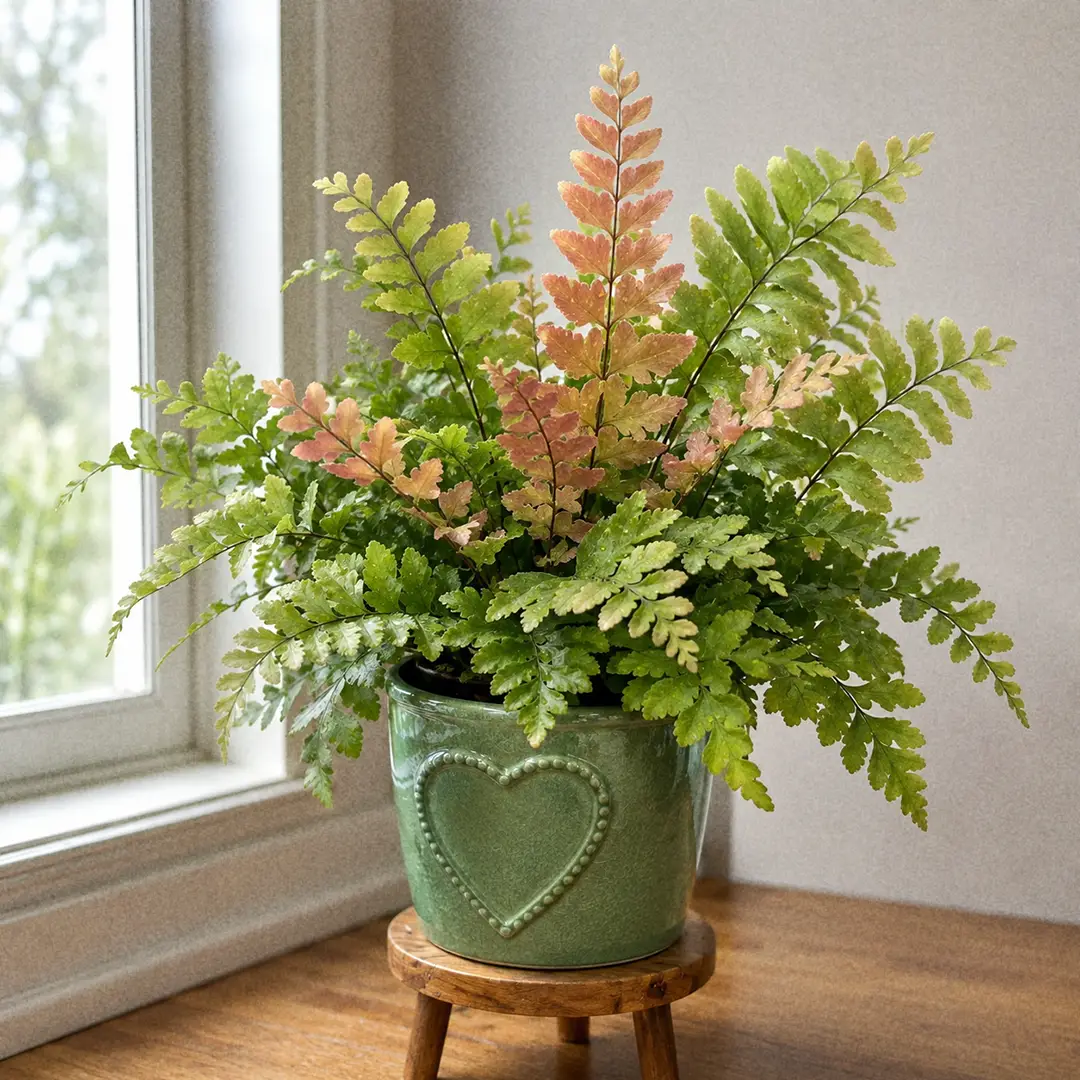
Complete Guide to Mahogany Fern Care and Growth
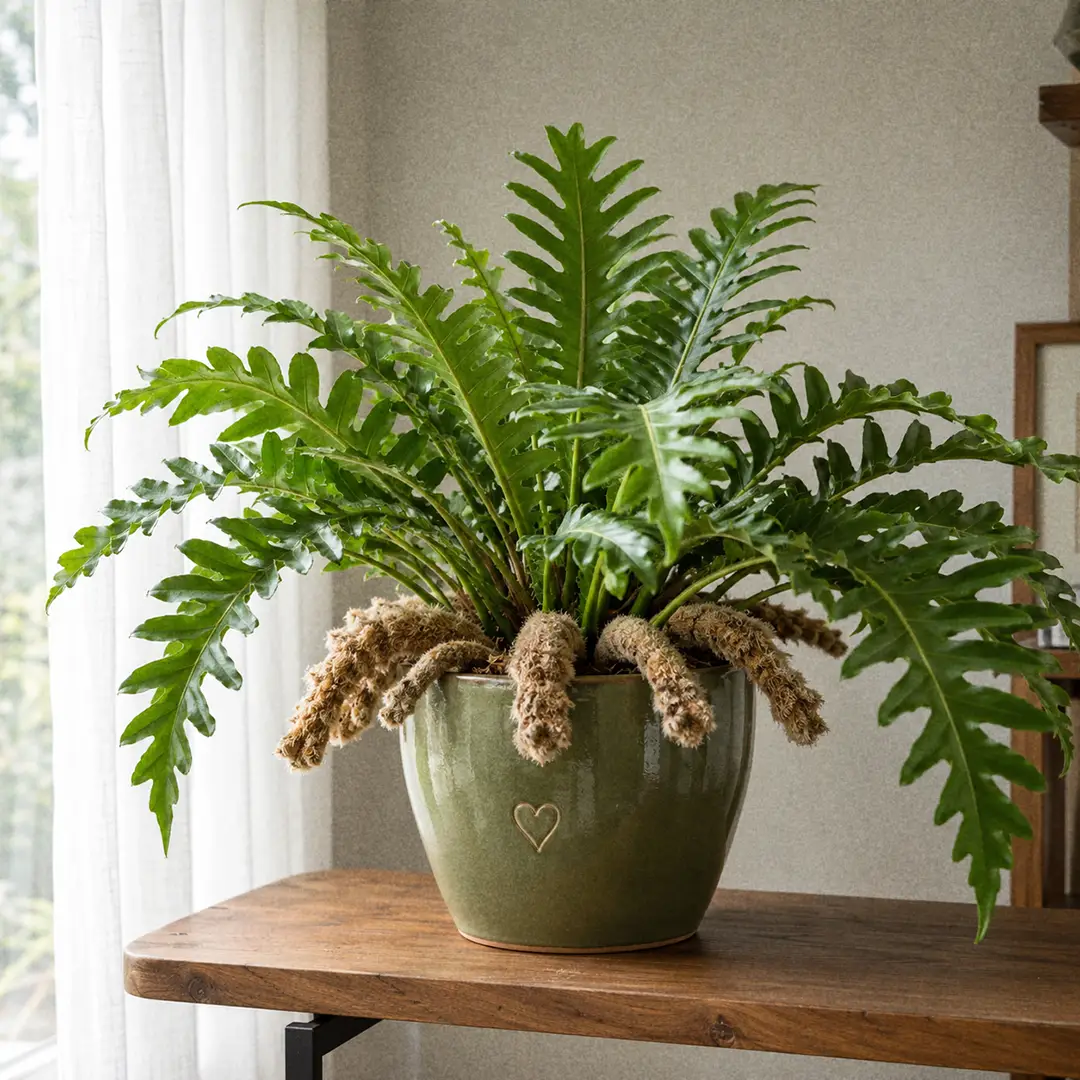
Complete Guide to Bear's Paw Fern Care and Growth
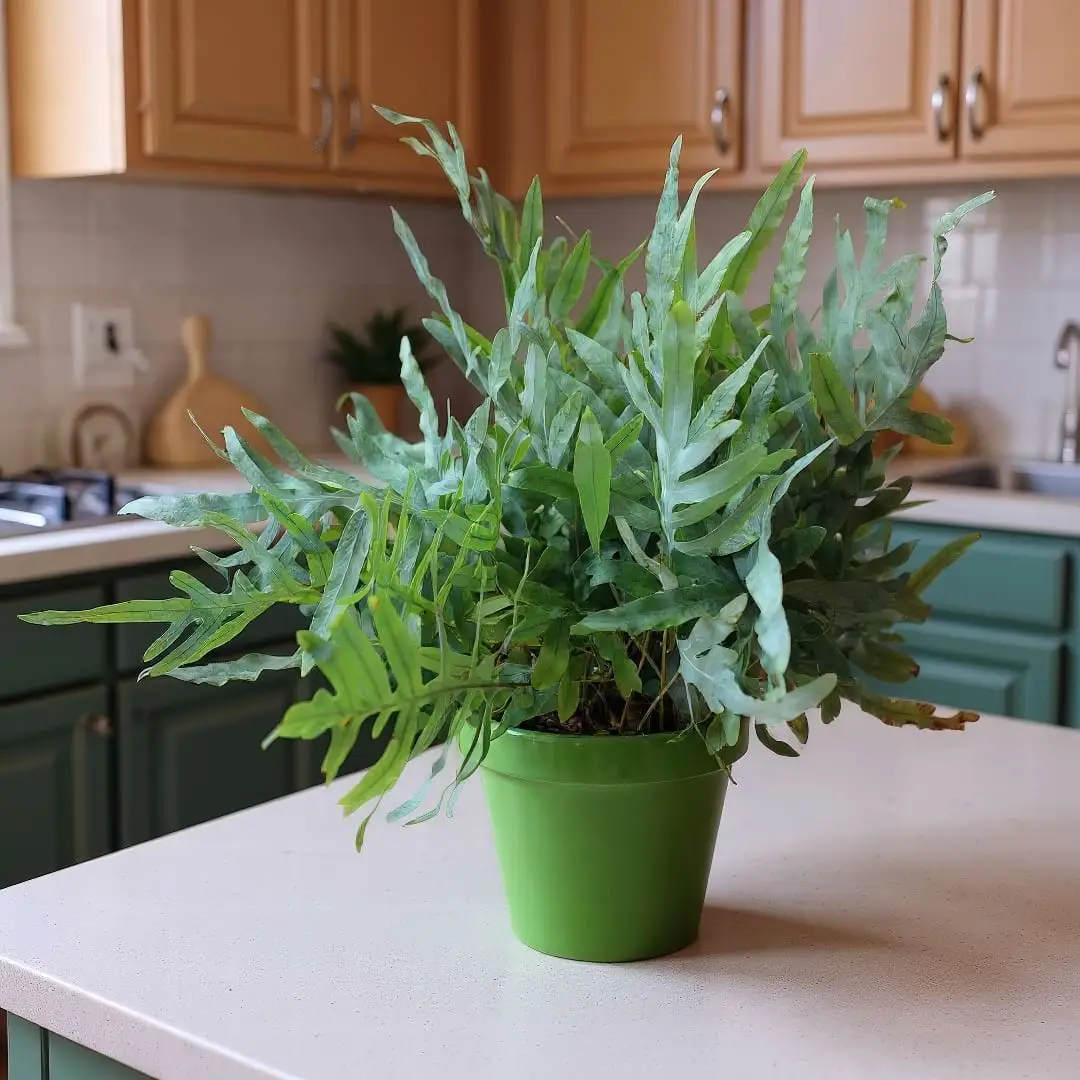
Complete Guide to Blue Star Fern Care and Growth
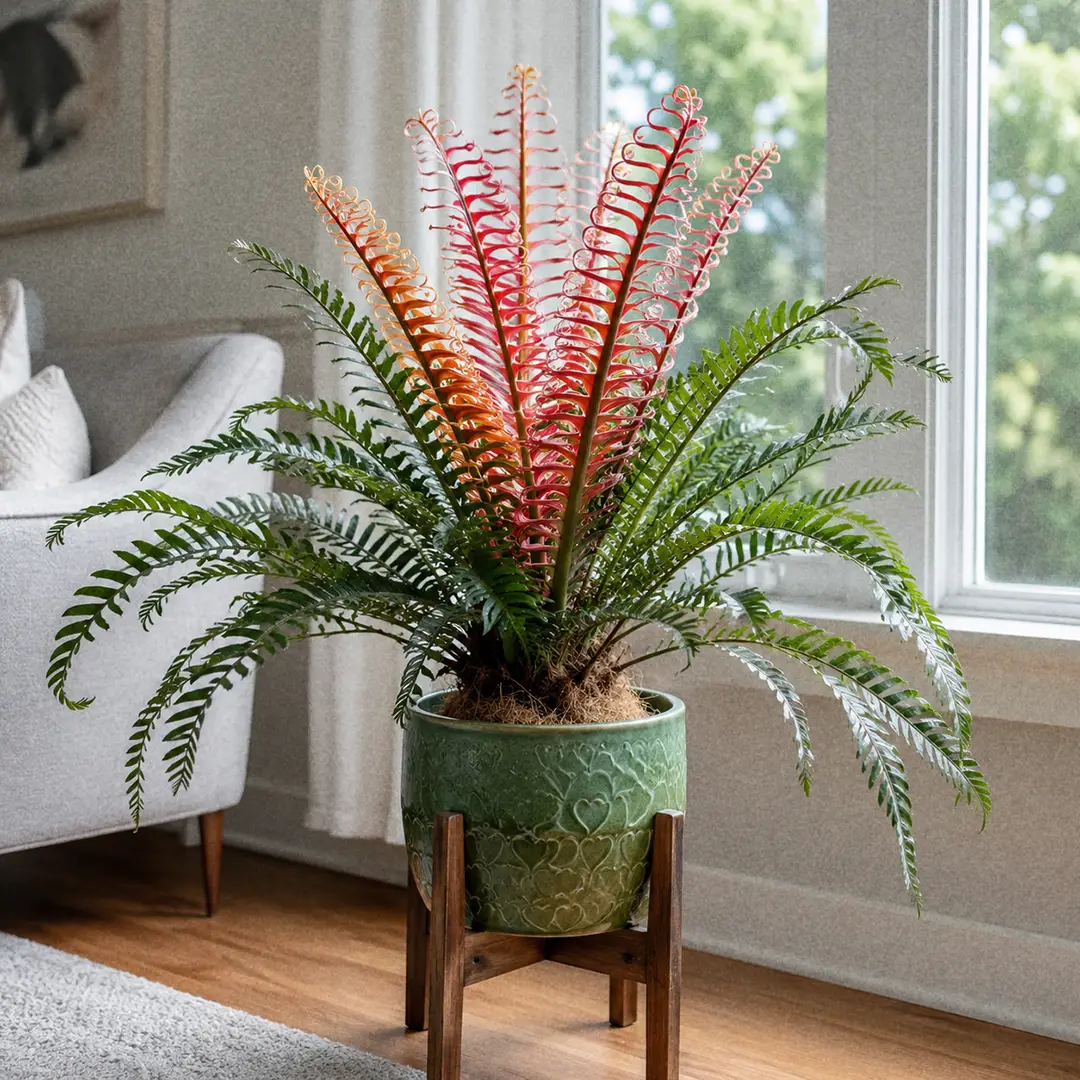
Complete Guide to Volcano Fern Care and Growth
Complete Guide to White Rabbit's Foot Fern Care and Growth

Houseplant101 Forum
Questions & Comments
Ask a question, share your plant experience, or help other plant owners.
Comments are temporarily unavailable.
Open the Houseplant101 ForumNo comments yet
Be the first to ask a question or share your experience about this page.
Log in or create an account
Comments use your Houseplant101 Forum account, but you can stay on this page.
Create a new account