
Hand Fern
Doryopteris pedata
Digit Fern, Hemionitis doryopteris


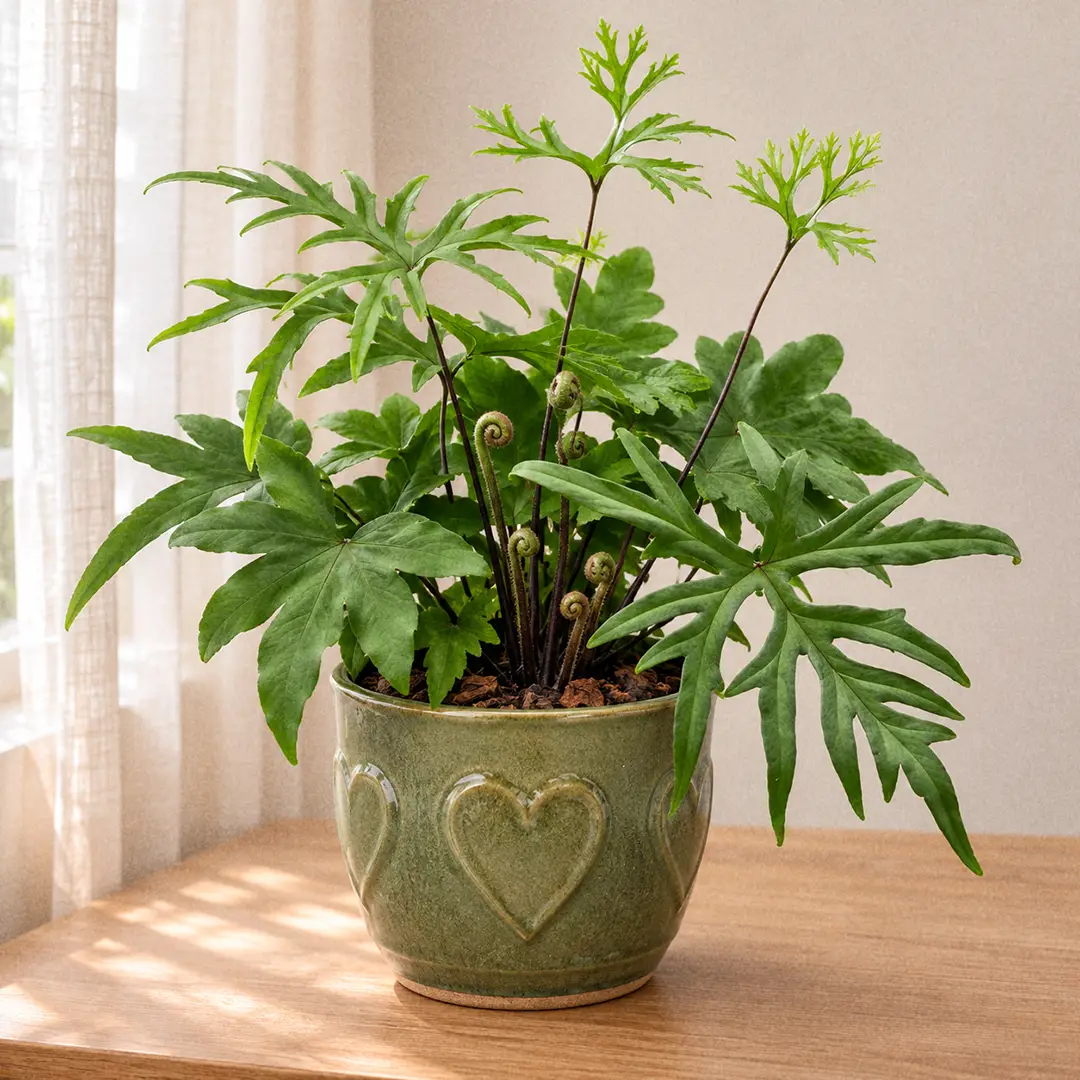
Hand Fern (Doryopteris pedata) is a small Caribbean and tropical American fern with deep green, finger-lobed fronds on shiny near-black stalks. Learn the light, watering, and humidity it needs, how to tell its two frond types apart, and how to keep it happy in a pot or terrarium.
📝 Hand Fern Care Notes
🌿 Care Instructions
⚠️ Common Pests
📊 Growth Information
🪴 In This Guide 🪴

☀️ Hand Fern Light Requirements (Bright, Filtered)
The Sweet Spot
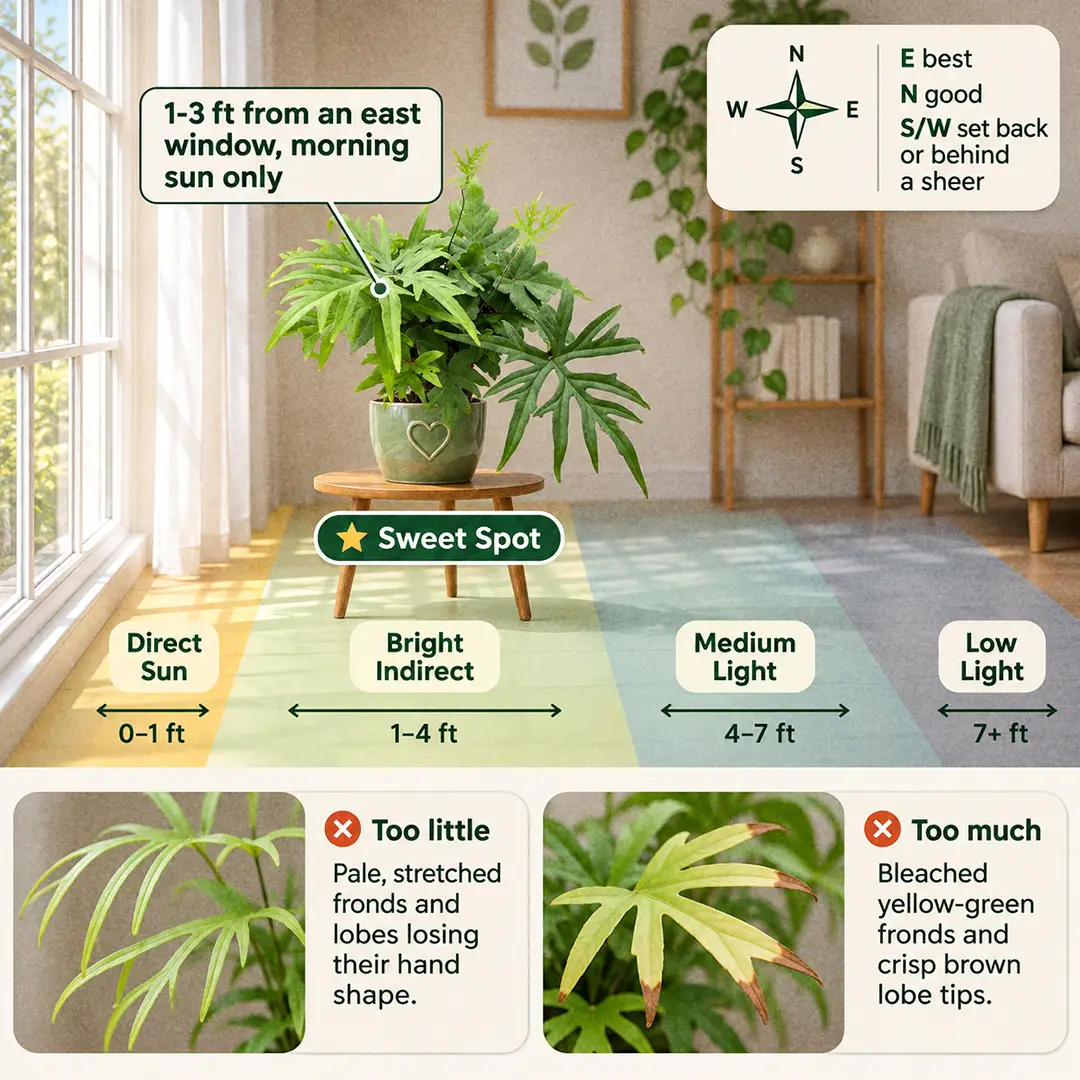
Hand Fern grows in bright, broken light in the wild, on rocky slopes and banks in the Caribbean and tropical America. Indoors that means bright filtered light without hot sun on the fronds. The easiest spot is 1-3 feet from an east window, where it gets an hour or two of soft morning sun. A bright north window works too. Near a south or west window, set it 3-5 feet back or behind a sheer curtain.
A good test: at midday you should be able to read a book there comfortably without a lamp. Our Indoor Lighting Guide explains how to judge light by eye if you are unsure.
Too Little Light
In a dim corner the stalks stretch, new fronds come in smaller and paler, and the lobes lose their crisp hand shape. Growth also slows to a crawl, which makes the pot stay wet longer and raises the risk of rot. A small LED grow light 8-12 inches above the plant on a 12-hour timer fixes this, and it is the standard setup for a terrarium on a shelf.
Too Much Light
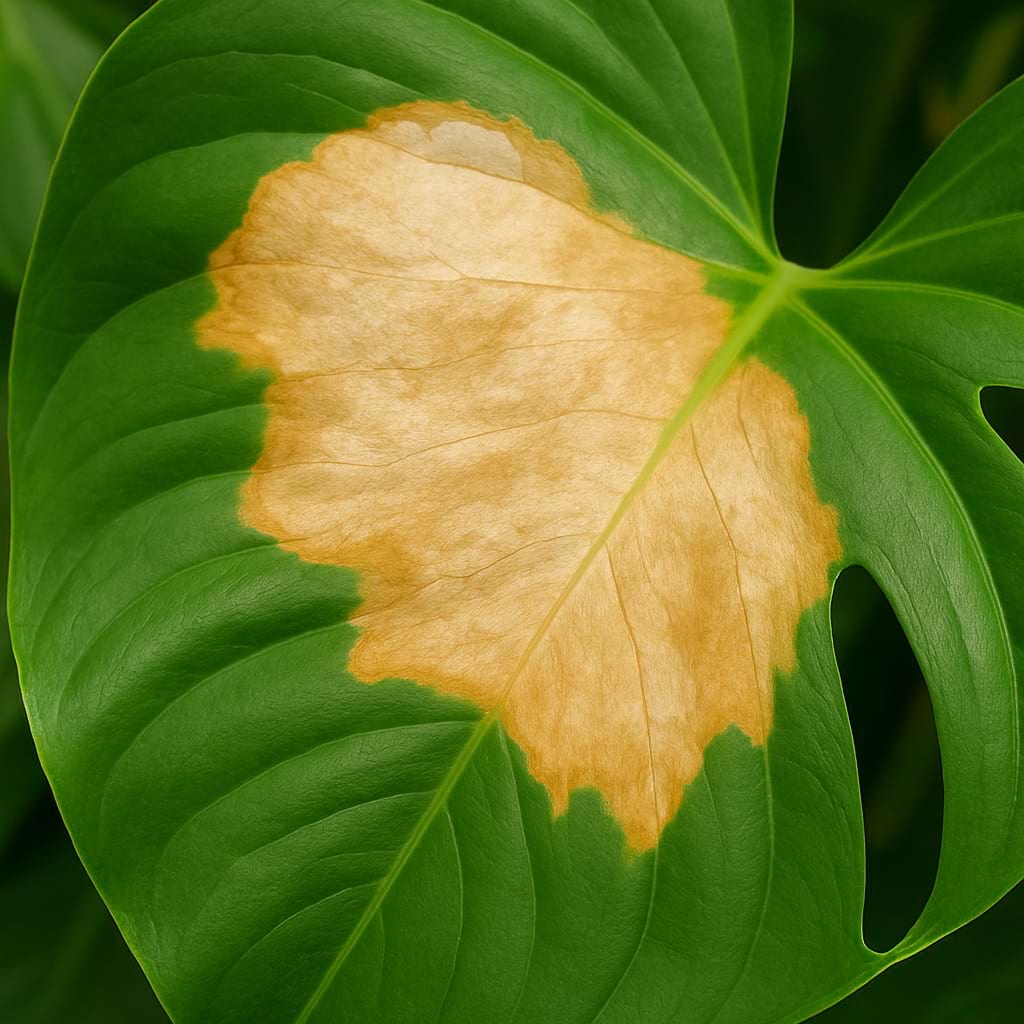
Direct afternoon sun through glass bleaches the fronds to a washed-out yellow-green and then crisps the lobe tips brown. That is sunburn, and scorched patches do not turn green again. Glass terrariums need extra care here, since even an hour of direct sun can cook the air inside.
💧 Hand Fern Watering Guide (Evenly Moist)
Watering Frequency
Nurseries that grow Hand Fern agree on one thing: even moisture. The mix should feel like a wrung-out sponge most of the time, never soggy and never dusty. In practice that means watering when the very top of the mix starts to feel dry to the touch, which in a 4-inch pot on a bright windowsill is often every 3-5 days in summer and about weekly in winter.
There is one wrinkle worth knowing. The Mexican and Andean form of this species has been recorded on dry, rocky slopes, and the genus includes several ferns from dry rock faces. So Hand Fern is not as touchy about a slightly dry surface as a Maidenhair Fern. It still is not a plant to forget for two weeks. A pot that dries out completely costs you fronds.
How to Water
Pour water onto the mix around the clump, not over the fronds, until a little runs out of the drainage hole. Empty the saucer within a few minutes. Small pots are easy to bottom water: stand the pot in an inch of room-temperature water for 10 minutes, then let it drain. A moisture meter helps in 4-inch pots and up, but in tiny pots your finger is more reliable. Our Watering Guide covers the basics.
Signs of Trouble
Underwatered, the fronds go limp and slightly cupped, then the lobe tips brown and the oldest fronds yellow and crisp. Water straight away and the soft fronds usually perk up within a day, though crisped ones stay crisp.
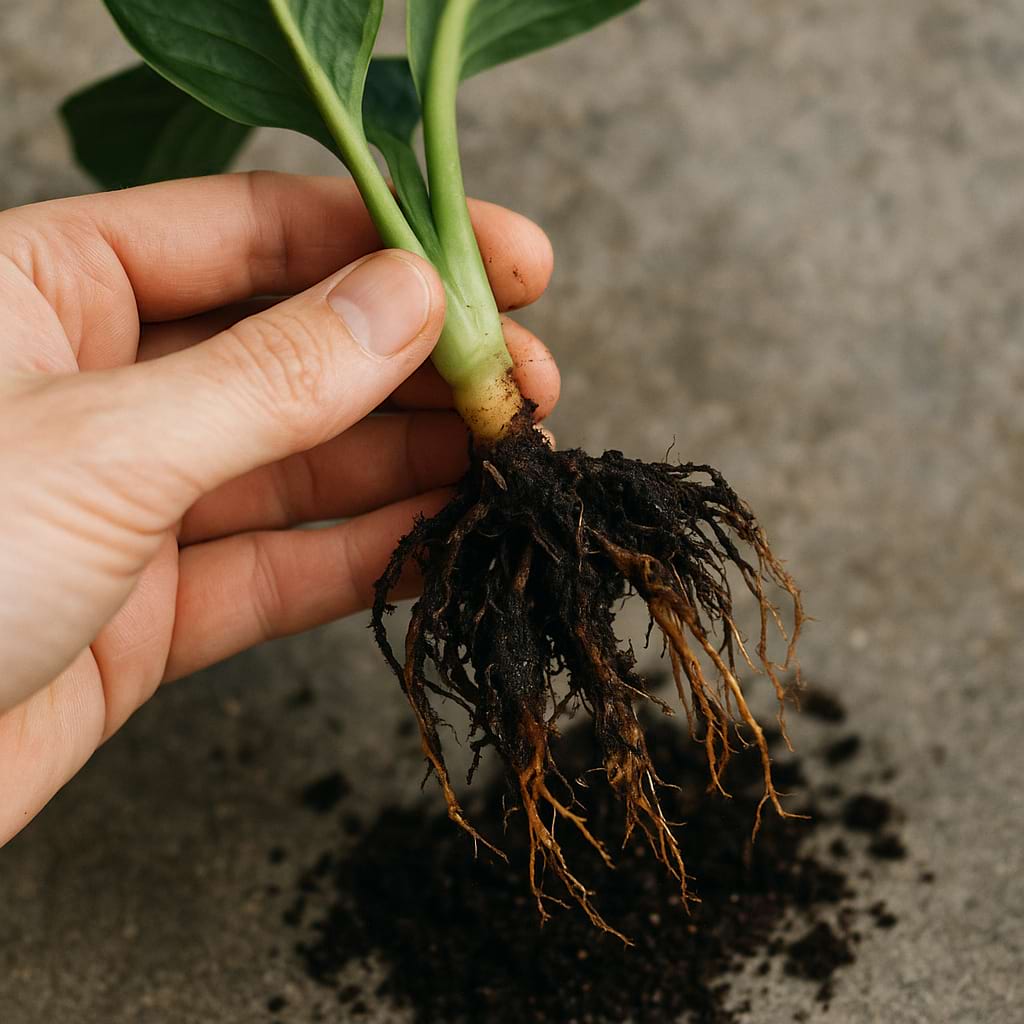
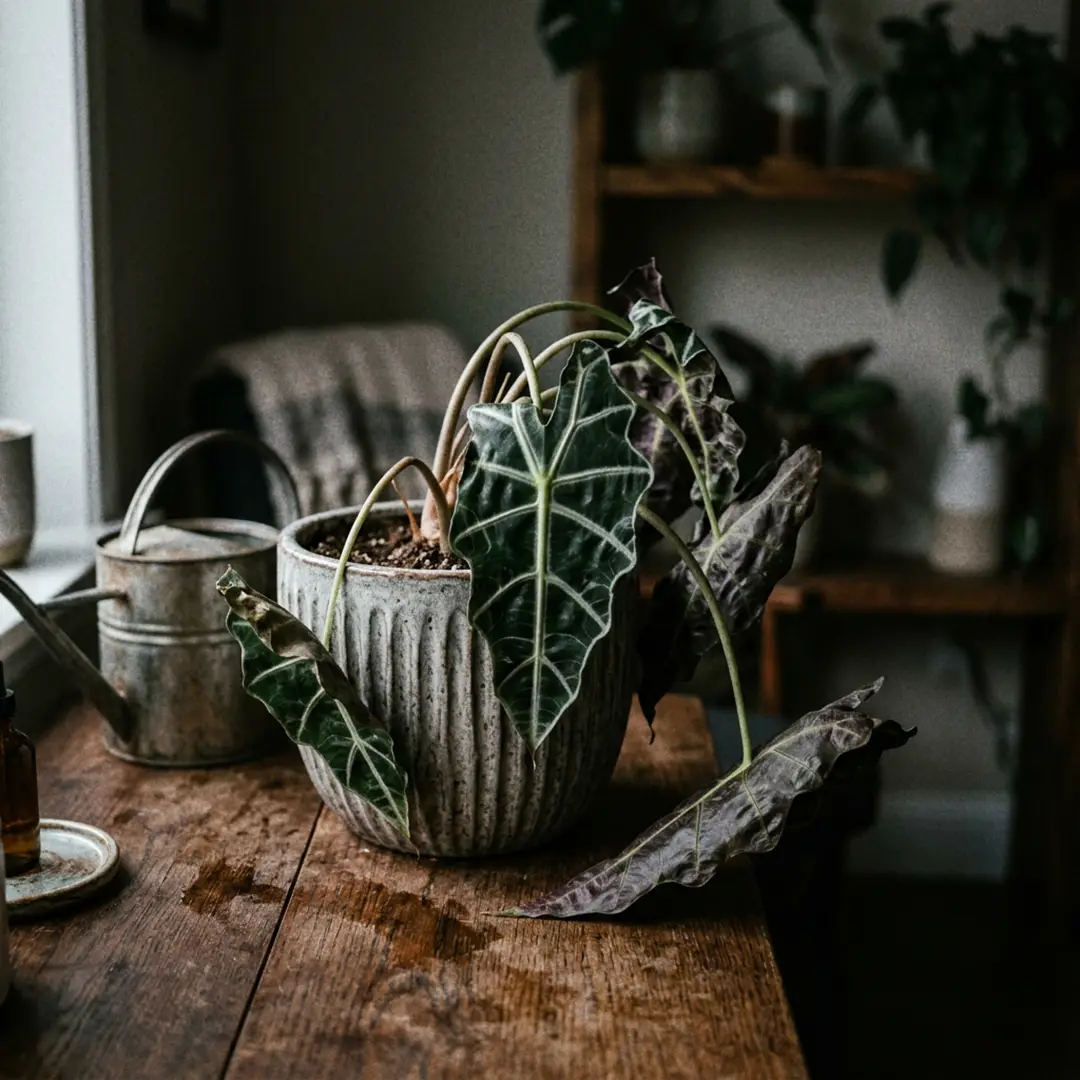
Overwatered, the stalks darken and collapse right at the soil line while the mix still feels wet. That is root rot, and in a plant this small it moves fast.
Winter Watering
Growth slows from late autumn as the days shorten, so the pot dries more slowly. Keep checking every few days and water only when the surface starts to dry, which may stretch to every 7-10 days in a cool room. The exception is a pot near a radiator, which can dry faster in winter than in summer. Use room-temperature water year-round, since cold water straight from the tap chills the roots of a tropical fern.
🪴 Best Soil for Hand Fern (Open Fern Mix)
What the Soil Needs
Hand Fern wants the mix that suits most rock-loving ferns: some organic matter to hold moisture, plenty of air around the fine roots, and water that runs through fast. The RHS recommends an open, humus-rich compost that is acid to neutral. Dense, peat-heavy potting soil on its own stays wet for days and suffocates the roots. Our Soil Guide explains why structure matters more than richness here.
DIY Hand Fern Soil Mix
A reliable blend is 2 parts coir or peat-based potting mix, 1 part perlite or pumice, and 1 part fine orchid bark. If you have it, a handful of leaf mould or compost in place of some potting mix adds the humus the RHS mentions. Keep the crown, where the stalks meet the rhizome, level with the surface rather than buried.
Pre-Made Options
A bagged African violet or fern mix makes a good base, but most need about a third extra perlite or pumice to drain well. Our potting soil guide compares the common bags. Skip any mix with added moisture crystals, which keep the pot wet far too long for a small fern.
🍼 Fertilizing Hand Fern
When and How Often
Feed from spring to early autumn, once every 4-6 weeks, while new fronds are unfurling. Stop in winter, when growth slows and the roots cannot use the salts. Always water first and feed second so fertilizer never reaches dry roots.
What to Use
A balanced liquid houseplant fertilizer at quarter to half strength is plenty. Ferns are light feeders, and Hand Fern is slow by nature, so more food does not mean more fronds. Our Fertilizing Guide and fertilizers guide cover what to buy and how to dilute it.
Over-Fertilizing Signs
Brown, burnt-looking lobe tips on brand new fronds, a white crust on the mix, or stalks that yellow from the base all point to too much feed. Flush the pot with plain water two or three times, let it drain, and skip feeding for two months.
🌡️ Hand Fern Temperature Range
Ideal Range
This is a tropical fern and it likes the same warmth you do: 65-80°F (18-27°C) is ideal. The RHS gives about 59°F (15°C) as the minimum for growing it well, so treat 60°F as the long-term floor. Growers warn that it is sensitive to cold below about 50°F (10°C), and it is not frost hardy at all. Outdoors it only lives year-round in USDA zones 10-11.
Drafts and Heat Sources
Keep it off cold winter windowsills where the glass chills the pot overnight, and away from doors that open onto freezing air. Radiators and heating vents are the other problem, since warm, dry air blowing across the fronds crisps the lobe tips in days. A summer outdoors is fine in a shaded, sheltered spot, as long as nights stay above 60°F.
💦 Hand Fern Humidity Requirements
Ideal Humidity
Aim for 50% humidity or more. In drier rooms the lobe tips brown first, which spoils the clean hand outline quickly. A small humidifier, a group of plants on a pebble tray, or a bathroom with a bright window all help. Misting does little beyond a few minutes of damp. Our humidity guide and humidifiers guide compare the options.
Signs the Air Is Too Dry
The first sign is a thin brown rim along the lobe tips of the newest fronds, often in winter once the heating comes on. Next, young fiddleheads stall or open twisted and small. If you see both while the mix is properly moist, the problem is the air, not the watering, so raise the humidity rather than watering more.
Terrariums and Cloches
Young Hand Ferns are a natural fit for glass. Sellers of small Doryopteris ferns often recommend a terrarium as the easiest way to keep one happy, because the moisture stays put. Give it some fresh air, though. An open-topped terrarium or a cloche you lift every day works better than a sealed jar, where stagnant air over wet mix invites rot and soil mold. Our terrarium guide covers setups.
🌸 Hand Fern Spores (No Flowers)
Ferns Never Flower
Like every fern, Hand Fern never blooms. It reproduces with spores, dust-fine cells that ripen in cases on the underside of fertile fronds. If you have been waiting for flowers, there are none coming, and that is no sign of trouble.
Sterile vs Fertile Fronds
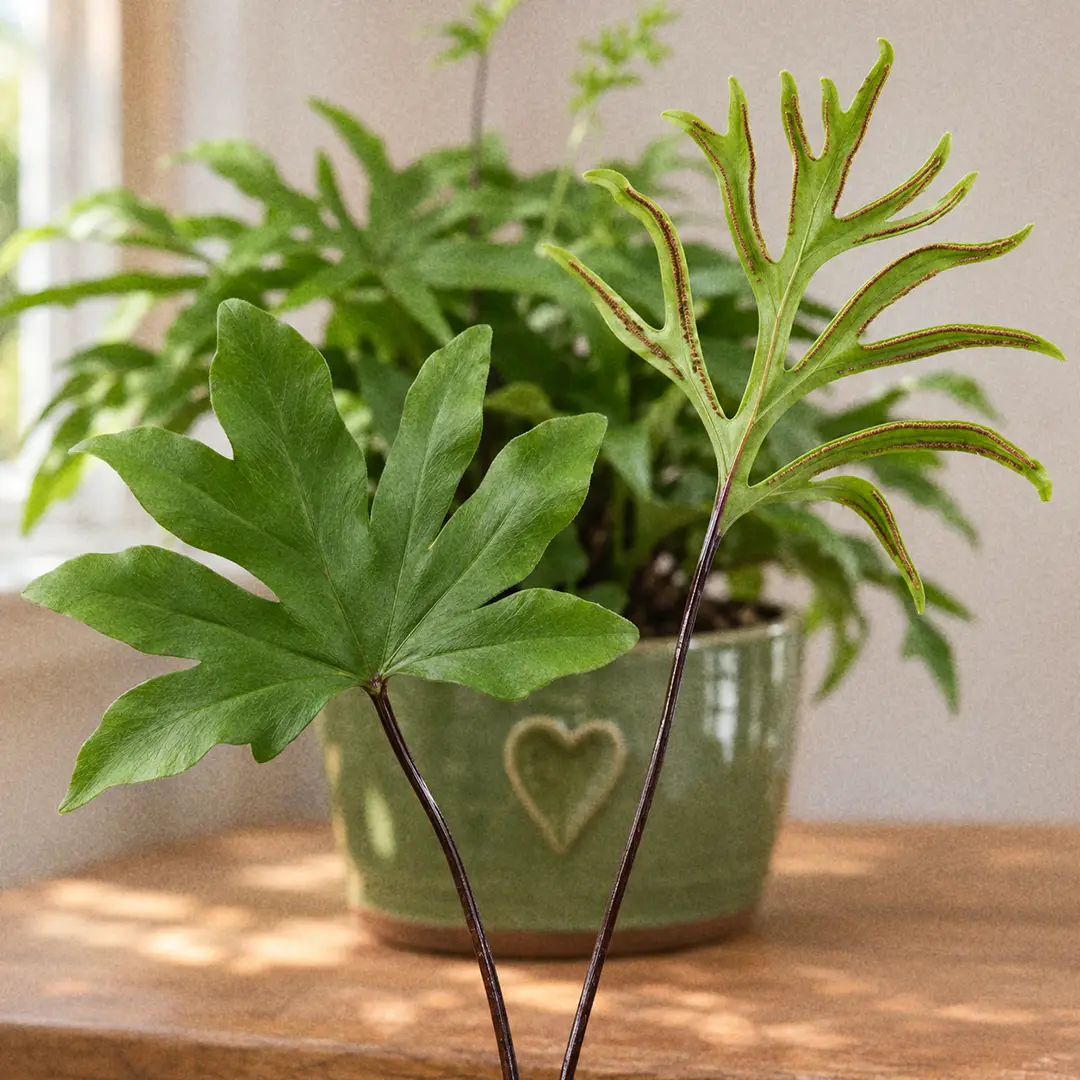
This is the most interesting thing about the plant. It grows two kinds of fronds. The sterile fronds are broader, sit lower, and have wider lobes with slightly wavy edges, like an open palm. The fertile fronds rise on taller stalks, and their lobes are narrower and more deeply cut, like spread fingers. On a healthy clump you get both at once, and the contrast is half the charm.
What the Brown Edges Mean
Flip a fertile frond over and you will see a thin brown line running along the edge of each lobe, where the margin rolls slightly under. Those are the spore cases. It is normal and not disease. Brown that starts at the tips and turns crisp is different: that points to dry air or a missed watering.
🏷️ Hand Fern Types and Varieties
There are no named cultivars of Hand Fern in the trade. What you will meet is one variable species with a couple of geographic forms and a few naming tangles, so this section is about labels and lookalikes.
Doryopteris pedata var. pedata (West Indies)
The typical form is native to the Caribbean, including Cuba, Hispaniola, Jamaica, Puerto Rico, the Virgin Islands, and the Lesser Antilles. Botanical descriptions of the species give fronds up to about 18 inches long, with the stalk making up well over half that length and the blade spreading up to about 7 inches across. Potted plants usually stay smaller.
The Mainland Form (palmata)
A second form, treated as var. or subsp. palmata, grows from Mexico through Central America and down the Andes to Bolivia and the Galápagos, often on dry, rocky slopes. Botanists separate it partly by the small buds it carries where the blade meets the stalk. Shops rarely say which form they sell, and care is the same for both.
A Note on the Name
In 2018 the species was moved into the genus Hemionitis as Hemionitis doryopteris, and some plant databases now use that name while others keep Doryopteris pedata. Nurseries almost all still sell it as Doryopteris pedata, Hand Fern, or Digit Fern.
Not to Be Confused With
The Antenna Fern, sold as Doryopteris cordata and now often listed as Hemionitis pilosa var. gemmifera, is sometimes labeled "hand fern" too. It is smaller and sprouts baby plants from its fronds, and it will get its own guide. The Heart Fern is a cousin with simple heart-shaped leaves on similar dark stalks, and the Eyelash Fern is another tiny Pteridaceae fern with fan-shaped fronds but a drier, brighter routine.
🪴 Potting and Repotting Hand Fern
When to Repot
Growth is slow, so repotting every 2-3 years is usually enough. Repot sooner if water runs straight off a packed root ball, roots circle out of the drainage hole, or the mix has broken down into dark sludge. Late spring is the best time, when new fronds are already unfurling.
Choosing a Pot
Go up only one small size, usually from a 2-3 inch pot to a 4-inch one. A big pot holds wet mix the roots never reach, and that is how rot starts in small ferns. A drainage hole is essential. Plastic or glazed ceramic suits this moisture-loving fern better than terracotta, which dries a small pot out in a day. Our plant pots guide compares materials.
Step-by-Step Repotting
Water a day ahead so the root ball holds together. Ease the plant out, shake off only the old mix that falls away easily, and trim any black, mushy roots. Set it at the same depth it grew before, crown level with the surface. Fill around it with fresh fern mix, water gently, and keep it out of any direct sun for a week. Our repotting guide covers the general process.
✂️ Pruning Hand Fern
What to Cut
There is no shaping to do. Pruning just means removing fronds that are yellow, brown, crisp, or broken. Cut each one at the base of its stalk with small, clean scissors, close to the mix but without nicking the rhizome or the curled fiddleheads beside it.
Keeping the Clump Tidy
Old fertile fronds often brown first once their spores are shed, which is normal ageing, not a problem. Remove them as they go so light reaches the center of the clump. If one side of the plant is sparse, turn the pot a quarter turn every week or two so new fronds come up evenly.
🌱 How to Propagate Hand Fern
Best Method: Division
Division is the practical method at home, and the RHS lists late spring as the time to do it. A mature Hand Fern grows as a clump from a short rhizome, and a crowded pot can be split into two pieces. Only divide a healthy plant that is actively growing. Our plant division guide covers the general technique.
Step-by-Step Division
Water the plant the day before. Slide it out of the pot and gently tease the root ball apart, looking for a natural gap between groups of stalks. If the rhizome will not part, cut it with a clean blade. Each piece needs a good share of roots and several healthy fronds, so two divisions is a sensible maximum for a small plant.
Pot each piece in a small pot of fresh fern mix at the same depth as before, and water lightly.
Aftercare
Divisions sulk for a few weeks. Keep them in bright, indirect light with no direct sun, hold the mix evenly moist, and cover them loosely with a clear bag or cloche, opening it daily for fresh air. Skip fertilizer until new fiddleheads appear, and do not worry if one or two old fronds brown meanwhile.
Growing From Spores
Spores are the other route. Collect ripe spores by laying a fertile frond on white paper for a day or two, then sow them thinly on a sterile, moist surface under a clear cover in warm, bright indirect light. Expect a green film first and tiny fronds after many weeks. It works, but division gives you a decent plant months sooner.
🐛 Hand Fern Pests and Treatment
Common Pests
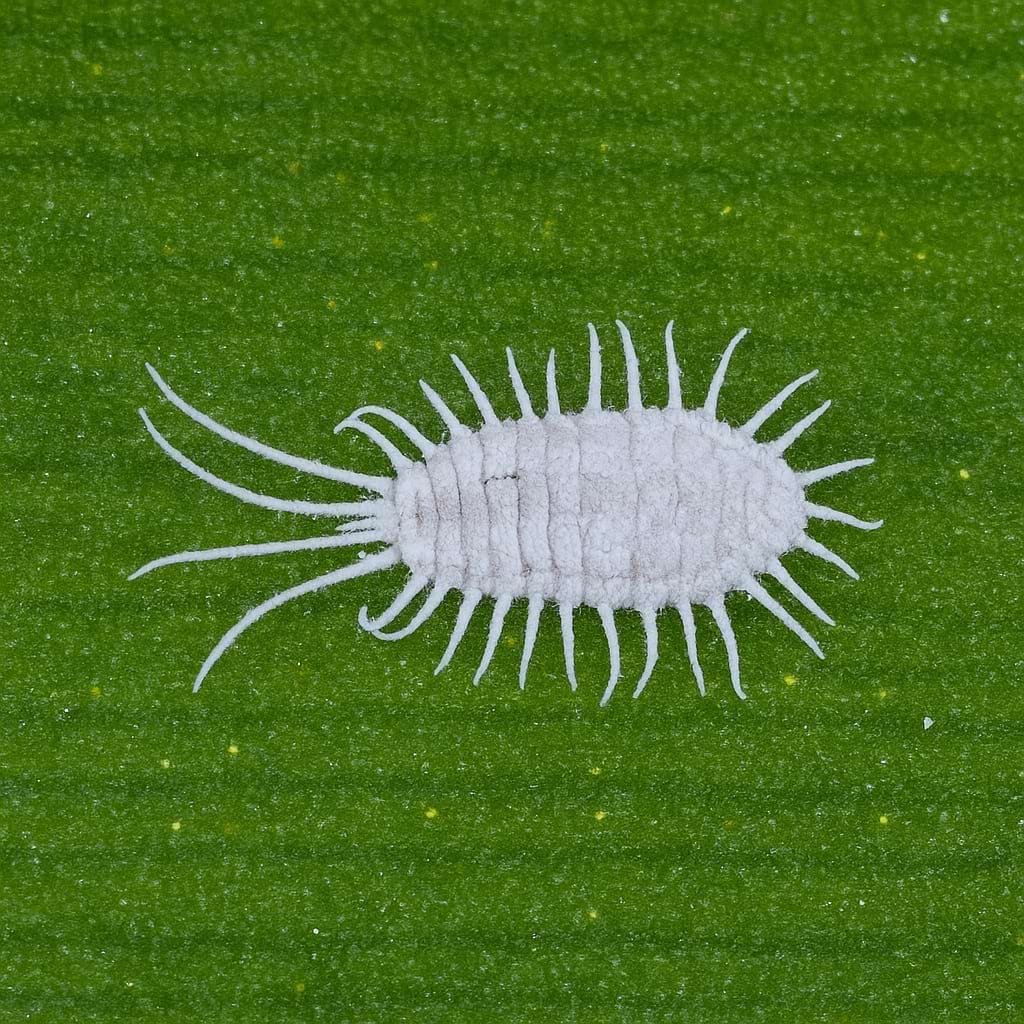
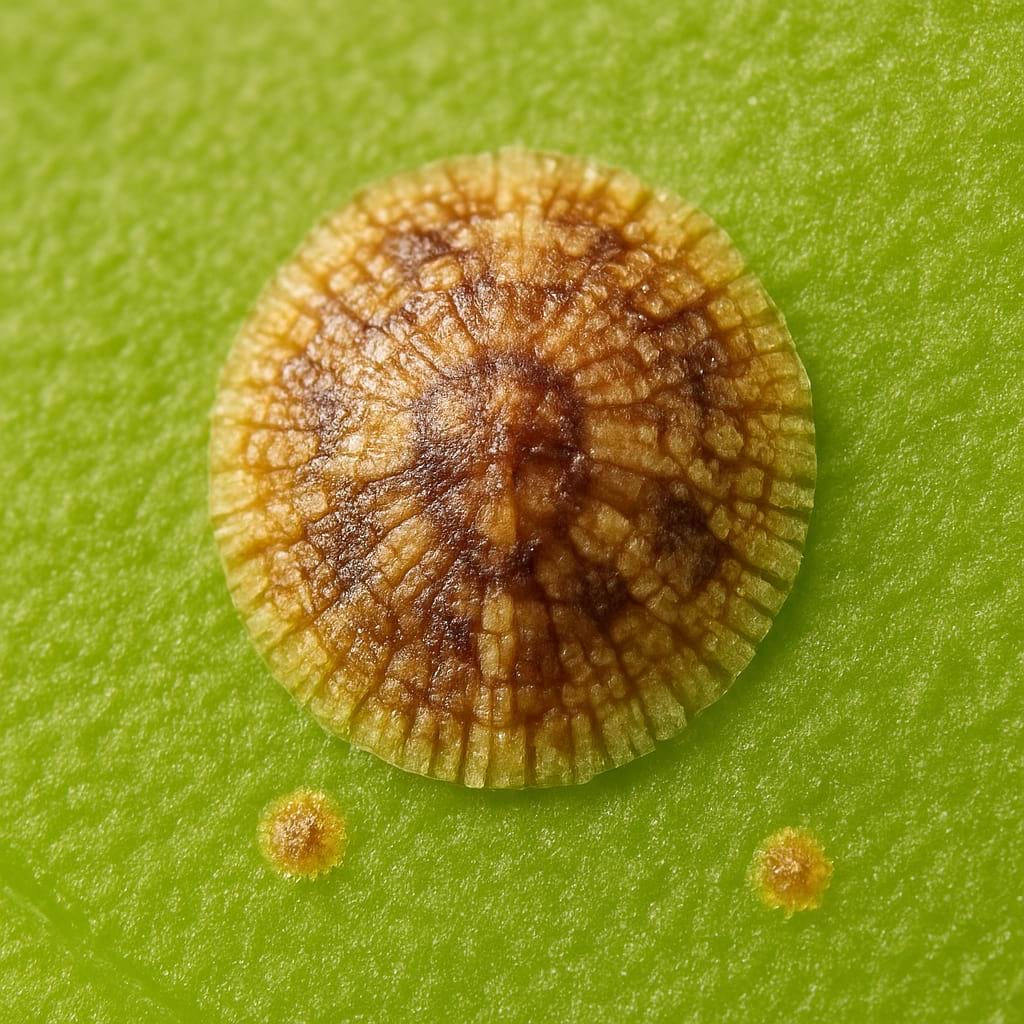
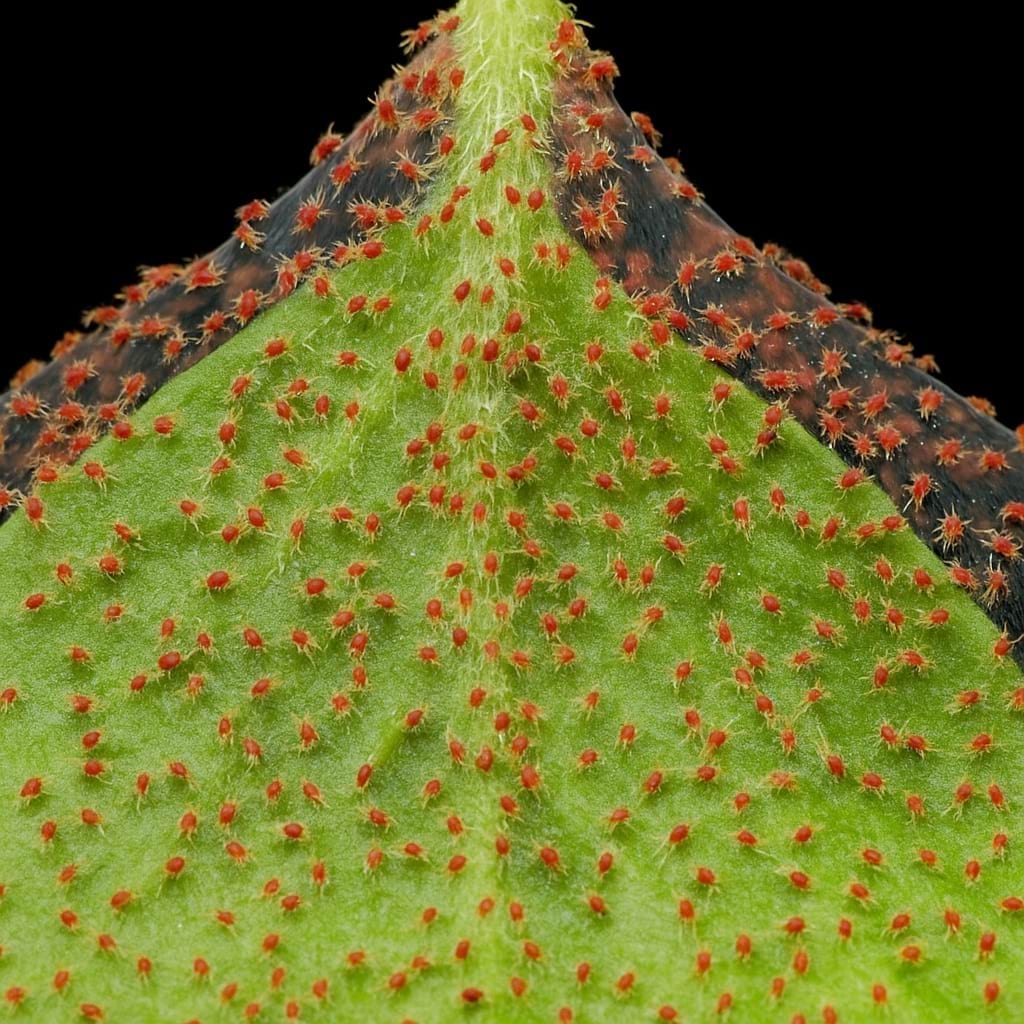
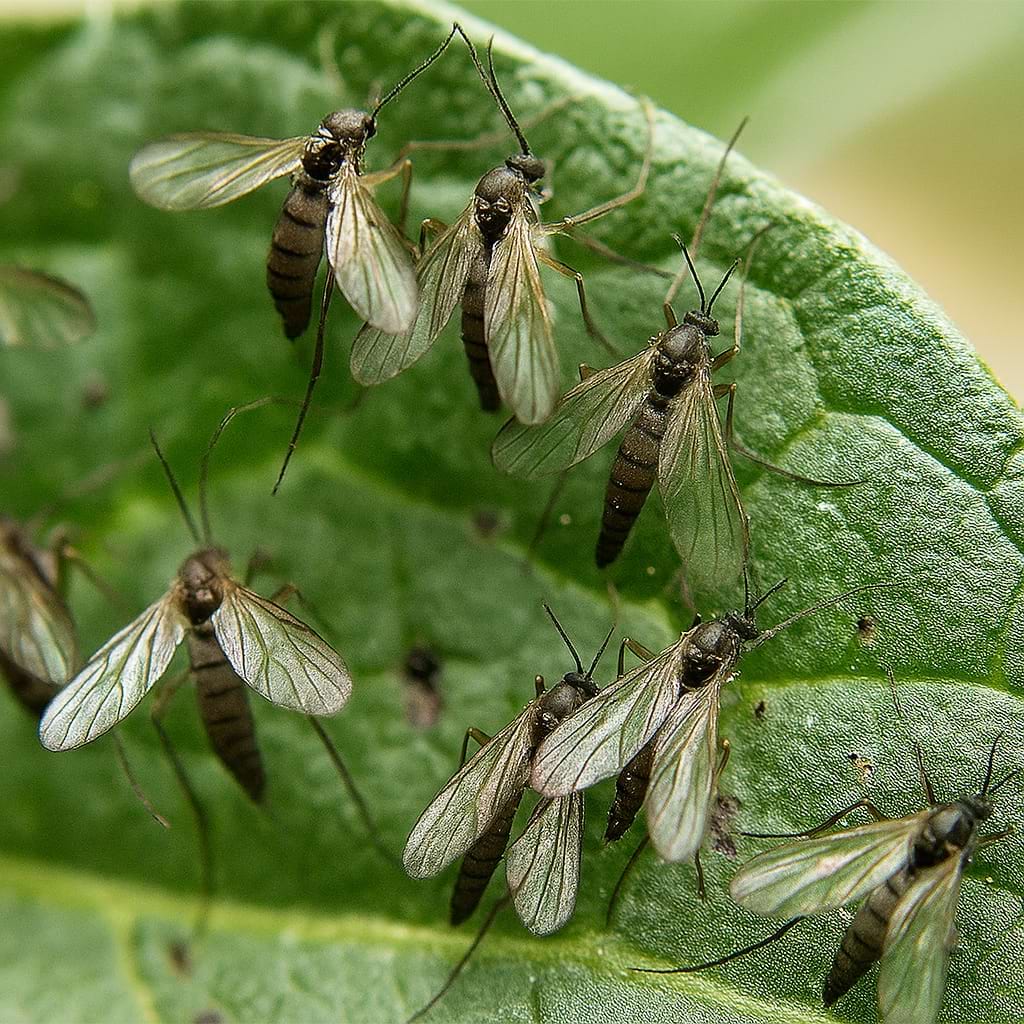
The RHS describes Hand Fern as generally pest and disease free, and that matches what most growers see. When something does turn up, it is usually one of the common indoor pests. Mealybugs hide as white cottony tufts where stalks meet the rhizome. Scale insects look like small brown bumps on the black stalks, easy to miss against the dark color. Spider mites leave fine webbing and a dull, speckled cast in dry rooms. Fungus gnats mean the mix is staying too wet.
Treatment
Dab mealybugs and scale off with a cotton bud dipped in rubbing alcohol. Rinse spider mites off with a gentle stream of lukewarm water, holding the pot at an angle. Fern fronds can burn from sprays, so test any insecticidal soap on one frond and wait a few days before treating the whole plant. For gnats, let the top of the mix dry slightly more between waterings.
Prevention
Check the base of the clump and the undersides of fronds every few weeks, especially in winter when heating dries the air. Quarantine new plants for two weeks before they join a terrarium, where pests spread fast.
🩺 Common Hand Fern Problems
Rot at the Base
Stalks that turn dark and collapse at the soil line while the mix is wet point to root rot or rhizome rot. Unpot it, cut away soft brown roots and any mushy rhizome, and repot the firm remainder in fresh mix. Water lightly until new growth appears. If most of the rhizome is soft, it rarely recovers.
Brown Tips and Yellow Fronds
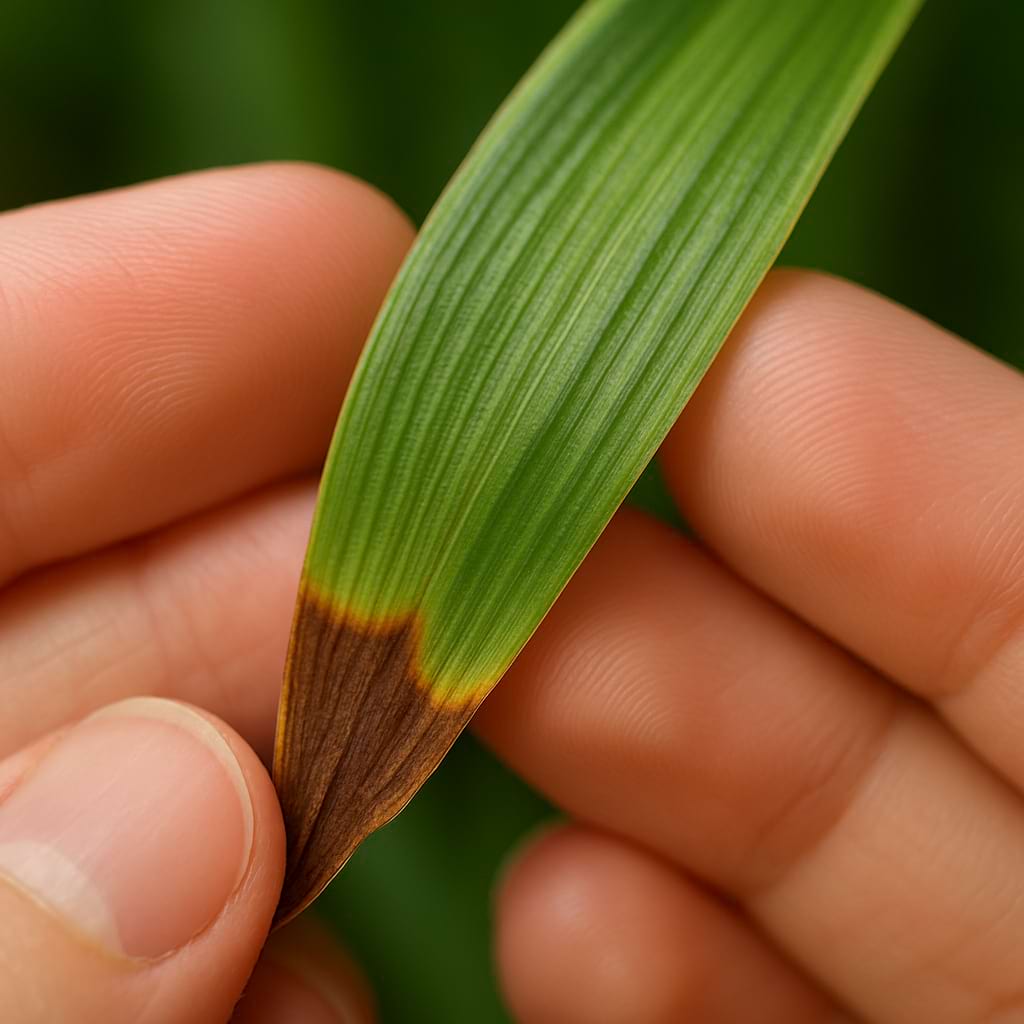
Brown crispy edges on the lobe tips usually mean dry air or a missed watering. Limp, drooping fronds with dry mix mean the pot dried out completely. One or two old fronds yellowing at a time is normal ageing. Many fronds yellowing together, with wet mix, suggests overwatering.
Pale, Scorched, or Moldy
Bleached, crisp patches on the window side are sunburn, so move the plant back or add a sheer curtain. Fuzzy white growth on the soil in a closed terrarium is soil mold from stagnant air. Open the lid more often and scrape off the top layer.


🖼️ Hand Fern Display and Styling Ideas
Terrariums and Cloches
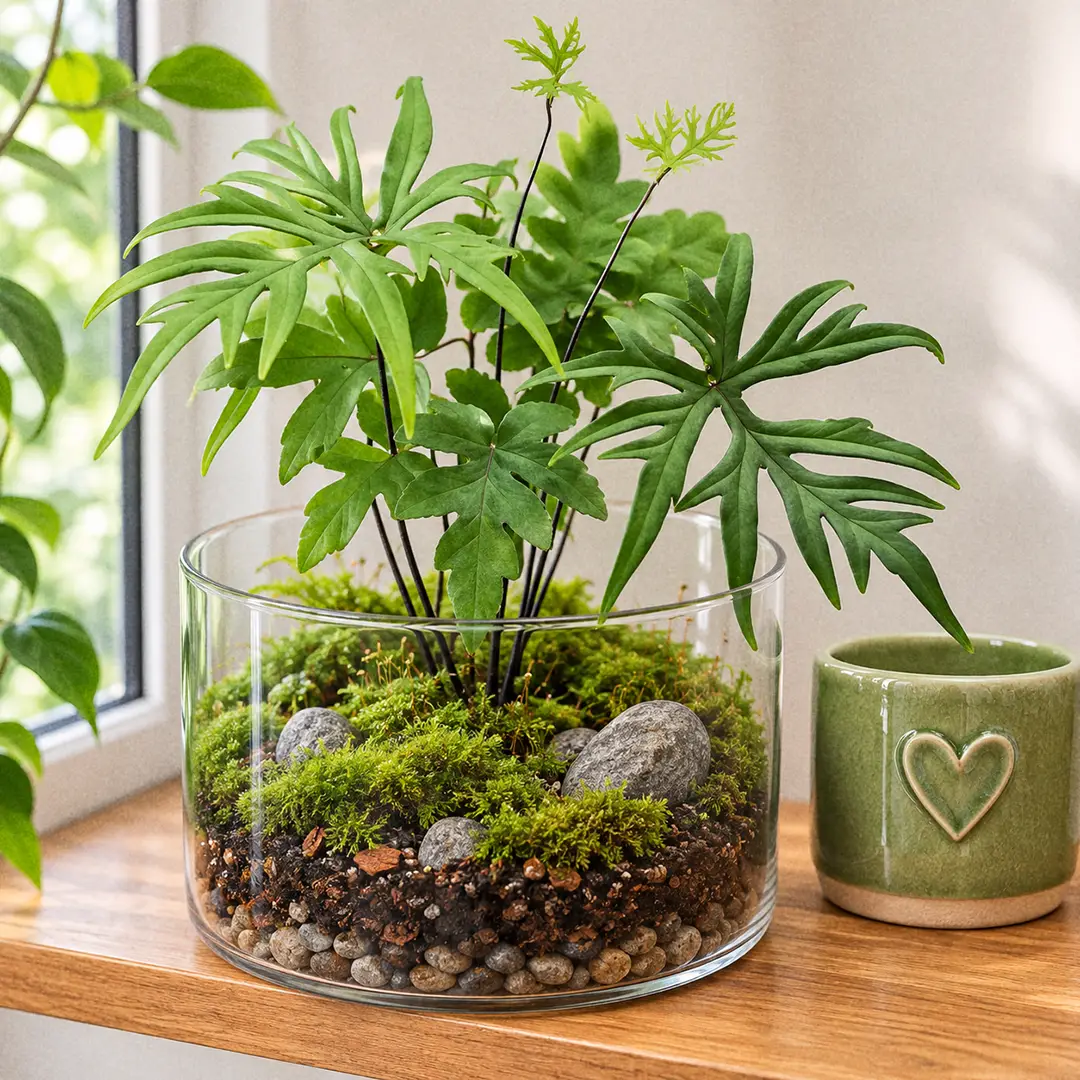
A young Hand Fern is a lovely terrarium centerpiece because the black stalks lift each frond clear of the moss below. Choose a container at least 8-10 inches tall, since fertile fronds stand taller than you might expect. Plant it on fern mix over a drainage layer, and dress the surface with small stones to echo its rocky home. Keep the glass in bright indirect light, never direct sun.
Small Pots and Groupings
In a pot, place it at eye level or slightly below, on a desk or shelf where you can look into the clump and see both frond shapes. Pair it with contrasting leaves rather than more ferns: the round leaflets of a Button Fern or the veined leaves of a Nerve Plant both work. Our roundup of popular indoor ferns has more ideas.
Bright Bathrooms
A bathroom with a frosted or east-facing window is one of the best homes for a potted Hand Fern. Daily showers lift the humidity, and frosted glass filters the light nicely. Set it on a windowsill or a shelf within a few feet of the glass, not on a dark counter by the door, where it will stretch.
Where Not to Put It
Skip dark hallways, hot sunny sills, and anywhere near a radiator or air vent. Avoid sealed jars with soggy soil. Keep it away from cats and dogs that chew plants, since its safety for pets is not confirmed.
🌟 Hand Fern Pro Care Tips
Light and Water Habits
- ☀️ Give it real brightness. An east window or a grow light beats the dim corner ferns usually get.
- 💧 Keep it evenly moist. Water when the surface just starts to dry, and always empty the saucer.
- 🪨 Use an open mix. Perlite or pumice plus fine bark keeps the fine roots breathing.
Humidity and Glass
- 💦 Aim for 50% humidity or more. A humidifier or terrarium does far more than misting.
- 🌬️ Let the glass breathe. Open terrariums or a daily lifted cloche prevent rot and mold.
Reading the Plant
- 🖐️ Know your two fronds. Taller, narrow-lobed fronds are fertile, not deformed.
- 🔍 Check the stalks for scale. Brown bumps hide easily against the dark stalks.
- 🛒 Buy a full pot, not a single frond. Look for several fronds plus curled fiddleheads at the center, and skip plants with dark, soft stalks at the soil line.
- 🧳 Let a new plant settle. Give it two weeks in bright indirect light before you repot or move it into a terrarium.
❓ Frequently Asked Questions
Is Hand Fern toxic to cats and dogs?
The ASPCA does not list Doryopteris pedata or its genus, and the only seller claim of safety we found is not backed by data. Until there is reliable information, treat it as potentially harmful and keep it out of reach of pets that chew plants.
Why are some Hand Fern fronds shaped differently?
Hand Fern grows two kinds of fronds. Lower, broader sterile fronds have wide lobes, while taller fertile fronds have narrower, deeper-cut lobes with spores along their edges. Both are normal.
Is Hand Fern the same as Digit Fern?
Yes. Hand Fern and Digit Fern are both common names for Doryopteris pedata, after the finger-like lobes. Some databases now call it Hemionitis doryopteris, but it is the same plant.
Does Hand Fern need a terrarium?
No, but it makes care easier in a dry home. A pot on a bright windowsill works if you keep humidity around 50% and the mix evenly moist. In a terrarium, choose an open container or air a closed one daily.
How big does a Hand Fern get?
Indoors it usually stays 6-12 inches tall. Wild fronds can reach about 18 inches long, most of which is stalk. Growth is slow, so a terrarium plant takes several years to outgrow its glass.
How often should I water a Hand Fern?
Water when the top of the mix just starts to feel dry, often every 3-5 days in summer for a small pot and about weekly in winter. Let the excess drain away and never leave it standing in water.
Why is my Hand Fern turning brown?
Crisp brown lobe tips usually mean dry air or a missed watering. Fronds that brown and collapse at the base while the mix is wet point to rot. Old fertile fronds browning one at a time after shedding spores is normal.
Can Hand Fern grow in low light?
It tolerates medium light but grows slowly, stretches, and loses its crisp hand shape in a dim room. Bright filtered light, or a small grow light above a terrarium, keeps it compact.
Is Hand Fern the same as Antenna Fern?
No. Antenna Fern is a smaller relative, usually sold as Doryopteris cordata, that sprouts plantlets from its fronds. Shops sometimes call both "hand fern", so check the Latin name on the label.
Is Hand Fern hard to care for?
It is moderately easy once you settle the basics: bright filtered light, even moisture, and humidity of 50% or more. Most failures come from a pot left soggy in a dark spot, or from dry winter air.
ℹ️ Hand Fern Info
Care and Maintenance
🪴 Soil Type and pH: Open, humus-rich, well-draining fern mix, acid to neutral
💧 Humidity and Misting: Grows best at 50% humidity or more, in an open terrarium, a cloche, or near a humidifier.
✂️ Pruning: Cut dead or damaged fronds off at the base of the stalk; no shaping is needed.
🧼 Cleaning: Rinse dust off with a gentle stream of room-temperature water instead of wiping the lobed fronds.
🌱 Repotting: Repot in spring every 2-3 years, or when the clump fills the pot, moving up one small size.
🔄 Repotting Frequency: Every 2-3 years
❄️ Seasonal Changes in Care: Even moisture and light feeding from spring to early autumn, then slightly less water and no fertilizer through winter.
Growing Characteristics
💥 Growth Speed: Slow
🔄 Life Cycle: Evergreen perennial fern growing as a tight clump
💥 Bloom Time: Does not flower; produces spores along the edges of fertile fronds
🌡️ Hardiness Zones: 10-11; keep indoors below about 60°F
🗺️ Native Area: The West Indies, with a related form from Mexico and Central America down the Andes to Bolivia and the Galápagos
🚘 Hibernation: No true dormancy; growth slows in winter
Propagation and Health
📍 Suitable Locations: East windows, bright desks set back from south or west windows, open terrariums, glass cloches, bathrooms with a window
🪴 Propagation Methods: Divide a crowded clump in late spring, or sow spores on a sterile surface under a clear cover.
🐛 Common Pests: Mealybugs, Scale Insects, Spider Mites, Fungus Gnats
🦠 Possible Diseases: Root rot, rhizome rot, soil mold in closed containers
Plant Details
🌿 Plant Type: Small terrestrial and rock-dwelling fern
🍃 Foliage Type: Evergreen
🎨 Color of Leaves: Deep green on dark purple-black stalks
🌸 Flower Color: None
🌼 Blooming: No, ferns reproduce by spores
🍽️ Edibility: Not edible
📏 Mature Size: 6-12 inches indoors
Additional Info
🌻 General Benefits: Stays small, fits terrariums and shelves, and has a frond shape no common houseplant fern shares
💊 Medical Properties: None established; not a plant to use as a home remedy.
🧿 Feng Shui: The open, hand-shaped fronds suggest welcome and reaching out, a friendly choice for an entry shelf or desk.
⭐ Zodiac Sign Compatibility: Virgo
🌈 Symbolism or Folklore: Welcome, helping hands, steady growth
📝 Interesting Facts: Linnaeus named it Pteris pedata in 1753, and pedata means foot-shaped, after the way the lobes spread from one point like toes. Each plant grows two kinds of fronds: broad sterile ones and taller, more deeply cut fertile ones that carry spores along their edges.
Buying and Usage
🛒 What to Look for When Buying: Usually sold as small plants in 2-4 inch pots. Pick one with several flat, unbroken fronds and new fiddleheads at the center, and skip pots that are soggy or show dark, collapsing stalks at the soil line.
🪴 Other Uses: Terrariums, cloches, dish gardens, small desk and shelf plants
Decoration and Styling
🖼️ Display Ideas: Open terrariums, glass cloches, small glazed pots at eye level, grouped with round-leaved plants on a pebble tray
🧵 Styling Tips: Show it where you can look down into the clump, so both frond shapes and the black stalks read clearly.
🪴 See also 🪴
Complete Guide to Golden Zebra Bamboo Fern Care and Growth
Complete Guide to Davana Blue Star Fern Care and Growth
Complete Guide to Silver Brake Fern Care and Growth
Complete Guide to Tricolor Brake Fern Care and Growth
Complete Guide to Silver Staghorn Fern Care and Growth
Complete Guide to Crown Fern Care and Growth
Complete Guide to Eyelash Fern Care and Growth
Complete Guide to Crissie Bird's Nest Fern Care and Growth
Complete Guide to Osaka Bird's Nest Fern Care and Growth
The 15 Most Popular Indoor Ferns and How to Choose One
Complete Guide to Leslie Bird's Nest Fern Care and Growth
Complete Guide to Superbum Staghorn Fern Care and Growth
Complete Guide to Austral Gem Fern Care and Growth
Complete Guide to Crispy Wave Fern Care and Growth
Complete Guide to Japanese Bird's Nest Fern Care and Growth
Complete Guide to Button Fern Care and Growth
Complete Guide to Mahogany Fern Care and Growth
Complete Guide to Bear's Paw Fern Care and Growth
Complete Guide to Blue Star Fern Care and Growth
Complete Guide to Volcano Fern Care and Growth
Complete Guide to White Rabbit's Foot Fern Care and Growth

Houseplant101 Forum
Questions & Comments
Ask a question, share your plant experience, or help other plant owners.
Comments are temporarily unavailable.
Open the Houseplant101 ForumNo comments yet
Be the first to ask a question or share your experience about this page.
Log in or create an account
Comments use your Houseplant101 Forum account, but you can stay on this page.
Create a new account