
Easter Cactus
Schlumbergera gaertneri
Spring Cactus, Whitsun Cactus, Rhipsalidopsis gaertneri, Hatiora gaertneri


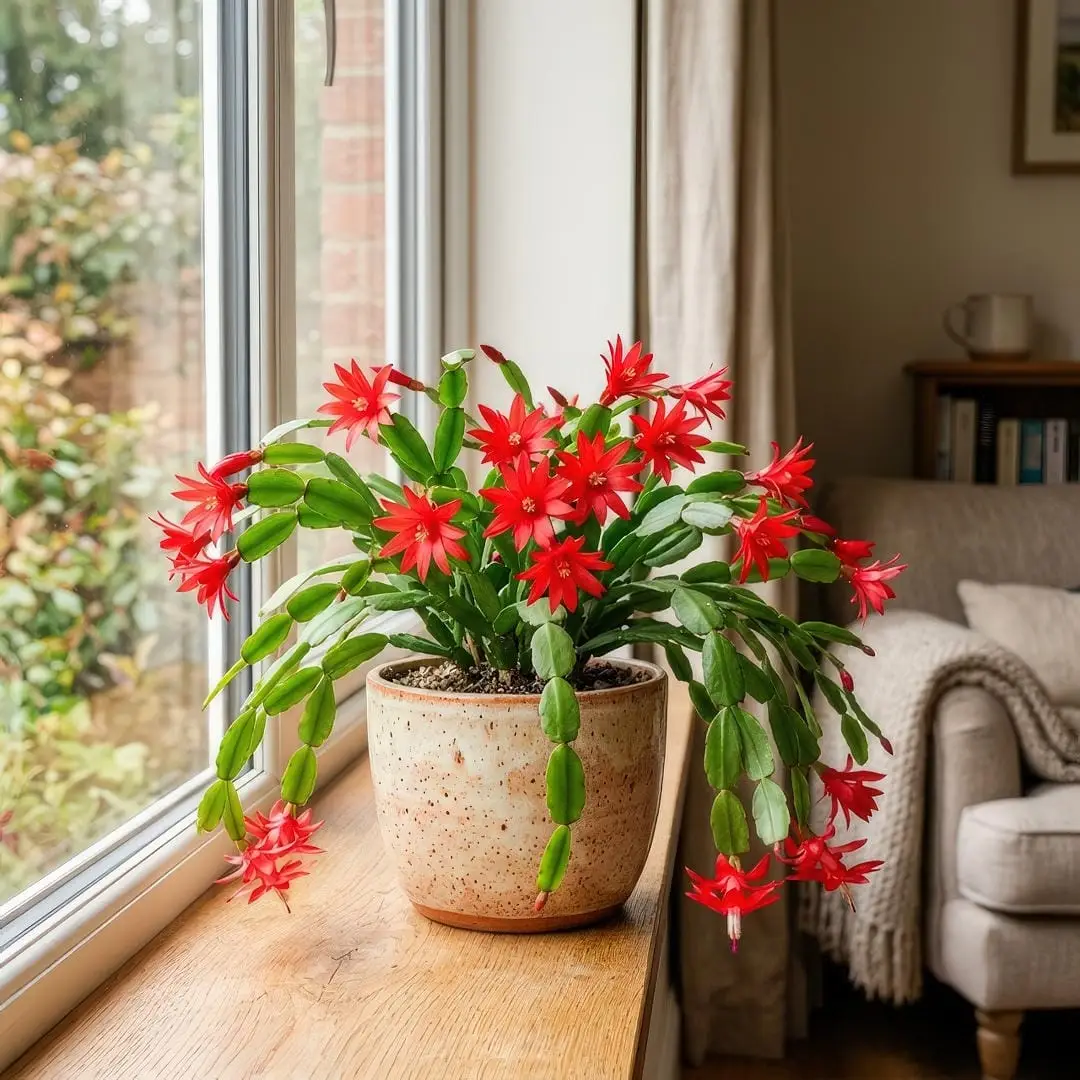
The Easter Cactus is the spring-blooming member of the holiday cactus family, producing star-shaped, daisy-like flowers in brilliant reds, pinks, and oranges just as winter finally loosens its grip. Often confused with its autumn and winter cousins, this Brazilian epiphyte has its own personality and its own set of tricks for getting it to bloom.
📝 Easter Cactus Care Notes
🌿 Care Instructions
⚠️ Common Pests
📊 Growth Information
🪴 In This Guide 🪴

📺 Easter Cactus Care Video Guide

☀️ Easter Cactus Light Requirements (Indoor Lighting Guide)
Best Light for Easter Cactus
Easter Cactus is an epiphyte from the subtropical forests of southeastern Brazil, perching on tree branches and catching filtered light through the canopy. Your indoor setup should replicate that.
- Bright indirect light is the sweet spot for consistent growth and spring blooming.
- East-facing windows provide gentle morning sun, perfect year-round.
- North-facing windows work adequately, though blooming may be less vigorous.
- Filtered south or west-facing windows work well behind a sheer curtain.
- Direct afternoon sun will scorch the flat stem segments.
Unlike its holiday cousins, Easter Cactus does not specifically require 12-14 hours of total darkness to bloom. Its trigger is tied more closely to temperature (see the Blooming section).
For a breakdown of what "bright indirect" actually looks like, our indoor light guide covers it. For shorter winter days, providing enough light during winter offers workarounds.
Signs of Incorrect Lighting
Too Much Light: Segments bleach pale or develop reddish-purple stress coloring; dry crispy patches appear; yellowing on segments closest to the window.
Too Little Light: Segments become elongated and thinner than normal; pale color with little vibrancy; little to no new growth; refusal to flower; stems lean heavily toward the light source.
If you have just brought a new plant home, give it time to adjust. Gradual acclimation over a week is always better than a sudden change. Our guide on bringing a new plant home walks through these first days.

💧 Easter Cactus Watering Guide (How to Water Properly)
Watering Needs
Like its holiday cactus relatives, Easter Cactus is a tropical forest epiphyte, not a desert plant. The word "cactus" is misleading. It wants consistent moisture during active growth. Not soaking-wet soil, but soil that stays lightly damp and never turns to dust.
The core principle: water thoroughly when the top inch of soil feels dry. Let water drain through completely and never let the pot sit in standing water. A moisture meter helps if you tend to either over-water or forget entirely.
How Often to Water (By Season)
- Spring (blooming and active growth): Every 7-10 days. Keep soil evenly moist.
- Summer: Every 7-10 days, adjusting for temperature.
- Fall: Gradually reduce to every 2-3 weeks as growth slows.
- Winter (cool rest): Roughly every 3-4 weeks. Mostly dry, but not bone-dry.
These frequencies are guidelines, not rules. A terracotta pot in a warm room dries faster than a glazed pot in a cool bathroom. For winter adjustments, see how to water houseplants in winter.
How to Water Correctly
Water slowly and evenly until water drains from the bottom holes. Empty the saucer after 15-20 minutes. Avoid pouring water into the center crown where stems cluster. Bottom watering works well for hanging baskets where top watering misses parts of the root ball.
Use room-temperature water. Cold water shocks the roots and can trigger bud drop during blooming.
Signs of Watering Problems
Overwatering (the more common mistake): Segments become soft, mushy, or translucent; wilting despite wet soil; musty smell; segments fall off at the joints.
Underwatering: Segments wrinkle and pucker; the plant looks wilted with dry soil; older segments at the base shrivel first; growth stalls and flower buds abort.
Underwatering is easier to recover from. A thorough soak usually revives a mildly dehydrated plant within a day or two. Overwatering takes much longer to address.
🪴 Best Soil for Easter Cactus (Potting Mix & Drainage)
What Soil Does Easter Cactus Need?
Desert cacti need fast-draining, mineral-heavy mixes. Easter Cactus needs something more balanced: well-draining but with enough organic matter to hold reasonable moisture. Think about the decomposing bark, leaf litter, and moss in tree crotches in a subtropical forest.

Key qualities: well-draining (water moves through without pooling), slightly acidic (pH 5.5-6.2), airy with good structure, moderate moisture retention. Our soil guide covers the science.
DIY Soil Mix Recipe
- 2 parts peat-based potting soil (or coco coir)
- 1 part perlite
- 1 part orchid bark (medium grade)
The orchid bark is the key ingredient. It creates air pockets, prevents compaction, and mimics the loose bark surfaces these epiphytes naturally cling to.
Pre-Made Soil Options
African Violet mixes are close to ideal. Orchid mixes work as a base but need added peat for moisture retention. Standard cactus/succulent mixes are too fast-draining alone (mix 50/50 with regular potting soil). Avoid anything labeled "moisture control."
🍼 Fertilizing Easter Cactus (Feeding Schedule)
Regular feeding produces larger segments, more vigorous branching, and a better bloom set the following spring.
When and How to Fertilize
- Late spring through late summer (after blooming): Every 2-4 weeks with balanced liquid fertilizer (10-10-10 or 20-20-20) at half strength.
- Early autumn (4-6 weeks before cool rest): Optionally switch to a high-phosphorus or bloom-booster fertilizer.
- Late autumn through winter (cool rest): Stop all fertilizing.
Always apply to moist soil, never dry roots. For timing details, see winter fertilizing rules and our fertilizing guide.
Signs of Fertilizer Issues
Over-fertilization: White crusty salt deposits on soil; brown or reddish edges on segments; distorted new segments; sudden wilting.
Under-fertilization (after years in same soil): Thin pale new segments; fewer blooms; slower growth.
If over-fertilized, flush the soil by running water through the pot for several minutes, repeating two or three times.
🌡️ Easter Cactus Temperature Range (Ideal Conditions)
Ideal Temperature
Easter Cactus prefers moderate room temperatures and genuinely needs a cool period in winter.
Ideal Growing Range (spring through early autumn): 60-75°F (16-24°C). It prefers the cooler end of normal room temperature.
Temperature for Triggering Blooms
While Christmas and Thanksgiving Cacti rely on long dark nights, Easter Cactus is primarily triggered by a cool rest period followed by gradual warming.
The Cool Rest (late autumn through midwinter):
- Night temperature: 45-55°F (7-13°C)
- Daytime: up to 60°F (16°C)
- Duration: 8-12 weeks of consistent cool conditions
The Warming Signal (late winter to early spring):
- Gradually move to 65-70°F (18-21°C)
- Buds typically appear 4-6 weeks after the transition
Many growers achieve the cool rest in an unheated garage, basement, or spare room. The key is consistency.
Temperature Extremes to Avoid
- Below 40°F (4°C): Risk of cold damage. Segments may turn mushy.
- Above 85°F (29°C): Heat stress. The plant may refuse to bloom.
- Sudden temperature swings: Bud drop is almost guaranteed once buds form. Keep away from drafty doors and heating vents.
- Cold windowpane contact in winter: Glass can be much colder than surrounding air.
For summer heat solutions, see protecting plants from summer heat. For winter warmth, keeping plants warm without overheating.
💦 Easter Cactus Humidity Needs (Subtropical Moisture Guide)
Ideal Humidity
Easter Cactus appreciates higher humidity than most heated homes provide.
Ideal Humidity: 50-60%. It tolerates 40% without distress, but below 30% you will see segment edges wrinkling and bud drop.
Winter Rest Humidity
During the cool rest, moderate humidity (40-50%) is the sweet spot.
How to Increase Humidity
- Pebble Tray: Set the pot on pebbles above water level.
- Group Plants Together: Combined transpiration creates a shared humid microclimate.
- Room Humidifier: The most effective option, especially in winter.
- Bright Bathrooms: Natural shower humidity creates excellent conditions.
Do not mist frequently. Regular direct misting that leaves water sitting on the flat segments invites fungal issues.
For more, our humidity guide covers tools, and boosting humidity in winter is a useful companion.
🌸 How to Make Easter Cactus Bloom (Complete Spring Flowering Guide)

What Do Easter Cactus Flowers Look Like?
Easter Cactus flowers open flat in a star or daisy-like shape with radially symmetrical petals, very different from the tubular, swept-back blooms of Christmas Cactus or Thanksgiving Cactus.
- Colors: Vivid scarlet red is classic. Also pink, salmon, orange, white, and bicolor.
- Size: About 1.5-3 inches across.
- Duration: Individual flowers last 5-7 days; the full spring show lasts 3-5 weeks.
- Bloom time: March through May, peaking around Easter.
How to Trigger Blooming (Step-by-Step)
Step 1: The Cool Rest (8-12 weeks, starting late October or November)
Move to a cool location with nighttime temperatures of 45-55°F (7-13°C). Good locations: unheated spare room, cool basement, enclosed porch, garage (above 40°F).
Step 2: Reduce Watering
Water only when soil has been mostly dry for several days, roughly every 3-4 weeks. Stop fertilizing. Stems should stay plump, not shriveled.
Step 3: The Warming Transition (late January to February)
After 8-12 weeks, gradually move to 65-70°F (18-21°C) in bright indirect light. Resume regular watering. Begin feeding with a bloom-booster fertilizer every 2-3 weeks.
Step 4: Watch for Buds
Small buds appear within 4-6 weeks. Once visible, be patient.
Step 5: Hands Off
Once buds have formed, do not rotate the plant or move it. Changes in environment trigger bud drop, the same frustration that plagues Thanksgiving Cactus growers.
After Blooming Care
After the last flowers fade in late spring, remove spent blooms by twisting them off at the base. This is the ideal time to prune for shape (see Pruning). Resume full watering and regular fertilizing. The plant enters its most active growth in summer. In late October or November, begin the cool rest cycle again.
🏷️ Easter Cactus Types and Varieties (Holiday Cactus Comparison)

How Easter Cactus Differs from Other Holiday Cacti
Care for all three is similar, but bloom timing, flower shape, and segment features set them apart.
Easter Cactus (Schlumbergera gaertneri): Smooth, rounded scallops or small bumps on segment edges. Star-shaped, radially symmetrical flowers that open flat. Blooms March through May. Trigger: cool rest period.
Christmas Cactus (Schlumbergera buckleyi): Scalloped, rounded edges. Tubular flowers hanging downward. Blooms December. Trigger: long dark nights plus cool temperatures.
Thanksgiving Cactus (Schlumbergera truncata): Pointed, claw-like teeth on segments. Tubular, slightly asymmetrical flowers. Blooms November. The most commonly sold "Christmas Cactus" in stores.
Popular Flower Color Varieties
- Scarlet Red: The classic. Vivid, almost neon.
- Hot Pink/Magenta: Bold and saturated.
- Salmon/Peach: Warmer, softer tones.
- Orange: Bright and cheerful.
- Pure White: Less common but elegant.
- Bicolor: White centers transitioning to pink or red.
Cooler conditions tend to produce more vivid, deeper hues.
🪴 Potting and Repotting Easter Cactus
When to Repot
Easter Cactus performs best when slightly root-bound. Do not rush to repot. Every 2-3 years, or when roots grow out of drainage holes, the plant dries out within a day or two, or soil has compacted.
Best time: Late spring or early summer, right after blooming. Never repot while buds are forming or flowers are open.
How to Repot
- Pot size: Go up only 1-2 inches in diameter. An oversized pot invites rot.
- Drainage is non-negotiable.
- Remove gently. Do not pull on stems; they snap at the joints.
- Inspect roots. Trim anything black or mushy.
- Fresh mix (see Soil section). Position at the same depth.
- Wait 3-5 days before watering.
For a visual walkthrough, see our repotting guide.
Best Pots
- Terracotta: Excellent for preventing overwatering.
- Glazed Ceramic with Drainage: Good balance of looks and function.
- Hanging Baskets: Perfect for the cascading habit.
- Shallow, Wide Pots: Suits the relatively shallow root system.
- Avoid: Pots without drainage holes.
✂️ Pruning Easter Cactus (Shaping and Branching)
Why Pruning Triggers More Blooms
Every time you remove a segment at a joint, the plant branches at that point, sending out two or more new segments. More branch tips mean more bloom sites next spring.
When to Prune
Late spring, immediately after blooming.
How to Prune
- Twist, do not cut. Hold the segment at the joint and twist gently. Clean scissors also work.
- Remove 1-3 segments per stem. Never more than one-third of any single stem.
- Target leggy or uneven growth for a balanced shape.
- Remove damaged segments regardless of season.
Save Every Cutting
Each segment is a potential new plant (see Propagation).
🌱 How to Propagate Easter Cactus (Easy Stem Cuttings)

Stem cuttings root willingly in soil or water. Our propagation hub covers general methods; soil propagation gives the most reliable results here.
Method 1: Soil Propagation
- Take cuttings: Twist off a section with 2-3 connected segments.
- Callus the cut end: Set in a dry, shaded spot for 1-2 days until a thin dry layer forms.
- Plant shallowly: Insert the bottom half-inch into lightly moistened mix.
- Provide warmth and indirect light. A clear plastic bag boosts humidity (open every couple of days).
- Roots develop in 3-6 weeks. A gentle tug tells you it has rooted.
- Begin normal care. Start light fertilizing after about a month.
Method 2: Water Propagation
Water propagation lets you watch roots develop.
- Take 2-3 segment cuttings and callus for 1-2 days.
- Submerge the bottom half-inch in room-temperature water. Change water every few days.
- Roots appear within 2-4 weeks.
- Transfer to soil when roots are about half an inch long. Keep soil more moist for the first week.
Best Time to Propagate
Late spring through midsummer. Avoid the cool rest period or while blooming. If you have just finished pruning, those removed segments are ready to go.
🐛 Easter Cactus Pests and Treatment
Easter Cactus is relatively pest-resistant, but a few common offenders can appear on stressed plants.
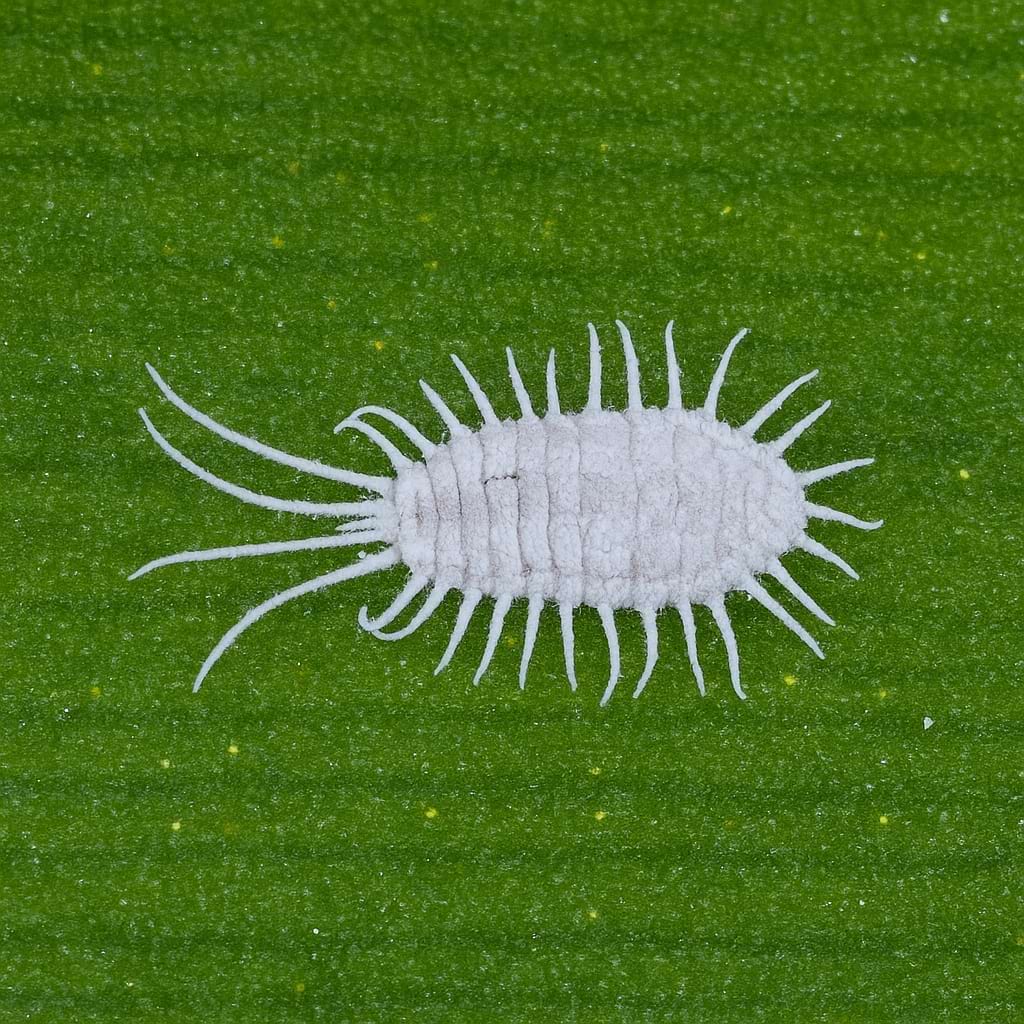
Mealybugs: White cottony masses in joints between segments. Wipe off with a cotton swab dipped in rubbing alcohol. Larger infestations respond to insecticidal soap or neem oil.
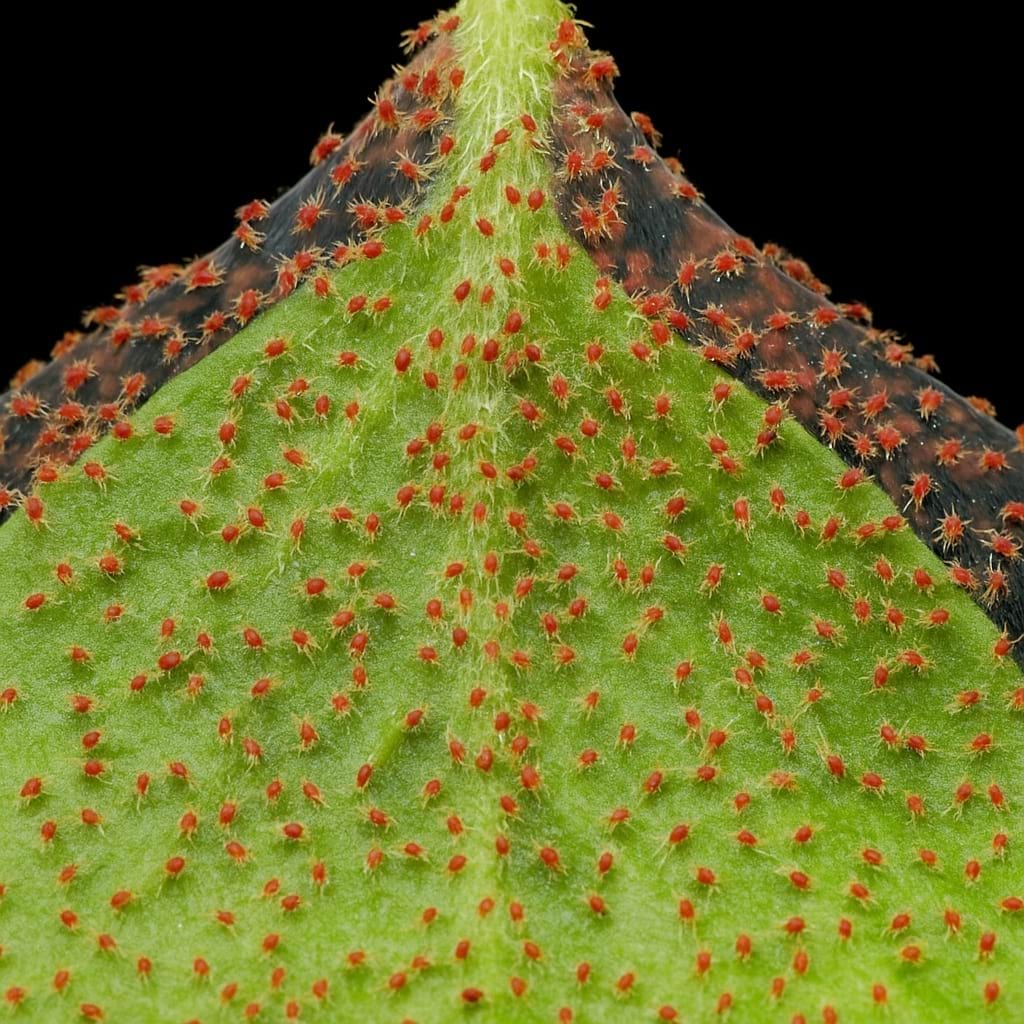
Spider Mites: Fine webbing and a stippled, bronzed appearance. Boost humidity, rinse with water, and treat with neem oil or insecticidal soap.
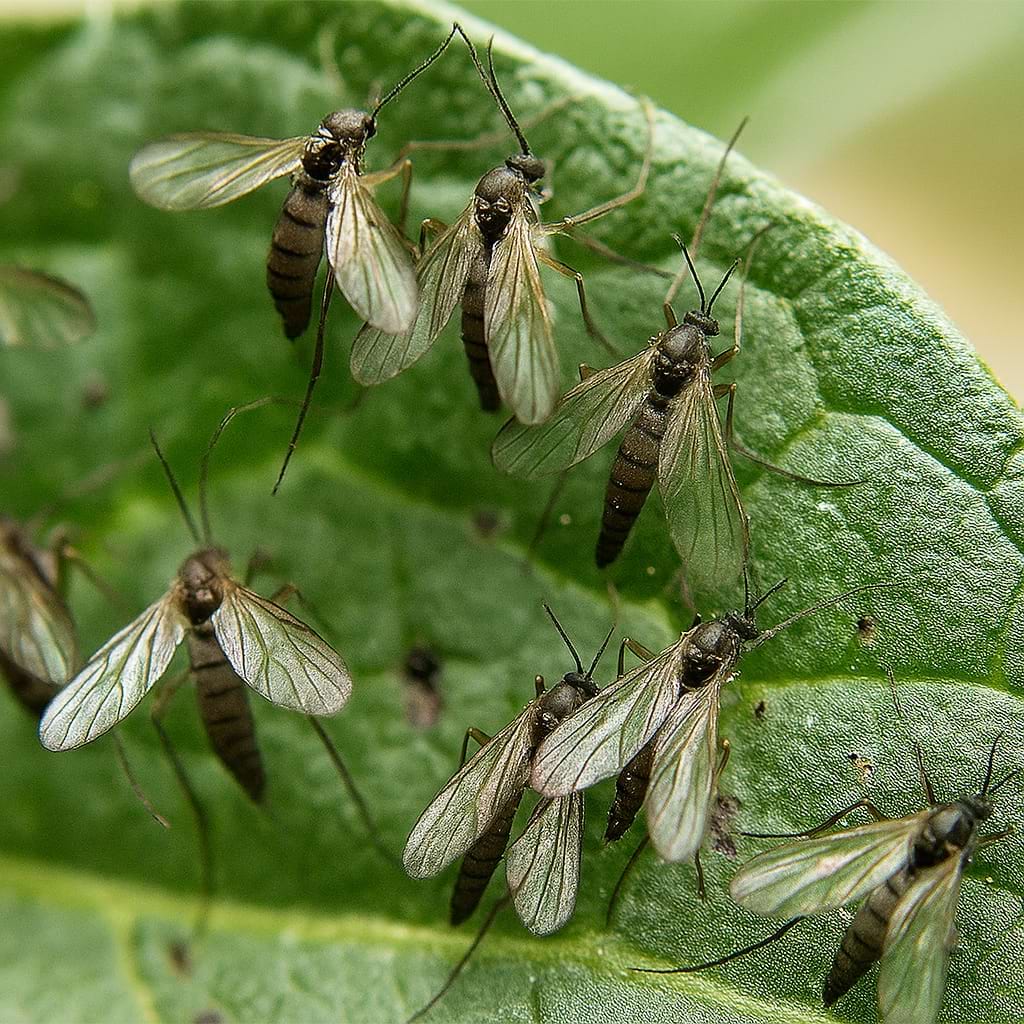
Fungus Gnats: Small black flies hovering around soil. Let soil dry more between waterings and use yellow sticky traps. Our pest prevention in winter has more strategies.
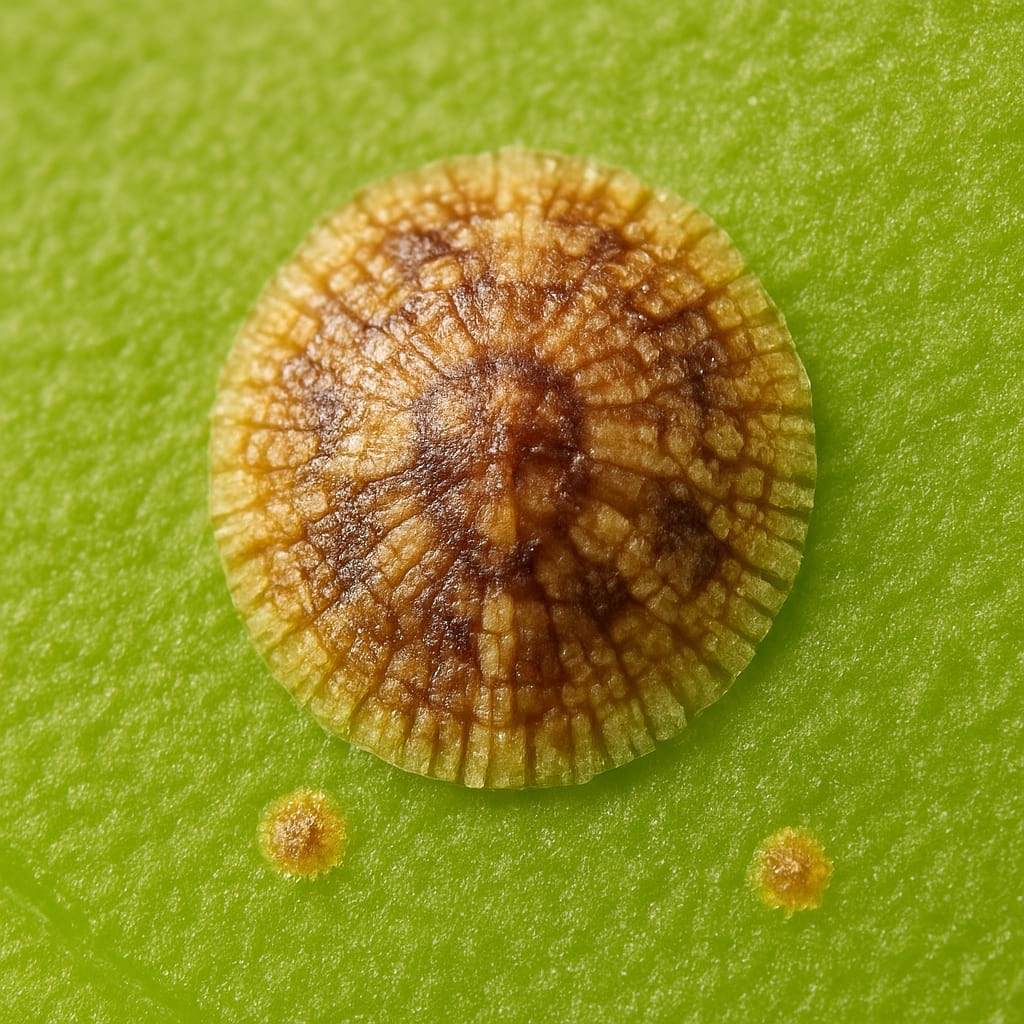
Scale Insects: Brown oval bumps on stems. Scrape off and swab with rubbing alcohol.
Prevention
Quarantine new plants for 2 weeks. Avoid overwatering. Maintain reasonable humidity. Inspect joints regularly. Keep a beginner plant toolkit stocked with alcohol, swabs, and neem oil.
🩺 Easter Cactus Problems and Diseases (Troubleshooting)

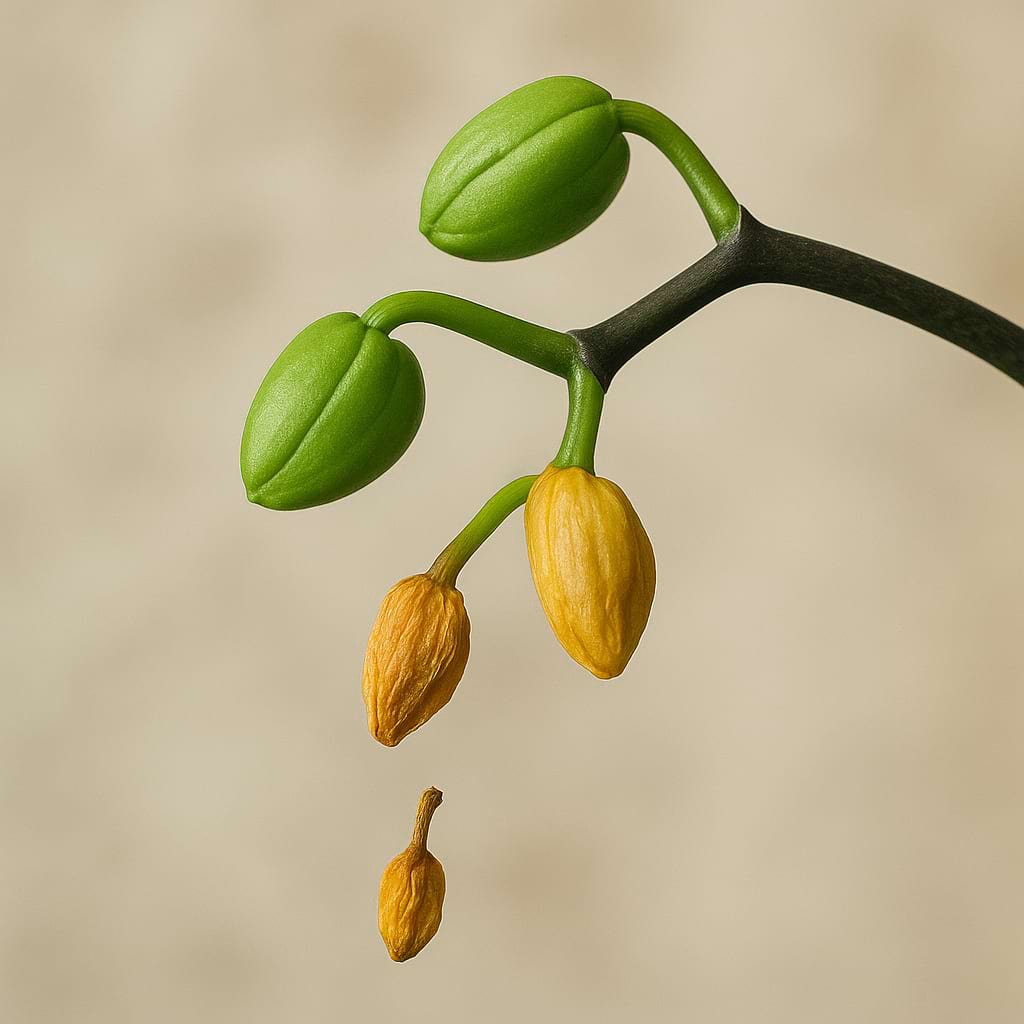
Bud Drop (Buds Falling Off Before Opening) is the most frustrating issue. Causes: moving the plant after buds form, draft exposure, temperature swings, inconsistent soil moisture. Once buds appear, do not move the plant.
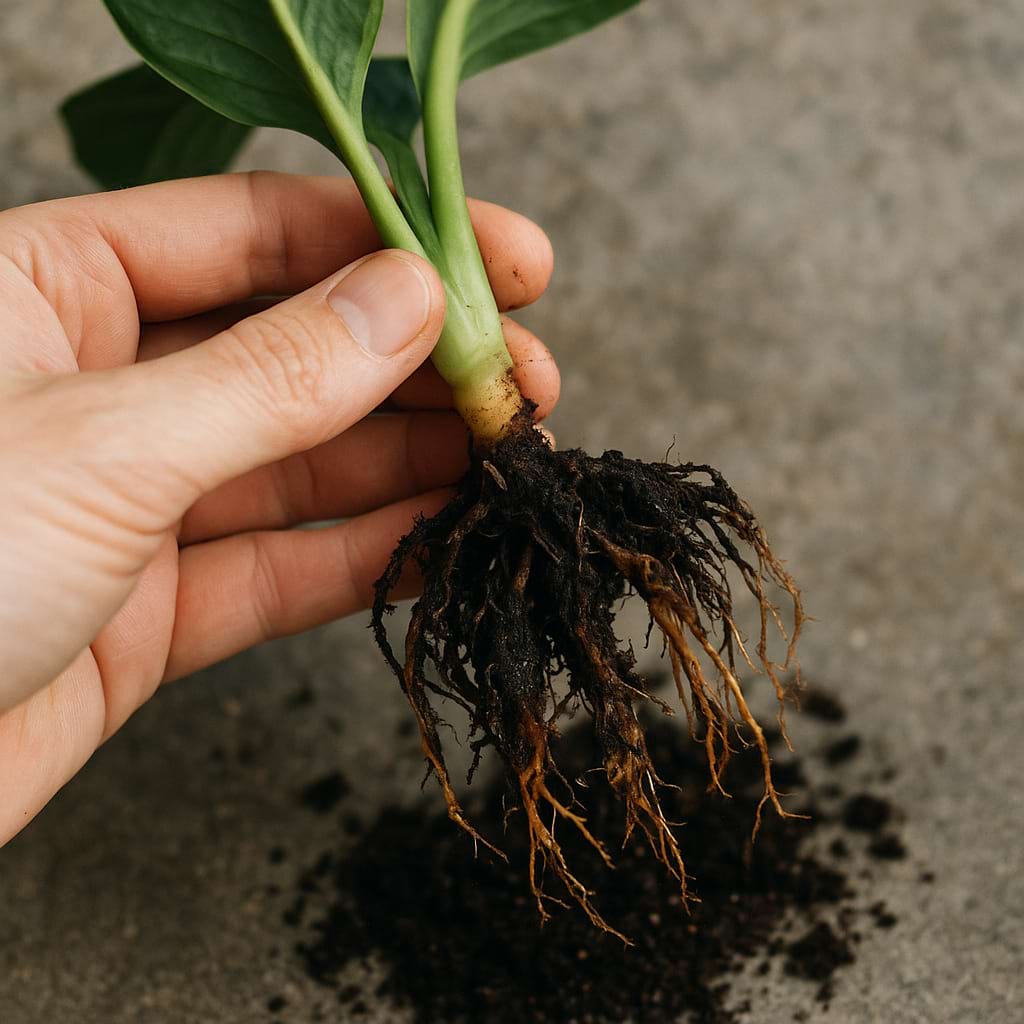
Limp, Wilting, or Drooping Segments: Wet soil means overwatering or root rot (unpot, trim mushy roots, repot dry). Dry soil means underwatering (thorough soak). Recent move or repot means transplant shock.
Segments Turning Red or Purple: Mild reddening from cool temperatures or brighter light is normal. Deep reddening with shriveling indicates phosphorus deficiency, waterlogged roots, or cold exposure.
Leggy, Stretched-Out Growth: Not enough light. Move brighter and prune after blooming.
Failure to Bloom: The cool rest was too short, too warm, or skipped. The plant was fertilized during rest. Not enough light during late winter. Very young plants (under 2-3 years) may not bloom until mature.
See common winter plant problems for more troubleshooting.
Diseases
Root Rot from overwatering. Wilting despite wet soil, mushy stems, sour smell. Unpot, trim affected roots, repot in fresh dry mix. If severe, salvage healthy segments and propagate.
Stem Rot (Basal Rot): Soft mushy dark areas starting at the base. Often fatal. Cut above the affected area to salvage healthy segments.
Botrytis (Gray Mold): Fuzzy gray mold on segments under cool, damp, stagnant air. Remove affected tissue, improve air circulation, reduce moisture.
🖼️ Easter Cactus Display Ideas (Styling & Decor)

Hanging Baskets and Macrame Hangers
The classic option. Mature plants develop trailing stems reaching 18 inches or longer, creating a cascading curtain. When covered in spring flowers, the effect is stunning.
Elevated Plant Stands and Shelves
Let the stems spill over the edge.
Bright Bathroom Windowsill
Natural humidity from showers, as long as there is enough light.
Spring Table Centerpiece
A flowering Easter Cactus replaces cut flowers and lasts for weeks.
Mixed Holiday Cactus Collection
Group all three holiday cacti for a staggered bloom show from November through May.
Styling Tips
- Complement the blooms: Red flowers pop against white, cream, or pale green pots.
- Pair with tropicals: Peace Lily, Spider Plant, or Boston Fern.
- Height contrast: Pair with upright Snake Plant or Corn Plant.
- Spring accent: Surround with pastel candles or fresh-cut flowers.
🌟 Easter Cactus Care Tips (Pro Advice)
✅ It is a jungle cactus, not a desert cactus. Water it, give it humidity, keep it out of harsh direct sun.
❄️ The cool rest is non-negotiable. 8-12 weeks at 45-55°F. Without it, no flowers.
🌡️ It needs the coldest rest of the three holiday cacti. Above 60°F means no blooms.
🚫 Do not move it once buds appear. Bud drop is the result.
💧 Ease up on water during the cool rest, roughly every 3-4 weeks. Stems should stay plump.
✂️ Prune right after blooming. Every removed segment becomes a branch point and a future bloom site.
🌱 Every cutting is a new plant. Pruned segments root easily in soil or water.
📆 Set a calendar reminder for October. The cool rest needs to start late October or November.
🌸 Collect all three holiday cacti for blooms from November through May.
❓ Frequently Asked Questions
Is an Easter Cactus safe for cats and dogs?
Yes. Easter Cacti (Schlumbergera gaertneri) are non-toxic to cats, dogs, and other household pets. The ASPCA lists Schlumbergera species as safe. A pet that chews on a segment might get a mild stomach upset, but there is no risk of poisoning.
What is the difference between an Easter Cactus, Christmas Cactus, and Thanksgiving Cactus?
The easiest way to tell them apart is the stem segment shape and bloom timing. Easter Cactus has rounded scallops or bumps and star-shaped spring flowers. Christmas Cactus has smooth, rounded scalloped edges and tubular winter flowers. Thanksgiving Cactus has pointed claw-like teeth and tubular November flowers. Most plants sold as Christmas Cactus in stores are actually Thanksgiving Cacti.
Why is my Easter Cactus not blooming?
Almost always a missing cool rest. The plant needs 8-12 weeks at 45-55°F (7-13°C) with reduced watering and no fertilizer in late autumn through winter. Without this cold treatment, no flower buds form.
How long do Easter Cacti live?
With consistent care, 20-50 years is achievable. Not quite as long-lived as Christmas and Thanksgiving cousins (which can exceed 100 years), but still a multi-decade plant.
Can I put my Easter Cactus outside in summer?
Yes, it often benefits from a summer vacation. Move to a shaded location once nighttime temperatures are above 50°F (10°C). Avoid direct afternoon sun. Bring it back inside in early autumn before temperatures drop.
Why are the stem segments turning red or purple?
A mild reddish tint usually means more light than usual or cooler temperatures, generally harmless. If segments are deeply red and shriveling, the plant may be getting too much direct sun or not enough water.
When should I start the cool rest period?
Late October or November. Move to a spot at 45-55°F (7-13°C) and water every 3-4 weeks for 8-12 weeks. In late January or February, gradually move to a warmer, brighter spot.
Is Easter Cactus the same as Christmas Cactus?
No, different species with different bloom times and flower shapes. Easter Cactus blooms in spring with star-shaped flowers. Christmas Cactus blooms in winter with tubular flowers. Care is similar, but the bloom-triggering process differs.
Is Easter Cactus the same as Easter Lily Cactus?
No, and the names trip a lot of people up. Easter Cactus is a flat-segmented tropical plant that wants bright indirect light and steady moisture. The Easter Lily Cactus is a round desert cactus (Echinopsis oxygona) that wants full sun and bone-dry winters. They need almost opposite care, so check the Latin name before you buy.
ℹ️ Easter Cactus Info
Care and Maintenance
🪴 Soil Type and pH: Well-draining, slightly acidic peat-based or coco coir-based mix
💧 Humidity and Misting: Prefers 50-60% humidity. A pebble tray or nearby humidifier helps, especially in heated indoor environments.
✂️ Pruning: Prune after blooming by twisting off 1-2 stem segments at the joints to encourage branching and a fuller shape.
🧼 Cleaning: Wipe flat stem segments gently with a damp cloth. Shake loose dust from cascading branches.
🌱 Repotting: Repot every 2-3 years in late spring or early summer, after blooming finishes. Prefers being slightly root-bound.
🔄 Repotting Frequency: Every 2-3 years
❄️ Seasonal Changes in Care: Provide a cool rest period (45-55F / 7-13C) with reduced watering and no fertilizer for 8-12 weeks in late autumn through winter. Increasing daylight and warmth in late winter signals the plant to set buds for spring.
Growing Characteristics
💥 Growth Speed: Moderate
🔄 Life Cycle: Evergreen perennial epiphytic cactus
💥 Bloom Time: March through May (with proper cool rest period)
🌡️ Hardiness Zones: 10-12
🗺️ Native Area: Subtropical forests of southeastern Brazil (Parana and Santa Catarina states)
🚘 Hibernation: Cool, dry rest period in late autumn through midwinter, followed by bud development in late winter
Propagation and Health
📍 Suitable Locations: Bright windowsills, hanging baskets, elevated shelves, bathrooms with windows
🪴 Propagation Methods: Very easy from stem cuttings. Twist off sections of 2-3 segments and root them in soil or water.
🐛 Common Pests: Mealybugs, Fungus Gnats, Spider Mites, Scale Insects
🦠 Possible Diseases: Root rot, stem rot, botrytis (gray mold)
Plant Details
🌿 Plant Type: Epiphytic tropical cactus
🍃 Foliage Type: Evergreen (modified flattened stems called phylloclades with small rounded scallops or bumps on edges)
🎨 Color of Leaves: Bright to medium green, sometimes with reddish tones under high light or cool temperatures
🌸 Flower Color: Red, scarlet, orange, pink, salmon, white, and bicolor depending on cultivar
🌼 Blooming: Yes, profusely under the right conditions
🍽️ Edibility: Not edible
📏 Mature Size: 6-12 inches
Additional Info
🌻 General Benefits: Non-toxic to pets, long-lived plant, vibrant spring blooms, air-purifying
💊 Medical Properties: No documented medicinal uses.
🧿 Feng Shui: Associated with renewal, new beginnings, and optimism. Place in the eastern area of a room to support growth energy and fresh starts as spring arrives.
⭐ Zodiac Sign Compatibility: Aries
🌈 Symbolism or Folklore: Renewal, resilience, and celebration. Blooming in spring connects it to themes of rebirth and the return of warmth after winter.
📝 Interesting Facts: Easter Cactus has been bounced between three genera over the years. Originally placed in Rhipsalidopsis, then moved to Hatiora, and most recently reclassified back into Schlumbergera. Its flowers are distinctly star-shaped and radially symmetrical, unlike the tubular asymmetric blooms of its Thanksgiving and Christmas cousins. In the wild, it grows as an epiphyte in the mossy forks of trees in the subtropical forests of southeastern Brazil.
Buying and Usage
🛒 What to Look for When Buying: Look for plants with firm, bright green segments that have smooth, gently scalloped edges. Avoid any with soft or shriveled sections. If buying in spring, choose plants with both open flowers and plenty of closed buds for a longer display.
🪴 Other Uses: Spring gift plant, excellent for hanging baskets, pairs well with other spring-blooming houseplants.
Decoration and Styling
🖼️ Display Ideas: Hanging baskets, macrame hangers, elevated shelves where stems can cascade, bright bathroom windowsills, spring table centerpiece
🧵 Styling Tips: The cascading stems look beautiful spilling from a high shelf or hanging planter. During spring blooming, use it as a living Easter centerpiece. Pair with other flowering houseplants like African Violet or Peace Lily for a colorful seasonal display.
🪴 See also 🪴
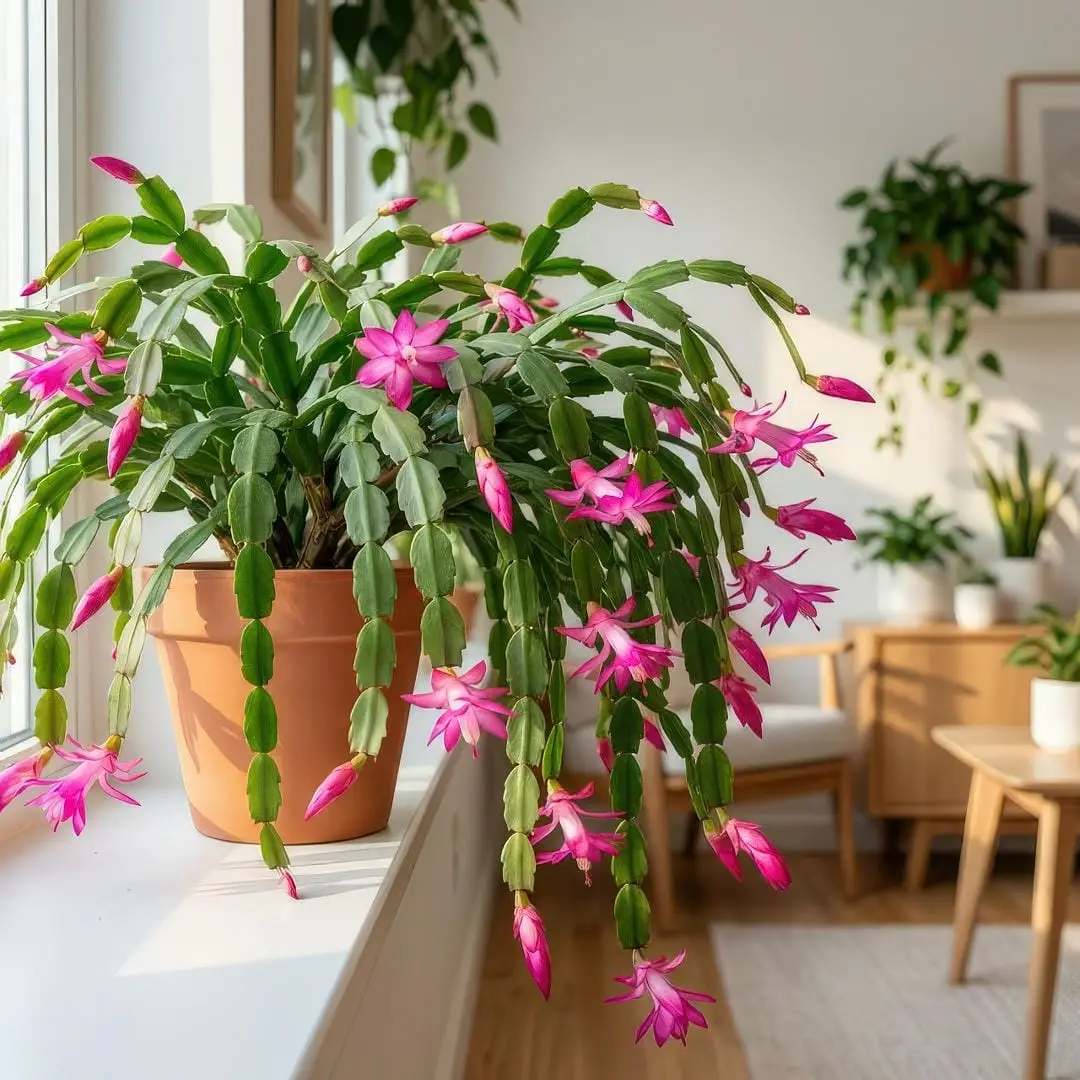
Complete Guide to Christmas Cactus Care and Growth

Houseplant101 Forum
Questions & Comments
Ask a question, share your plant experience, or help other plant owners.
Comments are temporarily unavailable.
Open the Houseplant101 ForumNo comments yet
Be the first to ask a question or share your experience about this page.
Log in or create an account
Comments use your Houseplant101 Forum account, but you can stay on this page.
Create a new account