
Cacticola Air Plant
Tillandsia cacticola
Tillandsia cacticola, Cactus-Dwelling Air Plant, Cacticola, Cacti Air Plant


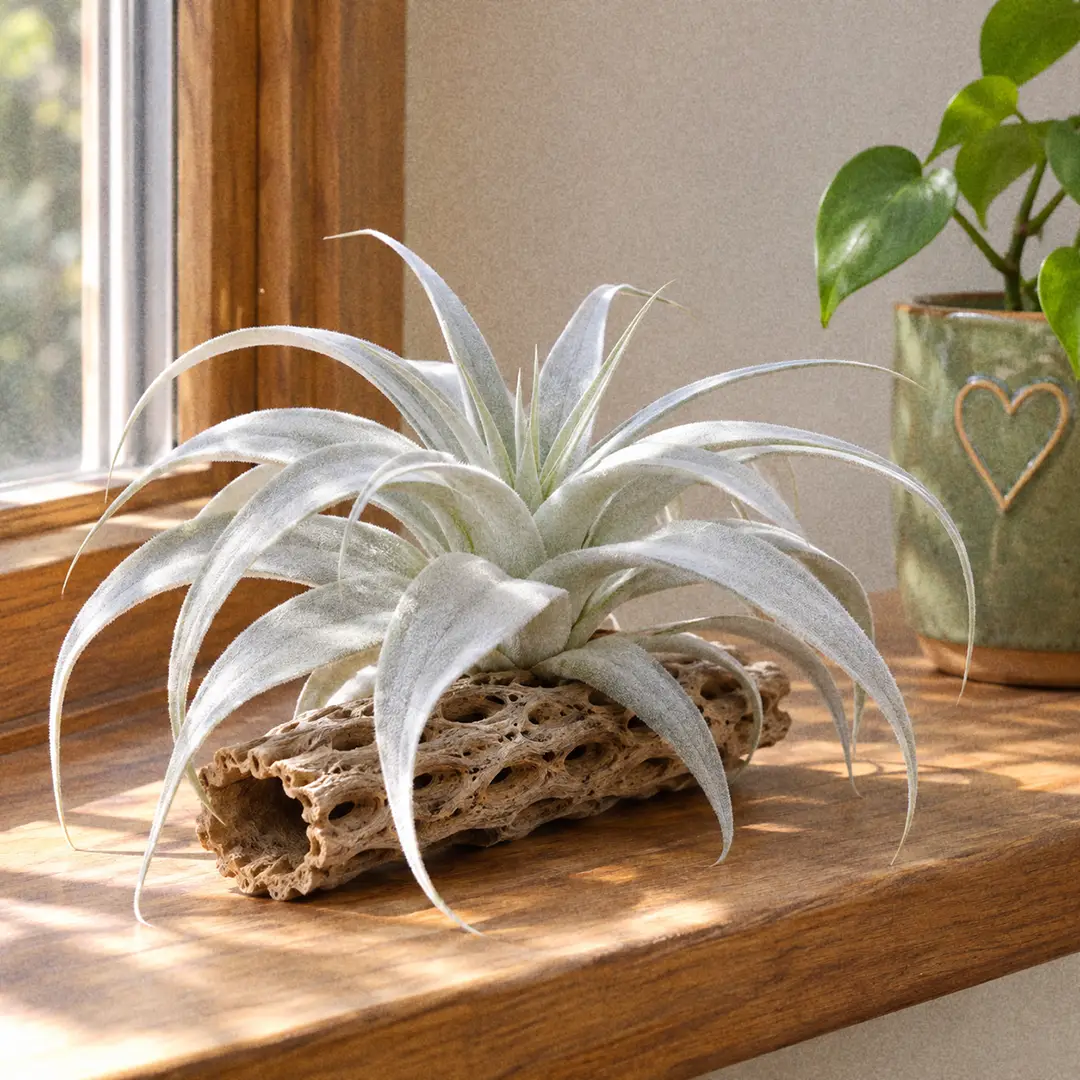
The Cacticola Air Plant is a soft silver rosette from the dry valleys of northern Peru, named for its habit of perching on cacti. Learn how much light Tillandsia cacticola needs, how to water it so it dries fast, how it differs from xerographica, and how to get its long-lasting lavender flower spike.
📝 Cacticola Air Plant Care Notes
🌿 Care Instructions
⚠️ Common Pests
📊 Growth Information
🪴 In This Guide 🪴

☀️ Cacticola Air Plant Light Requirements (Very Bright, Some Sun)
The Sweet Spot
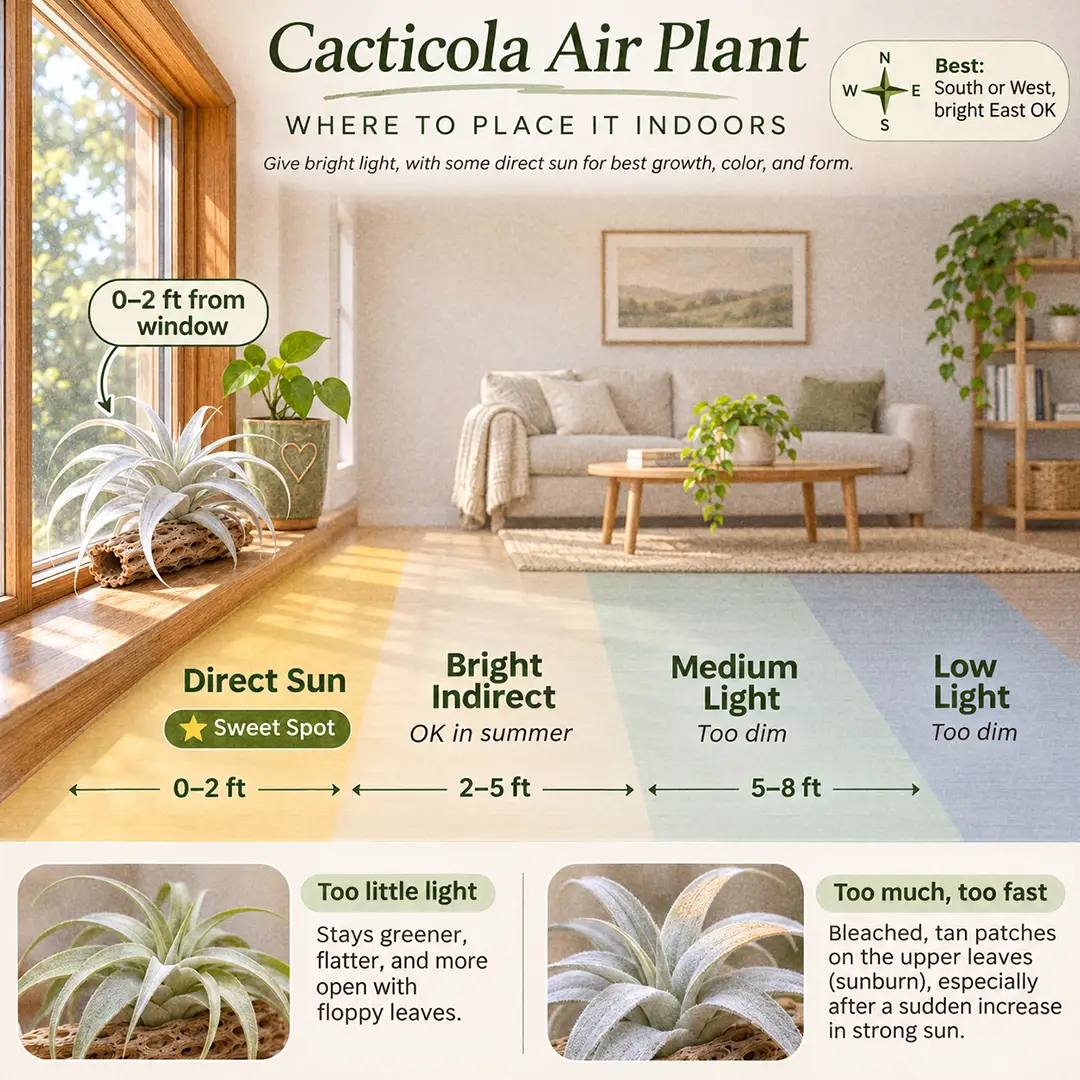
Think of the window where your cacti grow best, and put it there. In the wild this species lives in arid scrub in northern Peru, perched on cacti and shrubs in open, bright country. Indoors, that translates to a south or west window with the plant within a foot or two of the glass, or a bright east window that gets a solid run of morning sun.
A few hours of direct sun a day is welcome. The dense coat of trichomes on the leaves scatters strong light, which is why the plant looks so white. The more light it gets, the whiter and tighter it grows.
Too Little Light
A Cacticola in a dim spot does not die quickly. It just changes shape. The rosette opens and flattens, new leaves come in longer, greener, and floppier, and the silver turns dull. The bigger danger is water: a plant growing slowly in low light uses water slowly, so the base stays damp longer after each dunk and rot becomes far more likely.
If you have no bright window, a grow light 8 to 12 inches above the plant for 12 hours a day works well. A north window or a shelf in the middle of a room is not enough. Our light guide explains how to judge what a spot really gets.
Too Much Light
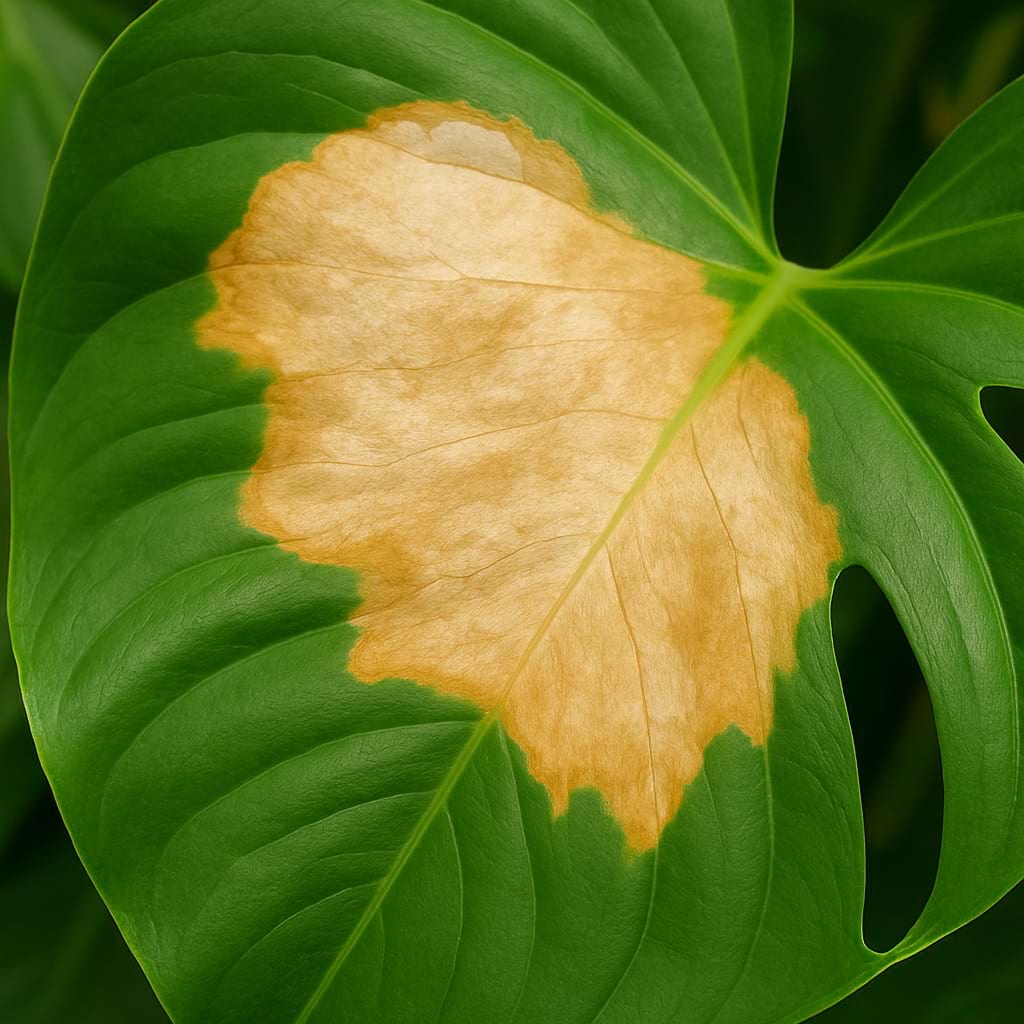
Sunburn shows as pale, bleached patches on the upward-facing leaves that later dry to tan paper. It usually happens when a plant from a dim shop goes straight into a hot summer window, or when it sits pressed against glass in July with no air moving. Move a new plant into full sun over a week or two, and in a very hot climate give it light shade during summer afternoons.
💧 Cacticola Air Plant Watering Guide (Weekly Dunk, Fast Dry)
Watering Frequency
Plan on watering about once a week from spring through early autumn, when the plant is in strong light and actively growing. In winter, with weaker light and cooler rooms, stretch that to every 10 to 14 days. Sellers give advice that ranges from twice a week to every two weeks, and that spread is real: it depends on how hot, bright, and breezy your spot is.
So read the plant. A thirsty Cacticola has leaves that curl inward and feel stiffer, and the rosette looks tighter and slightly hollow. A well-watered one relaxes and opens out. If you are unsure, wait a few days. This species handles a dry spell much better than a damp one.
How to Water a Cacticola Air Plant
Use rainwater, filtered water, or tap water left out overnight. Avoid softened water, which leaves sodium behind, and avoid using distilled water exclusively, since it carries none of the minerals the plant would normally get from rain and dust.
- Water in the morning so the plant has the whole day to dry.
- Dunk the whole rosette under water several times, or let it soak for 10 to 20 minutes on a hot summer week.
- Turn it upside down and shake it firmly to throw water out from between the leaf bases.
- Set it upside down or on its side in bright light with moving air.
- Check it after two to four hours. The base should feel dry. If it does not, give it a longer dry next time and more airflow.
This is a middle path. It wants more frequent watering than the Xerographica Air Plant, which gets a long soak every two or three weeks, but much faster drying than the thin green species. Our general watering guide covers water quality in more detail.
Signs of Trouble
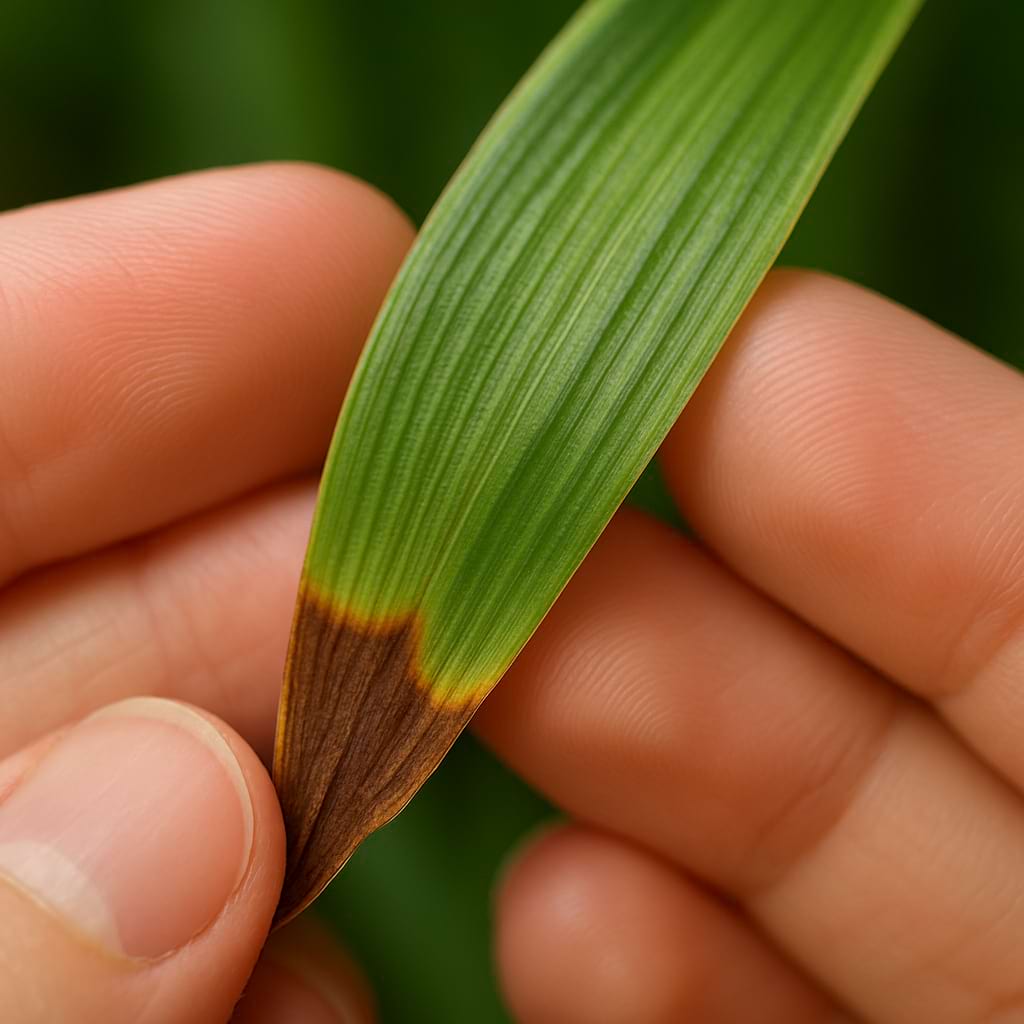
Underwatering shows as crisp brown leaf tips and a rosette that stays tightly curled even the day after watering. It is easy to fix.
Overwatering shows late. The first clear sign is a soft, dark base and inner leaves that slide out with a brown, wet end. By then the crown has usually rotted. Prevention is the whole game.
🪴 Best Soil for Cacticola Air Plant (None, Keep It Airy)
Why Cacticola Needs No Soil
This is an epiphyte. In habitat it holds onto cactus stems and shrub branches with a few wiry roots, and those roots are anchors, not drinking straws. Water and food come in through the leaves. Put it in potting mix and the base stays damp, and a damp base is how this plant dies.
What to Set It On
Choose something hard, dry, and open. Cholla wood is a natural fit for a cactus dweller, since it is the hollow skeleton of a cactus and lets air reach the base from every side. Cork bark, driftwood, slate, lava rock, or a simple wire stand all work too.
You do not need to attach it. Resting it on top of its perch is easiest, because you can lift it off on watering day without disturbing anything.
Materials to Avoid
Skip sphagnum moss, damp sand, and decorative moss beds, which hold water against the base. Avoid copper wire and treated wood, because copper is toxic to bromeliads. Deep cups, seashells that collect water, and closed glass globes are also poor choices for a plant that needs to dry within hours.
🍼 Fertilizing Cacticola Air Plant
When and How Often
Feed once a month from early spring through late summer, and not at all in autumn and winter. Cacticola is slow and comes from poor, dry country, so feeding is a small nudge, not a requirement. It does help a young plant reach flowering size a little sooner.
What to Use
Use a bromeliad or air plant fertilizer at a quarter of label strength, mixed into the dunking water. Choose a urea-free formula. Air plants have no soil bacteria to convert urea into a usable form, so it is wasted. Our fertilizer roundup and fertilizing guide cover dilution.
Over-Fertilizing Signs
Fertilizer salts dry onto the trichomes, so too much shows up quickly as burned brown tips or a crusty, dull look on the silver. If you see it, stop feeding for the season and water with plain rainwater or filtered water for a few rounds.
🌡️ Cacticola Air Plant Temperature Range
Ideal Range
Normal room temperature suits it well. Aim for 60 to 85°F (16 to 29°C) through the growing season. It tolerates warmer days if the air is moving and the plant is not baking against glass. Slightly cooler winter nights, around 55 to 60°F (13 to 16°C), are fine and match the cool nights of its foothill home.
Cold Limits
Keep it above 50°F (10°C) to be safe. It is not frost hardy, and a wet plant in the cold is the worst combination, so never water it right before a chilly night. Outdoors it can live year round only in frost-free gardens, roughly zones 9 to 11, and even there it wants shelter from cold rain.
Drafts and Heat Sources
A gentle breeze from an open window or a ceiling fan is good for it. A direct blast from a heating vent is not, since it crisps the leaf tips. Watch for still, hot air trapped between a closed curtain and a sunny window in summer.
Summer Outdoors
Once nights stay above about 55°F (13°C), a Cacticola enjoys a summer outside on a covered porch or under a tree with bright, broken light. Outdoor air dries it faster, so you may need to water twice a week in hot spells. Bring it back in before autumn nights turn cold, and check it for hitchhiking pests before it rejoins your other plants.
💦 Cacticola Air Plant Humidity Requirements
Ideal Humidity
Ordinary indoor humidity of 30 to 60% is fine. This is a dry-country plant, and it does not need a humidifier, a pebble tray, or a steamy bathroom.
Airflow Matters More
What it does need is air movement. Still, damp air keeps the leaf bases wet, and that is where rot starts. An open shelf in a normal room beats a cramped nook. In a humid climate, run a small fan nearby for an hour after watering. Our humidity guide explains how to measure your room.
🌸 Cacticola Air Plant Flowers (Lavender Bracts, Months of Color)
What the Flowers Look Like
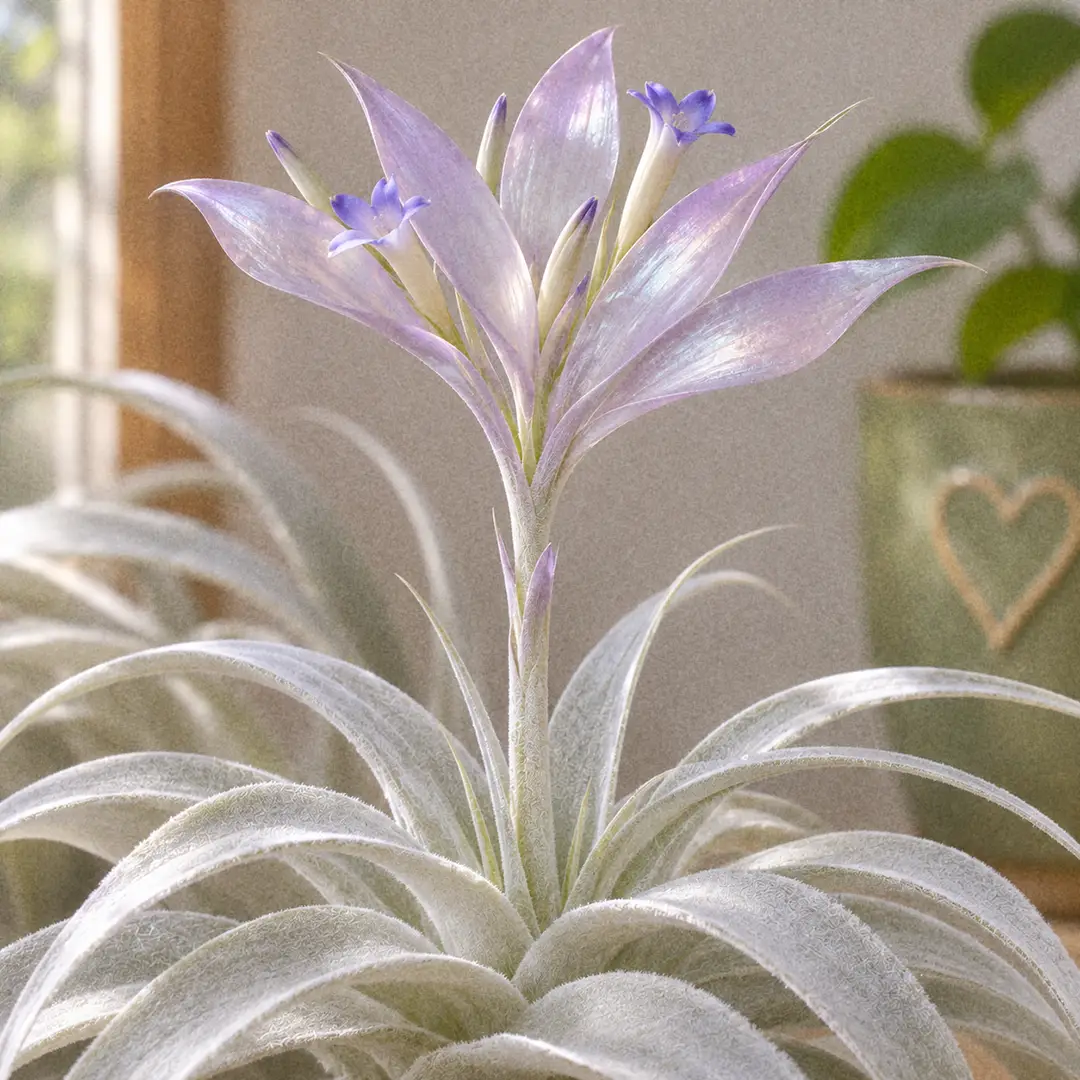
This is the reason most people buy one. A mature rosette sends up an upright spike, often around a foot tall, that splits near the top into a fan of broad, flattened bracts. The bracts are a pale lilac-lavender with a soft pearly sheen. From between them come tubular flowers in cream or ivory, tipped with violet-blue, opening a few at a time over a long season. Some growers describe a light, sweet scent.
The bloom is slow at both ends. The spike can take months to develop and color up, and once it does, it holds for months rather than weeks.
How to Trigger Bloom
There is no trick. A Cacticola blooms when the rosette is mature, and that takes years. Plants sold at 4 inches may need several more years before they flower. What helps:
- As much light as you can give it, including some direct sun.
- Steady watering and fast drying through spring and summer.
- Monthly feeding at quarter strength in the growing season.
- A summer outdoors in bright, sheltered conditions, if you can manage it.
After It Blooms
Like other Tillandsias, each rosette flowers once. After blooming it puts its energy into pups at the base, then slowly declines over a year or more. Cut the spike only once it has gone fully dry and brown. Our page on failure to bloom covers what to check if a large plant never sends up a spike.
🏷️ Cacticola Air Plant Types and Varieties
Seller Forms and Clones
You will see Cacticola sold under several labels, including long form, thin leaf, silver clone, bright clone, and straight form, as well as the cultivar 'Splendid'. These are selections of the same species chosen by nurseries for leaf shape, color, or bloom. Care is identical for all of them, so choose by the plant in front of you and buy from a seller who shows photos of the actual plant.
Cacticola vs Xerographica
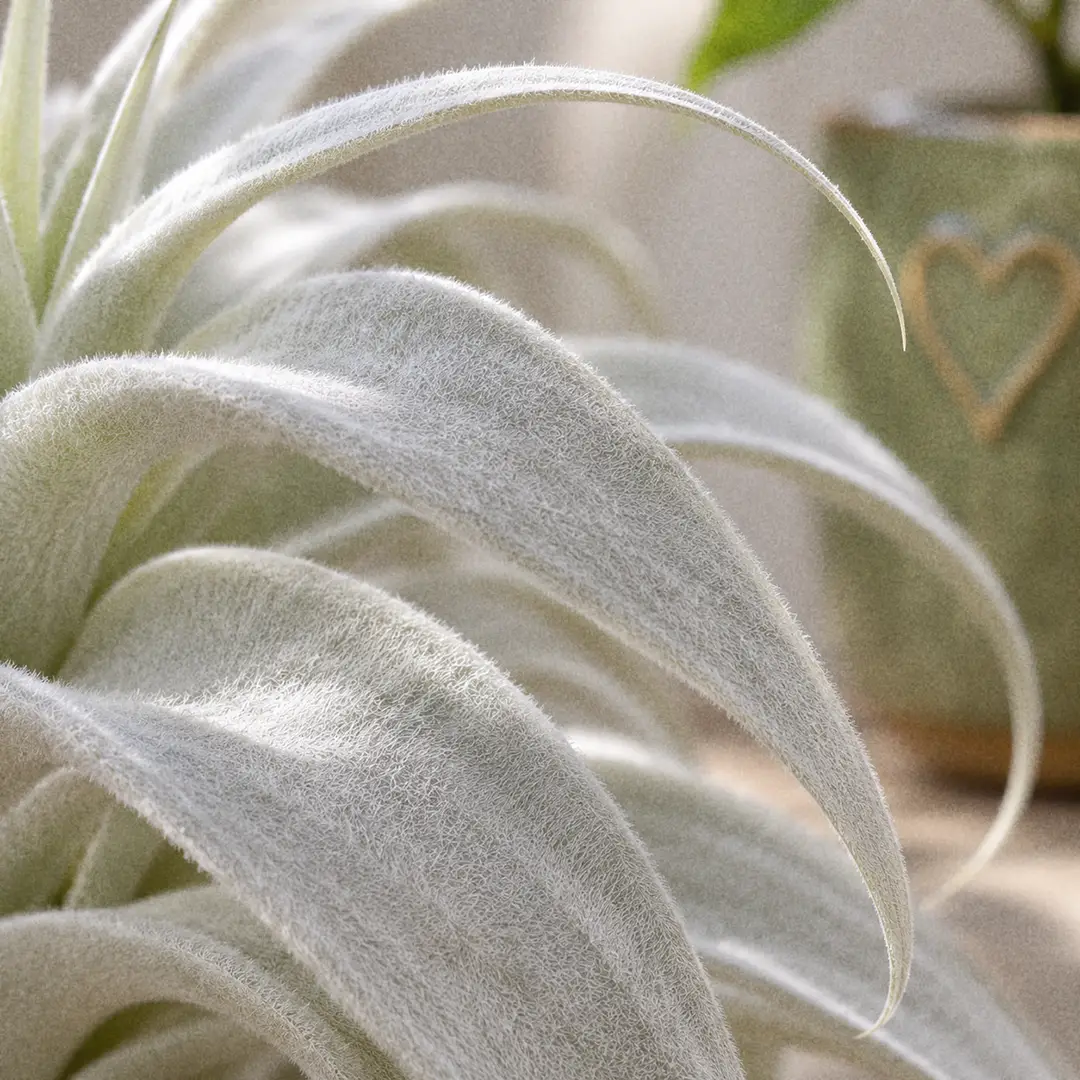
These two get confused because both are big silver rosettes. The Xerographica Air Plant has thick, leathery, broad leaves that curl into a spiral, and it comes from dry forest in Mexico and Central America. Its spike is branched and chartreuse to rosy red. Cacticola has softer, more pliable leaves that taper to thin tips and arch outward, and its bloom is a fan of pale lavender bracts. In the hand, a Cacticola leaf feels almost velvety and flexible. A xerographica leaf feels stiff.
Water also separates them. Xerographica is soaked rarely and long. Cacticola does better on a weekly dunk with a fast dry.
Cacticola vs Other Silver Air Plants
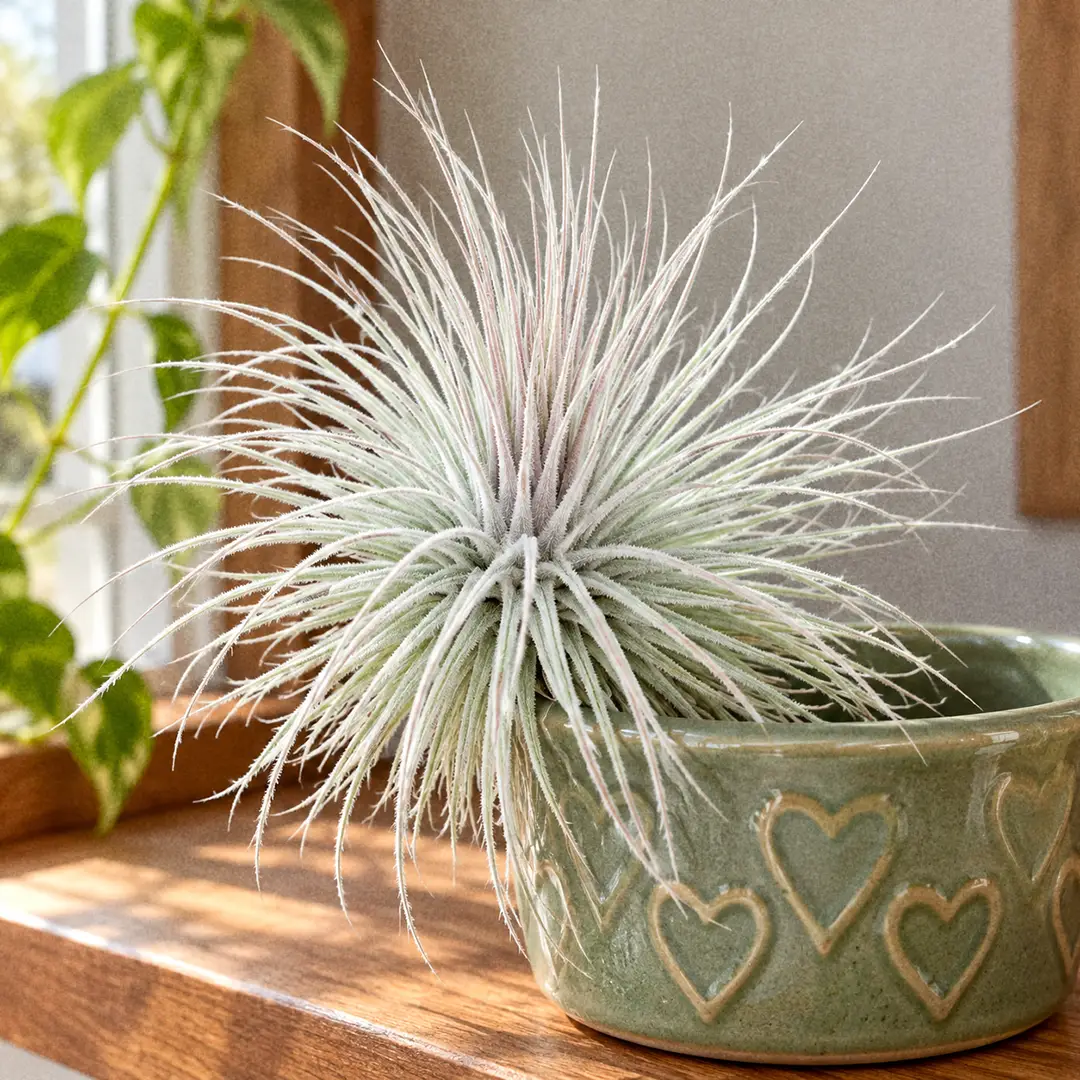
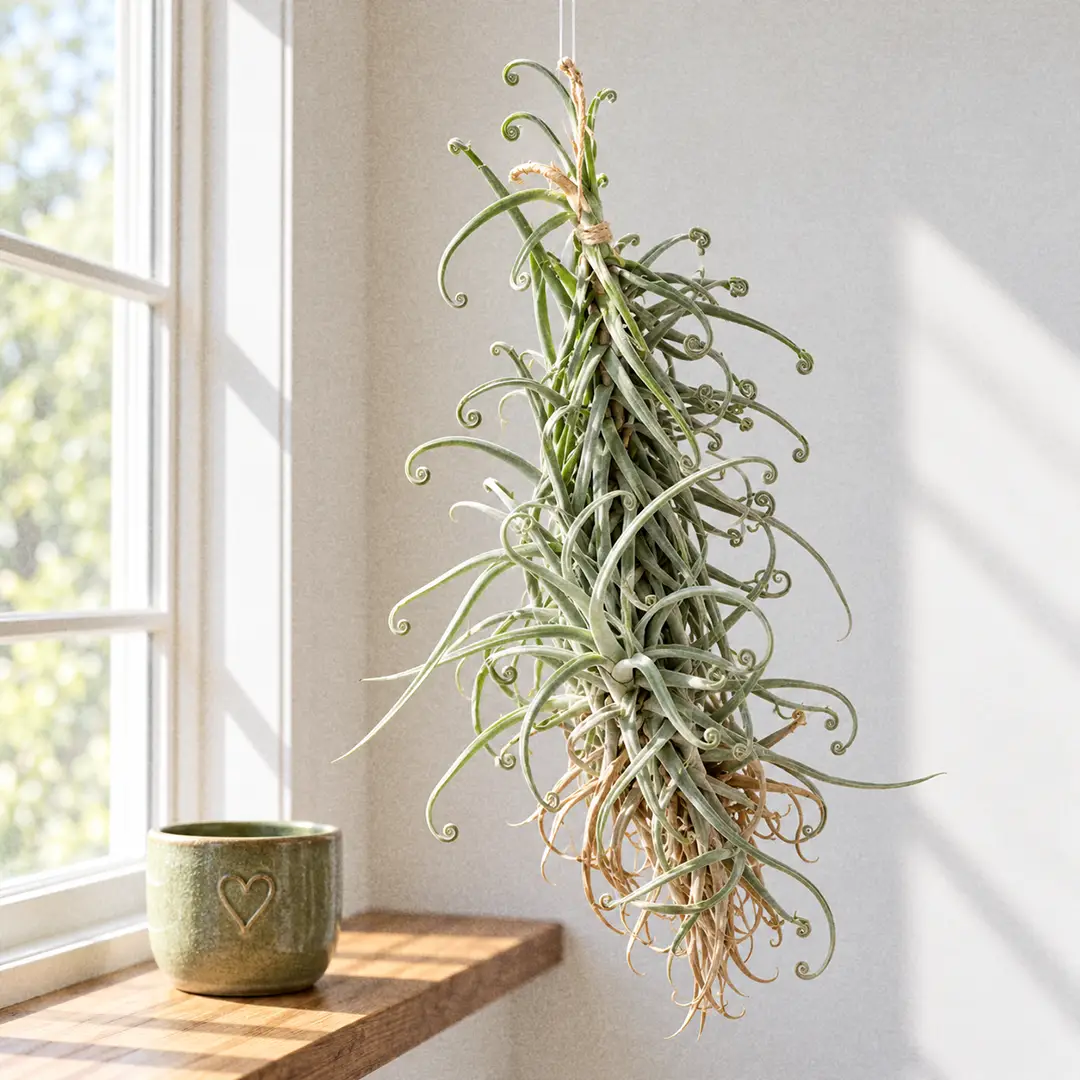
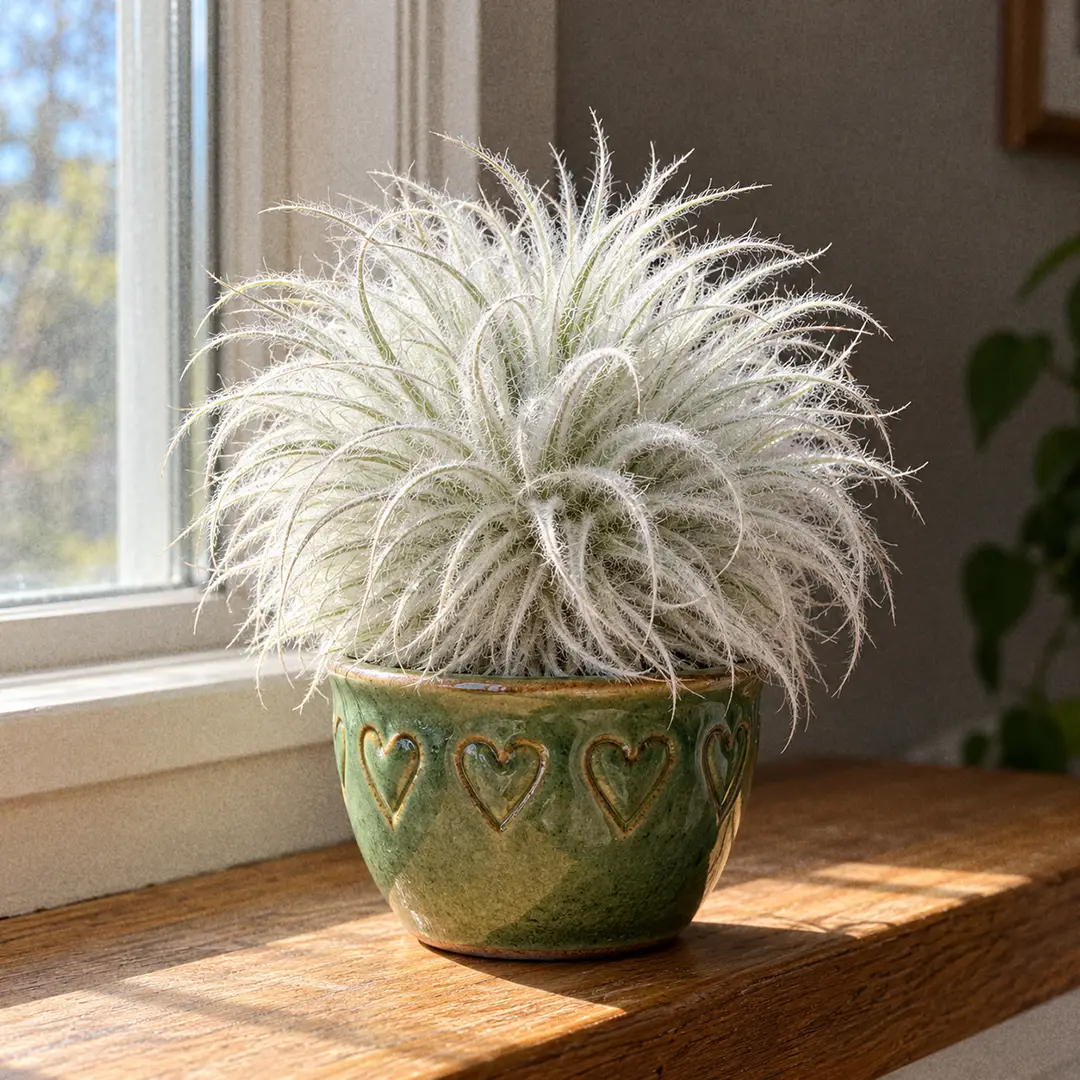
The Tectorum Air Plant is a neighbor from the same dry Andes, but its long feathery trichomes make it a white snowball, and it prefers misting. The Duratii Air Plant grows along a long stem and hangs by curled leaf tips. Harrisii is smaller and stiffer. The Magnusiana Air Plant is a small fuzzy ball with a short maroon spike. Our general air plant guide covers the wider genus.
🪴 Mounting a Cacticola Air Plant
There Is Nothing to Repot
No soil means no repotting and no root care. You only move it when the rosette outgrows its perch or you want a new display. Give a mature plant room to spread, since its long leaves look cramped against a narrow dish rim.
Choosing a Mount
Cholla wood, cork rounds, grapevine, and driftwood all suit it. The best mount holds the plant securely, lets air reach the base, and is either easy to lift the plant off or fine to dunk whole. Decide which before you attach anything.
How to Attach It
If you want it fixed in place, use fishing line, nylon plant ties, or plastic-coated wire wrapped low around the base, below the leaves. Leave the center open. Do not use glue. It seals off part of the plant, holds moisture against the base, and makes removing it for watering nearly impossible.
✂️ Pruning Cacticola Air Plant
Dry Tips and Lower Leaves
A few dry brown tips on the oldest leaves are normal. Snip them with clean scissors at a slight angle so the cut follows the natural taper of the leaf. Lower leaves that are fully dry and papery can be pulled gently downward and away. If a leaf resists, it is still alive, so leave it.
The Flower Spike
Leave the spike alone while it has any color. Once it is completely dry and brown, cut it off close to the rosette without nicking the surrounding leaves. Handle the plant by the base, not the leaves, so you do not rub off the silver coat.
🌱 How to Propagate Cacticola Air Plant
Best Method: Pups
Pups are the realistic way to get more Cacticola. They grow from the base of the mother, usually after she flowers. Growers report anything from one or two pups to a generous cluster, so do not count on a specific number. Seed is possible but slow enough that it is a project for specialists.
Step-by-Step Pup Separation
- Wait until the pup is at least a third the size of the mother. Smaller pups grow very slowly on their own.
- Hold the mother at her base with one hand and the pup at its base with the other.
- Gently twist the pup downward and away. A ready pup comes off with a clean snap.
- If it resists, cut it free with a clean, sharp knife as close to the mother as you can without slicing into the pup.
- Let the cut dry for a day, then start the pup on the normal watering routine.
Our propagation guide covers offset division across other plants.
Caring for New Pups
Pups have less stored water than a mature rosette and dry out faster. Give them bright light, but ease them into direct sun, and keep an eye on the leaf curl in their first few weeks.
Clump or Separate?
You can also leave the pups attached. They grow into a clump around the fading mother, and you pull her remains away once they are dry. A clump of silver rosettes on a piece of cholla is a good display in its own right.
🐛 Cacticola Air Plant Pests and Treatment
Mealybugs and Scale
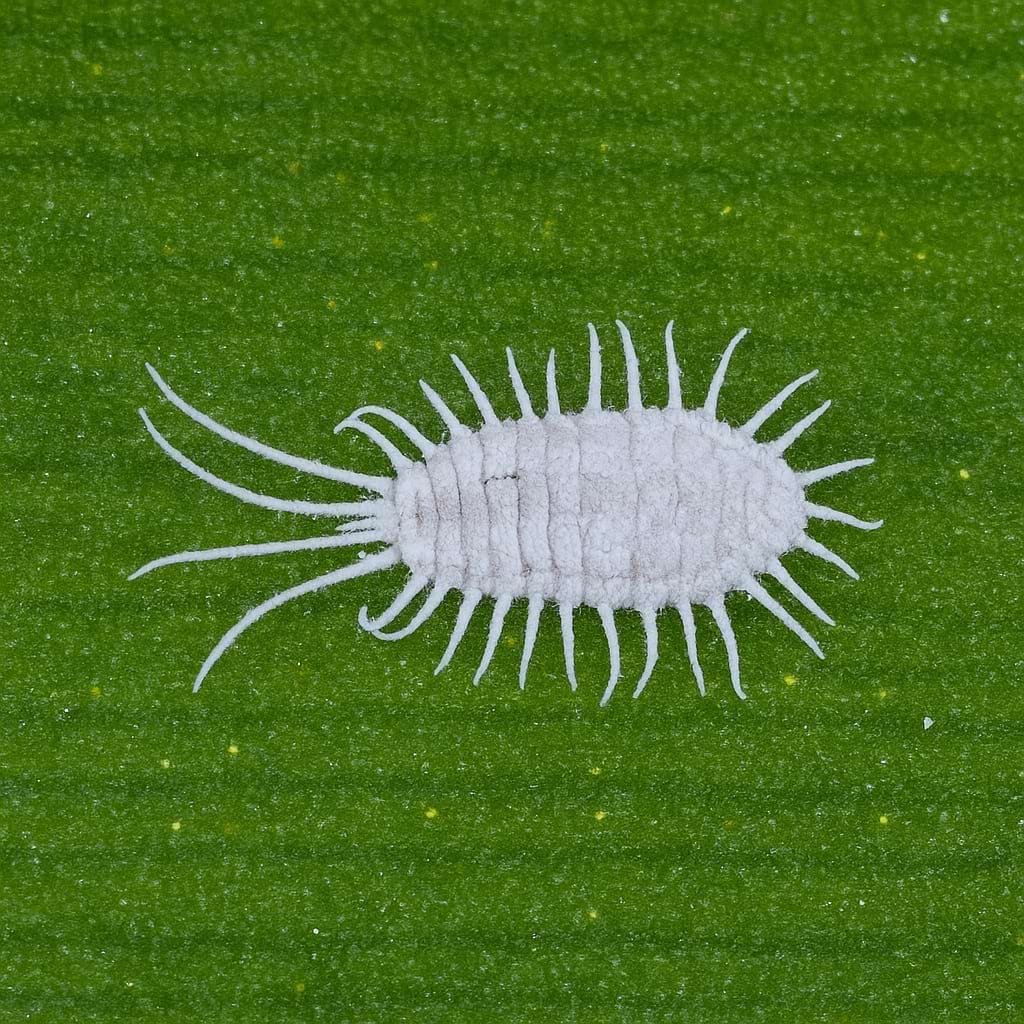
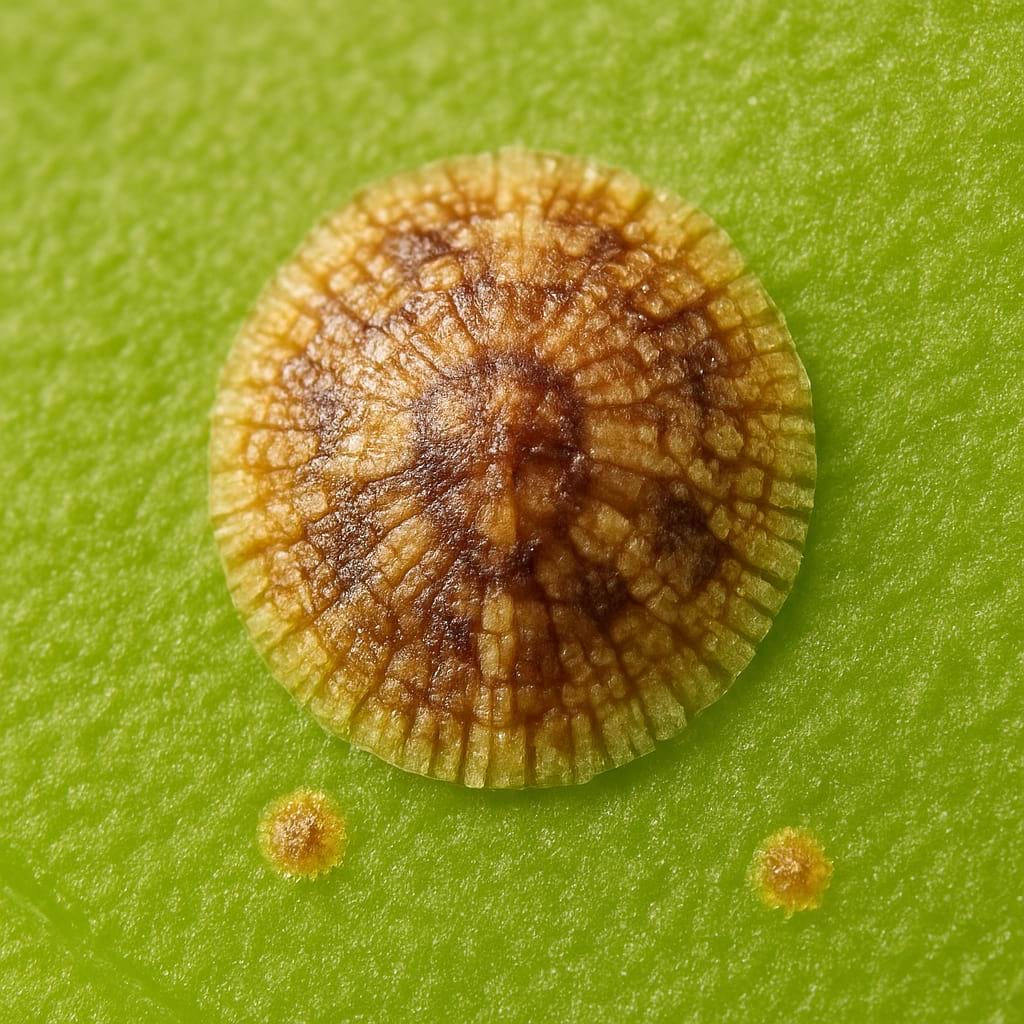
These are the two you are most likely to see, usually brought home on a new plant. Mealybugs look like white cottony specks deep between the leaf bases. Scale insects are small hard brown bumps fixed to the leaves. Dab mealybugs with a cotton swab dipped in rubbing alcohol, lift scale off with a fingernail or soft toothbrush, and recheck weekly for a month.
Aphids
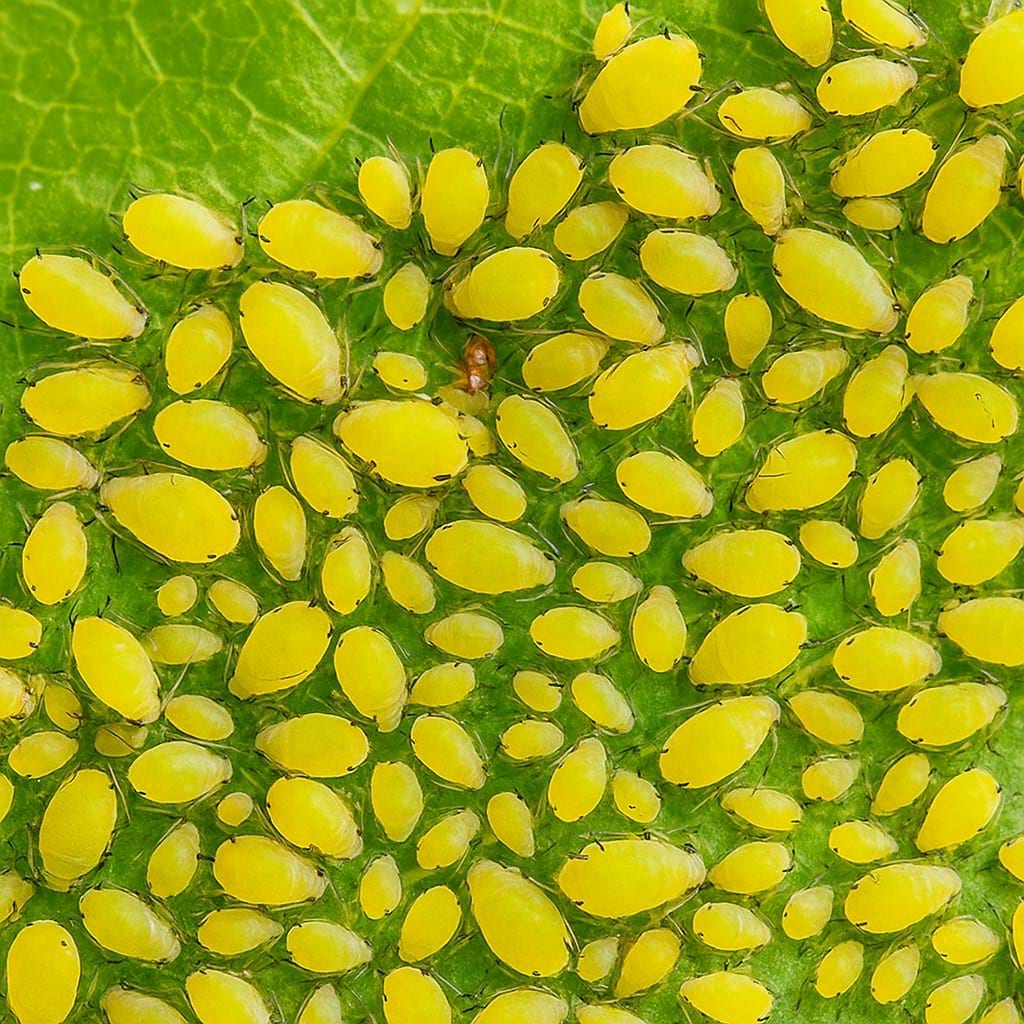
Aphids occasionally turn up, mostly on plants that summer outdoors, and they like the soft new flower spike. A thorough dunk and a gentle rinse knock them off.
Safe Treatment
Do not use neem oil, horticultural oil, or leaf shine. Oil coats the trichomes and stops the plant from taking up water. Isolate any new plant for a couple of weeks before it joins the others.
🩺 Common Cacticola Air Plant Problems
Center Rot
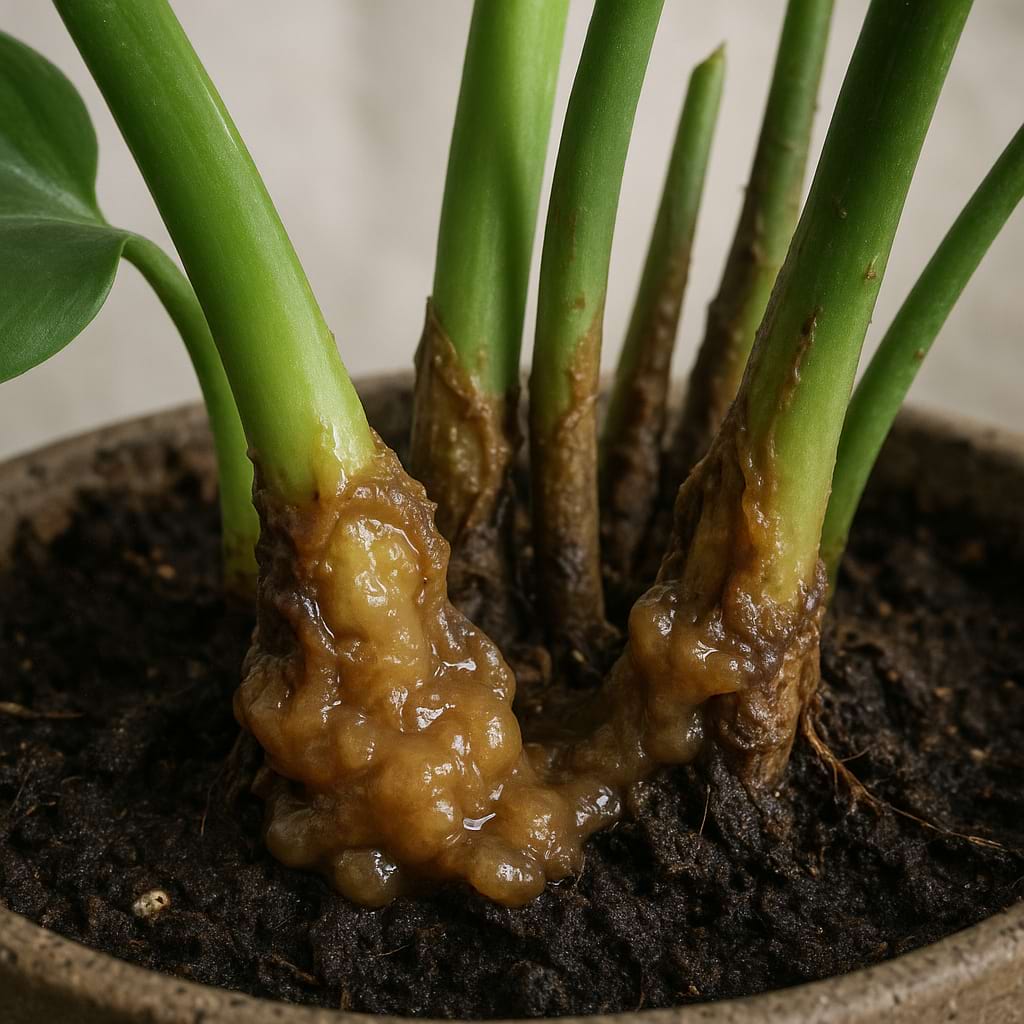
This is the one that kills. The base turns soft and dark and inner leaves pull out with wet, brown ends, which is what our mushy stems page describes. It comes from water left between the leaf bases, slow drying, or a damp holder. There is no cure once the crown goes, so shake and invert the plant every single time.
Dry, Crispy, or Curling Leaves
Brown crispy edges on new growth, together with curling leaves that stay curled after watering, mean the plant is too dry. Water a little more often, or use a short soak instead of a quick dunk in summer. A glued base can cause the same symptoms, because it stops water reaching part of the plant.
Light Problems
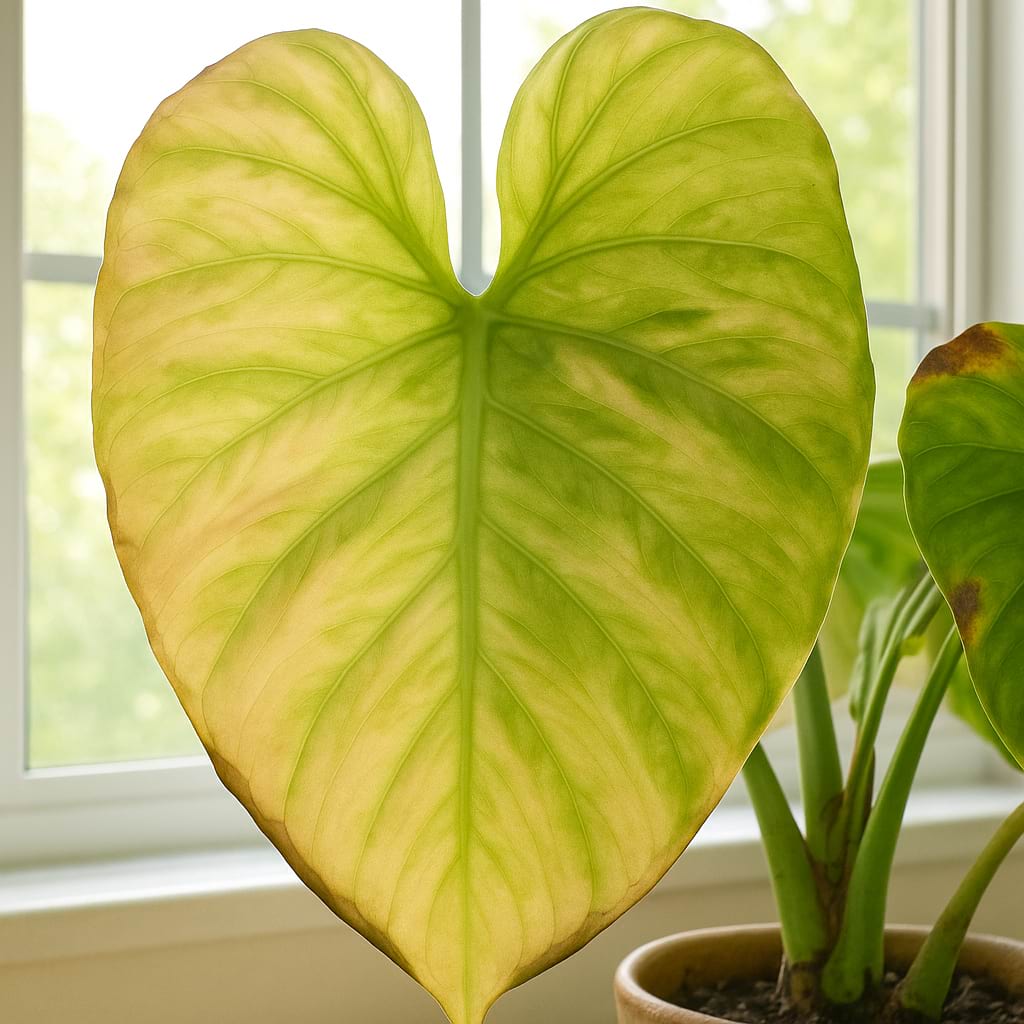
Green, flat, floppy growth is a light shortage. See pale faded leaves and move it closer to a bright window. Bleached patches on the sun-facing leaves are sunburn. The marks are permanent, but the plant carries on.
No Growth or No Bloom
A plant that seems stuck for months is usually short on light or food. See stunted growth. A plant that never flowers is most often just too young.
🖼️ Cacticola Air Plant Display and Styling Ideas
Solo Setups
A single mature Cacticola on a piece of cholla wood or a dark slate tile is all you need. The soft silver rosette has a cleaner, more relaxed outline than most air plants, and it reads best when nothing crowds it. When the lavender spike arrives, a plain background lets it carry the whole shelf.
Grouped Arrangements
Group it with plants that like the same bright, dry window. A low dish of small cacti nearby nods to its habitat without putting the air plant in soil. A strand of Spanish Moss adds softness, but it wants more frequent water, so keep the two on separate perches. Smaller air plants like the Ionantha Air Plant add scale at the edge of the arrangement.
Where Not to Put It
Not in a closed terrarium or glass globe. Not on moss. Not in a dim corner as a decorative object, which is where most air plants slowly fail. And not where it gets knocked often, since the long leaf tips bend and snap.
🌟 Cacticola Air Plant Pro Care Tips
Watering Habits
- Water in the morning, never at night, so the plant is dry before the room cools.
- Shake it out and dry it upside down every time. This one habit prevents most losses.
- Use the leaf curl, not the calendar, to decide when to water.
Light and Air
- Give it the brightest window in your home and move it closer in winter.
- Keep air moving. A fan running for an hour after watering is cheap insurance.
Buying and Handling
- Check the base before you buy. It should be firm and dry, with no glue.
- Hold it by the base. Rubbing the leaves removes the silver trichomes it drinks through.
❓ Frequently Asked Questions
How often should I water a Cacticola Air Plant?
About once a week in spring and summer, and every 10 to 14 days in winter. Dunk it or give it a short soak, then shake it out and let it dry upside down within a few hours. Adjust by how quickly it dries and how its leaves curl.
Should I soak my Cacticola Air Plant or mist it?
A dunk or a short soak works better than misting, which wets the surface without hydrating the plant and leaves water sitting in the base. Long soaks of an hour or more are unnecessary for this species. The fast dry afterward matters more than the method.
Why is my Cacticola Air Plant turning brown in the middle?
That is crown rot from water left in the base after watering. If the center is soft and the inner leaves pull out with wet ends, the plant cannot be saved. Check for healthy pups at the base and dry them strictly after every watering.
What is the difference between Cacticola and Xerographica?
Xerographica has stiff, broad, leathery leaves that curl into a spiral and a chartreuse to red flower spike, and it is soaked only every two to three weeks. Cacticola has softer, more flexible silver leaves, a pale lavender spike, and does better on a weekly dunk with fast drying.
Is the Cacticola Air Plant safe for cats and dogs?
Tillandsias are generally treated as non-toxic to pets, and we have found no report of Tillandsia cacticola harming a cat or dog. That is a call made at the genus level rather than from species-specific testing. The more practical risk is a cat batting a loose plant onto the floor.
How big does a Cacticola Air Plant get?
Most plants sold are 4 to 8 inches across. A mature rosette commonly reaches 8 to 10 inches, and old specimens can grow larger. The flower spike adds roughly another foot.
What color are Cacticola flowers?
The bracts are pale lilac-lavender with a pearly sheen, and the tubular flowers are cream to ivory with violet-blue tips. They open a few at a time, so the bloom stays attractive for months.
Does a Cacticola Air Plant die after blooming?
The rosette that blooms slowly declines afterward, usually over a year or more. Before that it produces pups at the base, and those carry the plant on. Leave them attached for a clump or separate them once they are a third of the mother's size.
Can a Cacticola Air Plant take full sun?
Indoors, yes, through a south or west window, as long as it is acclimated first and air is moving. Outdoors in summer, give it morning sun or light afternoon shade, since outdoor midday sun is much stronger than sun through glass.
Can I keep a Cacticola Air Plant in a terrarium?
Only an open one with real airflow, and even then it is a compromise. Closed terrariums and glass globes hold moisture around the base, which is exactly what rots this plant. An open perch in a bright window is far better.
ℹ️ Cacticola Air Plant Info
Care and Maintenance
🪴 Soil Type and pH: No soil. Grown loose or mounted on dry, airy material such as cholla wood, cork, or stone.
💧 Humidity and Misting: Ordinary indoor humidity is fine. Moving air matters far more than moisture.
✂️ Pruning: Trim dry leaf tips at an angle and cut the flower spike off once it has fully dried.
🧼 Cleaning: Never wipe or rub the leaves. The silver coating is made of trichomes that the plant drinks through, and they come off with handling.
🌱 Repotting: Not applicable. Move it to a wider stand or mount as the rosette spreads.
🔄 Repotting Frequency: Not required
❄️ Seasonal Changes in Care: Water weekly through spring and summer, stretch to every 10 to 14 days in a cool, dim winter, and feed only in the warm months.
Growing Characteristics
💥 Growth Speed: Slow
🔄 Life Cycle: Evergreen perennial bromeliad. Each rosette flowers once, pups, then slowly declines.
💥 Bloom Time: Varies with the plant. The spike develops slowly over months and the bloom then lasts for months.
🌡️ Hardiness Zones: 9-11
🗺️ Native Area: Arid valleys and dry foothill scrub of northern Peru, roughly 300 to 2,300 m, growing on cacti and shrubs and occasionally on rock
🚘 Hibernation: No true dormancy, though growth slows sharply in a cool, dim winter.
Propagation and Health
📍 Suitable Locations: South, west, or bright east windows, sunrooms, under a strong grow light, sheltered patios in summer
🪴 Propagation Methods: Separate pups from the base after flowering once they reach about a third of the mother's size, or leave them to form a clump.
🐛 Common Pests: Mealybugs, Scale Insects, Aphids
🦠 Possible Diseases: Crown rot from water left sitting in the base after watering.
Plant Details
🌿 Plant Type: Epiphytic bromeliad (air plant)
🍃 Foliage Type: Soft, tapering, outward-curving leaves in a short-stemmed rosette
🎨 Color of Leaves: Silvery white to silver gray-green, felted with trichomes
🌸 Flower Color: Pale lilac-lavender bracts with a pearly sheen, and cream to ivory flowers with violet-blue tips
🌼 Blooming: An upright spike that branches into a fan of flat lavender bracts, opening flowers one after another over a long season
🍽️ Edibility: Not edible.
📏 Mature Size: 4-6 inches for the rosette, plus a flower spike of about a foot
Additional Info
🌻 General Benefits: Pet-safe, soil-free, drought tolerant, and one of the few air plants with a pastel bloom that holds for months
💊 Medical Properties: No documented medicinal uses.
🧿 Feng Shui: A pale, soft-edged plant that lightens a sunny sill or desk without adding visual weight.
⭐ Zodiac Sign Compatibility: Virgo
🌈 Symbolism or Folklore: Patience, resilience, quiet reward
📝 Interesting Facts: The name cacticola means cactus dweller. In northern Peru it perches on cacti and shrubs in dry country, holding on with wiry roots and taking its water through the silver scales on its leaves.
Buying and Usage
🛒 What to Look for When Buying: Look for a firm, dry center and an even silver coat. Avoid plants with a dark or soft base, glue on the underside, or leaves that pull out easily.
🪴 Other Uses: Cholla wood and driftwood mounts, open bowls, dry arid arrangements, gift plants.
Decoration and Styling
🖼️ Display Ideas: Cholla wood, cork rounds, slate, wire stands, open shallow dishes on a sunny sill
🧵 Styling Tips: The pale silver and lavender read best against warm wood, terracotta, or a dark wall. Against white they disappear.
🪴 See also 🪴
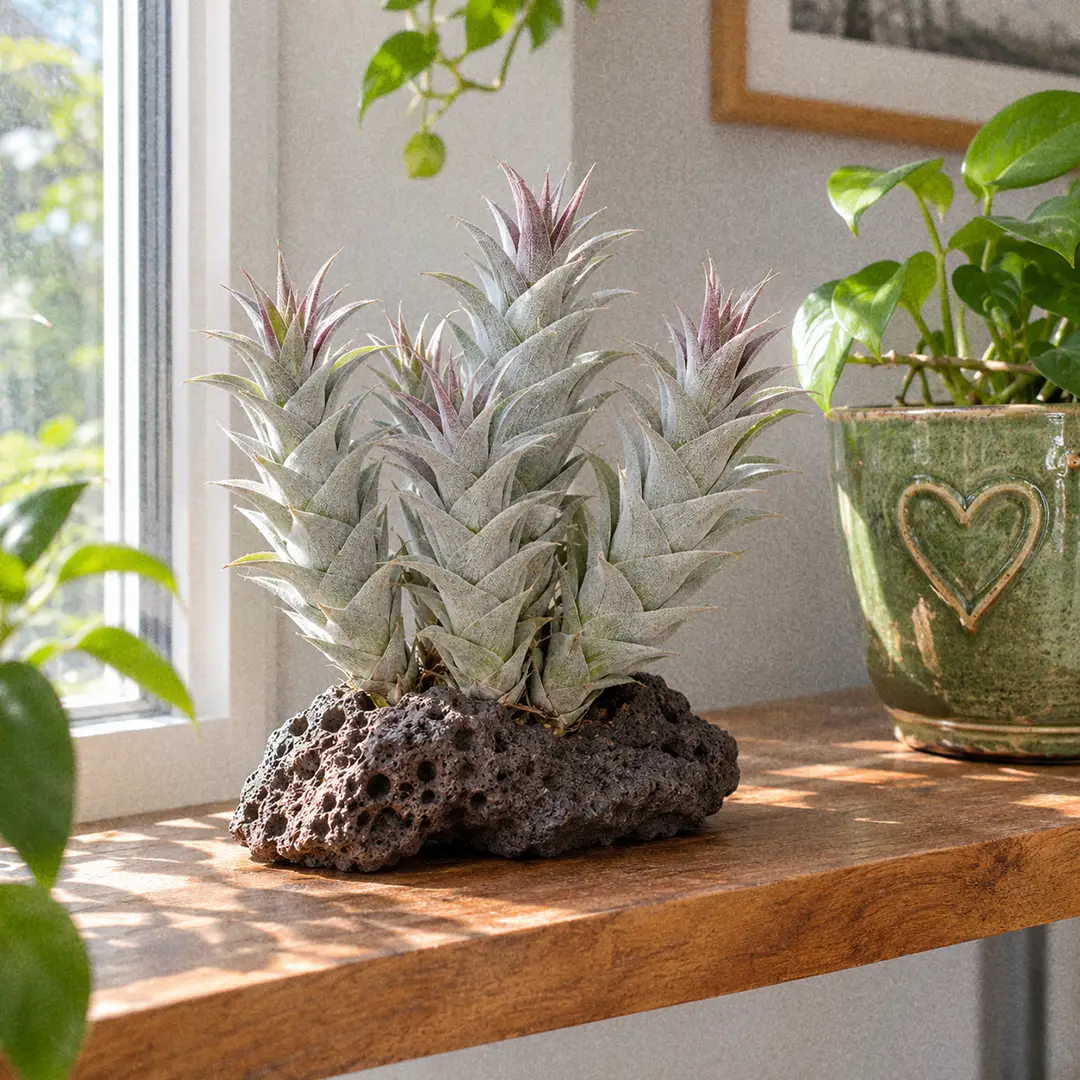
Complete Guide to Edithae Air Plant Care and Growth
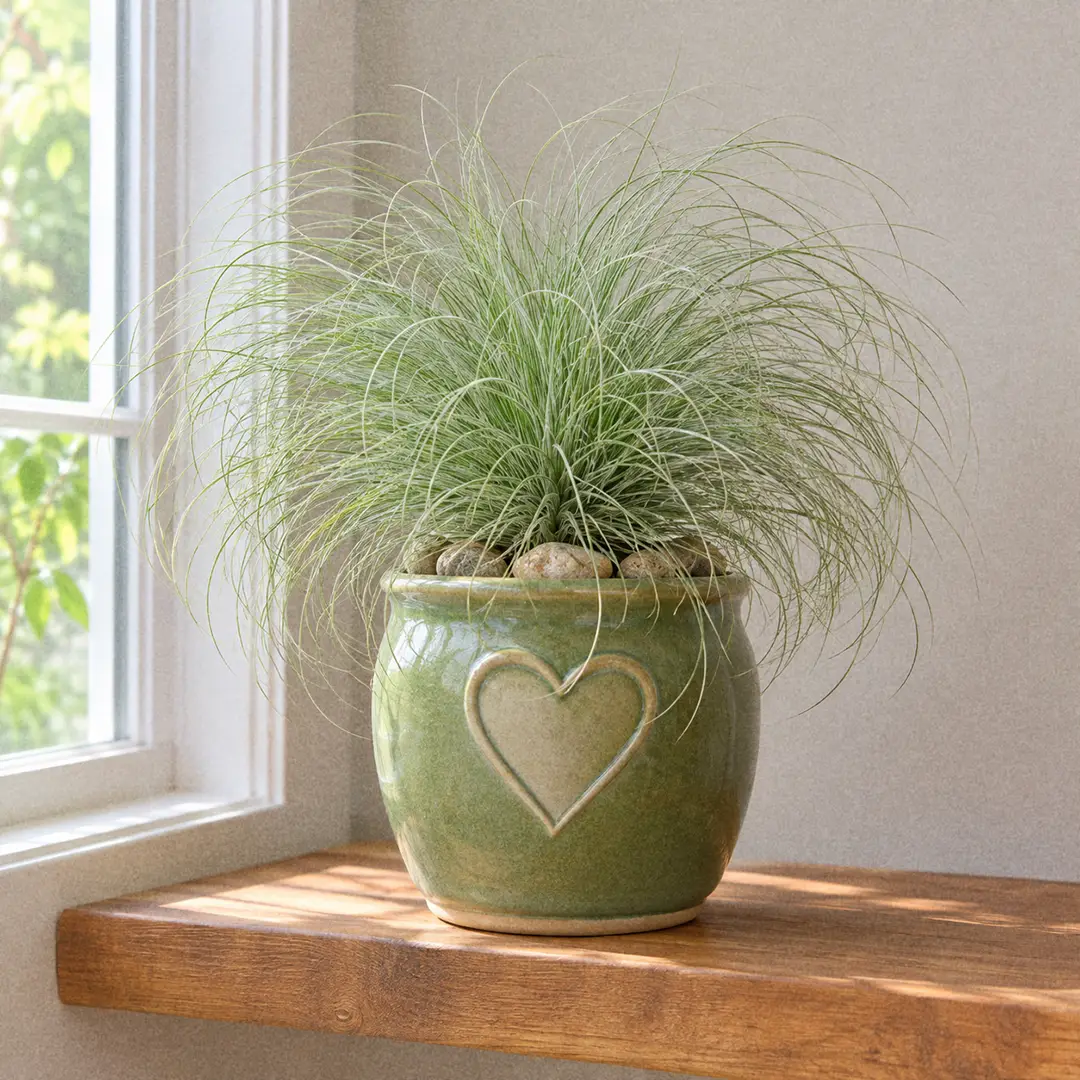
Complete Guide to Filifolia Air Plant Care and Growth
Complete Guide to Magnusiana Air Plant Care and Growth
Complete Guide to Duratii Air Plant Care and Growth
Complete Guide to Funkiana Air Plant Care and Growth
Complete Guide to Fuchsii Air Plant Care and Growth
Complete Guide to Tectorum Air Plant Care and Growth
Complete Guide to Stricta Air Plant Care and Growth
Complete Guide to Medusa's Head Air Plant Care and Growth
Complete Guide to Tenuifolia Air Plant Care and Growth
Complete Guide to Streptophylla Air Plant Care and Growth

Houseplant101 Forum
Questions & Comments
Ask a question, share your plant experience, or help other plant owners.
Comments are temporarily unavailable.
Open the Houseplant101 ForumNo comments yet
Be the first to ask a question or share your experience about this page.
Log in or create an account
Comments use your Houseplant101 Forum account, but you can stay on this page.
Create a new account