
Yucca Cane
Yucca elephantipes
Spineless Yucca, Giant Yucca, Yucca gigantea


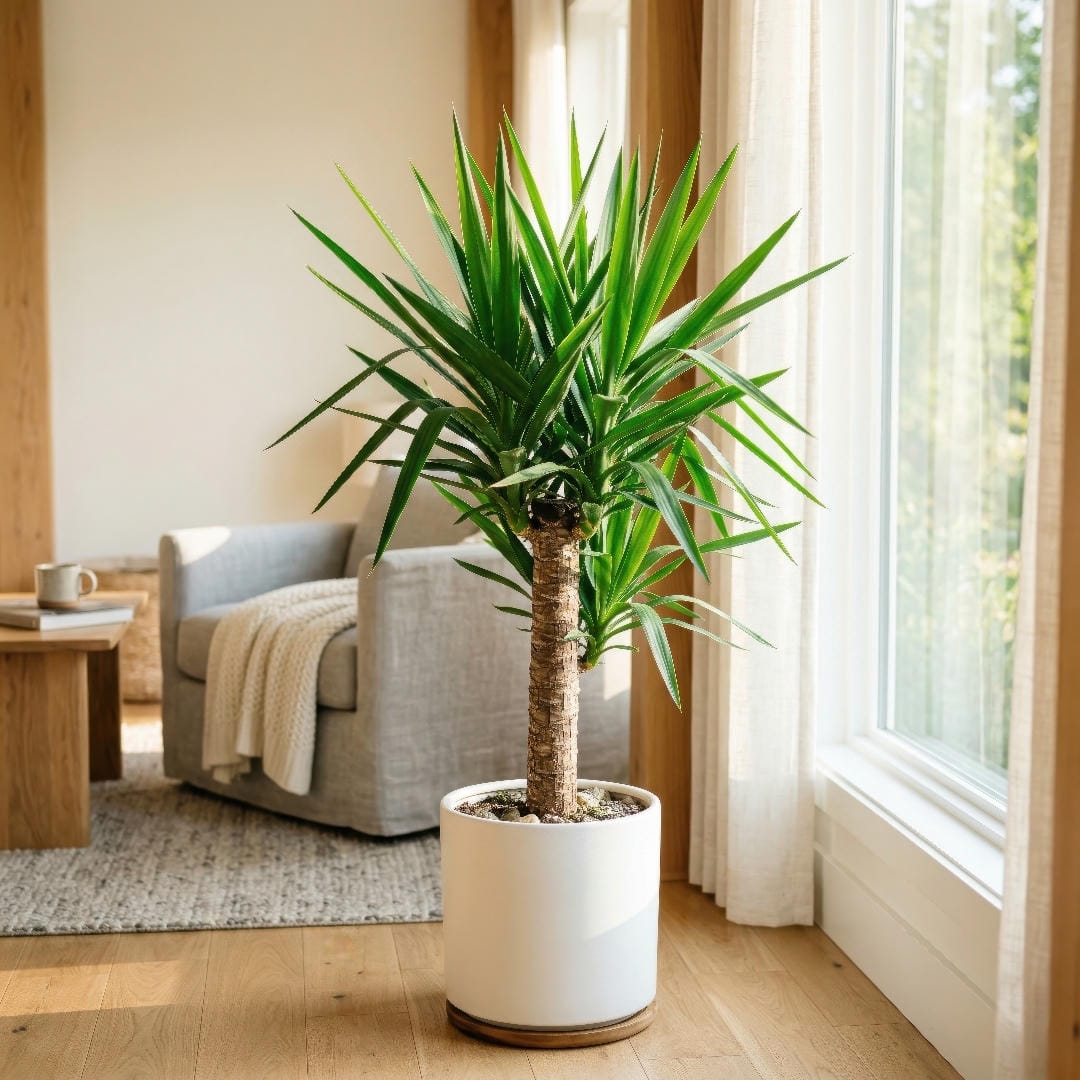
Yucca Cane is a bold, architectural houseplant with sword-like leaves and a trunk that gives it a small indoor-tree look. This guide shows you how to give it the bright light, dry soil, and pruning it needs to stay sharp instead of floppy.
📝 Yucca Cane Care Notes
🌿 Care Instructions
⚠️ Common Pests
📊 Growth Information
🪴 In This Guide 🪴

☀️ Yucca Cane Light Requirements (Indoor Lighting Guide)
Best Light for Yucca Cane
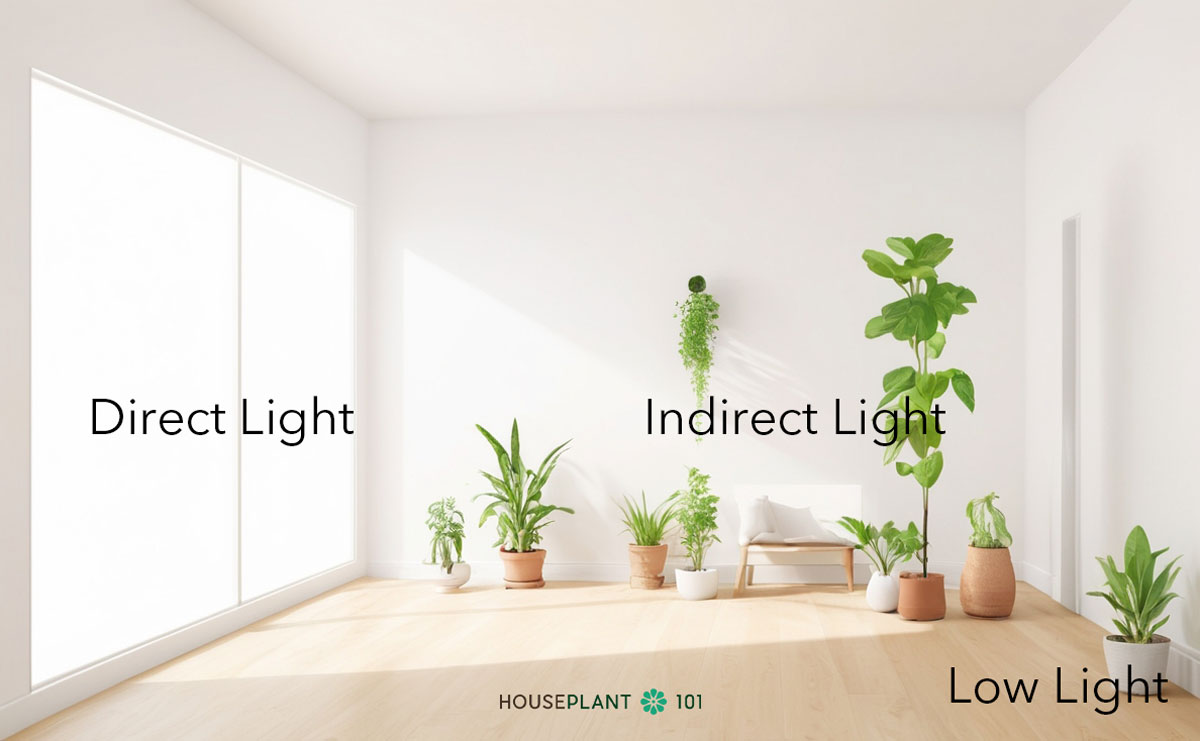
Yucca Cane likes bright light and can handle some direct sun once it is acclimated. A south or west window is often ideal, and an east window also works well if the plant gets enough intensity.
Compared with a Snake Plant, Yucca Cane usually wants more light to keep its form tight. If the room is dim, the leaves stretch, the rosette loosens, and the plant loses that crisp architectural look.
When in doubt, treat it like a sun-tolerant plant rather than a shade plant. This is one of those cases where extra light usually helps more than extra watering ever will.
Signs Yucca Cane Needs Light Changes
- Too little light: Leaning canes, thin new growth, and a looser rosette at the top.
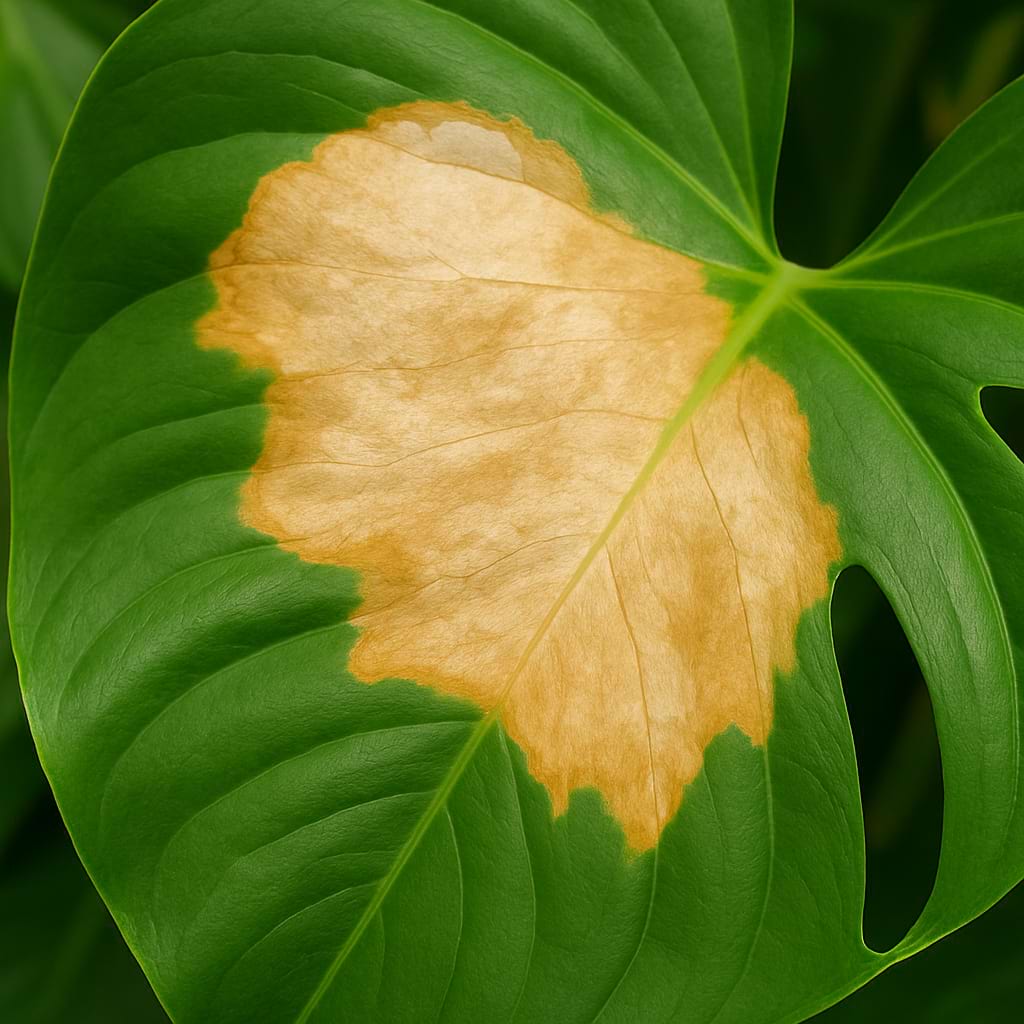
- Too much direct sun too fast: Pale patches or dry scorch marks on the blades.
- Best placement: Bright windows, sunny corners, or a spot that gets a few hours of direct sun after acclimation.
- Avoid: Dark corners and rooms where light is mostly decorative. If winter light is weak, a grow light is a useful fix.
If you are moving Yucca Cane into stronger light, increase exposure gradually over a week or two. That keeps the leaves from burning and gives the plant time to adjust its photosynthetic gear.
When the plant is happy, the rosettes stay tight and the leaves hold a crisp vertical line. That clean shape is the visual cue you are aiming for.
💧 Yucca Cane Watering Guide (How to Water)
How to Water Yucca Cane
Yucca Cane is much happier on the dry side. Wait until the top half of the soil is dry before watering, then water deeply and let the pot drain completely.
It stores water far better than most tropical houseplants, so the soil should not stay wet. Overwatering is the fastest way to wreck a Yucca Cane, especially in cool rooms or oversized pots.
In a bright window, you may water every 2-3 weeks. In winter, it may be much less. The pot and the root ball should always have a chance to dry back before the next drink.
Yucca Cane Watering Problems
- Overwatering: Yellowing leaves, soft base growth, or a cane that feels weak.
- Underwatering: Leaves curl or feel less rigid than usual.
- Best habit: Check the soil with your finger before every watering instead of following a fixed schedule.
Yucca Cane would rather be a little dry than a little wet. If you are unsure, wait another day. The root system is built to handle drought better than it handles soggy soil.
In winter, the plant may need dramatically less water than in summer because both light levels and growth rate drop. A pot that dried every two weeks in July may stay moist much longer in January.
For more on that pattern, the Watering Guide and Bottom Watering Guide both fit this plant well.
🪴 Best Soil for Yucca Cane (Potting Mix & Drainage)
Yucca Cane Soil Mix
This plant wants a gritty, fast-draining mix. Standard potting soil alone is too heavy.
A good blend is:
- 2 parts quality potting mix
- 1 part perlite or pumice
- 1 part coarse sand or fine gravel
That kind of mix keeps the roots from sitting in damp, airless soil. If you want the broad houseplant version of the same idea, the Soil Guide is a useful companion.
Yucca Cane Potting Tips
Use a pot with drainage holes, and choose something sturdy. Yucca Cane can become top-heavy, so a light plastic pot can tip more easily than a heavier ceramic or terracotta one.
If the canes are already leaning, repotting is a chance to straighten the plant a little deeper in the pot without burying the crown. Stability matters because the top growth can get surprisingly heavy.
Avoid packing the mix too tightly. Yucca roots need air around them, and a compacted potting job defeats the whole point of using a gritty blend.
🍼 Fertilizing Yucca Cane
How Often to Fertilize Yucca Cane
Feed lightly in spring and summer with a diluted balanced fertilizer. Once a month is enough, and even that is generous if the plant is growing slowly.
Do not feed in fall and winter. Yucca Cane is not a hungry plant, and excess fertilizer can build up salts that leave the leaf tips looking rough.
If the plant is in a bright but very dry room, flush the pot occasionally with plain water to reduce salt buildup. That is especially helpful if you have been fertilizing in the active season.
Yucca Cane Fertilizer Signs
- Too little food: Slower growth and smaller new rosettes.
- Too much food: Salt crust, brown tips, and a stressed root zone.
🌡️ Yucca Cane Temperature Range
Ideal Temperature for Yucca Cane
Yucca Cane likes warm indoor temperatures, roughly 60-85F (16-29C). It handles average home conditions well and does not need the cozy humidity many tropical plants want.
Keep it out of freezing air and away from drafts. If temperatures drop too low, the leaves and canes can show stress fast.
Short, cool nights are usually not a disaster, but persistent chill slows growth and can make watering mistakes more dangerous. Warmth plus light is the combination that keeps the plant steady.
💦 Yucca Cane Humidity Needs
Yucca Cane Humidity Preferences
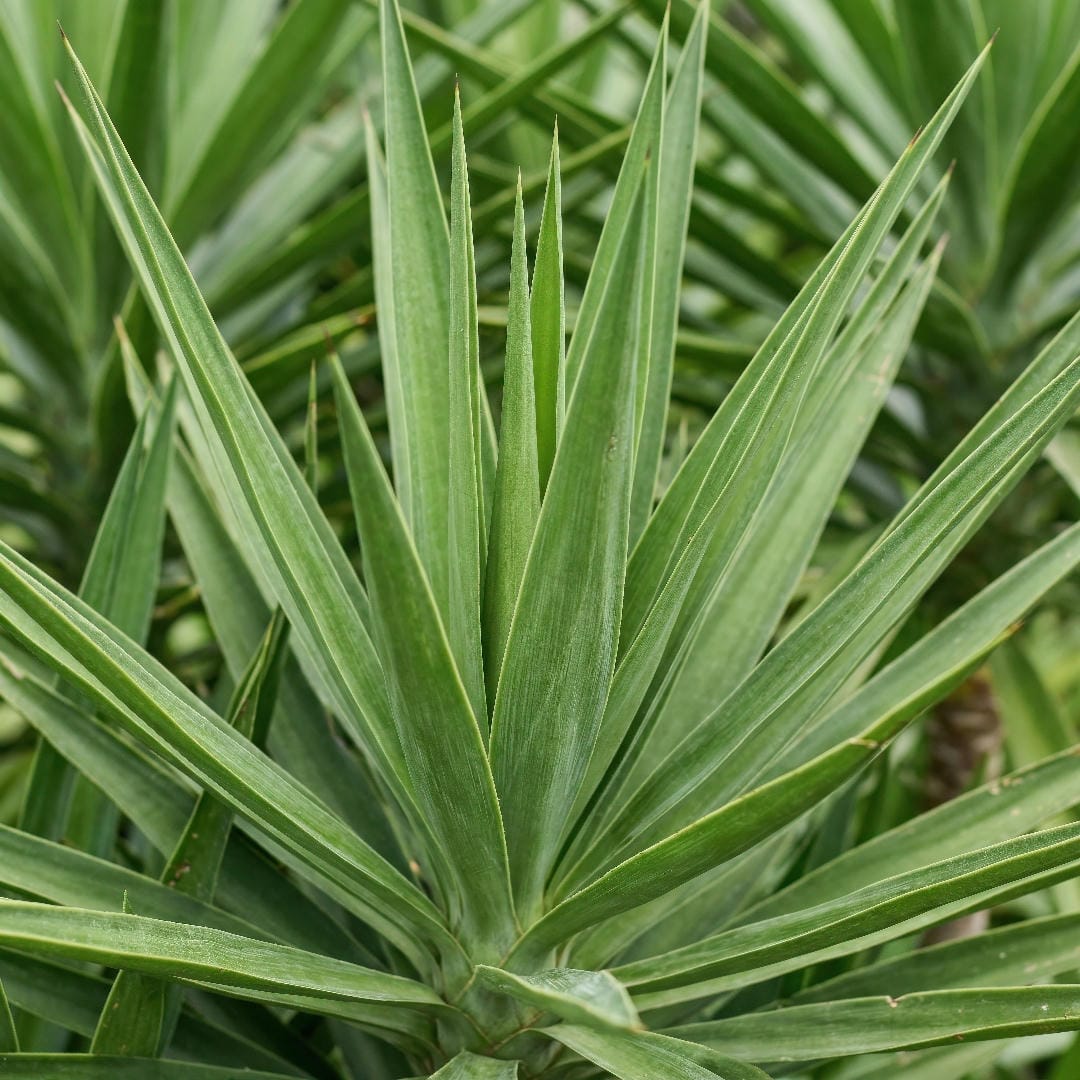
Average household humidity is enough for Yucca Cane. Dry air is usually not a problem, and misting is unnecessary.
If the leaf tips brown, look at water quality and fertilizer buildup before you blame humidity. This plant is more likely to complain about wet roots than dry air.
Extra humidity usually does not improve the plant much, but it also is not needed to keep it alive. Save the humidifier for true tropicals and let this one stay pleasantly ordinary.
For a broader overview, the Humidity Guide is the right reference.
🌸 Yucca Cane Blooming Guide
Can Yucca Cane Bloom Indoors?
Rarely. Mature plants grown outdoors in strong sun can produce tall flower stalks with white blooms, but indoor flowering is uncommon.
Yucca Cane is kept for its bold leaves and trunk-like form, so flowering should be treated as a bonus rather than the point of growing it.
If your plant ever does bloom, it usually means it has had strong light, mature growth, and enough time to size up. In other words, blooming is a sign of long-term stability rather than a special trick.
🏷️ Yucca Cane Types and Lookalikes
Yucca Cane vs Ponytail Palm
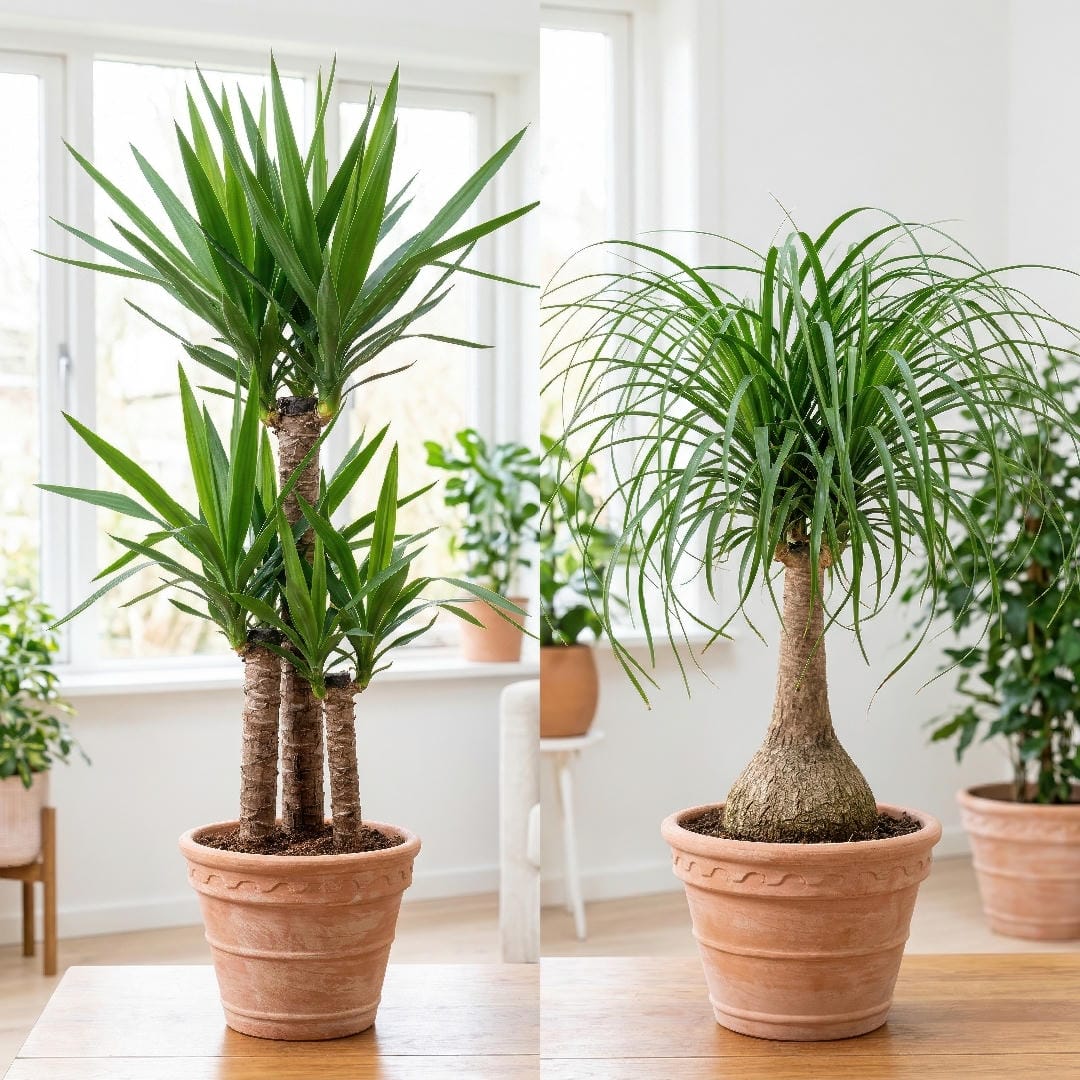
This is the comparison many people need. A Ponytail Palm has a swollen base and softer fountain-like leaves, while Yucca Cane has stiff blades and a much more upright, trunked look.
Ponytail Palm also tends to hold water in its base more visibly, which can make it look softer and more bulbous. Yucca Cane keeps a cleaner, sharper silhouette that reads more architectural.
Yucca Cane vs Dracaena Marginata and Snake Plant
The Red-Edged Dracaena has thinner, more arching leaves, while the Snake Plant grows in dense upright spears instead of a trunked rosette.
Yucca Cane sits in its own lane: part desert sculpture, part indoor tree.
If you want the most sculptural look, Yucca Cane is the strongest choice. If you want softness and arching movement, the dracaena usually wins.
🪴 Potting and Repotting Yucca Cane
When to Repot Yucca Cane
Repot every 2-3 years, or when the canes crowd the pot and roots begin pushing up or out. Spring is the easiest time.
Do not choose an oversized pot. Yucca Cane prefers a container that is just a bit larger than the current root system, not a giant moisture bank.
If you see roots circling heavily at the bottom, move up one size only and refresh the mix instead of giving the plant a dramatic container upgrade. Smaller steps keep the moisture balance safer.
Yucca Cane Repotting Tips
Because the plant can get top-heavy, use one hand to support the base while you move it. A heavier pot is often worth the extra cost for stability.
✂️ Pruning Yucca Cane
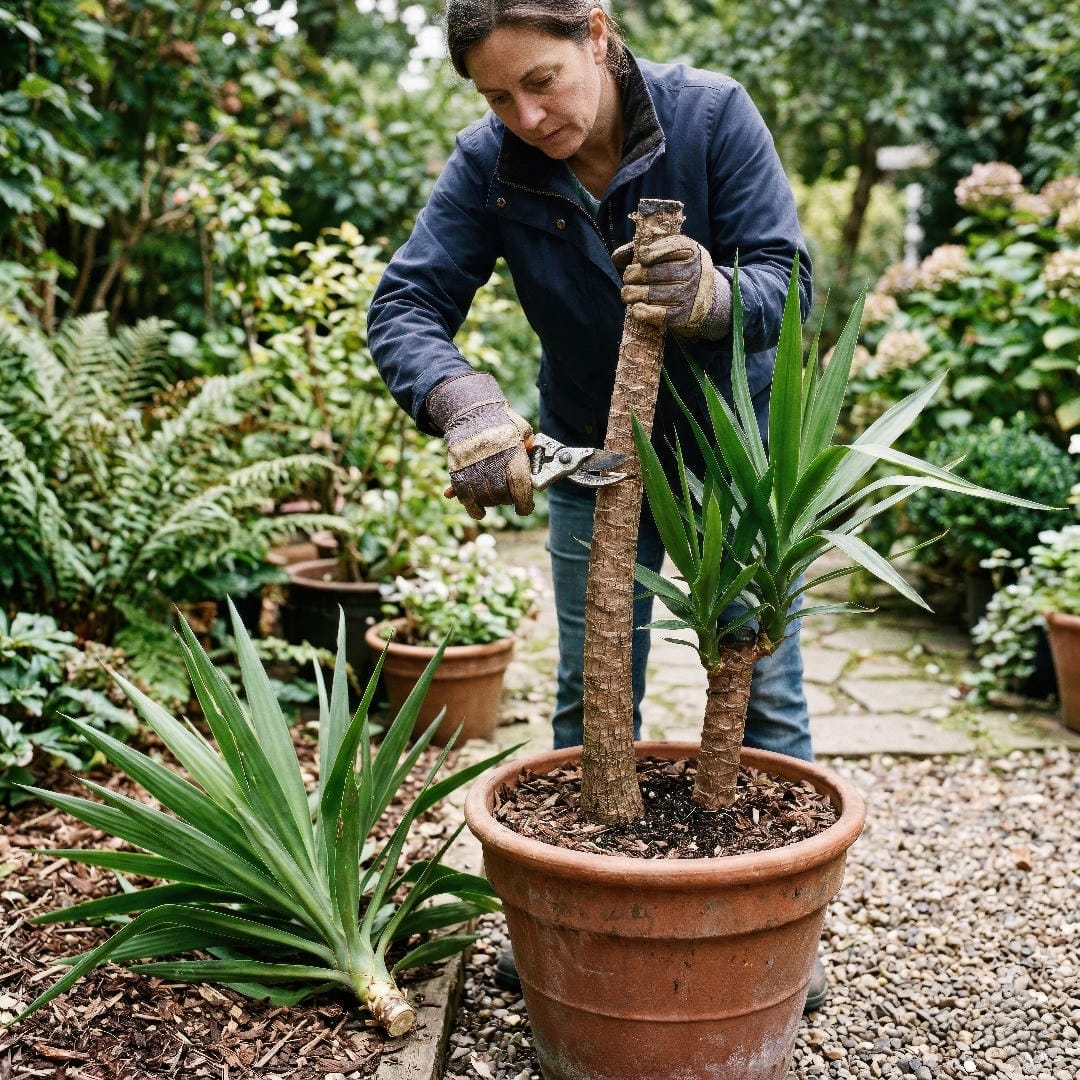
How to Prune Yucca Cane
Yucca Cane tolerates pruning better than many people expect. You can remove dead lower leaves at any time, and you can cut back a tall cane if the plant has outgrown the room.
When a cane is cut, it often sprouts new growth below the cut. That makes pruning a real shaping tool, not just cleanup.
Wear gloves and use a sharp blade or pruners. The cut is cleaner, the wound seals better, and the plant usually recovers with less cosmetic damage.
Why Prune Yucca Cane
- To shorten an overgrown cane
- To remove old, dried lower leaves
- To improve the look of a leaning plant
- To encourage multiple heads after a cut
Pruning is also useful when the lower half of the cane has gone bare. Cutting back an older stem can refresh the silhouette and make the plant feel less top-heavy.
🌱 How to Propagate Yucca Cane
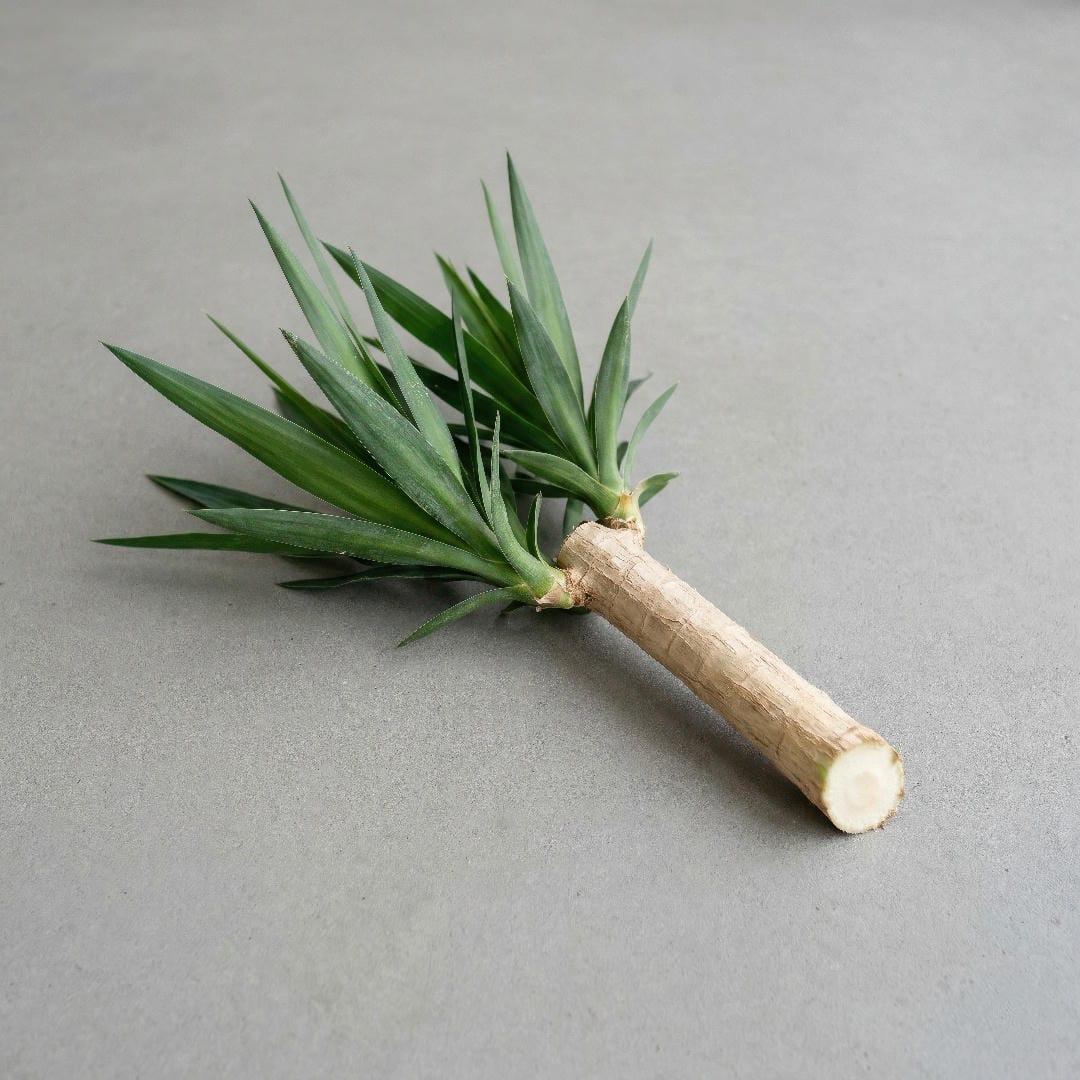
Cane Cuttings for Yucca Cane
The most practical way to make more Yucca Cane is by cane cuttings. Cut a healthy cane section, let the cut end callus, then root it in a gritty mix.
If you want a broader rooting reference, the Soil Propagation Guide is a good match for this method.
The piece you root does not need to be huge, but it should be firm and free of soft spots. Healthy tissue matters more than size.
Division for Yucca Cane
Larger multi-cane plants can sometimes be divided at repotting time if the root ball naturally separates into sections. The Plant Division Guide covers that style of propagation well.
If the clump resists clean division, do not force it. A bad split can damage both sections more than leaving the plant intact and pruning later.
🐛 Yucca Cane Pests and Treatment
Common Pests on Yucca Cane
Yucca Cane is not a pest magnet, but stressed plants can attract the usual indoor crowd.
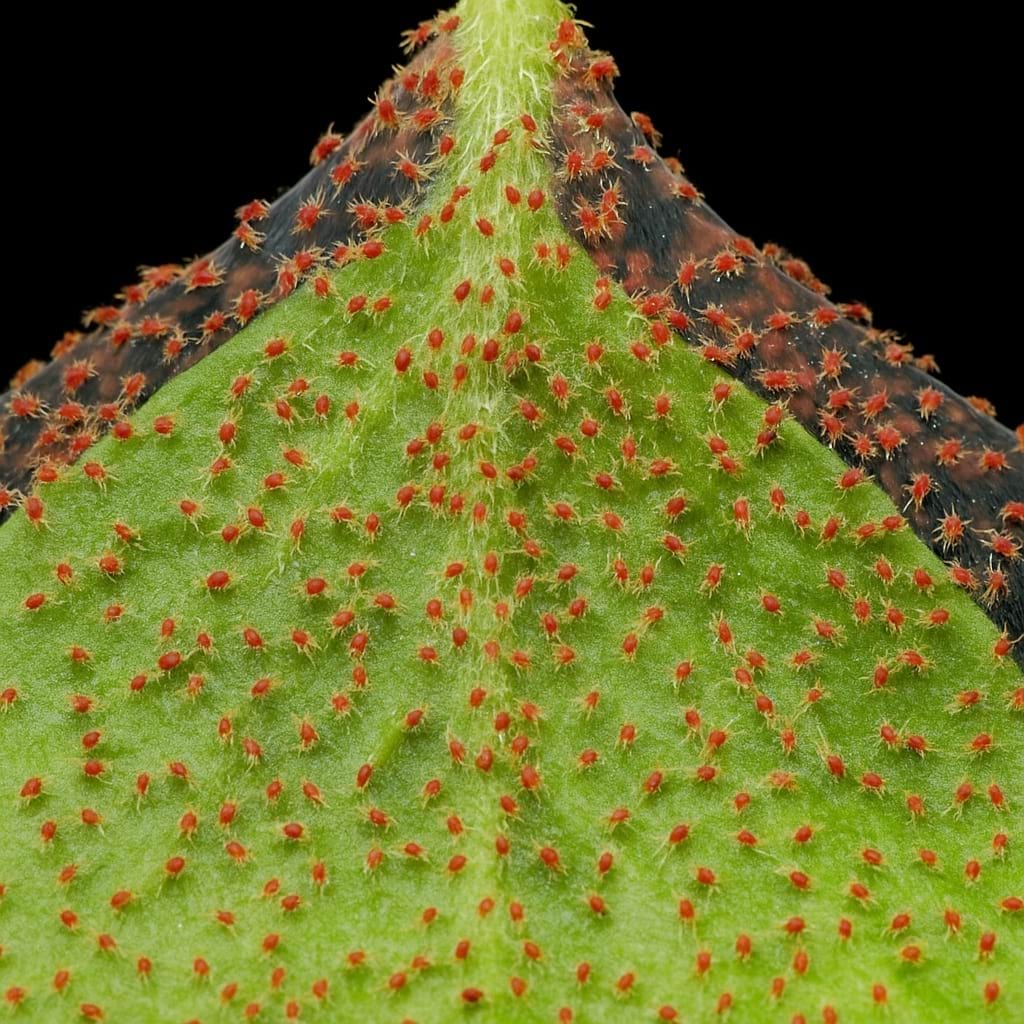
- Spider mites
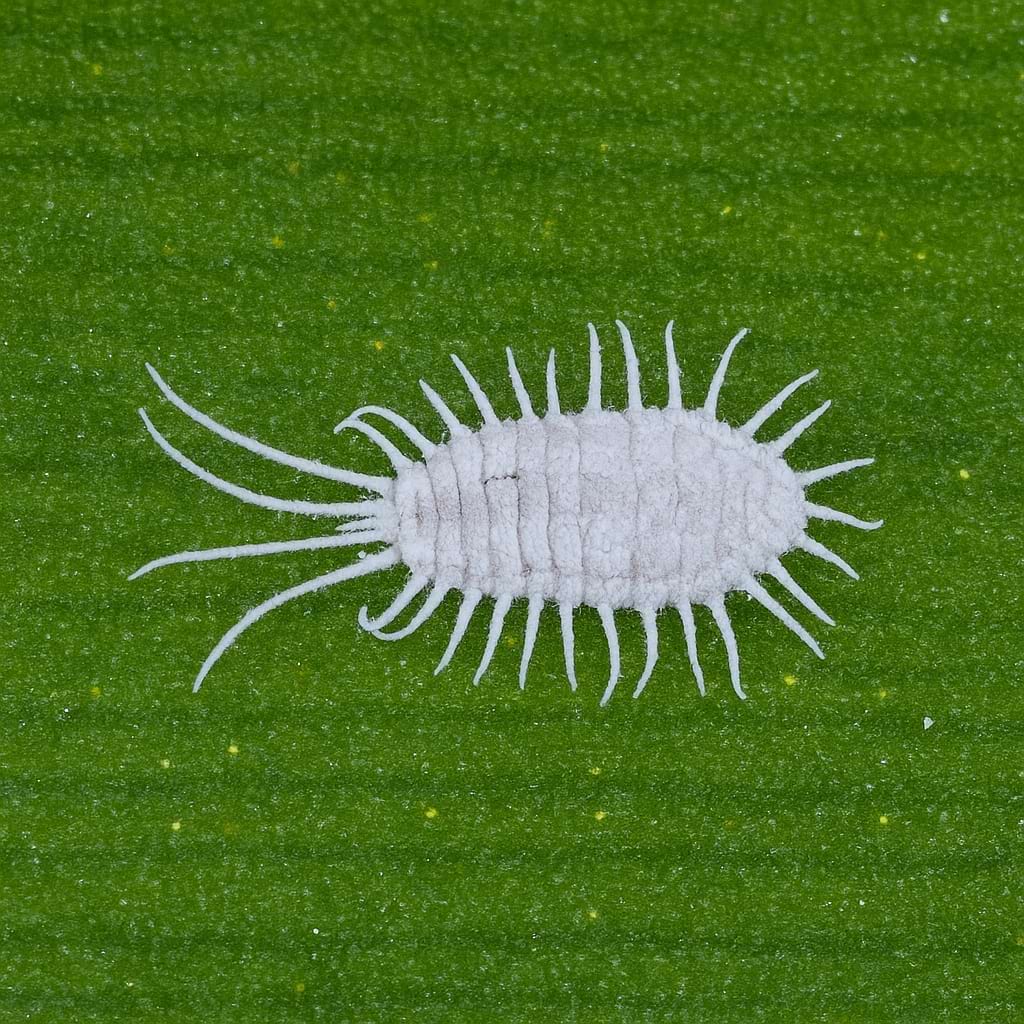
- Mealybugs
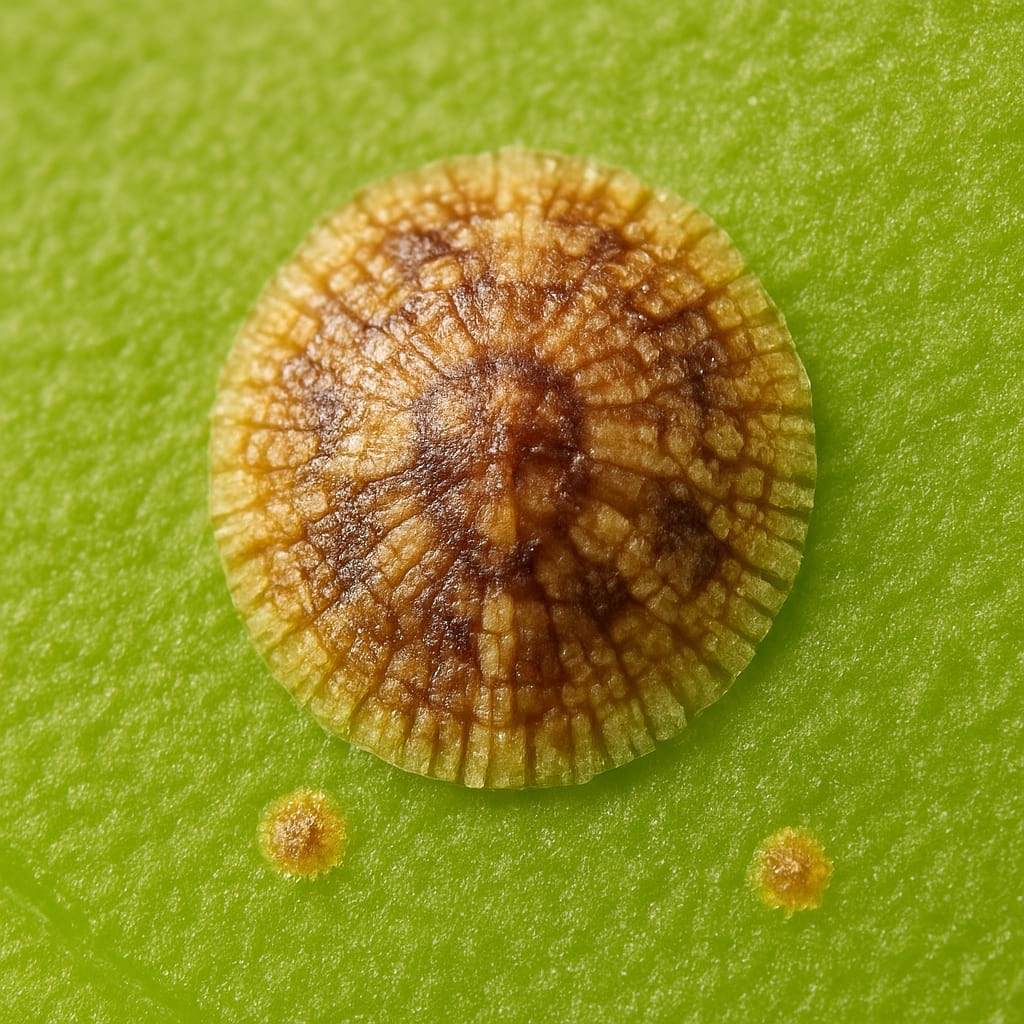
- Scale insects
Check the leaf bases and the cane surface during routine care. Dry, dusty air can make mites more likely, especially on plants sitting near a hot window.
Yucca Cane is usually easier to inspect than many houseplants because the leaves are rigid and the structure is open. Use that to your advantage and look for pests while dusting the foliage.
🩺 Yucca Cane Problems and Diseases
Troubleshooting Yucca Cane
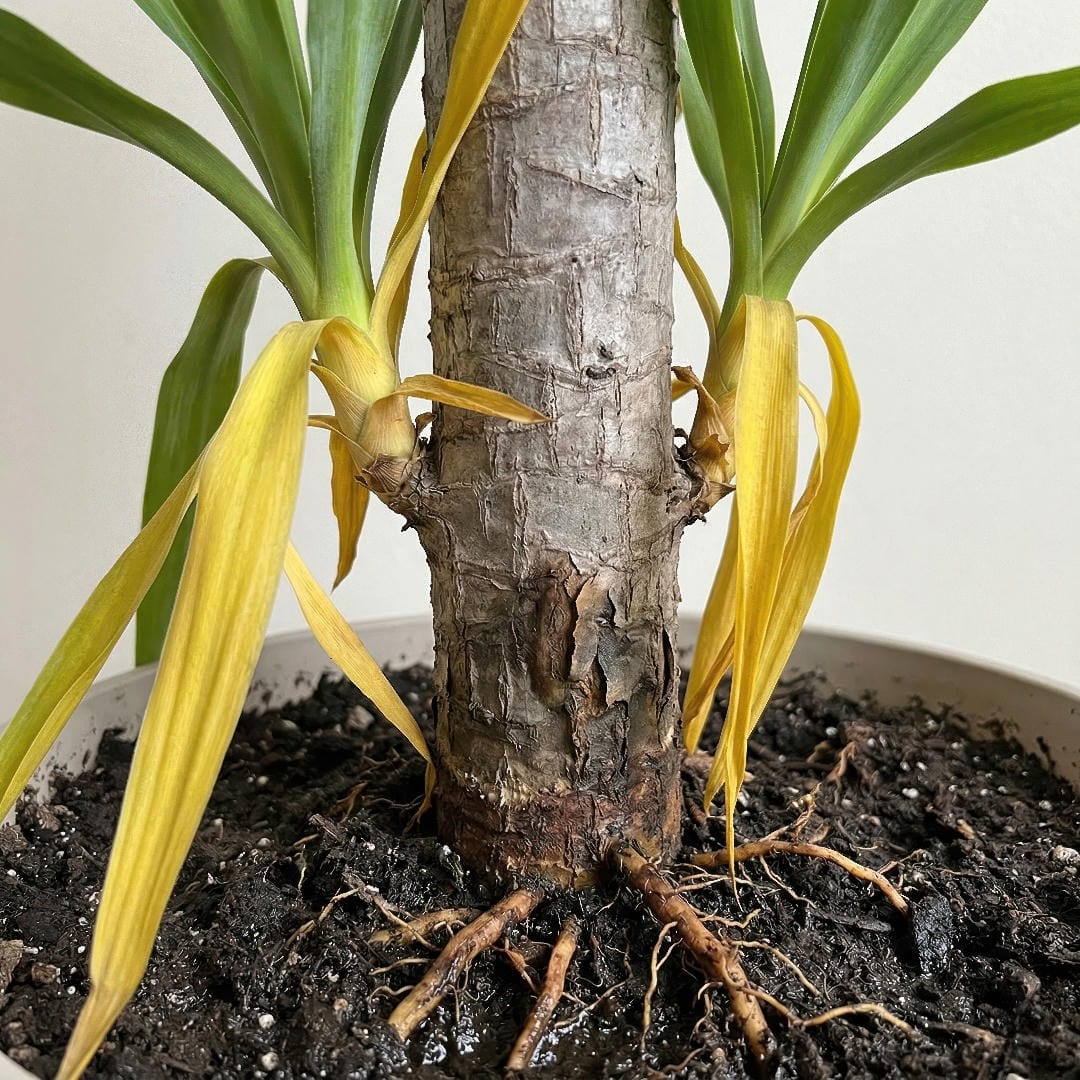
Yucca Cane usually fails from too much water or too little light.
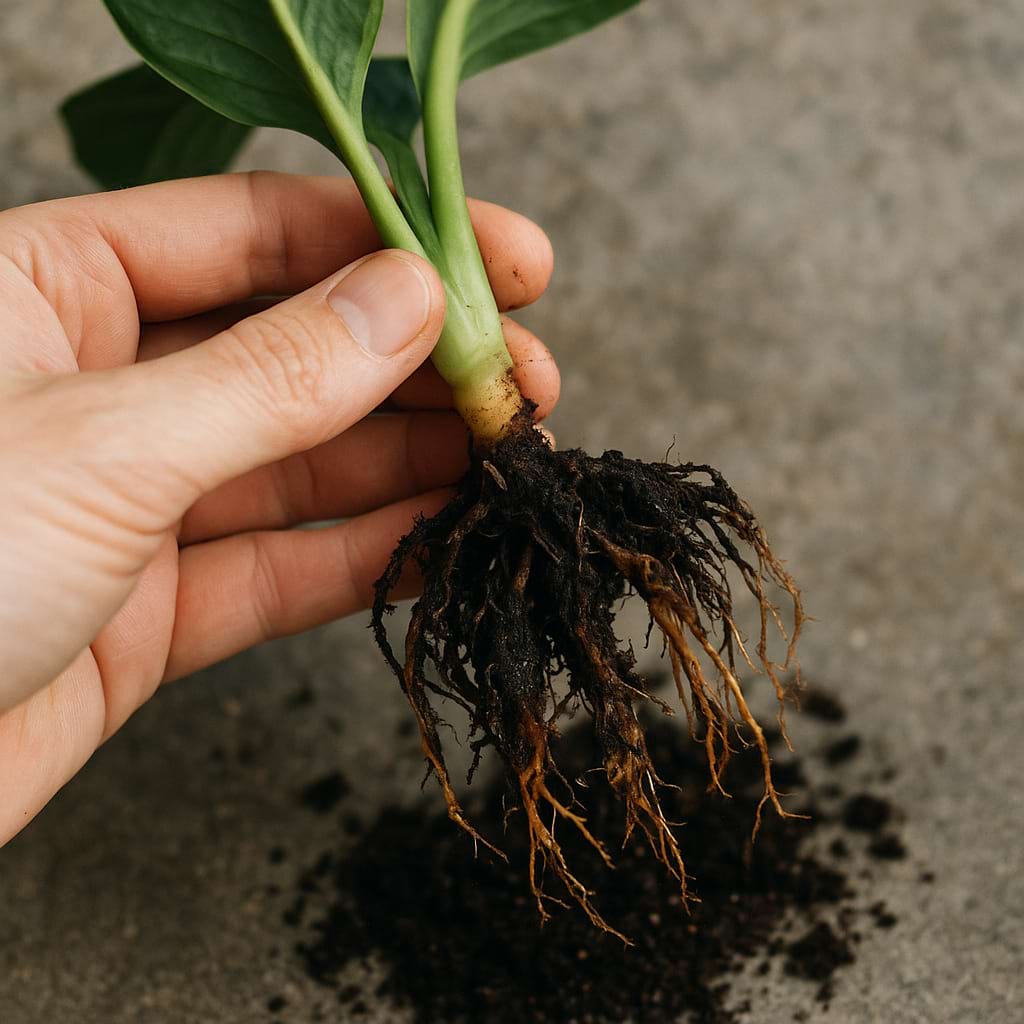
- Root rot: The soil stays wet and the base softens.
- Yellowing leaves: Often overwatering, especially when the lower leaves go first.
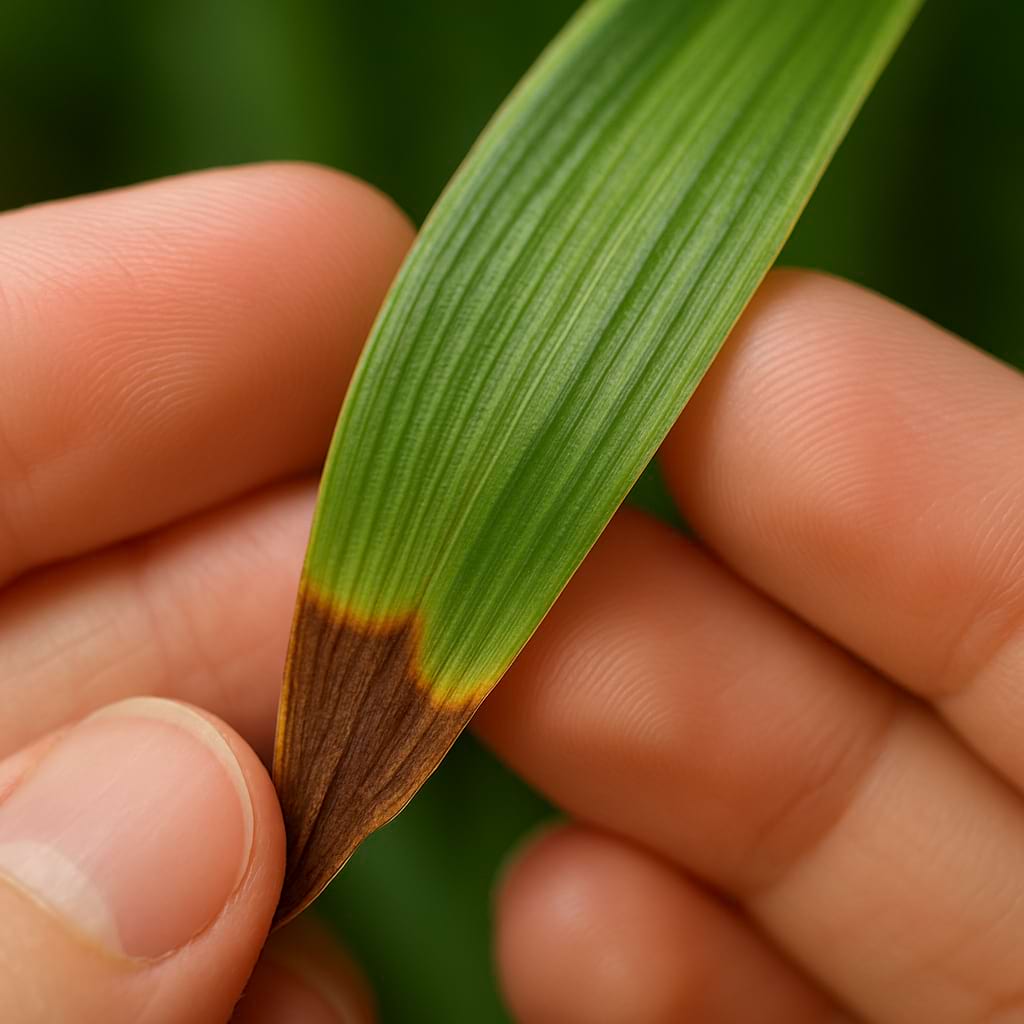
- Brown crispy edges: Usually dry air, fertilizer salts, or uneven watering.
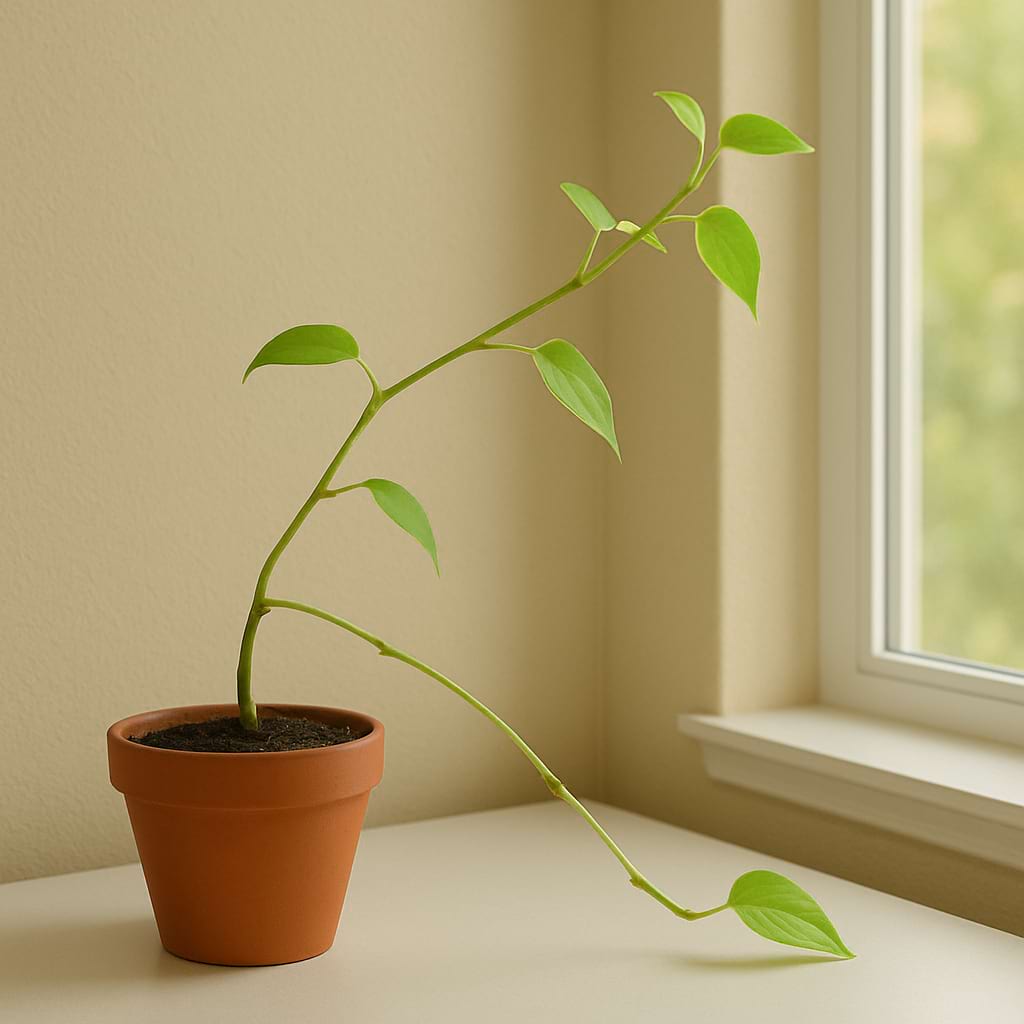
- Leggy growth: Too little light.
- Sunburn: A plant moved into intense sun too quickly.
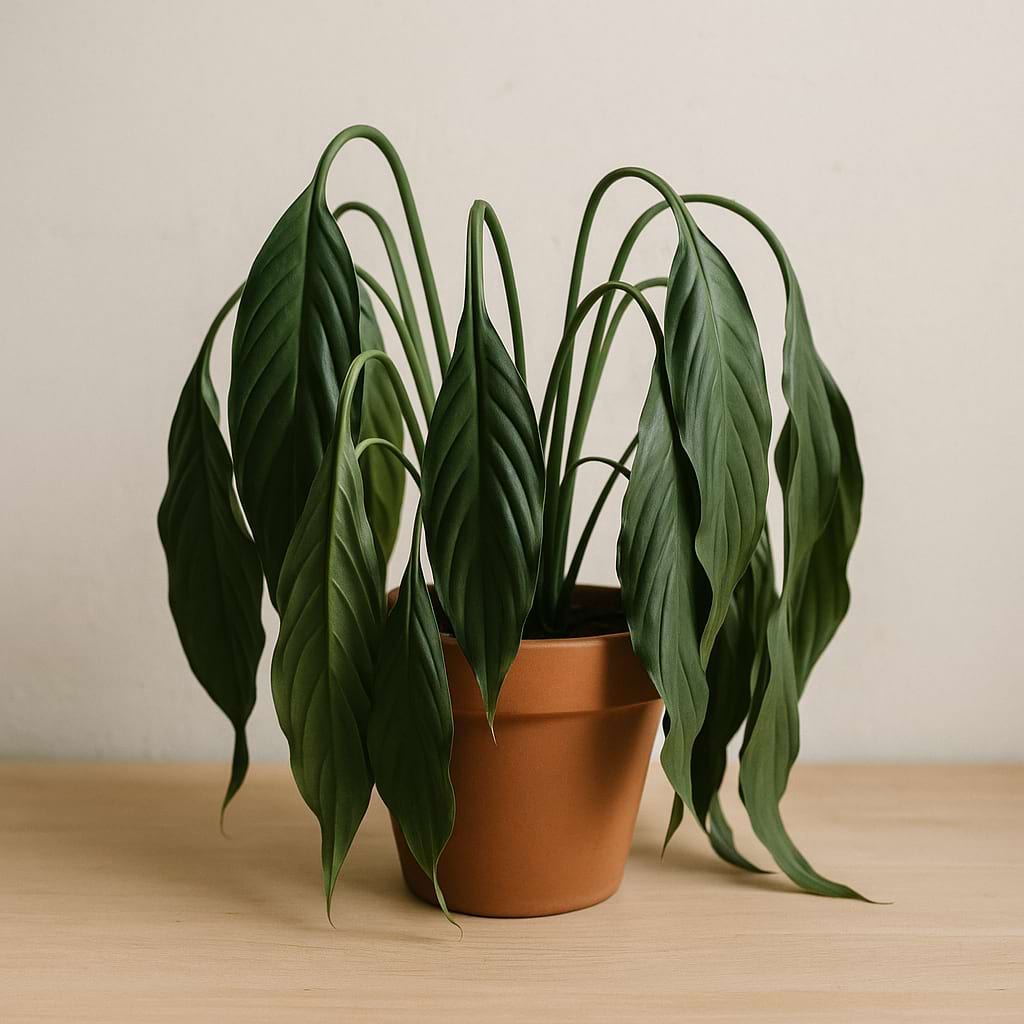
- Wilting or drooping: Often a root issue rather than a real thirst problem.
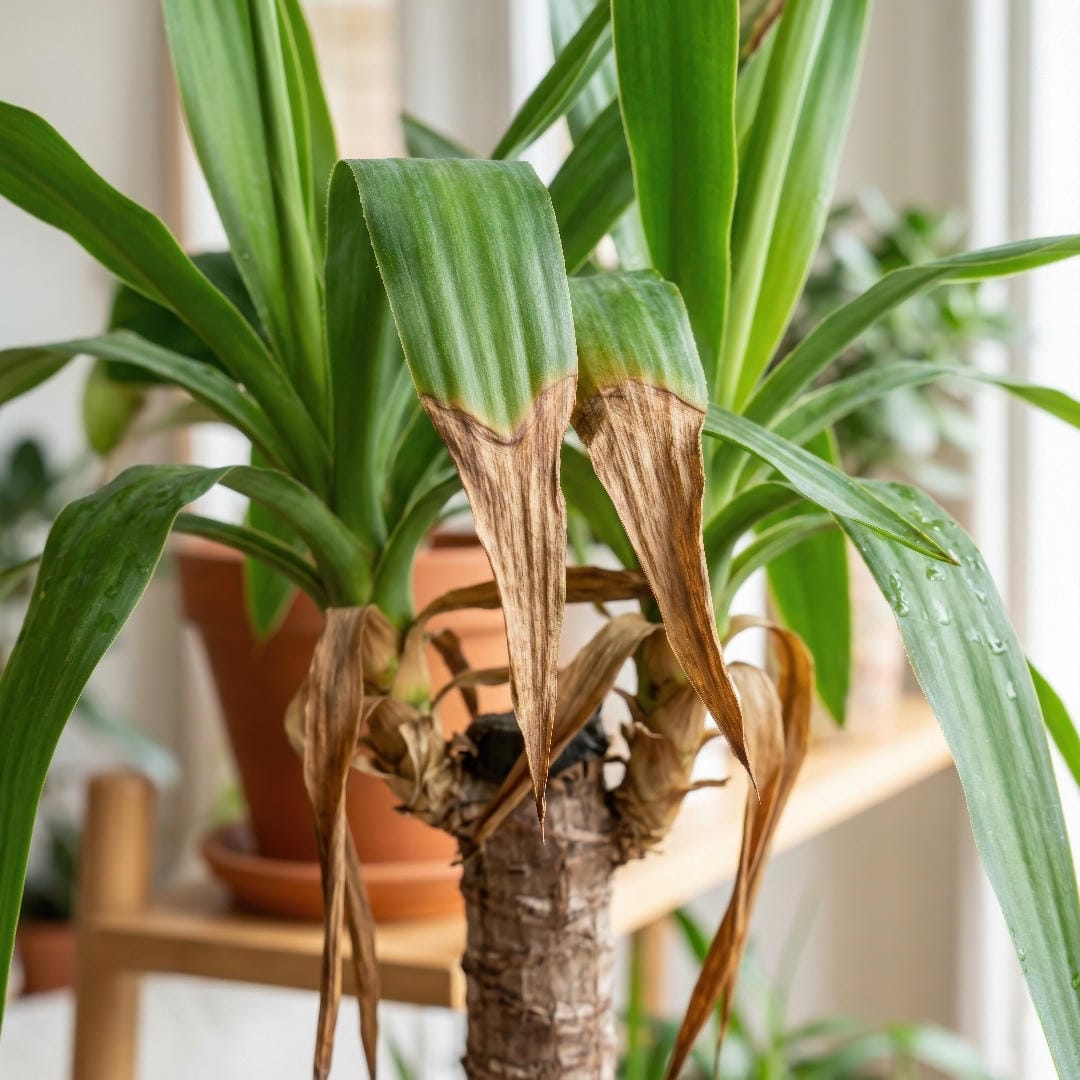
If you fix the light and cut back the watering before anything else, most Yucca Cane problems settle down fast.
If the cane itself goes soft near the base, treat that as a serious warning sign. At that point the issue is usually root damage, and the plant needs drier conditions immediately.

🖼️ Yucca Cane Display Ideas
Where Yucca Cane Looks Best
Yucca Cane looks strongest in a bright corner, an entryway, or a minimalist room where its shape can stand on its own.
It also works well next to other desert-leaning plants like Ponytail Palm and Snake Plant, or as part of a broader Indoor Trees & Palms grouping.
The plant looks especially good in containers with simple geometry. Clean lines in the pot let the leaf rosettes and cane texture stay visually dominant.
🌟 Yucca Cane Care Tips (Pro Advice)
✅ Give it the brightest spot you have before you change anything else.
✅ Let the top half of the soil dry. More water is not the answer here.
✅ Use a heavy pot so the cane does not tip when the crown gets large.
✅ Prune tall canes if the plant gets too top-heavy or awkward.
✅ Do not mist it. Dry air is not the problem most of the time.
✅ Flush the pot occasionally if you fertilize, so salts do not build up at the tips.
✅ Check for mites on dusty leaves, especially near warm windows.
✅ If the canopy is getting loose, move it to stronger light before you start watering more.
✅ Let old lower leaves dry naturally before removing them unless they are already hanging badly.
✅ Use a heavier pot if the plant starts to lean or tip.
✅ Treat slower growth in winter as normal, not as a problem to fix with more water.
✅ Keep the soil drier in winter even if the plant still looks sturdy.
✅ Give pruning cuts time to dry before you water heavily again.
📅 Yucca Cane Seasonal Care
Spring and Summer Care
This is the plant's most active period. Bright light, moderate feeding, and a careful watering rhythm are usually enough to keep it moving along. If you want to repot or prune, this is the safest window.
In hot weather, the pot may dry faster than expected, especially near glass. Check the soil rather than assuming the same schedule will work every week.
Fall and Winter Care
Growth slows and watering should back off. That slower season is where most Yucca Cane mistakes happen, because the plant looks sturdy and people keep watering it like it is still in summer mode.
Keep the plant in the brightest spot available and avoid cold drafts. A drier, brighter winter routine usually keeps the cane firmer and the leaves cleaner.
If the soil is still damp a week after watering, wait even longer before giving it more. Yucca Cane is far more likely to suffer from lingering moisture than from a brief dry spell.
Winter is also a good time to check the weight of the pot and the firmness of the base. A cane that suddenly feels soft is telling you to cut back water and reassess the roots quickly.
Yucca Cane Transition Tips
When you bring Yucca Cane home, place it in the brightest spot you can manage and leave it there. It does not like being shuffled around while it is adapting.
If you are moving it into stronger light, do it gradually so the blades do not scorch. A little acclimation is much safer than an abrupt jump from shade to sun.
After pruning or repotting, hold back on water until the mix starts drying again. That pause helps the roots stay airy while the plant settles.
Yucca Cane Seasonal Checklist
Give it the brightest stable light you have in every season.
Cut back watering sharply once growth slows.
Watch for soft canes after a cold snap or overwatering episode.
Use heavier pots and keep the plant balanced if it leans.
Wipe dust from the blades so pests are easier to spot.
Hold fertilizer in winter unless the plant is clearly active.
If the plant is stretching, move it closer to the window before changing the watering schedule.
If the base feels soft, stop watering and let the mix dry more fully.
If the rosettes open up, increase light before increasing water.
If the pot stays heavy, wait longer than you think before watering again.
Yucca Cane Winter Problem Signs
Limp leaves often mean the roots are stressed, not that the plant is thirsty.
Brown tips are more often salts or dryness than humidity problems.
A soft base needs drier soil and immediate attention.
Stretching growth is the plant asking for more light.
New damage after repotting usually means the pot is staying wet too long.
Brown lower leaves are normal if the upper crown stays firm.
Dusty blades often hide early mite activity.
Yucca Cane Spring Growth Notes
- Increase water only when the pot is drying on schedule.
- Move the plant closer to light if the rosettes loosen.
- Feed lightly once active growth is obvious.
- Prune old leaves as soon as they look spent.
- Repot only if the canes are crowded or roots are circling hard.
Yucca Cane Summer Heat Notes
- Make sure direct sun is introduced gradually.
- Check the root zone before watering in hot spells.
- Keep fertilizer light so salt buildup stays low.
- Watch for mites on dusty leaves near warm windows.
- Use a heavier pot if the top growth starts leaning.
❓ Frequently Asked Questions
Is Yucca Cane the same as Spineless Yucca?
Yes. Spineless Yucca is a common name for Yucca Cane and Yucca elephantipes.
Is Yucca Cane toxic to pets?
Yes. Yucca contains saponins that can irritate cats and dogs if they chew on the leaves.
Why is my Yucca Cane drooping?
Drooping usually points to too little light, overwatering, or a root system that is struggling in soggy soil.
Can Yucca Cane handle direct sun?
Yes, once acclimated. Bright light and some direct sun are usually welcome, especially near a south or west window.
How often should I water Yucca Cane?
Usually only after the top half of the pot has dried. In bright rooms this may be every 2-3 weeks, and in winter even less.
Does Yucca Cane need high humidity?
No. Average household humidity is enough, and dry indoor air is usually not a problem.
ℹ️ Yucca Cane Info
Care and Maintenance
🪴 Soil Type and pH: Gritty, fast-draining houseplant mix with mineral amendments
💧 Humidity and Misting: Average household humidity is enough, and dry air is usually fine.
✂️ Pruning: Trim dead leaves, cut back tall canes when needed, and remove crowded growth.
🧼 Cleaning: Wipe dust from the leaves with a soft cloth so the blade-like foliage stays bright.
🌱 Repotting: Every 2-3 years, or when the canes crowd the pot.
🔄 Repotting Frequency: Every 2-3 years
❄️ Seasonal Changes in Care: Reduce watering sharply in winter and keep it in the brightest stable spot.
Growing Characteristics
💥 Growth Speed: Slow to Moderate
🔄 Life Cycle: Perennial
💥 Bloom Time: Rarely flowers indoors
🌡️ Hardiness Zones: 9-11
🗺️ Native Area: Mexico and Central America
🚘 Hibernation: No true dormancy, but growth slows in cooler months
Propagation and Health
📍 Suitable Locations: Sunny living rooms, office corners, patios in warm weather
🪴 Propagation Methods: Canes root from cut sections, and larger plants can be divided.
🐛 Common Pests: Spider Mites, Mealybugs, Scale Insects
🦠 Possible Diseases: Root rot, fungal leaf spots, crown rot
Plant Details
🌿 Plant Type: Evergreen Shrub or Small Tree
🍃 Foliage Type: Evergreen
🎨 Color of Leaves: Green sword-like leaves
🌸 Flower Color: White to cream, rarely indoors
🌼 Blooming: Rare indoors
🍽️ Edibility: Not edible; contains saponins that are irritating.
📏 Mature Size: 4-8 feet indoors
Additional Info
🌻 General Benefits: Very drought tolerant, architectural, easy to keep alive once light is right.
💊 Medical Properties: None for houseplant use.
🧿 Feng Shui: Associated with upward movement, resilience, and strong structural energy.
⭐ Zodiac Sign Compatibility: Capricorn
🌈 Symbolism or Folklore: Strength, endurance, simplicity
📝 Interesting Facts: Yucca Cane is not a palm at all, even though the common name sounds like one. The trunk-like stem and stiff leaf rosettes create the tree effect that made it popular as an indoor accent plant.
Buying and Usage
🛒 What to Look for When Buying: Look for firm canes, tight leaf crowns, and no soft areas near the base.
🪴 Other Uses: Great as a vertical anchor plant in bright interiors.
Decoration and Styling
🖼️ Display Ideas: Sunny corners, minimal ceramic pots, entryways, and warm patios.
🧵 Styling Tips: Pairs well with stone, clay, matte black pots, and other sculptural foliage plants.
