
Silver Vase Plant
Aechmea fasciata
Urn Plant, Silver Vase Bromeliad, Silver Vase, Aechmea, Living Vase


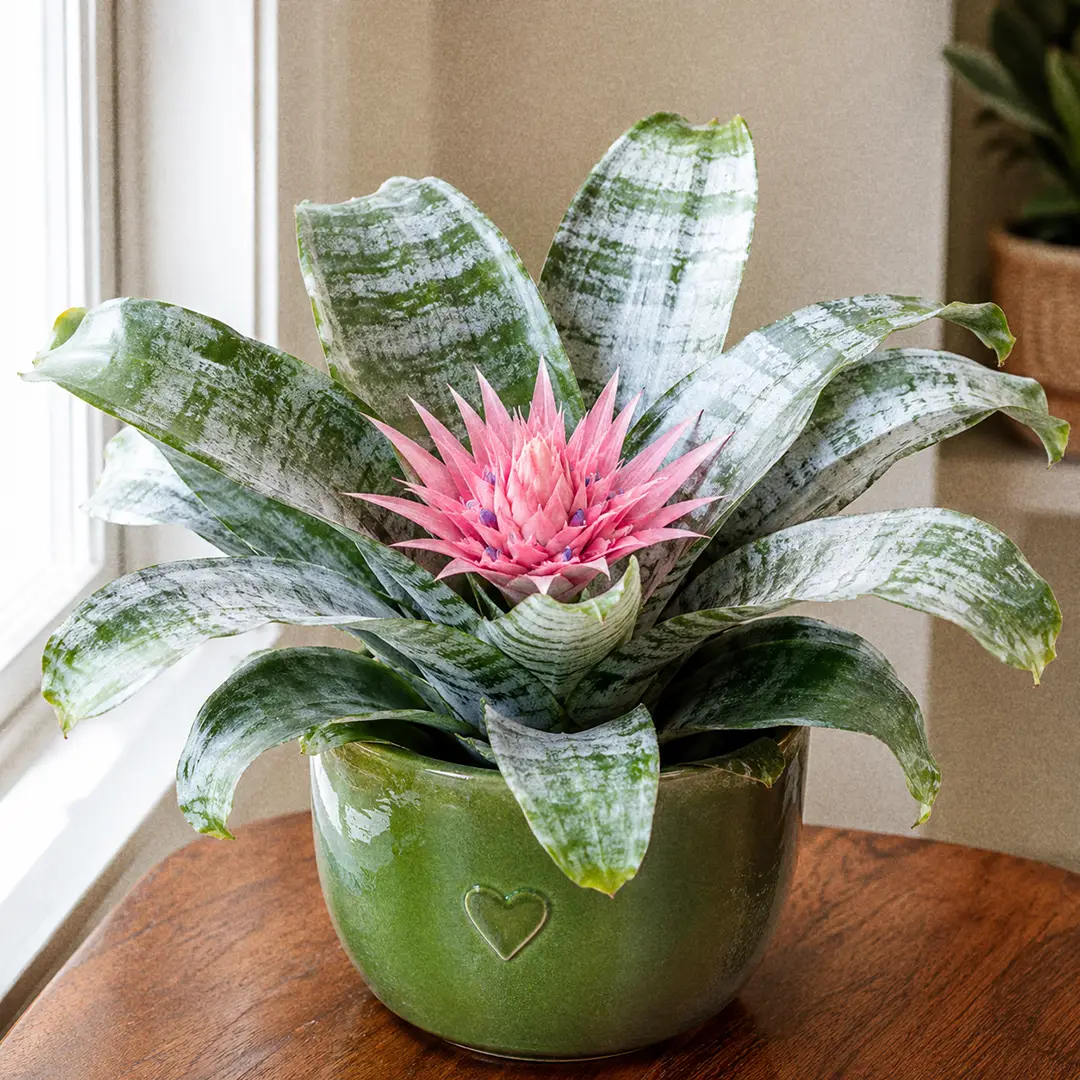
The Silver Vase Plant (Aechmea fasciata) is the most striking bromeliad you can grow indoors, with arching silver-banded leaves forming a tight upright vase and a fluorescent pink bract that holds tiny purple flowers for three to six months. It is famously easy: low water, low fuss, almost no pests, and one show-stopping bloom that lasts longer than any other flowering houseplant on this site.
📝 Silver Vase Plant Care Notes
🌿 Care Instructions
⚠️ Common Pests
📊 Growth Information
🪴 In This Guide 🪴

☀️ Silver Vase Plant Light Requirements (Bright Indirect, Some Direct OK)
Light unlocks both the silver banding on the leaves and the pink bract that defines this plant. In dim light it survives but the silver fades, the rosette stretches, and the plant rarely blooms.
The Sweet Spot
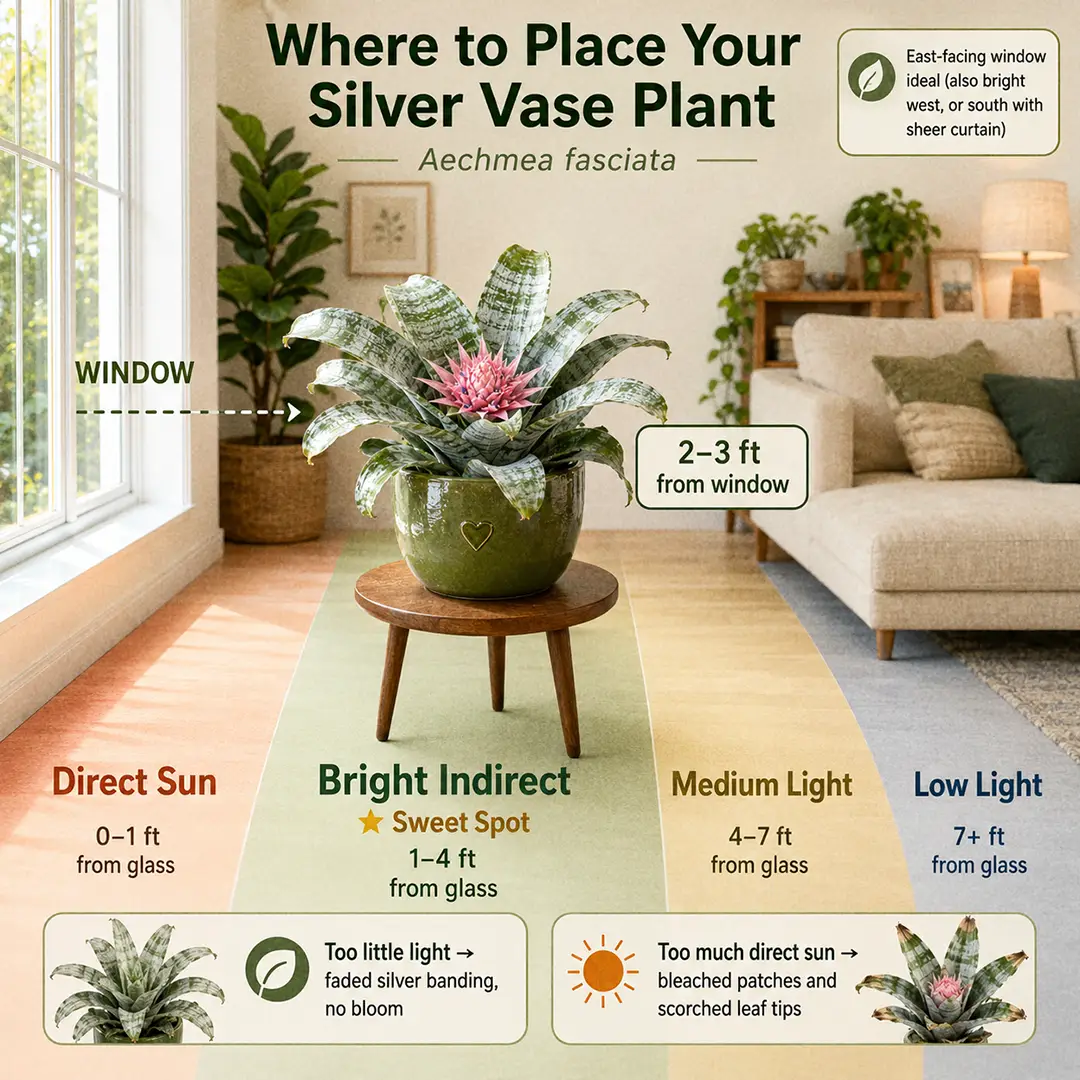
Aim for bright, indirect light with one to two hours of soft direct sun, ideally morning or late afternoon. East-facing windows are close to ideal. West windows work with a sheer curtain breaking the harshest hours. South windows are fine two to four feet inside the room. North rooms rarely deliver enough light for bloom; supplement with a small grow light.
A well-lit Silver Vase holds tight arching leaves in a stable upright vase with crisp silver crossbanding on a deep green base. The chalky coating is alive: microscopic scales called trichomes that help the plant absorb water and nutrients in the wild.
Too Little or Too Much
Silver fades into uniform pale green, the rosette flattens toward the brightest window, and the plant refuses to bloom. Move it closer or add a small grow light on a ten- to twelve-hour timer.
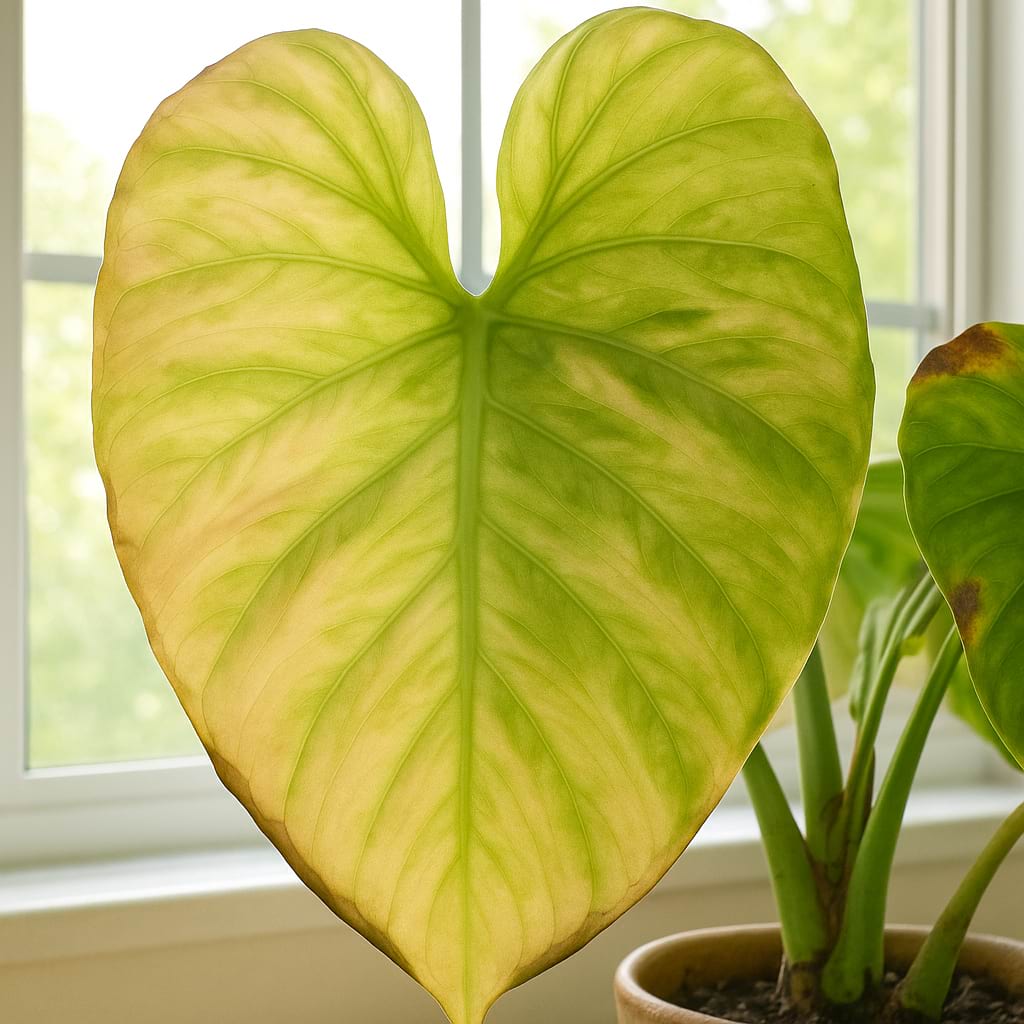
Under unfiltered south-facing midday sun, watch for pale washed-out patches, papery edges, and crispy brown patches. Once scorched, a leaf does not recover. Pull back from the glass or hang a sheer curtain.
💧 Silver Vase Plant Watering Guide (Tank Watering)
This is where Aechmea fasciata differs from almost every other houseplant. It is a tank-forming bromeliad, meaning the central cup is the plant's primary water reservoir. The roots mostly anchor; the cup feeds.
How to Water the Tank
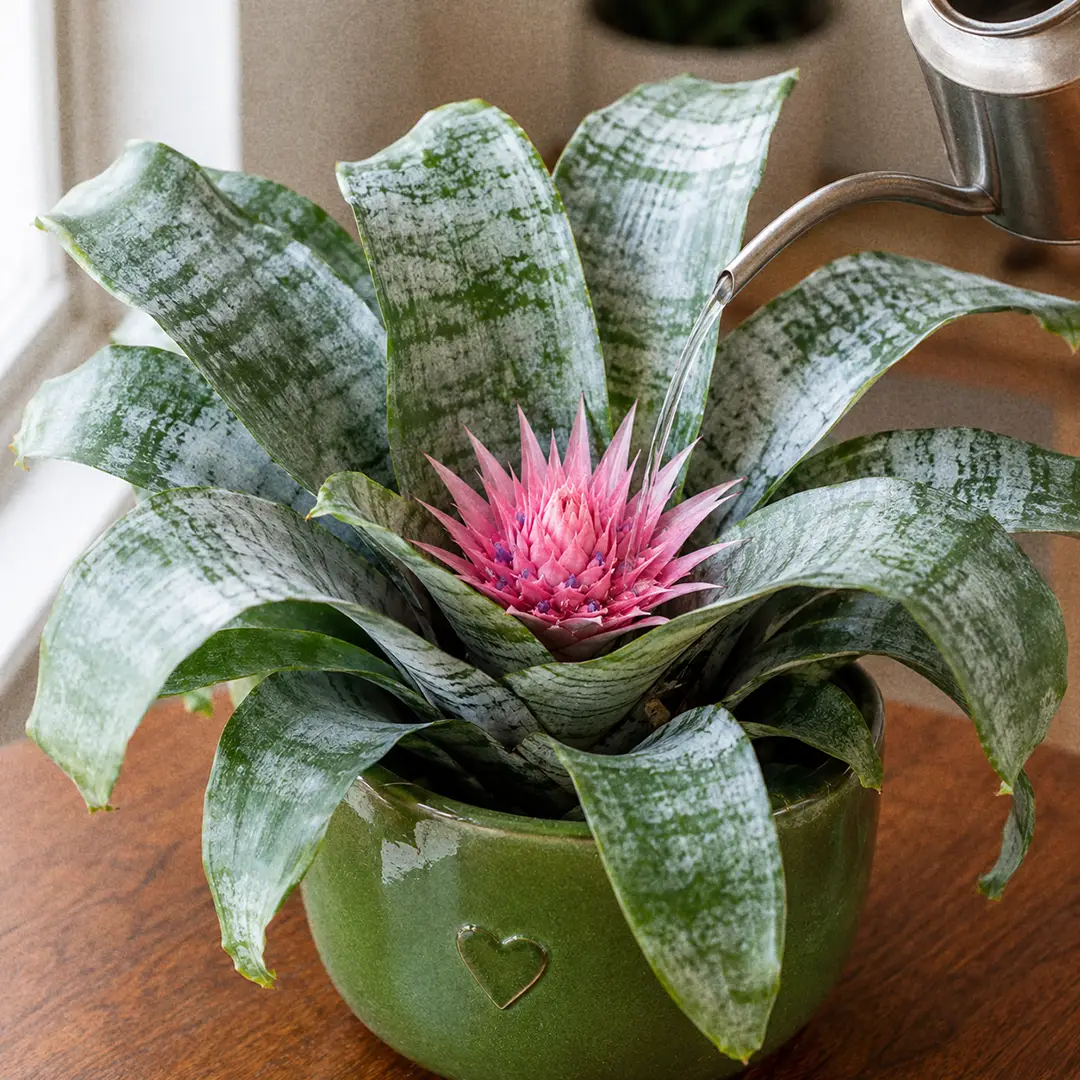
Pour fresh water directly into the central cup until it is a quarter to half full. Refresh whenever the level drops. Every two to three weeks, tip the plant sideways over a sink, flush the cup completely, and refill. This stops mineral buildup, mosquito larvae, and the sour smell of stagnant water.
Use filtered, distilled, or rainwater whenever you can. The trichome-coated leaf bases are sensitive to chlorine, fluoride, and hard tap water, which leaves a chalky crust around the cup and browns inner tips. Always use room-temperature water.
How to Water the Soil
The soil only needs a light drink when the top inch or two has dried out. In typical bright indirect light, that lands around every ten to fourteen days in spring and summer, every three to four weeks in winter. See the general watering houseplants primer for the underlying logic.
When you do water, pour slowly until water just begins to drain, then stop. Soggy soil is the fastest way to lose this plant. It tolerates a forgotten dry week far better than a single soggy weekend. When in doubt, wait.
Over vs Under
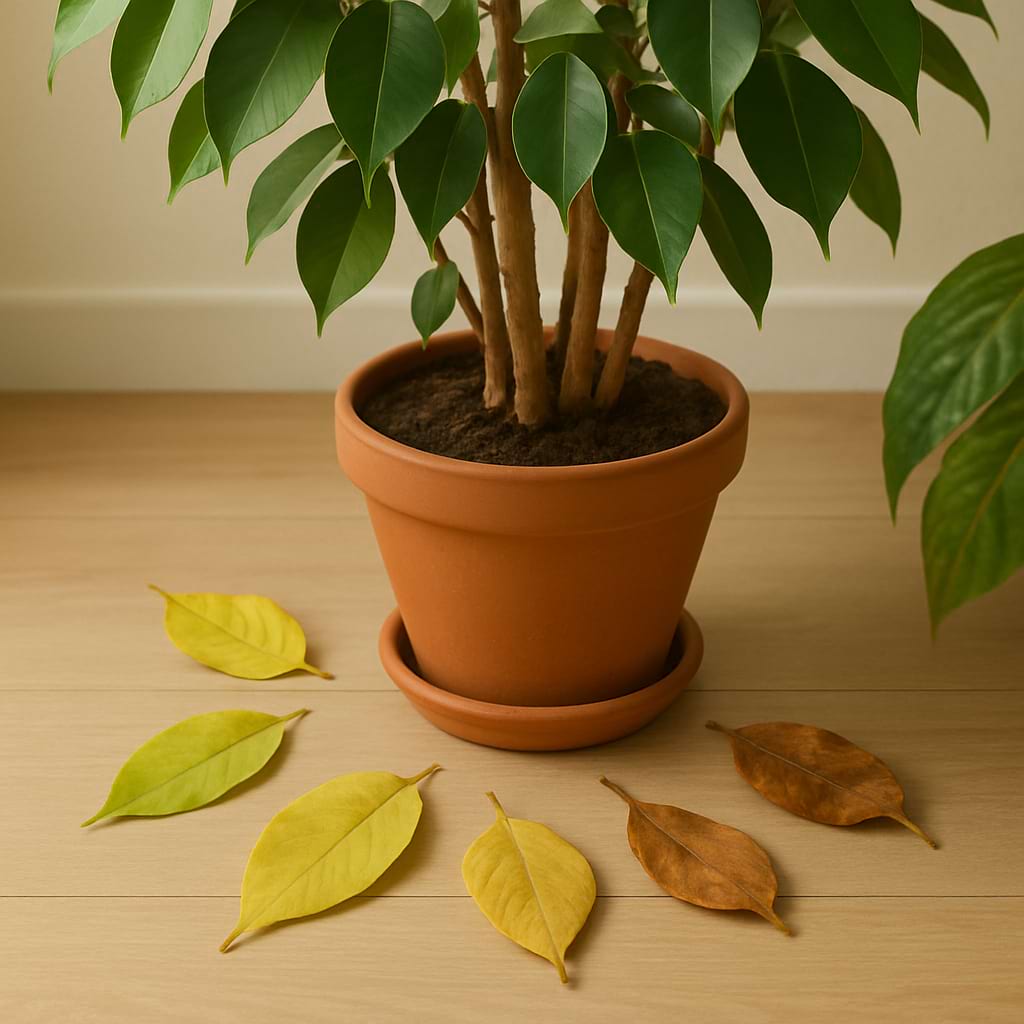
Overwatered: soft blackened patches at the rosette base, sour smell, soil wet for more than two weeks, yellowing lower leaves with mushy bases, no root resistance when lifted.
Underwatered: a bone-dry cup, lower leaves curling inward, crispy tips, a light pot, dusty grey-green color.
A thirsty plant recovers in a day. A waterlogged one keeps declining for weeks. Err dry.
🪴 Best Soil for Silver Vase Plant (Loose, Airy, Fast-Draining)
What the Soil Needs
The roots mostly anchor rather than feed, so you are not aiming for a rich nutrient-holding mix. You want something light, airy, fast-draining, and slightly acidic.
A Simple DIY Mix
- 2 parts orchid bark (medium grade) or fine fir bark
- 1 part perlite or pumice
- 1 part quality indoor potting soil or peat-coir blend
- A small handful of horticultural charcoal
Squeeze a fistful: it should fall apart immediately when you open your hand. If a bag is your style, an "orchid bark mix" or "bromeliad and orchid blend" both work right out of the bag. Avoid anything labeled "moisture control" or "water-retaining"; those hold far too much water for a tank bromeliad and lead straight to root rot.
🍼 Fertilizing Silver Vase Plant (Light Feeder)
Aggressive fertilising harms tank-forming bromeliads, since salts concentrate in the cup and burn soft tissue at the base.
When and What
Feed monthly during the active growing season (April through September). Pause through winter. Use a balanced liquid houseplant fertiliser around 10-10-10 or 20-20-20, diluted to a quarter strength. The general fertilizing guide goes deeper on why heavy feeding hurts low-need plants.
Apply two ways: pour the quarter-strength solution directly into the cup, replacing whatever was there, or water lightly into the soil. The cup method is traditional; the soil method is gentler if you have ever burned a bromeliad before.
Reading the Plant
- Steady new leaves and crisp silver: feeding is on point.
- Slowing growth and faded silver: bump frequency slightly.
- Brown leaf bases or chalky white crust: salt buildup. Flush and skip two feedings.
- Sudden collapse of soft tissue at the cup base: fertiliser burn. Pause for two months, flush, restart at half strength.
A slow-release pellet stirred into the soil surface at the start of spring is also fine for low-maintenance growers. One application carries the plant through the active season.
🌡️ Silver Vase Plant Temperature Range
Ideal Range
Sweet spot: 65 to 80°F (18 to 27°C). Avoid cold drafts and hot vent blasts, anything below 55°F (13°C) for more than a few nights, and direct summer sun through unshaded glass. Sustained exposure under 50°F (10°C) softens cup tissue.
A Mild Cool-Down Helps Blooming
Many growers find their plants bloom more reliably when autumn nights drop into 60-65°F (16-18°C). If you summer plants outside, bring them back before nights fall under 55°F (13°C), and inspect for pests.
💦 Silver Vase Plant Humidity Requirements
Ideal Humidity
Silver Vase Plants prefer mid-to-high humidity but tolerate average indoor air surprisingly well. The thick scaled leaves help hold moisture in.
- Ideal: 50 to 70 percent
- Tolerable: 40 percent
- Trouble starts below: 30 percent
Easy Ways to Boost Humidity
- Run a small humidifier in winter when heating dries indoor air.
- Group with other houseplants so they share transpired moisture.
- Set the pot on a tray of pebbles and water (pot on, not in).
- A bright bathroom with a daylight LED is one of the happiest spots.
- Weekly air-misting around the plant is fine; never mist directly into the cup.
See boosting humidity for indoor plants if your home runs especially dry.
🌸 Silver Vase Plant Flowers (The Pink Bract)
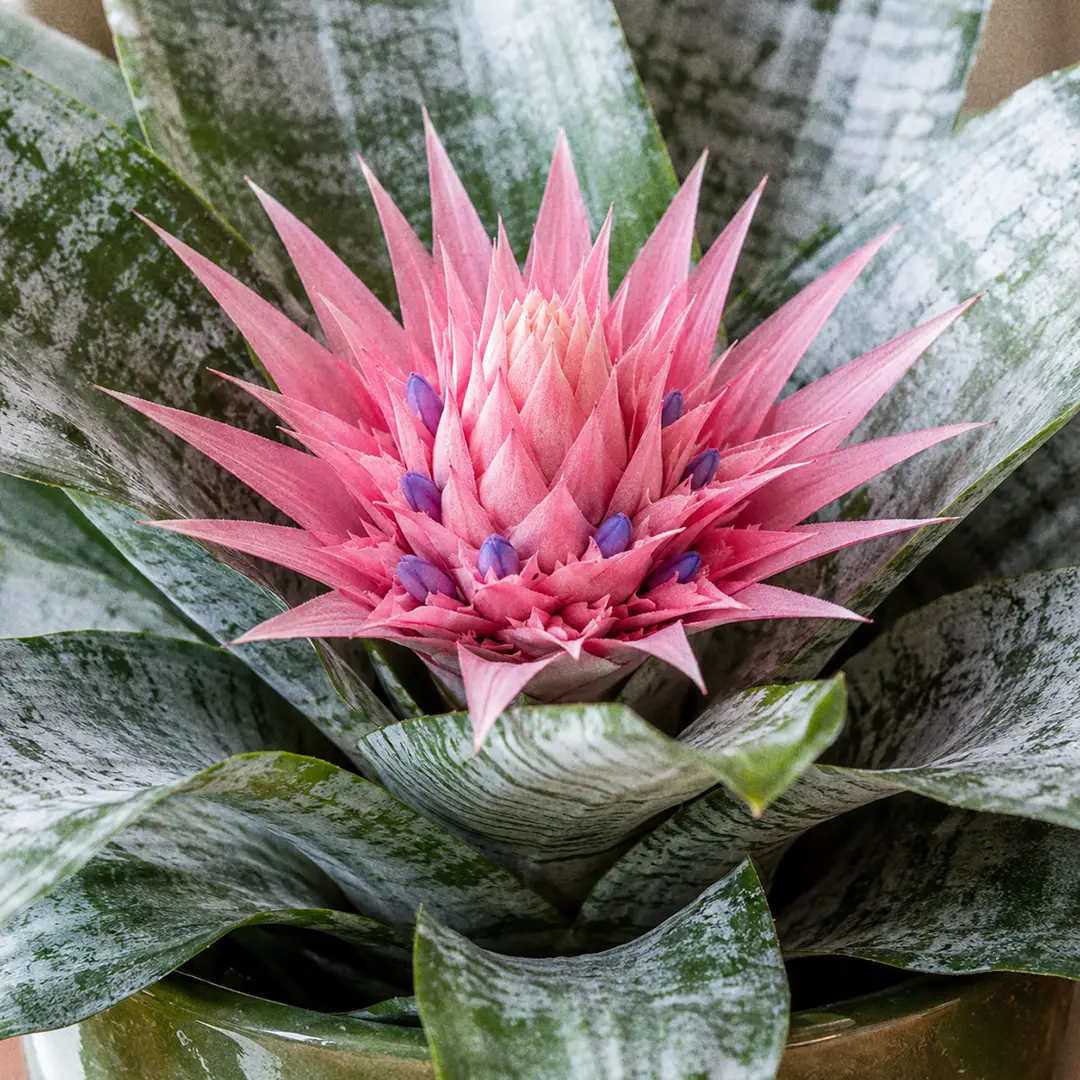
The pink "flower" everyone falls for is actually a large coral-pink bract, modified leaves rather than petals. The small lilac-to-pale-blue true flowers tuck along the spike. The bract stays colourful for three to six months.
What the Bract Looks Like
It emerges from the cup centre as a thick stem topped with stiff spiny pink scales in a pinecone or torch shape. Over a few weeks it grows six to twelve inches above the rosette. Fluorescent coral-pink fades over months toward dusty rose, then to a brown skeleton. The small true flowers each last a day or two.
The Once-in-a-Lifetime Catch
Aechmea fasciata is monocarpic: the mother blooms once, then dies. While the bract fades, the plant pours energy into one to four pups at the base, full clones ready to bloom in two to four years.
How to Trigger a Bloom
Most shop plants were forced into bloom by growers using ethylene. If a mature Aechmea refuses to bloom, place a ripe apple, banana, or kiwi in a clear plastic bag with the plant, tie loosely, and leave for one to two weeks in a bright spot. A bract usually appears within three to four months. Bright indirect light with a touch of soft direct sun and autumn nights at 60-65°F (16-18°C) also help. The mother needs to be three to five years old.
Spent Bloom Cleanup
Once the bract has fully browned, cut its stem off at the base. Leave the rosette and pups in place.
🏷️ Silver Vase Plant Types and Varieties
Common Cultivars
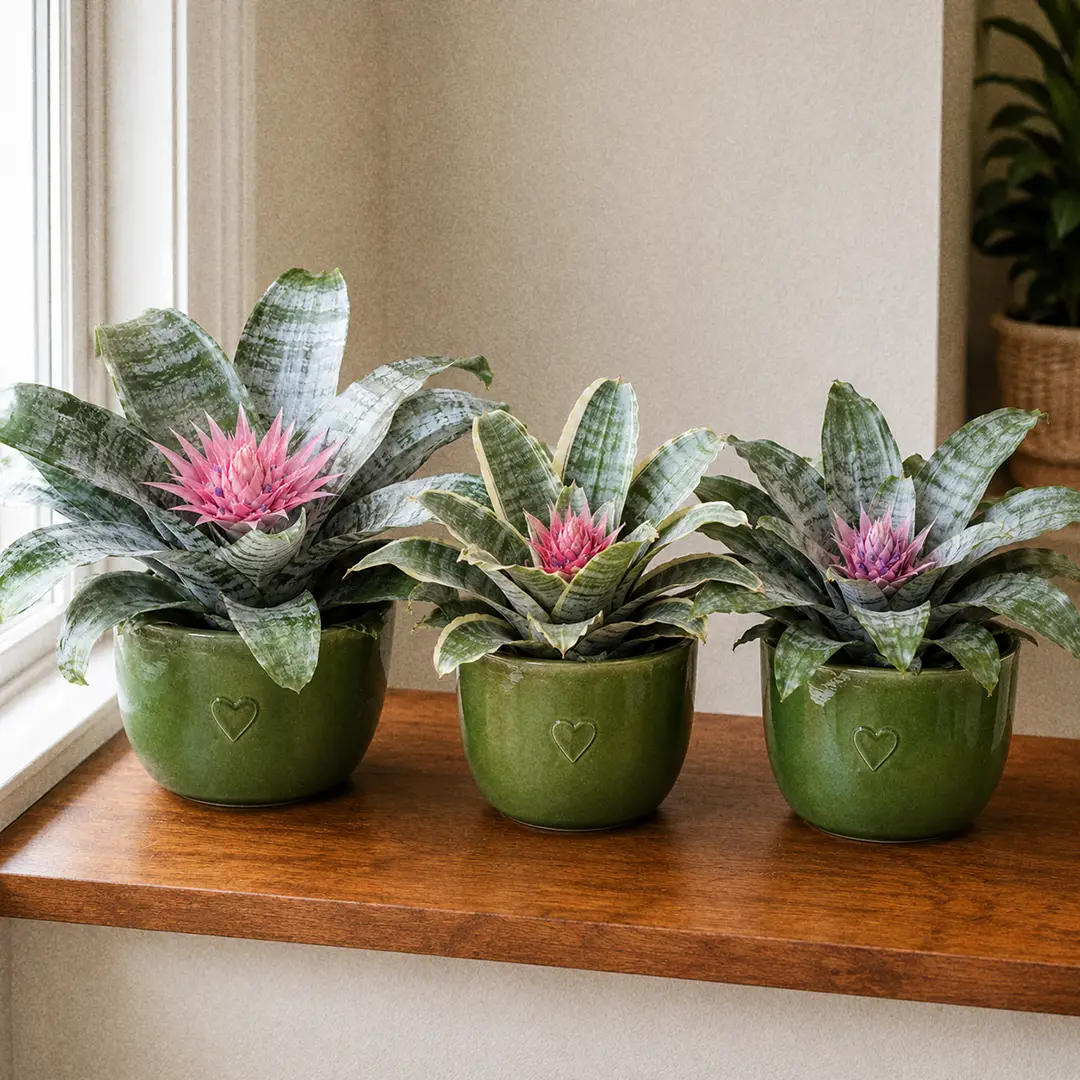
- 'Primera': the dominant commercial cultivar with uniform silver banding and a reliable hot pink bract. What most shops sell.
- 'Variegata' ('Albomarginata'): cream-edged leaves; slightly slower to bloom.
- 'Morgana': purpler-toned, deep rose-pink bract on shorter denser foliage.
- 'Blue Rain' (A. fasciata x A. caudata): deeper green leaves, less-defined banding, smaller electric-violet bract.
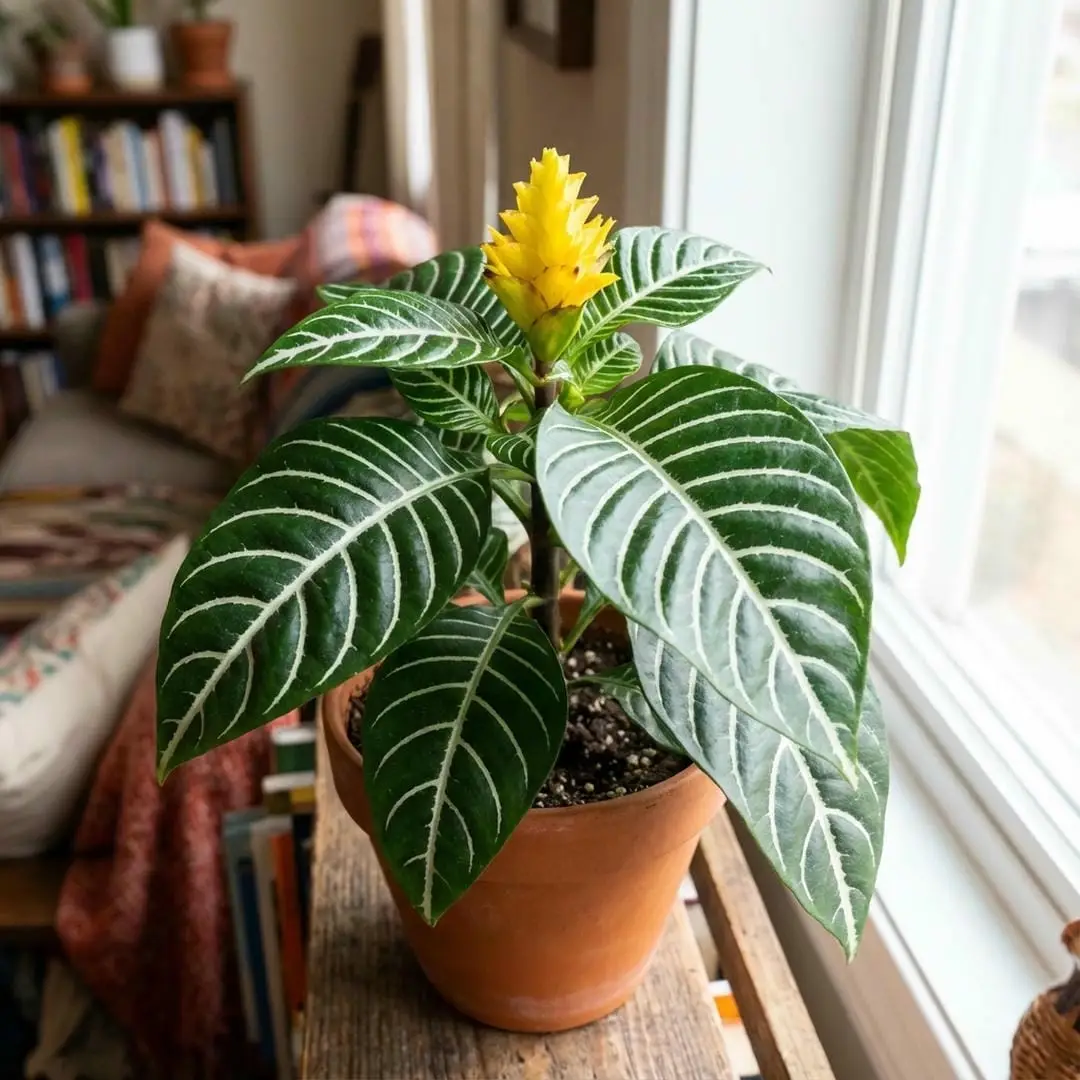
- Aechmea chantinii (Zebra Plant Bromeliad): sharper black-and-silver banding, red-and-yellow bracts, more open rosette.
Silver Vase Plant vs. Other Bromeliads
The general Bromeliad family shares the central-cup routine.
- Guzmania lingulata: glossy plain green leaves, star-shaped bract; most low-light tolerant.
- Vriesea splendens: banded leaves, flat sword-shaped spike.
- Neoregelia: flat colourful rosettes with the cup centre turning bright red.
- Tillandsia (Air Plant): rootless cousin, no soil.
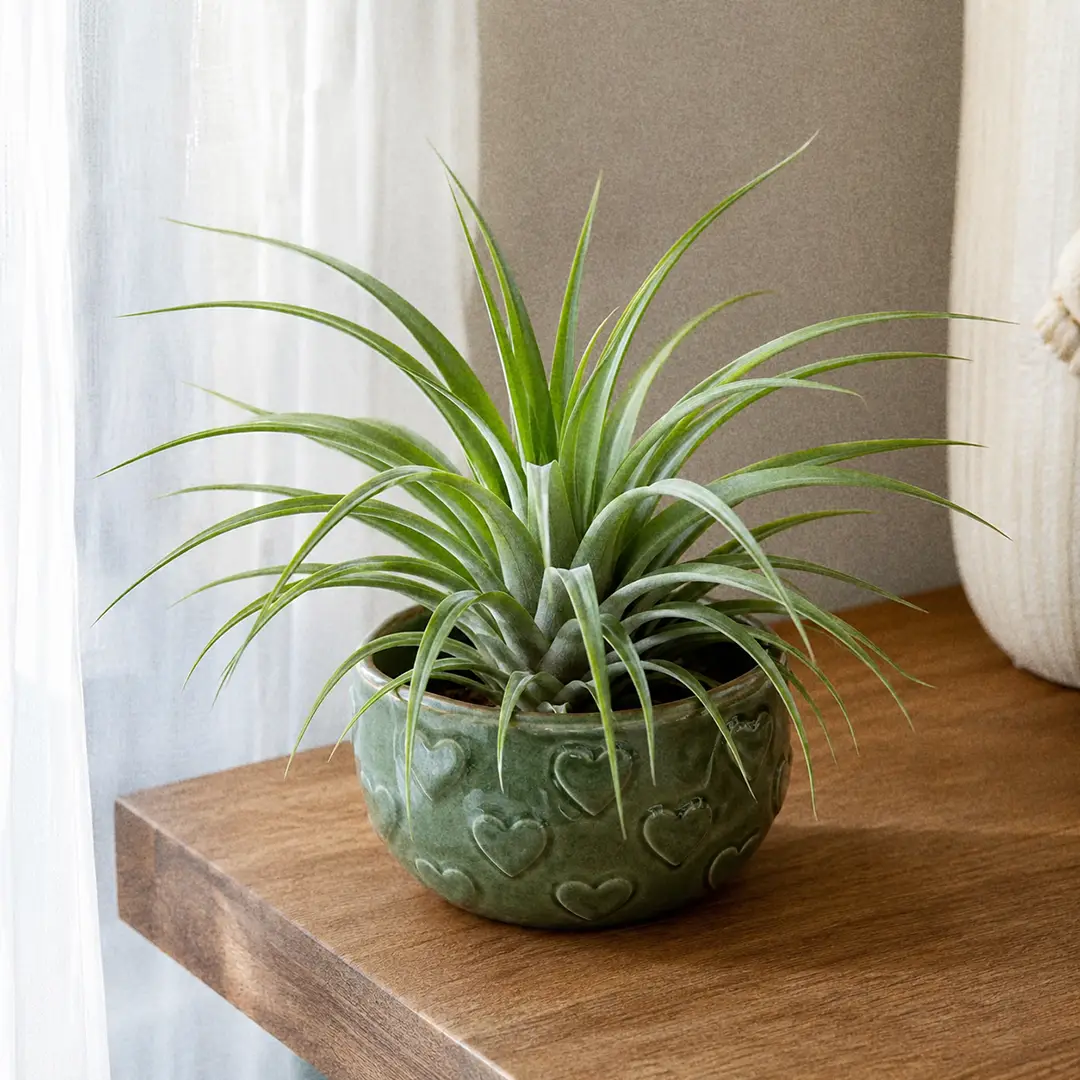
- Brachycaulos Air Plant (Tillandsia brachycaulos): soft green rosette that flushes scarlet across the whole plant before flowering; mounted rather than potted, and soaked weekly instead of tank-filled.
- Pink Quill Plant (Wallisia cyanea, formerly Tillandsia cyanea): grassy rosette with a flat pink paddle bract; potted in bark, and the one bromeliad here whose centre you must never fill with water.
Silver Vase Plant vs. African Violet
The African Violet is a small soft-leaved shade plant that blooms year-round. The Silver Vase is a dramatic plant with one bract that lasts months. Want constant small flowers? Choose the African Violet or Cape Primrose. Want one giant pink bract for half a year? Choose the Silver Vase.
🪴 Potting and Repotting Silver Vase Plant
When to Repot
Silver Vase Plants have small, shallow roots and prefer to stay in the same pot for years. Repot only when separating pups, the pot has become unstable, the soil has gone to sour sludge, or the mother has finished and you are moving pups into fresh mix. Avoid repotting during active bract production.
Choosing a Pot
Choose a pot only an inch or two wider with strong drainage. The plant is top-heavy, so a heavier pot helps. Plastic, terracotta, and heavy stoneware all work.
How to Repot
- Water lightly the day before.
- Add an inch of fresh mix to the new pot.
- Slide the plant out (the root ball feels loose; that is normal).
- Trim mushy roots; healthy ones are pale and firm.
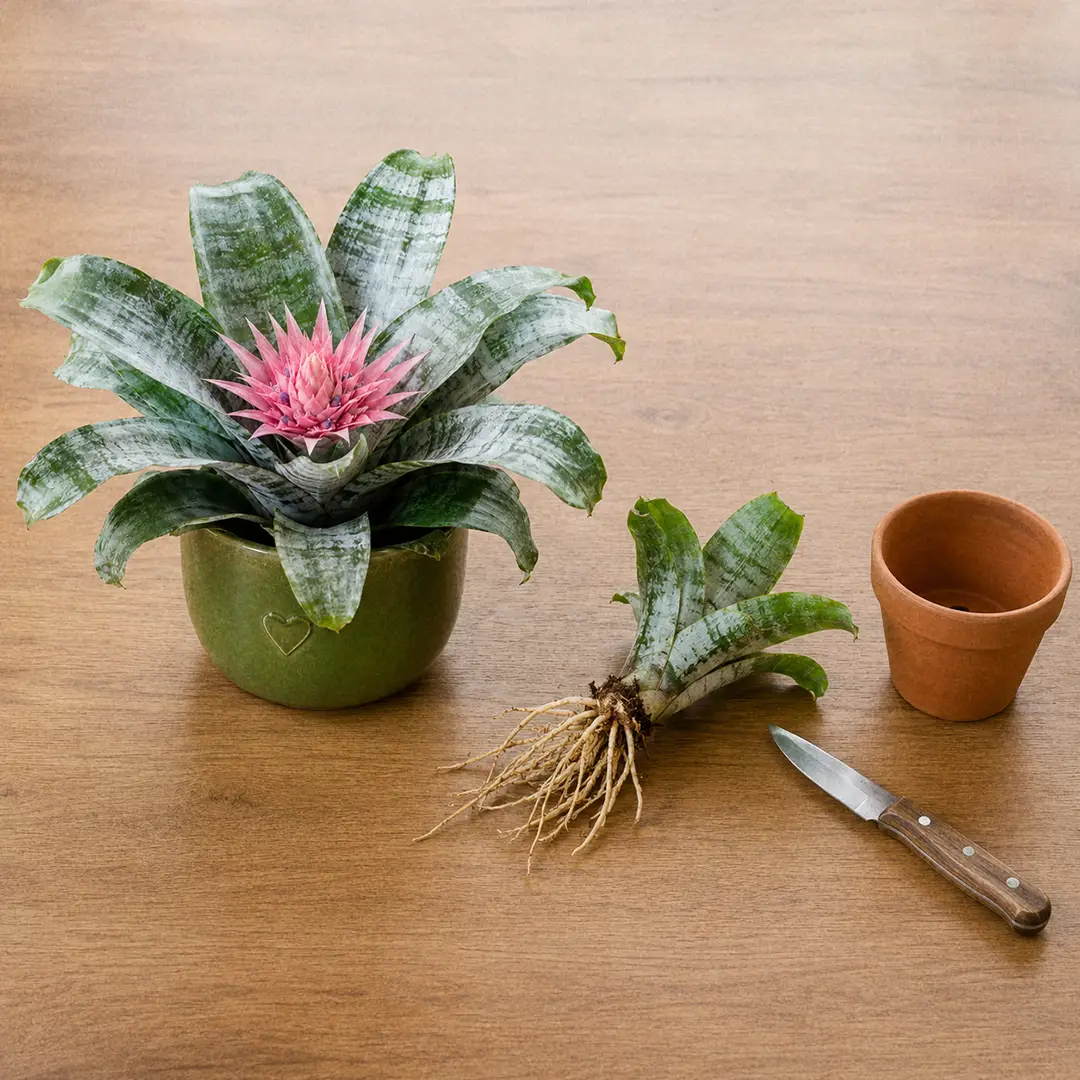
- If separating pups, slice each one off with a clean knife, keeping its own roots.
- Set the plant at the same depth as before. Do not bury any part of the cup base.
- Backfill, tap to settle, refresh the cup.
See repotting houseplants for the basics. The rule above all: do not bury the cup base.
✂️ Pruning Silver Vase Plant
Pruning here is almost entirely cosmetic: tidying the rosette, removing the spent bract, and trimming away the mother after she has finished.
Removing the Spent Bract
Cut the bract stem off at the base with clean snips once it has fully browned. Leave the rosette and pups in place. Removing the spent bract early redirects the mother's remaining energy into pup production.
Removing Tired Outer Leaves
Trim browned or ragged outer leaves at the soil line. New growth always comes from the centre. If a leaf has a brown tip but is otherwise green, trim just the tip at a soft angle.
Removing the Mother Plant
Once pups reach one-third to one-half the mother's size, she starts to brown and pull away. Slice her off at the soil line with clean snips. The pups stay in place and continue growing.
Cleaning the Leaves
The silver chalky coating is alive (trichome scales), and scrubbing wipes it off. Resist the urge to polish like a Rubber Plant. Every couple of months, gently wipe with a soft slightly damp cloth. Skip leaf shine sprays entirely.
Removing Diseased Tissue
Snip soft or dark-spotted leaves at the soil line, cutting back into firm clean tissue. Clean your snips with rubbing alcohol between cuts.
🌱 How to Propagate Silver Vase Plant (Pups)
One of the easiest plants in the houseplant world to propagate. The mother does the work; you just wait and separate.
When to Separate
Wait until each pup is one-third to one-half the mother's size, usually six to twelve months after the bract appears. A pup is ready when it is at least four to six inches tall, has formed its own small roots, and the mother has slowed her growth or started browning at the outer leaves.
How to Separate
- Slide the entire plant out and rinse off most of the soil.
- Identify the join between each pup and the mother (a thicker connection point).
- With a clean sharp knife, cut each pup away. Keep two or three of the pup's own roots attached.
- Let cut surfaces dry in open air for a few hours, ideally overnight.
- Pot each pup in fresh bromeliad mix in a four- to five-inch pot.
- Set at the same depth as before, with the cup base at or just above the soil line.
- Water the soil lightly and splash fresh water into the new cup. Hold off heavy watering for two weeks.
- Place in bright indirect light, slightly shaded from direct sun while establishing.
Each pup typically anchors within four to six weeks, then needs two to four years to bloom.
Leaving Pups in Place
You do not have to separate at all. Leaving pups attached creates a multi-generational clump and produces a fuller display long-term. The trade-off: you cannot share with friends.
What Does Not Work
- Leaf cuttings: Aechmea fasciata does not regenerate from a cut leaf, unlike a Cape Primrose or Snake Plant.
- Seed: technically possible but takes three to four years and varies genetically.
- Dividing the mother: there is nothing to divide.
🐛 Silver Vase Plant Pests and Treatment
Thick leathery leaves and the chalky trichome coating make this plant unpleasant for most sap-suckers, but a few classic offenders still find their way in. Inspect the cup base, leaf joints, and undersides every two weeks. Quarantine new plants for two weeks.
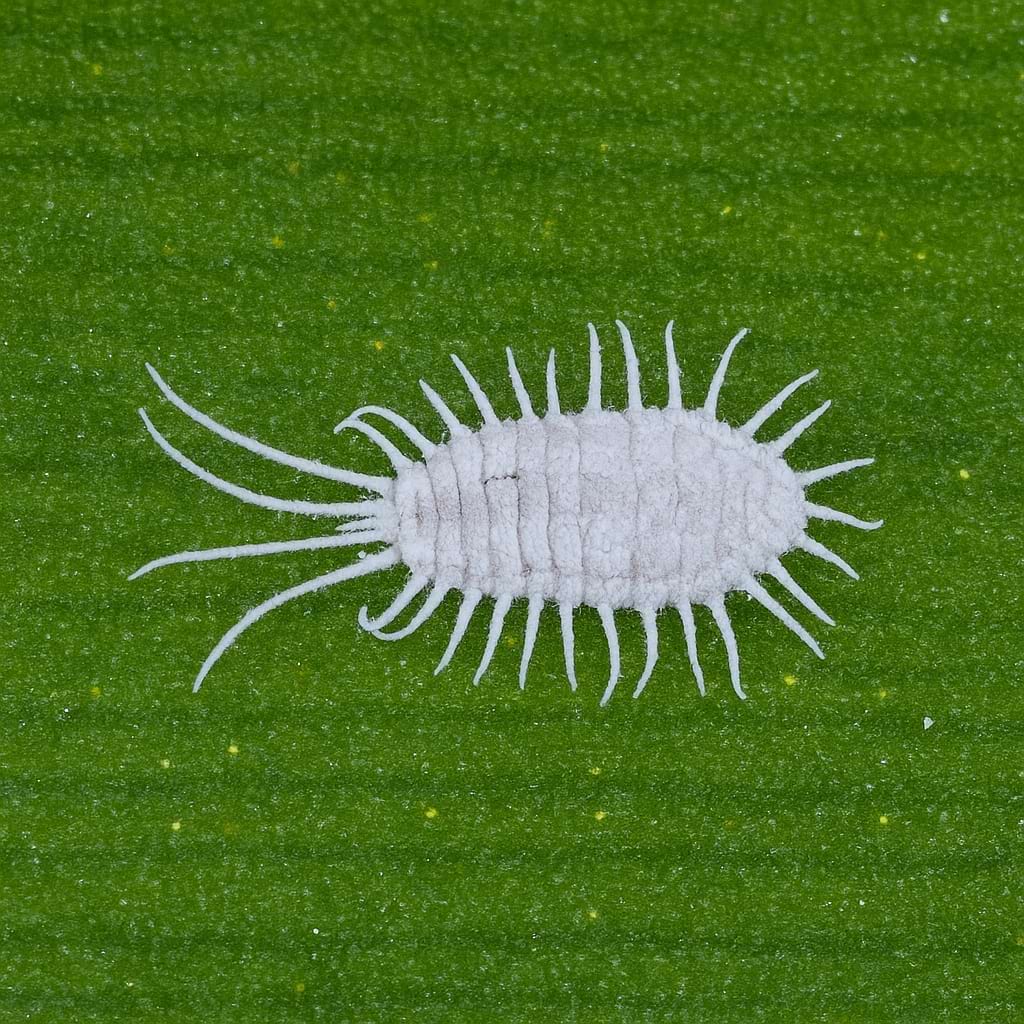
Mealybugs cluster in leaf joints and at the cup base like tiny tufts of cotton wool. Dab each cluster with a cotton swab dipped in 70 percent isopropyl alcohol. Repeat every five days for three weeks.
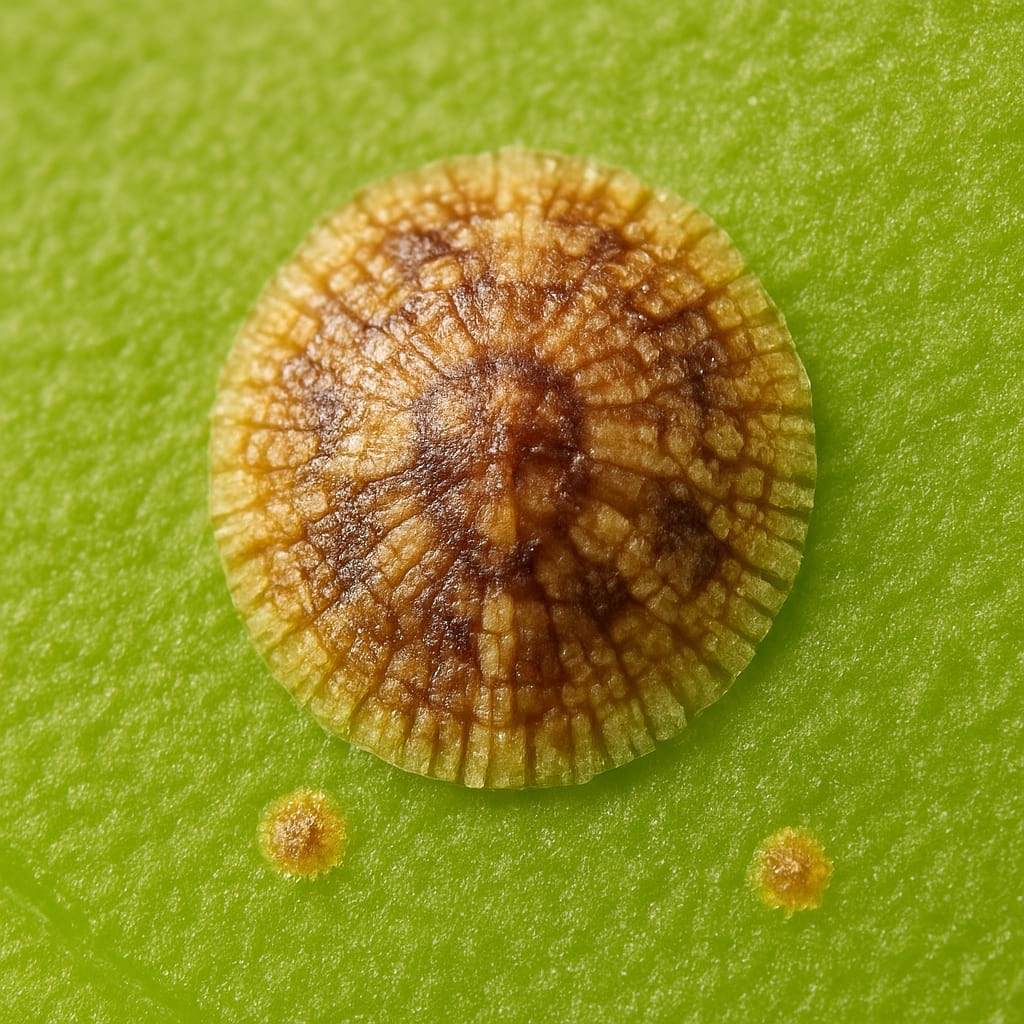
Scale insects appear as small brown bumps along leaf undersides and bases. Scrape with a fingernail or soft toothbrush, then wipe with insecticidal soap. Heavy populations need a systemic follow-up.
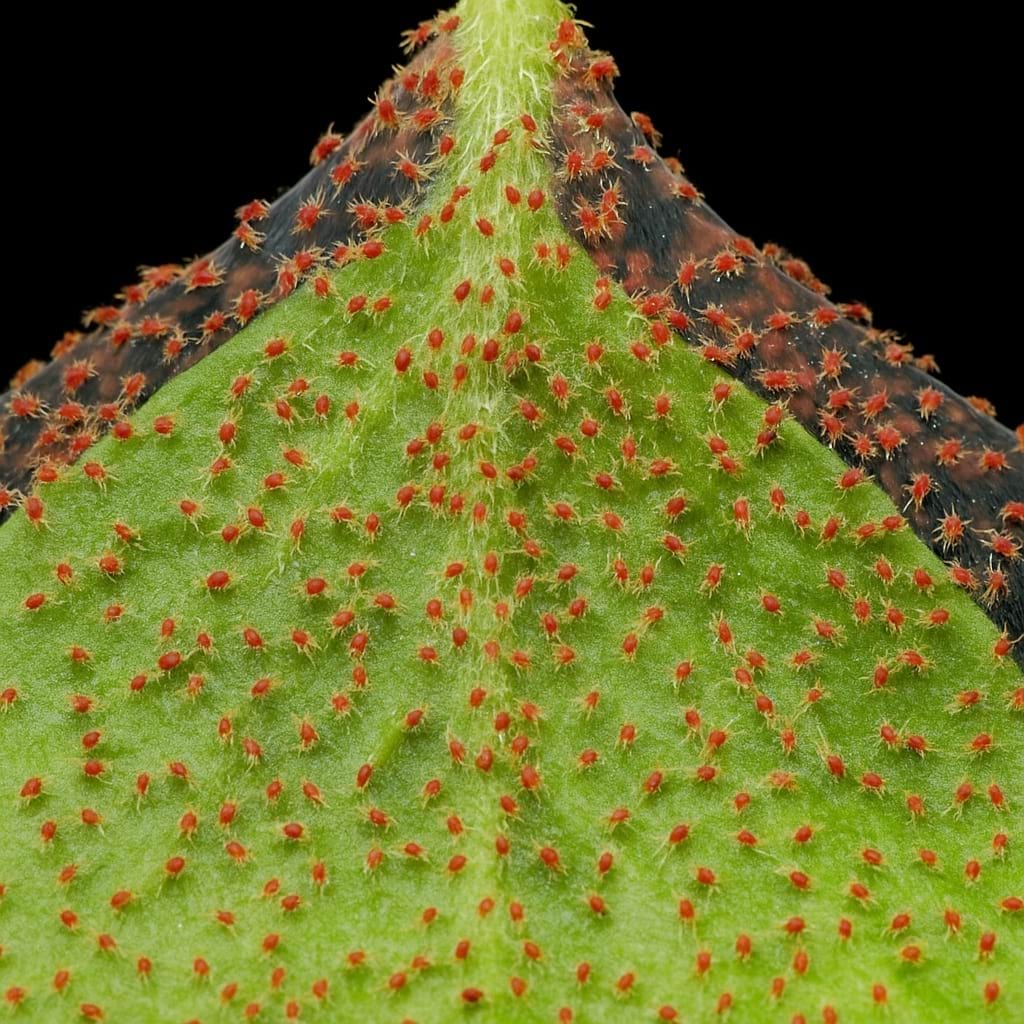
Spider mites show up in dry winter heat. Look for fine webbing and stippled dots. Boost humidity, brush gently, and treat with insecticidal soap weekly.
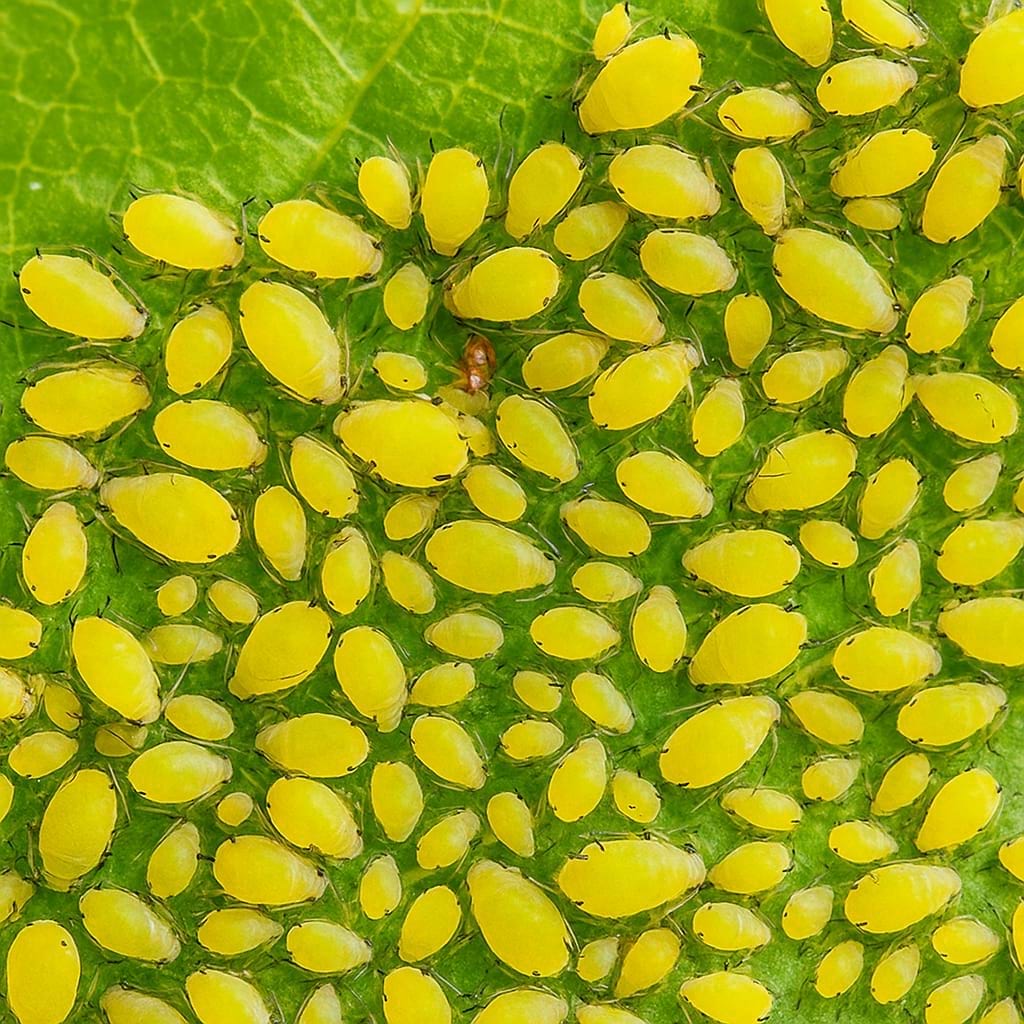
Aphids cluster on fresh new growth and emerging bracts. Rinse them off in the sink, then follow up with insecticidal soap if any return.
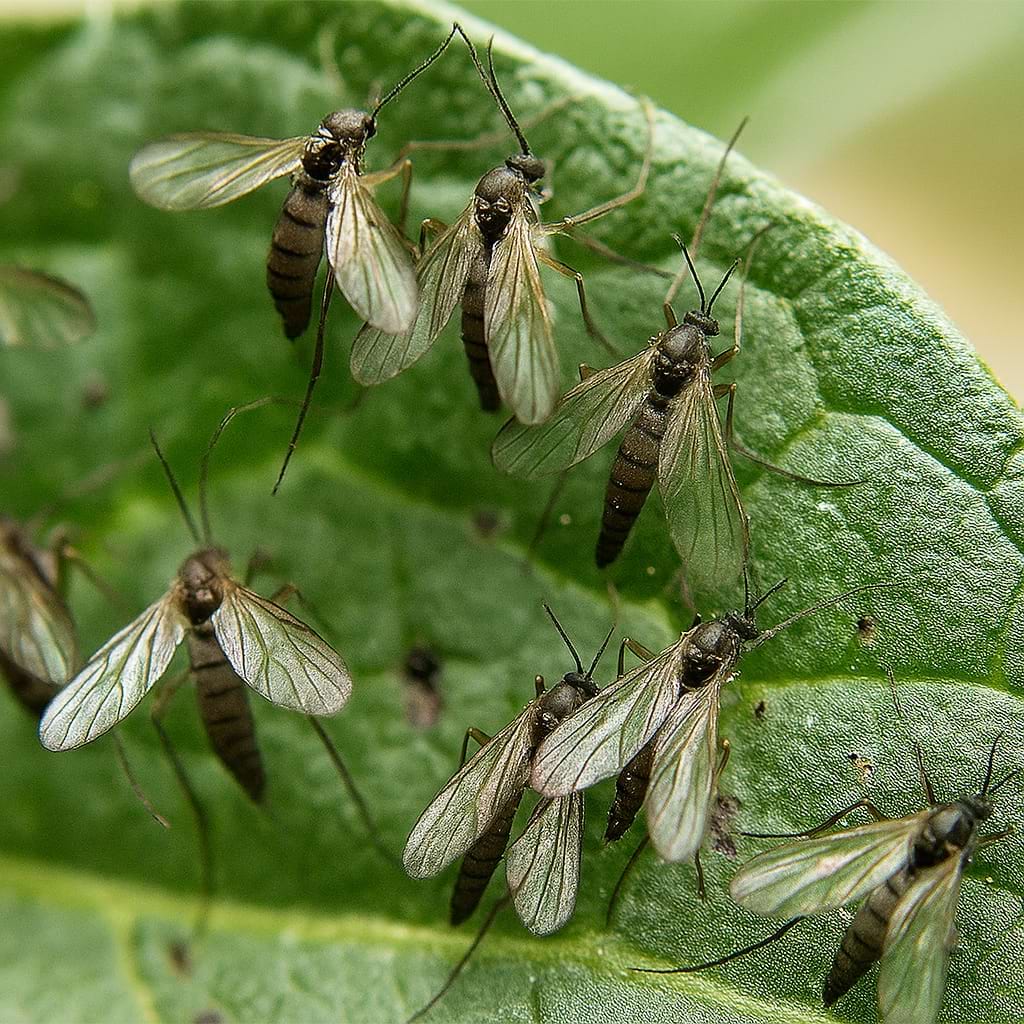
Fungus gnats mean the soil is too wet. Let the top inch dry, top-dress with sand or fine bark, and use yellow sticky traps. Switch to cup-only watering for a few weeks.
See pest prevention in winter for seasonal patterns.
🩺 Common Silver Vase Plant Problems
Most issues trace back to watering, light, or a buried cup base.
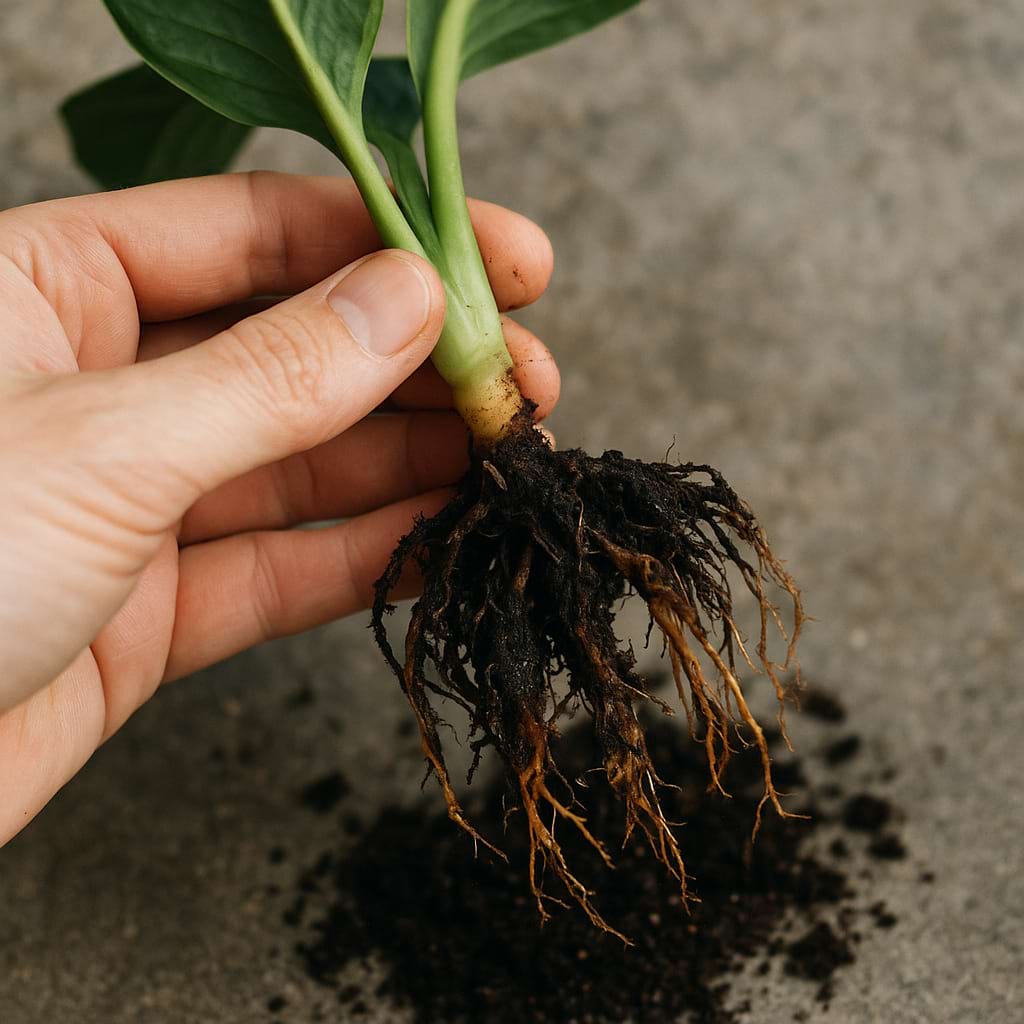
Root rot is the leading killer. It usually starts in the cup from stagnant water against soft tissue. Mushy crown, sour smell, no root resistance: slide the plant out, cut back to firm tissue with a sterile blade, dust with cinnamon, replant in fresh dry mix, and skip feeding for a month.
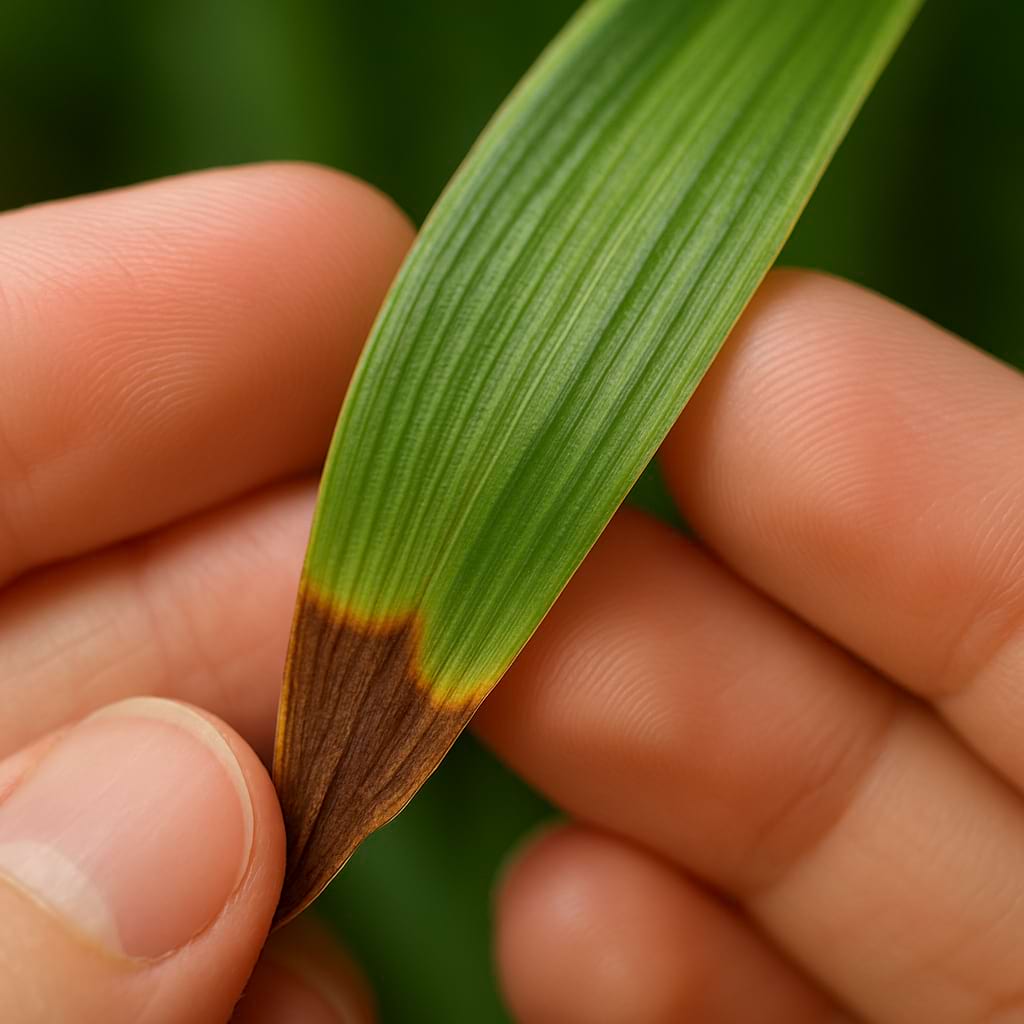
Brown crispy edges point to dry air, mineral buildup, or hard tap water. Boost humidity, switch to filtered water, flush the cup monthly.
Failure to bloom is almost always immaturity (mothers need three to five years) or low light. Move brighter or use the ethylene-and-banana trick from the bloom section.
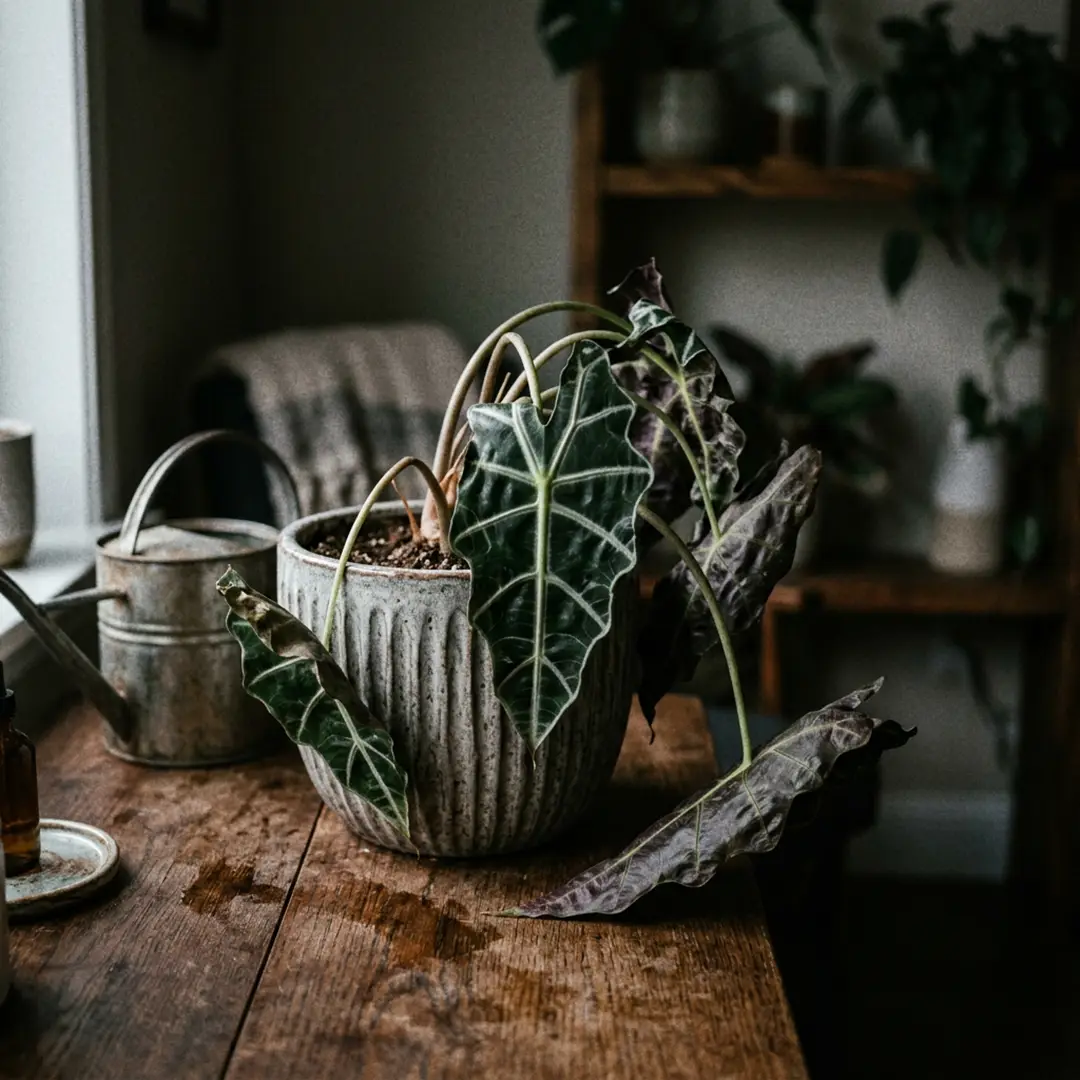
Wilting or drooping is rare thanks to the cup reserve. If soil is wet and the rosette is collapsing, it is rot. If the cup is dry and the soil is dust, refill and water lightly.
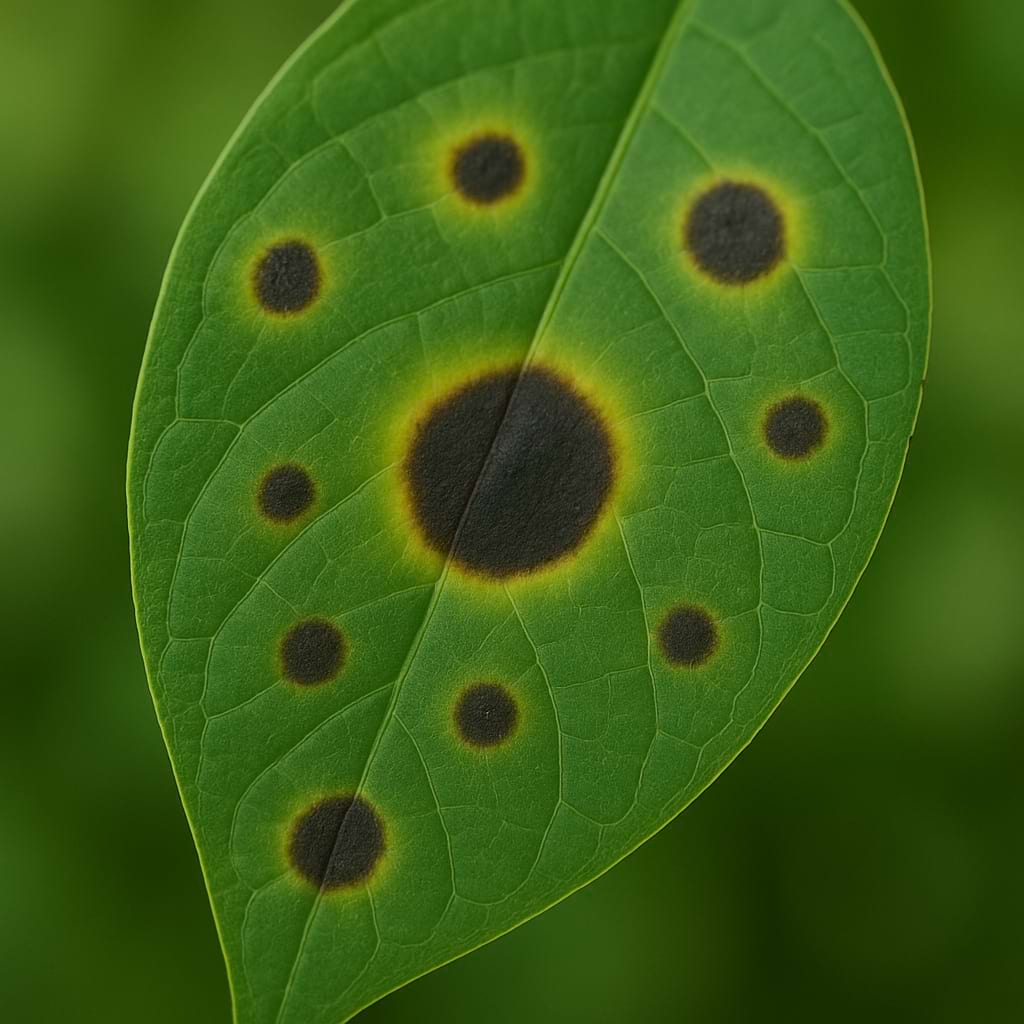
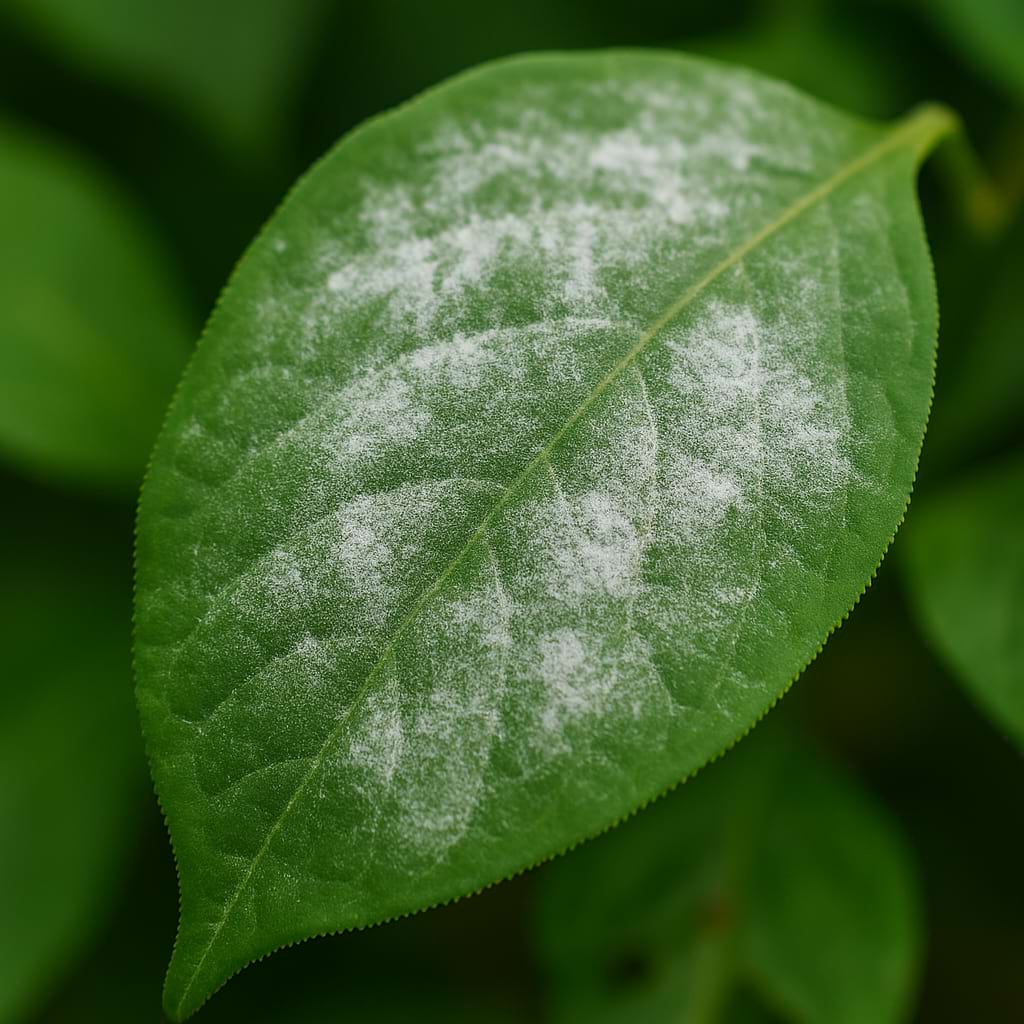
Brown or black spots usually mean fungal or bacterial issues from water sitting on leaves overnight. Trim affected leaves, improve airflow, water the cup not the foliage.
Pale or faded leaves signal a light deficit. Move closer to the window or add a grow light.
Fungal or bacterial leaf spot shows as dark spots with yellow halos. Trim, water the cup only, improve airflow, apply diluted neem for early cases.
Leaf drop usually signals shock from a move, draft, or heavy overwatering. Stabilise conditions and wait.
A mother dying back gradually after her bloom is not a problem; it is the natural arc. Cut her away as she fades; the pups take over.
🖼️ Silver Vase Plant Display and Styling Ideas
The upright silver-banded vase, dramatic pink bract, and compact footprint make this a natural feature plant rather than a background filler.
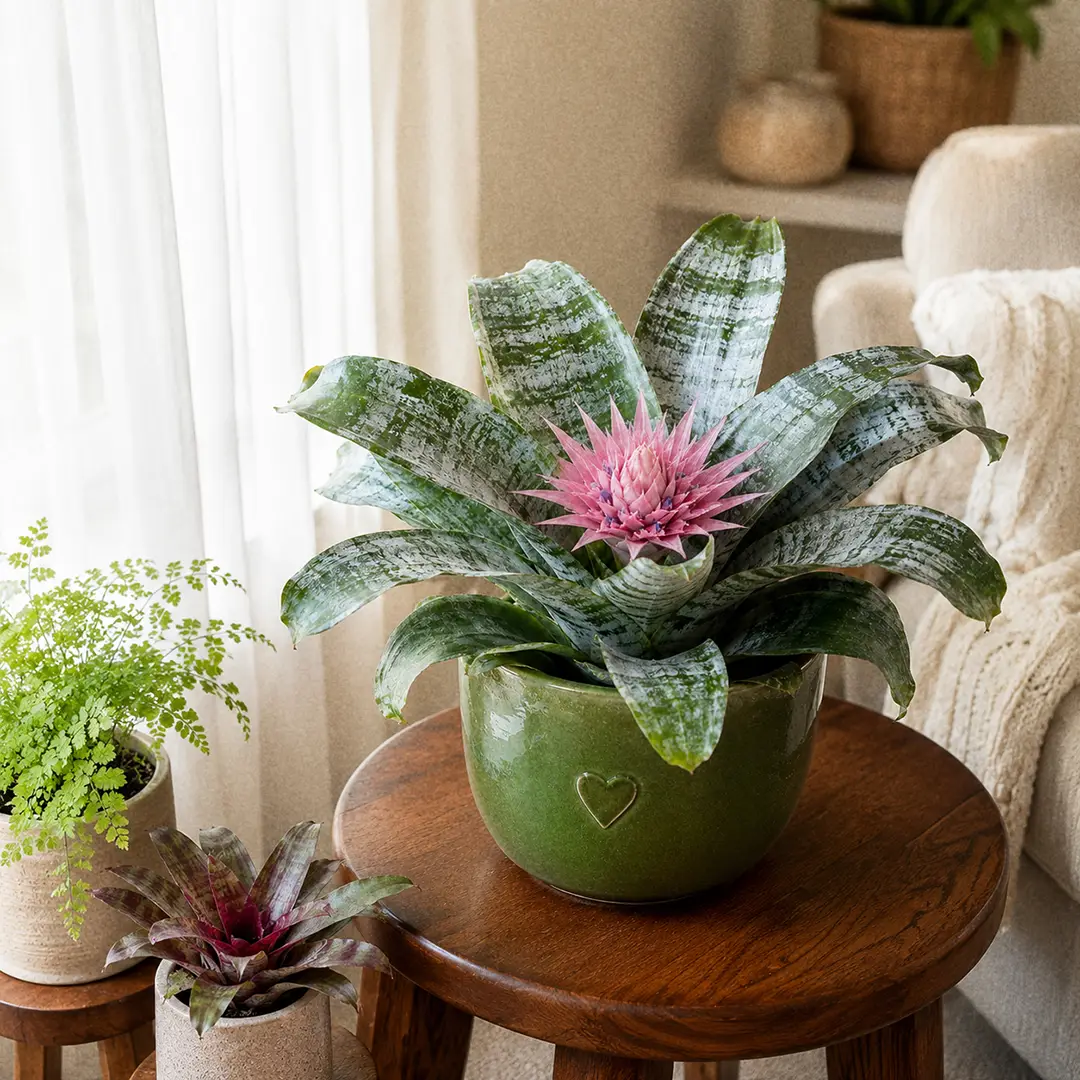
Pot and Color Pairings
- Cream or matte ivory frames the silver and pink cleanly.
- Charcoal or matte black makes the silver banding pop.
- Natural terracotta lends a Mediterranean feel.
- Sage green and warm cream echo the leaves without fighting them.
- Avoid loud floral pots; the bract is doing the work.
Spaces and Companions
Works on a bright living-room side table, sunny kitchen windowsill, bathroom shelf near a bright window, or sheltered patio in zones 9+. Pairs well with tropicals that share bright indirect light: a Boston Fern or Maidenhair Fern for soft contrast, an Air Plant for a bromeliad theme, a Phalaenopsis Orchid for months of flowers at a similar height, a Peace Lily, or a Bird of Paradise for a wilder scene. Avoid dry-air partners like Snake Plant or Jade Plant.
Mounted Display
Naturally epiphytic, Aechmea fasciata mounts on driftwood or cork bark. Wrap the root ball in damp sphagnum, secure with fishing line, and water by spraying the moss and refilling the cup.
🌟 Silver Vase Plant Pro Care Tips
✅ The cup is the plant's stomach. Keep it a quarter full of fresh water.
💧 Flush the cup monthly. A thirty-second tip-and-rinse stops bacteria, mosquitoes, and salt burn.
🌫️ Filtered or rainwater for the cup. Trichome-coated leaf bases dislike chlorine and hard tap water.
☀️ Bright indirect with a touch of direct. A few hours of soft morning sun keeps silver crisp.
🍌 Banana-and-bag for stalled blooms. Ripe fruit in a clear plastic bag with the plant for a week or two often triggers a bract within three to four months.
🪴 Do not bury the cup. The lowest leaf bases must sit at or just above the soil line.
🌱 Pups before perfection. Wait until pups are at least one-third the mother's size.
🧼 Skip leaf shine sprays. They clog the living trichome coating.
🐾 Pet-safe. Non-toxic to cats and dogs per the ASPCA.
🌸 Cool autumn nights help. A short stretch at 60-65°F (16-18°C) often nudges mature plants into bract production.
❓ Frequently Asked Questions
Is the Silver Vase Plant easy to care for?
Yes, one of the easiest flowering houseplants. Thick leathery leaves shrug off pests, the central cup forgives missed waterings, and the bloom lasts months when it finally arrives. Keep the cup a quarter full, give bright indirect light with a touch of direct sun, and feed lightly in warm months.
How long does the pink bract last?
Three to six months indoors, occasionally closer to eight months in cool, bright conditions. The bract is modified leaves rather than petals, which is why it lasts so much longer than the small true flowers tucked along its spike.
Does the Silver Vase Plant only bloom once?
Yes. Aechmea fasciata is monocarpic, so each rosette blooms only once. While the bract is still in colour, the mother produces one to four pups at her base, full clones that bloom themselves in two to four years. A well-managed plant essentially never stops.
Is the Silver Vase Plant toxic to pets?
No. Officially non-toxic to cats, dogs, and humans per the ASPCA. The chalky trichome scales taste unpleasant, so most pets sample once and lose interest.
Why is my Silver Vase Plant not blooming?
Either it is not yet mature (three to five years from a separated pup), or the light is too low. If mature, try the ethylene trick: a ripe banana or apple in a clear plastic bag with the plant for one to two weeks. A bract usually appears within three to four months.
Can I grow a Silver Vase Plant from a cutting?
No. Aechmea fasciata does not regenerate from a cut leaf. Pups are the only practical route, and they are fast and reliable.
Can the Silver Vase Plant live in a bathroom?
Yes, a bright bathroom is one of the best spots. Shower warmth and humidity replicate native Brazilian conditions. Just make sure the bathroom has real light; a dark interior bathroom is too dim.
Why is the silver coating coming off the leaves?
The silver coating is living trichome scales. Aggressive scrubbing and leaf shine sprays damage it permanently on that leaf. Switch to gentle wiping with a soft damp cloth, skip leaf shine, and new leaves come in clean.
Should I leave the spent bract on or cut it off?
Cut it off once fully browned. Removing it nudges the mother to redirect remaining energy into pup production.
ℹ️ Silver Vase Plant Info
Care and Maintenance
🪴 Soil Type and pH: Loose, airy, fast-draining mix; an orchid or epiphyte blend with bark, perlite, and a little peat is ideal.
💧 Humidity and Misting: Comfortable around 50 to 70 percent; happiest in bright bathrooms and kitchens.
✂️ Pruning: Cut the spent flower bract at the base once it browns, and trim any tatty outer leaves.
🧼 Cleaning: Wipe the silver-banded leaves with a damp cloth every couple of months to keep the chalky scales intact and the silver banding visible.
🌱 Repotting: Rarely needed; only when separating pups or when the plant has outgrown its pot after several years.
🔄 Repotting Frequency: Every 3-5 years, or when separating pups
❄️ Seasonal Changes in Care: Reduce tank water and pause feeding through the lowest-light winter weeks; resume in early spring.
Growing Characteristics
💥 Growth Speed: Slow
🔄 Life Cycle: Monocarpic perennial (mother blooms once, then pups carry on)
💥 Bloom Time: Late spring through summer indoors, with the bract holding color for 3-6 months
🌡️ Hardiness Zones: 10-11 outdoors as a perennial; grown indoors elsewhere
🗺️ Native Area: Southeastern Brazil, in the coastal Atlantic Forest of Rio de Janeiro and the surrounding states
🚘 Hibernation: No, but growth slows noticeably in winter
Propagation and Health
📍 Suitable Locations: Bright living rooms, kitchen counters, sunlit bathrooms, east- and west-facing windowsills, sheltered patios in warm climates, conservatories, plant shelves under daylight LEDs
🪴 Propagation Methods: Very easy from pups (offsets) once they reach a third of the mother plant's size.
🐛 Common Pests: Mealybugs, Scale Insects, Spider Mites, Aphids, Fungus Gnats
🦠 Possible Diseases: Crown rot, root rot, leaf spot, fungal mold in the cup
Plant Details
🌿 Plant Type: Tank-forming epiphytic bromeliad
🍃 Foliage Type: Evergreen, leathery, silver-scaled, arching
🎨 Color of Leaves: Silver-grey banded over deep green, with a powdery chalky surface
🌸 Flower Color: Hot pink to coral-pink bract with small lilac to pale-blue true flowers, fading to dusty rose
🌼 Blooming: Yes, once per mature plant, but the bract holds color for three to six months and is one of the longest-lasting flowers in the houseplant world
🍽️ Edibility: Not edible; sap can mildly irritate sensitive skin
📏 Mature Size: 24-36 inches at full maturity, including the flower bract
Additional Info
🌻 General Benefits: Air purification, low-water tolerance, dramatic long-lasting bloom, friendly to bright bathrooms, easy from pups
💊 Medical Properties: None recorded; the chalky scales (trichomes) on the leaves help the plant absorb water and nutrients in the wild
🧿 Feng Shui: Upward-flowing energy, associated with abundance and lasting joy thanks to the long-lived bloom
⭐ Zodiac Sign Compatibility: Leo
🌈 Symbolism or Folklore: Hospitality, lasting cheer, generous welcome
📝 Interesting Facts: Aechmea fasciata was first described by the Scottish botanist John Lindley in 1828 from plants collected in Brazil. The genus name Aechmea comes from the Greek aichme, meaning "spear point", a reference to the stiff spike-like inflorescence that rises from the centre of the rosette. The species name fasciata means "banded", describing the silver-grey crossbands on the leaves. The plant has been a fixture in European glasshouse collections since the mid-nineteenth century, and a single cultivar called 'Primera' makes up almost the entire commercial supply seen in supermarkets and garden centres today.
Buying and Usage
🛒 What to Look for When Buying: Look for a plant with a tight, even silver-banded rosette, no soft brown patches at the base, and either an unfurling pink bract or a developing bud at the centre of the cup. Avoid plants with limp leaves, mushy crown tissue, brown rot at the soil line, or a cup that smells sour from stagnant water.
🪴 Other Uses: Conservatory feature plant, sheltered patio container in warm climates, gift plant for housewarmings, mounted display on cork bark
Decoration and Styling
🖼️ Display Ideas: Single statement on a side table, grouped trio of mixed bromeliads on a sunny shelf, mounted on driftwood for a tropical wall display, paired with ferns and orchids in a bright bathroom
🧵 Styling Tips: Let the silver-banded leaves and bright pink bract carry the visual weight; choose neutral pots in cream, charcoal, or natural terracotta and avoid loud floral patterns that fight the bract for attention.
🪴 See also 🪴
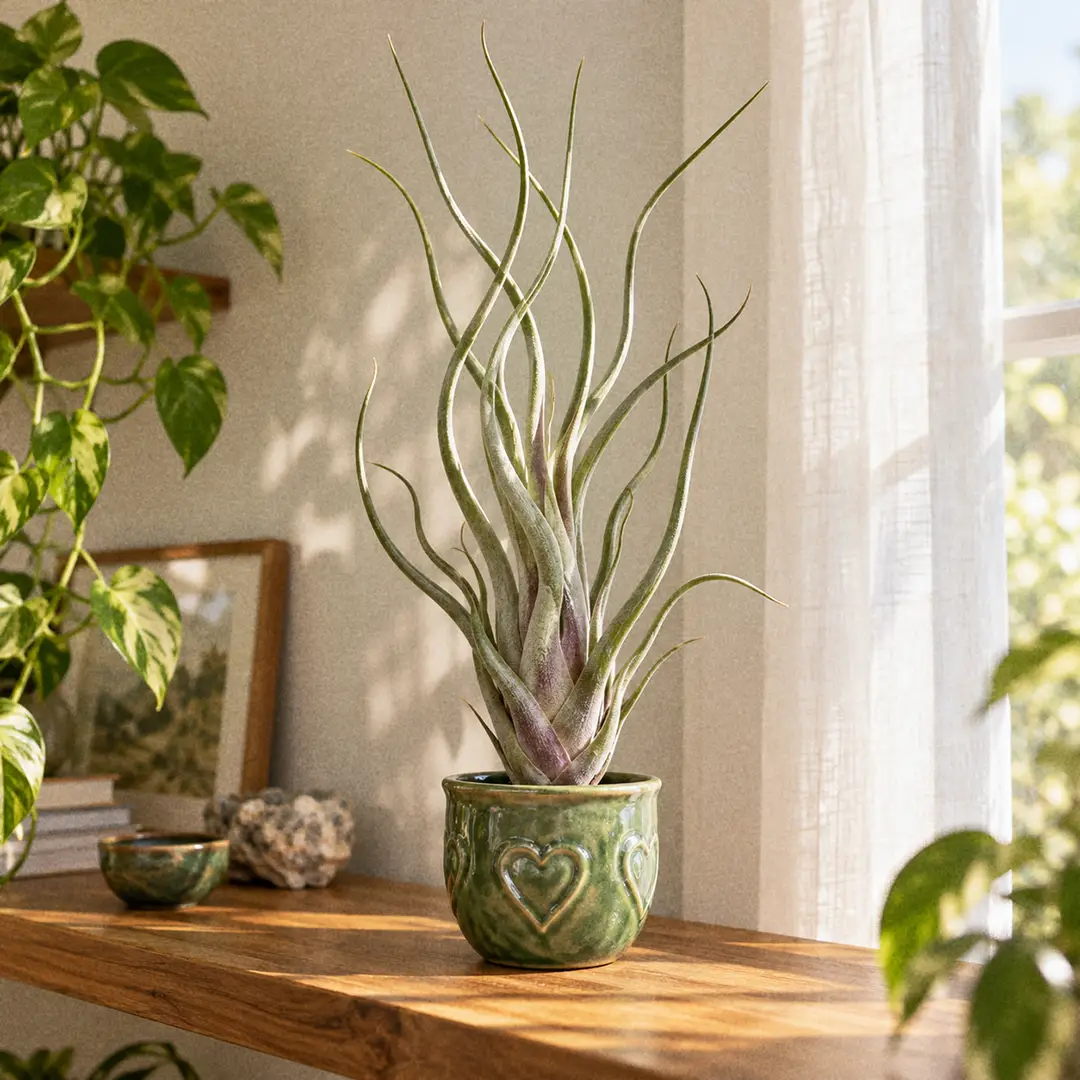
Complete Guide to Baileyi Air Plant Care and Growth
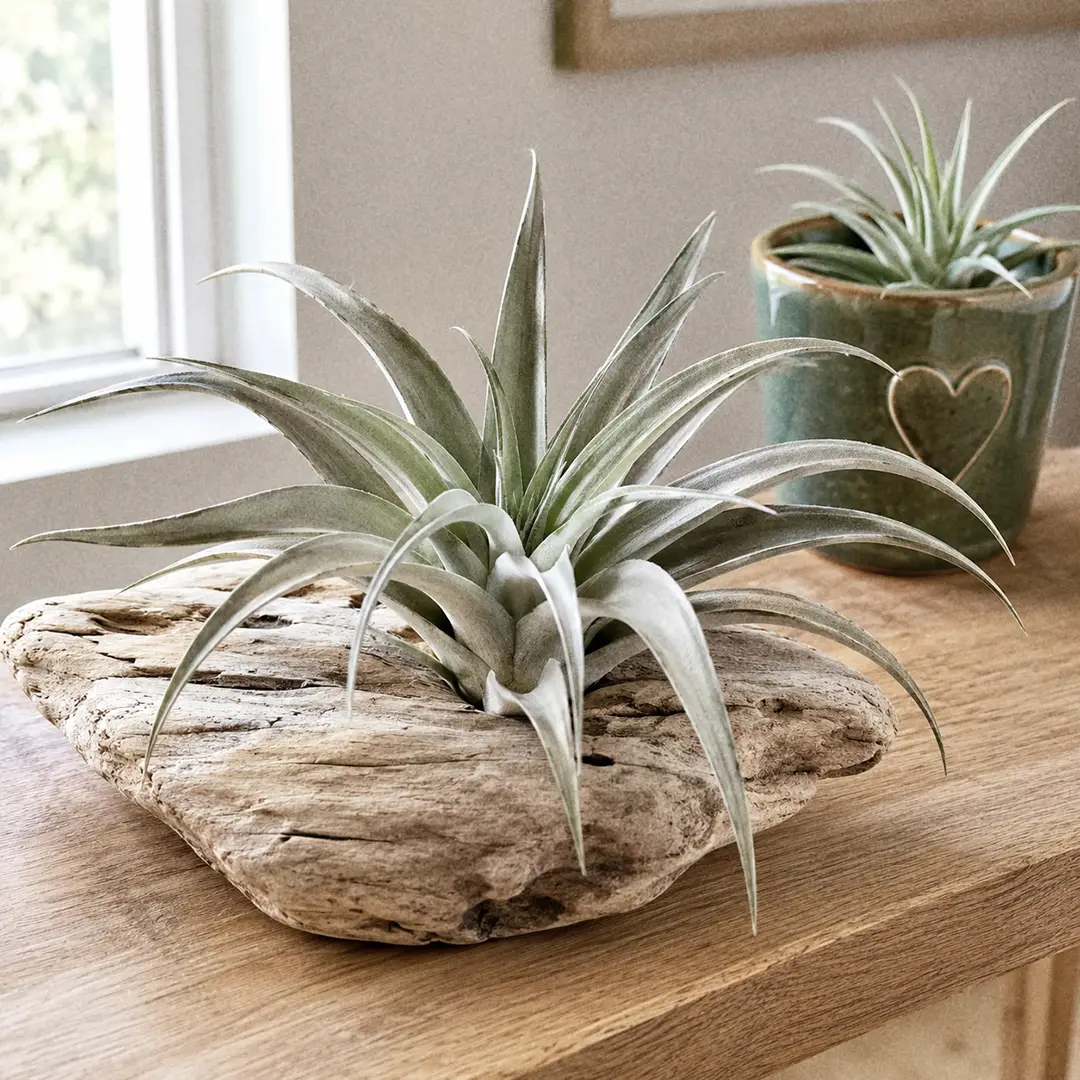
Complete Guide to Harris's Air Plant Care and Growth
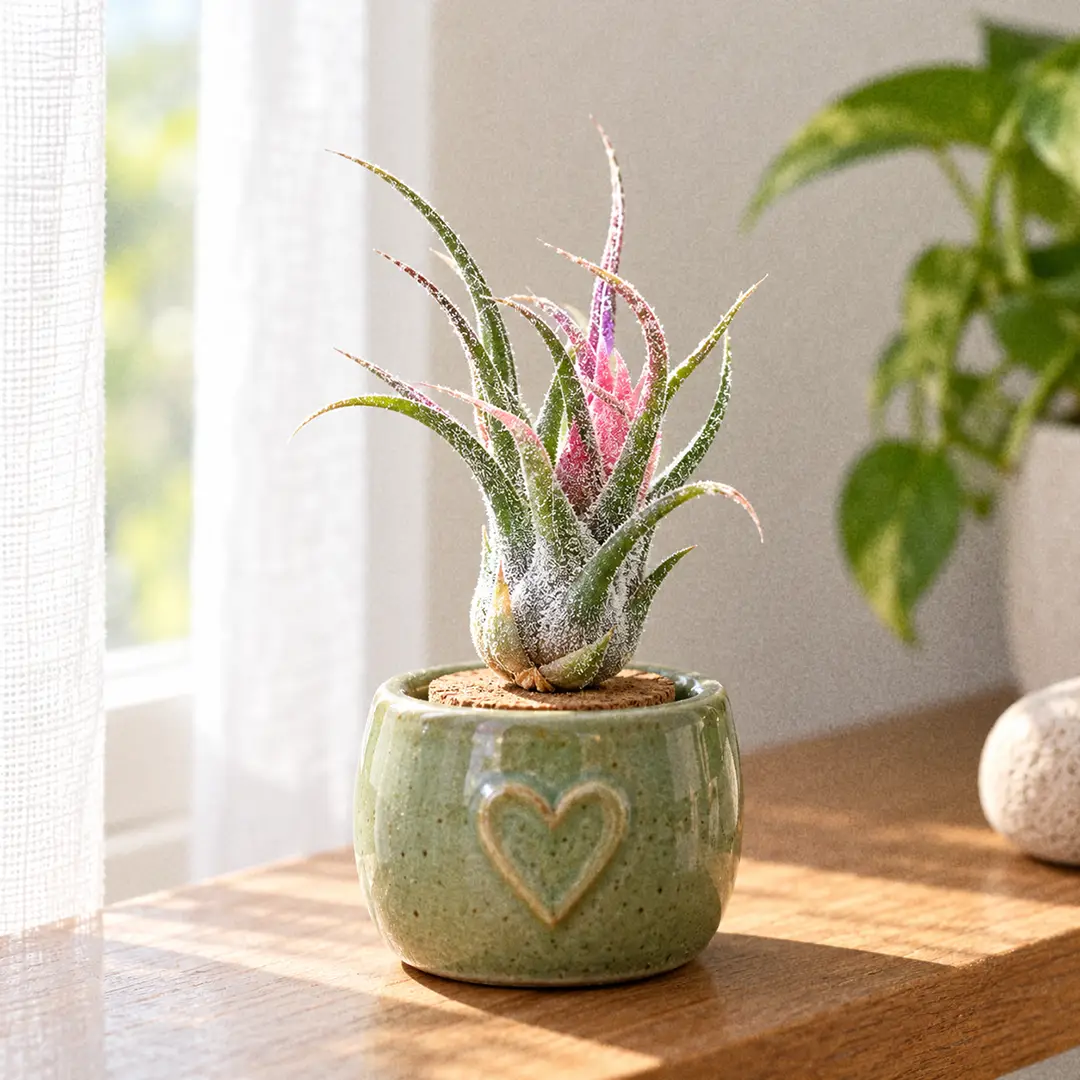
Complete Guide to Pruinosa Air Plant Care and Growth
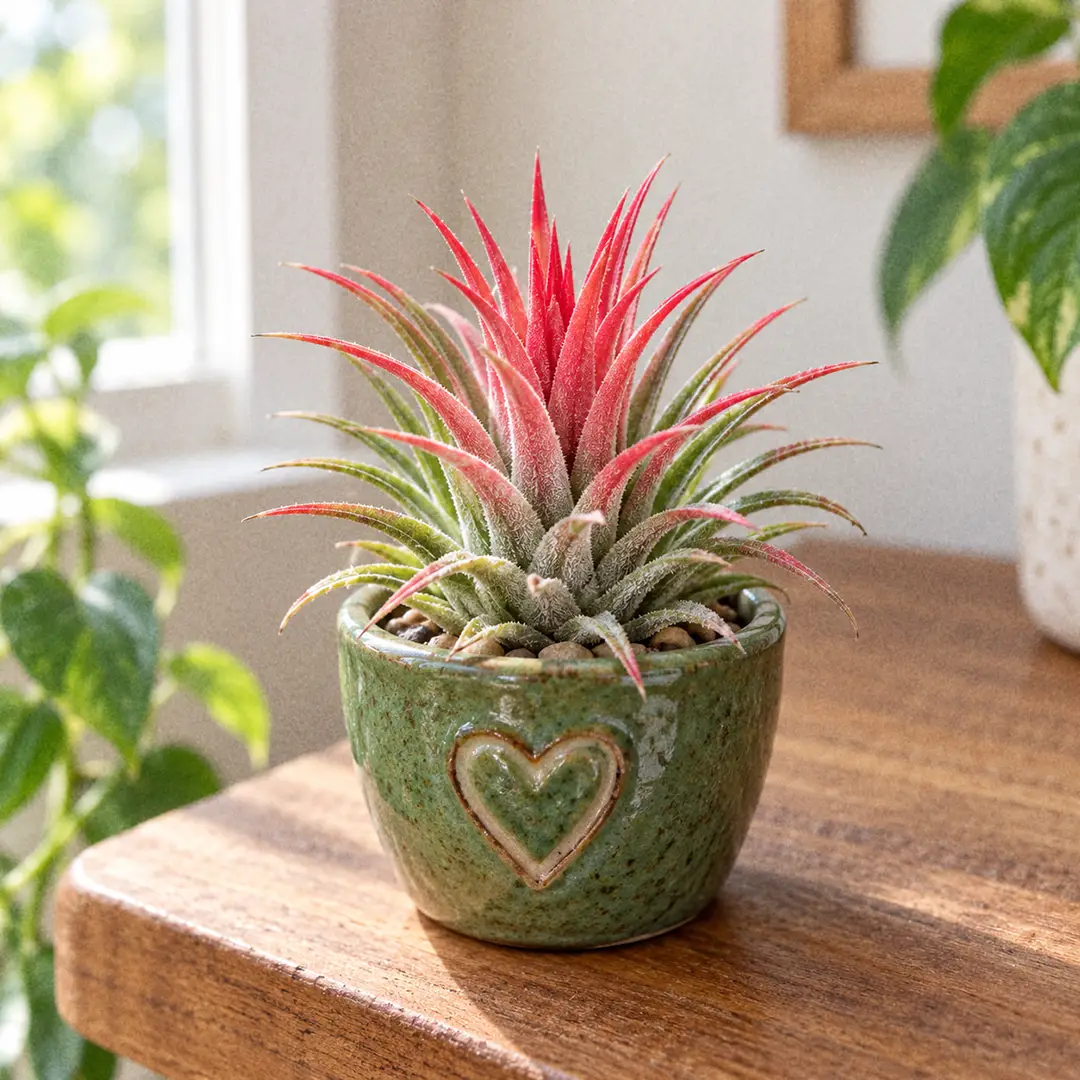
Complete Guide to Ionantha Air Plant Care and Growth
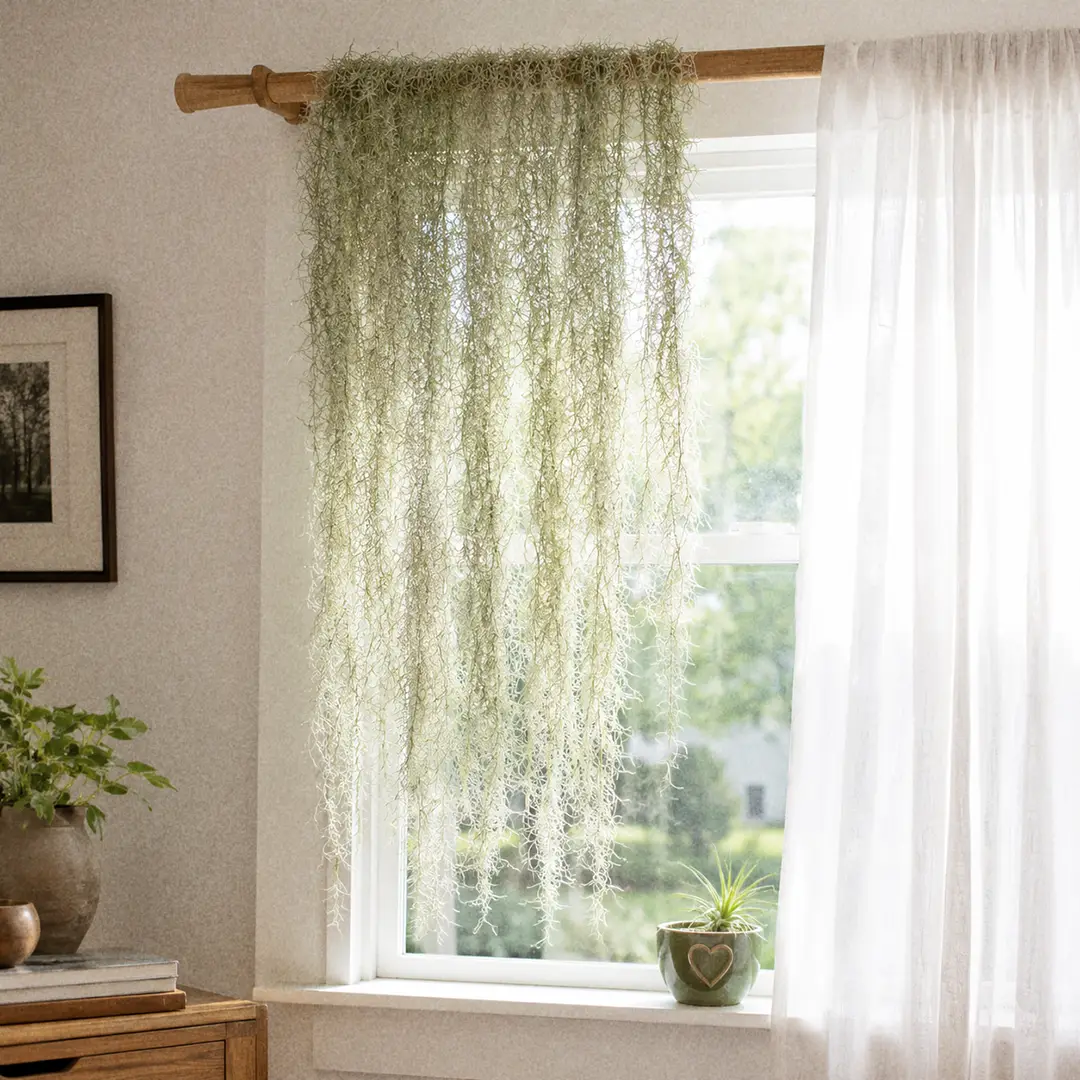
Complete Guide to Spanish Moss Care and Growth
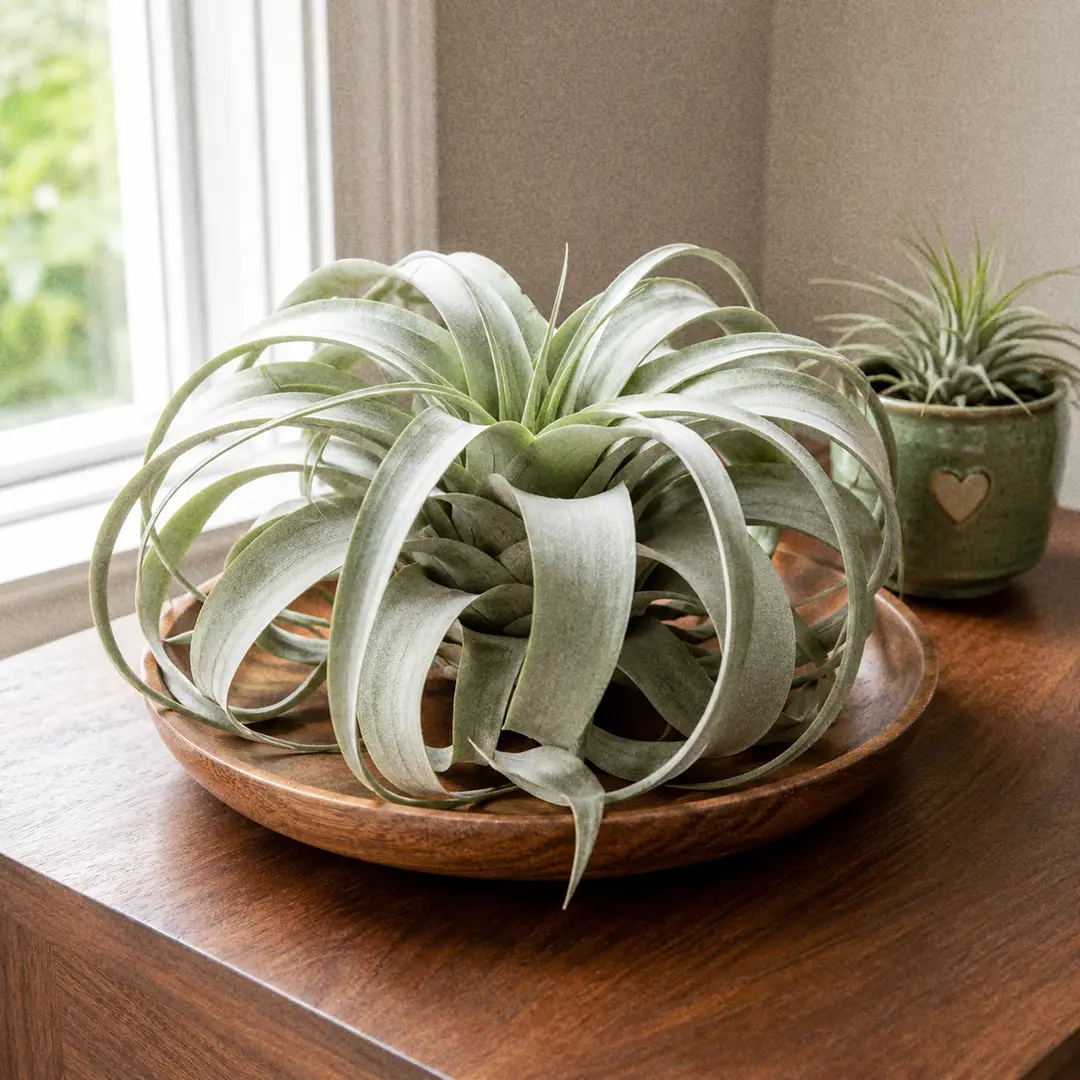
Complete Guide to Xerographica Air Plant Care and Growth
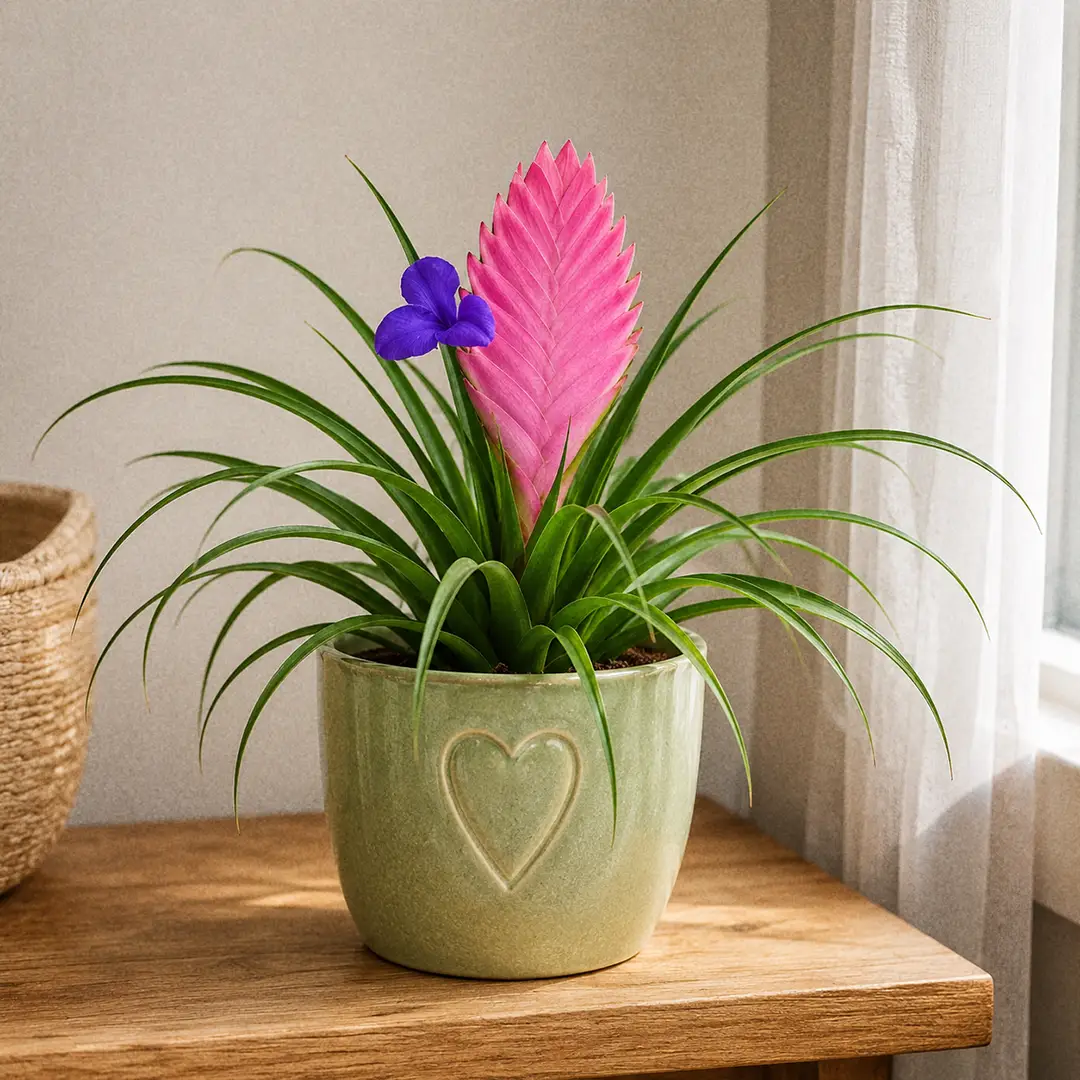
Complete Guide to Pink Quill Plant Care and Growth
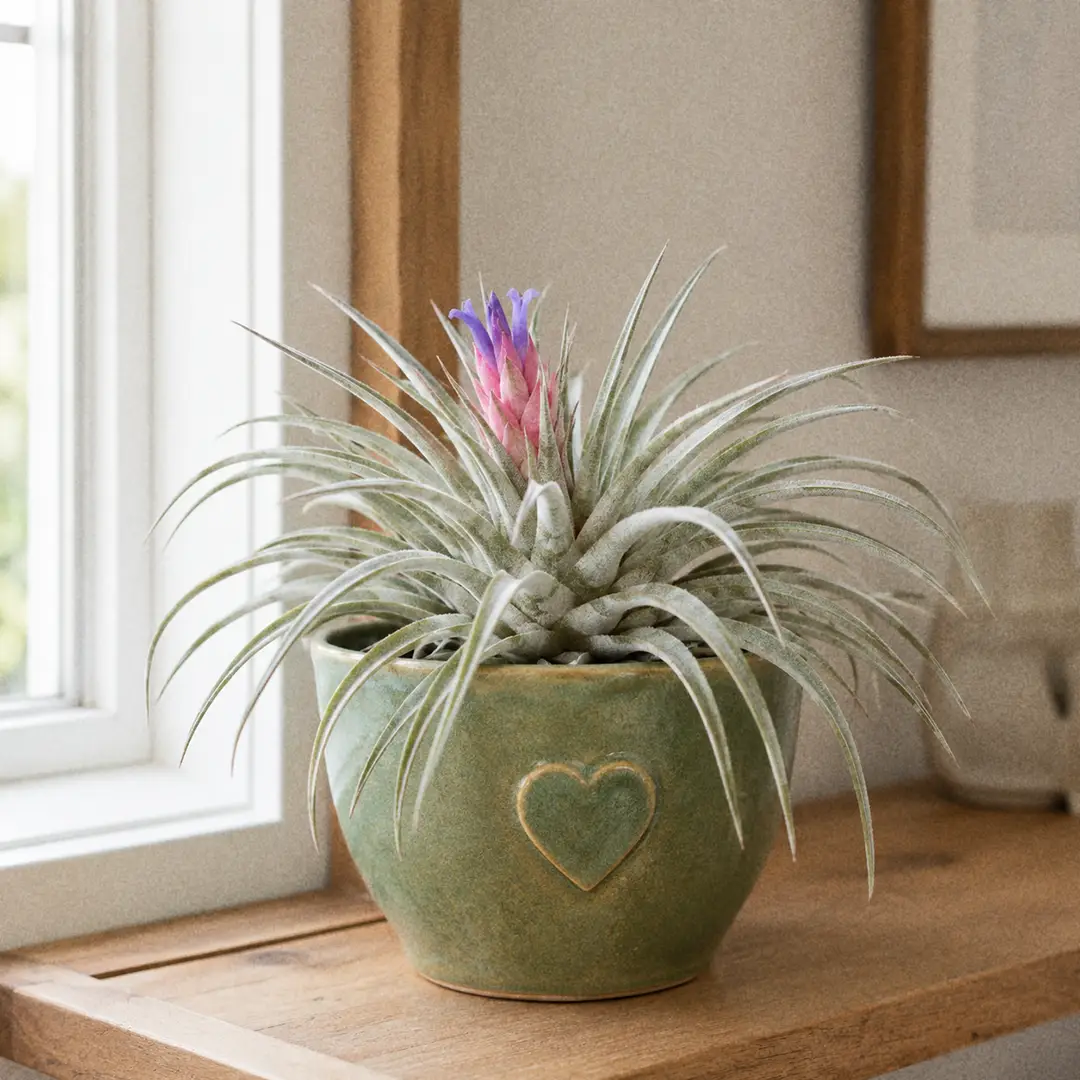
Complete Guide to Sky Plant Care and Growth
Complete Guide to Brachycaulos Air Plant Care and Growth

Houseplant101 Forum
Questions & Comments
Ask a question, share your plant experience, or help other plant owners.
Comments are temporarily unavailable.
Open the Houseplant101 ForumNo comments yet
Be the first to ask a question or share your experience about this page.
Log in or create an account
Comments use your Houseplant101 Forum account, but you can stay on this page.
Create a new account