Silver Squill
Ledebouria socialis
Leopard Lily, Wood Hyacinth, Violet Squill


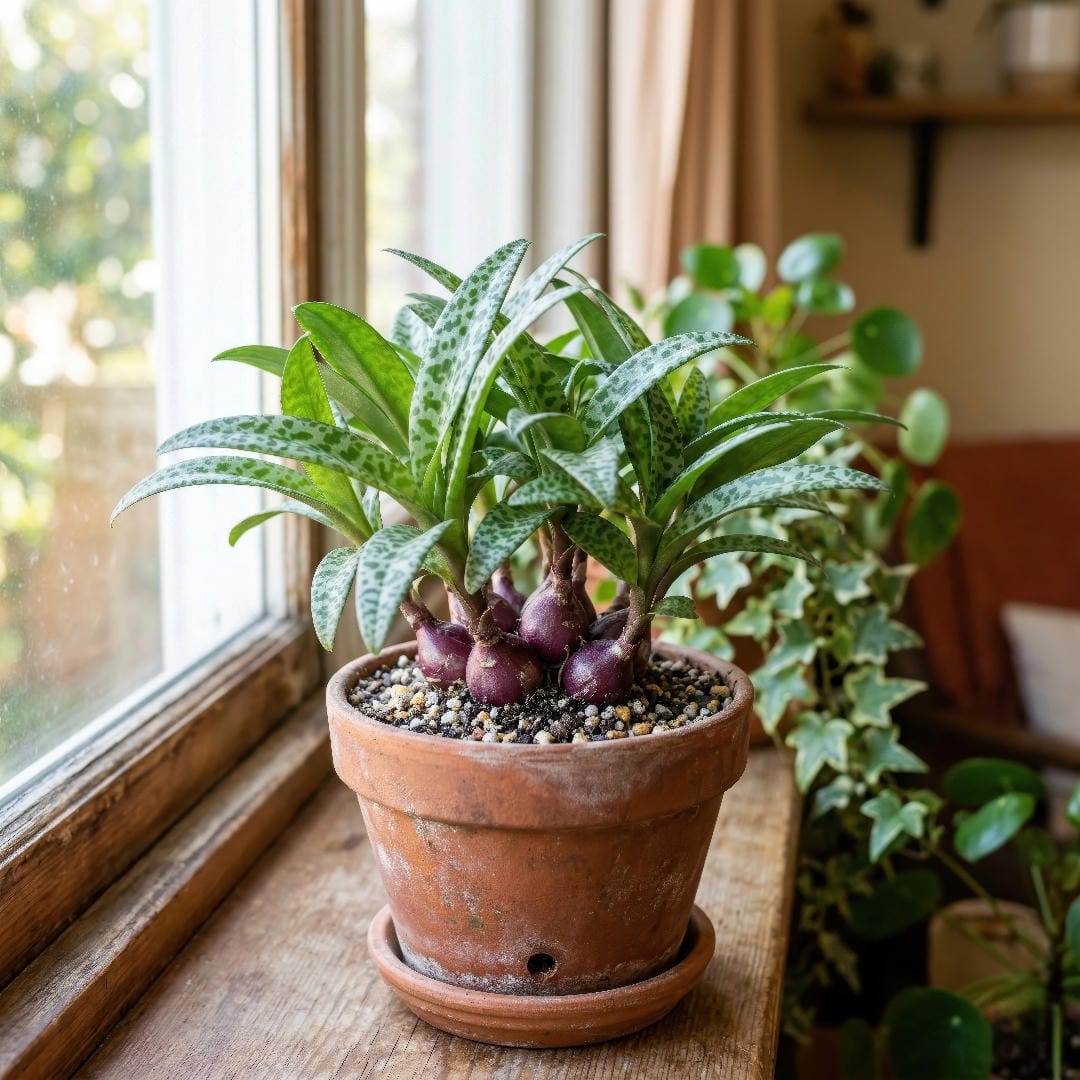
Silver Squill is a compact bulbous succulent with exposed purple bulbs, silver leopard-spotted leaves, and airy spring flowers. Learn how to keep Ledebouria socialis tight, colorful, and rot-free indoors, plus when to divide its multiplying offsets.
📝 Silver Squill Care Notes
🌿 Care Instructions
⚠️ Common Pests
📊 Growth Information
🪴 In This Guide 🪴

☀️ Silver Squill Light Requirements (Indoor Lighting Guide)
Best Light for Silver Squill
Silver Squill wants bright light all day, with a bit of gentle direct sun if you can offer it. An east-facing window is close to ideal indoors. The plant gets strong light, some soft morning sun, and not enough afternoon heat to cook the leaves.
South and west windows can work very well too, but you have to watch the intensity. A plant that has been living in medium light can scorch if you push it straight into blazing afternoon sun. Give it a week or two to adjust. If the glass gets very hot in summer, pull the pot a little back from the pane or filter the light with a sheer curtain.
This is one of those succulents that confuses people because it is not a full-desert cactus and it is not a true shade succulent either. It sits somewhere between the two. It likes more light than Ox Tongue or Little Warty, but it is less demanding than a sun-craving Jade Plant. Think bright, airy, and warm rather than harsh and punishing.
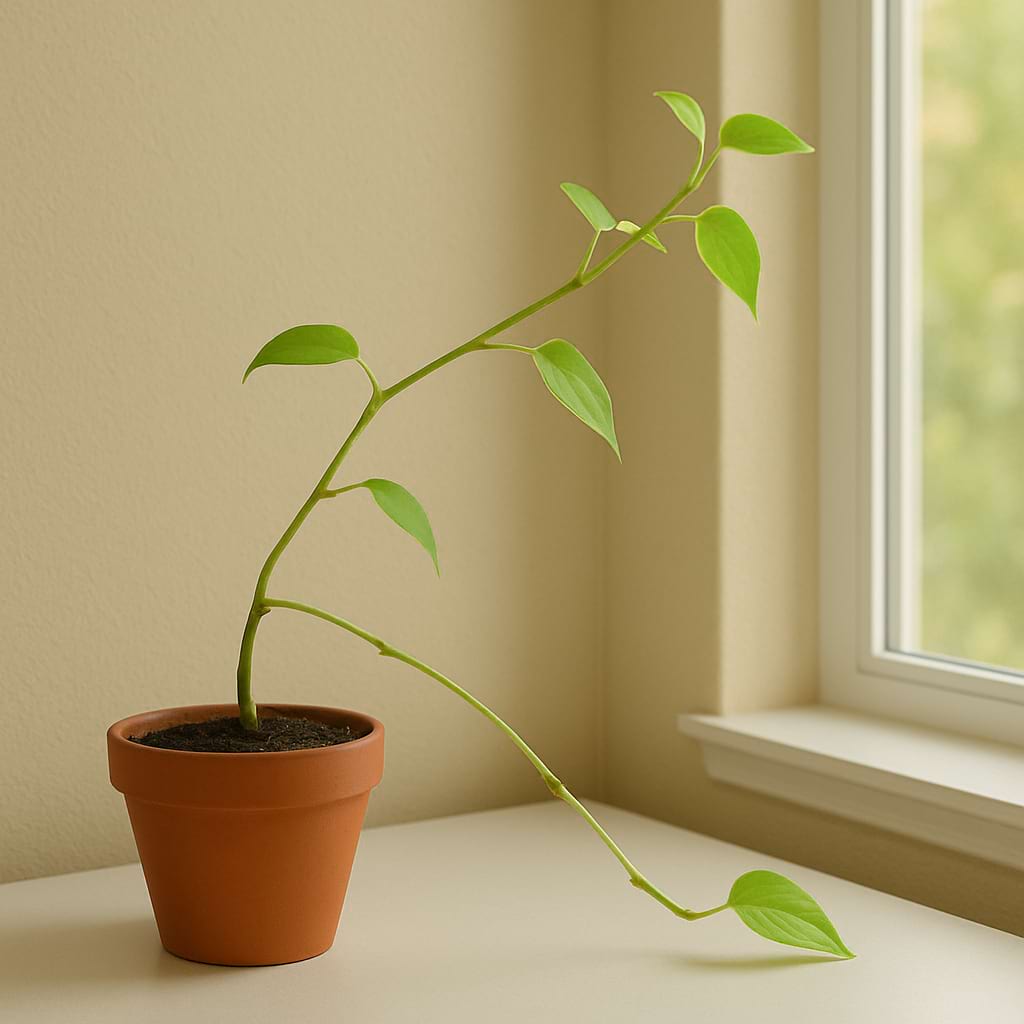
In good light, the plant stays compact, the leaves keep their silver wash, and the spotting stays sharp. In weak light, the whole clump loosens up. The leaves lengthen, the silver fades, and the bulbs stop looking crisp and tight. If you want help reading the light in your space, our Indoor Lighting Guide breaks down what different windows actually provide. If winter light is a problem, a grow light works very well for Silver Squill.
Signs of Incorrect Lighting for Silver Squill
- Too Little Light: Leaves stretch, arch more loosely, and lose some of their silver contrast. The whole plant starts looking open and floppy, which is basically leggy growth in bulb form.
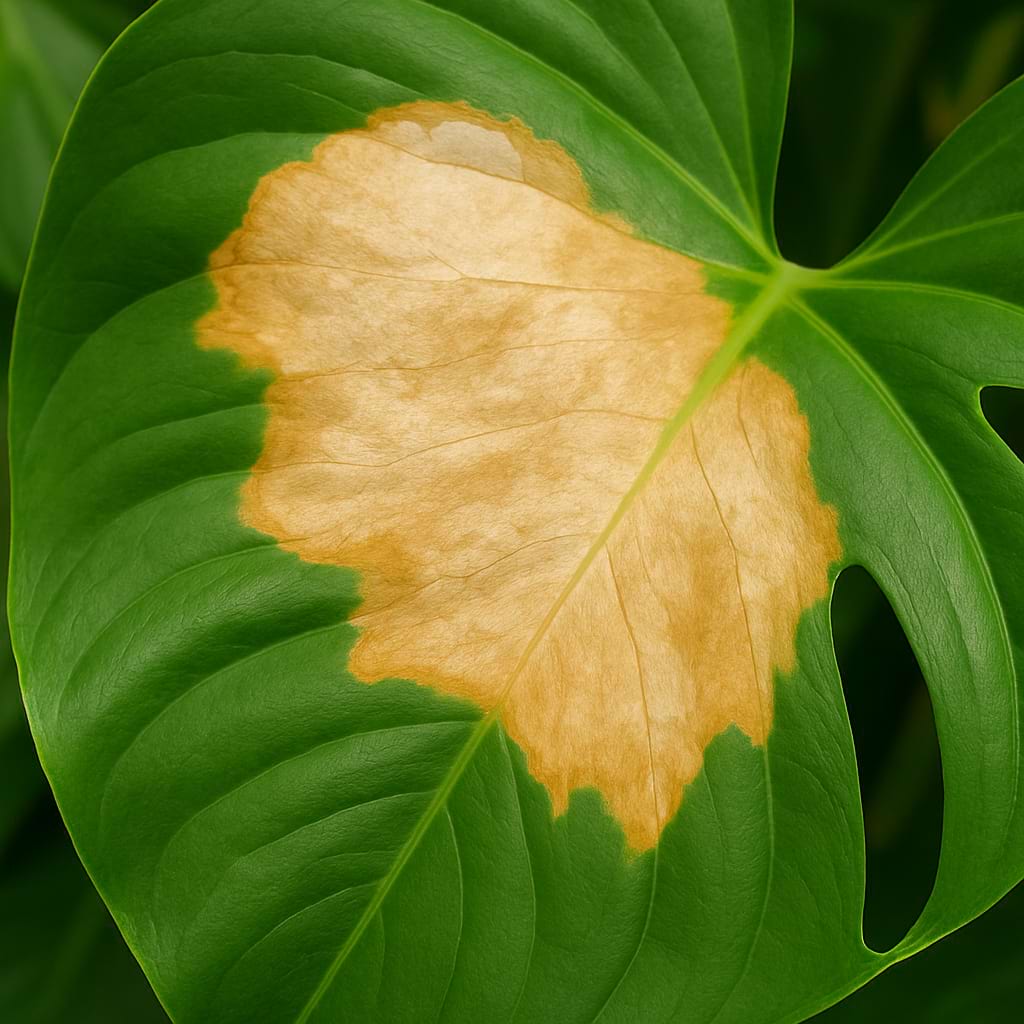
- Too Much Sudden Sun: Dry bleached patches or papery scars appear on the upper leaf surface. That is sunburn, and it usually follows a sudden move into harsher light.
- Just Right: Leaves stay short, narrow, and nicely spotted. Bulbs feel firm and push offsets without the foliage looking stretched.
- Best Spots: East-facing window, bright south window with a little distance from the glass, or a west window with some afternoon protection.
- Avoid: Deep shelves, north windows with no supplement, or dim rooms where the plant has to lean to find the light.

💧 Silver Squill Watering Guide (How to Water Properly)
How Much Water Silver Squill Actually Needs
Silver Squill is drought-tolerant, but it is not a plant that wants to sit bone dry for months at a time while actively growing. The bulbs and fleshy bases store moisture, so the goal is simple: let the top inch of soil dry, then water thoroughly and let the excess escape.
That small detail matters. Many people either water it like a leafy tropical and rot the bulbs, or they water it like a cactus and keep it dry for so long that the leaves collapse and drop. The sweet spot is in the middle. During active growth it appreciates a real drink, just not constant moisture.
If you are still learning your potting mix, our watering guide helps you judge moisture by touch rather than guesswork. A moisture meter can also help if you keep a lot of small succulents in similar pots.
A Seasonal Watering Rhythm for Silver Squill
- Spring: Growth picks up, new leaves firm up, and offsets often start nudging outward. Water roughly every 7-12 days once the top inch is dry.
- Summer: In bright warm conditions, watering may still land around every 7-10 days for a small terracotta pot. If your home is cooler or the plant gets less sun, it can be every two weeks instead.
- Fall: Growth slows. Stretch the gap between waterings and check the mix carefully before you reach for the can.
- Winter: Water sparingly, often every 2-4 weeks. If the plant stays very warm and bright under lights, it may keep growing lightly. If it gets cooler and the leaves slow down, reduce water further.
Silver Squill can rest a bit in dry or cool conditions. That partial rest is not a disaster. It is part of how the plant survives in nature. What matters is that you do not combine cold + wet, because that is the fast path to rot.
Top Watering vs Bottom Watering for Silver Squill
Top watering works fine. Pour slowly over the soil surface until water runs out the drainage holes, then empty the saucer. The plant does not mind a normal soak as long as the mix is fast and the pot drains.
Bottom watering is useful when the clump is very dense and you want to avoid splashing water around the exposed bulbs. It also helps keep the bulb shoulders dry if you are working with a shallow bowl or a decorative top dressing. Either method is fine. The real issue is not the direction of the water. It is whether the mix dries at a reasonable pace afterward.
Signs of Watering Trouble in Silver Squill
- Overwatering: Leaves yellow from the base, bulbs feel soft near the neck, and the potting mix smells stale. This often turns into root rot or mushy stems.
- Underwatering: Leaves thin out, curl slightly, or begin to dry away from the bulb. A plant kept too dry may also drop leaves and sit semi-dormant for a while.
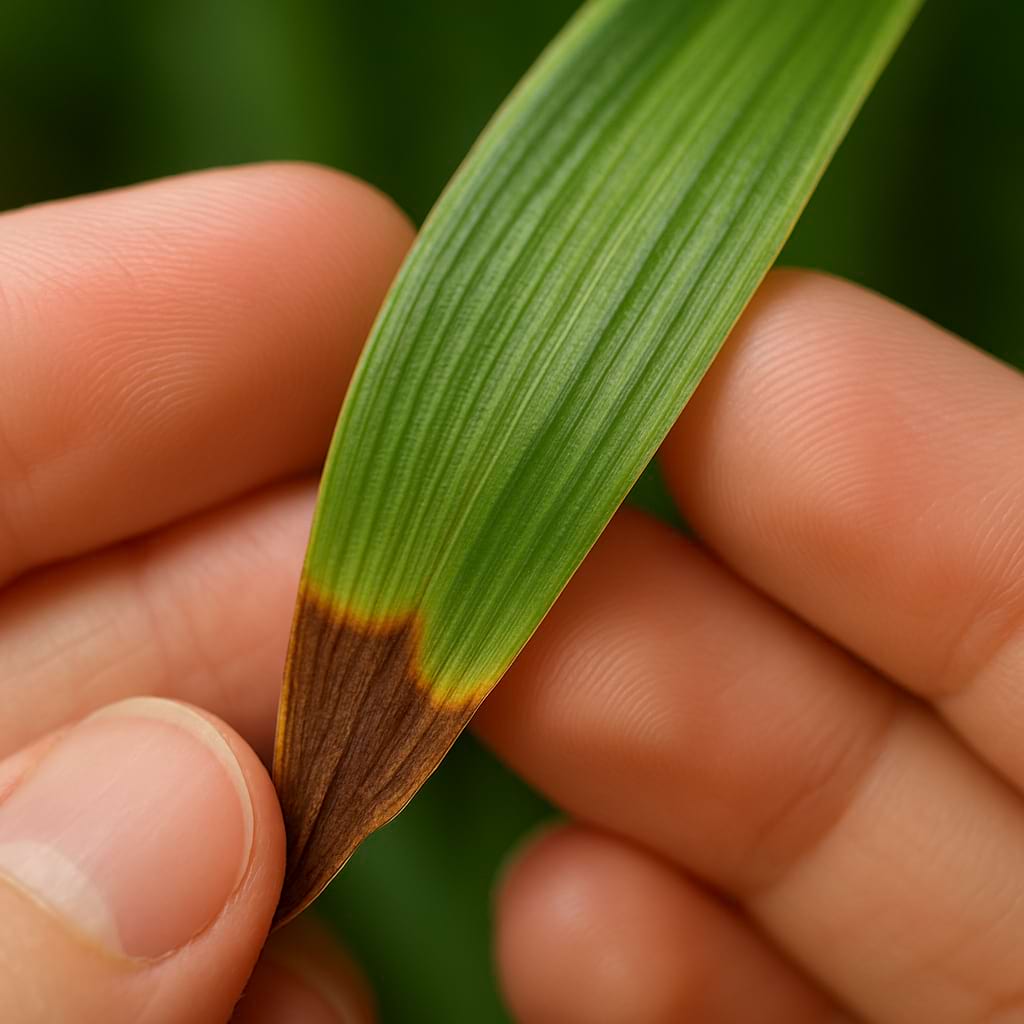
- Inconsistent Watering: You may see brown crispy edges if the plant swings from very dry to intense sun and heat.
One good clue is the bulbs themselves. Healthy bulbs stay firm. If they feel squishy, investigate immediately. If they are still hard but the leaves are thinning, the plant is more likely thirsty than rotten.
🪴 Best Soil for Silver Squill (Potting Mix and Drainage)
Why Soil Matters So Much for Silver Squill
Silver Squill is a bulb plant first and a succulent second. That means it wants the airiness and drainage of succulent culture, but it also enjoys a bit more organic matter than a purely mineral cactus mix. A good Silver Squill mix should dry fast, yet not feel like a tray of gravel with zero moisture retention.
The biggest mistake is burying the bulbs in heavy potting soil. Dense mix stays wet around the neck of the bulb, and that is where trouble starts. The bulbs need oxygen around them just as much as the roots do. If the soil compacts, the plant stalls, the bulbs soften, and the whole clump becomes harder to manage.
For a broader look at how mixes drain and why texture matters, our soil guide and potting soil guide are useful references.
A Reliable DIY Mix for Silver Squill
Here is an easy home recipe that works well:
- 2 parts cactus or succulent mix
- 1 part pumice or perlite
- 1 part coarse sand, fine orchid bark, or gritty mineral amendment
That gives you a mix with quick drainage and enough body to support active roots. If your home is humid, lean even grittier. If your indoor air is very dry and warm year-round, you can keep a touch more organic matter in the mix.
Plain indoor potting soil is usually too slow. Pure cactus grit can also be a bit too dry unless you are very consistent with watering. Silver Squill does best somewhere between those two extremes.
Should You Bury the Bulbs?
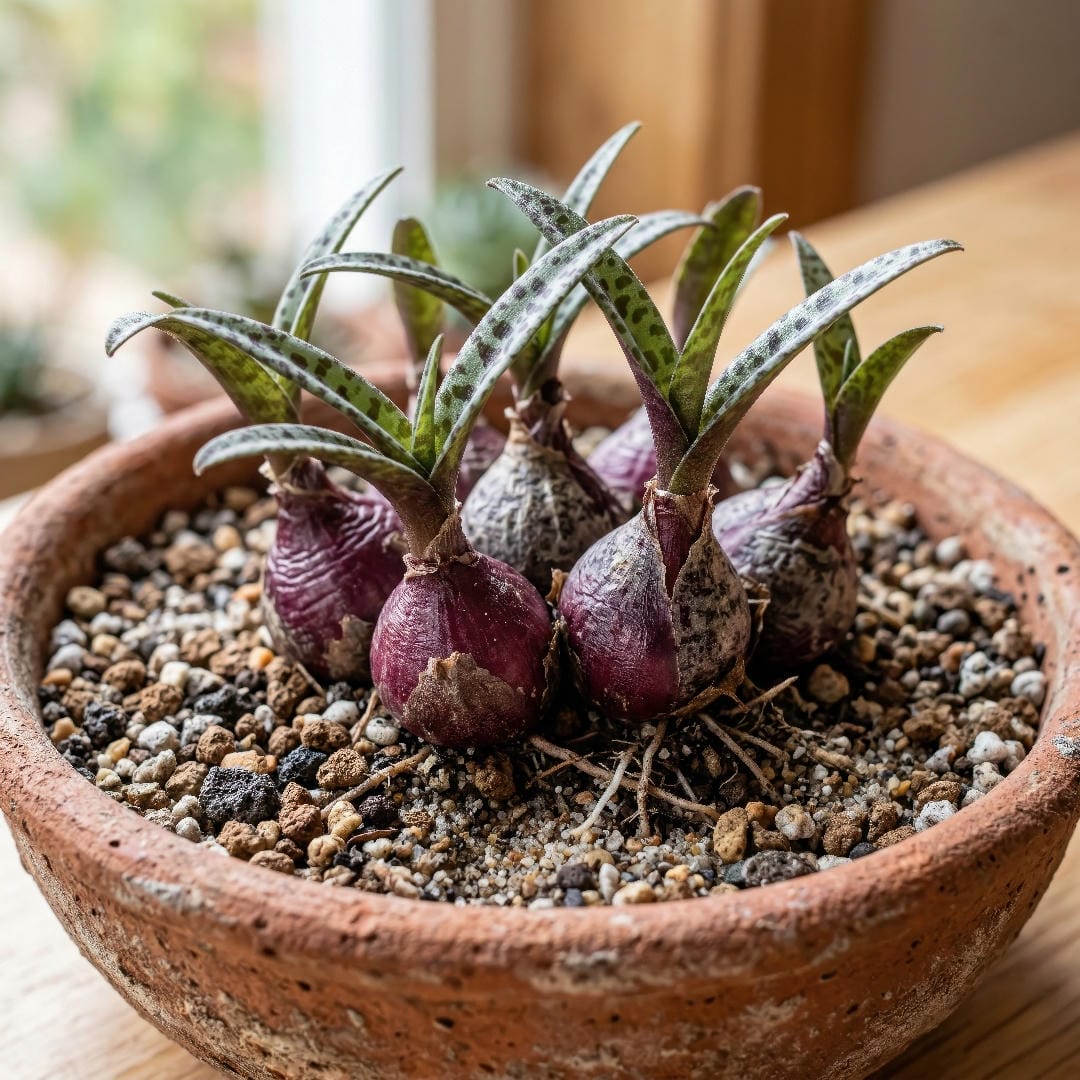
No. This is one of the care points that makes Silver Squill look so distinctive. The bulbs naturally sit partly above the soil, and that exposed position helps them dry faster and reduces the chance of crown rot.
When planting, settle the roots into the mix and leave at least the upper half of each bulb above the soil line. If the plant has been sold buried too deeply, correct that at the next repot rather than piling more mix over it. Exposed bulbs are normal. Hidden, soggy bulbs are the problem.
🍼 Fertilizing Silver Squill
A Light Feeder That Still Responds Well
Silver Squill is not hungry in the way a fast tropical vine is hungry, but it does appreciate light feeding while it is actively growing. A monthly dose of balanced liquid fertilizer at half strength during spring and summer is plenty.
You can also use a fertilizer slightly higher in potassium if blooming matters to you. The plant does not need much. You are feeding for steady leaf quality, stronger bulbs, and clean flower stalks, not trying to force huge lush growth.
Skip feeding in winter, especially if the plant is cooler or growing slowly. Overfeeding a resting or low-light plant usually gives you soft, weak leaves instead of a better specimen. Our fertilizing guide explains why less is usually more with succulent growers.
Signs You Are Feeding Too Much
- Leaves get long, soft, and too green instead of tight and silvered
- Salt crust forms on the soil surface or rim of the pot
- New growth looks fast but weak
If that happens, flush the mix with plain water, let the pot drain thoroughly, and ease back on fertilizer.
🌡️ Silver Squill Temperature Range
Warm and Mild Is Best
Silver Squill is comfortable in normal indoor temperatures. A room that feels good to you usually feels good to it too.
- Ideal range: 60-80F (16-27C)
- Comfort zone for fastest growth: 65-75F (18-24C)
- Outdoor threshold: Wait until nights stay above about 50F (10C) before moving it outside
- Danger zone: Around 30F and below, tissue damage becomes a real risk
If you summer your plant outdoors, place it where it gets bright light and some protection from pounding rain. Warmth is helpful. Constant wet weather is not.
What Silver Squill Hates Most
The plant dislikes sudden cold wet spells more than it dislikes brief warmth or brief dryness. A chilly draft plus damp soil is the combination that leads to soft bulbs, yellow leaves, and stalled growth.
Keep it away from freezing windowpanes, unheated mudrooms in winter, or any place where night temperatures plunge unexpectedly. If you are moving it back indoors at the end of summer, do it before the first real cold snap.
💦 Silver Squill Humidity Needs
Average Household Humidity Is Enough
Silver Squill is very easy on this front. Normal indoor humidity, usually around 30-50%, is perfectly fine. You do not need a humidifier or a pebble tray, and you definitely do not need to mist the plant.
High humidity is only a problem when it teams up with stagnant air and slow-drying soil. Then you start seeing fungal issues, dull leaves, and soft growth. If your home runs humid, make the mix grittier and keep the plant where air can move around it.
Our humidity guide is helpful if you want to understand how humidity affects different plant groups. Silver Squill, thankfully, is one of the less fussy ones.
🌸 How to Make Silver Squill Bloom
What Silver Squill Flowers Look Like
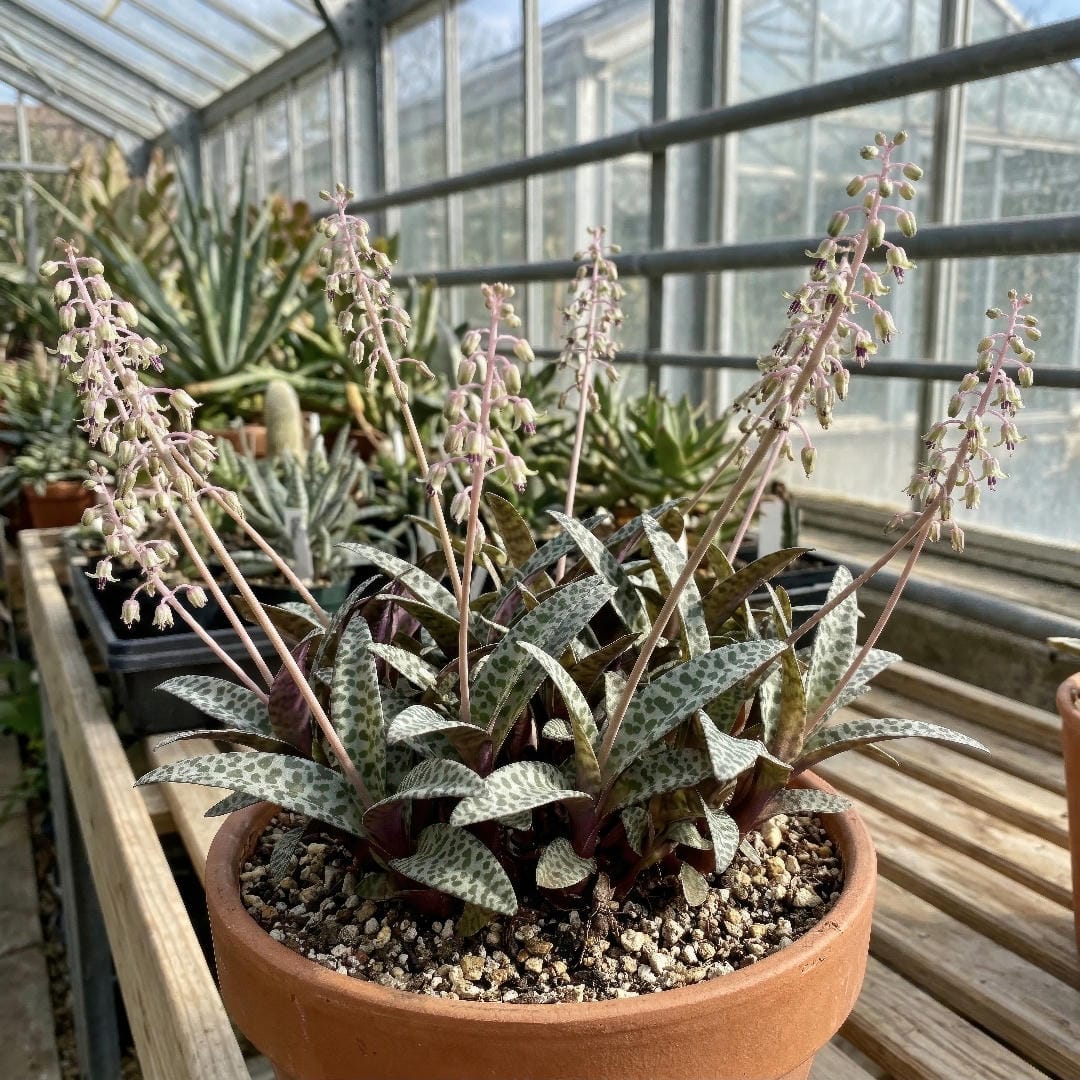
Silver Squill flowers are delicate rather than flashy. Mature bulbs send up slim pink to reddish stems that rise above the leaves, then open into many tiny greenish-white blooms with a soft pink flush and noticeable purple stamens.
They are not the kind of flowers that stop traffic from across the room. Up close, though, they are lovely. The airy stems make the whole clump feel lighter, and they add a nice seasonal shift to a plant most people buy for the leaves.
What Encourages Blooming
The recipe is pretty straightforward:
- strong light
- a mature, settled clump
- a pot that is not oversized
- light feeding during active growth
- no chronic overwatering
A slightly snug plant blooms more readily than a freshly repotted one drowning in extra soil. That is another reason not to overpot this species.
If your plant never flowers, that is not a sign of failure. Silver Squill is still worth growing for the exposed bulbs and spotted leaves alone. Blooming is a bonus, not the whole point.
🏷️ Silver Squill Types and Varieties
Common Forms You May See in Cultivation
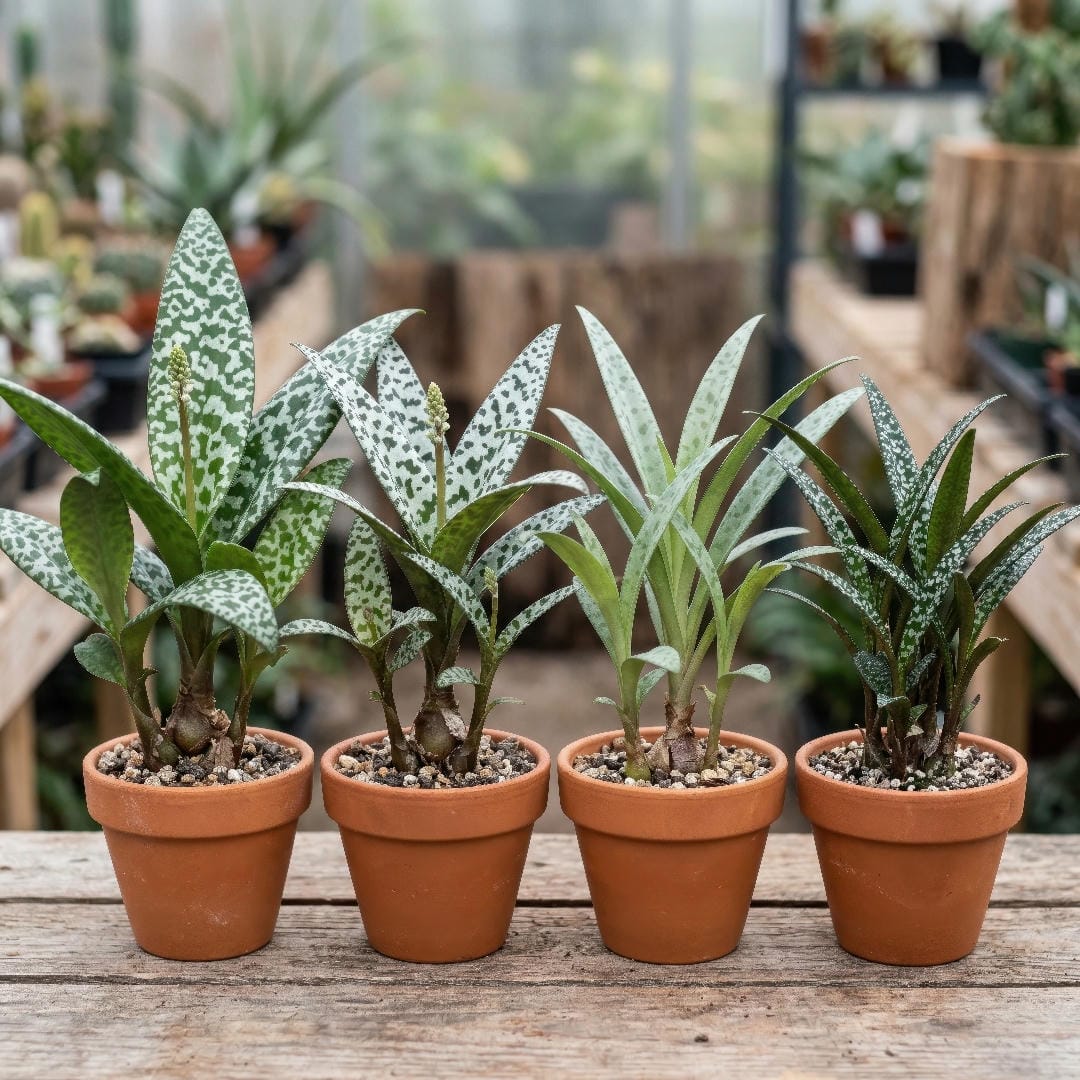
Silver Squill is one of those plants where leaf pattern varies a lot from clone to clone. Some plants are brighter silver. Some are greener. Some carry bold round spots while others look more striped. That natural variation explains why so many named forms show up in horticulture.
Some of the names you are most likely to encounter are:
- 'Violacea': Often sold as if it were a separate plant, but usually treated as a synonym or color form of Ledebouria socialis. Expect strong purple undersides and classic silver spotting.
- 'Paucifolia': Shorter, neater leaves with a tighter look.
- 'Minor': A dwarf form that stays especially compact.
- 'Zebrina': Markings lean more banded or streaked than dotted.
- 'Juda': Sold for its more unusual striping and color variation.
The care is basically the same across all of them. What changes is the look, not the housekeeping.
Silver Squill vs Similar Small Succulents
Silver Squill is often collected alongside small South African succulents, but it has its own lane:
- Compared with Little Warty: Silver Squill is brighter, leafier, and more bulb-focused. Little Warty is bumpier, slower, and much more tolerant of lower light. Little Warty is also pet-safe, which Silver Squill is not.
- Compared with Haworthia cooperi: Haworthia feels softer and more translucent. Silver Squill feels sharper, more patterned, and usually happier with a little more sun.
- Compared with Ox Tongue: Gasteria leaves are thicker and more architectural. Silver Squill gives you exposed bulbs and a looser colony habit instead.
If you like unusual texture and compact size, all of them can live together on one bright shelf. You just need to remember that Silver Squill is the one that wants the brightest placement and the one you need to keep away from pets.
🪴 Potting and Repotting Silver Squill
When Silver Squill Needs Repotting
Silver Squill does best in a pot that is slightly snug. Repotting every time you see one new offset is unnecessary. Wait until one or more of these happens:
- the bulbs are pressing hard against the rim
- the mix has broken down and stays wet too long
- the colony is so dense you cannot water evenly
- several bulbs are climbing over one another
Every 2-3 years is a good average. Sometimes a healthy clump can happily go longer if the mix still drains well.
The Best Pot Shape for Silver Squill
A shallow, wide pot is usually better than a deep one. The root system is not especially deep, and a shallow bowl shows off the bulbs nicely while helping the mix dry more evenly.
Terracotta is excellent because it breathes. Heavy ceramic works too if the drainage hole is generous. If you want help choosing containers, our plant pots guide and repotting guide walk through the tradeoffs.
How to Repot Silver Squill Without Causing Rot
- Tip the clump out gently and loosen the old mix from the roots.
- Inspect each bulb for soft spots, dead roots, or shriveled outer layers that peel away easily.
- Separate only if you want more plants. Otherwise keep the colony together.
- Set the roots into fresh mix and leave the upper half of the bulbs exposed.
- Wait a few days before watering if you broke roots or divided the clump.
That short dry pause gives wounds time to seal, which lowers the risk of rot.
✂️ Pruning Silver Squill
This Plant Needs Grooming More Than Pruning
Silver Squill does not need shaping like a shrub or trailing succulent. Most of the time you are just cleaning it up.
- remove spent flower stalks once they dry
- pull away leaves that have fully yellowed or crisped
- thin or divide overcrowded clumps
- discard any bulb that has turned soft or hollow
Use small clean scissors or just pinch dry foliage away by hand. If the sap bothers your skin, wear gloves.
When to Leave the Leaves Alone
If a leaf is still green, let it stay unless it is badly damaged. Even slightly tired-looking leaves are still feeding the bulb. Only remove them once they have clearly dried down and the plant is finished using them.
That matters most after blooming or after a brief dry rest. New growers sometimes strip the plant too aggressively and then wonder why the bulbs seem slower to rebound.
🌱 How to Propagate Silver Squill
Offsets Are the Fast and Reliable Method
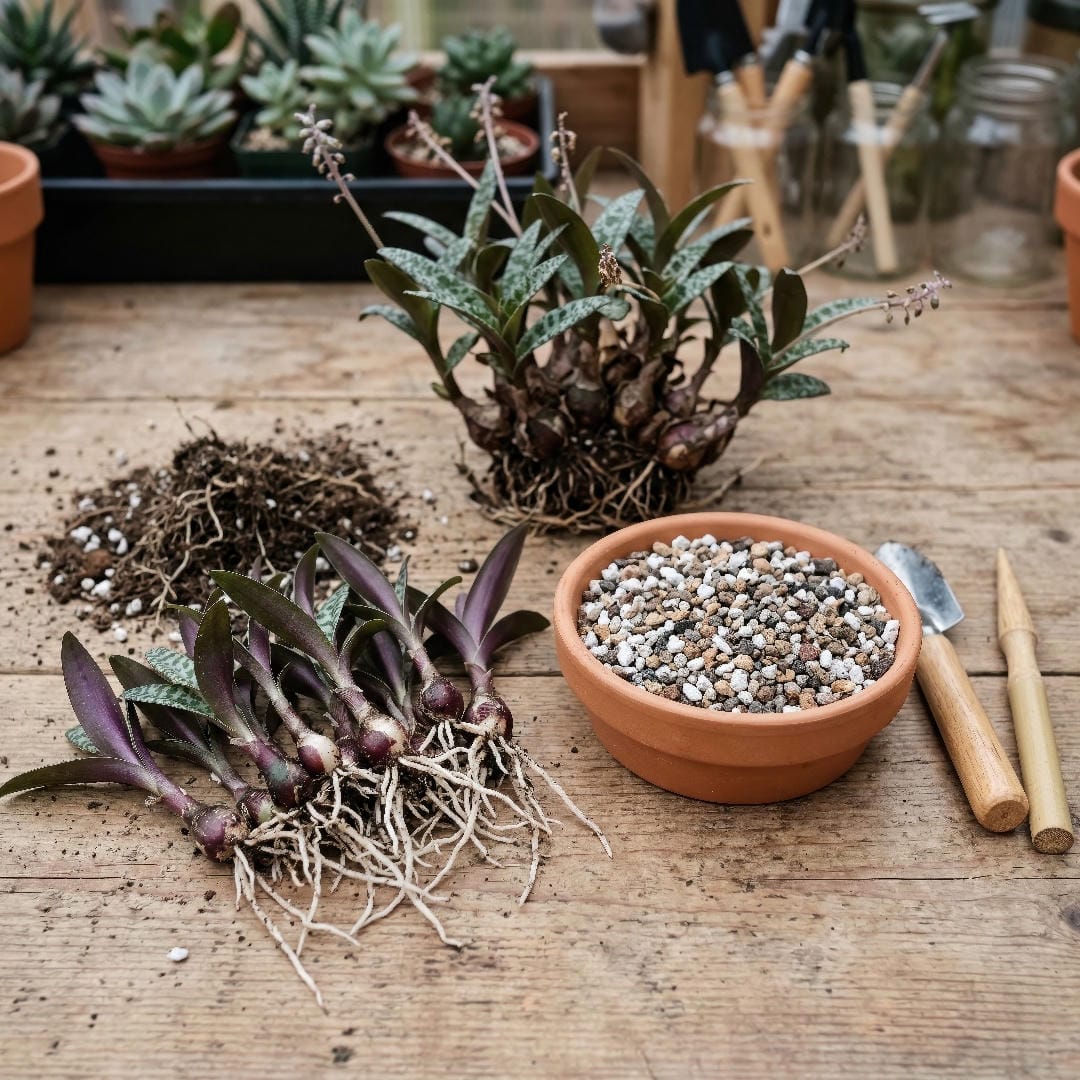
Silver Squill is one of the easier bulbous houseplants to multiply because it naturally does most of the setup for you. A mature clump keeps producing side bulbs until the pot is crowded, and each of those offsets can become a new plant.
If you already know the basic rhythm of succulent propagation, this process will feel familiar. Our Succulent Propagation Guide covers the general logic, and the broader Propagation Guide is helpful if you want to compare methods.
How to Divide Silver Squill Bulbs
- Repot in spring or early summer if possible, when the plant is actively growing.
- Lift the clump from the pot and brush away enough mix to see where bulbs connect.
- Choose offsets with roots attached. Those establish the fastest.
- Twist or cut gently between bulbs if the clump is tight.
- Let cut surfaces dry briefly if you had to use a blade.
- Replant shallowly with the bulb shoulders above the mix.
- Wait a few days, then water lightly.
That is really it. Division is easier and faster than seed, and the new plants keep the same spotting pattern as the parent.
Growing Silver Squill From Seed
Seed is possible, and it is the route collectors use when they want variation. The downside is time. Fresh seed is best, germination is less predictable, and seedlings take a while to become interesting little bulb clumps.
For most houseplant growers, division is the sensible choice. If you simply want more Silver Squill, wait for offsets and split them when the pot is full.
🐛 Silver Squill Pests and Treatment
Common Pests on Silver Squill
Silver Squill is not a magnet for pests, but dense clumps give small insects a lot of hiding places. Check between bulbs, along the leaf bases, and under the foliage where air movement is lower.
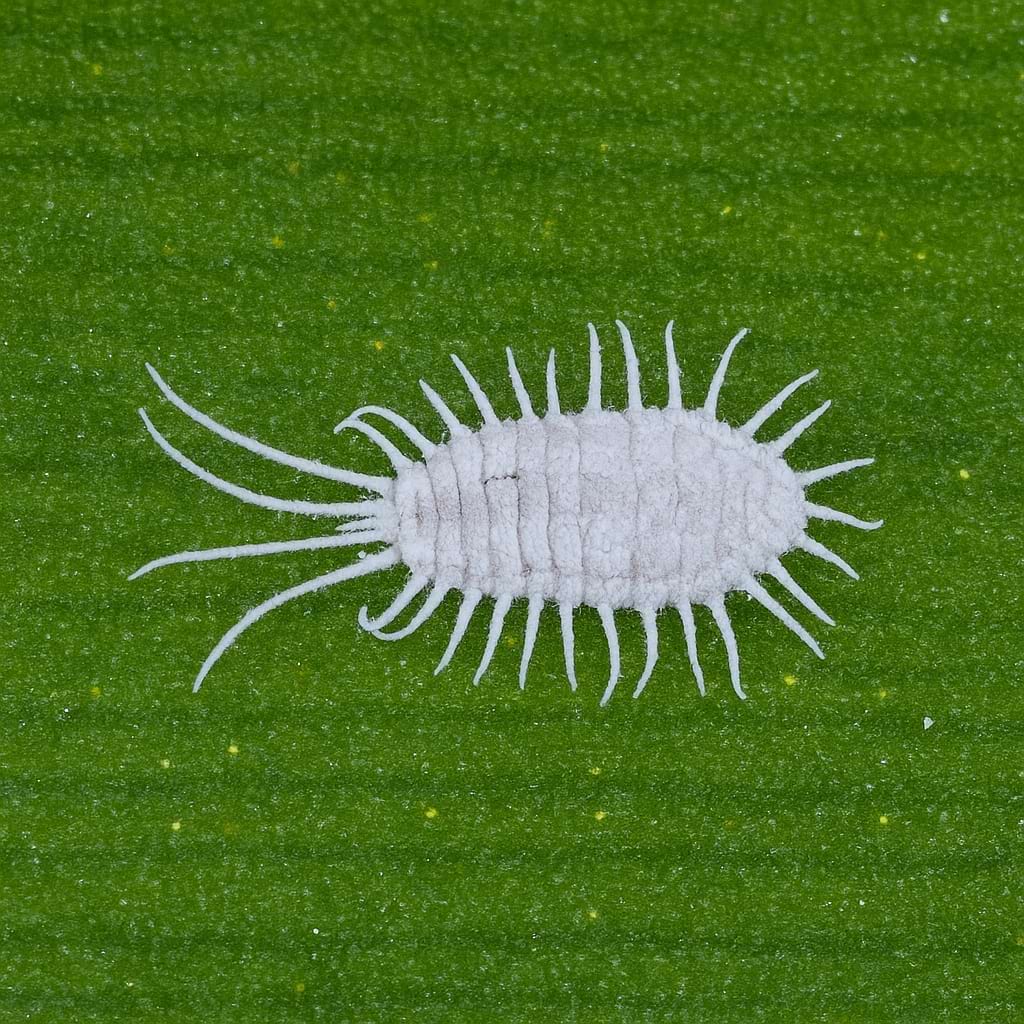
- Mealybugs: The most common problem. Look for white cottony bits tucked between bulbs and leaves.
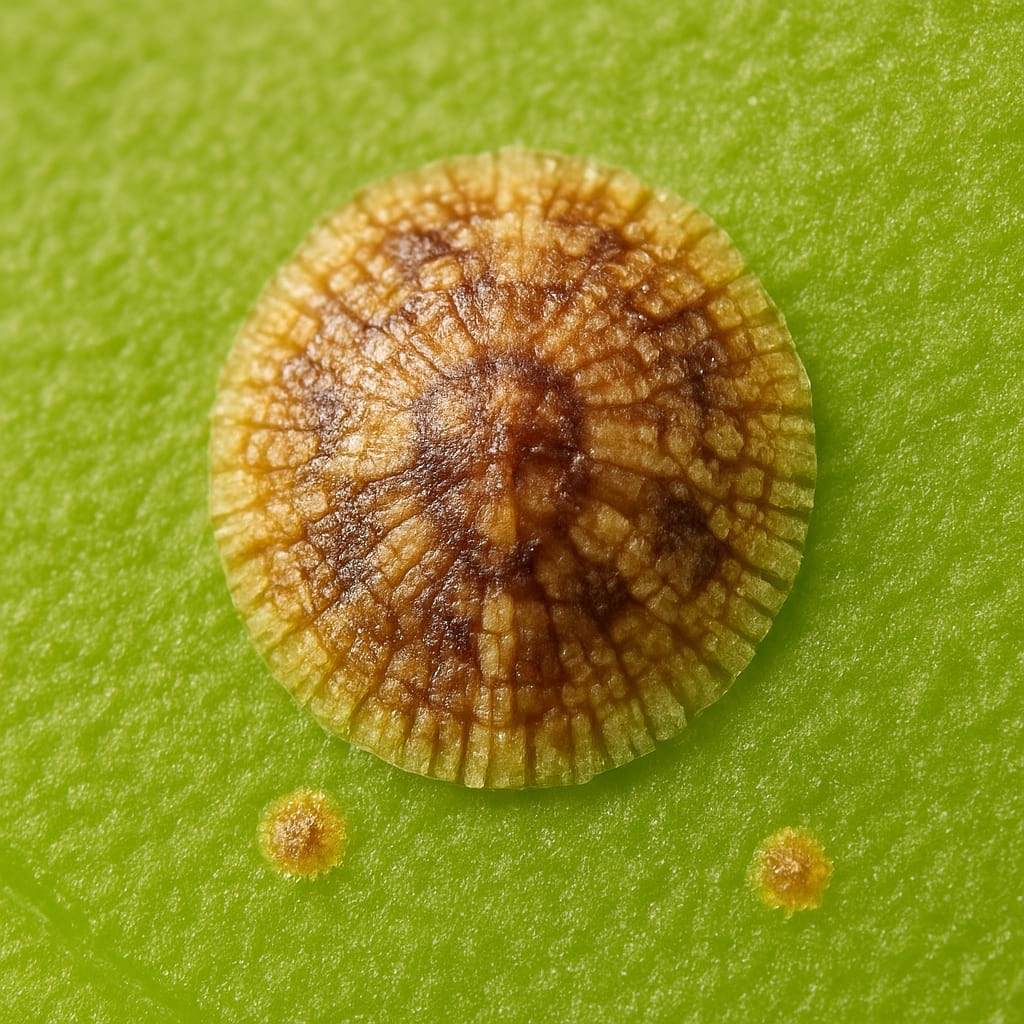
- Scale insects: Hard little bumps on leaves or bulb shoulders.
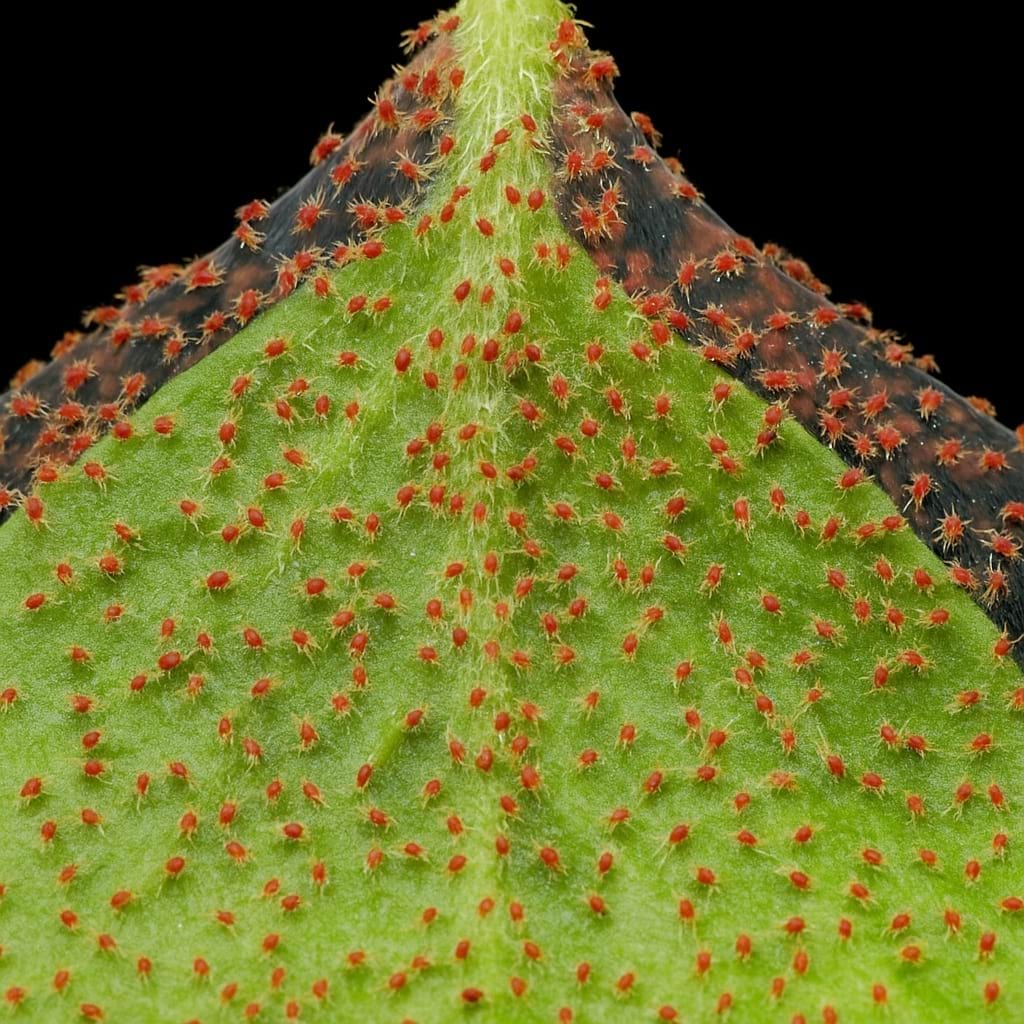
- Spider mites: Fine stippling and a dusty look in hot, dry rooms.
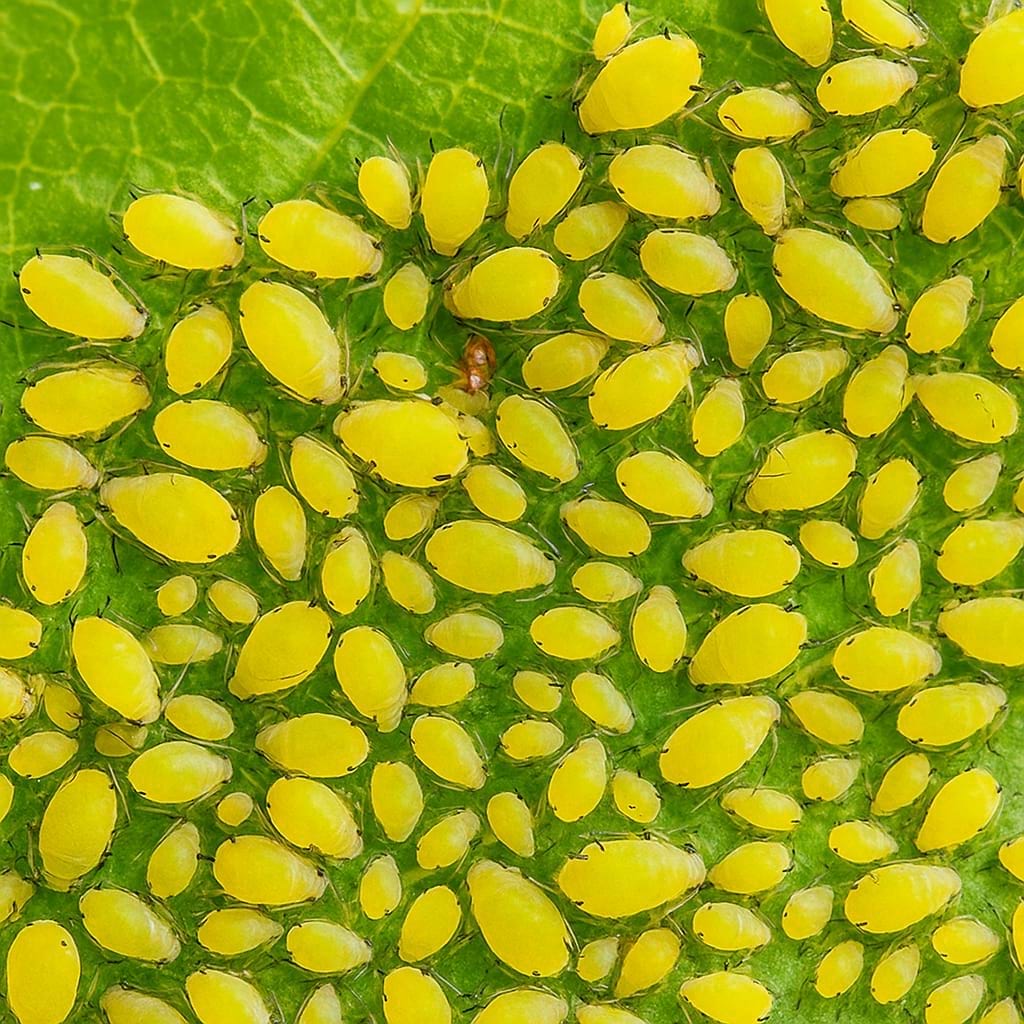
- Aphids: More likely around flower stalks and fresh soft growth.
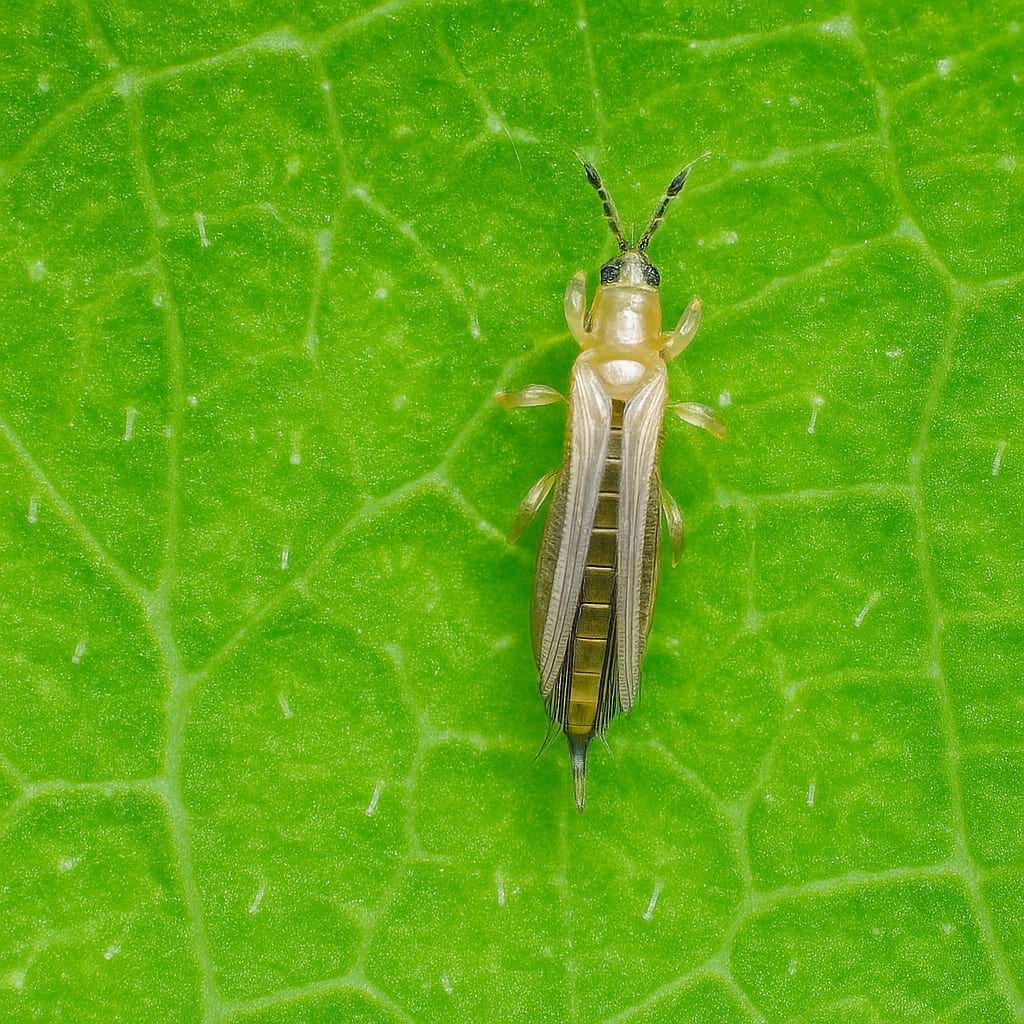
- Thrips: Cause silvery scarring and distorted new leaves.
Small problems are easiest to handle by isolating the plant, wiping pests away, and spot-treating with rubbing alcohol or insecticidal soap. Heavy infestations are much harder to clear once they get deep into a crowded colony.
How to Prevent Recurring Pest Issues
- keep the mix from staying wet
- give the plant enough light to stay firm and compact
- inspect new plants before placing them nearby
- remove dead leaves that create sheltered damp pockets
- separate and refresh badly crowded clumps if pests keep returning
Healthy, dry-growing bulbs usually resist pests much better than stressed ones.
🩺 Silver Squill Problems and Diseases
The Most Common Silver Squill Problems
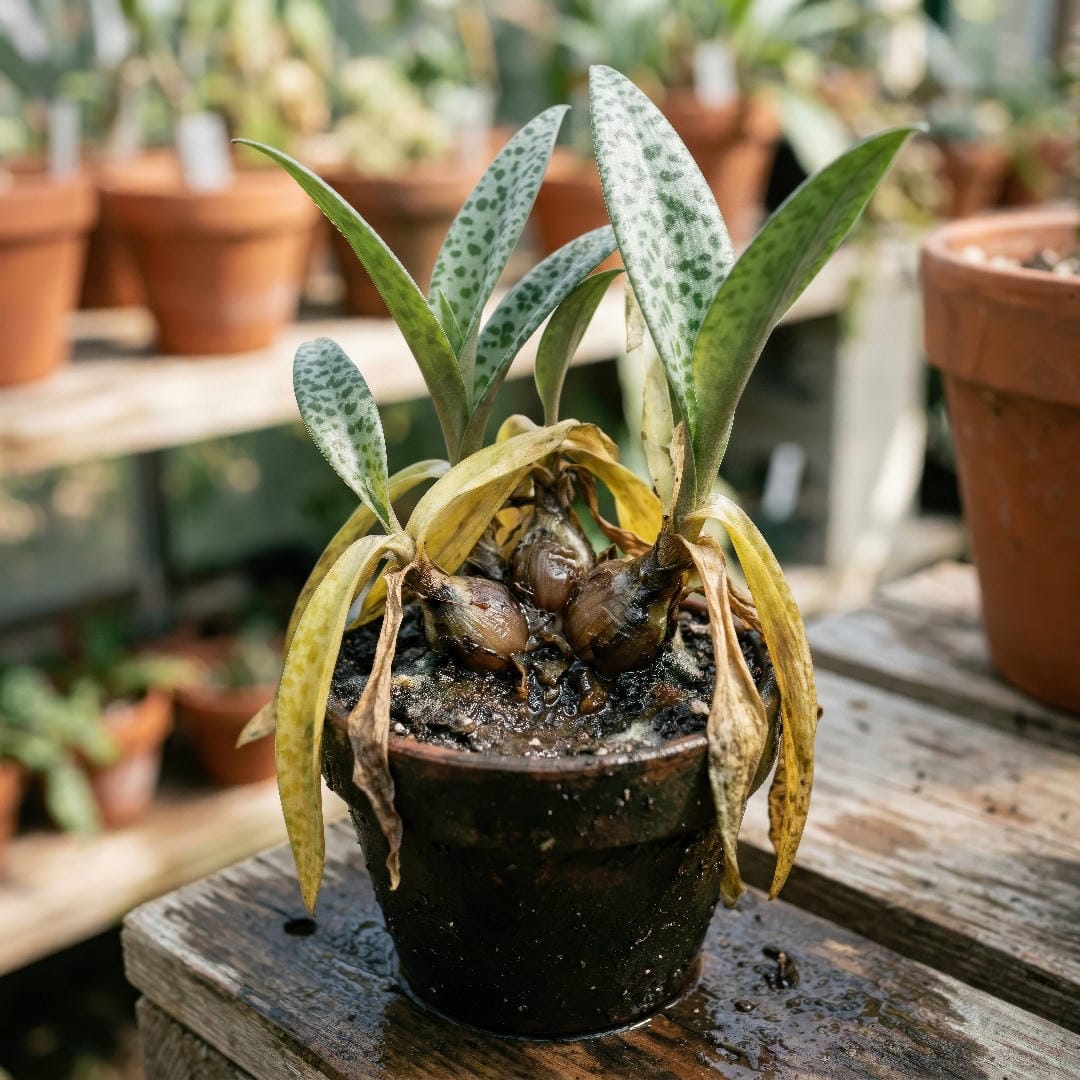
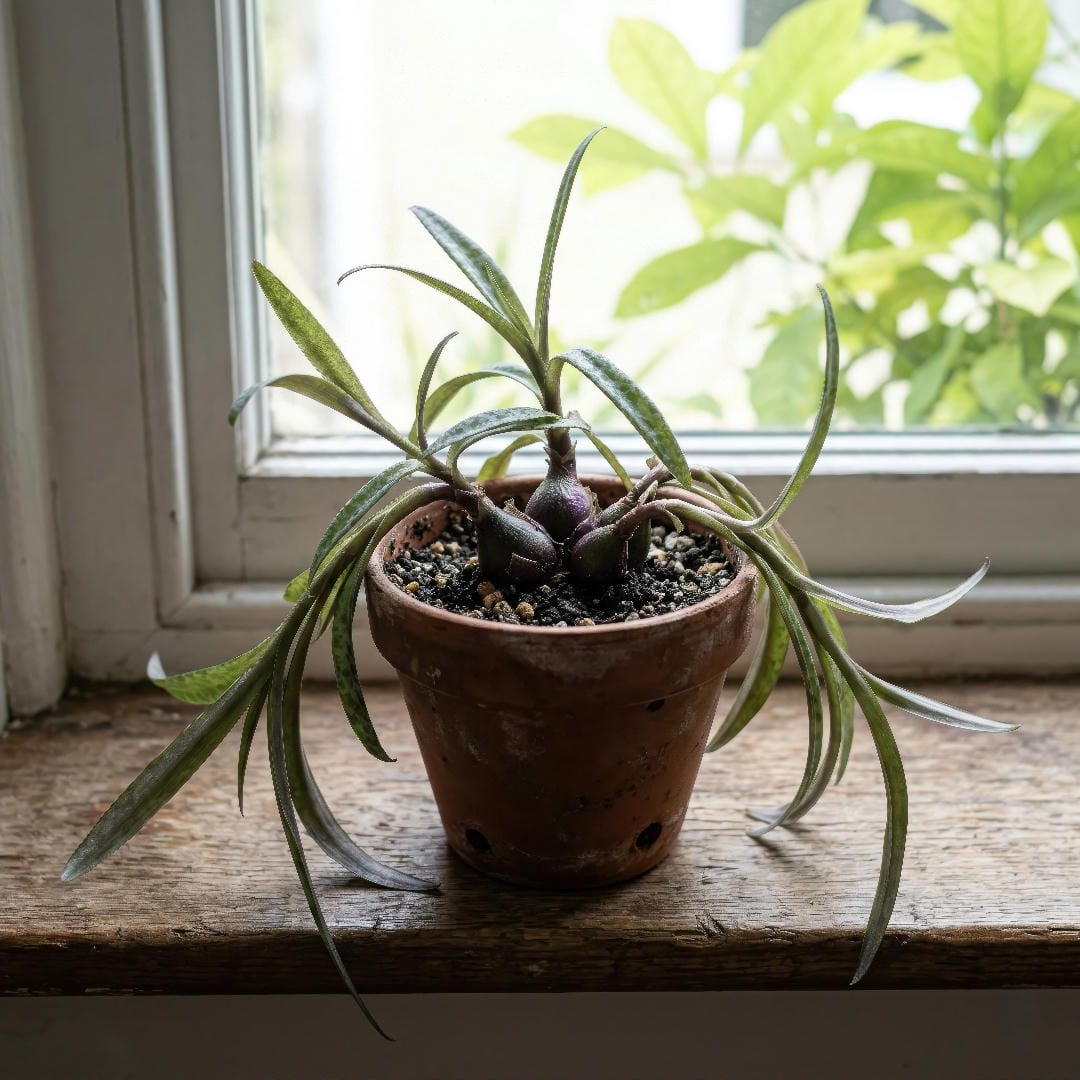
Most Silver Squill problems come down to the same three things: too little light, too much moisture, or bulbs buried too deeply.
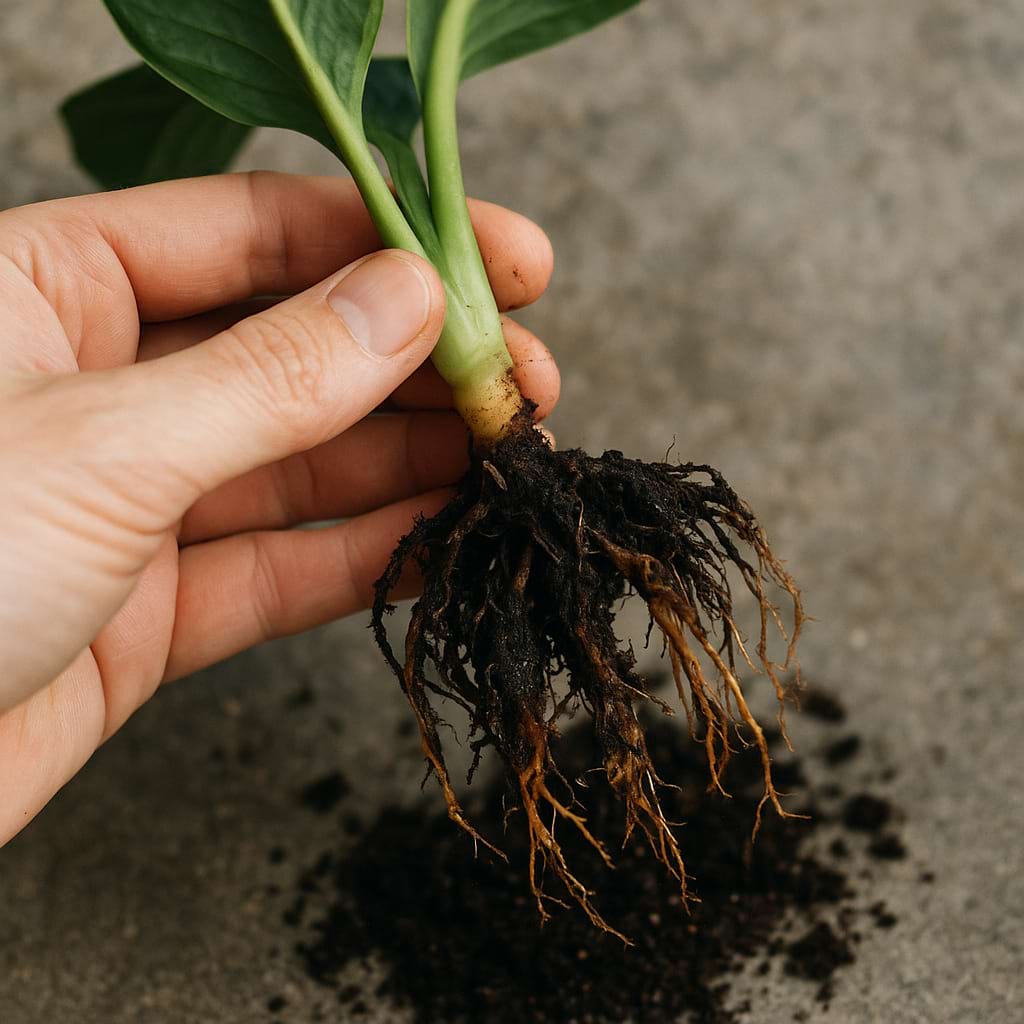
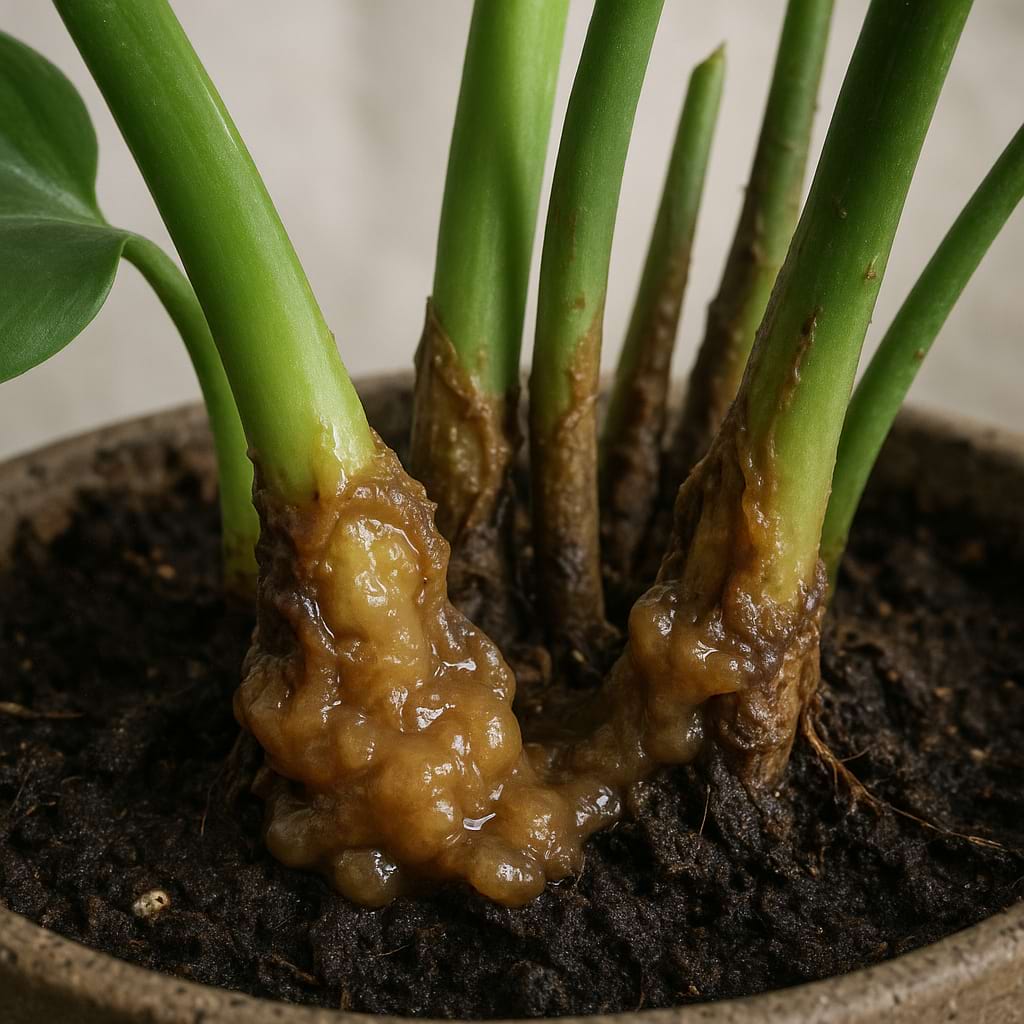
- Root Rot: The number one killer. Leaves yellow, bulbs soften, and the pot smells bad. Unpot fast, cut away rot, and reset the healthy bulbs in fresh dry mix.
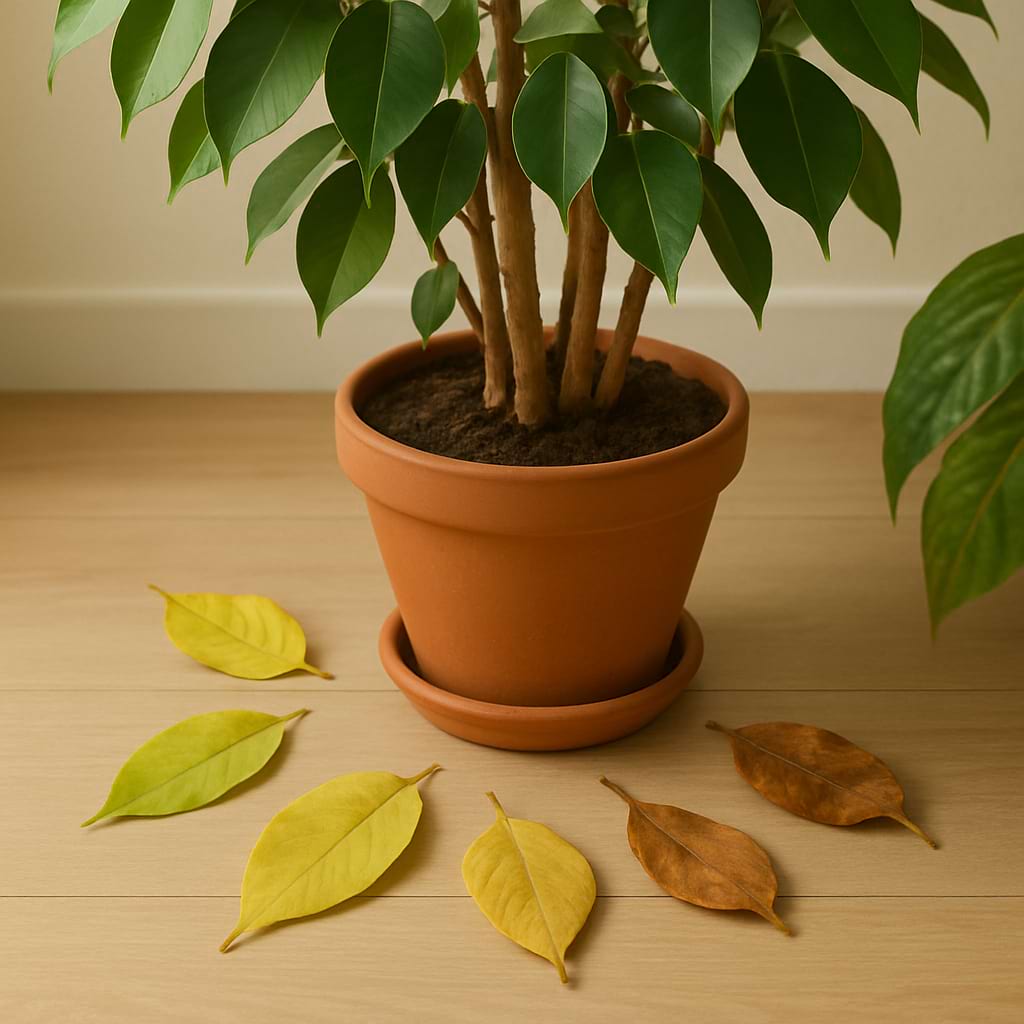
- Yellowing Leaves: Often the first hint that the roots are staying too wet. A few older leaves aging out is normal. Widespread yellowing is not.
- Mushy Stems or Bulb Necks: Usually means water is sitting at the base of the plant and rot is already underway.
- Brown Crispy Edges: Common after heat, very dry mix, or a sudden jump in sun intensity.
- Sunburn: Bleached or papery patches, especially on plants moved into harsh sun too quickly.
When Leaf Drop Is Normal and When It Is Not
This plant can confuse people because some leaf loss can be completely normal. In prolonged dryness or cooler rest conditions, Silver Squill may drop some leaves and sit semi-dormant. The bulbs stay firm, and once warmth and careful watering return, the plant usually resumes growth.
That is different from stress-driven leaf drop, where the leaves yellow suddenly, the bulbs soften, or the whole clump seems unstable. If the bulbs are still hard, the plant is usually just resting. If the bulbs are soft, you are dealing with a moisture problem.
Low light causes a different issue. The leaves do not usually drop first. They stretch first. That loose, floppy look is leggy growth, and the fix is more light, not more water.

🖼️ Silver Squill Display Ideas
The Best Way to Show Off Silver Squill
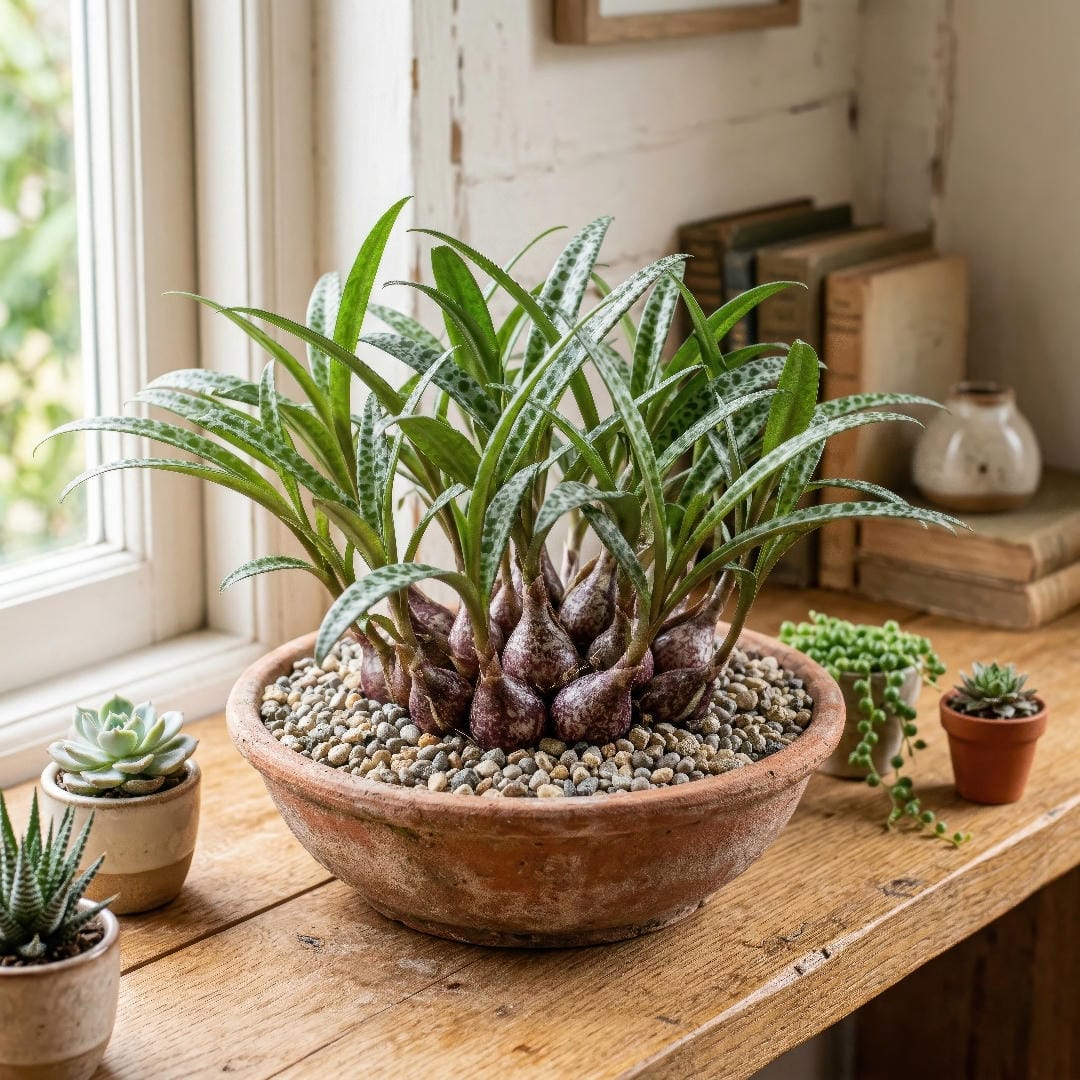
Silver Squill looks best when you can actually see the bulbs. That means shallow pots, open planting, and a little breathing room around the clump.
- Shallow terracotta bowl: Probably the best classic display. The clay suits the silver leaves and purple bulbs beautifully.
- Bright kitchen window: Great for keeping the plant compact while making the patterned leaves easy to notice up close.
- Mini succulent tray: Pair it with plants of different texture, like Jelly Bean Plant for warm color or Little Warty for bumpy contrast.
- Warm-climate rockery: In frost-free areas it can tuck into crevices and shallow pockets where the bulbs remain visible.
The plant has enough character that it does not need a dramatic pot. Simple containers usually show it off better than ornate ones.
A Small Warning About Placement
Because the plant is toxic, do not style it on a low coffee table if you have pets or toddlers that investigate with their mouths. High shelves, bright window ledges, and tucked-in plant stands are much safer choices.
That is especially worth remembering because the bulbs are so visible. They look like something a curious cat would absolutely try to bat at or chew.
🌟 Silver Squill Care Tips (Pro Advice)
✅ Keep the bulbs exposed. This is the single easiest way to avoid rot and keep the plant looking like itself.
✅ Bright light keeps the pattern sharp. If the silver wash is fading, check the window before you change anything else.
✅ Use a shallow pot. Silver Squill looks better and dries better when it is planted wide instead of deep.
✅ Let the top inch dry, not the entire pot for weeks. It is drought-tolerant, but active growth is better when watering is steady and sane.
✅ Do not overpot. A crowded clump is normal. A huge ring of wet soil around a tiny colony is not.
✅ Repot to refresh the mix, not just to size up. Old broken-down soil causes more trouble than a snug pot does.
✅ Watch the bulbs more than the leaves. Firm bulbs usually mean the plant is safe. Soft bulbs mean act fast.
✅ Give it airflow in humid rooms. The plant is easygoing until the mix stays wet and the air stops moving.
✅ Divide when the colony gets too dense. That is the easiest propagation job in the whole care routine.
✅ Treat it as toxic. Silver Squill is not the plant for a pet that nibbles foliage, even though it looks compact and harmless.
❓ Frequently Asked Questions
Is Silver Squill toxic to cats and dogs?
Yes. Silver Squill is toxic if eaten, and it is not a good choice for homes with pets that chew plants. Keep it well out of reach of cats, dogs, and small children.
Why are the bulbs sticking up above the soil?
That is normal. Silver Squill naturally grows with the bulbs exposed above the soil surface. Do not bury them deeply, because covered bulbs stay wetter and rot more easily.
Does Silver Squill need direct sun?
It grows best in very bright light with a little gentle direct sun, especially in the morning. Harsh midday sun through hot glass can scorch the leaves, so bright indirect light or filtered sun is the safest indoor target.
How often should I water Silver Squill?
Water when the top inch of soil is dry. In many homes that means every 7-14 days in spring and summer, then every 2-4 weeks in winter. Always adjust to your pot size, light level, and temperature.
Why is my Silver Squill dropping leaves?
Some leaf drop can happen when the plant gets too dry and slips into a partial rest, but sudden leaf drop also happens with overwatering, cold stress, or root damage. Check the bulbs and roots before assuming it is only thirst.
How do I propagate Silver Squill?
The easiest method is division. Wait until the pot is full of offsets, remove the clump from the pot, separate bulbs with roots attached, and replant them in a shallow gritty mix.
Is Ledebouria violacea a different plant from Silver Squill?
Usually no. Ledebouria violacea is an old horticultural name that is commonly treated as a synonym for Ledebouria socialis. Many plants still sold as 'violacea' are simply color forms of Silver Squill.
Can Silver Squill grow outdoors?
Yes, but only in frost-free or very mild climates. In USDA zones 10a-11b it can live outdoors year-round in sharply drained soil. In cooler areas, treat it as a houseplant or move it outside only for the warm season.
ℹ️ Silver Squill Info
Care and Maintenance
🪴 Soil Type and pH: Fast-draining sandy succulent mix with some humus
💧 Humidity and Misting: Average household humidity is fine. Good airflow matters more than extra moisture.
✂️ Pruning: Mostly grooming only. Remove spent flower stalks, dead leaves, and split crowded bulb clumps.
🧼 Cleaning: Brush dust off gently or rinse leaves lightly, then let the plant dry fast. Avoid piling soil or debris over the bulb necks.
🌱 Repotting: Repot every 2-3 years or when bulbs crowd the rim. Keep the upper half of the bulbs above the soil line.
🔄 Repotting Frequency: Every 2-3 years
❄️ Seasonal Changes in Care: Water a bit more during active spring and summer growth. In winter, keep the plant drier, warmer than 50F, and away from cold wet conditions.
Growing Characteristics
💥 Growth Speed: Slow to Moderate
🔄 Life Cycle: Perennial bulbous succulent
💥 Bloom Time: Spring to early summer
🌡️ Hardiness Zones: 10a-11b
🗺️ Native Area: Eastern Cape, South Africa
🚘 Hibernation: Semi-dormant in cool, dry winter conditions
Propagation and Health
📍 Suitable Locations: Bright windowsills, shallow succulent bowls, frost-free patios, miniature rockeries
🪴 Propagation Methods: Best propagated by separating bulb offsets. Seed is possible but much slower.
🐛 Common Pests: Mealybugs, Spider Mites, Scale Insects, Aphids, Thrips
🦠 Possible Diseases: Root rot, powdery mildew, and bulb or leaf spotting in stagnant damp conditions
Plant Details
🌿 Plant Type: Bulbous succulent
🍃 Foliage Type: Semi-evergreen to evergreen indoors
🎨 Color of Leaves: Silver-green with darker green spots and purple undersides
🌸 Flower Color: Greenish white with pink flush and purple stamens
🌼 Blooming: Yes, mature bulbs send up slender pink stems with many small flowers
🍽️ Edibility: Not edible. Toxic if ingested.
📏 Mature Size: 6-10 inches
Additional Info
🌻 General Benefits: Compact size, unusual exposed bulbs, patterned foliage, drought tolerance, easy offset division
💊 Medical Properties: No safe household medicinal use. Ingested parts may cause stomach upset, and sap can irritate skin.
🧿 Feng Shui: The repeating bulbs and colony-forming habit are associated with steady accumulation and grounded energy when the plant is kept in a bright, orderly spot.
⭐ Zodiac Sign Compatibility: Virgo
🌈 Symbolism or Folklore: Persistence, quiet abundance, and resilience
📝 Interesting Facts: The species name socialis means growing in groups, which is exactly what Silver Squill does. Mature plants form tight colonies of above-ground bulbs, and those exposed bulbs help the plant ride out dry spells in the shallow, rocky soils of its South African home.
Buying and Usage
🛒 What to Look for When Buying: Look for firm bulbs sitting above the mix, silver spotting on the leaves, and no sour smell or mushy bulb bases. A few offsets are a good sign that the plant is settled and growing well.
🪴 Other Uses: Popular in miniature gardens, bonsai accent plantings, and warm-climate rockeries
Decoration and Styling
🖼️ Display Ideas: Shallow terracotta bowls, bright shelves, sunny kitchen windows, grouped succulent trays
🧵 Styling Tips: Use shallow terracotta or matte stone pots that leave the bulbs visible. The silver leaves and purple bulb skins look especially good against warm clay and gravel top dressing.
🪴 See also 🪴
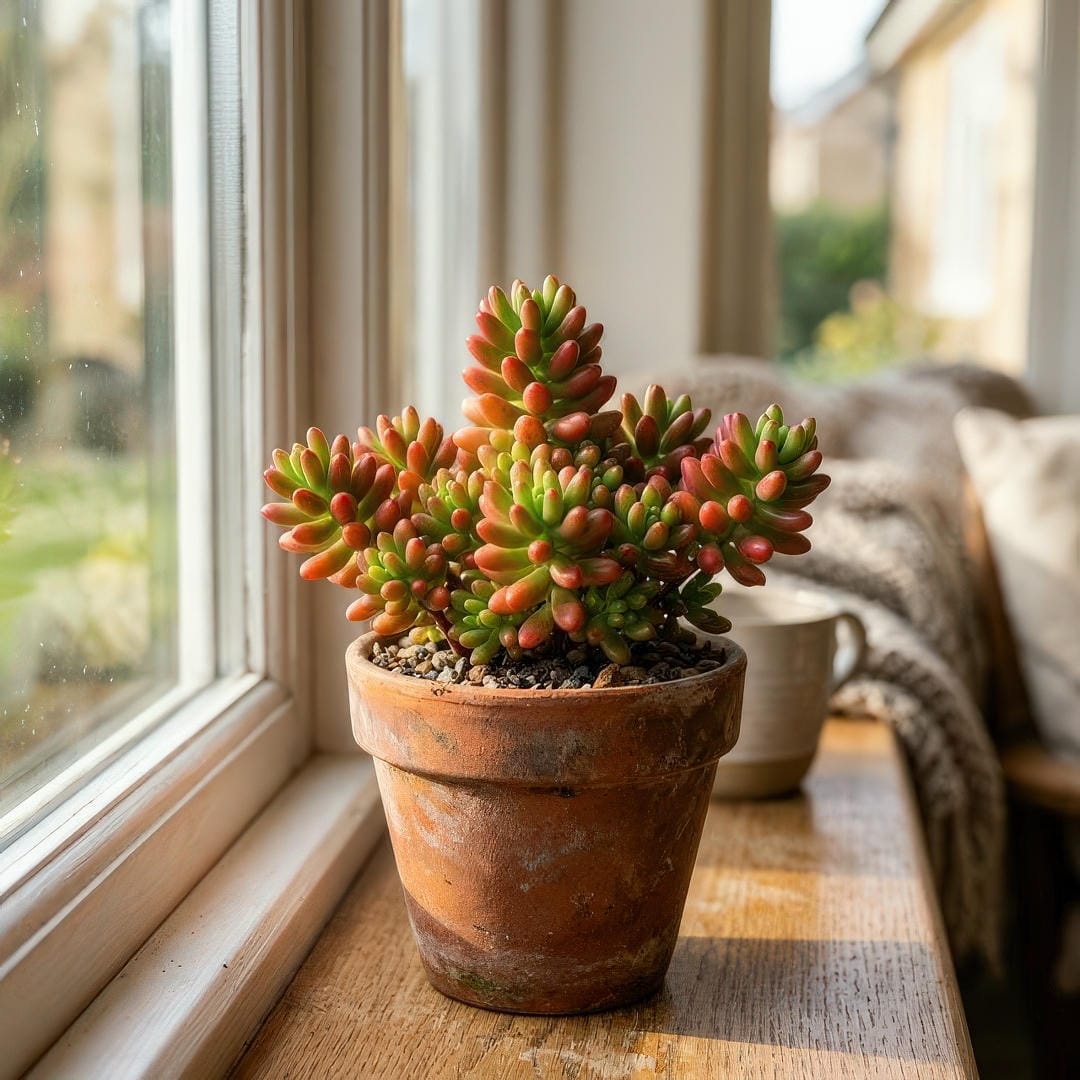
Complete Guide to Jelly Bean Plant Care and Growth
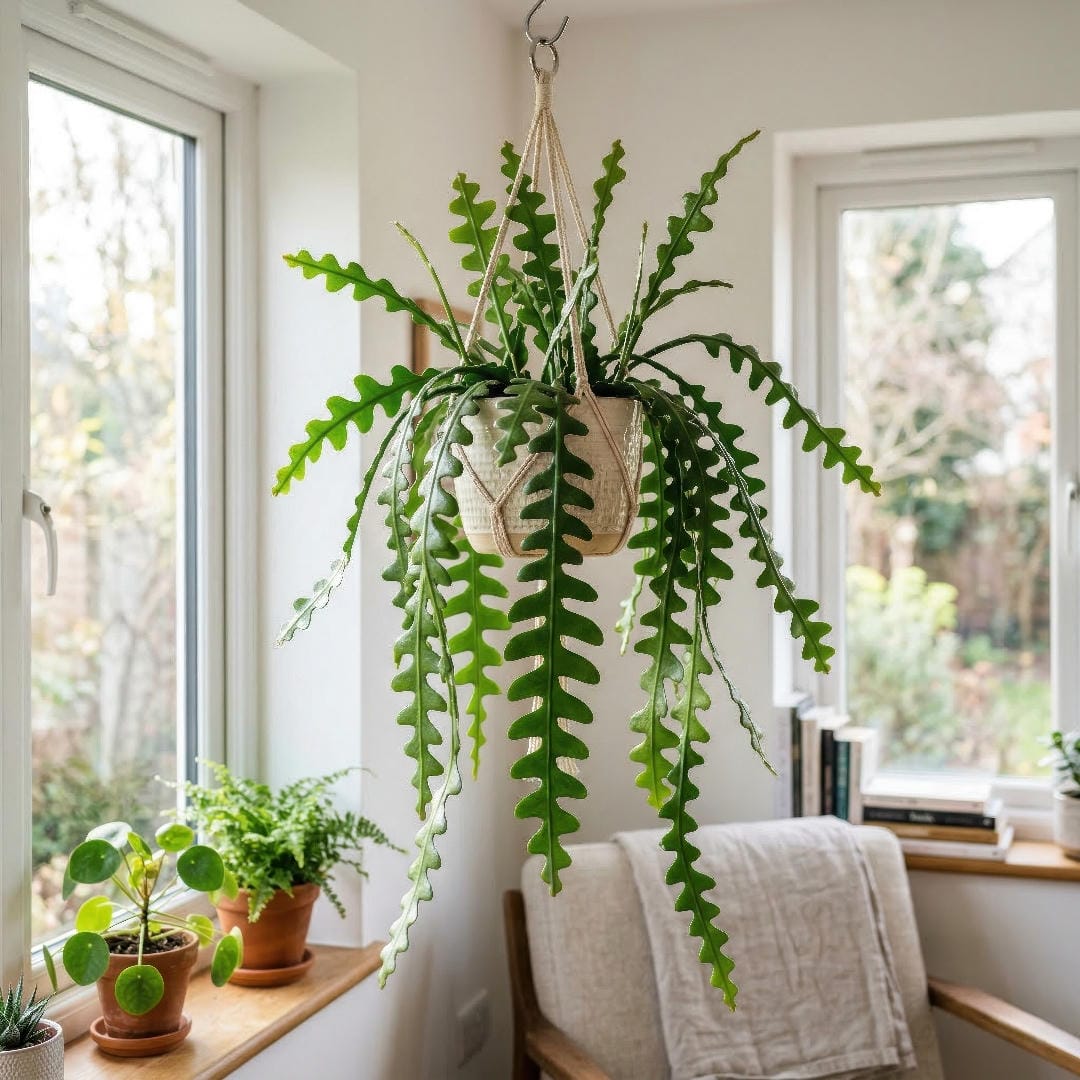
Complete Guide to Fishbone Cactus Care and Growth
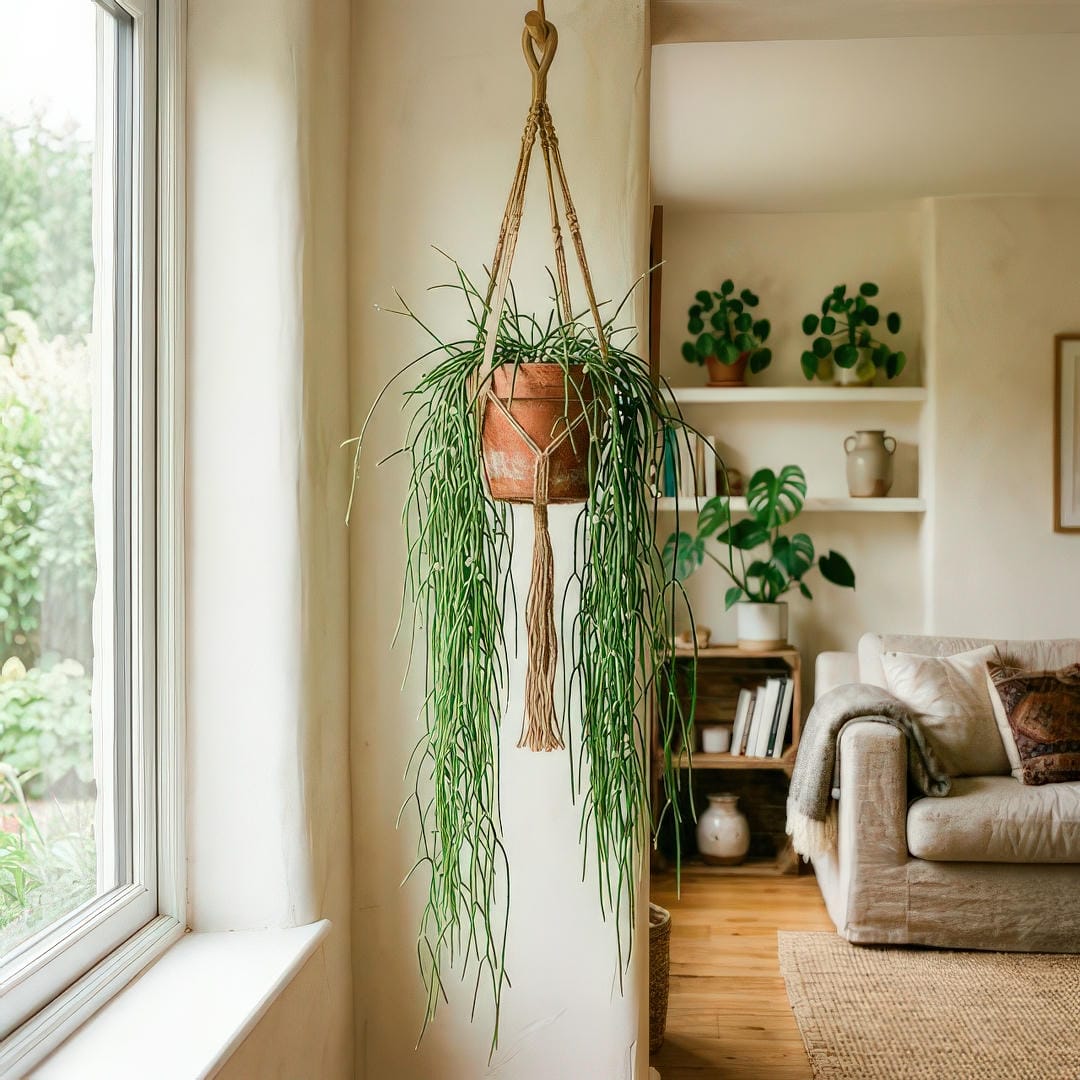
Complete Guide to Mistletoe Cactus Care and Growth
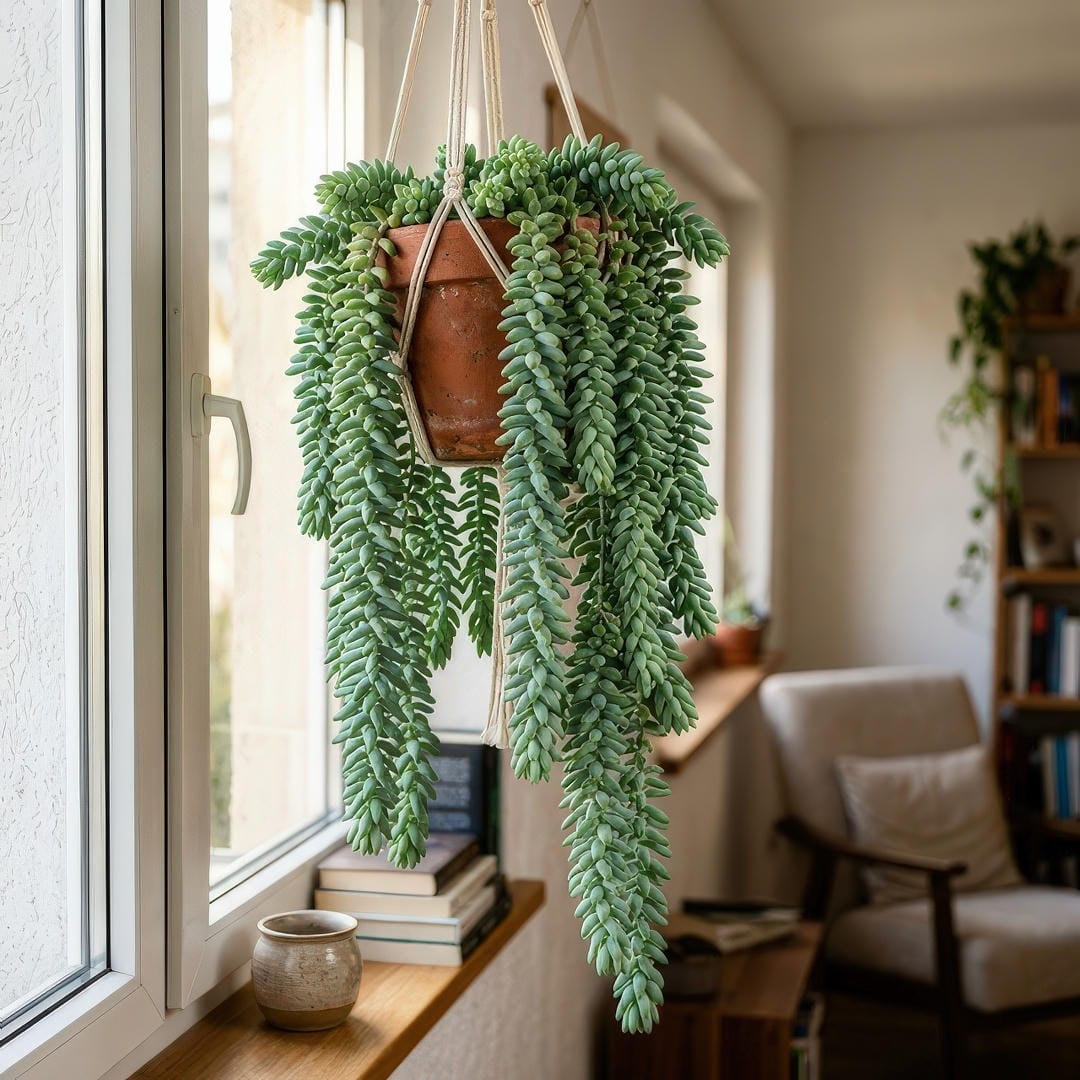
Complete Guide to Burro's Tail Care and Growth
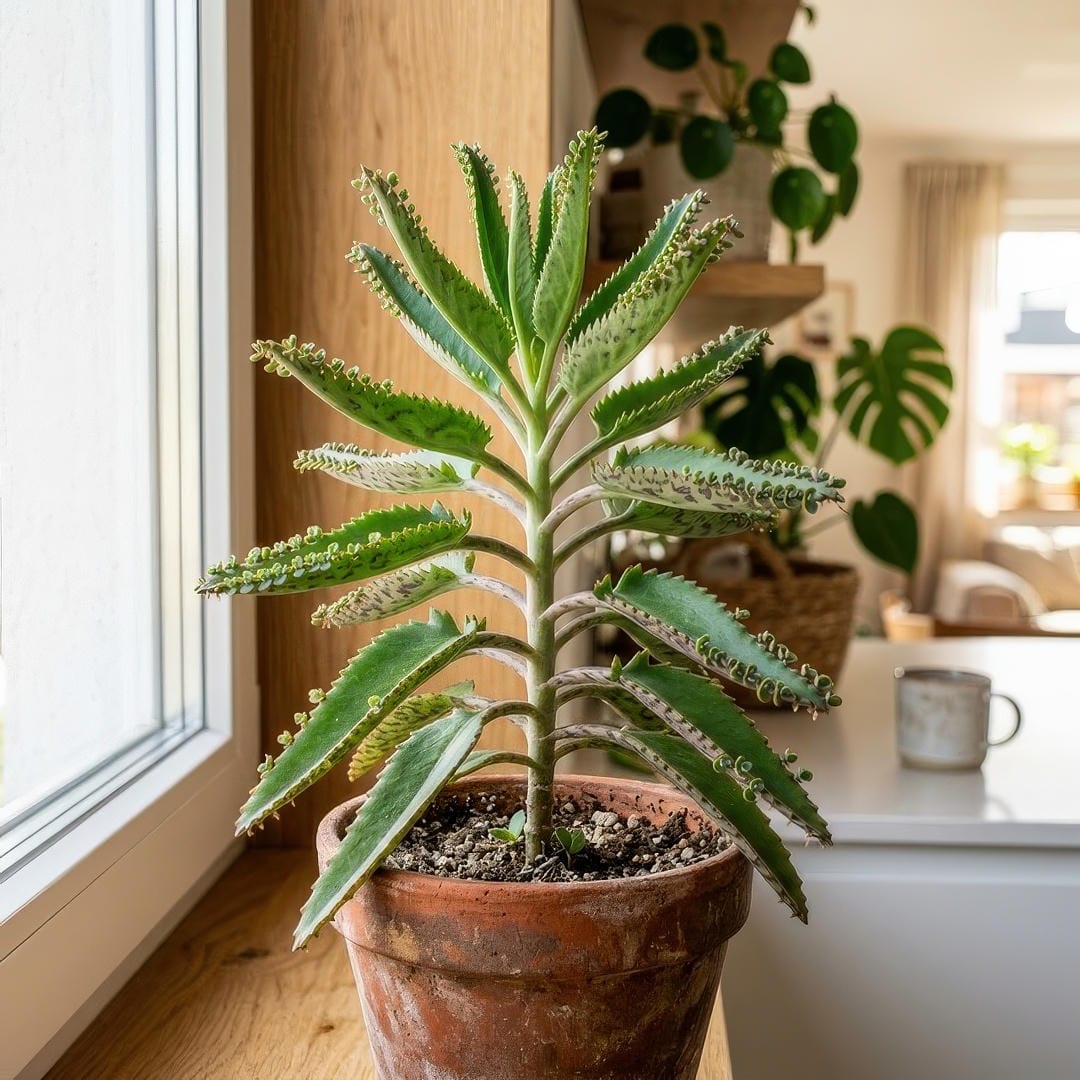
Complete Guide to Mother of Thousands Care and Growth
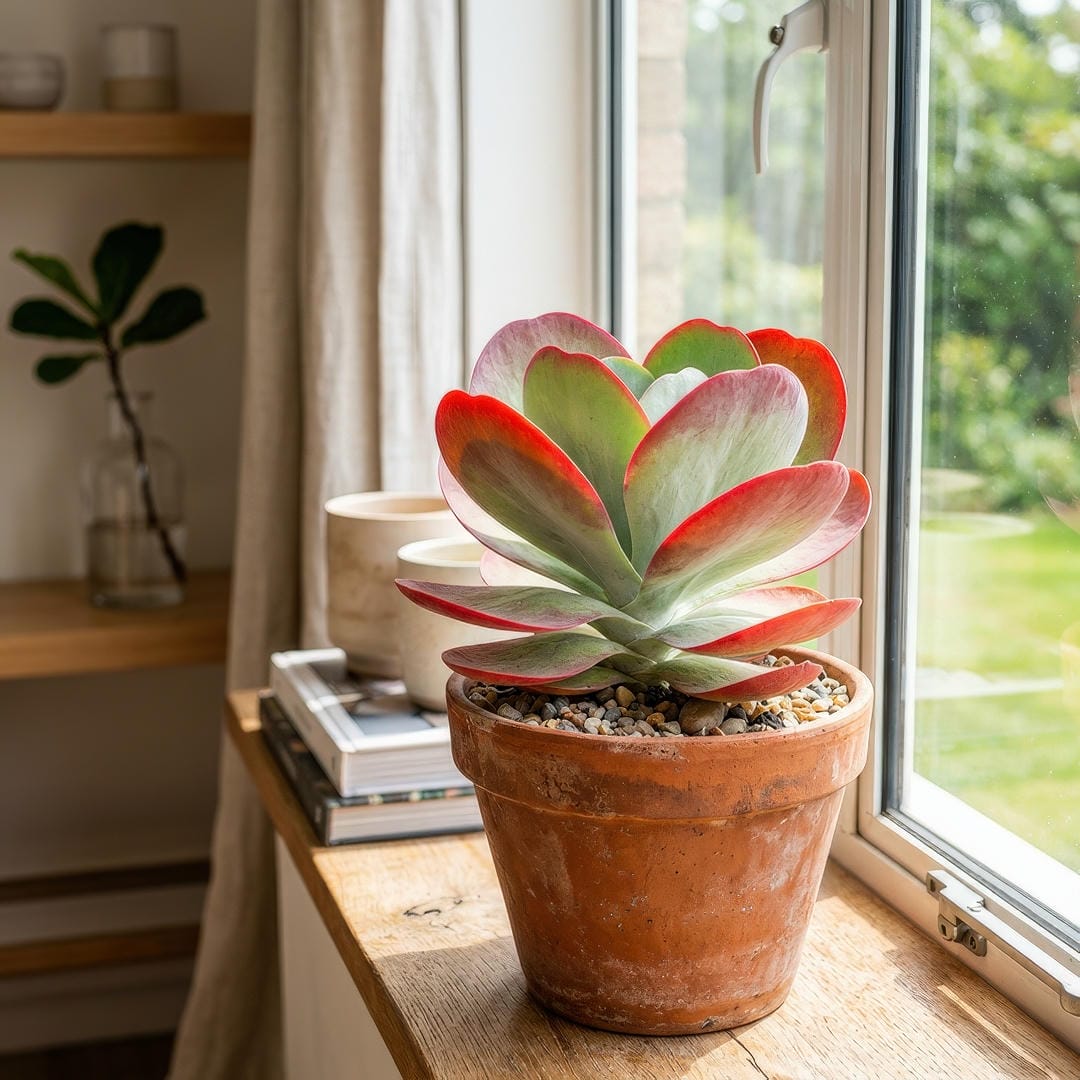
Complete Guide to Paddle Plant Care and Growth
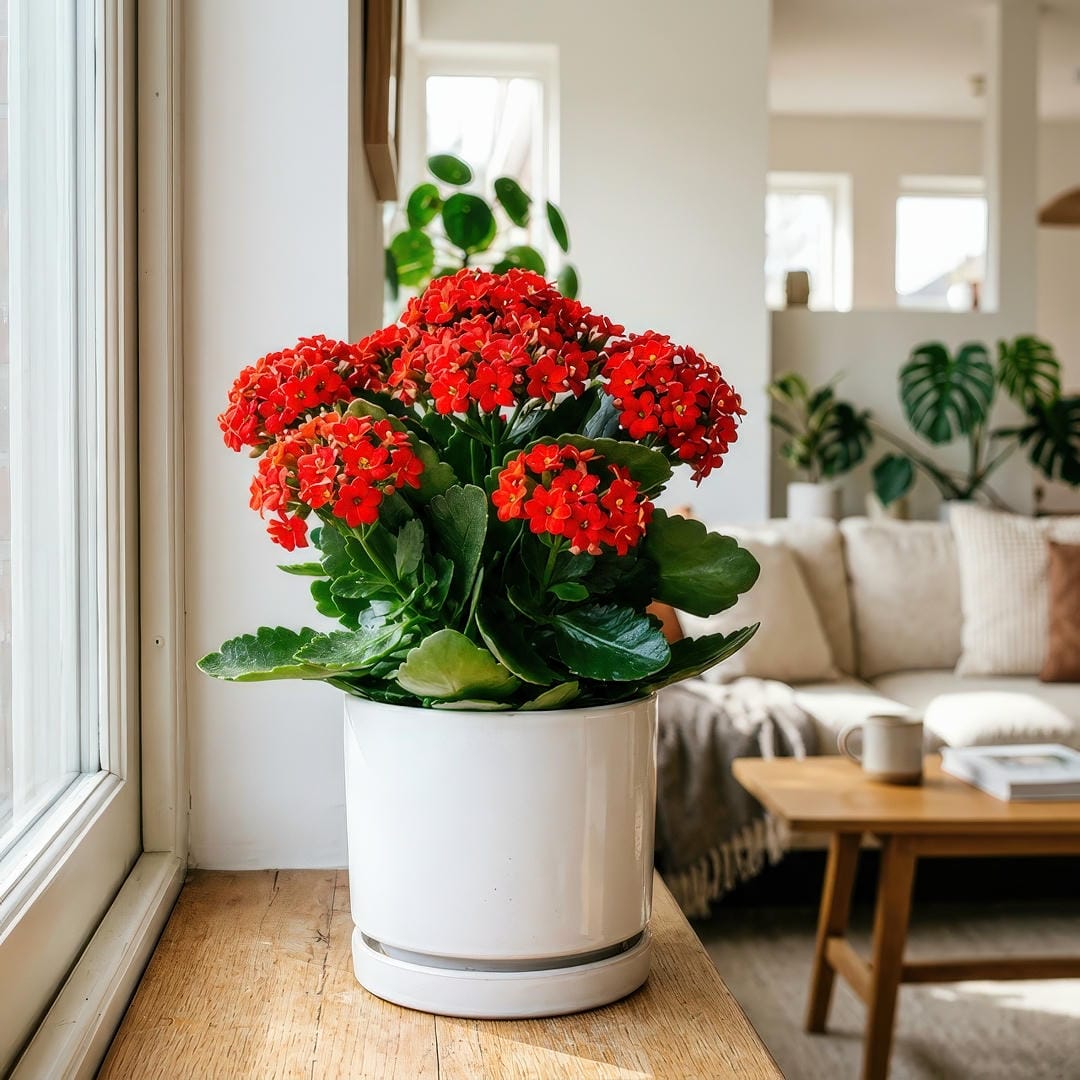
Complete Guide to Flaming Katy Care and Growth
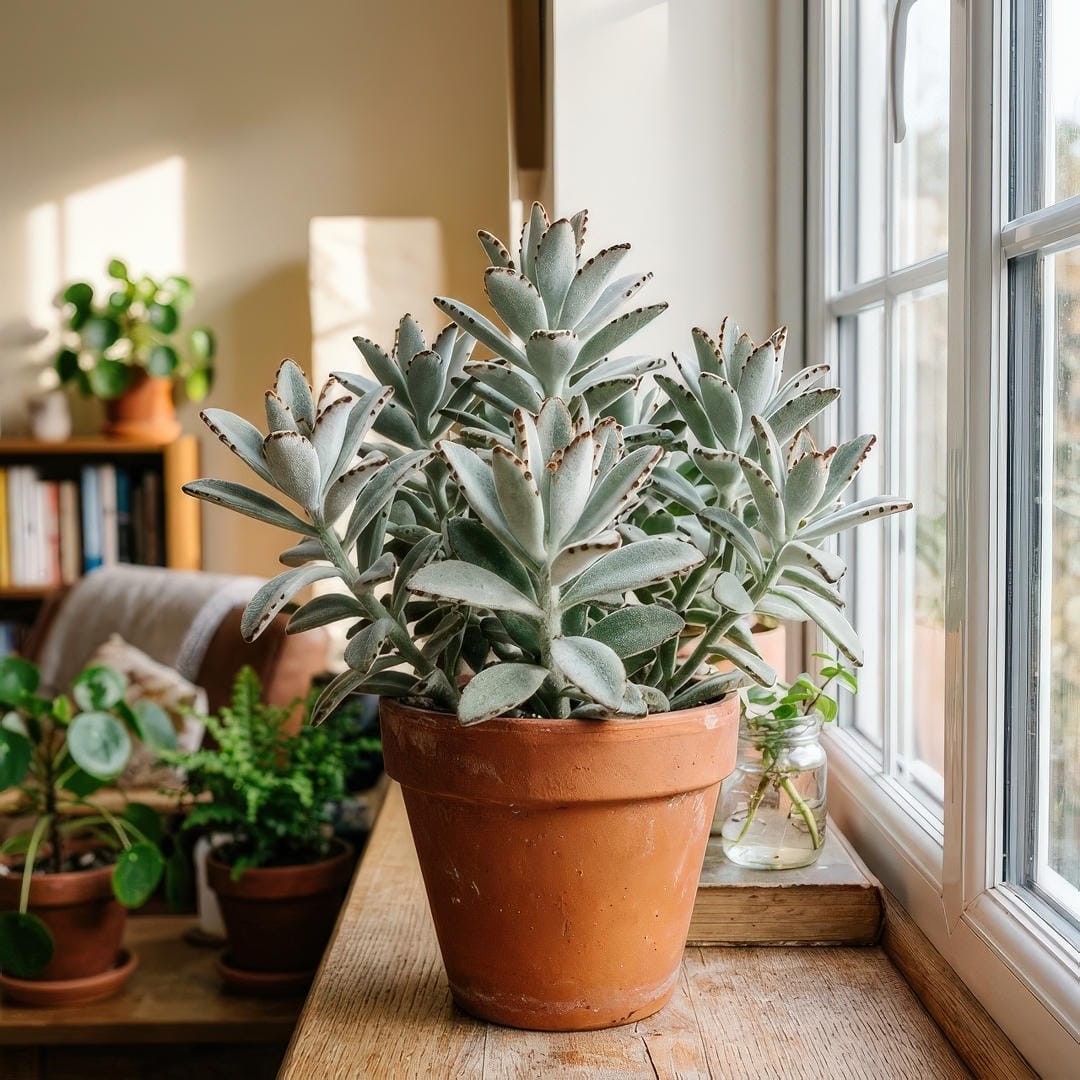
Complete Guide to Panda Plant Care and Growth
Complete Guide to Elephant Bush Care and Growth
Complete Guide to Pencil Cactus Care and Growth
Complete Guide to Crown of Thorns Care and Growth