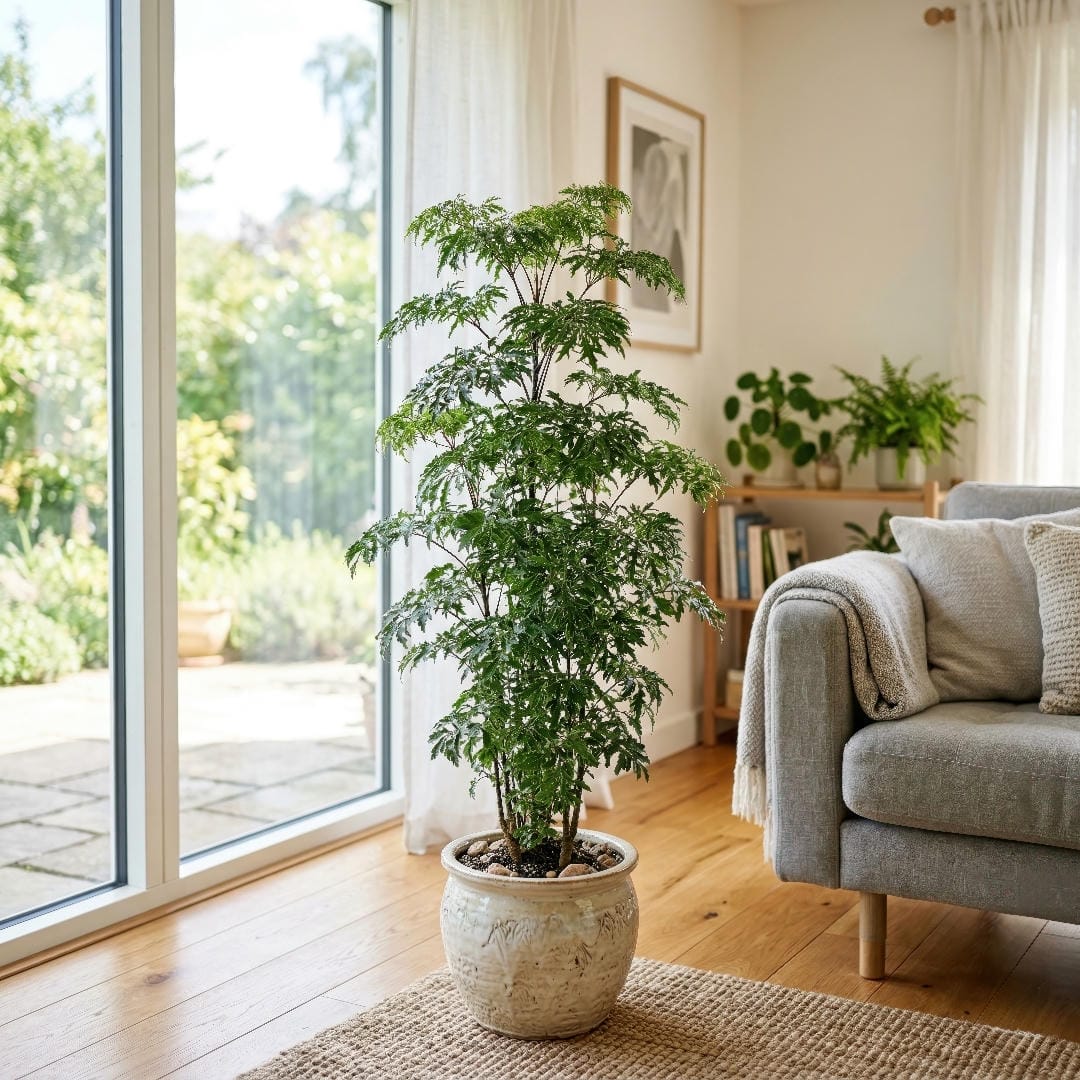
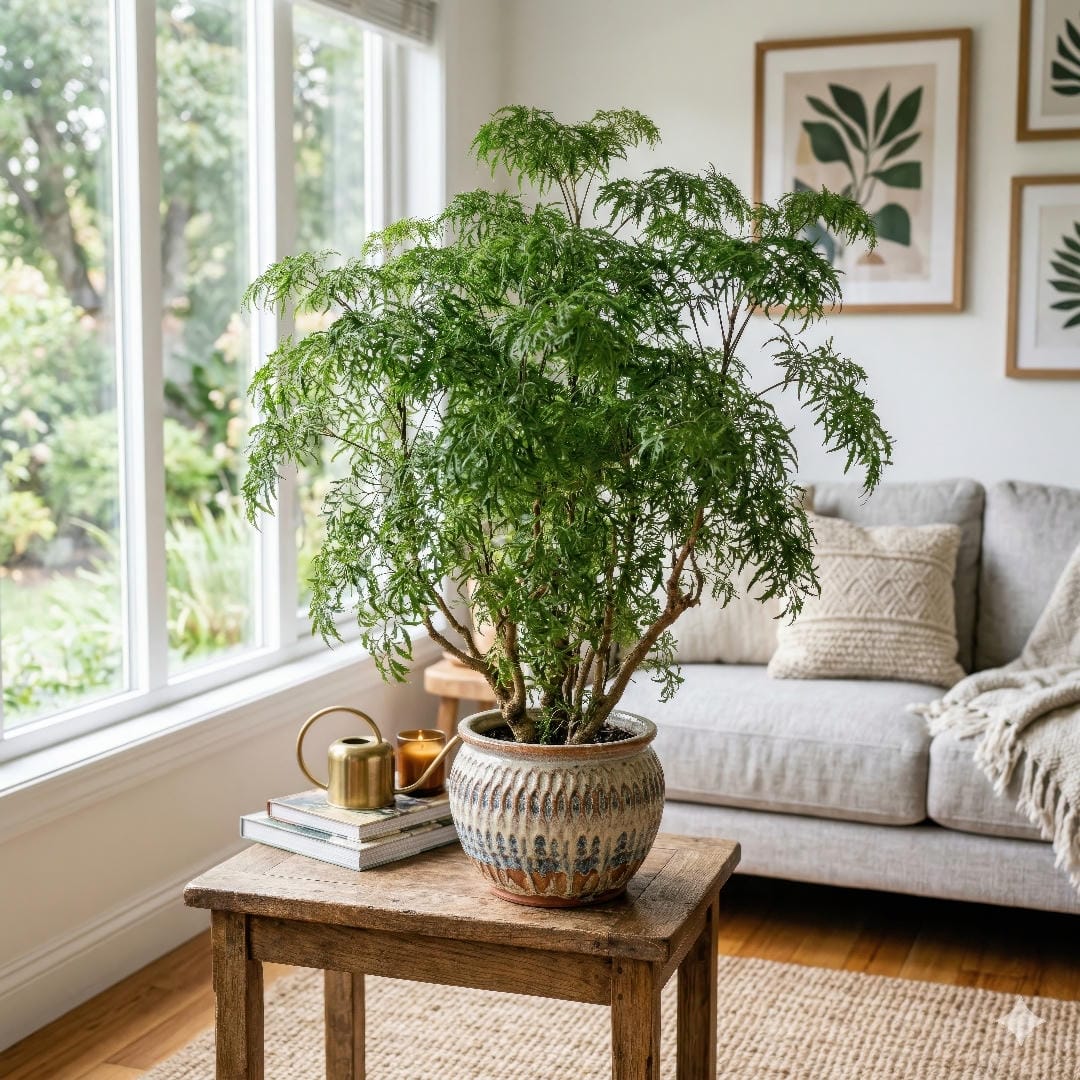
Ming Aralia
Polyscias fruticosa
Parsley Aralia, Ming Tree, Polyscias, False Parsley Aralia


Ming Aralia is a refined indoor tree with feathery, highly divided foliage that brings instant texture to a room. Learn how to keep it compact, evenly watered, and happy in the bright filtered light it prefers.
📝 Ming Aralia Care Notes
🌿 Care Instructions
⚠️ Common Pests
📊 Growth Information
🪴 In This Guide 🪴

☀️ Ming Aralia Light Requirements (Indoor Lighting Guide)
Best Light for Ming Aralia
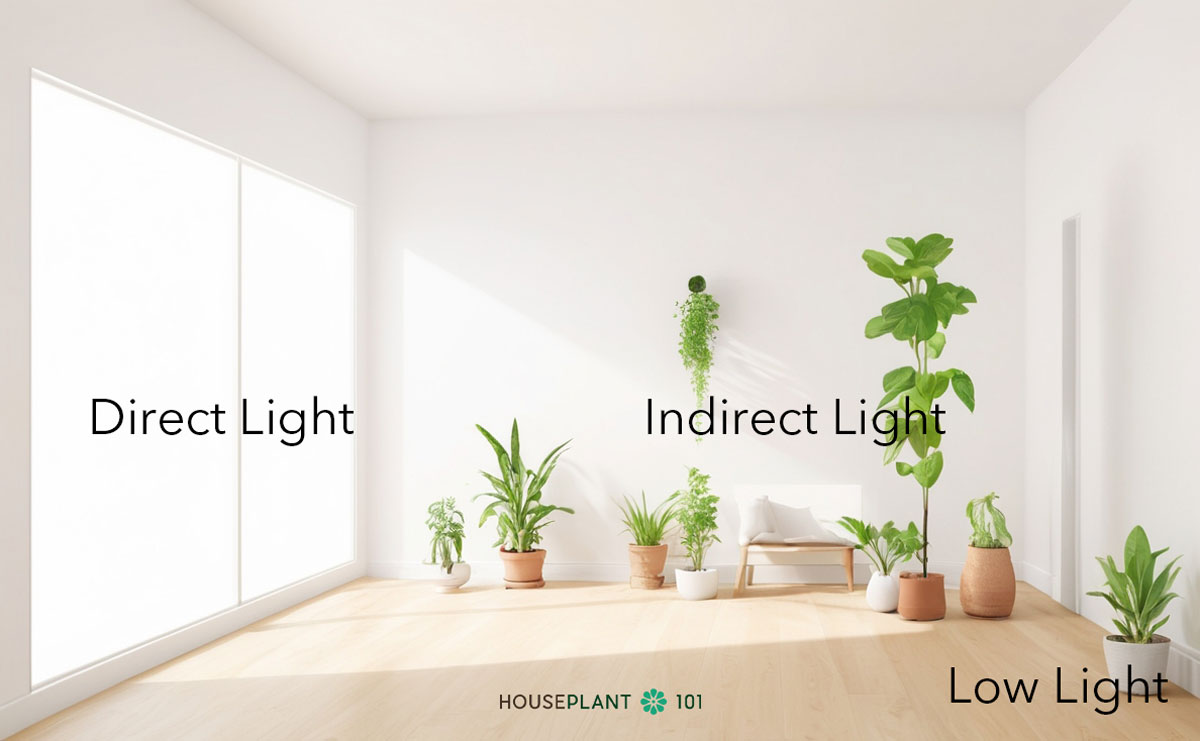
Ming Aralia likes bright, indirect light and enough of it to hold its tight, lacy structure. A spot near an east window is ideal, or a few feet back from a south or west window where the light is softened. If the room is bright enough that you can read comfortably without the plant sitting in direct sun, you are probably close.
Light matters because this plant quickly becomes loose and sparse in dim conditions. It is not the kind of plant that can hide in a corner and keep looking polished. Give it a strong, filtered window and it will reward you with denser growth and healthier new leaflets.
For a general reference on houseplant placement, see our Indoor Lighting Guide. In darker months, a grow light can help keep the plant from stretching.
Signs of Incorrect Light on Ming Aralia
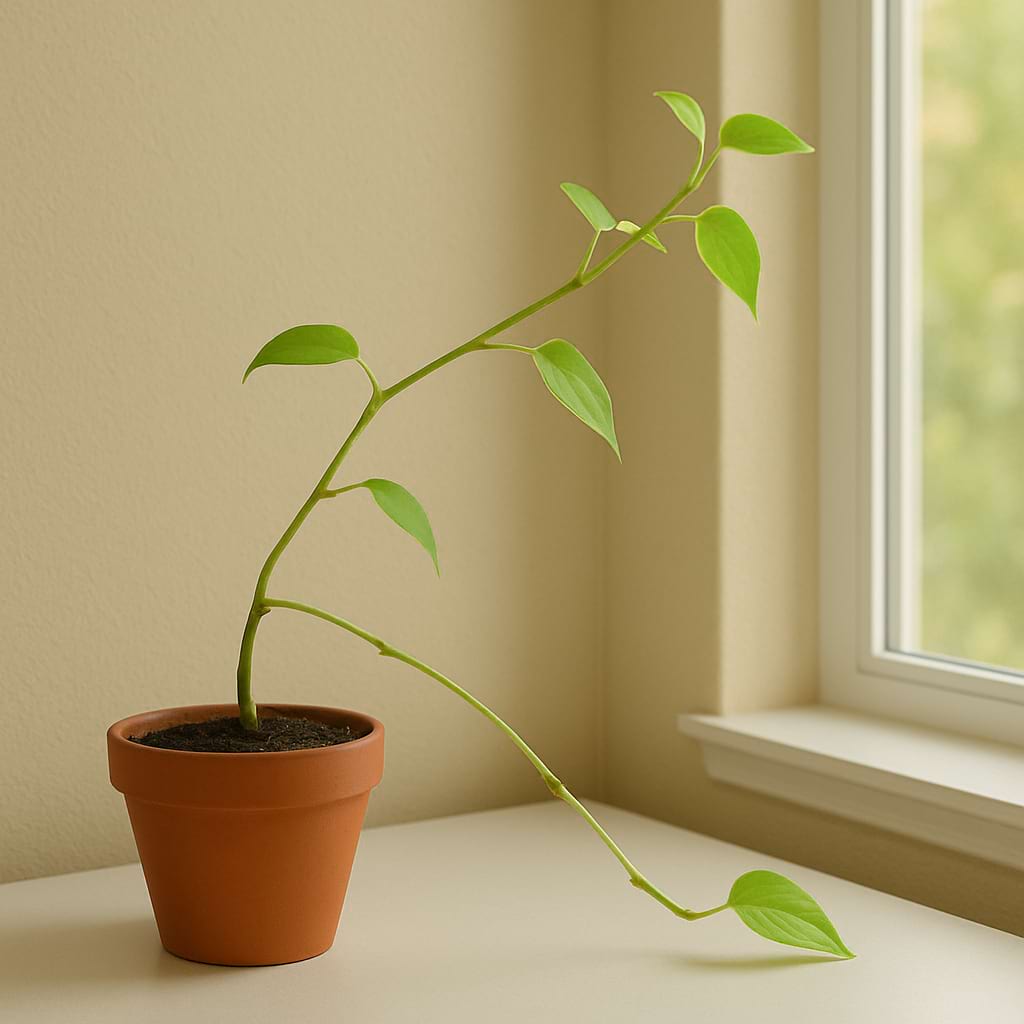
- Too little light: Long bare stretches between leaf clusters, weak stems, and leaf drop lower down the plant. That is leggy growth.
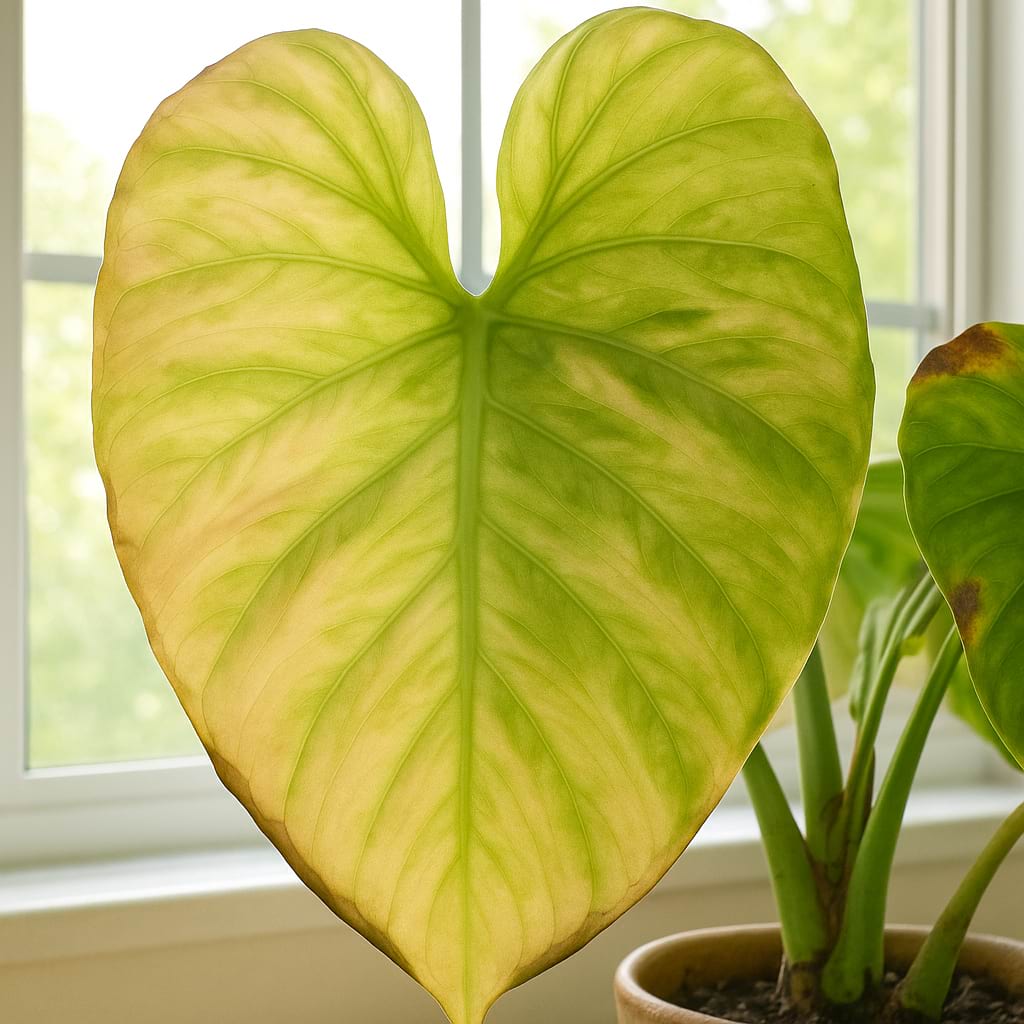
- Too much direct sun: Leaflets bleach, curl, or scorch at the edges.
- Best spots: Bright living rooms, sunrooms with filtered exposure, and office corners near a window.
- Avoid: Deep shade, hallways without supplemental light, and unfiltered afternoon sun.
Keeping Ming Aralia Evenly Lit
Rotate the pot every week or two so the canopy does not lean into one direction. Ming Aralia grows more gracefully when all sides receive roughly the same amount of light. That is one of the easiest ways to keep it looking intentional rather than unruly.
💧 Ming Aralia Watering Guide (How to Water Polyscias fruticosa)
Ming Aralia Watering Frequency
Ming Aralia wants the soil to stay lightly and evenly moist, not soggy. Water when the top 1-2 inches dry out, then let the extra water drain away completely. If the plant sits bone dry for too long, it can drop leaves quickly. If it stays wet for too long, the roots suffer just as quickly.
Think of the plant as preferring moderation in the strictest sense. It wants neither drought nor swamp conditions. If you want a general watering framework, our Watering Guide is a good companion.
How to Water Ming Aralia Correctly
Water at the soil line and avoid soaking the foliage every time. A thorough soak is fine as long as the pot drains well. Bottom watering also works if you prefer even absorption without splashing the leaves.
If the plant is in a decorative cachepot, check that no runoff is trapped at the bottom. Ming Aralia hates sitting in leftover water.
Signs of Watering Problems on Ming Aralia
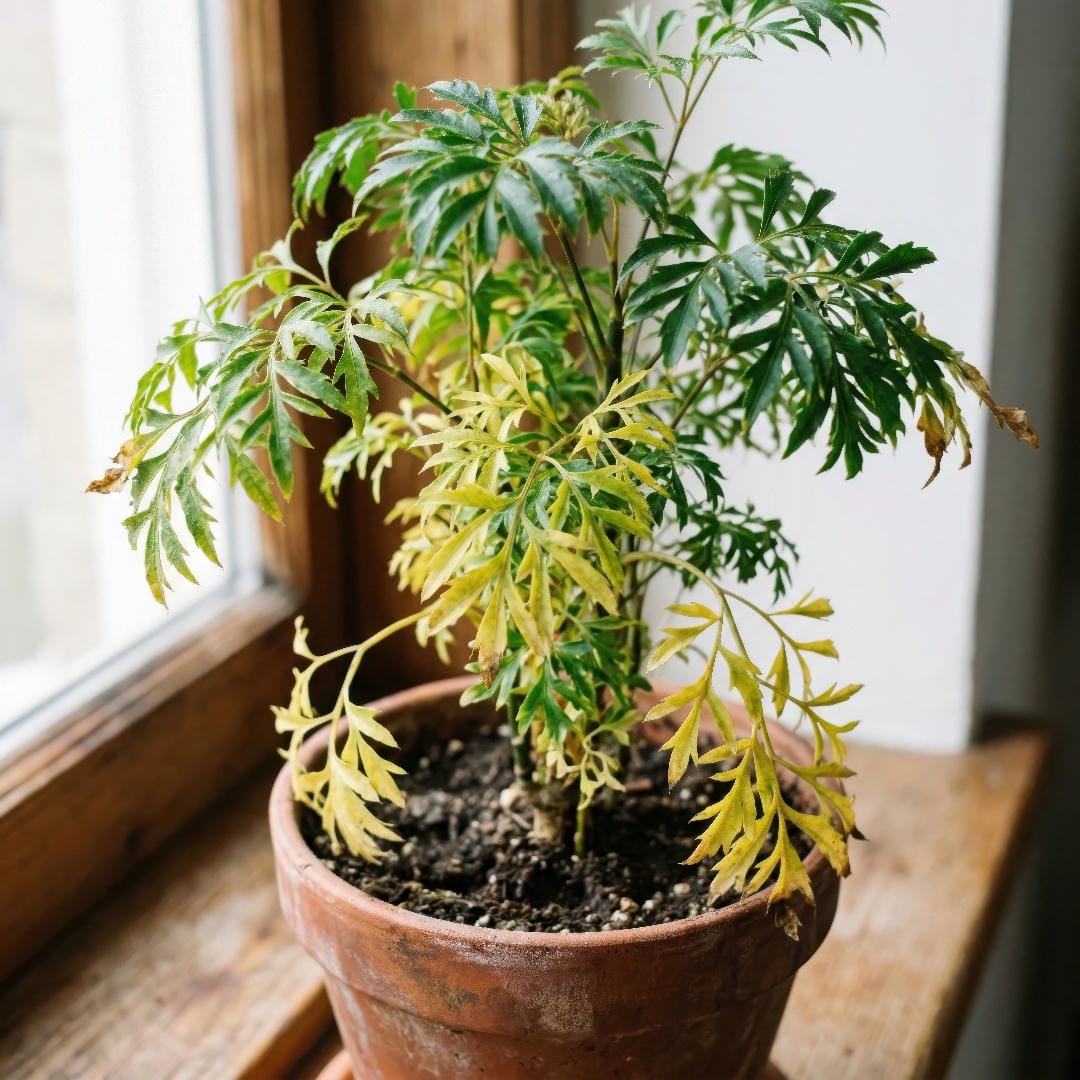
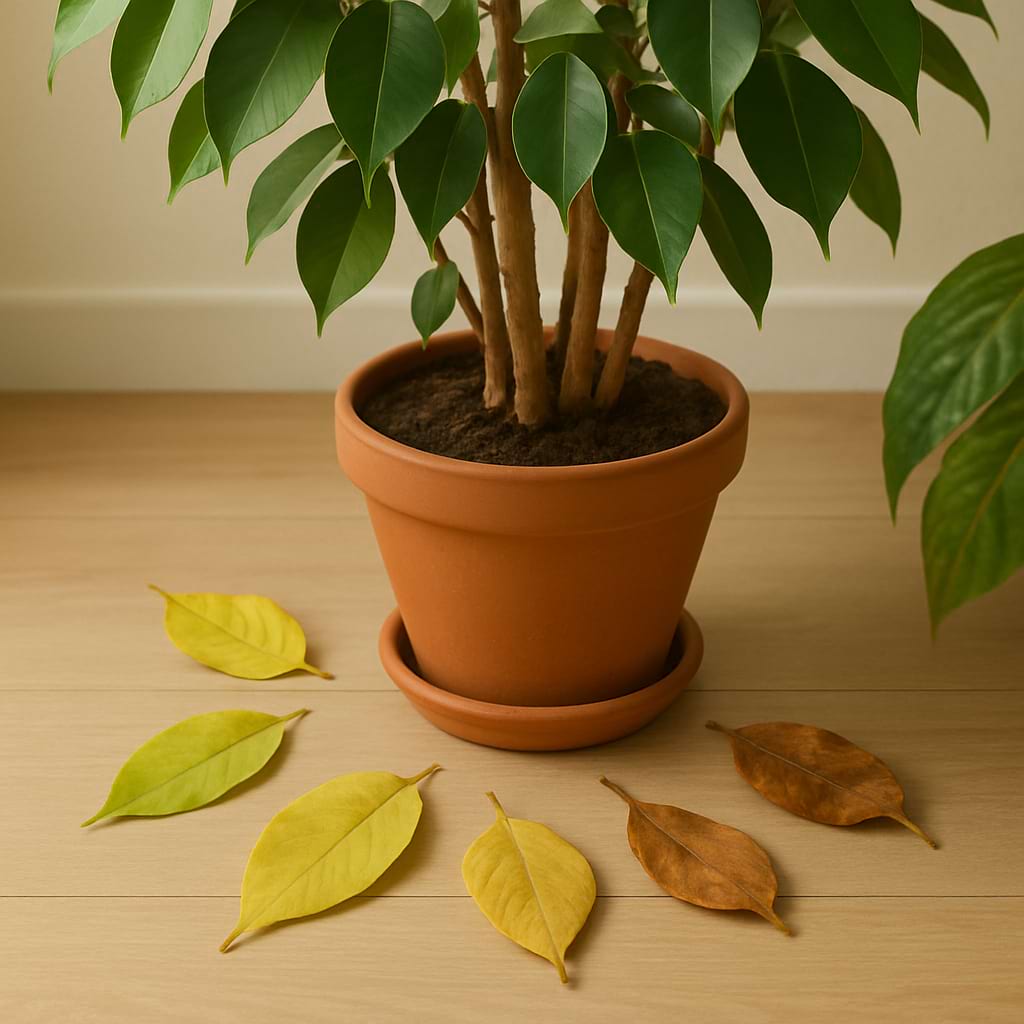
- Overwatering: Yellow leaves, a soggy potting mix, and leaves dropping after the soil stays wet for several days.
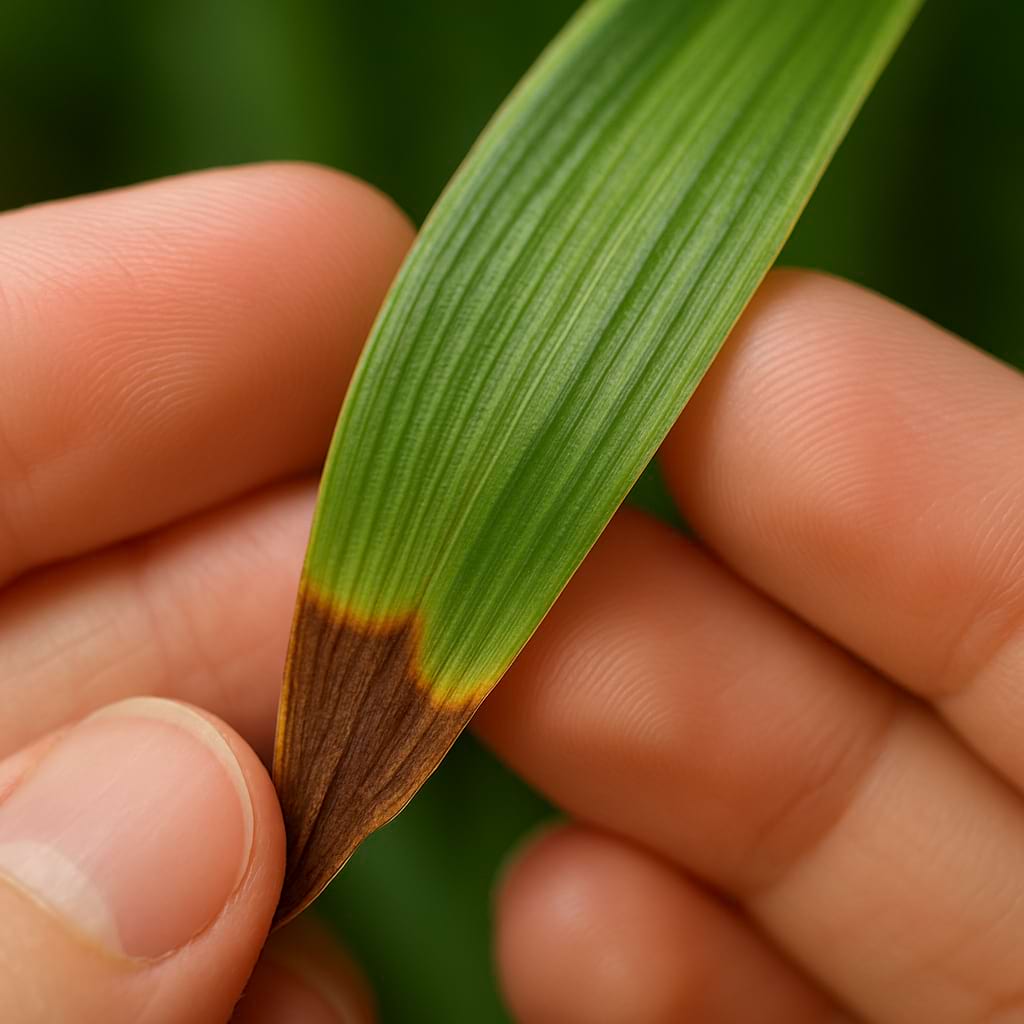
- Underwatering: Crisping tips, curling leaflets, and sudden drop in the lower foliage.
- Root problems: If the plant stays limp even after watering, inspect for root rot.
🪴 Best Soil for Ming Aralia (Potting Mix & Drainage)
Ming Aralia Soil Mix
Ming Aralia does best in a loose, rich mix that drains freely but still holds enough moisture to support the fine roots. A quality houseplant mix amended with perlite or pumice is usually a good starting point. If the mix feels compacted in your hand, it probably will not breathe well enough for this plant.
The Soil and Potting Mix Guide covers the structure behind those choices if you want more detail.
A slightly finer blend can help if your home runs dry and the plant dries quickly between waterings. For a larger specimen, lean a little more toward aeration so the lower root zone does not stay wet for too long.
Drainage for Ming Aralia
Drainage holes are essential. Ming Aralia is sensitive to soil that stays wet around the roots, and a pot without drainage will eventually cause trouble no matter how carefully you water. Use a liner if you want a decorative outer pot.
When Ming Aralia Needs New Soil
Repot every 2-3 years, or sooner if the soil has become compact and water does not soak in evenly. Fresh mix often improves the plant more than a bigger pot does.
🍼 Fertilizing Ming Aralia (How Much Food It Needs)
Ming Aralia Fertilizer Schedule
Feed Ming Aralia lightly once a month in spring and summer with a diluted balanced fertilizer. It appreciates support while it is building leaves and stems, but too much fertilizer can create floppy growth and salt buildup.
Pause feeding in fall and winter. The plant does not use nutrients efficiently when growth slows. For a broader refresher, see our Fertilizing Guide.
Signs of Overfeeding Ming Aralia
Brown tips, crusty soil, and unusually soft growth are all warnings. If those show up, stop feeding and flush the pot with plain water before you start again.
🌡️ Ming Aralia Temperature Range (Ideal Indoor Temps)
Ming Aralia Temperature Needs
Ming Aralia likes warmth and consistency. Aim for 65-80 F and keep it away from cold drafts, heating vents, and sudden temperature swings. Even a plant with decent light can sulk if the air around it keeps changing.
This is especially important in winter, when windows chill at night and heaters dry the air during the day. Stability matters more than chasing a perfect number.
Seasonal Temperature Care for Ming Aralia
In cooler months, move the plant a little farther from cold glass and avoid giving it a chilly soak. Warm soil and stable room temperature make it much easier for the plant to keep its foliage.
💦 Ming Aralia Humidity Needs (Keeping the Leaflets Fresh)
Ming Aralia Humidity Level
Ming Aralia likes moderate to high humidity. Dry indoor air makes the leaflets crisp faster, especially on a plant that is already a little stressed by low light or inconsistent watering.
For practical humidity routines, see Houseplant Humidity. A humidifier is the cleanest fix if the room runs dry in winter.
How to Raise Humidity for Ming Aralia
- Group it with other tropical plants.
- Keep it away from heater blasts and vents.
- Use a pebble tray if you want a small local boost.
- Mist only if you will do it consistently.
Ming Aralia and Dry Air Symptoms
Brown edges, tight curling, and a papery feel on the leaflets are all signs the air is too dry. If the soil is still moist but the foliage looks stressed, humidity is probably the issue before anything else.
🌸 How to Make Ming Aralia Bloom
Ming Aralia Flowers Indoors
Ming Aralia is grown for its foliage. Indoors, blooms are rare and small, and they do not add much visually. Most plants never flower inside a home.
If you want the plant to look its best, spend your energy on canopy density rather than flowers.
What Encourages Blooming on Ming Aralia
Only an older, very stable plant has much chance of blooming. Bright light, steady moisture, and a well-rooted specimen help, but flowering remains a bonus, not a goal.
🏷️ Ming Aralia Types and Lookalikes
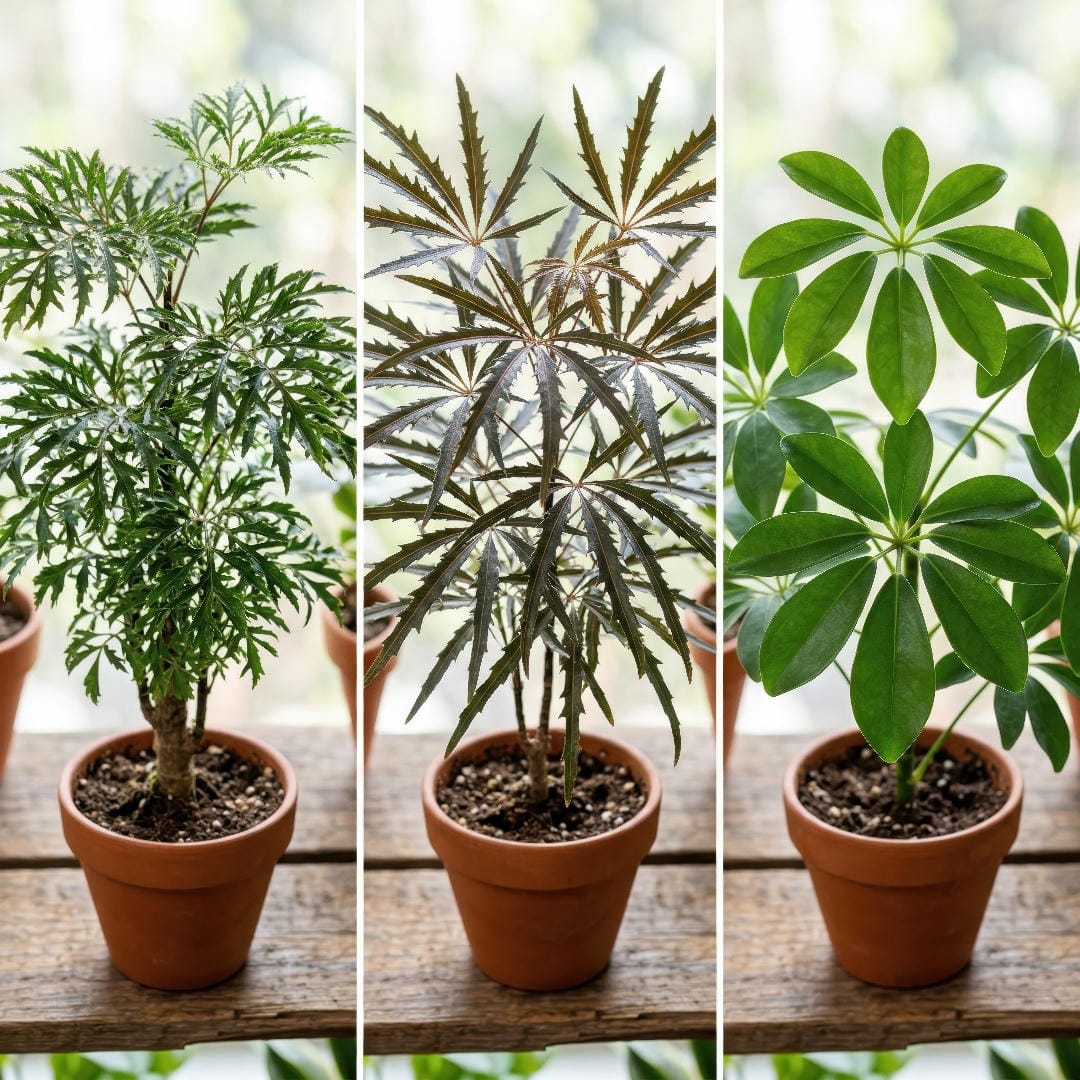
Ming Aralia vs False Aralia
Ming Aralia is finer and more feathery than False Aralia. False Aralia has broader leaflet divisions and a more open layered form, while Ming Aralia reads as denser and more lace-like. If you want the most filigreed option, Ming Aralia is usually the better fit.
The visual difference matters in a room with a lot of broad-leaved plants. Ming Aralia brings a tighter, more precise texture, so it works well when you want the display to feel refined rather than lush and heavy.
Ming Aralia vs Umbrella Plant
Umbrella Plant has broader, bolder leaflets and a more obvious tree shape. Ming Aralia is the more delicate, textural plant. They overlap in care enough to live in the same room, but they solve different design problems.
If Umbrella Plant is the broad brushstroke, Ming Aralia is the line drawing. That makes Ming Aralia especially useful in smaller rooms or on sight lines where you want detail without bulk.
Common Ming Aralia Forms in Shops
Store labels may mention Ming Tree, Parsley Aralia, or other trade names. Focus on the plant's structure and health rather than the exact label. A compact plant with active new growth is usually a better buy than a tall, sparse one that has already stretched.
If you see multiple specimens, choose one with several active growing tips and evenly spaced leaf clusters. Ming Aralia can look elegant even when young, but it is much easier to maintain if it already has a balanced framework.
Avoid plants that have a lot of bare stem near the soil line unless you want to spend time rebuilding the canopy. A fuller starting shape saves time later and usually means the plant has already been growing in decent light.
How to Choose a Healthy Ming Aralia
Healthy Ming Aralia should feel firm in the stems and consistent in color from top to bottom. A little bronze on new growth is normal, but patchy fading, sticky stems, or a loose crown are signs to keep shopping.
The plant also benefits from being tucked slightly below eye level in the nursery bench. If the whole crown sits flat and open on top, that usually means it has already been reaching for light.
🪴 Potting and Repotting Ming Aralia
When to Repot Ming Aralia
Repot every 2-3 years, or when the roots begin to crowd the pot and the soil breaks down. Ming Aralia is not a plant you want to repot frequently, so move it only when the container is genuinely full.
Choose a pot that is only one size larger than the old one. Too much extra soil can stay wet too long and slow the plant down.
If the roots are circling but the plant still has a healthy canopy, a refresh of the mix is often enough. You do not need to jump to a dramatically larger pot unless the root ball is truly packed.
How to Repot Ming Aralia
Gently slide the plant out, loosen only the worst-circling roots, and set it into fresh mix at the same depth. Water once the plant is secure, then let it settle before you move it again.
Our Repotting Guide is the general walkthrough if you want the potting process in more detail.
✂️ Pruning Ming Aralia for a Fuller Shape
Why Ming Aralia Benefits From Pruning
Ming Aralia tends to look best when it is lightly and regularly shaped. Pinching the tips and trimming back overextended stems encourages branching and keeps the plant from looking too open at the base. That is especially useful on older specimens that have started to bare out.
It also helps keep new growth within a tighter framework. Ming Aralia can look elegant when it is small, but without pruning it often drifts into a lanky outline that is much harder to correct later.
How to Prune Ming Aralia
Use clean shears and make cuts just above a node. Do not strip the plant bare all at once unless it is very healthy and you are correcting a badly neglected shape. Light, repeated pruning usually produces a better result than one heavy cut.
If you are reducing height, remove only a little at a time and let the plant respond before you cut again. That gives you a cleaner silhouette and lowers the risk of stalling the plant after a big haircut.
🌱 How to Propagate Ming Aralia
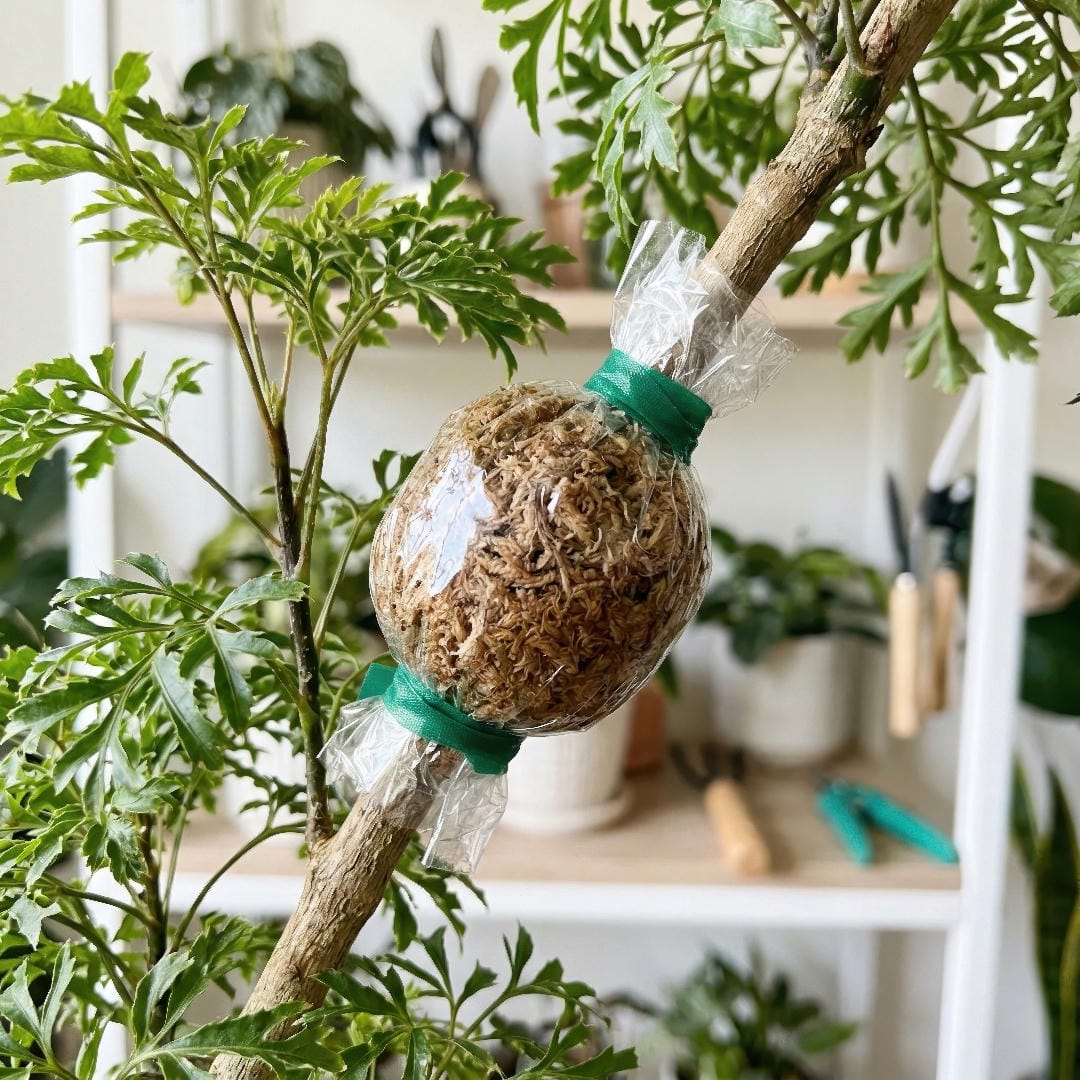
Best Propagation Method for Ming Aralia
Ming Aralia is usually propagated from stem cuttings or air layering. Air layering is often the more reliable choice on woody stems because the cutting keeps feeding from the parent plant while roots form. Our Air Layering Guide covers the basic setup.
Use air layering when the stem you want to root is thicker or already carrying most of the plant's visible shape. That approach protects the mother plant while giving the new section a stronger start.
Stem Cuttings for Ming Aralia
Take a healthy cutting with several nodes, remove the lower foliage, and root it in a moist, airy mix. The Soil Propagation Guide is useful if you want the rooting steps laid out cleanly.
Keep the cutting in bright, indirect light and make sure the medium stays just barely moist. Ming Aralia cuttings fail most often from being too wet, not from being a little too dry.
Why Ming Aralia Takes Patience
This is not a fast-rooting plant. Keep the medium lightly moist, the light bright but filtered, and the air a little humid while it establishes. If you rush the process or overwater the cutting, it usually fails before roots have time to form.
Expect the rooting period to be measured in weeks, not days. Once you see new growth, keep the humidity steady for a little longer before you harden the plant off to normal room air.
🐛 Ming Aralia Pests and Treatment
Common Ming Aralia Pests
Ming Aralia is especially attractive to pests when the air is dry or the plant is underlit.
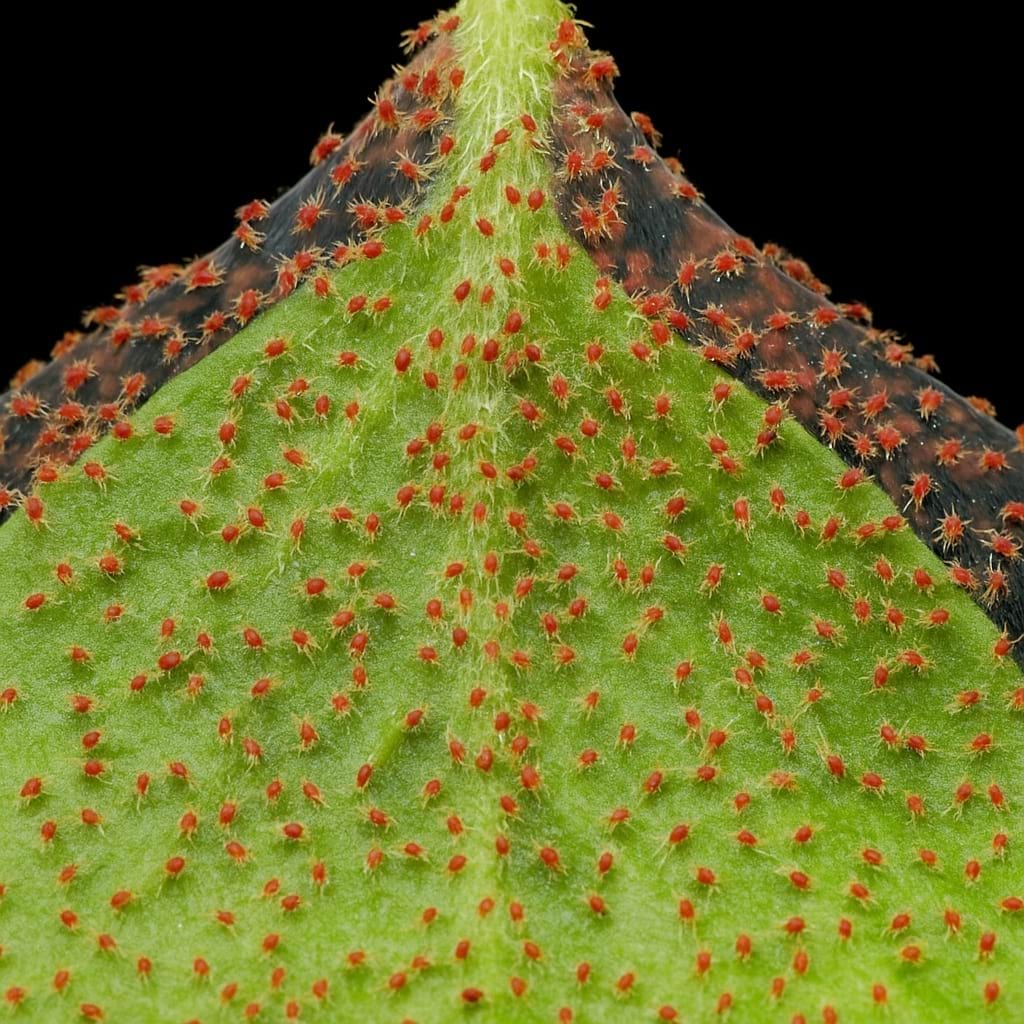
- Spider mites are the most common problem in dry rooms.
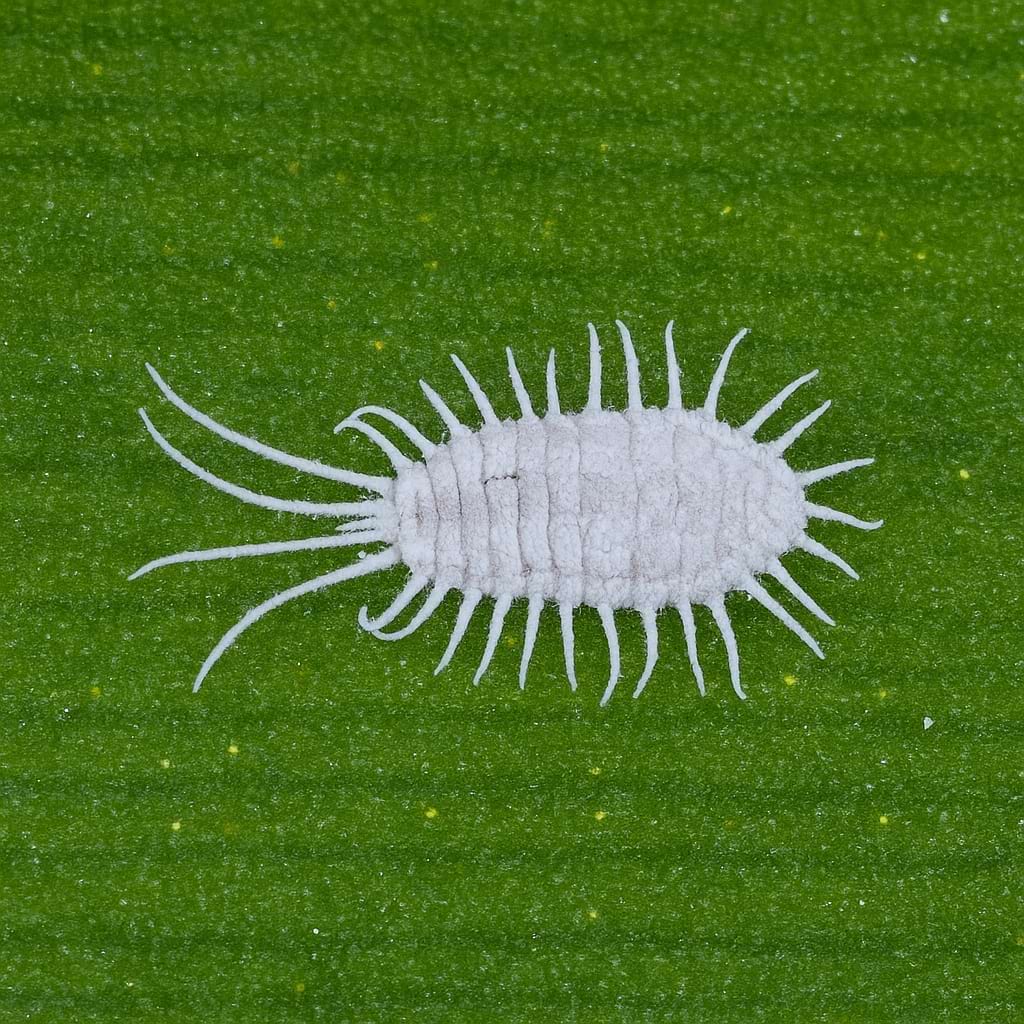
- Mealybugs collect in the branch forks and along the stems.
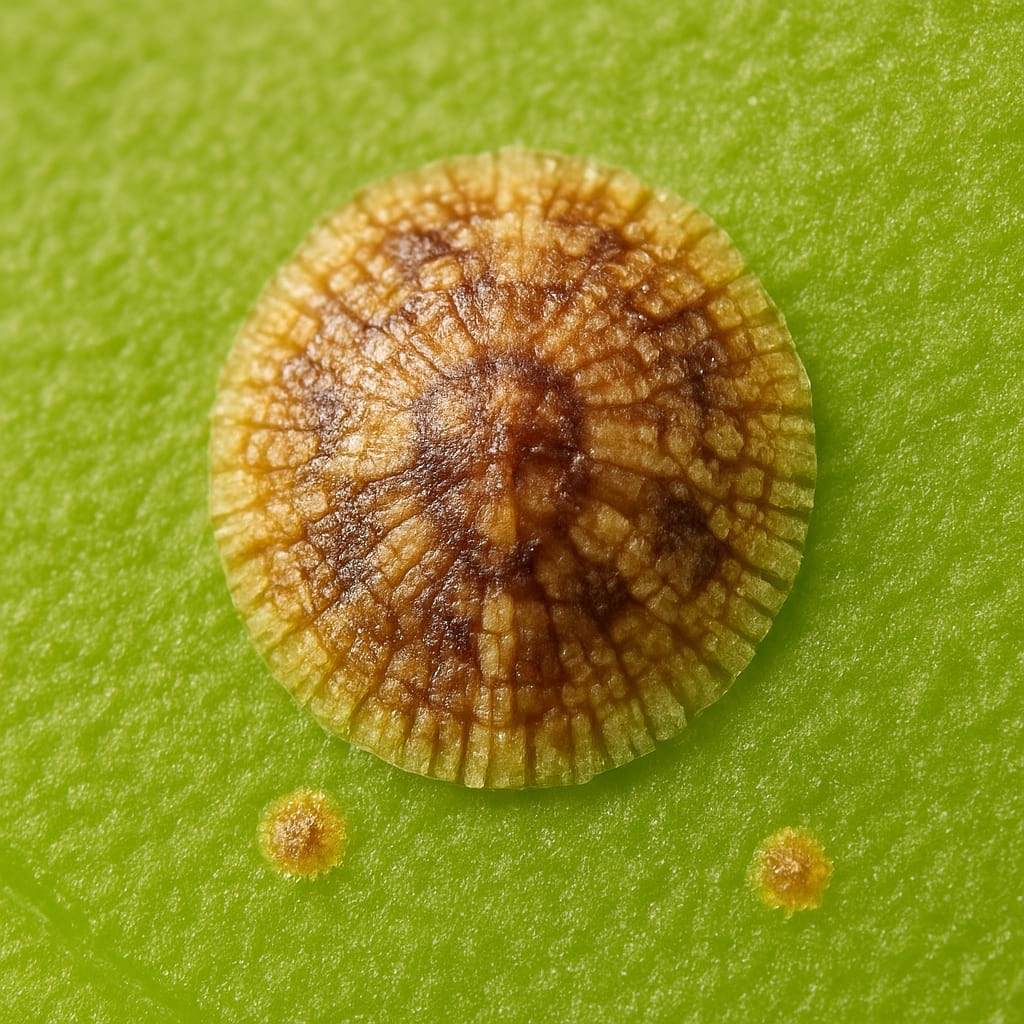
- Scale insects hide on woody growth.
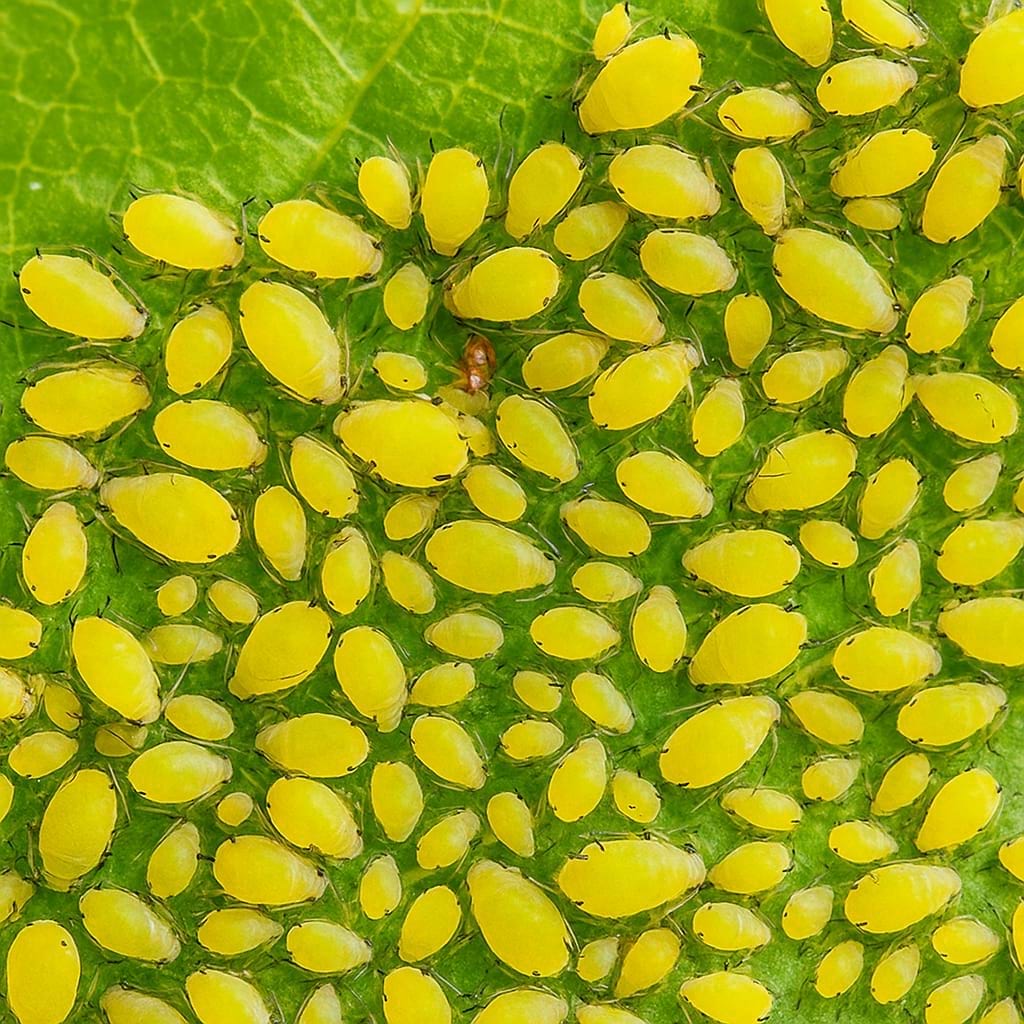
- Aphids may target fresh tips and new leaf clusters.
How to Treat Ming Aralia Pests
Isolate the plant, inspect the stems closely, and treat early. A careful rinse can remove a lot of pests before you need to reach for stronger treatment. Because the plant has so many small leaflets, do not assume it is clean after a quick glance.
If the plant is already stressed, treat the environment first as well. Better light, steadier moisture, and higher humidity make the plant less attractive to mites and help it recover faster after treatment.
🩺 Ming Aralia Problems and Diseases
Ming Aralia Troubleshooting
- Leaf drop: Usually stress from drafts, relocation, or watering inconsistency.
- Yellowing leaves: Often overwatering or poor drainage.
- Brown crispy edges: Dry air or underwatering.
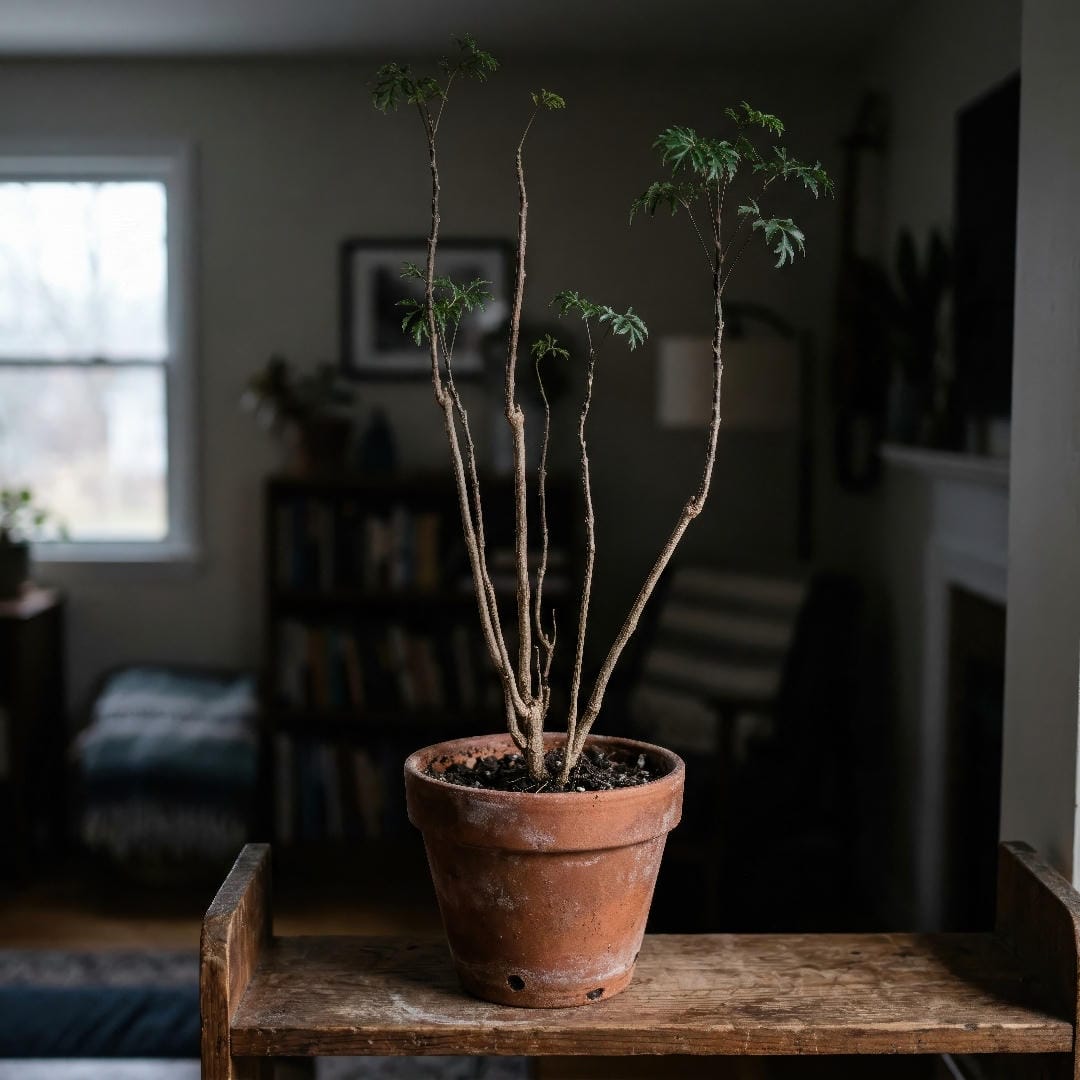
- Leggy growth: Not enough light to support compact growth.
- Pale faded leaves: Too much sun or a nutritional gap.
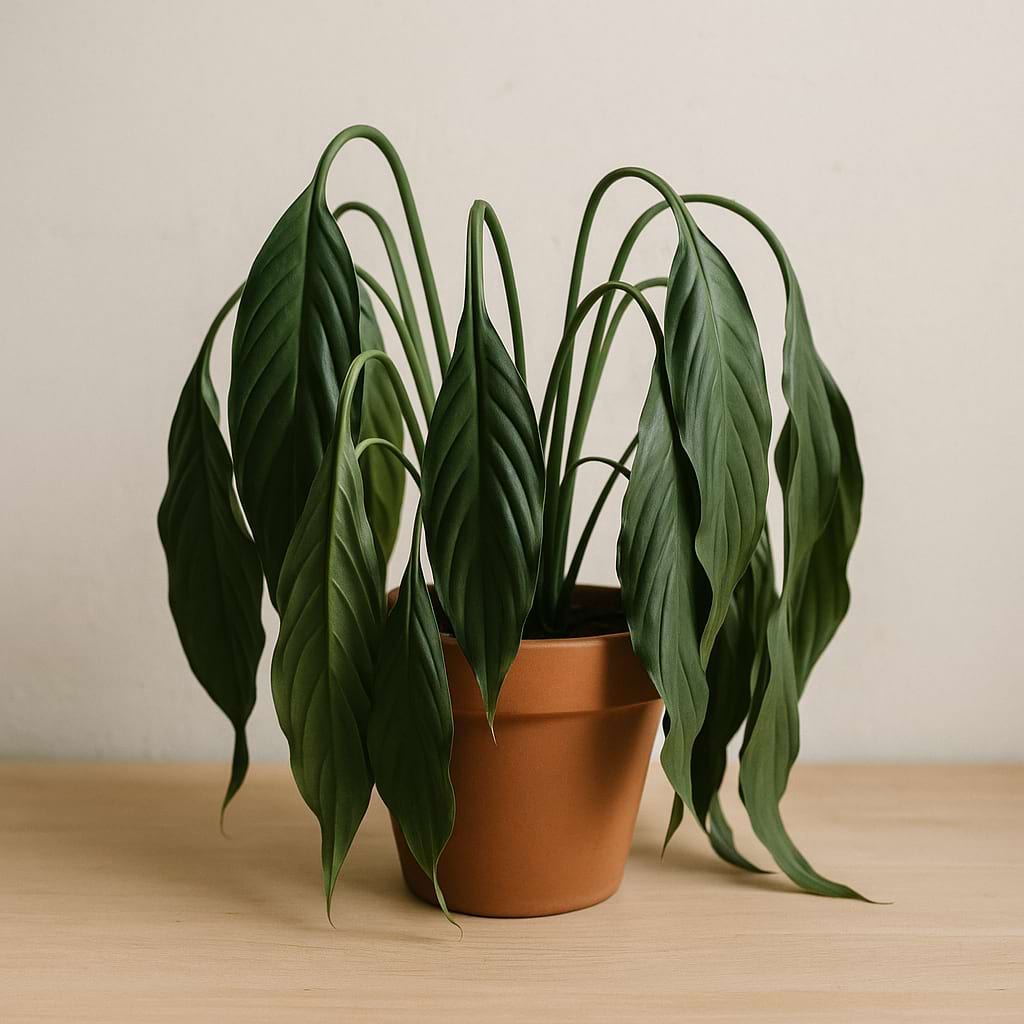
- Wilting drooping: Either the soil is too dry or the roots are too wet to function.
When more than one symptom shows up at once, work from the roots outward. A plant that is both yellowing and dropping leaves usually has a watering or drainage issue before it has a feeding problem.
Ming Aralia Root Problems
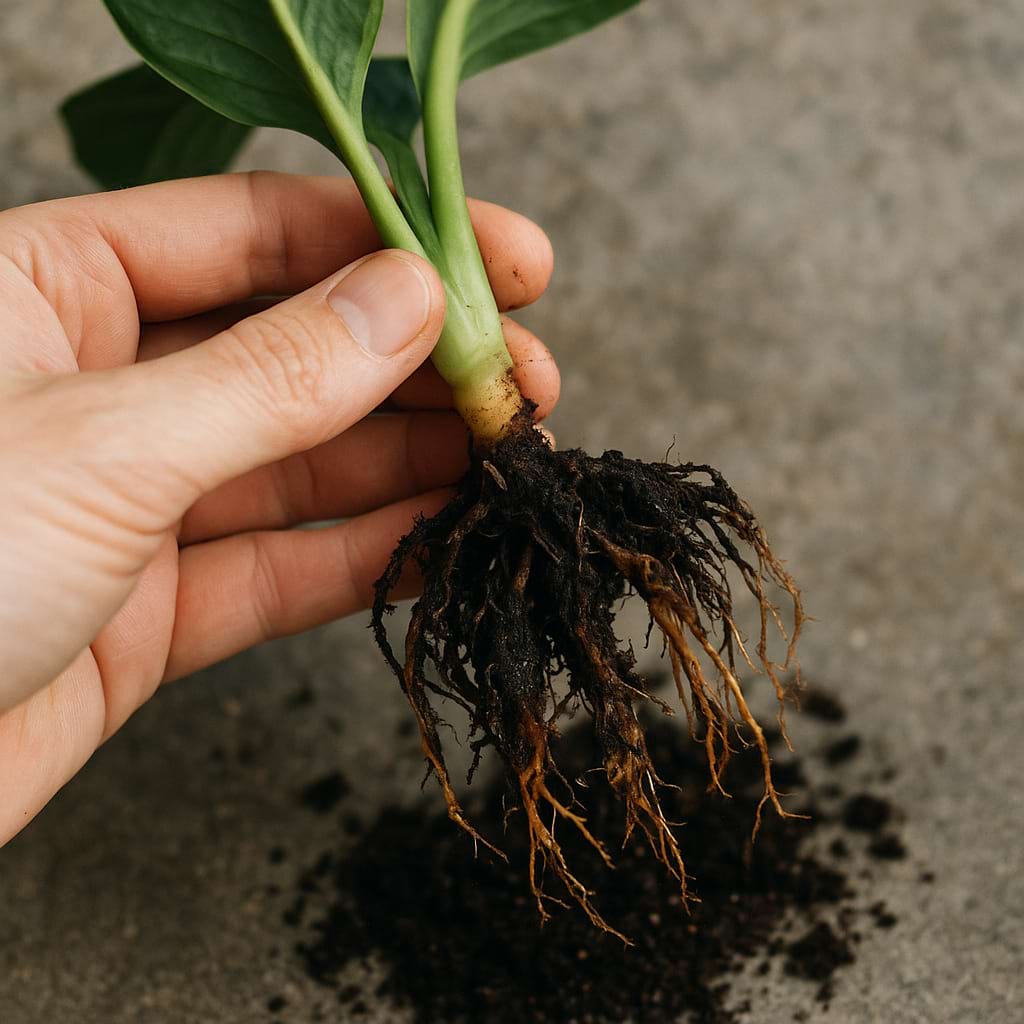
If the pot stays wet and the plant keeps declining, check for root rot. Trim away damaged roots, refresh the mix, and back off watering until the plant starts to recover.
Ming Aralia can also decline if the root ball has become too dry and compacted. In that case, a thorough rewetting may help, but do it gradually so the soil can absorb moisture instead of channeling it straight through the pot.

🖼️ Ming Aralia Display Ideas
Where Ming Aralia Looks Best
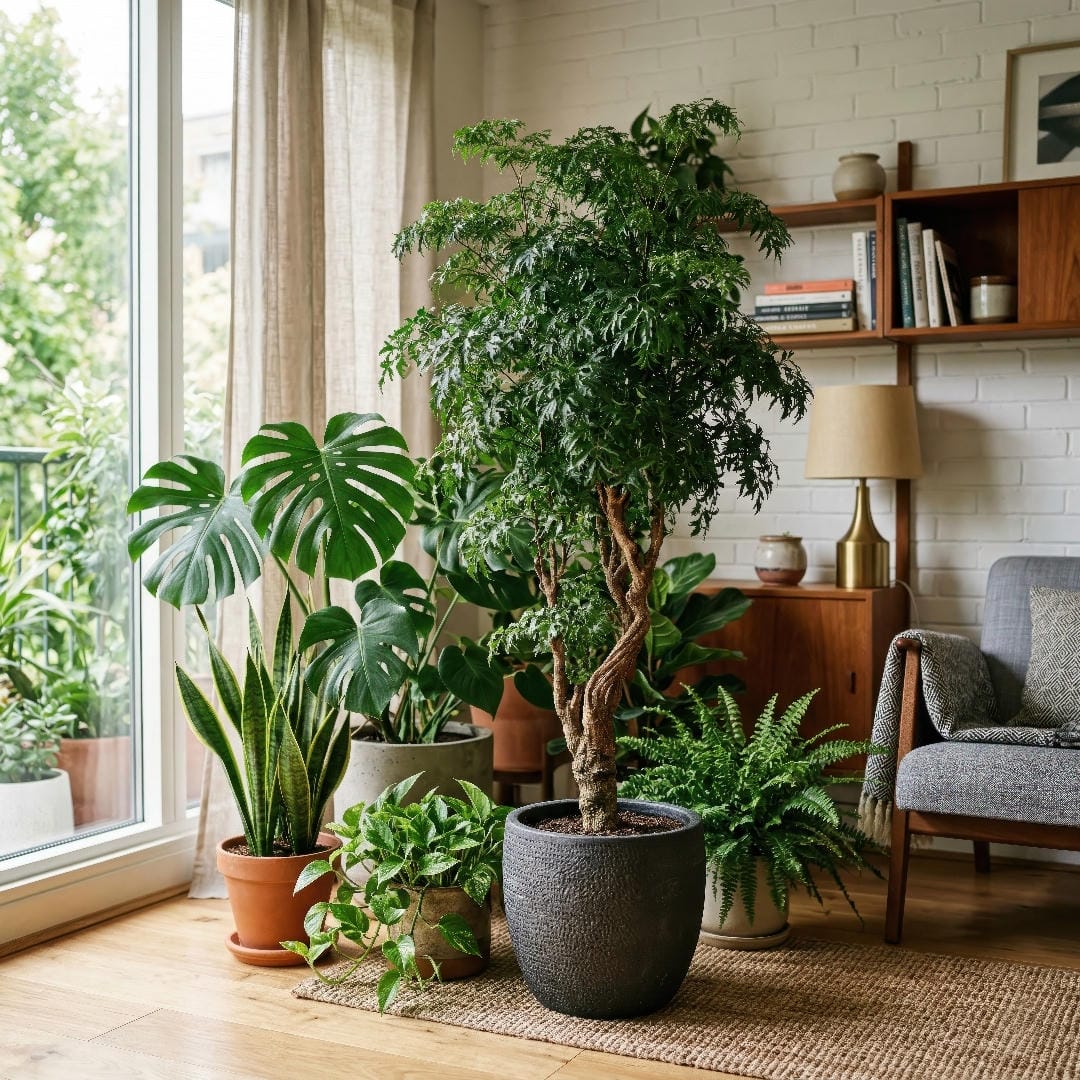
Ming Aralia looks especially good where its detail can be seen at close range. Bright office corners, living room accents, and paired tropical groupings all work well. It also makes a strong companion to other finely textured plants because the leaf shape is so different from the usual broad tropical foliage.
Try it with False Aralia or Umbrella Plant if you want a layered indoor jungle with distinct leaf structures.
It also works well in a slightly elevated planter that keeps the tiers visible. That can make the plant feel more deliberate in a room where eye-level detail matters. If the lower stems are a little sparse, the extra height makes the structure look intentional rather than tired.
How to Style Ming Aralia in a Room
Ming Aralia looks best when it has room to read as a fine pattern, not just as another green mass. Leave space around the crown so the leaf clusters can stand out. Crowding it too tightly against a wall makes the texture disappear.
Choose a pot with a simple silhouette and let the foliage carry the detail. Clean lines and matte finishes usually work better than ornate containers because they keep the plant's structure in focus.
If you want a more polished look, keep companion plants a step lower or broader so Ming Aralia stays the visual point of precision in the grouping.
🌟 Ming Aralia Care Tips (Pro Advice)
✅ Keep the light bright and filtered. Ming Aralia goes sparse fast when the room is too dim.
✅ Water consistently, but never let the pot sit soggy. Root rot moves quickly on this plant.
✅ Prune lightly and often. That keeps the canopy tight and prevents bare lower stems.
✅ Raise humidity in winter. Dry air is one of the fastest ways to make the leaflets look rough.
✅ Rotate the pot. Even lighting helps the plant keep a balanced shape.
✅ Dust the foliage. Tiny leaflets collect dust fast and lose their clean look.
✅ Repot only when needed. This plant prefers stability over frequent disturbance.
✅ If the plant drops leaves, check the room changes first before you assume the soil is the problem.
✅ Avoid dramatic moves between rooms. Ming Aralia often reacts to relocation before it reacts to anything else.
✅ Keep the root zone evenly moist but never soggy. It is easier to recover from slight dryness than from a collapsed root system.
✅ Prune at the tips to keep the plant full. Once the lower stems go bare, it takes much longer to rebuild the canopy.
✅ In winter, prioritize humidity and bright light over feeding. The plant will use those supports more effectively.
✅ When propagating, choose a healthy stem with active growth and be patient with the timeline.
✅ Pick the most balanced plant in the batch, not just the tallest one. The starting shape matters a lot on this species.
🍂 Ming Aralia Seasonal Care and Acclimation
Ming Aralia in Spring and Summer
Spring and summer are the growth seasons for Ming Aralia. This is when brighter light, monthly feeding, and slightly more regular watering support the tightest foliage. If the plant has thinned out over winter, this is the best time to rebuild the canopy.
These warmer months are also the safest window for pruning, repotting, and propagation. The plant can recover from stress more quickly when the light is strong and the room temperature is stable.
Ming Aralia in Fall and Winter
When daylight drops, Ming Aralia slows down and needs less water. Keep it in the brightest filtered spot you can manage and back away from the watering can if the soil is still holding moisture.
Winter is when dry air and cold drafts cause the most leaf loss. If the plant looks unhappy during this season, check placement and humidity before you change the soil or add more fertilizer.
Acclimating Ming Aralia to a New Room
Ming Aralia often drops a few leaves when it is first moved, especially if it came from a greenhouse or a very humid shop. That does not always mean the plant is failing. It often means the plant is adjusting to a new light and moisture pattern.
Keep the changes minimal for the first few weeks. Stable light, steady moisture, and no unnecessary repotting give the plant the best chance to settle without losing its shape.
❓ Frequently Asked Questions
Is Ming Aralia toxic to pets?
Yes. Ming Aralia is considered toxic to cats, dogs, and humans if ingested.
Why does Ming Aralia drop leaves so easily?
Leaf drop usually means the plant is stressed by moving, drafts, watering swings, or low light. Ming Aralia likes consistency more than dramatic intervention.
How much light does Ming Aralia need?
Bright, indirect light is ideal. It can handle a little gentle sun, but harsh direct light can scorch the foliage.
Can Ming Aralia grow in low light?
It may survive for a while, but it will stretch, thin out, and lose the tight layered shape that makes it attractive.
What is the difference between Ming Aralia and False Aralia?
Ming Aralia has finer, more feathery foliage and a more sculptural habit. False Aralia has broader, flatter leaflets and a more open, layered canopy.
How often should I water Ming Aralia?
Water when the top 1-2 inches of soil are dry, then drain the pot fully. The plant does not like to stay soggy, but it also dislikes drying out completely for long.
Why are the new leaves on my Ming Aralia pale?
Pale growth can happen when the plant is getting too much direct sun or not enough nutrients. Shift it to filtered light and feed lightly in the growing season.
Can I prune Ming Aralia hard?
Yes, but it is better to prune in stages. Regular pinching and light trimming usually keep the plant fuller than one large cut.
ℹ️ Ming Aralia Info
Care and Maintenance
🪴 Soil Type and pH: Rich, airy houseplant mix
💧 Humidity and Misting: Moderate to high humidity helps the leaflets stay full and clean.
✂️ Pruning: Pinch and trim regularly to keep the plant bushy and prevent bare stems.
🧼 Cleaning: Dust the fine foliage with a soft brush or rinse gently in a shower.
🌱 Repotting: Every 2-3 years, or when the root ball starts to crowd the pot.
🔄 Repotting Frequency: Every 2-3 years
❄️ Seasonal Changes in Care: Use a little less water in winter and keep the plant in its brightest indoor spot.
Growing Characteristics
💥 Growth Speed: Slow to moderate
🔄 Life Cycle: Perennial
💥 Bloom Time: Rarely blooms indoors
🌡️ Hardiness Zones: 10-12
🗺️ Native Area: Pacific Islands and Southeast Asia
🚘 Hibernation: No true dormancy, but growth slows in cooler months
Propagation and Health
📍 Suitable Locations: Bright living rooms, offices, sunrooms, and protected corners with filtered light
🪴 Propagation Methods: Best from stem cuttings or air layering on mature growth.
🐛 Common Pests: Spider Mites, Mealybugs, Scale Insects, Aphids
🦠 Possible Diseases: Root rot, leaf drop, and leaf scorch from stress
Plant Details
🌿 Plant Type: Indoor tree
🍃 Foliage Type: Evergreen
🎨 Color of Leaves: Deep green, sometimes with bronze new growth
🌸 Flower Color: Small, inconspicuous greenish-white flowers
🌼 Blooming: Rarely blooms indoors
🍽️ Edibility: Not edible.
📏 Mature Size: 3-6 feet indoors
Additional Info
🌻 General Benefits: Creates a refined tropical look, adds vertical structure, and works well as a textural accent plant.
💊 Medical Properties: None known.
🧿 Feng Shui: Its upward, feathered form is often associated with steady growth and flexibility.
⭐ Zodiac Sign Compatibility: Libra
🌈 Symbolism or Folklore: Refinement, calm structure, and resilience.
📝 Interesting Facts: Ming Aralia is one of the most recognizable aralias because of its lacy, parsley-like leaves and tiered branching. The plant can hold a very sculptural silhouette indoors if it gets enough light and regular pruning.
Buying and Usage
🛒 What to Look for When Buying: Choose a plant with many healthy leaflets, a full crown, and no sticky residue on the stems. Avoid plants that are already sparse or dropping lower leaves.
🪴 Other Uses: A strong specimen plant for homes, offices, and protected indoor atriums.
Decoration and Styling
🖼️ Display Ideas: Decorative floor pots, bright office corners, console tables, and grouped tropical corners.
🧵 Styling Tips: Pairs especially well with False Aralia, Umbrella Plant, and other finely textured tropical foliage plants.
🪴 See also 🪴
Complete Guide to Japanese Aralia Care and Growth