
Gardenia
Gardenia jasminoides
Cape Jasmine, Cape Jessamine, Common Gardenia


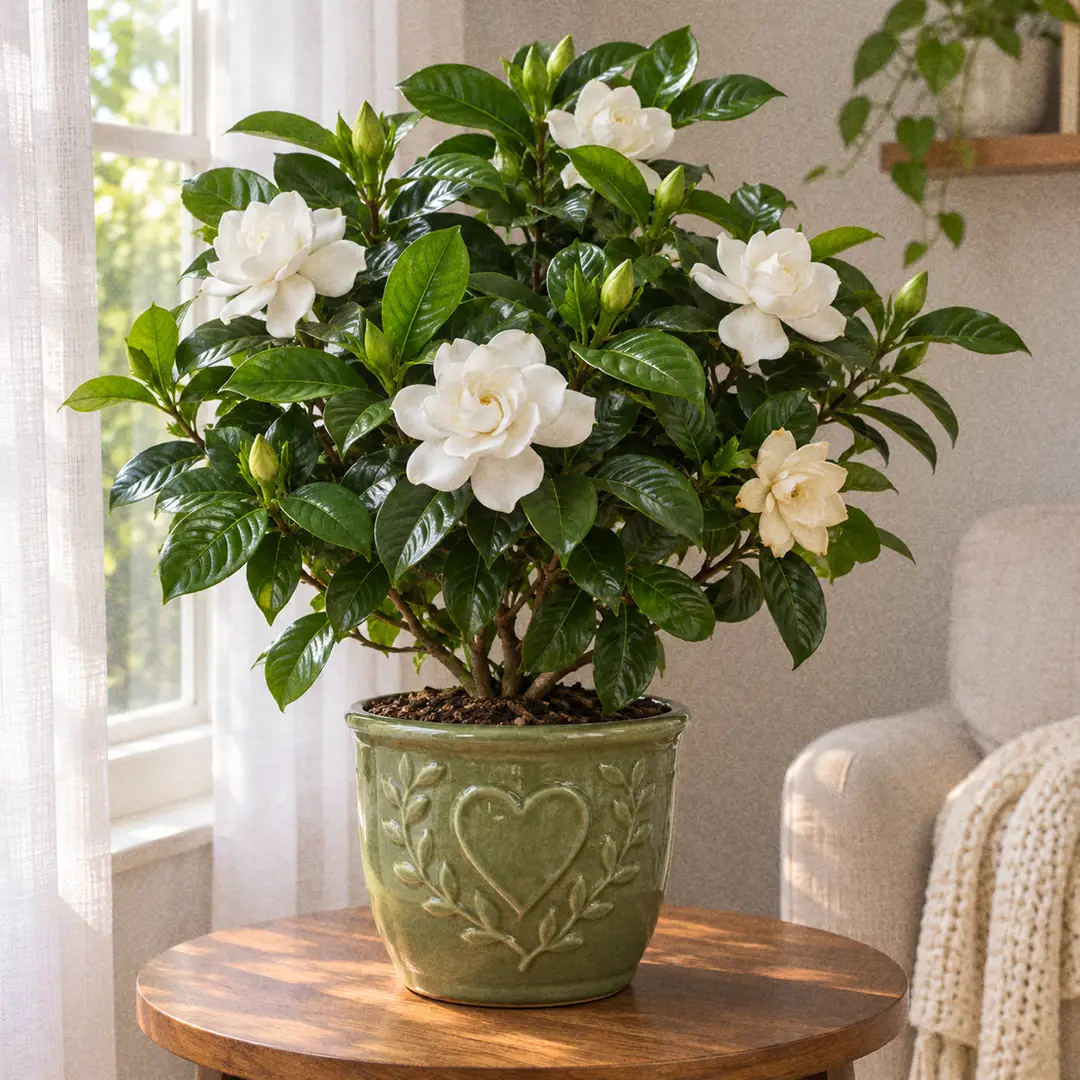
Gardenia is the indoor shrub with glossy dark leaves and white flowers you can smell from across the room, and it has a reputation for dropping its buds. Learn the light, cool nights, acidic soil, and steady watering that keep a gardenia green and blooming indoors.
📝 Gardenia Care Notes
🌿 Care Instructions
⚠️ Common Pests
📊 Growth Information
🪴 In This Guide 🪴

☀️ Gardenia Light Requirements (Bright Light, Some Sun)
The Sweet Spot
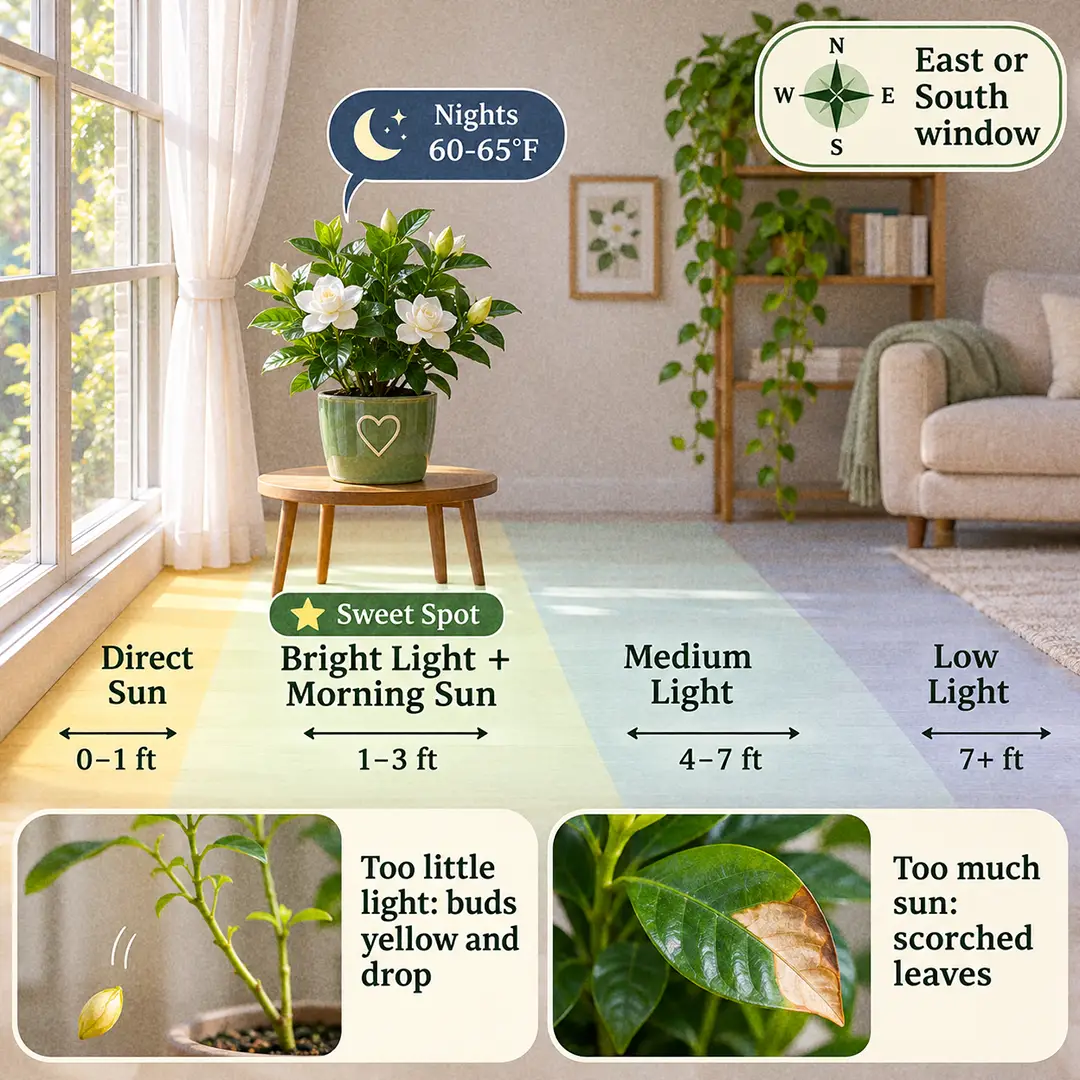
Gardenia needs more light than most flowering houseplants. Think bright all day, with a few hours of gentle direct sun. An east-facing window is the easiest spot: morning sun, then bright light for the rest of the day. A south window works well too, especially in winter, when the sun is low and weak.
Light is the fuel for buds. A gardenia in a dim corner can stay green for months and still never flower, and if it already has buds when you bring it home, low light is one of the classic reasons it drops them.
Seasonal Light Shifts
In winter, put it as close to your brightest window as you can, since short days are when most indoor gardenias run low on light. Chicago Botanic Garden suggests bright light plus a little direct sun at that time of year. In summer, pull it back a little or add a sheer curtain on a south or west window, because hot midday sun through glass can scorch the leaves. If your home is dark in winter, a grow light for 10 to 12 hours a day fills the gap.
Too Little or Too Much Light
Too little light shows up as long gaps between leaves, pale new growth, few or no buds, and buds that yellow and fall. Too much harsh sun shows up as bleached or brown patches on the leaves facing the glass. Our Indoor Lighting Guide helps if you are still learning to judge a window by eye.
💧 Gardenia Watering Guide (Evenly Moist)
Watering Frequency
Gardenia wants soil that stays evenly moist, a bit like a wrung-out sponge. Water when the top half inch feels dry to your finger. In a bright spring or summer window that can mean every 3 to 5 days in a small pot. In a cool winter room it might be once a week or less. Check the soil instead of following a calendar.
The pattern matters more than the amount. A gardenia that dries out completely, then gets flooded, then dries out again is the one that drops its buds. Steady is the goal.
How to Water a Gardenia
Water slowly at the soil surface until it runs from the drainage hole, then empty the saucer after 15 minutes. Keep water off open flowers, which spot and brown easily. Room-temperature water is kinder than cold water straight from the tap, since a chill at the roots can stress the plant. If you struggle to get water into a dense root ball, bottom watering for 20 minutes soaks it evenly.
Water Quality and Alkaline Tap Water
This is the part most guides skip. Hard tap water carries dissolved minerals, mainly calcium carbonate, that slowly push soil pH up. Over months, a gardenia watered only with hard water ends up in soil too alkaline for it to take up iron, and the new leaves turn yellow. Rainwater, distilled water, or filtered water avoids the problem. If you only have hard tap water, plan on an acid fertilizer and repotting into fresh mix more often. Our post on tap water vs filtered water covers the options.
🪴 Best Soil for Gardenia (Acidic and Well-Drained)
What Gardenia Soil Needs
Gardenia is an acid-loving shrub. Clemson and NC State extension both put its preferred pH below 6.0, and the University of Florida gives a range of 5.0 to 6.5. In soil that is too alkaline, the roots cannot absorb iron even when it is present, which is why soil choice and yellow leaves are so tightly linked.
The mix also needs to hold moisture and still drain freely. Roots that sit in soggy, airless soil rot, and that looks a lot like underwatering at first.
DIY Gardenia Soil Mix
A simple recipe that works:
- 2 parts peat-based potting mix
- 1 part fine pine bark
- 1 part perlite
Peat and pine bark are both naturally acidic, and the bark and perlite keep air in the mix. A bagged mix sold for azaleas, camellias, or other acid-loving plants is a fine shortcut. Avoid garden soil, and do not add lime or wood ash.
Keeping the pH Low Over Time
Potting mix drifts toward neutral as peat breaks down and tap water adds minerals. Feeding with an acid-forming fertilizer during the growing season and refreshing the mix every two or three years keeps it in range. A cheap pH test kit takes the guessing out of it. See our soil guide for the basics of mix ingredients.
🍼 Fertilizing Gardenia (Acid Feed, Spring to Summer)
When and How Often
Feed about once a month from spring through summer while the plant is growing, as Chicago Botanic Garden recommends. Stop in fall and winter. Late feeding pushes soft new shoots when you want the plant to be quietly setting buds.
What to Use
Use a fertilizer labelled for acid-loving plants, the kind sold for azaleas, camellias, and rhododendrons. These are acid-forming and usually include iron, which is the micronutrient gardenias run short of first. A liquid version at half strength is easiest to control in a pot. Our fertilizer guide explains what the numbers on the label mean.
Over-Fertilizing Signs
Brown, crispy leaf edges, a white crust on the soil, and wilting in moist soil all point to too much fertilizer. Flush the pot with plain water two or three times, let it drain, and skip the next feeding. More fertilizer will not fix yellow leaves if the real issue is pH, so check that first. Read more in our fertilizing guide.
🌡️ Gardenia Temperature Range
Ideal Day and Night Temperatures
Gardenia likes days around 65 to 75°F and nights about 10 degrees cooler. Missouri Botanical Garden and Chicago Botanic Garden both give 60 to 65°F at night as the range for proper bud development. Warm nights, above about 70°F, are a well-known trigger for bud drop, even when the leaves look healthy.
Why Cool Nights Matter for Buds
This is where most indoor gardenias fail. A living room that sits at 72°F around the clock grows plenty of leaves and very few flowers. A spare bedroom, a cool sunroom, or a bright spot near (not touching) a window where the temperature dips at night often does better. Below about 60°F, buds may form badly, so colder is not better either.
Drafts and Heat Sources
Sudden swings do as much damage as the wrong average. Keep the plant away from heat vents, radiators, space heaters, air conditioners, and doors that let in cold winter air. Leaves pressed against icy glass in winter can be damaged too. Our post on keeping plants warm without overheating has more on finding a stable spot.
💦 Gardenia Humidity Requirements
Ideal Humidity for Gardenia
Aim for 50% humidity or higher. Heated homes in winter often drop to 30 to 40%, and dry air is one of the main causes of bud drop and of spider mites. A cheap hygrometer tells you where you stand.
Easy Humidity Boosters
A small humidifier nearby is the most reliable fix. A pebble tray, with the pot sitting on the pebbles and not in the water, helps a little, and grouping plants together helps a little more. Chicago Botanic Garden advises against spraying the leaves, since wet foliage invites fungal leaf spots. See boosting humidity in winter for more ideas.
🌸 Gardenia Flowers (Fragrance and Bud Drop)
What Gardenia Flowers Look Like
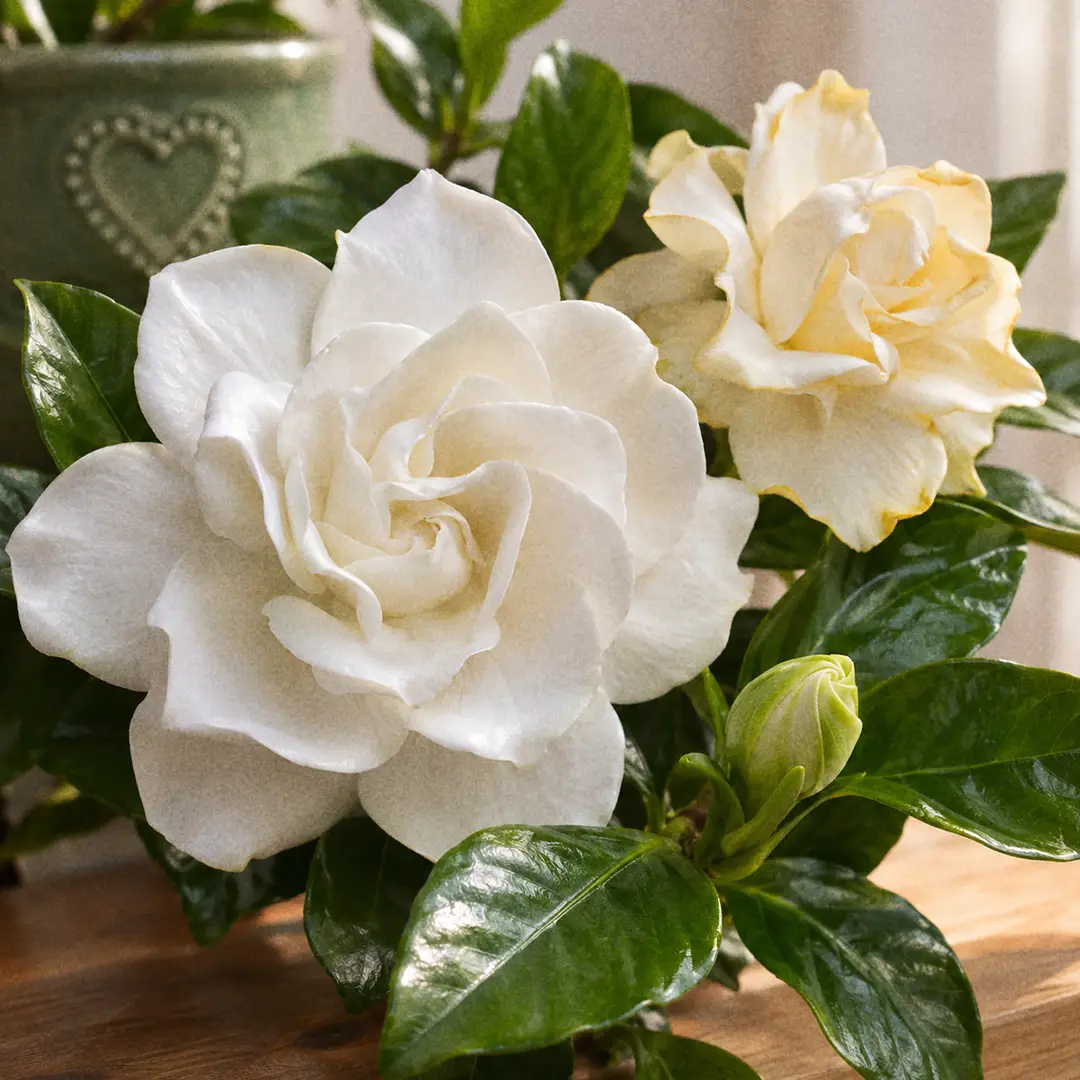
The flowers are white, waxy, and 2 to 4 inches across, either single with a neat ring of petals or double and layered like a small rose. They age from pure white to cream and then pale yellow over a few days, so it is normal to see different shades on one plant. The scent is sweet, heavy, and strongest in a warm room in the evening.
Indoors, most blooming happens from late spring into summer. Some cultivars, 'Veitchii' in particular, flower over a longer stretch.
How to Get a Gardenia to Bloom Indoors
Buds form when four things line up: bright light, nights around 60 to 65°F, steady moisture, and good feeding during the growing season. In practice, that means a bright window, a room that cools off at night, and no fertilizer after summer. Do not prune after midsummer, or you may cut off next season's buds. If yours stays green and bud-free, our guide to failure to bloom walks through the usual causes.
Why Gardenia Buds Drop
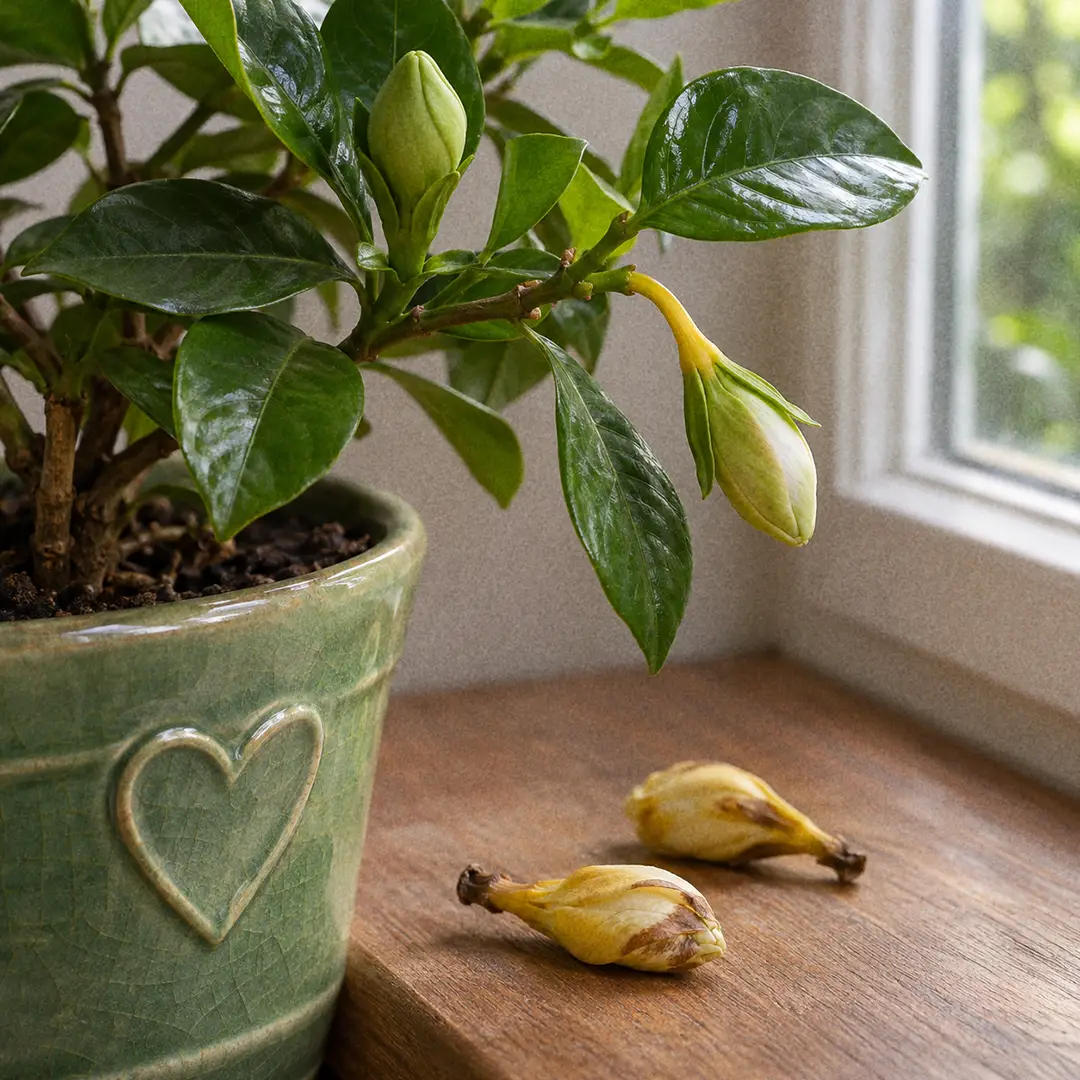
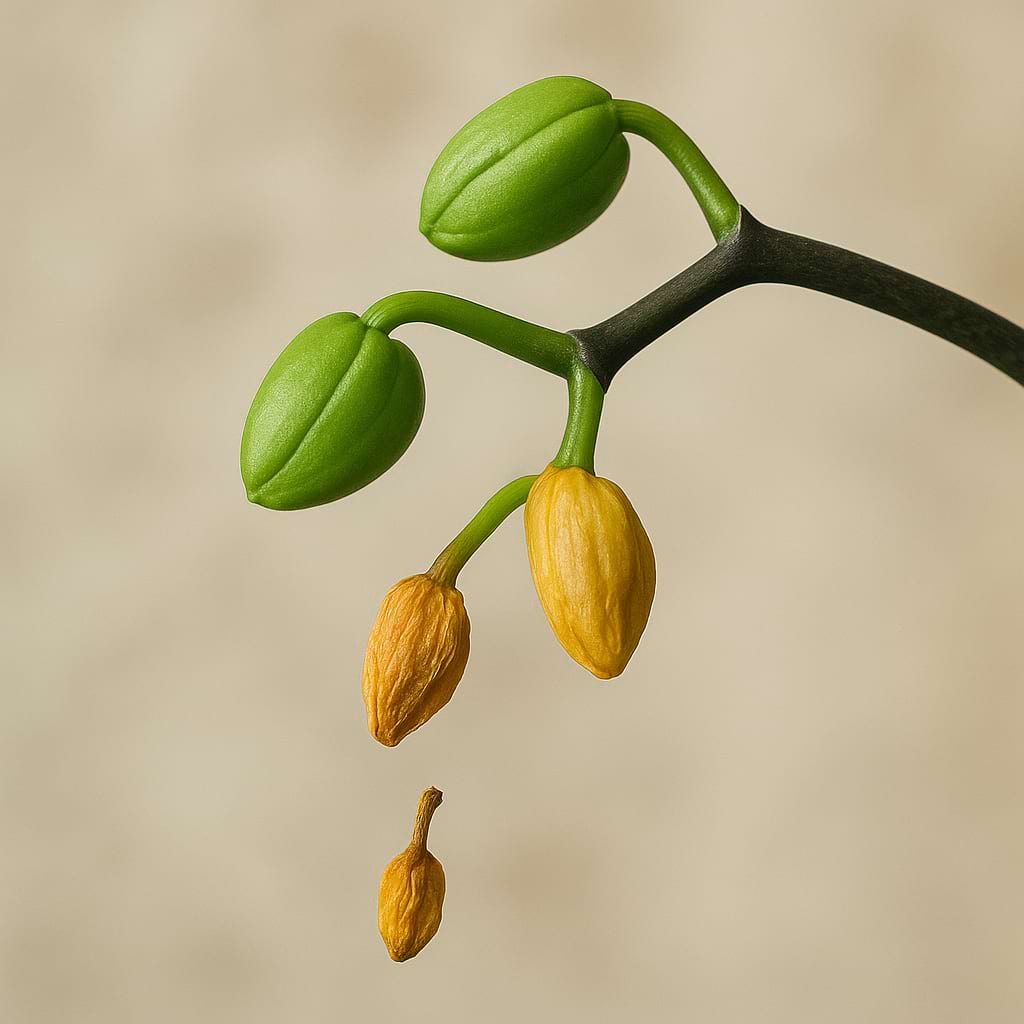
Bud blast, where buds yellow and fall before opening, is the number one gardenia complaint. Clemson lists low humidity, overwatering, underwatering, too little light, and high temperatures as causes. Moving the plant and sudden temperature changes are the other big ones, which is why a gardenia often drops buds in the first week or two after you bring it home.
Once buds form, leave the plant where it is. Do not turn it, move it to show guests, or change its watering routine. A few dropped buds after purchase is common; a plant that keeps dropping them is telling you one of the conditions above is off.
🏷️ Gardenia Types and Varieties
Gardenia 'Veitchii'
'Veitchii' is one of the oldest cultivars and a common choice for pots. It has double white flowers and, according to Clemson, a long bloom period, which makes it a good pick if you want flowers over more of the year. Outdoors it grows 4 to 6 feet tall, so indoors it needs occasional pruning to stay compact.
Gardenia 'Radicans'
'Radicans' is a dwarf form, usually 6 to 12 inches tall and spreading wider than it is tall, with small dark leaves and double flowers about an inch across. It suits a small windowsill or a shallow bowl. Clemson notes it is not very cold hardy, which matters little indoors.
Gardenia 'Belmont'
'Belmont' is sold by Logee's as a fragrant container gardenia that blooms on and off rather than in a single flush, with large white flowers. Logee's gives it a minimum temperature of 60°F, so it is a houseplant first and a garden shrub only in mild climates.
Garden Gardenias: 'Mystery', 'August Beauty' and Hardy Types
'Mystery' and 'August Beauty' are large garden shrubs, roughly 4 to 6 feet tall, with big double flowers. They will grow in a tub but need regular pruning indoors. Hardier selections like 'Kleim's Hardy' and 'Frost Proof' are bred for outdoor gardens in cooler zones. A gardenia sold as a gift plant is often unlabelled, and the care in this guide works for all of them.
🪴 Potting and Repotting Gardenia
When to Repot
Repot every two to three years in spring, or when roots circle the bottom of the pot and water runs straight through. Gardenias dislike root disturbance, so never repot a plant that is in bud. Wait until flowering is over.
Choosing a Pot
Go up only one size, about 1 to 2 inches wider than the current pot. A drainage hole is a must. Plastic or glazed ceramic holds moisture longer than terracotta, which suits a plant that likes steady moisture.
Step-by-Step Repotting
- Water the day before so the root ball holds together.
- Slide the plant out and gently loosen only the outer roots that circle the bottom.
- Set it at the same depth in fresh acidic mix, fill the sides, and firm lightly.
- Water well and keep it out of strong sun for a week.
Expect a little sulking afterwards. Hold off fertilizer for about a month. Our repotting guide has more detail.
✂️ Pruning Gardenia
When to Prune
Prune right after the main flush of flowers finishes, usually in summer. Gardenias set next season's flower buds from late summer into fall, so cutting back later than that removes the flowers you are waiting for.
How to Prune
Use clean, sharp pruners and cut just above a leaf pair or a branching point. Take out straggly, crossing, or dead stems, and shorten any long shoots that spoil the shape. Remove no more than about a third of the plant at once. Pinching soft new tips in early summer makes a bushier plant with more stems to carry flowers.
Deadheading Gardenia Flowers
Snip off faded flowers once they turn yellow-brown. It keeps the plant tidy, removes soggy petals that can rot, and gives you a reason to check the leaves for pests while you are there.
🌱 How to Propagate Gardenia
Best Method: Tip Cuttings
Gardenia roots from tip cuttings, and that is the only way to get an exact copy of your plant. The University of Florida says cuttings can be taken year-round, but rooting is usually most successful in June, July, and August. Pick healthy shoots that have firmed up a little but are not old and woody.
Step-by-Step Gardenia Cuttings
- Cut a 4 to 6 inch tip just below a leaf node.
- Strip the lower leaves, keeping two or three pairs at the top. Snip off any buds.
- Dip the cut end in rooting hormone.
- Push it into a moist mix of half peat moss and half perlite.
- Cover the pot with a clear plastic bag or dome to hold humidity.
- Keep it warm, in bright light with no direct sun.
Rooting takes about 6 to 8 weeks. A gentle tug that meets resistance means roots have formed. Move it to a small pot of acidic mix and slowly open the cover over a week or so. Our soil propagation guide covers the basics.
Tips for Success
Gardenia cuttings dislike drying out, which is why the cover matters so much. Air the bag for a few minutes every couple of days to stop mold. Air layering is another option for a long branch on an older plant.
🐛 Gardenia Pests and Treatment
Whiteflies and Sooty Mold
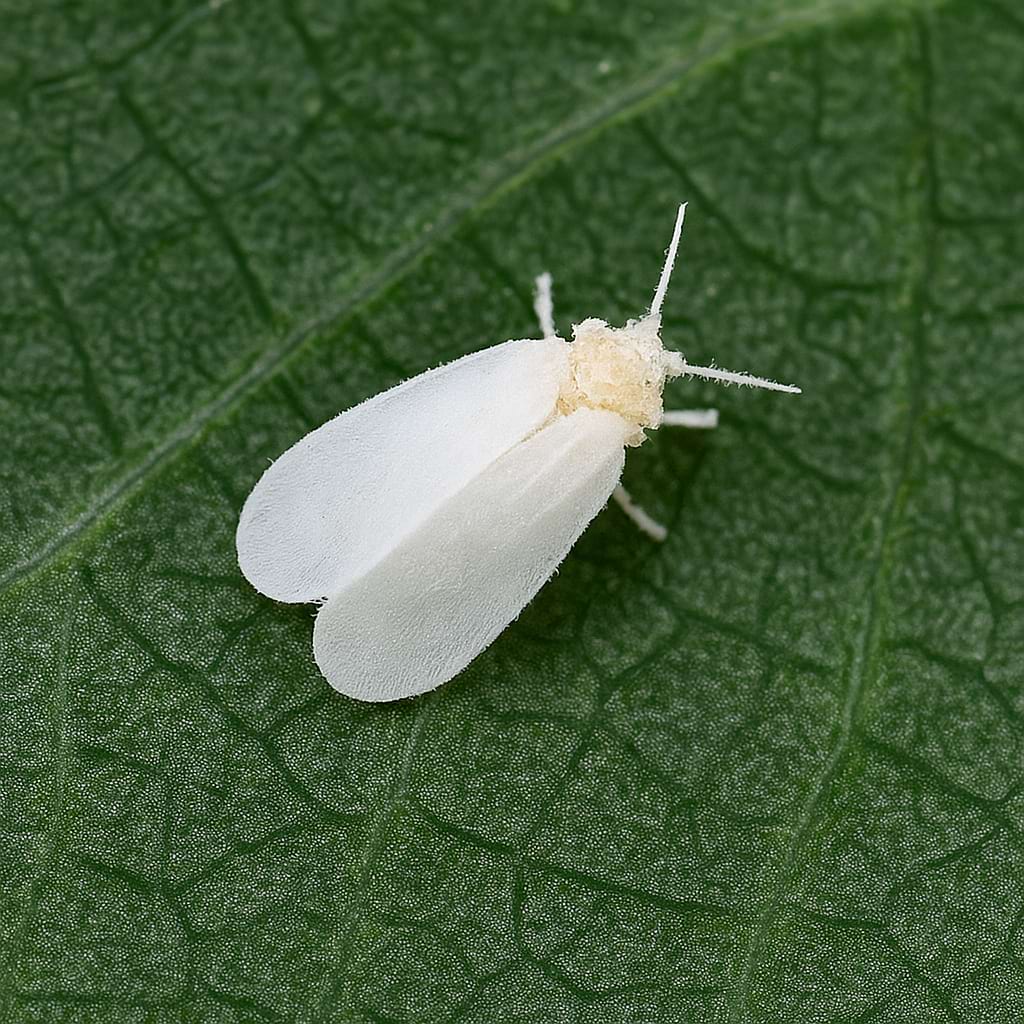
Whiteflies are the most common gardenia pest. They are tiny white insects that fly up in a cloud when you brush the plant, and they feed on leaf undersides. Their sticky honeydew grows black sooty mold on the leaves below. Spray insecticidal soap or horticultural oil on the undersides every few days until they are gone, and use yellow sticky cards to catch adults. Wipe the sooty mold off with a damp cloth once the insects are controlled.
Mealybugs, Scale and Aphids
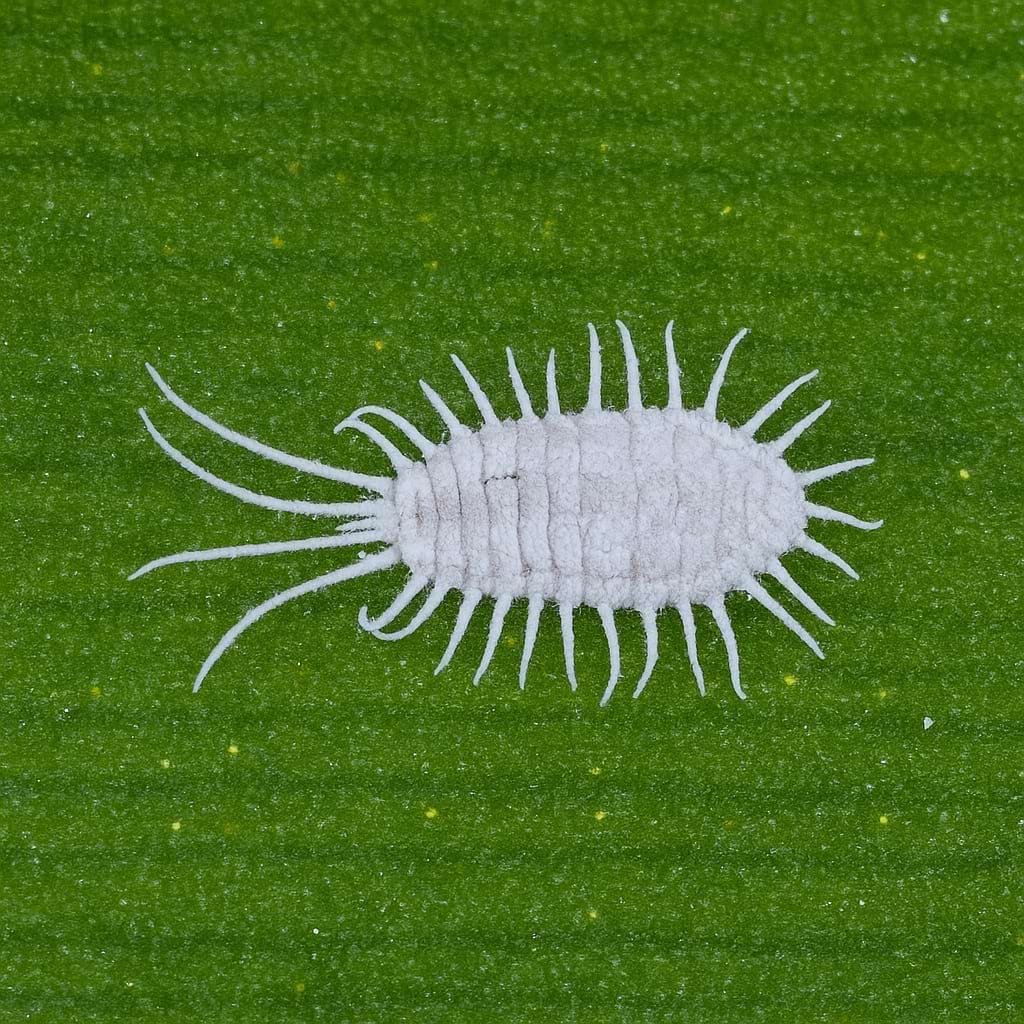
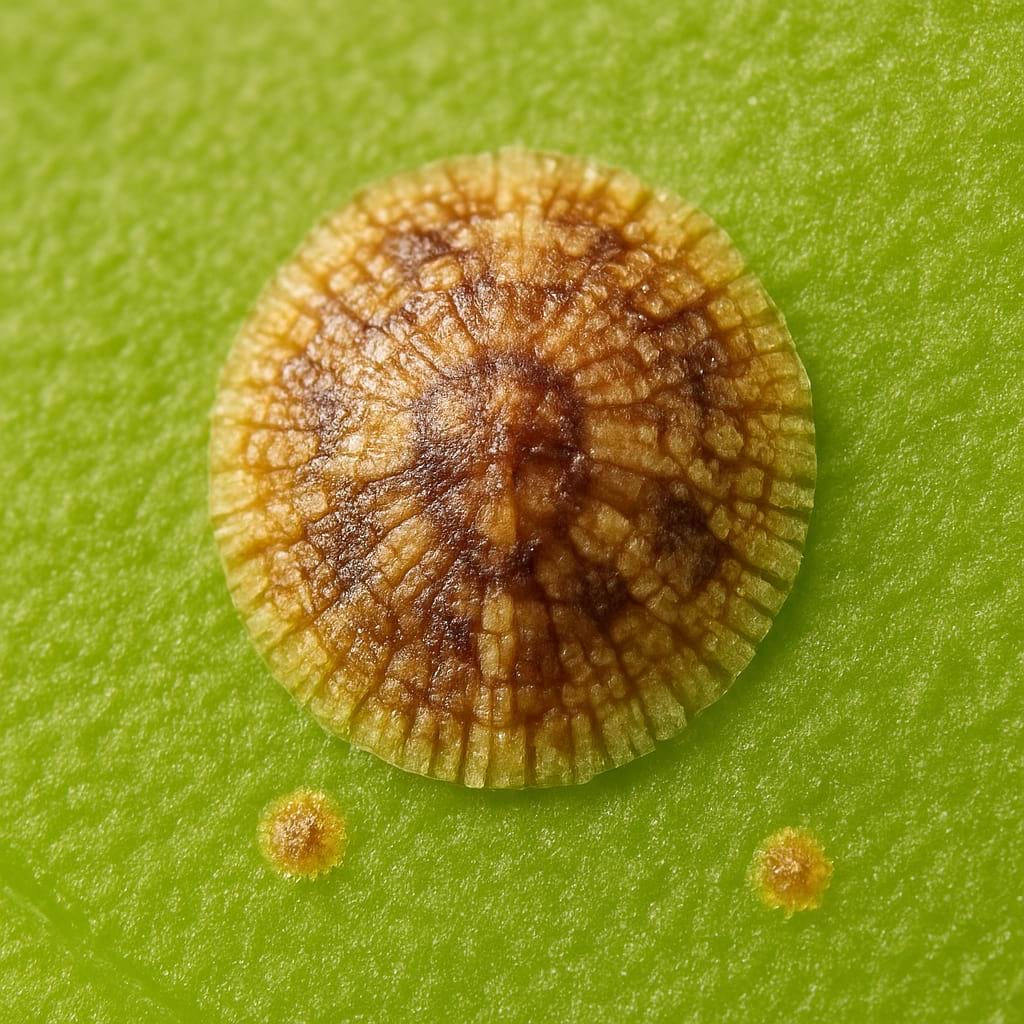
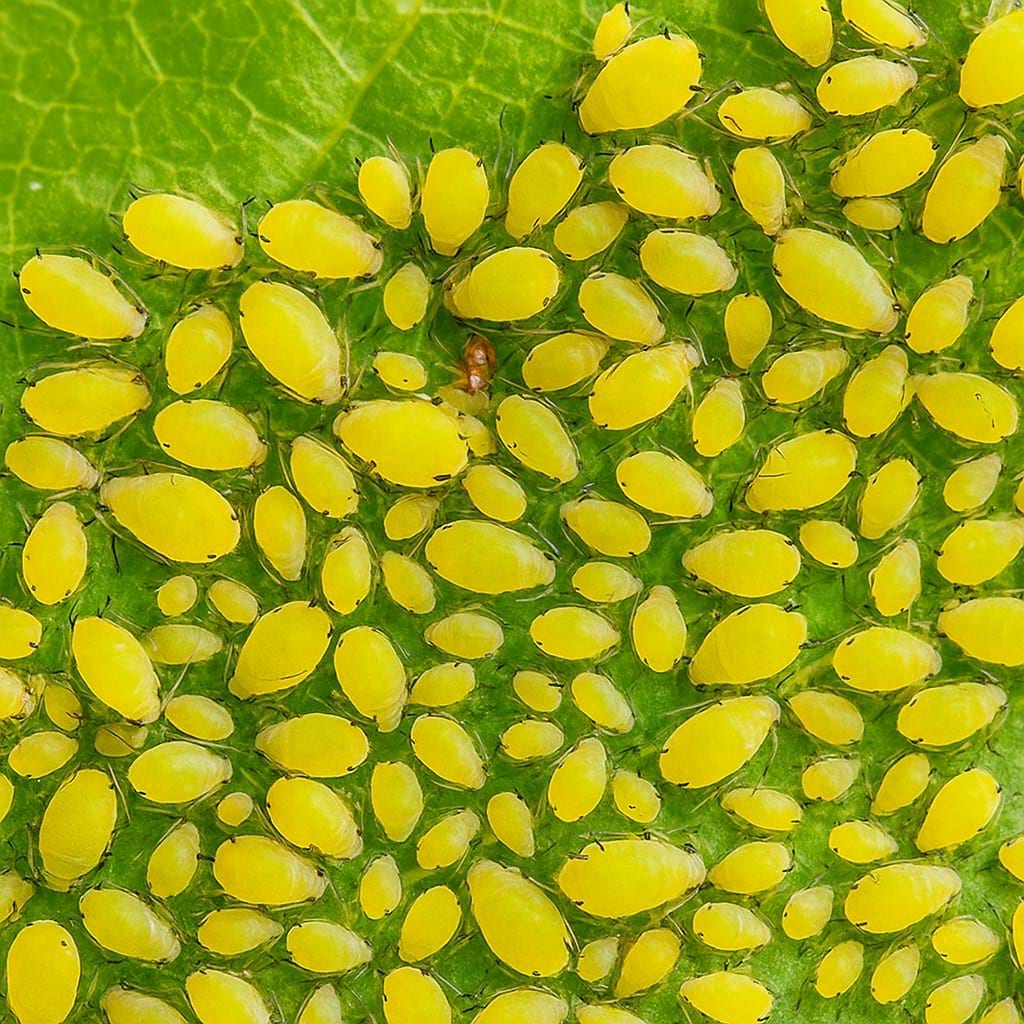
Mealybugs look like cottony white tufts in leaf joints. Scale insects look like small brown bumps on stems. Aphids cluster on soft new tips. All three leave honeydew. Dab mealybugs and scale with a cotton swab dipped in rubbing alcohol, then follow with insecticidal soap. Aphids often wash off with a firm spray of lukewarm water.
Spider Mites in Dry Winter Air
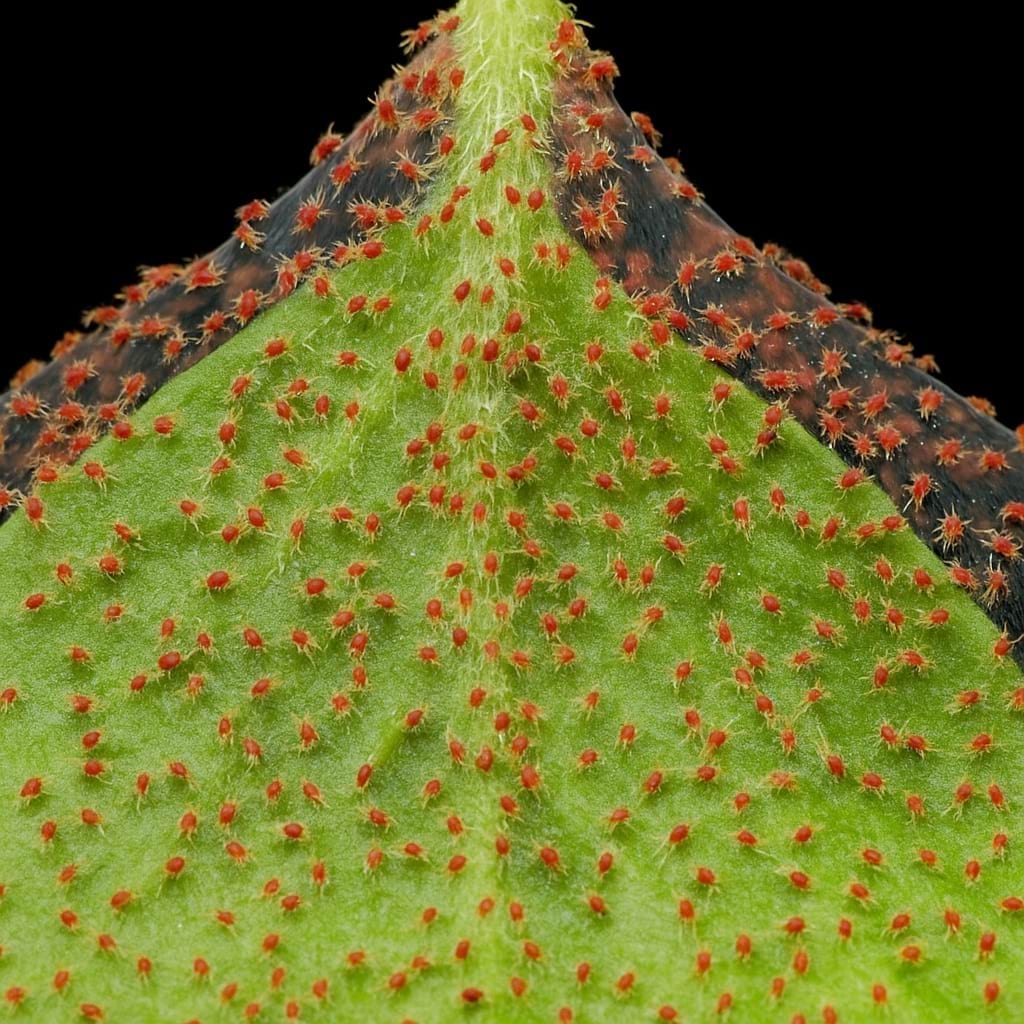
Spider mites thrive in dry, heated homes in winter. Look for fine webbing and leaves that turn speckled and dull. Rinse the plant, raise humidity, and treat with insecticidal soap or horticultural oil, repeating weekly. Read pest prevention in winter before the heating season starts.
🩺 Common Gardenia Problems
Yellow Leaves From Iron or Magnesium Deficiency
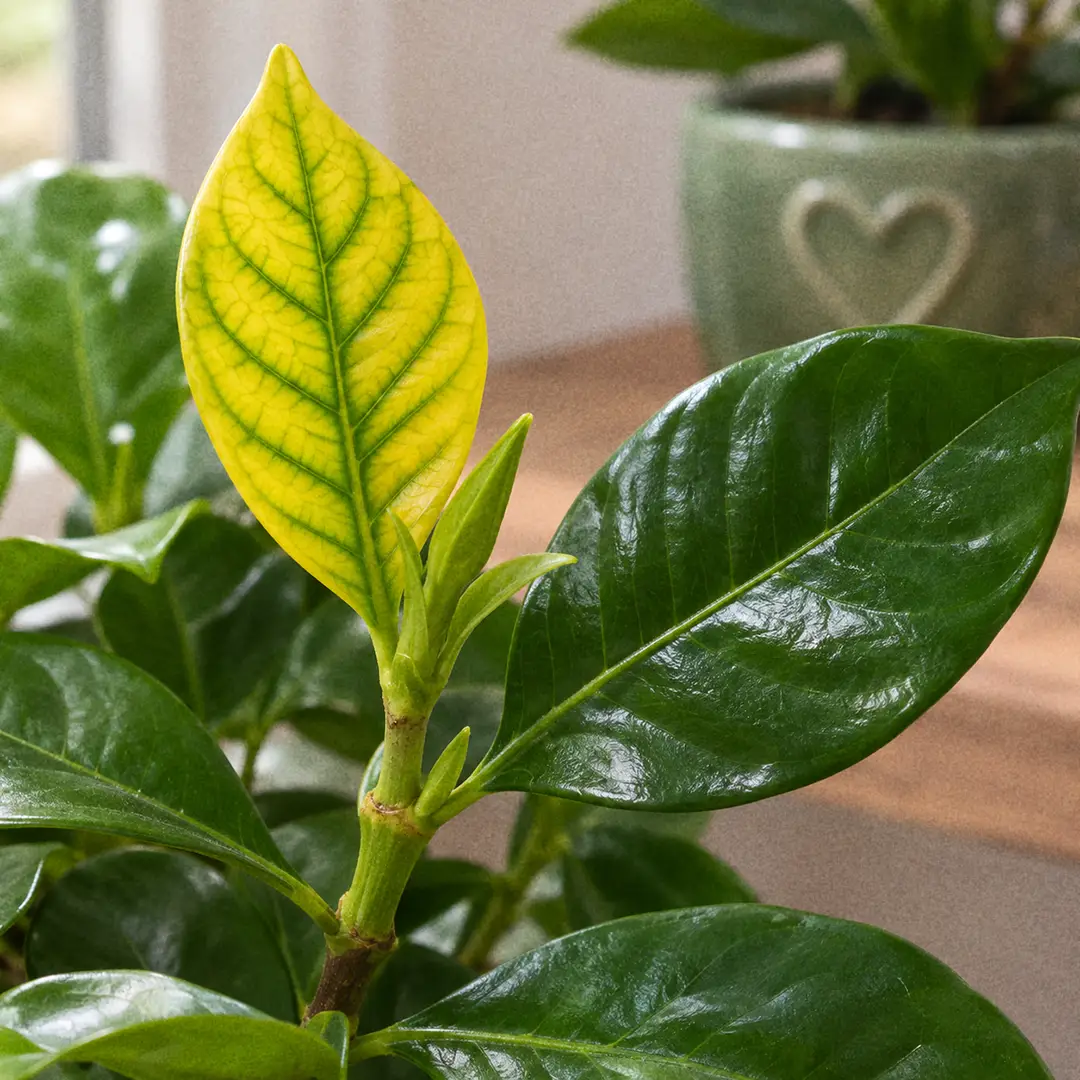
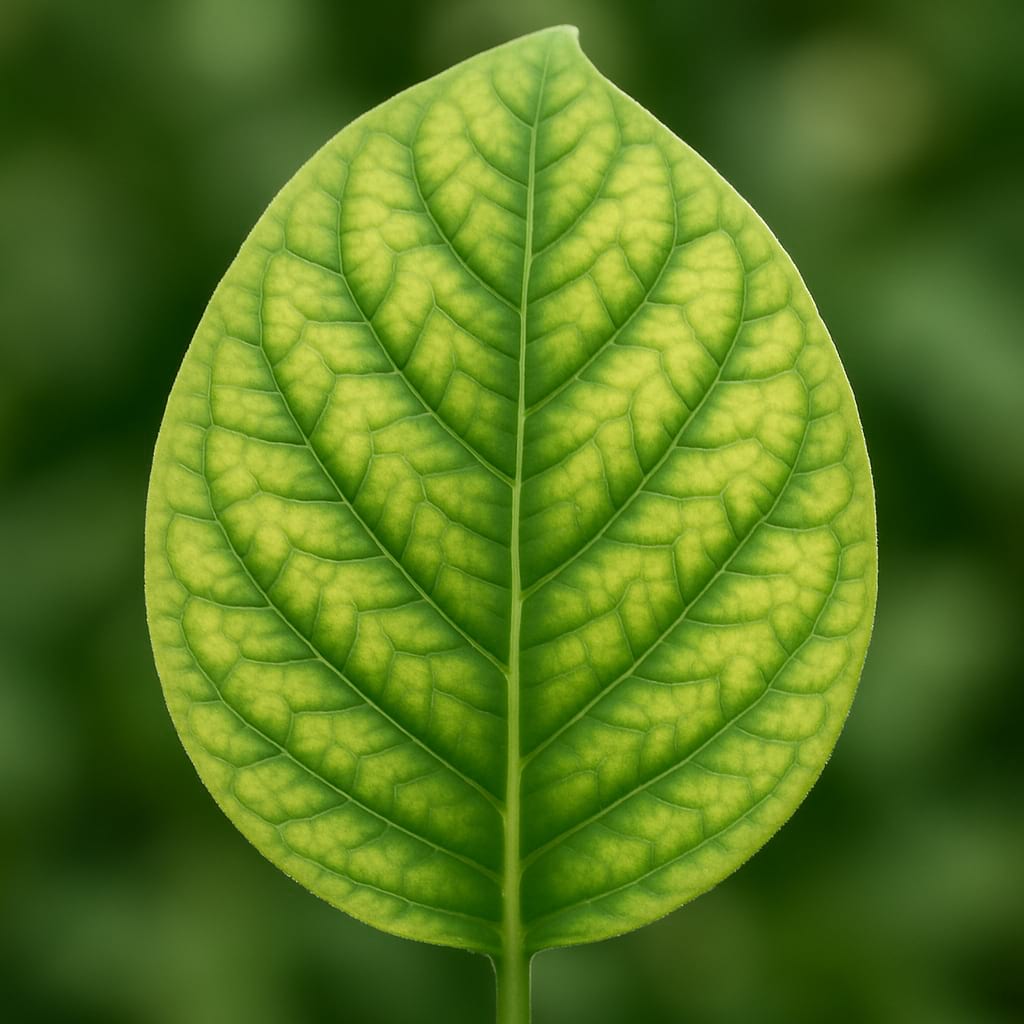
This is the classic gardenia problem. Yellow new leaves with green veins usually mean iron chlorosis. The iron is often in the soil, but the pH is too high for the roots to take it up, commonly from hard tap water or an old mix. Lower the pH with an acid fertilizer, switch to rain or filtered water, and use a chelated iron product for a quicker green-up.
Yellowing that starts on older, lower leaves points more toward magnesium shortage, since the plant moves magnesium from old leaves to new ones. A product with magnesium sulfate (Epsom salt) is the usual fix, but test the pH first. Our nutrient deficiency guide explains the patterns.
Yellow Leaves From Watering
A few old leaves yellowing and dropping now and then is normal. Many yellow leaves at once, especially with soggy soil, usually means overwatering or poor drainage. Yellow leaves plus dry, light soil means it has dried out. Our yellowing leaves guide covers the other causes.
Buds Dropping or Not Forming
Buds that fall usually trace back to warm nights, dry air, uneven watering, low light, or a recent move, all covered in the Bloom section above. A plant with no buds at all is usually short on light or kept too warm at night.
Root Rot and Leaf Drop
Wilting in wet soil, a sour smell, and mushy brown roots mean root rot. Trim the dead roots, repot into fresh mix, and water less. Sudden leaf drop with healthy roots usually follows a cold draft or a big change in conditions.

🖼️ Gardenia Display and Styling Ideas
Solo Setups
A gardenia in bloom deserves a spot where you will smell it: beside a reading chair, on a bright bedroom windowsill, or in an entryway with good light. A simple pot in a solid color lets the glossy leaves and white flowers do the work. Keep it at about table height so the flowers sit near nose level.
Grouped Arrangements
Group it with plants that like the same bright, humid, cool conditions, which also raises the humidity around all of them. Its relative the Coffee Plant has the same glossy leaves and white, sweet-scented flowers, and the two look good together. For a second scent on the same shelf, add a Hoya Carnosa, which likes the same bright light and has fragrant flower clusters of its own.
Where Not to Put It
Skip spots near heat vents, radiators, and fireplaces, and avoid drafty doorways in winter. A dim corner will keep it alive but not flowering. And since gardenia is toxic to pets, keep it out of reach of cats and dogs that chew leaves.
👍 Gardenia Pro Care Tips
Light and Placement Tips
- ☀️ Give it your brightest window in winter. Short days are when indoor gardenias run out of light.
- 📍 Pick a spot and leave it there. Moving or turning a plant in bud is the fastest way to lose the buds.
- 🧳 Wrap it for the trip home. A cold car ride in winter can trigger bud drop before it even reaches your windowsill.
Water and Soil Tips
- 💧 Steady beats generous. Even moisture prevents more bud drop than any fertilizer.
- 🌧️ Use rain or filtered water if your tap water is hard. It keeps the soil acidic and the leaves green.
- 🧪 Test the pH once a year. A cheap kit tells you whether yellow leaves are a pH problem before you add anything.
Bloom Tips
- 🌙 Let it cool down at night. Nights near 60 to 65°F are what set and hold buds.
- ✂️ Finish pruning by midsummer. Later cuts remove next season's flowers.
- 🍼 Stop feeding in fall. Late fertilizer pushes leaves when you want buds.
❓ Frequently Asked Questions
Why is my gardenia dropping its buds?
The usual causes are warm nights, dry air, uneven watering, low light, and being moved. Buds also drop often in the first week or two after purchase while the plant adjusts. Keep it in one bright spot with cool, steady nights, humidity around 50%, and evenly moist soil.
Why are my gardenia leaves turning yellow?
Yellow new leaves with green veins usually mean iron deficiency caused by soil that is not acidic enough, often from hard tap water. Yellowing on older leaves points to a magnesium shortage or watering trouble. Check the pH and the soil moisture before you add anything.
Is gardenia toxic to cats and dogs?
Yes. The ASPCA lists gardenia (Gardenia jasminoides) as toxic to cats, dogs, and horses. Eating it can cause mild vomiting, diarrhea, or hives. Keep it out of reach, and call your vet or a pet poison line if your pet chews on it. For safer options, see our pet-safe houseplants.
Can a gardenia live indoors all year?
Yes, if it gets bright light with some sun, cool nights, humidity, and acidic soil. Many people find it easier to give it a summer outdoors in bright shade, then bring it back in before fall nights turn cold. Check it well for pests first; our guide to bringing plants back inside has a checklist.
How often should I water an indoor gardenia?
Water when the top half inch of soil feels dry, which may be every few days in summer and about weekly in a cool winter room. Never let it dry out completely or sit in a full saucer. Consistency matters more than any fixed schedule.
How do I get my gardenia to bloom again?
Give it bright light, feed it monthly with an acid fertilizer through spring and summer, and prune only right after flowering. From late summer on, keep nights around 60 to 65°F and stop feeding. Then leave it alone while the buds develop.
Why is there black stuff on my gardenia leaves?
That is almost always sooty mold, a fungus that grows on the sticky honeydew left by whiteflies, aphids, mealybugs, or scale. It wipes off with a damp cloth, but it comes back unless you treat the insects. Check the leaf undersides for the source.
Why do my gardenia flowers turn yellow or brown?
Gardenia flowers age from white to cream to yellow over a few days, so some yellowing is normal. Brown spots usually come from water splashed on the petals or from handling, since the waxy petals bruise easily. Snip spent flowers off to keep the plant tidy.
When should I prune my gardenia?
Prune lightly right after it finishes flowering, usually in summer. Gardenias set next season's buds from late summer into fall, so pruning later removes those flowers. Pinching soft tips in early summer makes a fuller plant.
ℹ️ Gardenia Info
Care and Maintenance
🪴 Soil Type and pH: Rich, acidic, peat-based, well-draining potting mix
💧 Humidity and Misting: Likes 50% humidity or more; use a humidifier or pebble tray, especially in heated winter rooms.
✂️ Pruning: Prune lightly right after flowering finishes, before next season's buds form in late summer.
🧼 Cleaning: Wipe the glossy leaves with a soft damp cloth and check the undersides for whiteflies and mites while you do it. Keep water off open flowers.
🌱 Repotting: Repot every 2-3 years in spring, only one pot size up. Gardenias dislike root disturbance, so keep the root ball intact.
🔄 Repotting Frequency: Every 2-3 years
❄️ Seasonal Changes in Care: Feed and water steadily in spring and summer, prune after flowering, then give bright light and cool, steady nights from late summer onward so buds can set and hold.
Growing Characteristics
💥 Growth Speed: Moderate
🔄 Life Cycle: Evergreen woody perennial shrub
💥 Bloom Time: Mostly late spring into summer indoors; some cultivars such as 'Veitchii' bloom over a longer stretch
🌡️ Hardiness Zones: 8-11
🗺️ Native Area: Southern China, Taiwan, Japan, Vietnam, and neighbouring parts of Southeast Asia
🚘 Hibernation: No true dormancy. Growth slows in winter; keep it bright, cool, and evenly moist, and do not feed.
Propagation and Health
📍 Suitable Locations: Bright east or south windows, cool sunrooms, bright bedrooms kept cool at night, sheltered bright patios in summer
🪴 Propagation Methods: Root 4 to 6 inch tip cuttings in late spring or summer under a cover, using rooting hormone.
🐛 Common Pests: Whiteflies, Mealybugs, Spider Mites, Scale Insects, Aphids
🦠 Possible Diseases: Sooty mold, root rot in wet soil, leaf spots, iron chlorosis
Plant Details
🌿 Plant Type: Evergreen flowering shrub
🍃 Foliage Type: Glossy, leathery, dark green oval leaves
🎨 Color of Leaves: Deep glossy green, paler underneath
🌸 Flower Color: White, aging to cream and pale yellow
🌼 Blooming: Yes, fragrant waxy single or double flowers when nights stay cool
🍽️ Edibility: Not edible. Toxic to pets.
📏 Mature Size: 1-4 feet indoors (4-8 feet outdoors)
Additional Info
🌻 General Benefits: One of the most fragrant flowers you can grow indoors, with handsome glossy foliage that looks good even out of bloom.
💊 Medical Properties: The fruit has a long history in traditional Chinese medicine. Not for home use, and the plant is toxic to pets.
🧿 Feng Shui: A white-flowered, sweet-scented plant often placed in bedrooms and entryways to bring a calm, fresh feeling.
⭐ Zodiac Sign Compatibility: Cancer
🌈 Symbolism or Folklore: Purity, gentleness, secret love
📝 Interesting Facts: The genus is named after Alexander Garden, an 18th-century naturalist in Charleston, South Carolina. Gardenias have been grown in China for well over a thousand years, and the plant belongs to the coffee family, Rubiaceae.
Buying and Usage
🛒 What to Look for When Buying: Pick a plant with deep green leaves, no yellow new growth, and plenty of tight buds rather than many open flowers. Check leaf undersides for whiteflies and mealybugs, and wrap it well for the trip home in cold weather.
🪴 Other Uses: Fragrant gift plant, cut flower for a small bowl of water, summer patio shrub in cooler climates, garden shrub in mild climates
Decoration and Styling
🖼️ Display Ideas: Bright bedroom windows, cool sunrooms, entryways with good light, near a reading chair where the scent can be enjoyed
🧵 Styling Tips: Glossy dark leaves and white flowers look best in a simple solid-colored pot. Keep it at nose height and away from heat vents.
🪴 See also 🪴


Houseplant101 Forum
Questions & Comments
Ask a question, share your plant experience, or help other plant owners.
Comments are temporarily unavailable.
Open the Houseplant101 ForumNo comments yet
Be the first to ask a question or share your experience about this page.
Log in or create an account
Comments use your Houseplant101 Forum account, but you can stay on this page.
Create a new account