
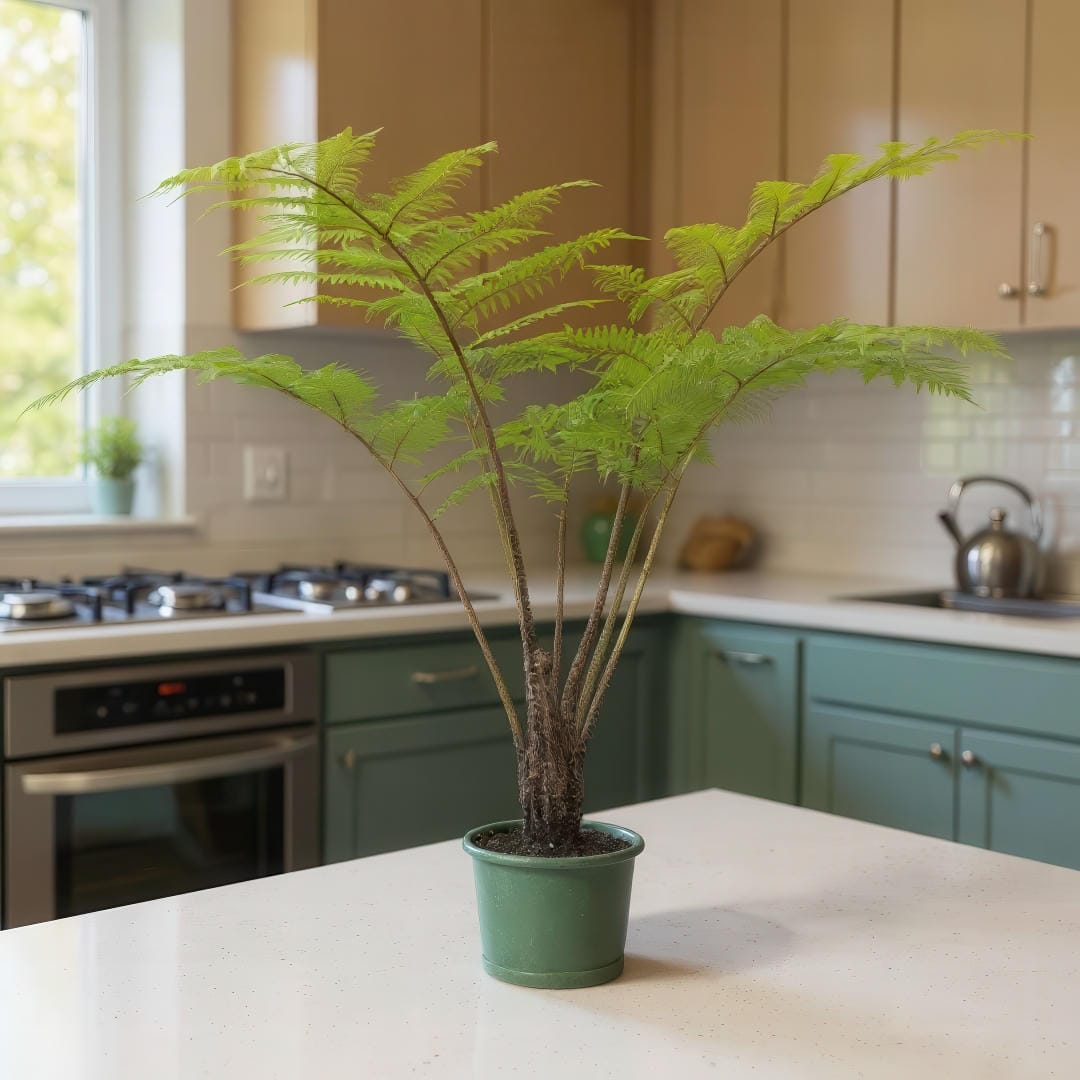
Australian Tree Fern
Cyathea cooperi, Sphaeropteris cooperi
Lacy Tree Fern, Scaly Tree Fern, Cooper's Cyathea, Coin-spot Tree Fern


The Australian Tree Fern (Cyathea cooperi) is a dramatic, fast-growing tree fern prized for its large, lacy fronds and slender fibrous trunk. Indoors, it works best as a statement houseplant for bright humid rooms, sunrooms, and conservatories with consistent moisture.
📝 Australian Tree Fern Care Notes
🌿 Care Instructions
⚠️ Common Pests
📊 Growth Information
🪴 In This Guide 🪴

💚 Australian Tree Fern Care Guide
Quick Overview
The Australian Tree Fern (Cyathea cooperi, also known by the synonym Sphaeropteris cooperi) is a dramatic tree fern grown for its long lacy fronds, upright fibrous trunk, and strong tropical presence. Indoors, it works best as an advanced statement houseplant for bright humid rooms, sunrooms, conservatories, and atriums where its size and moisture needs can actually be met.
This is not a forgiving windowsill fern. It wants steady moisture, high humidity, filtered light, and enough vertical space for a broad canopy to develop. When those basics are consistent, it becomes one of the most striking foliage plants you can grow indoors.
Is Australian Tree Fern a Good Houseplant?
Australian Tree Fern is a good houseplant only for growers who can support its scale and moisture needs. In the right setting, it is spectacular. In the wrong setting, it declines faster than easier indoor ferns like /plants/boston-fern/ or /plants/asparagus-fern/.
It is best suited to homes with bright filtered light, room for a large pot, and a realistic plan for humidity. If you want a forgiving fern for a shelf or desk, this is not the one. If you want a dramatic indoor canopy plant and can maintain stable conditions, it is worth the effort.
☀️ Light Requirements for Australian Tree Fern
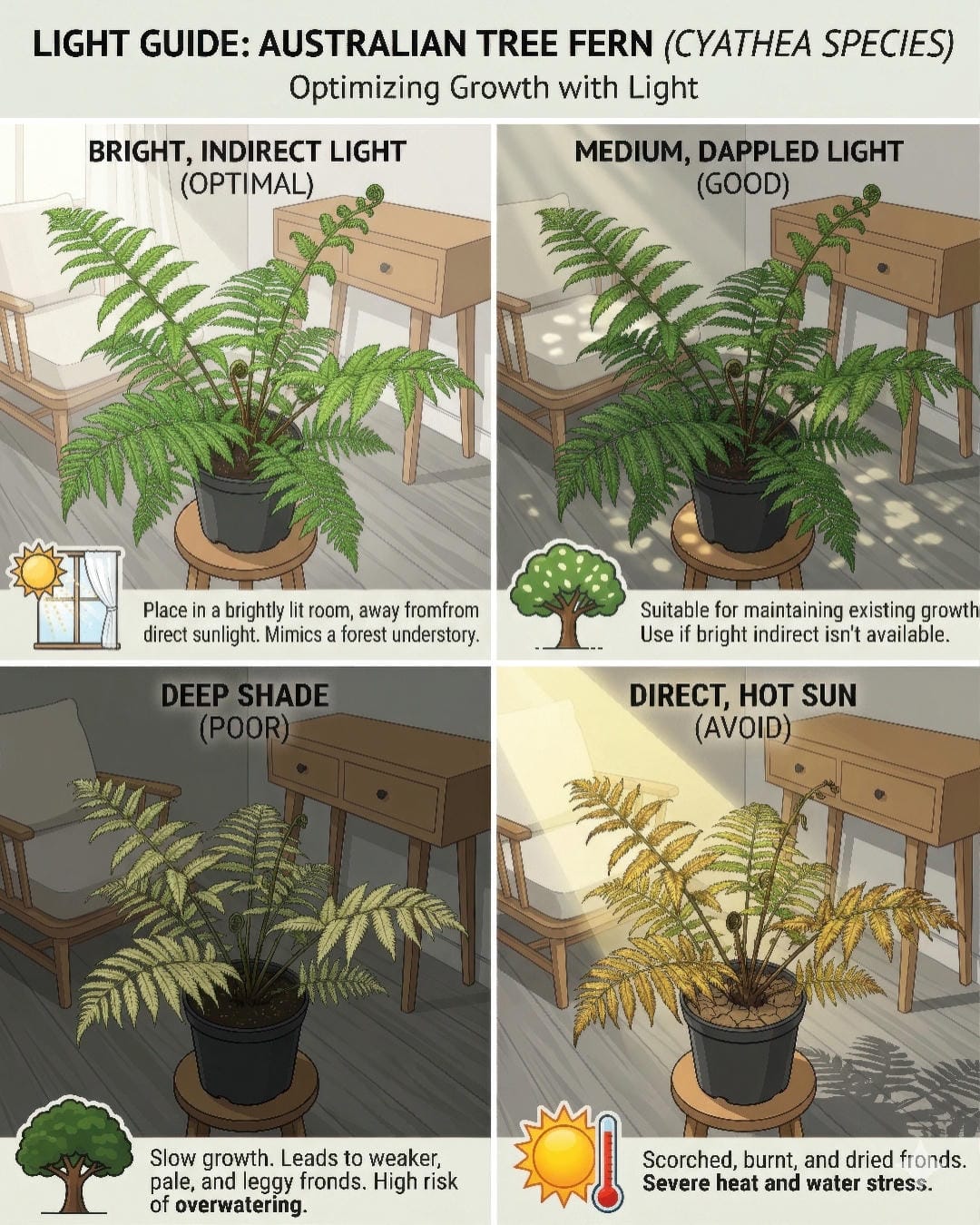
Ideal Light for Australian Tree Fern
Australian Tree Ferns do best indoors in bright indirect light. Think of the kind of light you get near a large east window, a lightly filtered south window, or a bright conservatory where the sun is softened before it hits the fronds.
- Bright Indirect Light: This is the target for most homes. The room should feel bright for much of the day, but the fronds should not sit in harsh midday glare.
- Gentle Morning Sun: A little direct morning sun can be helpful if humidity and moisture are high, especially in cooler homes.
- Filtered Conservatory Light: In a sunroom or atrium, filtered overhead light works well as long as the canopy is not baking under hot glass.
Avoid long periods of intense afternoon sun through windows, which can scorch the fronds quickly. Deep shade is the other extreme and usually leads to slower growth, a thinner canopy, and less impressive new fronds.
Signs of Lighting Issues
- Too Much Sun: Fronds may bleach, yellow, or develop brown crispy patches where the light is strongest.
- Too Little Light: Growth slows, the canopy looks thinner, and new fronds may emerge smaller or weaker.
Best Windows and Indoor Placements
An east-facing window is usually the easiest placement because it gives gentle morning sun without the punishing heat of late afternoon exposure. A few feet back from a bright south window can also work if sheer curtains soften the light.
North-facing rooms are often too dim unless the space is exceptionally bright. West-facing windows are the riskiest because afternoon sun through glass can scorch the fronds quickly, especially if humidity is already low.
💧 Watering Your Australian Tree Fern
Watering Needs - Soil and Trunk
Consistent moisture is the main challenge with Australian Tree Fern indoors. The potting mix should stay evenly moist, and the fibrous trunk should never be allowed to stay bone dry for long.
- Potting Mix: Keep it evenly damp, like a wrung-out sponge. Soggy stagnant soil is risky, but a fully dried root ball will quickly stress the plant.
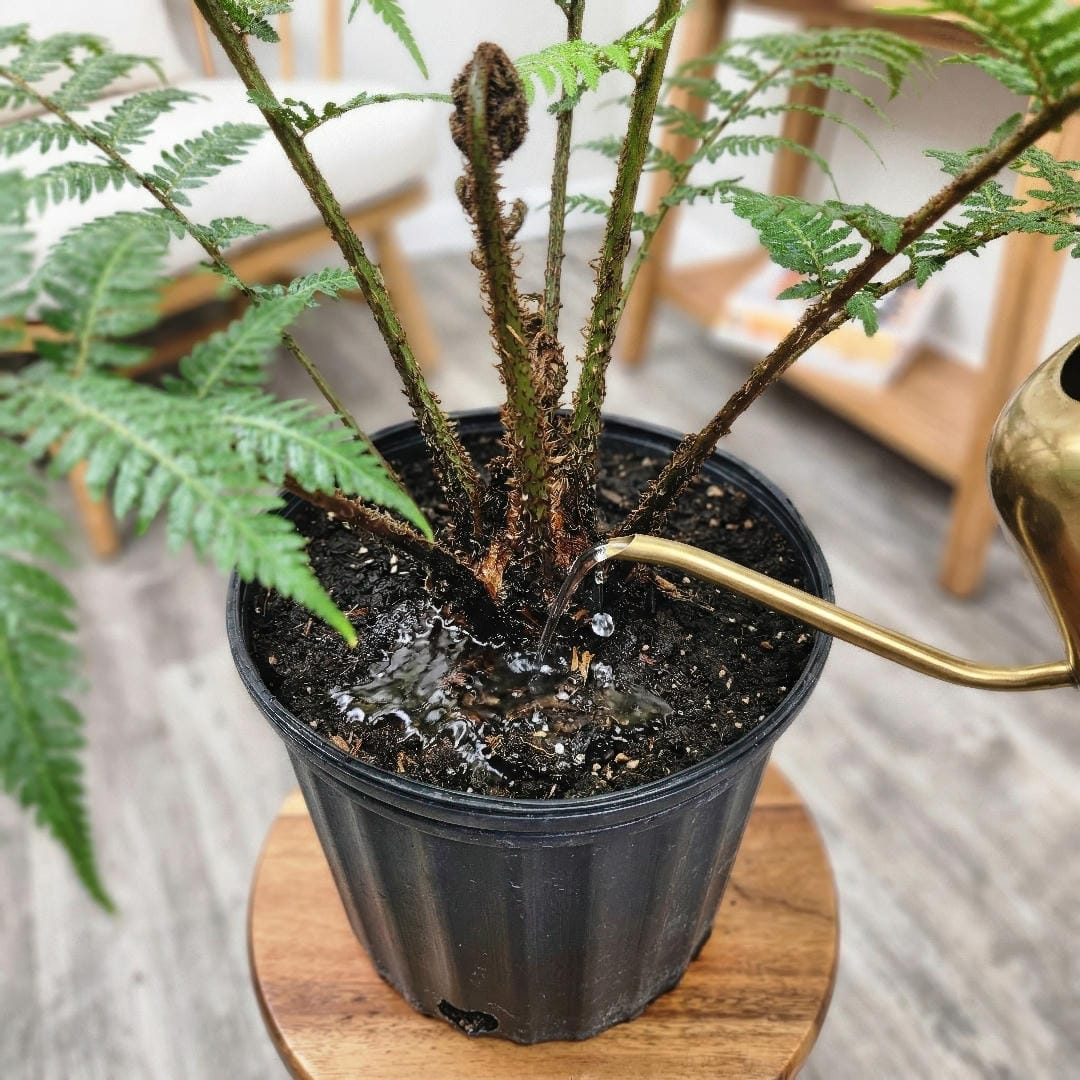
- Trunk Moisture: The trunk contains roots and benefits from being wetted as you water. Pouring some water over the trunk helps keep those roots hydrated.
- Frond Misting: Misting can help briefly, but it is not a substitute for proper root-zone watering and room humidity.
Watering Frequency
- Growing Season (Spring to Early Fall): Check the pot often. Water deeply whenever the top of the mix starts to feel a little less damp, then let excess water drain away fully.
- Watering Technique: Wet the potting mix thoroughly, then run some water over the trunk so it darkens and absorbs moisture. Empty saucers if water sits for long.
- Winter: Growth usually slows indoors, so watering intervals may stretch a bit, but do not let the root ball or trunk dry out completely.
Signs of Improper Watering
- Underwatering: Fronds turn crisp at the edges, older fronds brown quickly, and the trunk may look dry or shrunken.
- Overwatering/Poor Drainage: Yellowing fronds, limp growth, sour-smelling mix, and eventual root or crown rot.
🪴 Best Soil for Australian Tree Ferns
Ideal Soil Characteristics
Australian Tree Ferns need a potting mix that stays moist without collapsing into a dense wet mass.
- Organic Content: Start with a rich indoor mix built around compost, coco coir or peat, and fine bark.
- Drainage: Add perlite, pumice, or coarse bark so water moves through the pot instead of stagnating around the roots.
- pH: Slightly acidic to near neutral is ideal, roughly 5.5 to 6.5.
- Structure: The mix should feel airy and springy, not muddy or compacted.
Improving Soil and Planting
- Refresh older compacted mix instead of just adding fertilizer to tired soil.
- Keep the crown at the same level it was growing before. Do not bury the trunk deeper during repotting.
- A thin top-dressing of bark or leaf mold can help reduce moisture swings in very large pots, but keep it away from the crown itself.
🍼 Fertilizing Your Australian Tree Fern
Fertilizer Needs
Australian Tree Ferns benefit from regular but moderate feeding while they are actively growing, especially when kept in containers year-round.
Type and Frequency
- Slow-Release Fertilizer: A gentle balanced slow-release fertilizer applied in spring works well for large pots.
- Liquid Fertilizer: A balanced houseplant fertilizer at half strength every 2-4 weeks in spring and summer is usually enough.
- Organic Matter: Refreshing the top layer of mix with compost-rich material can help support growth in big containers.
- Reduce or stop feeding in late fall and winter when indoor growth naturally slows.
Application Tips
- Apply fertilizer to moist soil, not a dry root ball.
- Avoid pouring concentrated fertilizer directly into the crown or onto fresh fiddleheads.
🌡️ Australian Tree Fern Temperature Requirements
Ideal Temperature Range and Hardiness
For indoor growing, Australian Tree Fern prefers stable warmth and hates temperature extremes.
- Ideal Range: Aim for roughly 60-80°F (15-27°C).
- Cold Sensitivity: Try to keep it above 55°F (13°C), especially overnight, because cold stress often shows up as browning fronds or stalled growth.
- Outdoor Note: It can live outdoors year-round only in frost-free climates, but on a houseplant site it is best treated as an indoor specimen.
Winter Protection Strategies
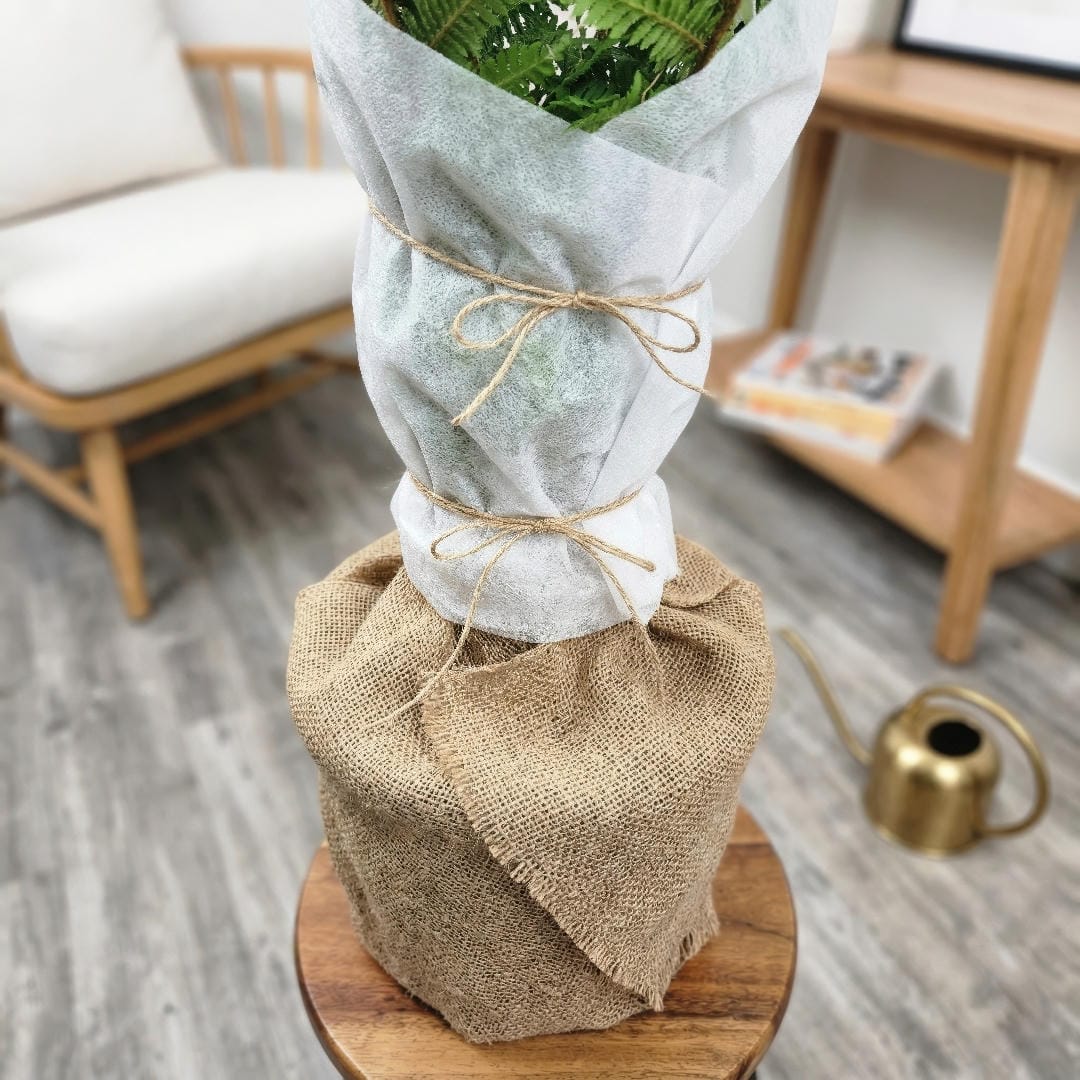
- Avoid Cold Glass and Drafts: Keep the pot a little back from icy windows and away from drafty doors.
- Watch Heater Vents: Hot dry air can crisp the fronds surprisingly fast.
- Raise Humidity: Winter heating dries indoor air, so humidifiers become more important as temperatures drop outside.
- Bring It Indoors Early: If the fern spent summer outside, move it indoors before nights turn cold rather than waiting for the first chill.
- Remove cold-damaged fronds only after you see what growth is still viable.
💦 Australian Tree Fern Humidity Needs
Preferred Humidity Levels
Coming from rainforest environments, Australian Tree Ferns appreciate moderate to high humidity levels indoors.
- Ideal Humidity: 50% or higher, with even better results above that in bright warm rooms.
They may survive in average room humidity if watering is excellent, but the fronds stay cleaner and fuller when the air is consistently moist.
Managing Humidity
- Use a Humidifier: This is the most reliable fix in heated or air-conditioned homes. Our humidifier guide is a useful starting point.
- Group Plants: Surrounding it with other moisture-loving plants can soften humidity swings a bit.
- Choose the Right Room: Bright bathrooms, sunrooms, and conservatories are often easier than standard living rooms.
- Mist Strategically: Misting is temporary, but it can help during very dry spells if paired with proper watering and a humidifier.
Signs of Low Humidity
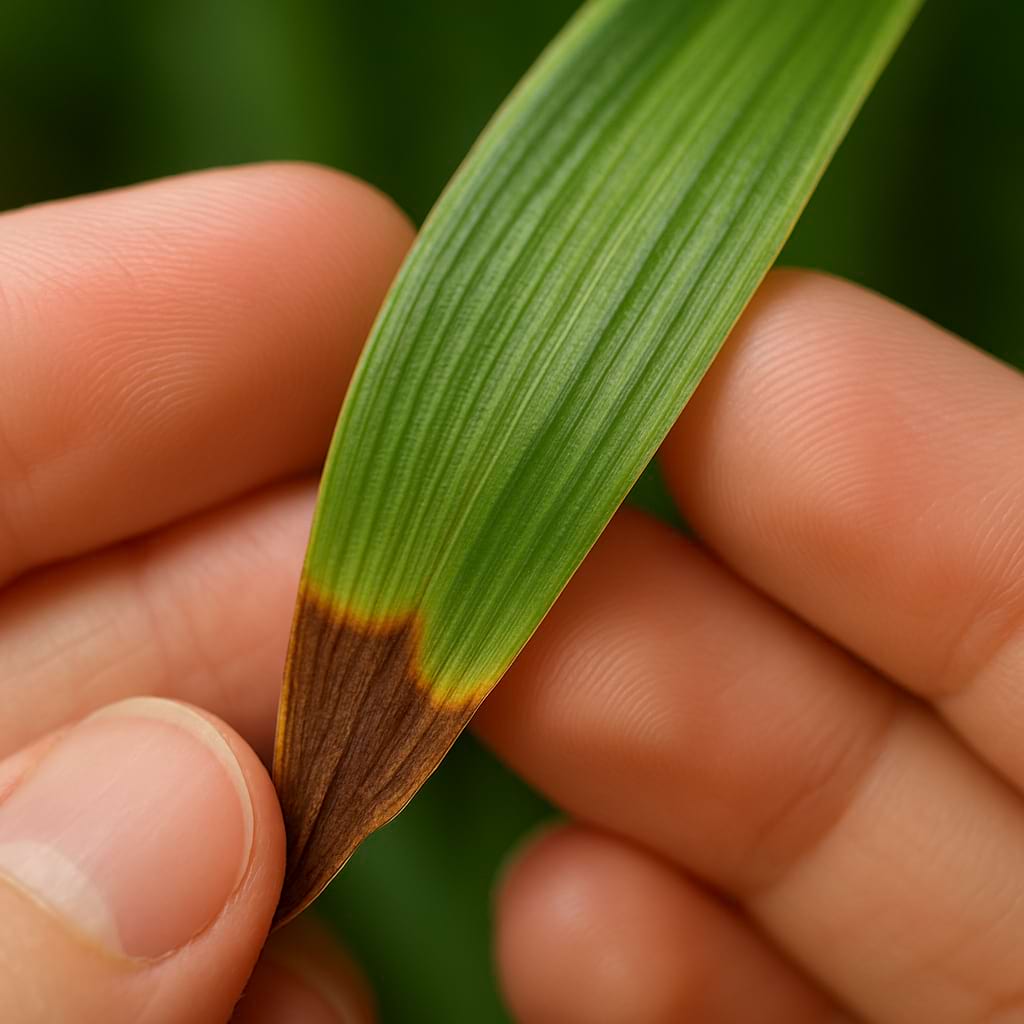
- Frond tips and edges turning brown and crispy.
- Overall dull or stressed appearance of the foliage.
Best Rooms for Australian Tree Fern Indoors
The easiest rooms for this plant are sunrooms, bright bathrooms, enclosed porches, and conservatories where light is strong but filtered and the air does not stay desert-dry. Large kitchens can also work if they are bright and naturally more humid than the rest of the house.
A standard living room can work, but only if you actively manage humidity and keep the plant away from heater vents, fireplaces, and blasting air conditioners. Treat room choice as part of plant care, not just decor.
🌸 Reproduction: Spores in Australian Tree Fern
How Australian Tree Ferns Reproduce
Australian Tree Ferns (Cyathea cooperi), like all true ferns, do not produce flowers or seeds. They belong to an ancient lineage of plants that reproduce via spores.
Spore Production
- Spores are microscopic, single-celled reproductive units. On Australian Tree Ferns, these are produced in structures called sori (singular: sorus).
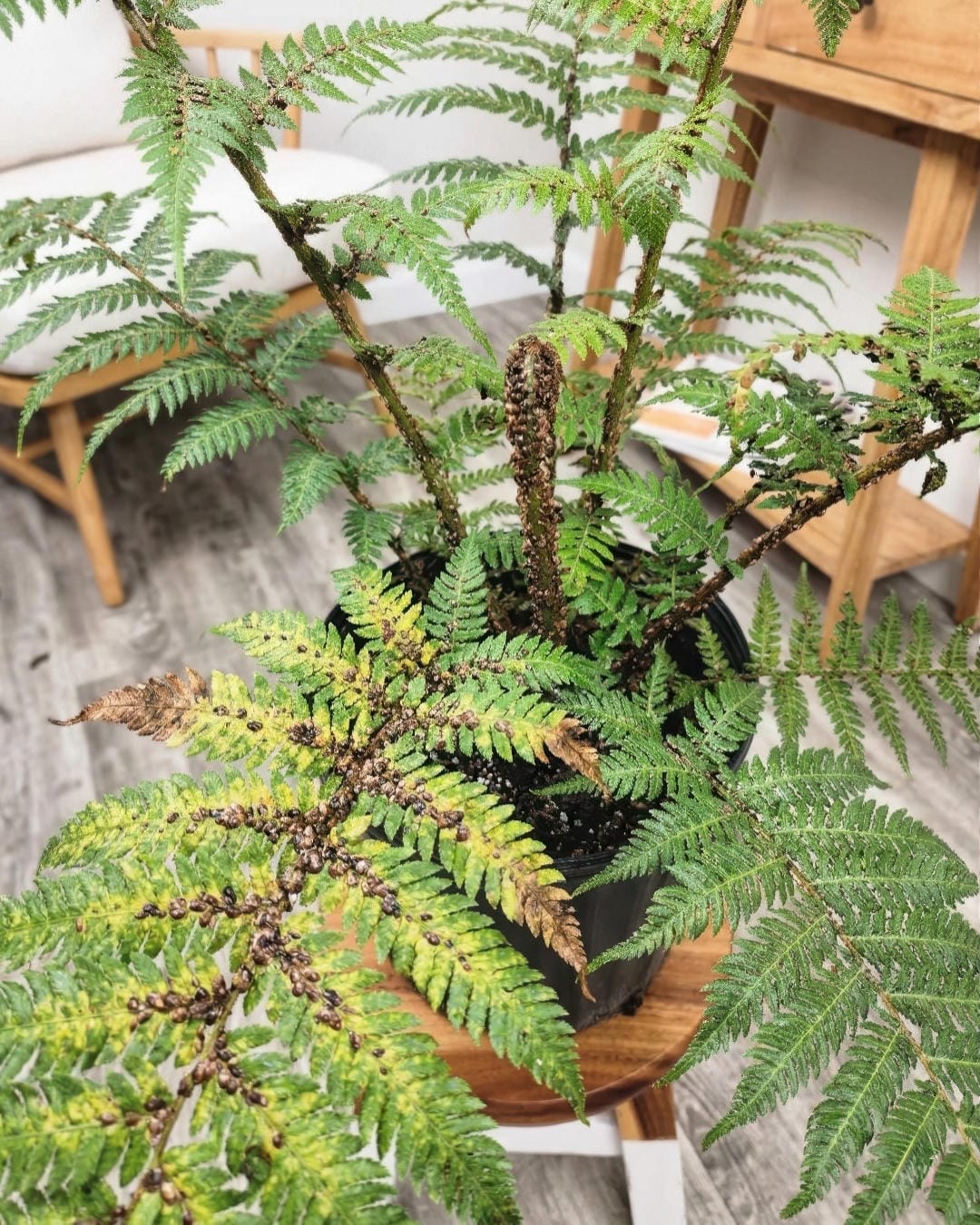
- Sori Appearance: The sori are typically found on the undersides of mature, fertile fronds. They appear as small, round, brownish dots or clusters, arranged in rows along the segments (pinnules) of the fronds. These are a natural part of the fern's life cycle.
- Spore Release: When the spores mature, the sori (which contain sporangia, the actual spore-bearing sacs) will release the fine, dust-like spores into the air. Wind currents then disperse them.
- Germination and Life Cycle: If a spore lands in a suitable environment (moist, shaded, and with appropriate substrate), it can germinate. This germination leads to the development of a tiny, often heart-shaped, plantlet called a prothallus (the gametophyte stage). Fertilization occurs on the prothallus, requiring a film of moisture. This then leads to the growth of a new sporophyte plant – the large, leafy tree fern we recognize.
- Propagating tree ferns from spores is a specialized and very slow process, usually undertaken by botanical gardens or experienced fern enthusiasts. It is not a common method for home gardeners. Australian Tree Ferns do not produce offsets or "pups" and cannot be propagated from trunk cuttings.
📃 Understanding Australian Tree Fern (Cyathea cooperi)
Characteristics of Australian Tree Fern
Cyathea cooperi is a well-defined species, and while there might be minor natural variations, it's not typically sold under numerous distinct cultivar names like some other ornamental plants. Key characteristics that define it include:
- Trunk: Relatively slender for its height, covered in a dense layer of fibrous roots and persistent old frond bases (stipes). A notable feature is the pattern of oval scars ("coin spots") left on the trunk where frond bases have completely fallen away. These scars are usually pale.
- Fronds: Large, bipinnate or tripinnate (finely divided), lacy, and bright green. They can reach lengths of 6-10 feet (1.8-3 m) or more, forming a wide, arching canopy. The stalks (stipes) of the fronds are often covered in coarse, pale brown or whitish scales, especially when young.
- Fiddleheads (Croziers): New fronds emerge as tightly coiled fiddleheads, typically covered in distinctive pale scales.
- Growth Rate: It is known as one of the faster-growing tree fern species.
When purchasing an Australian Tree Fern, you are generally getting the species Cyathea cooperi (or Sphaeropteris cooperi, as the genus classification can vary among botanical authorities). Some slight variations in scale color or frond robustness may exist between individual plants or those grown in different conditions.
🪴 Potting and Repotting Australian Tree Ferns
Growing in Containers
Australian Tree Ferns are best handled as container plants indoors, because pots let you control soil, drainage, and seasonal placement far more precisely than an in-ground setup.
- Container Choice: Select a large, sturdy, and stable container with excellent drainage holes. As the fern grows, it will become top-heavy.
- Potting Mix: Use a high-quality, well-draining potting mix rich in organic matter. A mix containing peat moss or coco coir, compost, and perlite or coarse sand for drainage is suitable. The mix should retain moisture but not become waterlogged.
When to Repot (Container-Grown Ferns)
- Frequency: Young, container-grown Australian Tree Ferns may need repotting every 2-3 years, or when they become significantly root-bound.
- Signs: Signs that repotting is needed include roots growing out of the drainage holes, water draining through the pot very quickly (indicating little soil left), or noticeably slowed growth.
- Timing: The best time to repot is in spring, as the active growing season begins.
How to Repot
- Select New Pot: Choose a new pot that is only a few inches wider and deeper than the current one. Avoid oversized jumps, which keep too much wet mix around the roots.
- Prepare: Water the fern well a day or two before repotting to make removal easier and to hydrate the roots.
- Remove Fern: Carefully lay the pot on its side and gently try to slide the fern out. You may need assistance for larger plants. Support the trunk and root ball.
- Inspect Roots: Examine the root system. If roots are tightly circling the pot, gently loosen them.
- Add Fresh Mix: Add a layer of fresh, moist potting mix to the bottom of the new, larger pot.
- Position Fern: Carefully place the fern in the center of the new pot, ensuring the top of its root ball is at the same level it was in the old pot, or slightly below the rim to allow for watering.
- Fill and Water: Fill in around the root ball with more potting mix, firming it gently as you go to eliminate large air pockets. Water thoroughly after repotting to settle the mix and provide moisture.
Keep the repotted fern in bright filtered light with high humidity for a few weeks while it recovers, and keep moisture especially steady during that period.
When It Has Outgrown Your Space
One of the biggest indoor challenges with Australian Tree Fern is not repotting but scale. As the trunk rises and the fronds widen, the plant can simply outgrow an ordinary room even if the care is excellent.
If the canopy starts pressing into ceilings, walls, or walkways, it is usually time to move it to a taller brighter space rather than trying to prune it smaller. This fern looks best when it has enough room to keep its natural umbrella-like outline.
✂️ Pruning Your Australian Tree Fern
Maintenance Pruning
Pruning Australian Tree Ferns is primarily for aesthetic reasons and to remove dead or damaged foliage.
- Removing Old Fronds: As fronds age, they will naturally turn brown and eventually die. These can be removed to keep the plant looking tidy and to allow more light and air to reach the crown and newer fronds.
- When to Prune: Dead or brown fronds can be removed at any time of year.
- How to Prune: Use clean, sharp pruning shears, loppers, or a pruning saw (for thicker frond bases). Cut the old frond stalk (stipe) as close to the trunk as possible without cutting into the trunk itself. The remaining stipe base will eventually dry and fall off, contributing to the characteristic "coin spot" scars on the trunk.
- Avoid Over-Pruning: Do not remove healthy, green fronds unnecessarily, as they are essential for photosynthesis and the plant's energy production. Removing too many green fronds can weaken the fern.
- Crown Cleaning: Occasionally, debris like fallen leaves from other trees might collect in the crown. This can be gently removed if it's excessive and potentially hindering airflow or new growth, but be careful not to damage the delicate fiddleheads.
🌱 How to Propagate Australian Tree Ferns
Primary Method: Spores
The primary and natural method of propagation for Australian Tree Ferns (Cyathea cooperi) is from spores. However, this is a highly specialized, slow, and challenging process for the average home gardener, typically requiring sterile conditions and a lot of patience.
- Collecting Spores: Spores are found in sori on the undersides of fertile fronds. When mature (usually dark brown and powdery), a frond can be cut and placed sori-side down on clean paper in a dry place. The spores will fall onto the paper.
- Sowing Spores: The dust-like spores are sown onto the surface of a sterilized, fine, moist potting medium (often peat-based) in a clean container.
- Germination Conditions: The container must be covered to maintain extremely high humidity and placed in bright, indirect light at warm temperatures (e.g., 70-75°F / 21-24°C).
- Development: Germination leads to tiny, moss-like prothalli (gametophytes). Fertilization occurs on these, and eventually, small fern sporophytes (the recognizable fern plant) will develop. This entire process can take many months to over a year before plantlets are large enough to handle.
Ineffective Methods
- Trunk Cuttings/Offsets: Unlike some other plants, Australian Tree Ferns cannot be propagated from cuttings of their trunk, nor do they typically produce offsets or "pups" that can be separated. The growing point is at the very top of the trunk (the crown), and if this is damaged or removed, the fern will usually die.
- Division: Mature tree ferns with a single trunk cannot be divided like clumping ferns.
Due to the difficulty of spore propagation for amateurs, Australian Tree Ferns are almost exclusively purchased as nursery-grown plants of various sizes.
🐛 Common Australian Tree Fern Pests
Pests That May Affect Australian Tree Ferns
Australian Tree Ferns are generally quite robust but can occasionally be susceptible to certain pests, especially if stressed or grown in suboptimal conditions.
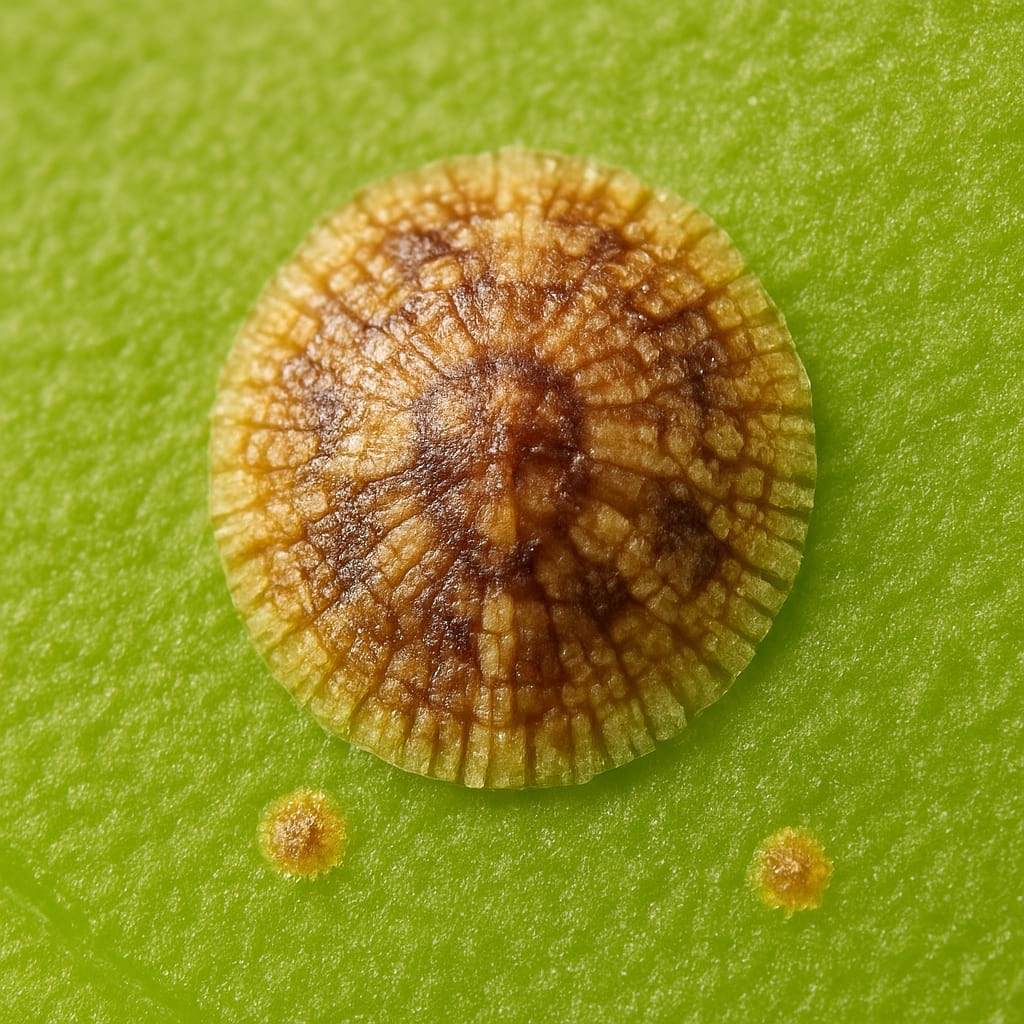
- Scale Insects: These pests appear as small, immobile, shell-like bumps on the frond stalks (stipes), the undersides of fronds, or sometimes on the trunk. They suck plant sap, which can weaken the fern, cause yellowing, and lead to sticky honeydew that may attract sooty mold. Control can involve manually scraping them off, using horticultural oil sprays (test on a small area first, as fern fronds can be sensitive), or systemic insecticides in severe cases (use with caution).
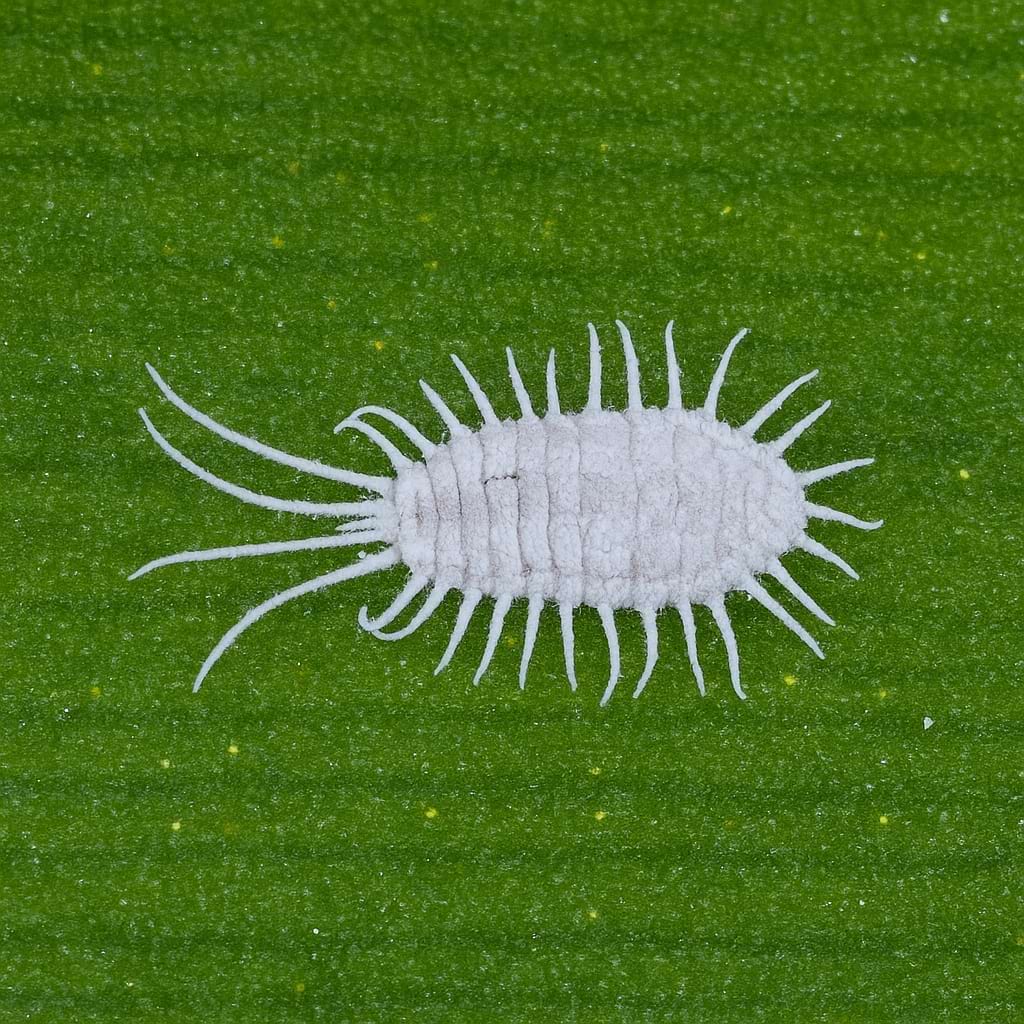
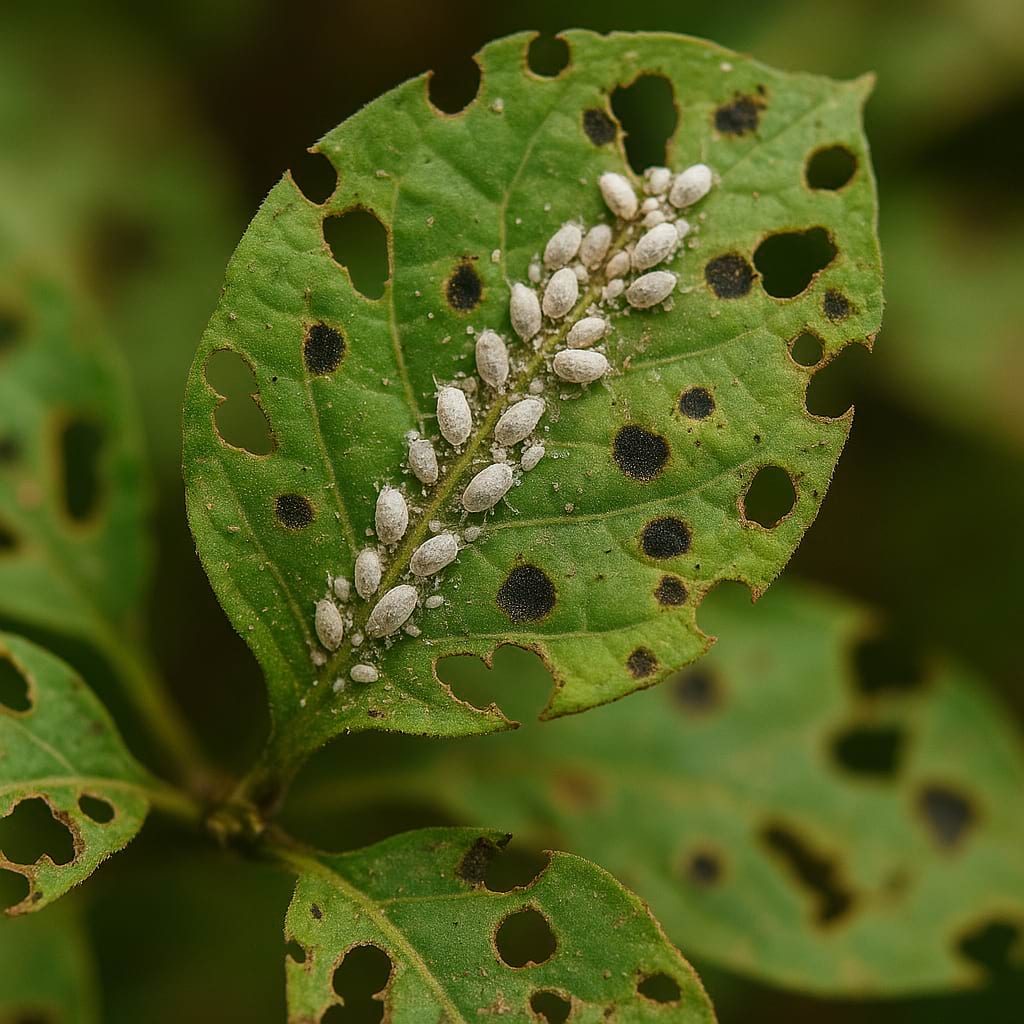
- Mealybugs: These are small, white, cottony insects that also feed on plant sap, often hiding in crevices, at the base of fronds, or in the crown. They can cause similar damage to scale insects. Spot treat with rubbing alcohol on a cotton swab or use insecticidal soap or horticultural oil.
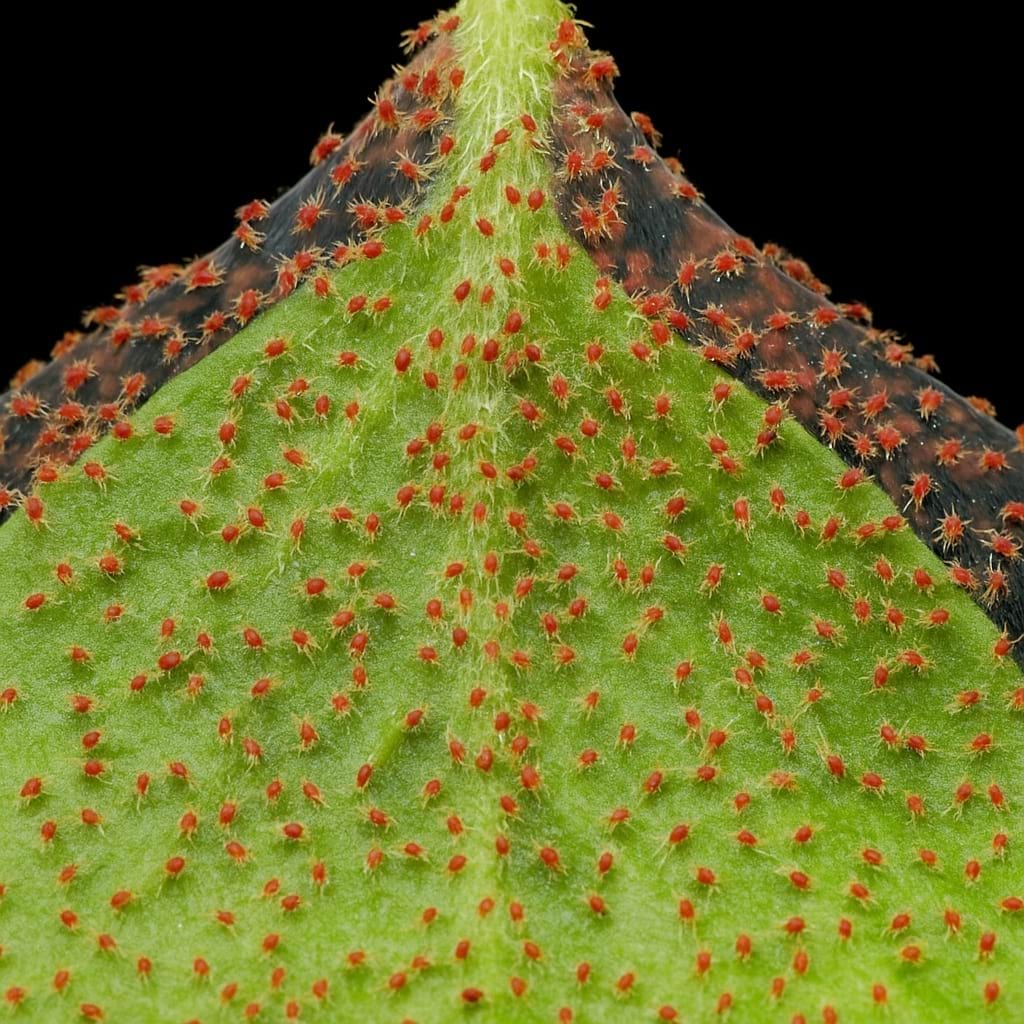
- Spider Mites: Spider mites are most likely when the fern is kept in dry indoor air. They cause stippling on fronds and fine webbing. Increasing humidity and regularly rinsing the foliage can help deter them. Insecticidal soap or miticides may be needed for heavier infestations.
Regularly inspect your tree fern, especially the crown and the undersides of fronds, for any early signs of pests. Maintaining a healthy growing environment is the best defense.
🩺 Common Australian Tree Fern Problems
Troubleshooting Australian Tree Fern Issues
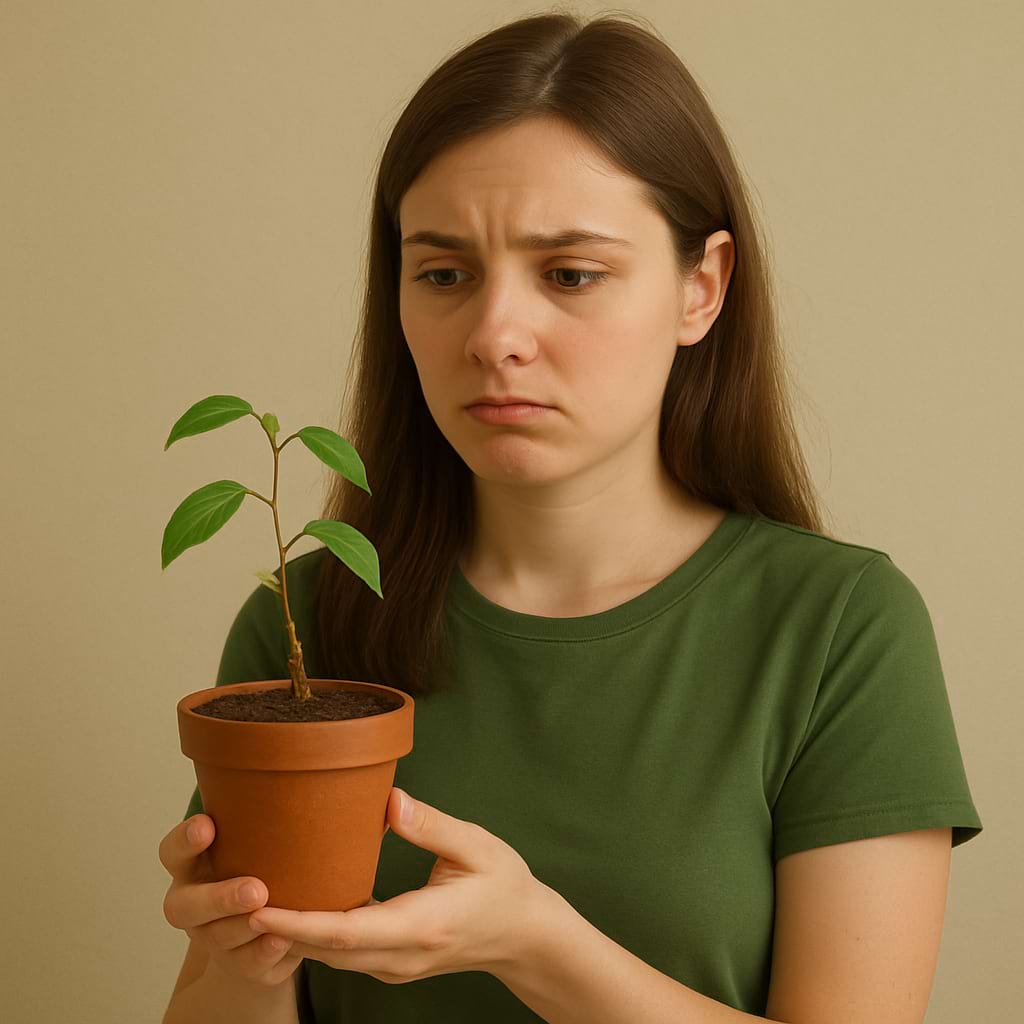
While majestic, Australian Tree Ferns can run into problems quickly indoors if light, moisture, humidity, or temperature drift too far from what they prefer.
- Brown, Crispy Edges or Fronds: This is a very common issue, typically caused by:
- Underwatering: The soil or trunk has been allowed to dry out too much.
- Low Humidity: The air is too dry, desiccating the delicate frond tissues.
- Dry Air: Heated or air-conditioned rooms pull moisture out of the fronds.
- Sunburn: Too much direct, harsh sunlight through glass.
Ensure consistent moisture, provide high humidity, and keep the plant out of harsh direct sun and hot dry airflow.
- Yellowing Fronds: Can be due to several factors:
- Overwatering or Poor Drainage: Leading to root stress or rot.
- Underwatering: Severe drought stress.
- Nutrient Deficiency: Especially if the fern is in poor soil or a container and not fertilized.
- Natural Aging: Oldest, lowest fronds will naturally yellow and die off over time.
- Too Much Sun: Can cause overall yellowing before scorching.
Check soil moisture, drainage, and light conditions. Consider a soil test if deficiency is suspected.
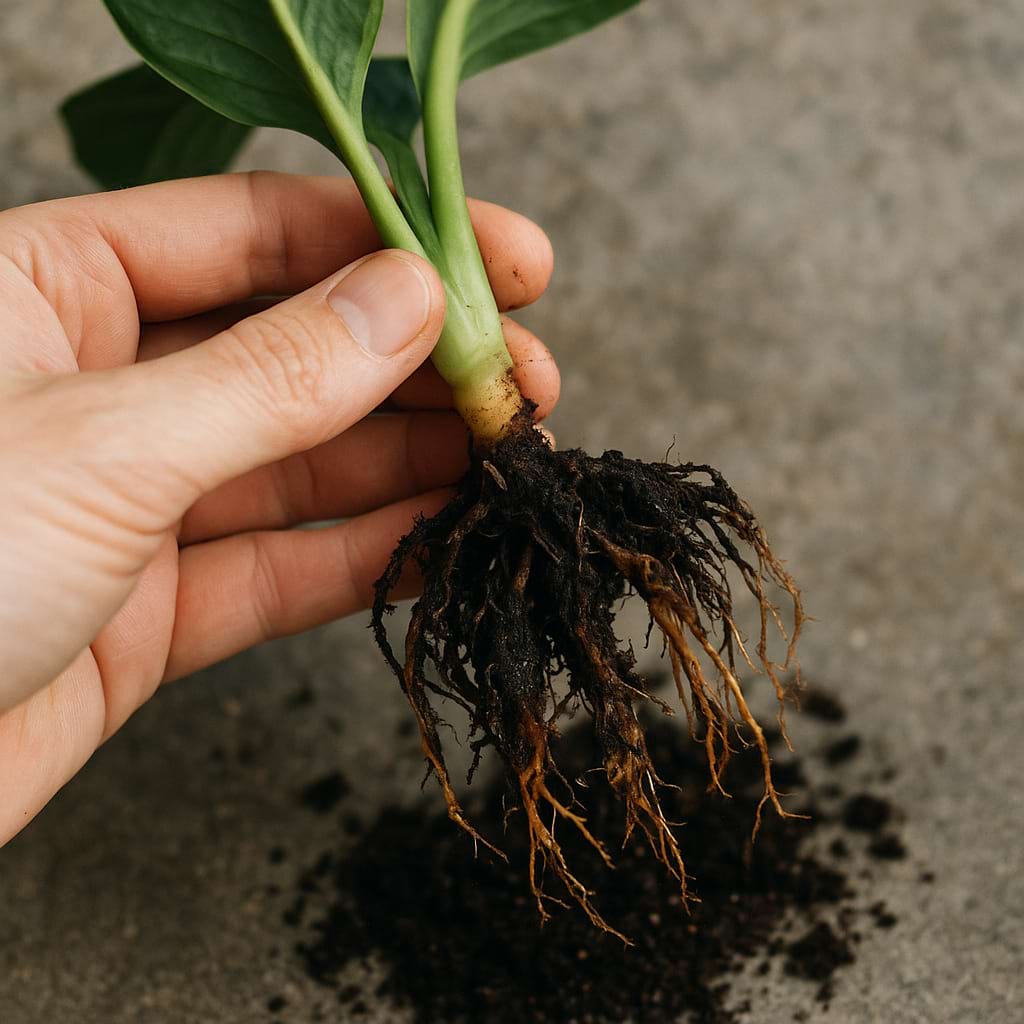
- Root Rot: Occurs if the soil remains waterlogged due to poor drainage or excessive watering. Leads to wilting, yellowing, and eventual decline. Prevention is key: use well-draining soil and avoid overwatering.
- Crown Rot: If water collects and stagnates in the crown (the central growing point) in cool, damp weather with poor air circulation, it can lead to rot, which is often fatal. Ensure good airflow and avoid overhead watering that directly fills the crown for prolonged periods in such conditions.
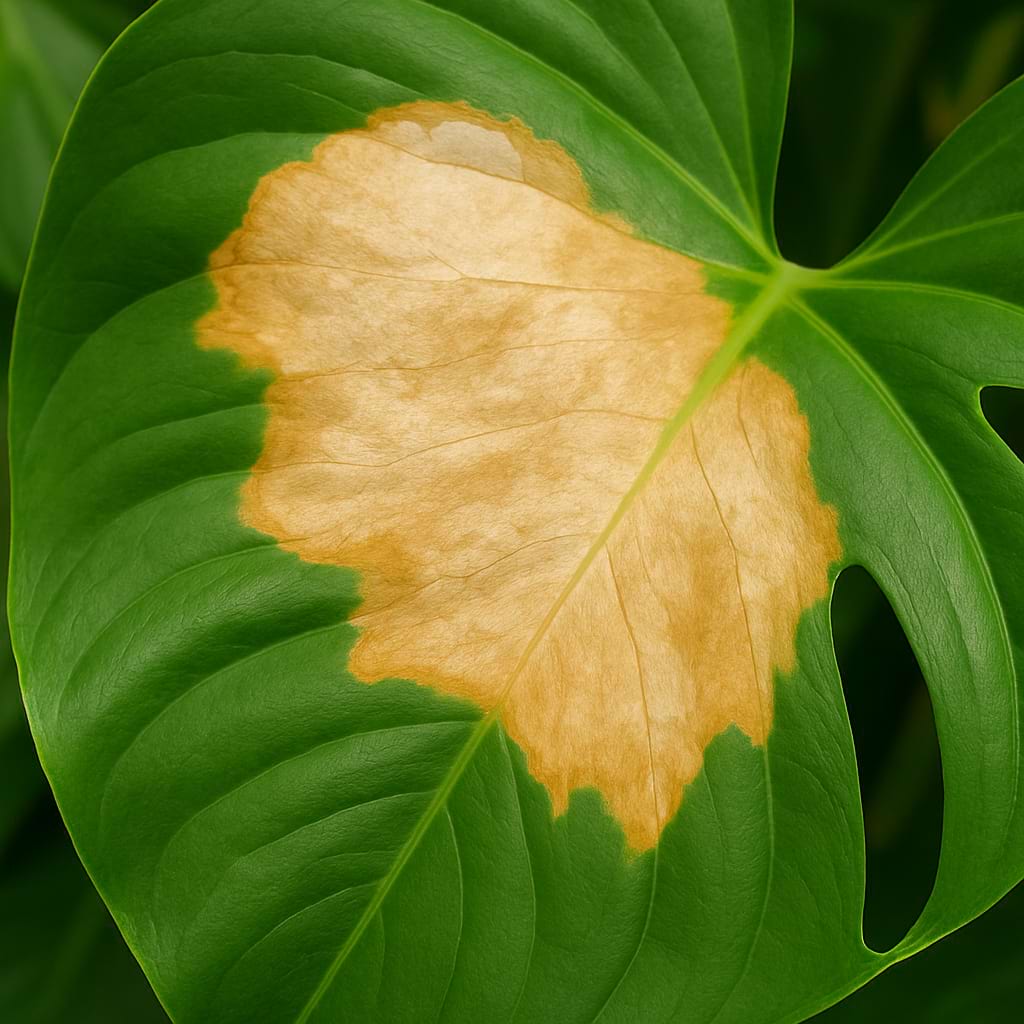
- Sunburn or Leaf Scorch: Appears as bleached, tan, or brown patches on fronds exposed to excessive direct sunlight. Move it into softer filtered light.
- Stunted Growth: May result from insufficient moisture, compacted exhausted potting mix, too little light, cold stress, or a root-bound container.
- Pest Damage: Symptoms from scale, mealybugs, or spider mites (see Pests section) like sticky residue, distorted growth, or stippling.
Addressing these issues usually means correcting the indoor basics: steady moisture to both mix and trunk, brighter filtered light, higher humidity, an airy rich mix, and protection from cold drafts or heater-blast dryness.

🖼️ Creative Display Ideas for Australian Tree Ferns
Showcasing Your Australian Tree Fern
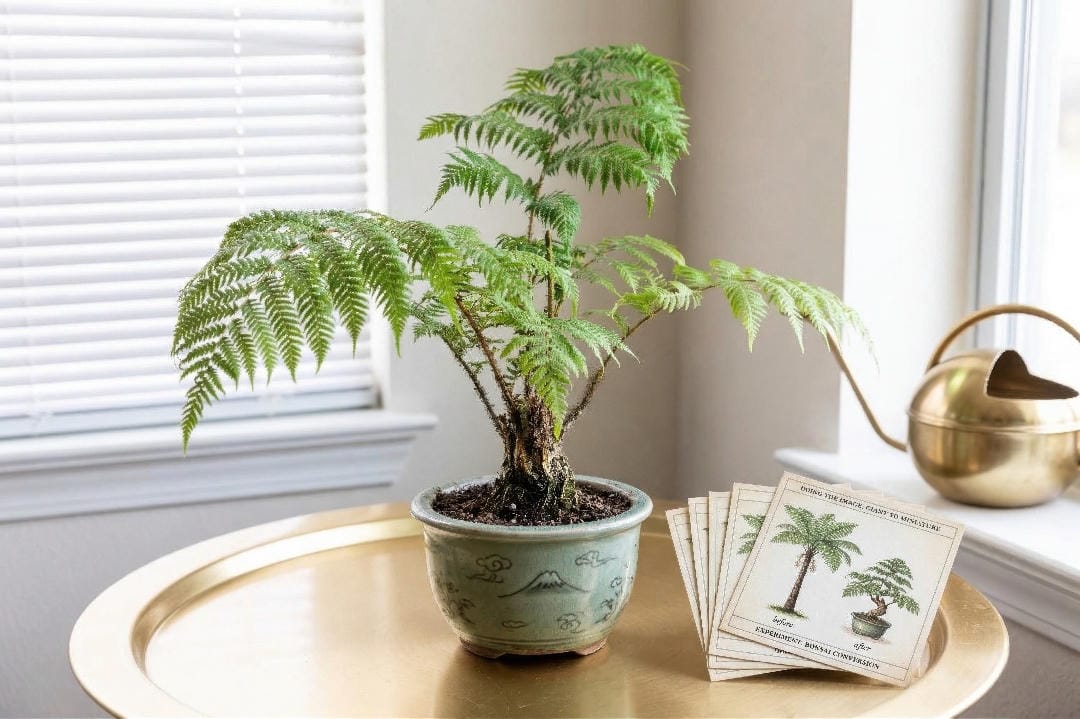
The Australian Tree Fern's height, trunk texture, and wide lacy canopy make it a natural statement piece for large indoor spaces.
- Sunroom Anchor Plant: Place it where filtered daylight surrounds the fronds and the trunk has room to be appreciated.
- Atrium Focal Point: In double-height interiors, it can function almost like living architecture.
- Conservatory Pairing: It works well with other humidity-loving foliage plants, especially ferns and broad-leaved tropicals, as long as it still has visual breathing room.
- Bright Room Corner: Use a large stable planter in a corner with strong ambient light, then rotate the pot occasionally for even growth.
- Commercial or Studio Spaces: It can be spectacular in bright cafes, studios, and lobbies that maintain decent humidity.
- Night Lighting: Soft uplighting can emphasize the trunk and underside of the fronds without making the space feel theatrical.
When placing it indoors, plan for mature width as well as height. Keep it away from tight walkways, heater vents, and spots where the fronds will constantly brush walls or furniture.
Common Placement Mistakes
The most common mistake is forcing this fern into the brightest spot available without thinking about humidity, airflow, and scale. A blazing west window, a cramped hallway corner, or a room with heating vents pointed at the fronds usually leads to stress.
The second mistake is underestimating the pot size and the footprint of the canopy. Give it a stable container, enough clearance on all sides, and a position where watering thoroughly will not be a nuisance, because consistent watering is non-negotiable with this species.
👍 Pro Tips for a Thriving Australian Tree Fern
Expert Advice for Majestic Tree Ferns
To cultivate a magnificent Australian Tree Fern that becomes a true indoor showpiece, follow these expert recommendations:
- Consistent Moisture is Paramount: Never let the root ball or trunk dry out completely. Water the trunk as well as the mix.
- Use a Rich Airy Mix: The goal is moisture retention plus oxygen at the roots, not heavy soggy soil.
- Keep Light Bright but Filtered: A bright room is essential, but intense direct afternoon sun is not.
- Raise Humidity Before Problems Start: This plant performs much better with a humidifier than with reactive misting alone.
- Choose a Stable Pot Early: It becomes top-heavy as the trunk rises, so stability matters.
- Feed Regularly During Growth: Gentle consistent feeding works better indoors than occasional heavy doses.
- Protect It From Winter Stress: Cold drafts and heater vents are more dangerous indoors than many growers expect.
- Be Patient With Establishment: It still needs time to settle in before it starts looking truly dramatic.
- Avoid Damaging the Trunk: The trunk is living root tissue, not dead wood, so avoid cuts and abrasions.
- Monitor for Pests: Regularly check for scale, mealybugs, and spider mites, especially in dry indoor air.
📝 Final Thoughts on Australian Tree Fern
Enjoying Your Australian Tree Fern
The Australian Tree Fern (Cyathea cooperi) is one of the boldest foliage plants you can grow indoors if you have the space and the discipline to meet its moisture needs. Its upright trunk, huge lacy fronds, and rainforest look make it a genuine statement houseplant rather than a filler fern.
Understanding its needs for bright filtered light, high humidity, and consistently moist but airy potting mix is what makes the difference between a struggling specimen and a spectacular one. In the right room, it brings scale, texture, and a strong tropical atmosphere that very few indoor plants can match.
❓ Frequently Asked Questions
How fast does an Australian Tree Fern grow?
Indoors, Australian Tree Fern is moderate to fast for a large fern when it has warmth, humidity, and constant moisture. In a bright humid room or conservatory, it can push several flushes of new fronds each year and gradually build trunk height over time.
How much sun does an Australian Tree Fern need?
As a houseplant, it does best in bright indirect light or gentle morning sun. Intense midday or afternoon sun through glass can scorch the fronds, while deep shade usually leads to weaker, slower growth.
Are Australian Tree Ferns messy?
They can shed older fronds and bits of fibrous trunk material over time, so they are not the tidiest houseplant. Regular pruning of brown fronds and keeping the area around the pot clear helps manage the mess.
How do you protect an Australian Tree Fern in winter?
Indoors, protect it from cold drafts, chilly window glass, and dry heat from vents or radiators. If you summer it outside, bring it back indoors before nights drop below about 55°F (13°C), then keep humidity high while light levels fall.
Why are the fronds on my Australian Tree Fern turning brown?
Brown fronds usually point to dry air, inconsistent watering, cold damage, or too much direct sun. Letting the trunk and root ball dry too far is especially hard on this plant, so keep moisture steady and humidity elevated.
ℹ️ Australian Tree Fern Info
Care and Maintenance
🪴 Soil Type and pH: Moist, well-draining, rich in organic matter, slightly acidic
💧 Humidity and Misting: Prefers high humidity and steady air moisture. Use a humidifier or other humidity support indoors, especially in heated or air-conditioned rooms.
✂️ Pruning: Remove dead or brown fronds by cutting them close to the trunk. Avoid cutting into the trunk itself. Do not remove green fronds unnecessarily.
🧼 Cleaning: Rinse dust from fronds with lukewarm water or a gentle shower. The trunk can be lightly moistened, but avoid letting water sit in the crown for long periods.
🌱 Repotting: Grow it in a large, stable container and repot when root-bound into a slightly larger pot. Keep the crown at the same level and refresh the mix without burying the trunk.
🔄 Repotting Frequency: Every 2-3 years, or sooner if the root ball dries out too quickly
❄️ Seasonal Changes in Care: Keep it away from cold drafts and heater blasts in winter, reduce fertilizer while growth slows, and raise humidity when indoor air becomes dry. If it spends summer outdoors, move it back inside before nights drop below about 55°F (13°C).
Growing Characteristics
💥 Growth Speed: Moderate to fast for a large indoor fern when warmth, moisture, and humidity are consistent.
🔄 Life Cycle: Perennial
💥 Bloom Time: Does not bloom (reproduces via spores)
🌡️ Hardiness Zones: Best kept indoors as a houseplant; outdoors only in frost-free climates roughly USDA 9b-11
🗺️ Native Area: Eastern Australia (Queensland, New South Wales)
🚘 Hibernation: No true dormancy indoors, but growth slows in cooler darker months.
Propagation and Health
📍 Suitable Locations: Bright humid rooms, sunrooms, conservatories, atriums, and other indoor spaces with high ceilings and filtered light.
🪴 Propagation Methods: Primarily by spores (very challenging for home gardeners). Does not propagate from trunk cuttings or offsets.
🐛 Common Pests: Scale Insects, Mealybugs, Spider Mites
🦠 Possible Diseases: Generally disease-resistant. Root rot if soil is waterlogged. Crown rot if water collects in the crown in cool, damp conditions without good air circulation. Scale insects or mealybugs can occasionally be an issue on fronds or trunk.
Plant Details
🌿 Plant Type: Tree Fern
🍃 Foliage Type: Evergreen
🎨 Color of Leaves: Bright green to medium green. New fronds (fiddleheads) are often covered in pale brown or whitish scales.
🌸 Flower Color: N/A
🌼 Blooming: Does not produce flowers. Reproduces via spores found on the undersides of fertile fronds.
🍽️ Edibility: Not considered edible; some parts may be mildly toxic if ingested in quantity.
📏 Mature Size: 4-10 feet (1.2-3 m) indoors over time in ideal spaces; much taller outdoors in frost-free climates.
Additional Info
🌻 General Benefits: Creates a dramatic tropical indoor focal point with graceful lacy fronds and strong architectural presence.
💊 Medical Properties: None widely recognized.
🧿 Feng Shui: Represents growth, expansion, and protection. Can create a calming, sheltering atmosphere.
⭐ Zodiac Sign Compatibility: Leo, Sagittarius (associated with grand, expansive plants).
🌈 Symbolism or Folklore: Ancient wisdom, resilience, tropical paradise, endurance.
📝 Interesting Facts: Characterized by the distinctive 'coin spots' or oval scars left on the trunk after old fronds fall. The trunk is actually a vertical rhizome covered in fibrous roots. It's one of the faster-growing tree fern species. Can be somewhat invasive in some tropical areas outside its native range (e.g., Hawaii).
Buying and Usage
🛒 What to Look for When Buying: Choose a specimen with a healthy, firm trunk and lush, green, undamaged fronds. Avoid plants with many brown or broken fronds, or a soft/mushy crown. Check for pests.
🪴 Other Uses: Architectural houseplant for conservatories, commercial interiors, and large bright rooms.
Decoration and Styling
🖼️ Display Ideas: Use as a solitary statement plant in a sunroom, atrium, or bright room corner with enough vertical clearance and humidity support.
🧵 Styling Tips: Pair it with warm natural textures and simpler low-profile furniture so the trunk and canopy stay visually dominant indoors.
