
Asparagus Fern
Asparagus densiflorus
Sprenger's Asparagus, Emerald Fern, Emerald Feather, Lace Fern, Sprengeri Fern, Foxtail Fern (for 'Myersii' cultivar)


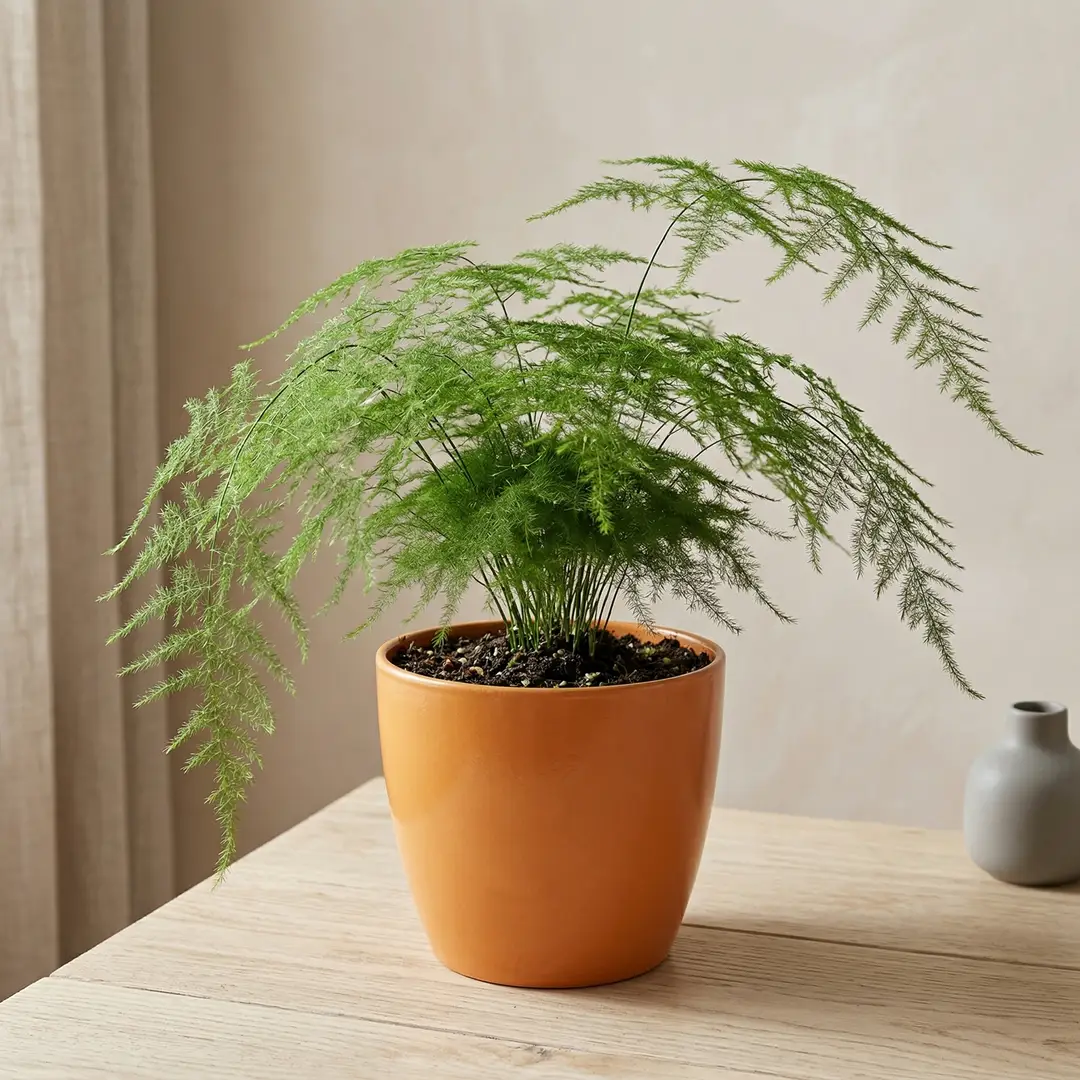
The Asparagus Fern (Asparagus densiflorus) is a popular, fast-growing plant known for its delicate, feathery, bright green foliage. Despite its name, it's not a true fern but a member of the lily family, related to edible asparagus. It's prized for its airy texture and adaptability.
📝 Asparagus Fern Care Notes
🌿 Care Instructions
⚠️ Common Pests
📊 Growth Information
🪴 In This Guide 🪴
💚 Asparagus Fern Care Guide
Quick Overview
The Asparagus Fern (Asparagus densiflorus) is a fast-growing plant with light, feathery foliage. Despite the name, it is not a true fern; it is in the Asparagaceae family, related to edible asparagus. Native to southern Africa, it grows quickly and adapts well to many homes.
The long, arching stems are covered in tiny needle-like cladophylls (modified flattened stems that act as leaves), creating a cloud-like look. Small white or pink fragrant flowers may appear, followed by bright red berries. The berries and foliage are toxic to pets and people if eaten. Popular cultivars include 'Sprengeri' (trailing, perfect for hanging baskets) and 'Myersii' (Foxtail Fern, upright plumes).
📺 Asparagus Fern Care Video Guide

☀️ Asparagus Fern Light Requirements

The Sweet Spot
Asparagus Ferns thrive in bright, indirect light. Some morning sun is fine, but intense afternoon sun scorches the delicate foliage. In low light, growth gets leggy and color dulls.
Best Indoor Spots
Indoors, an east window with gentle morning sun is ideal. A few feet from a south or west window, or behind a sheer curtain, works too. A bright north window is fine. Outdoors (zones 9-11), choose part shade with morning sun and afternoon shade.
Signs of Trouble
- Too little light: leggy stems with wide gaps between cladophylls, sparse foliage, yellowing.
- Too much light: scorched brown or bleached patches, crispy tips.
💧 Watering Your Asparagus Fern
Watering Frequency
Keep the soil consistently moist during spring and summer, but never waterlogged. The fleshy tuberous roots store water, so this fern handles a missed watering better than a true fern.
- Spring/summer: water thoroughly when the top inch of soil feels dry, usually once or twice a week.
- Fall/winter: reduce frequency as growth slows; let the soil dry a bit more between waterings.
How to Water
Use room-temperature water; if your tap is hard or chlorinated, filtered or rainwater is better. Soak until water drains, then tip out the saucer after 15-30 minutes.
Signs of Trouble
- Overwatering: yellowing stems, wilting even with wet soil, mushy bases, sour soil smell.
- Underwatering: browning cladophylls, heavy "needle" drop, crispy foliage.
🪴 Best Soil for Asparagus Ferns
What the Soil Needs
A good, well-draining potting mix rich in organic matter suits Asparagus Ferns. The soil should hold some moisture but drain freely. Slightly acidic to neutral (pH 6.5-7.5) is ideal.
DIY Soil Mix
A standard peat-based potting mix works well. Improve drainage by adding 1 part perlite or coarse sand to 2-3 parts mix, plus a little compost for richness. For outdoor planting, amend heavy or sandy garden soil with compost. Pots must have drainage holes.
🍼 Fertilizing Your Asparagus Fern
When and How Often
Fast-growing Asparagus Ferns benefit from regular feeding during spring and summer.
What to Use
Use a balanced liquid houseplant fertilizer (10-10-10 or 20-20-20) at half the label strength every 2-4 weeks. Pause fertilizing in fall and winter when growth slows.
Avoid Fertilizer Burn
Water with plain water first so the diluted feed does not burn dry roots. If you see brown tips or salt crust, flush the pot and feed less.
🌡️ Asparagus Fern Temperature Requirements
Ideal Range
Average to warm room temperatures suit this plant: 65-75°F (18-24°C) is ideal. Outdoors hardy in zones 9-11. Brief dips near freezing are tolerated, but prolonged frost kills the foliage. The tubers may regrow if the freeze is mild.
Drafts and Heat Sources
Indoors, avoid cold drafts from windows and AC vents, and direct blasts from radiators or heaters, which also dry the air.
Signs of Trouble
- Too cold (especially frost): brown or black foliage, mushy stems, heavy needle drop.
- Too hot (with low humidity): yellowing, brown crispy tips, needle drop.
💦 Asparagus Fern Humidity Needs
Ideal Humidity
Moderate to high humidity (40-60% or more) keeps the feathery foliage looking its best, though Asparagus Ferns tolerate average household air better than true ferns. Dry winter air often causes browning and needle drop.
Easy Boosters
- Mist the foliage every few days for a temporary boost.
- Pebble tray under the pot (above the water line) adds steady evaporation.
- Humidifier is the most reliable solution; see our humidifiers picks.
- Group plants to create a humid microclimate.
- Bright bathroom or kitchen is a natural high-humidity spot.
Low Humidity Signs
Brown or yellow cladophylls, crispy tips, heavy needle drop, and a generally stressed look all point to low humidity.
🌸 Blooming and Berries on Asparagus Ferns
What the Flowers Look Like
Yes, Asparagus densiflorus does flower, but the blooms are small, white or pink, and easy to miss. They usually appear in summer and are sometimes fragrant.
Berries and Safety
After pollination, the flowers form small green berries that mature to bright red. The berries are toxic to pets and people if eaten. Remove them or place the plant out of reach if curious pets or children are around.
📃 Types of Asparagus Ferns
Asparagus densiflorus has a few popular cultivars.
'Sprengeri'
Long, arching, trailing stems. Perfect for hanging baskets. Small thorns on the stems.
'Myersii' (Foxtail Fern)
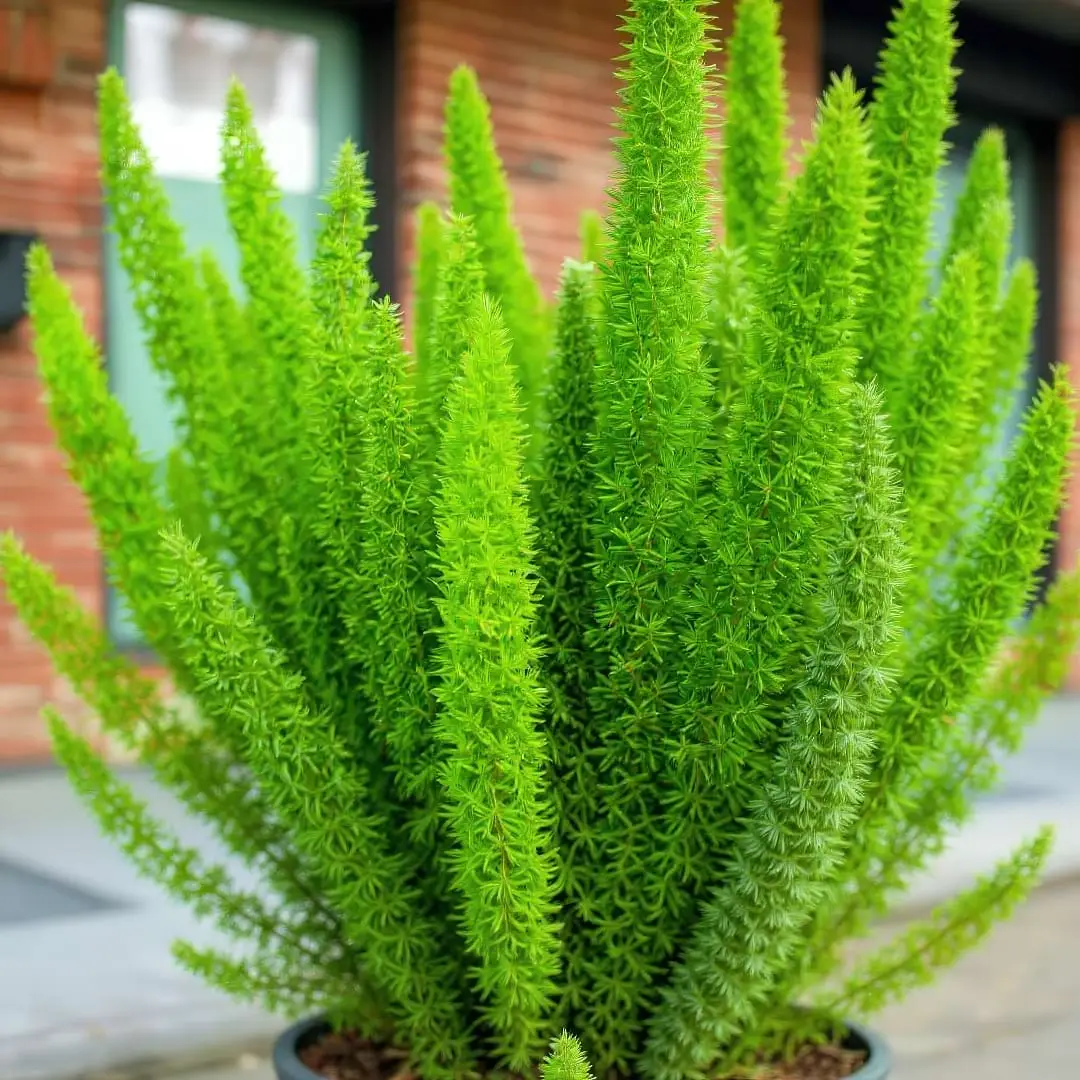
Dense upright plumes that look like a fox's tail. Compact and rich green.
'Cwebe'
A finer-textured, slightly more upright version of 'Sprengeri'.
Plumosa Fern
Asparagus setaceus (Plumosa Fern / Lace Fern) is a different species often grouped with these. Very fine lace-like foliage, climbing habit. Also toxic.
Pairing Ideas
Care is broadly similar across cultivars. Asparagus Fern pairs nicely with a trailing English Ivy or Heart-Leaf Philodendron, or an upright Parlor Palm for a layered, leafy corner.
🪴 Potting and Repotting Asparagus Ferns
When to Repot
Asparagus Ferns grow fast and become root-bound within 1-2 years. Repot when roots circle densely, push out the drainage holes, or when the soil dries out very quickly. The best time is spring.
Step-by-Step
- Water the day before so the root ball slides out cleanly.
- Ease the plant from its pot. The tuberous roots can be dense; loosen tightly coiled roots and trim any mushy or damaged ones.
- Pick a pot 1-2 inches wider with good drainage. Add a layer of fresh well-draining mix.
- Set the fern at the same depth, backfill with mix, and gently firm to remove air pockets.
- Water thoroughly, drain, and keep in normal light. No fertilizer for a month while roots settle.

✂️ Pruning Your Asparagus Fern
When and How to Prune
Pruning keeps the plant tidy and encourages fuller growth. Cut yellow or dead stems at the base any time. Trim trailing 'Sprengeri' types to control length.
Hard Pruning for Leggy Plants
For a very leggy or overgrown plant, cut everything back to 2-3 inches in early spring; it regrows vigorously from the tubers.
Watch the Thorns
Wear gloves. Many Asparagus Ferns have small, sharp thorns along the stems. Use clean, sharp scissors and water lightly afterwards to support new growth.
🌱 How to Propagate Asparagus Ferns
Best Method
Division of the tuberous roots is the easiest and most reliable method. Seed propagation is slow.
Berries are toxic. Handle with care.
Step-by-Step Division
- Unpot the parent fern and brush off some soil to expose the tuberous roots.
- With a sharp clean knife or by hand, divide the root ball into smaller sections. Each piece needs healthy tubers and at least a few stems.
- Pot each division at the same depth in fresh well-draining mix.
- Water lightly. Place in warm, bright indirect light with moderate humidity. Keep the soil consistently moist.
New growth appears within a few weeks.

From Seed
Extract small black seeds from ripe red berries (wear gloves). Sow on moist sterile seed-starting mix, cover lightly, and place under a clear lid at 70-80°F in bright indirect light. Germination is slow and patchy, from a few weeks to several months.
🐛 Common Pests
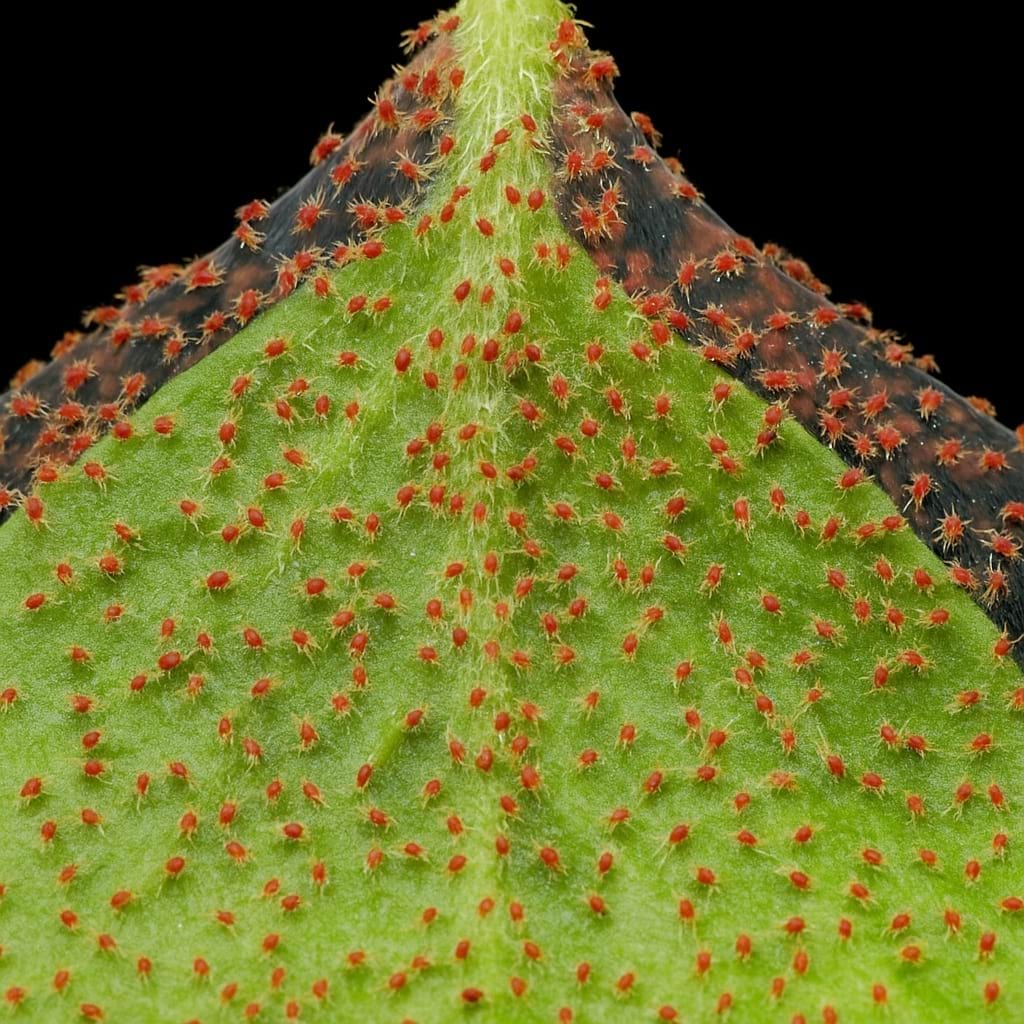
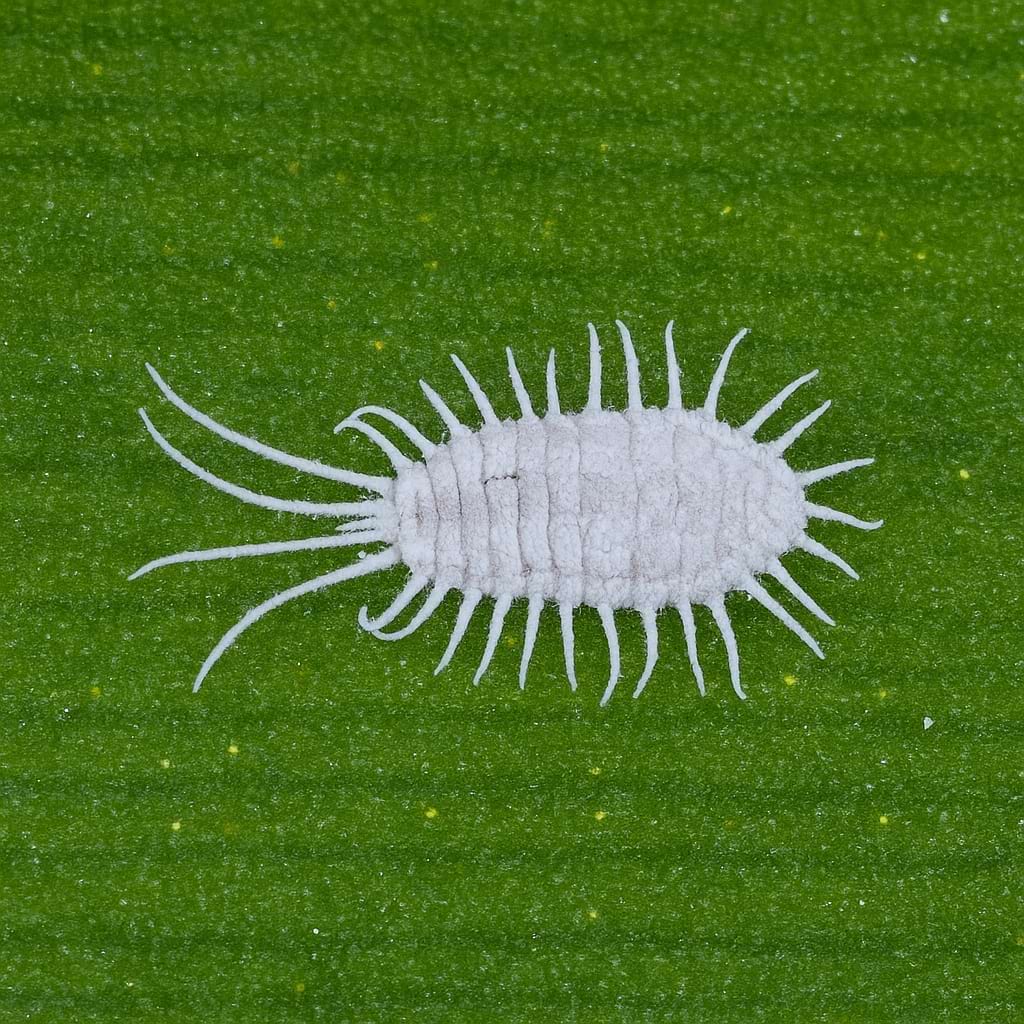
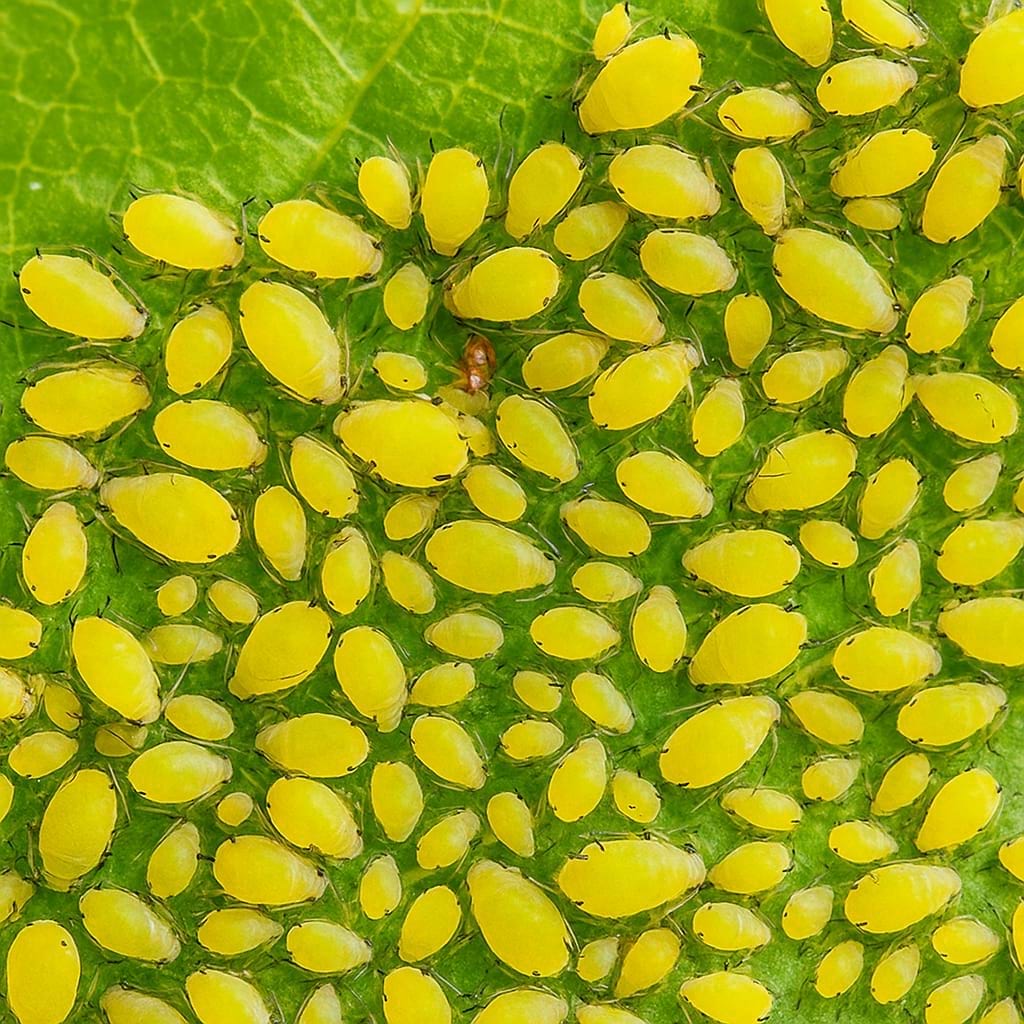
Asparagus Ferns are mostly robust, but the dense foliage can hide pests, especially on stressed plants.
- Spider Mites: Fine webbing and stippled, dusty cladophylls in dry, warm rooms. Boost humidity and treat with insecticidal soap.
- Mealybugs: White cottony clusters at stem joints. Dab with isopropyl alcohol or treat with neem oil.
- Aphids: Soft-bodied clusters on new growth. Rinse off and follow with insecticidal soap.
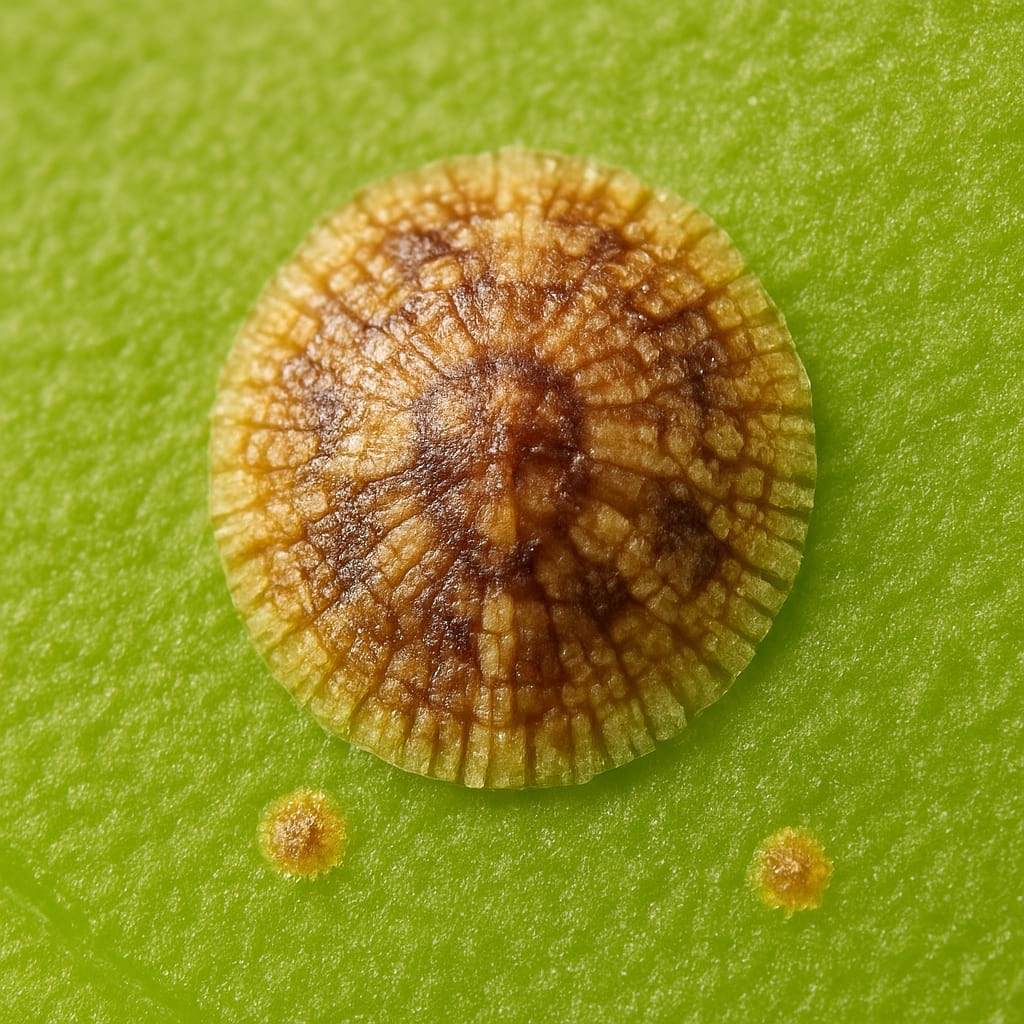
- Scale Insects: Small immobile brown or tan bumps on stems. Remove manually and treat with horticultural oil.
Inspect new plants and isolate any infestation. Increasing humidity helps deter spider mites.
🩺 Common Problems
Most issues are watering, light, or humidity.
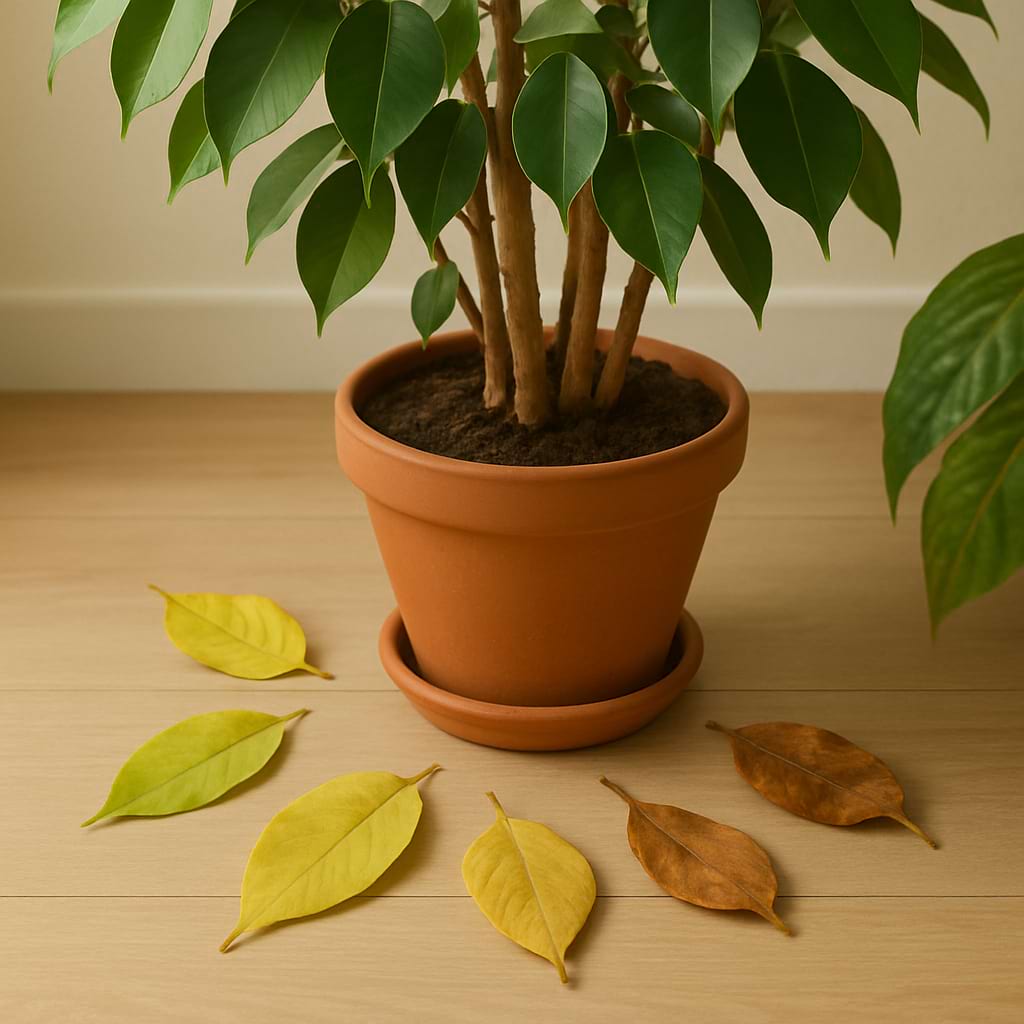
- Yellowing Leaves: Overwatering, underwatering, low light, low humidity, or natural old-stem aging.
- Leaf Drop: Heavy needle drop is usually dry air, underwatering, or sudden environmental change.
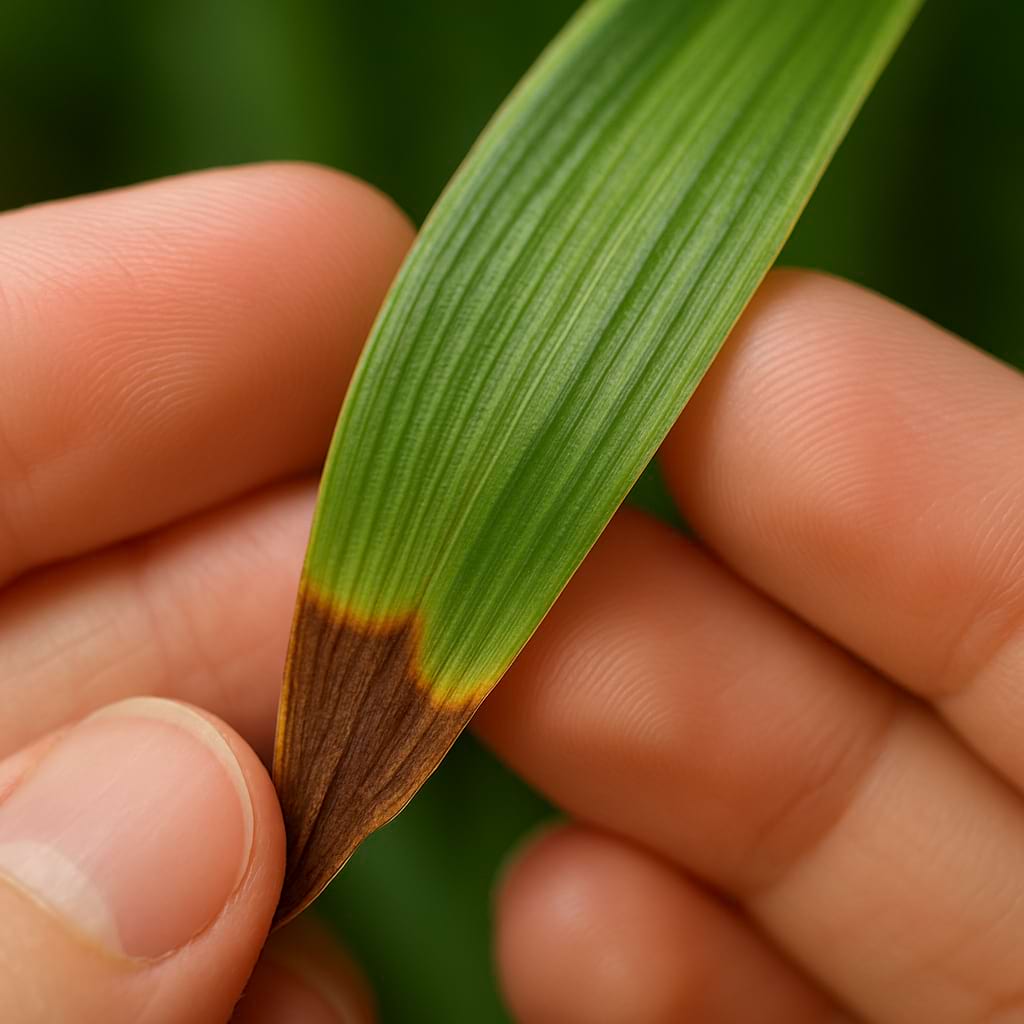
- Brown Crispy Tips: Low humidity, underwatering, or direct sun scorch.
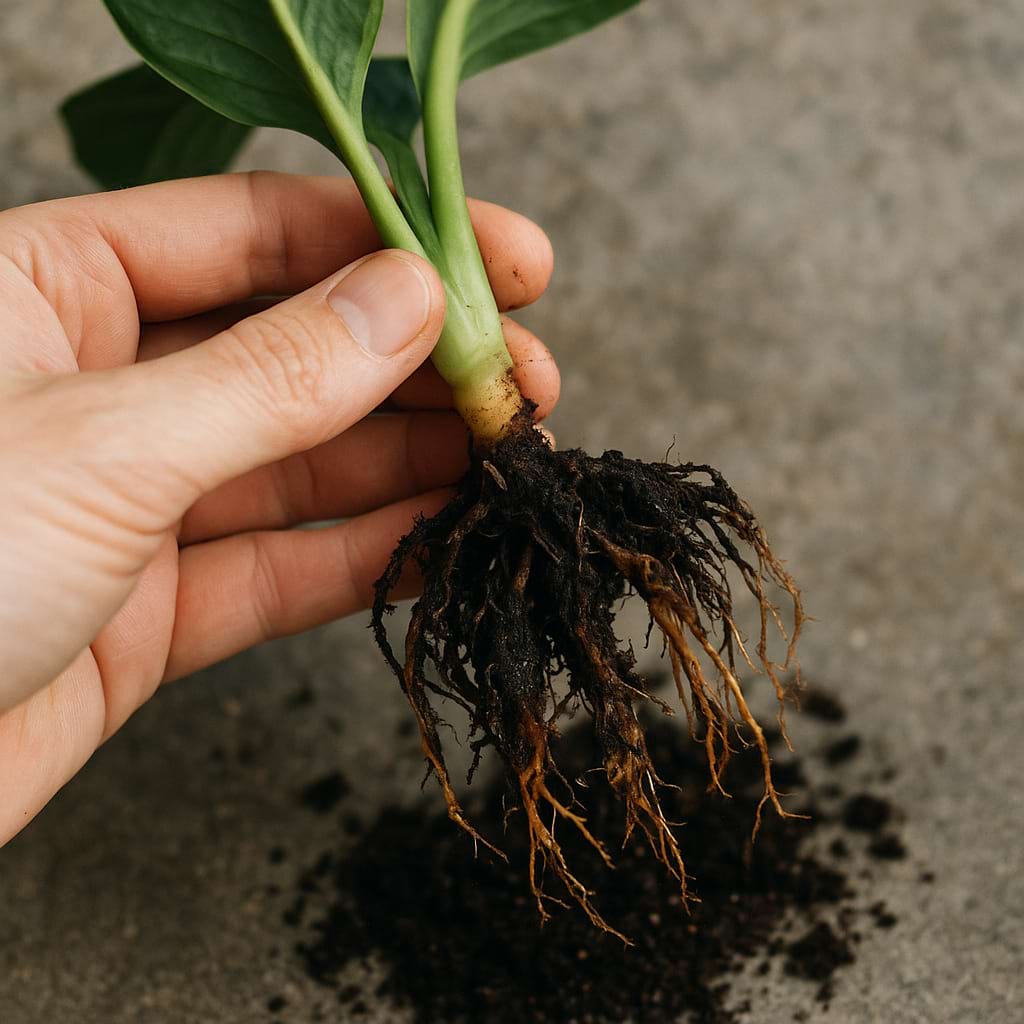
- Root Rot: Prolonged overwatering. Mushy roots, foul smell, wilting despite wet soil.
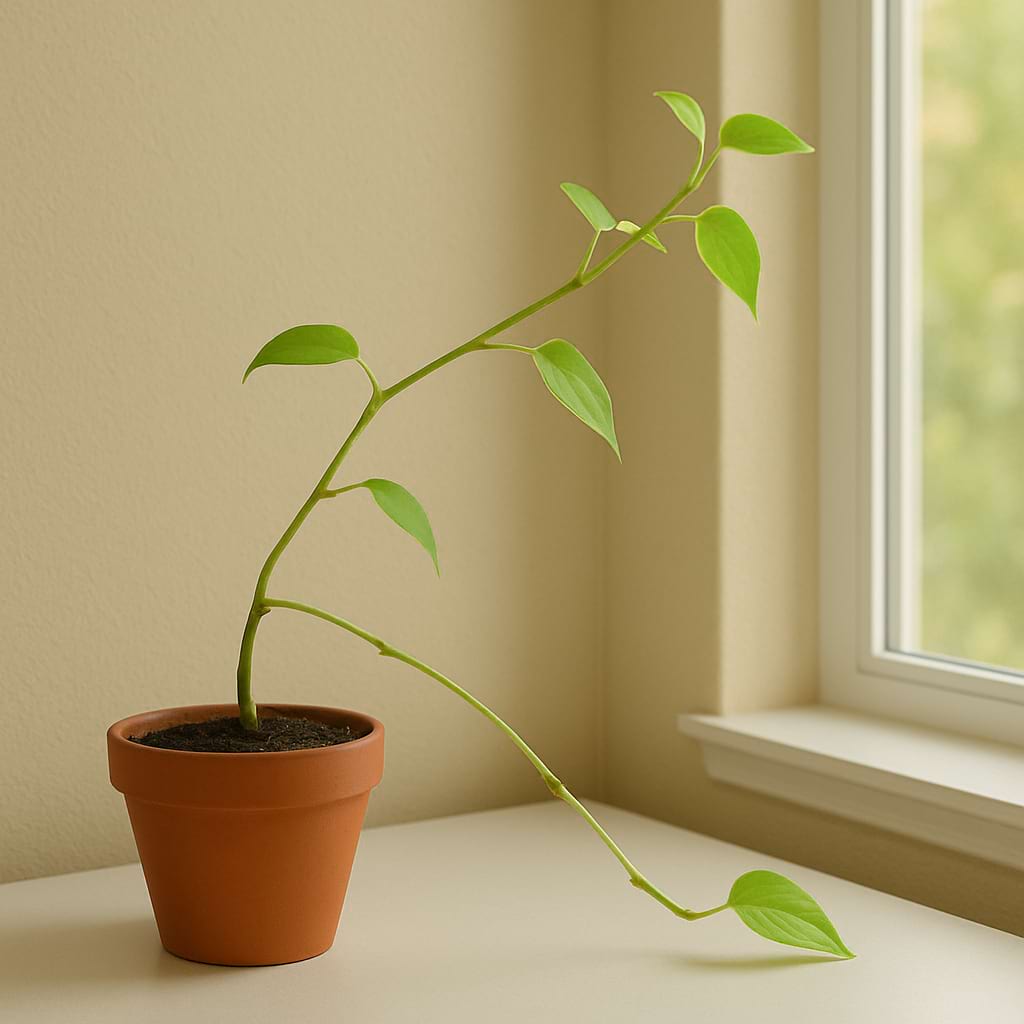
- Leggy Growth: Too little light; the stems stretch toward the window.
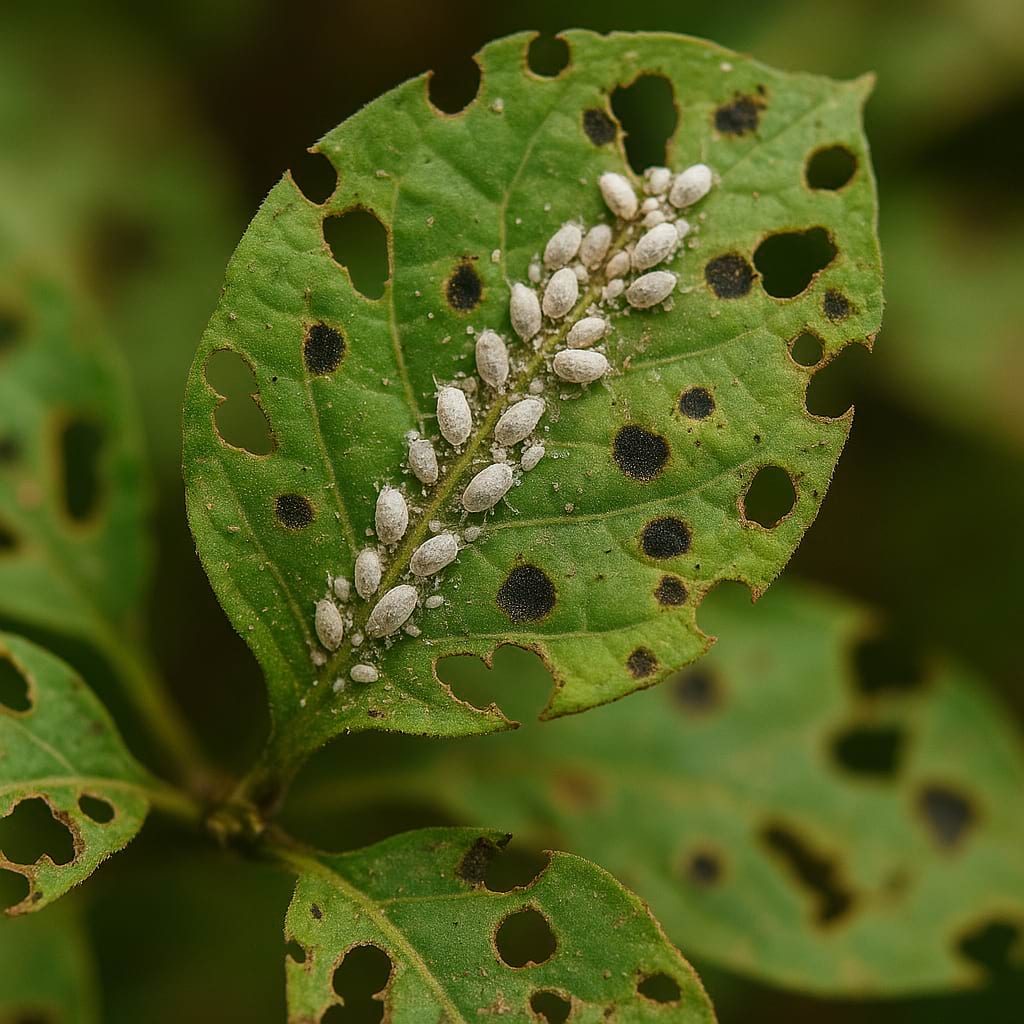
- Pest Damage: Stippling, sticky residue, or visible insects (see Pests).
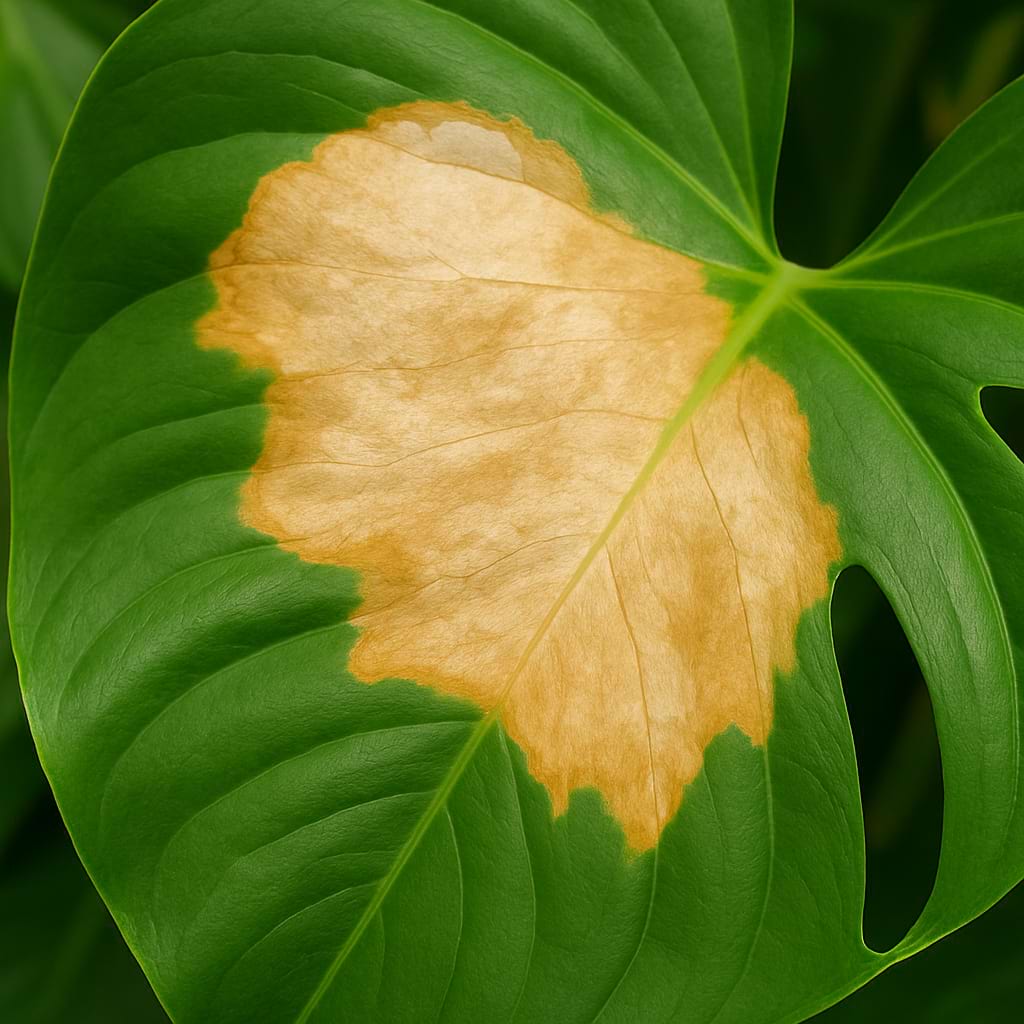
- Sunburn / Leaf Scorch: Bleached or crispy patches from intense direct sun.


🖼️ Creative Display Ideas for Asparagus Ferns
Hanging and Upright Setups
- Hanging baskets: 'Sprengeri' cascades beautifully on porches, patios, or indoors near a bright window.
- Upright pots: 'Myersii' (Foxtail Fern) looks stunning as a specimen on a stand or pedestal.
Mixed and Accent Displays
- Mixed containers: Asparagus Fern softens flowering annuals and other foliage as a spiller.
- Shelf or tabletop accent: Smaller plants add a delicate touch of green where there is good light.
- Window boxes: Trailing stems soften the edges.
Humidity-Friendly Spots
- Bathroom plant: A bright bathroom with extra humidity is great for this fern.

👍 Pro Tips for Healthy Asparagus Fern Growth
- Bright indirect light is the sweet spot; helps keep the foliage dense and bright.
- Consistent moisture during the growing season, but never waterlogged. The tubers store water but the plant prefers steady drinks.
- Humidity helps. A pebble tray or humidifier prevents brown tips and needle drop, especially in winter.
- Beware of thorns. Wear gloves when handling or pruning mature plants.
- Toxic berries and foliage. Keep out of reach of pets and small children.
- Prune to refresh. Cutting old stems at the base, or even hard-pruning a leggy plant in spring, encourages bushier growth.
- Divide to multiply. The easiest way to get more plants or keep a large fern manageable.
- Watch for pests. The dense foliage hides spider mites and mealybugs. Inspect every couple of weeks.
❓ Frequently Asked Questions
Is Asparagus Fern a real fern?
No. Despite the name and the look, it is in the Asparagaceae family, related to edible asparagus.
Why are the "needles" yellowing and falling off?
Underwatering, overwatering, low light, low humidity, or natural aging of older stems. Check your watering rhythm and the light first.
Is Asparagus Fern toxic to cats and dogs?
Yes. Berries and foliage cause vomiting and diarrhea if eaten, and repeated skin contact can cause dermatitis.
How much light does an Asparagus Fern need?
Bright indirect light. Some morning sun is fine; harsh afternoon sun burns the foliage. It tolerates lower light but gets leggy.
Can I grow Asparagus Fern outdoors?
Yes, in zones 9-11 as a perennial. In cooler zones, grow as an annual or bring indoors before frost. It can become invasive in some warm climates.
ℹ️ Asparagus Fern Info
Care and Maintenance
🪴 Soil Type and pH: Well-draining, loamy, slightly acidic (pH 6.5-7.5)
💧 Humidity and Misting: Prefers moderate to high humidity (40-60%+); mist regularly or use a humidifier.
✂️ Pruning: Trim yellow or dead stems at the base. Prune to shape or control size. Wear gloves (thorns).
🧼 Cleaning: Mist fronds to clean; avoid wiping as foliage is delicate.
🌱 Repotting: Every 1-2 years or when root-bound, typically in spring. Handle tuberous roots with care.
🔄 Repotting Frequency: Every 1-2 years
❄️ Seasonal Changes in Care: Reduce watering in winter. Protect from frost if outdoors.
Growing Characteristics
💥 Growth Speed: Fast
🔄 Life Cycle: Perennial
💥 Bloom Time: Summer (small, inconspicuous flowers)
🌡️ Hardiness Zones: 9-11 (Outdoor); Indoors in all zones
🗺️ Native Area: Southern Africa (South Africa, Mozambique)
🚘 Hibernation: No, but growth slows in cooler weather.
Propagation and Health
📍 Suitable Locations: Indoor, hanging baskets, containers, groundcover in mild climates (can be invasive).
🪴 Propagation Methods: Division of tuberous roots, or by seed (berries are toxic).
🐛 Common Pests: Spider Mites, Mealybugs, Aphids, Scale Insects
🦠 Possible Diseases: Root rot (if overwatered), fungal leaf spots
Plant Details
🌿 Plant Type: Perennial (fern-like, not a true fern)
🍃 Foliage Type: Evergreen (actually cladophylls - flattened stems that look like leaves)
🎨 Color of Leaves: Bright green to deep green
🌸 Flower Color: White to light pink
🌼 Blooming: Produces small, often fragrant, white or light pink flowers, followed by small red berries (berries are toxic).
🍽️ Edibility: Not edible. Berries and foliage are toxic if ingested.
📏 Mature Size: 1-3 feet (depending on cultivar and support)
Additional Info
🌻 General Benefits: Ornamental feathery foliage, relatively drought-tolerant once established.
💊 Medical Properties: Some traditional uses, but toxic for home use.
🧿 Feng Shui: Brings softness and flowing energy to a space
⭐ Zodiac Sign Compatibility: Pisces
🌈 Symbolism or Folklore: Fascination, sincerity (general plant symbolism)
📝 Interesting Facts: Not a true fern; it's a member of the Asparagaceae family. Stems can have small, sharp thorns. The 'leaves' are actually flattened stems called cladophylls. Can be invasive in some warm climates.
Buying and Usage
🛒 What to Look for When Buying: Choose plants with vibrant green, dense foliage. Avoid plants with many yellowing stems or significant 'needle' drop.
🪴 Other Uses: Filler in floral arrangements (cut foliage), hanging baskets, groundcover.
Decoration and Styling
🖼️ Display Ideas: Hanging baskets ('Sprengeri'), upright pots ('Myersii'), mixed containers, as a spiller in window boxes.
🧵 Styling Tips: Its airy texture contrasts well with broad-leaved plants. Ideal for adding a soft, feathery touch to interiors.
🪴 See also 🪴

Houseplant101 Forum
Questions & Comments
Ask a question, share your plant experience, or help other plant owners.
Comments are temporarily unavailable.
Open the Houseplant101 ForumNo comments yet
Be the first to ask a question or share your experience about this page.
Log in or create an account
Comments use your Houseplant101 Forum account, but you can stay on this page.
Create a new account