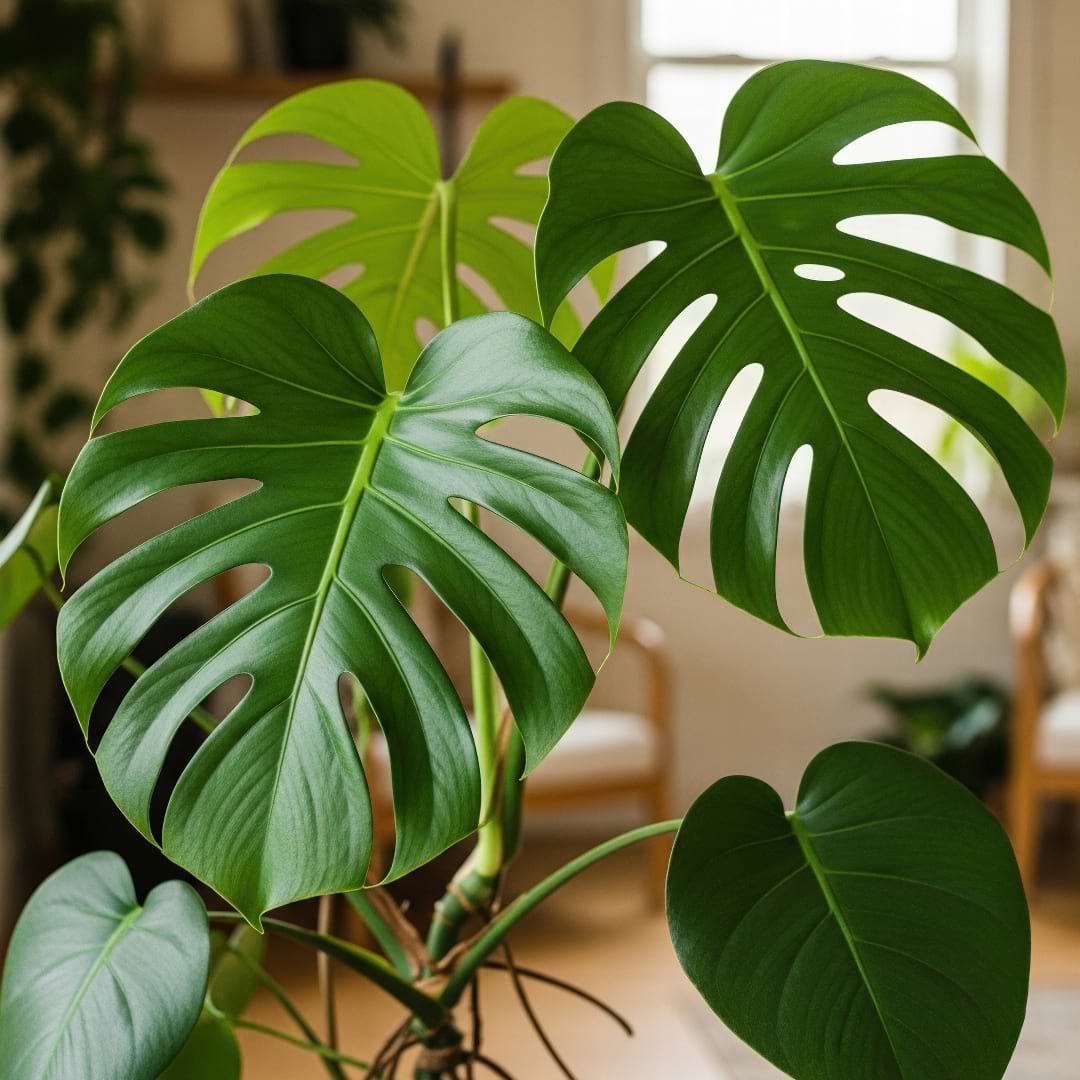
 AI Overview
 🪴 In This Guide 🪴

💡 How to Use This Guide
This guide is split into two parts. First, we'll showcase the "Monstera Hall of Fame"-detailed profiles of the 12 most common and sought-after species in the houseplant hobby. These are the plants you're most likely to find and grow.
The second part is the "Complete A-Z Botanical List," a comprehensive reference of every officially recognized Monstera species. Many of these are not in cultivation, but it's a fascinating look at the true scale of the genus.
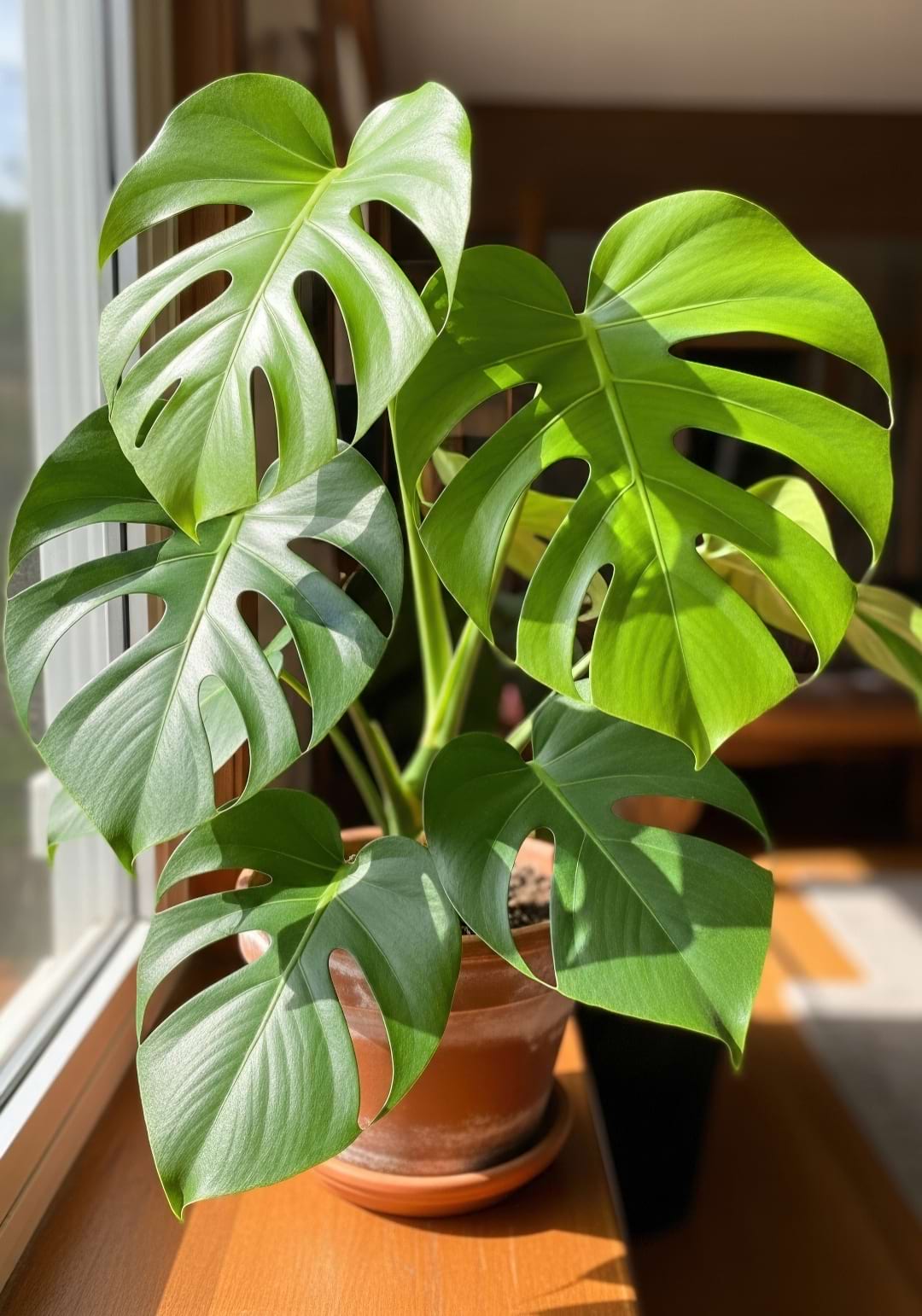
🌿 1. Monstera deliciosa
Why It's Popular
The undisputed king. This is the classic "Swiss Cheese Plant" that made the genus famous. Its large, glossy leaves develop dramatic splits (fenestrations) as the plant matures, making it a stunning statement piece for any home.
Houseplant Care & Info
Widely available and relatively easy to care for, it's the perfect starting point for any Monstera enthusiast. Variegated forms like the 'Thai Constellation' and 'Albo' are also highly prized.
👉 For a complete breakdown of its care, from watering to propagation, check out our Ultimate Monstera Deliciosa Care Guide.
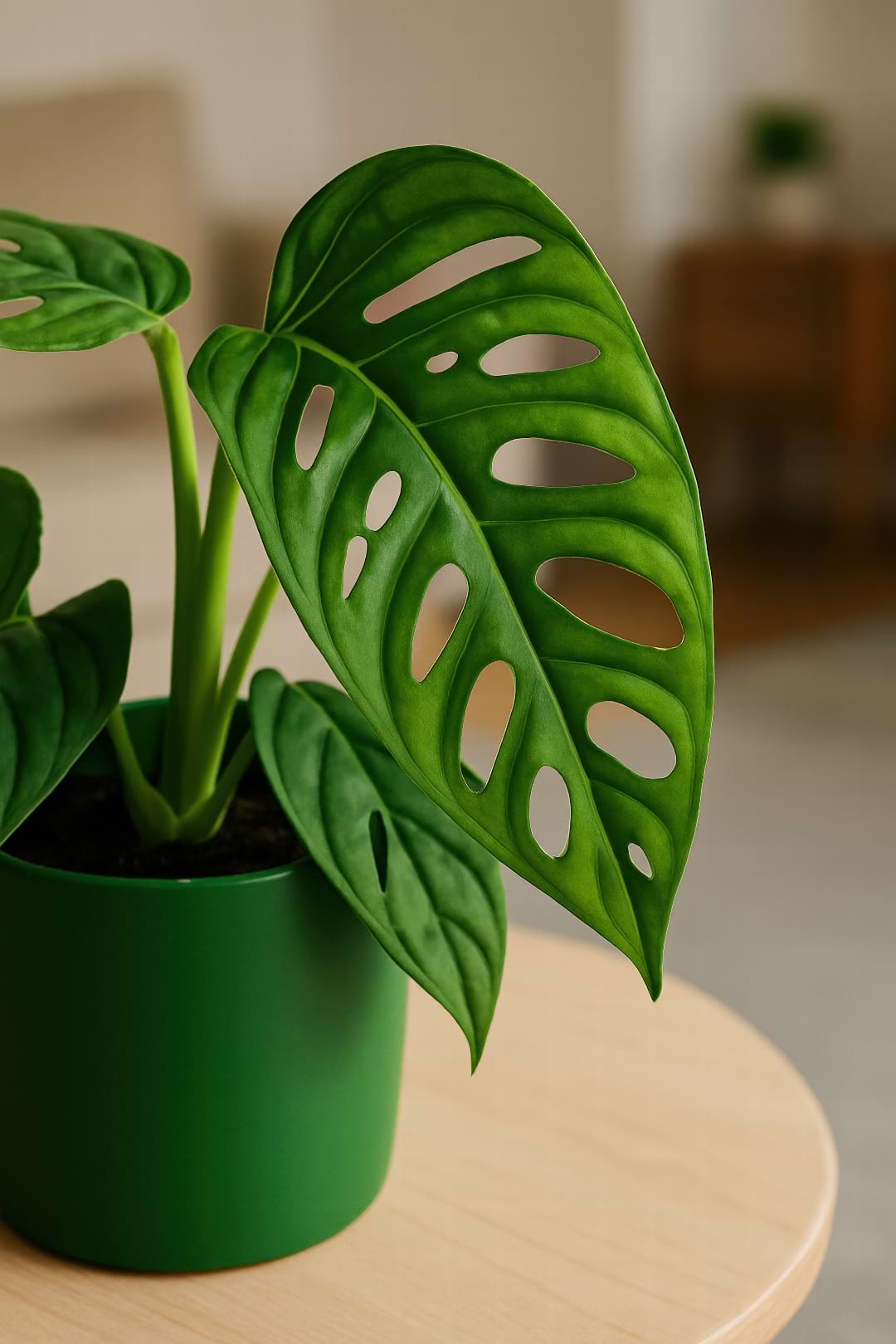
🌿 2. Monstera adansonii
Why It's Popular
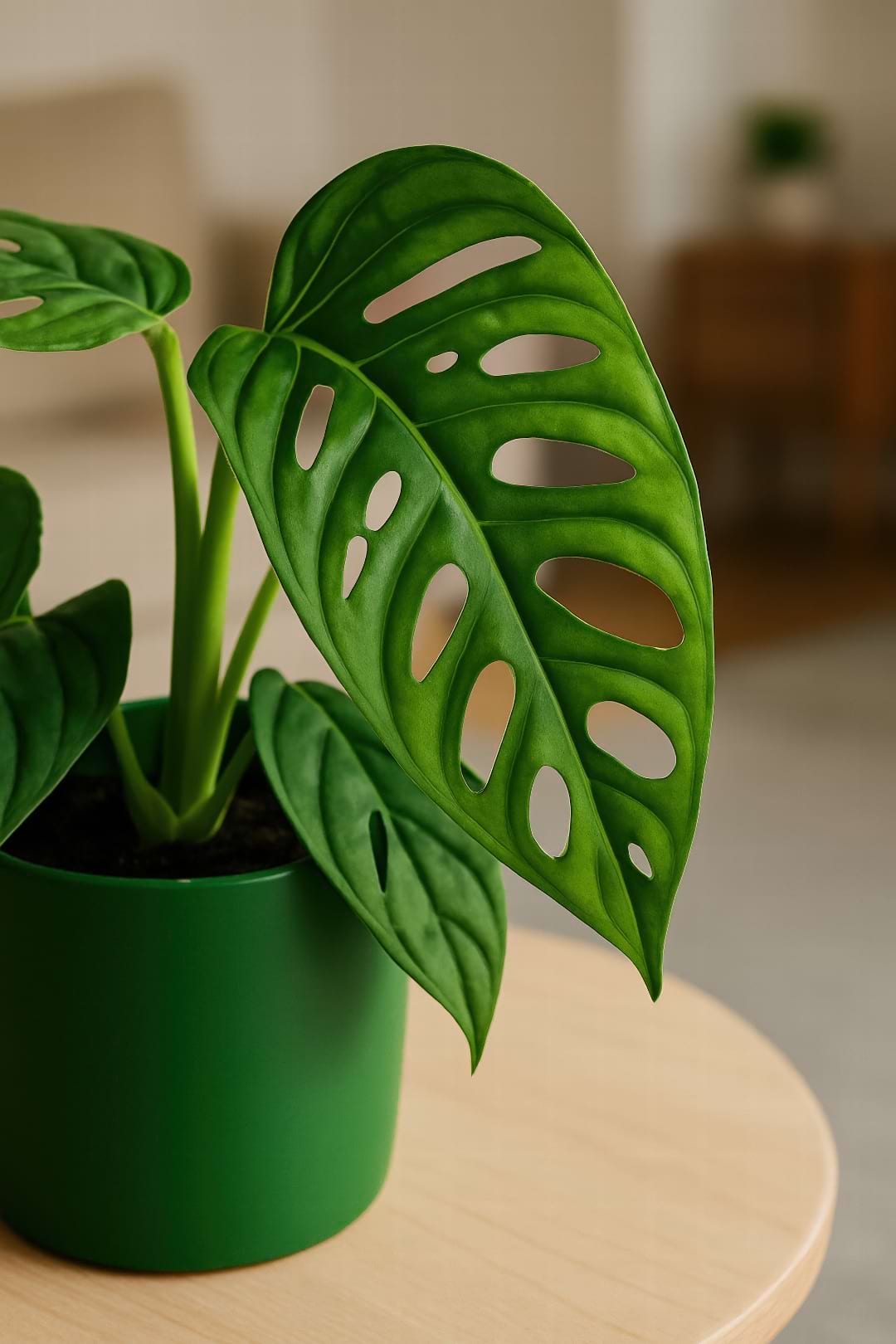
Often called the "Swiss Cheese Vine," this species is beloved for its fast-growing, vining nature and leaves that are more hole than split. It's incredibly versatile and can be grown trailing from a basket or climbing up a moss pole.
Houseplant Care & Info
Very common and easy to find. Its care is straightforward, making it an excellent choice for beginners who want a plant with lots of character. It comes in both narrow and round-leaf forms.
👉 For a complete breakdown of its care, from watering to propagation, check out our Ultimate Monstera Adansonii Care Guide.
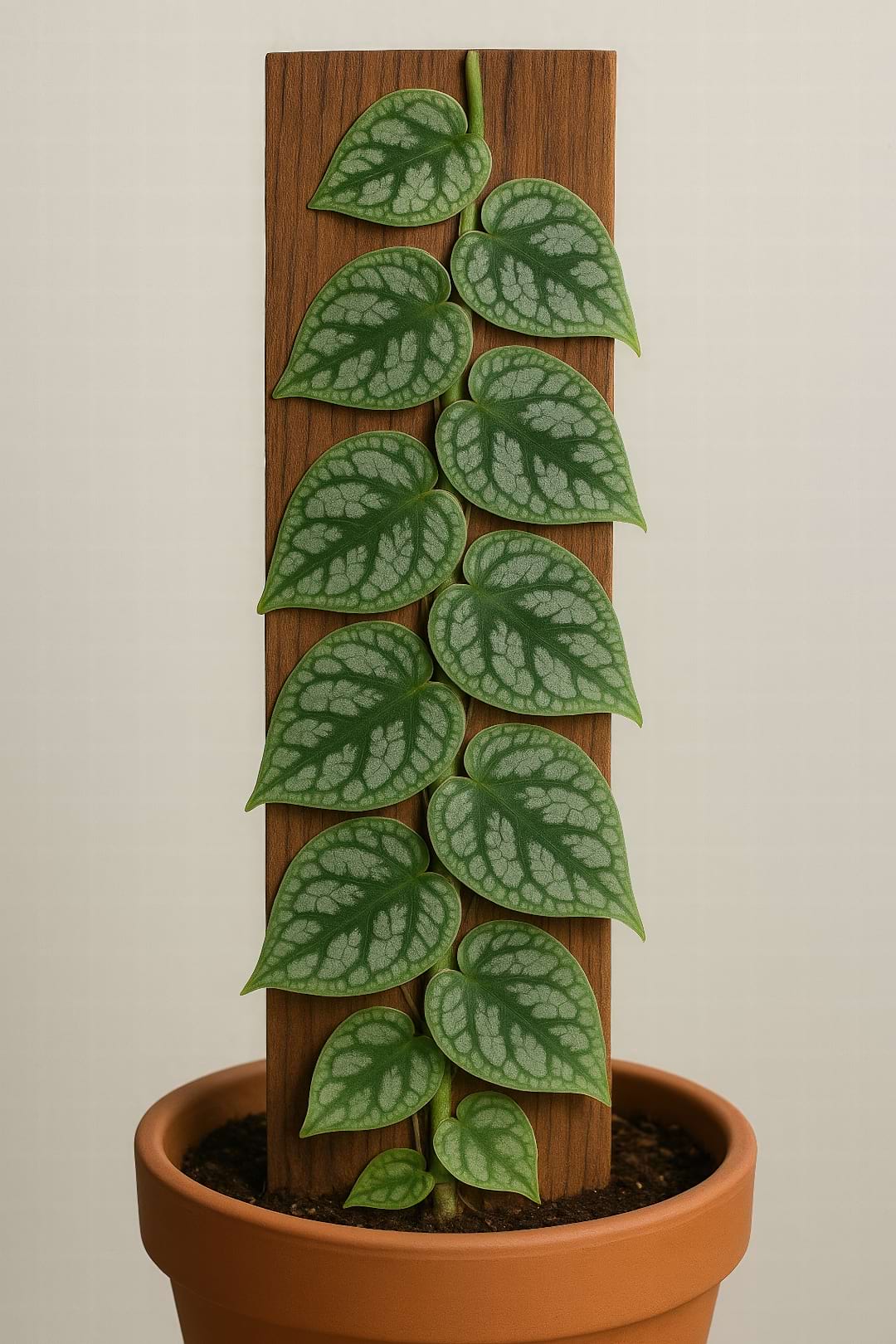
🌿 3. Monstera dubia
Why It's Popular
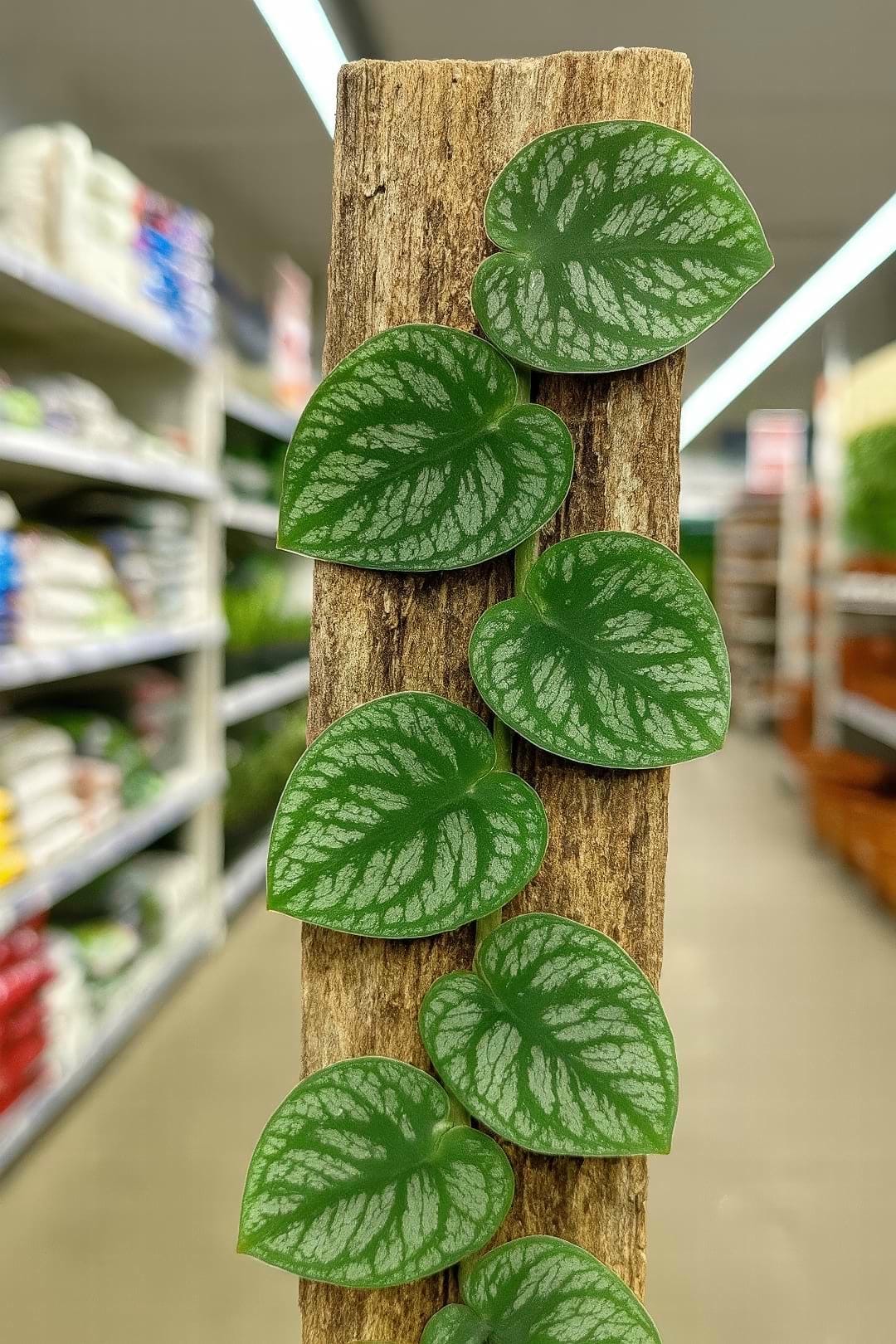
The "Shingle Plant." In its juvenile form, its small, heart-shaped leaves lie perfectly flat against whatever surface it's climbing. This unique growth habit is a fascinating display of nature. As it matures high up, it will eventually produce large, fenestrated leaves.
Houseplant Care & Info
A collector's favorite that is becoming more common. Its most critical needs are high humidity and a plank to climb.
👉 Learn the secrets to its unique care in our Complete Monstera Dubia Care Guide.
🌿 4. Monstera pinnatipartita
Why It's Popular
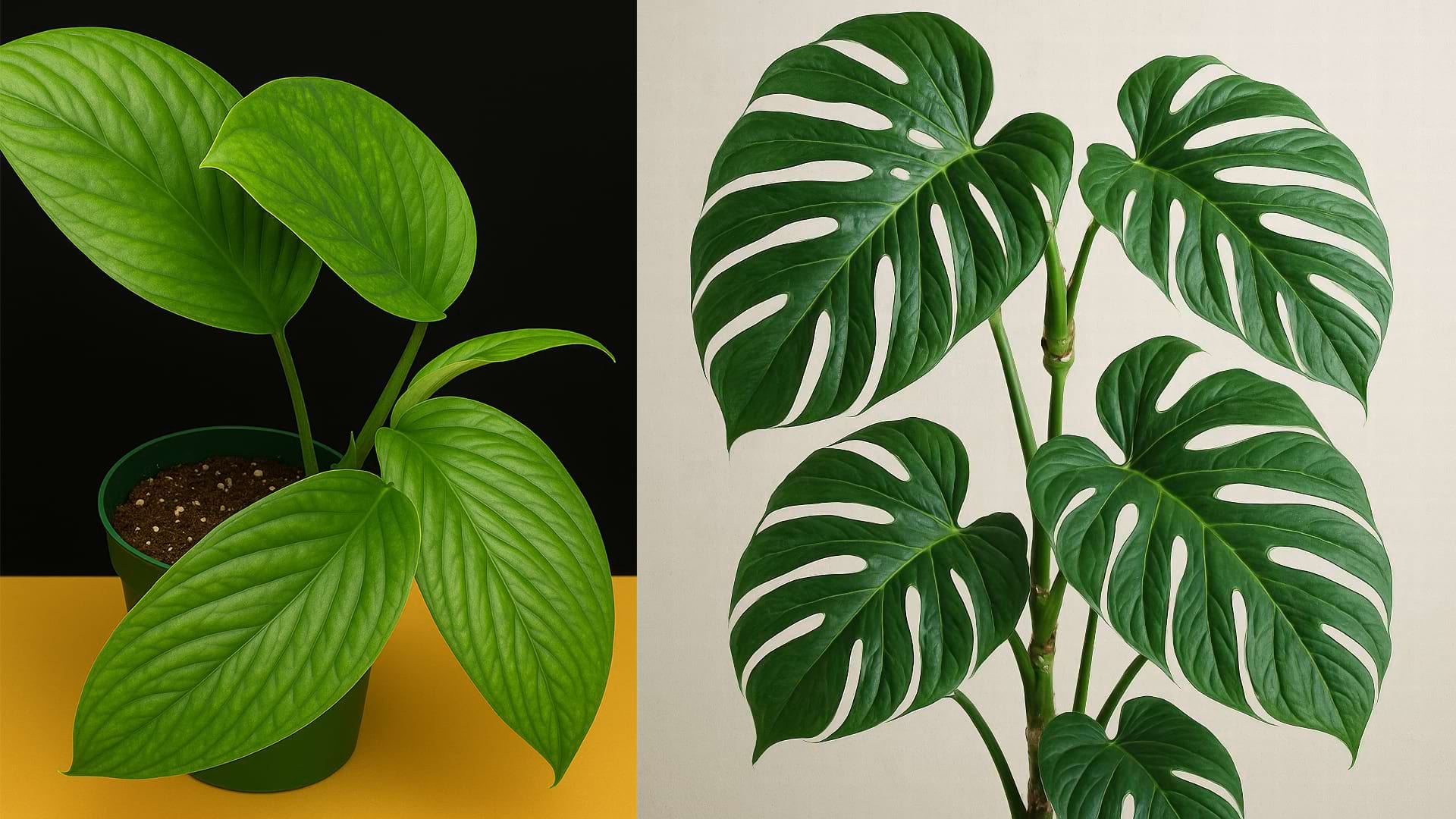
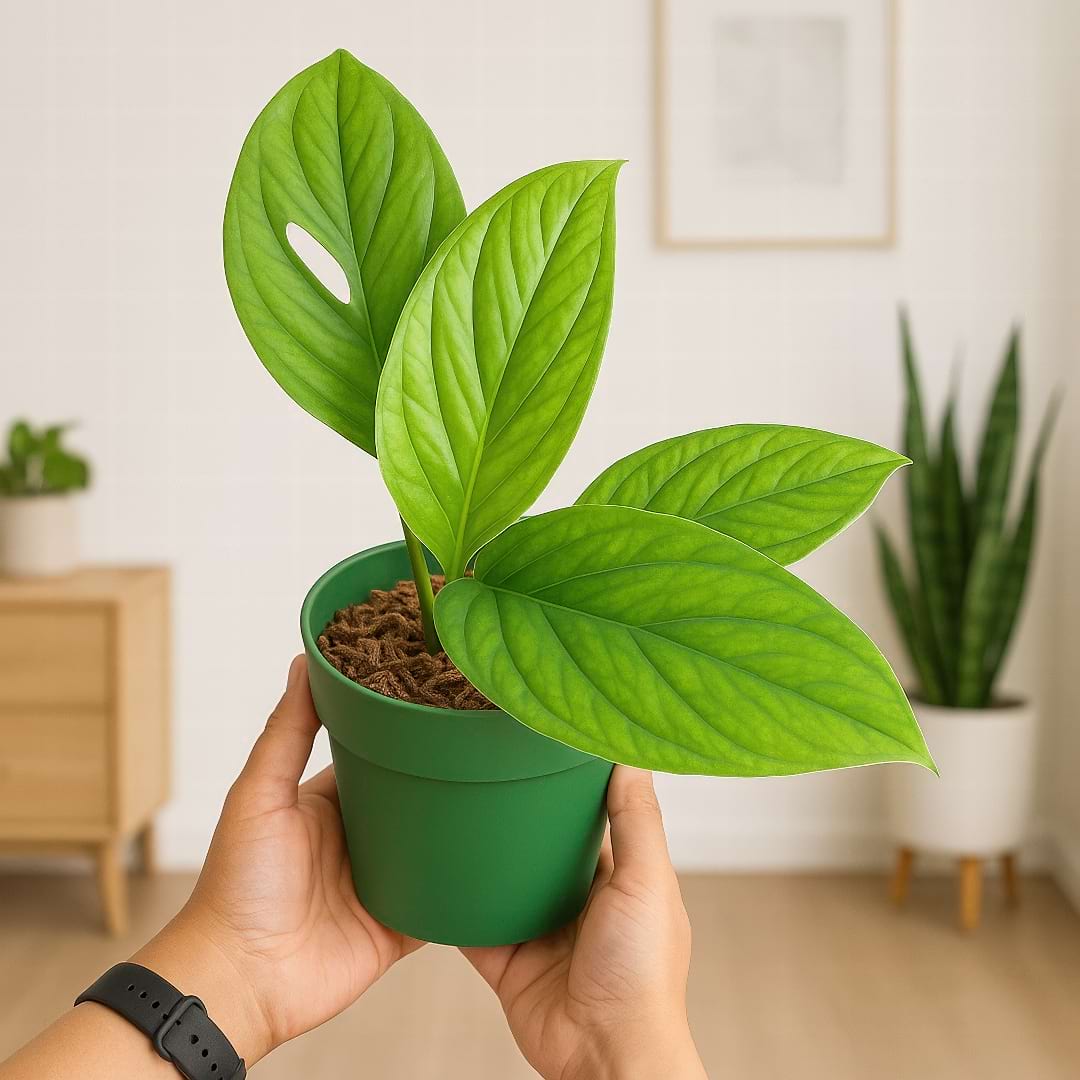
A true showstopper. While its juvenile leaves are solid green, the mature form develops incredibly deep, dramatic fenestrations that run almost to the central vein, creating a stunning, palm-like effect.
Houseplant Care & Info
Once rare, it's now more accessible to collectors. It requires bright light and a support to climb to reach its magnificent mature form.
👉 See how to care for this stunning transformer in our Complete Monstera Pinnatipartita Care Guide.
🌿 5. Monstera standleyana
Why It's Popular
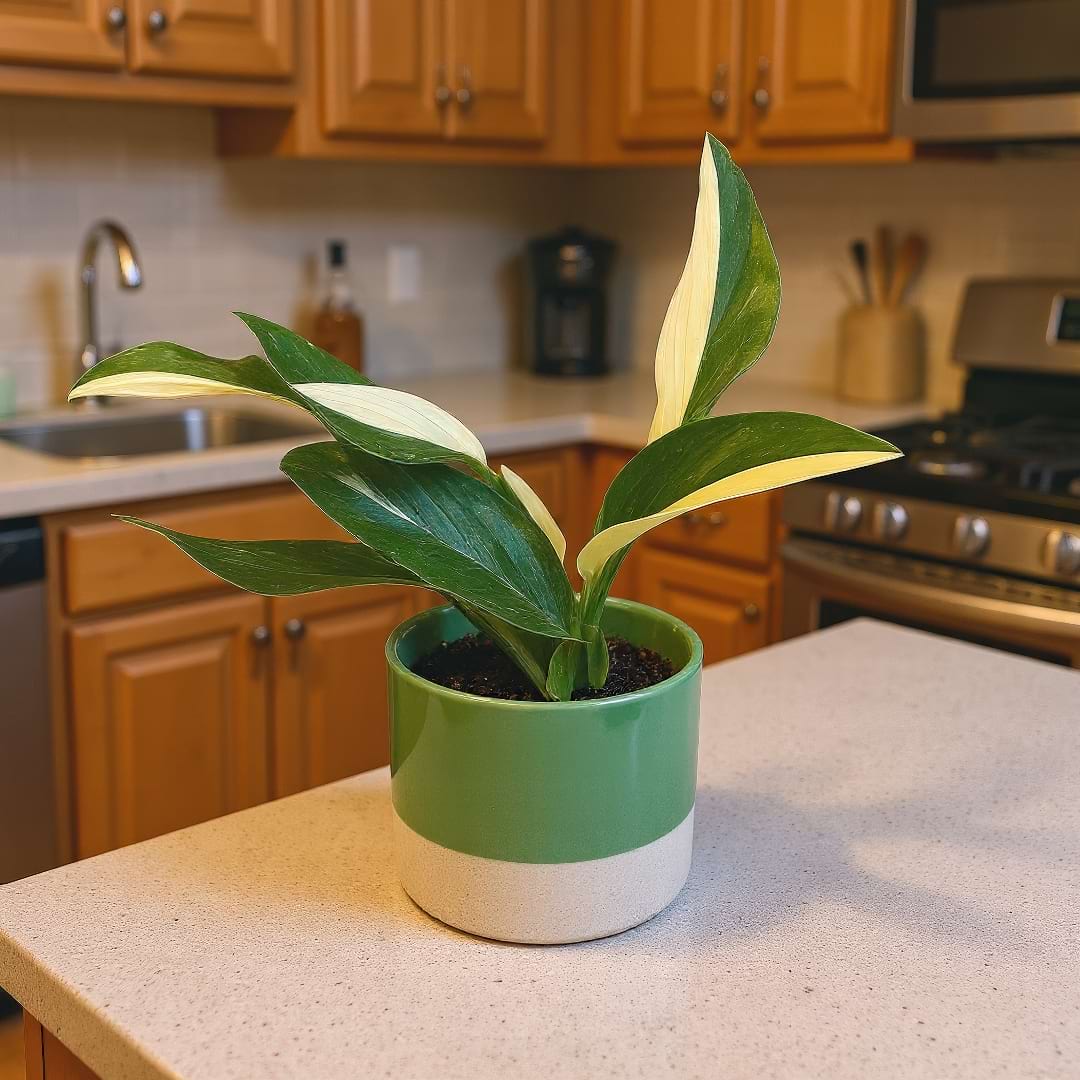
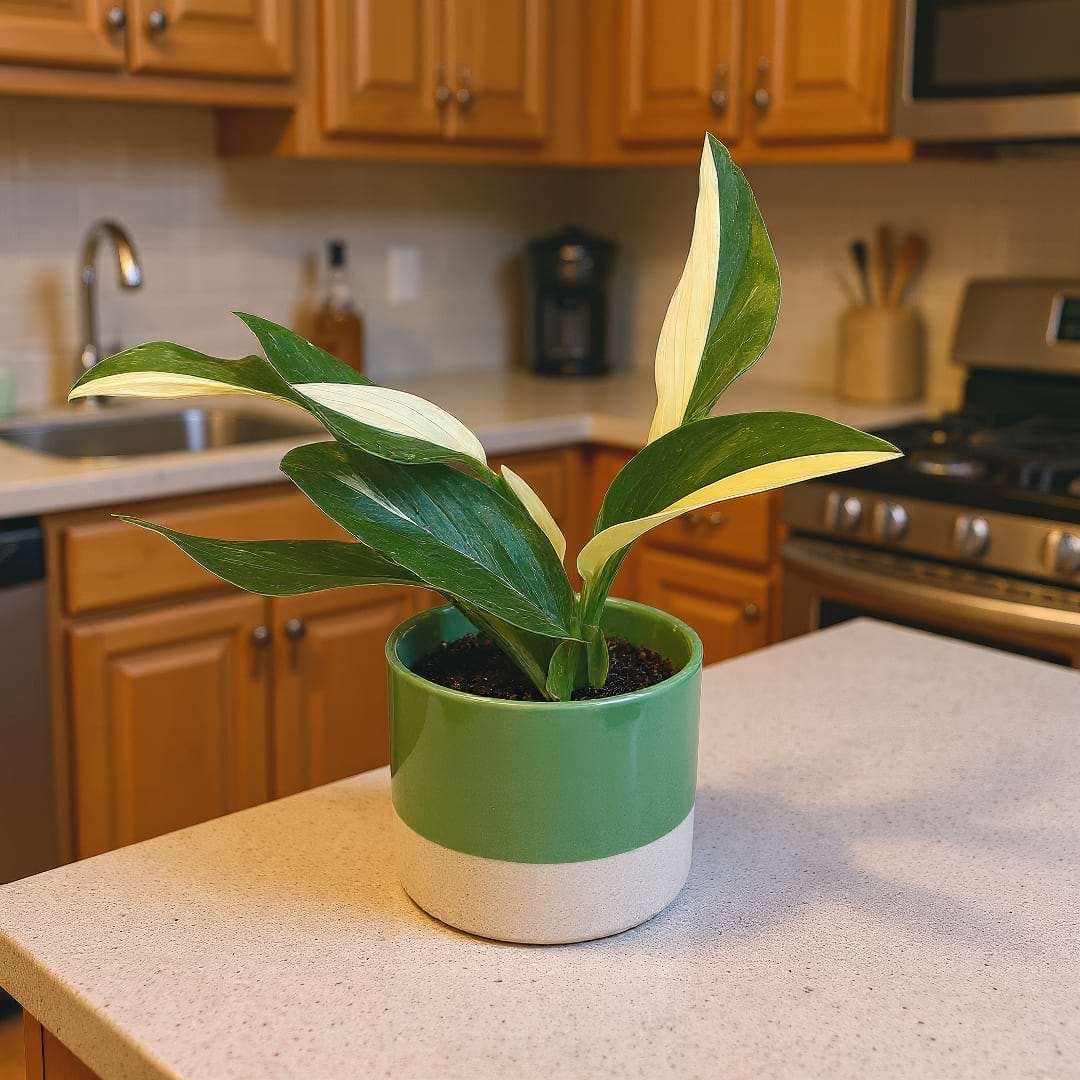
Prized for its beautiful variegation. The most common form, 'Albo Variegata', features dark green, lance-shaped leaves heavily splashed and speckled with pure white. The 'Aurea' form features yellow variegation.
Houseplant Care & Info
This is a climbing Monstera that remains relatively compact. It's a collector's plant that is highly sought after but is generally easy to care for.
👉 Discover the secrets to its starry variegation in our Complete Monstera Standleyana Care Guide.
🌿 6. Monstera siltepecana
Why It's Popular
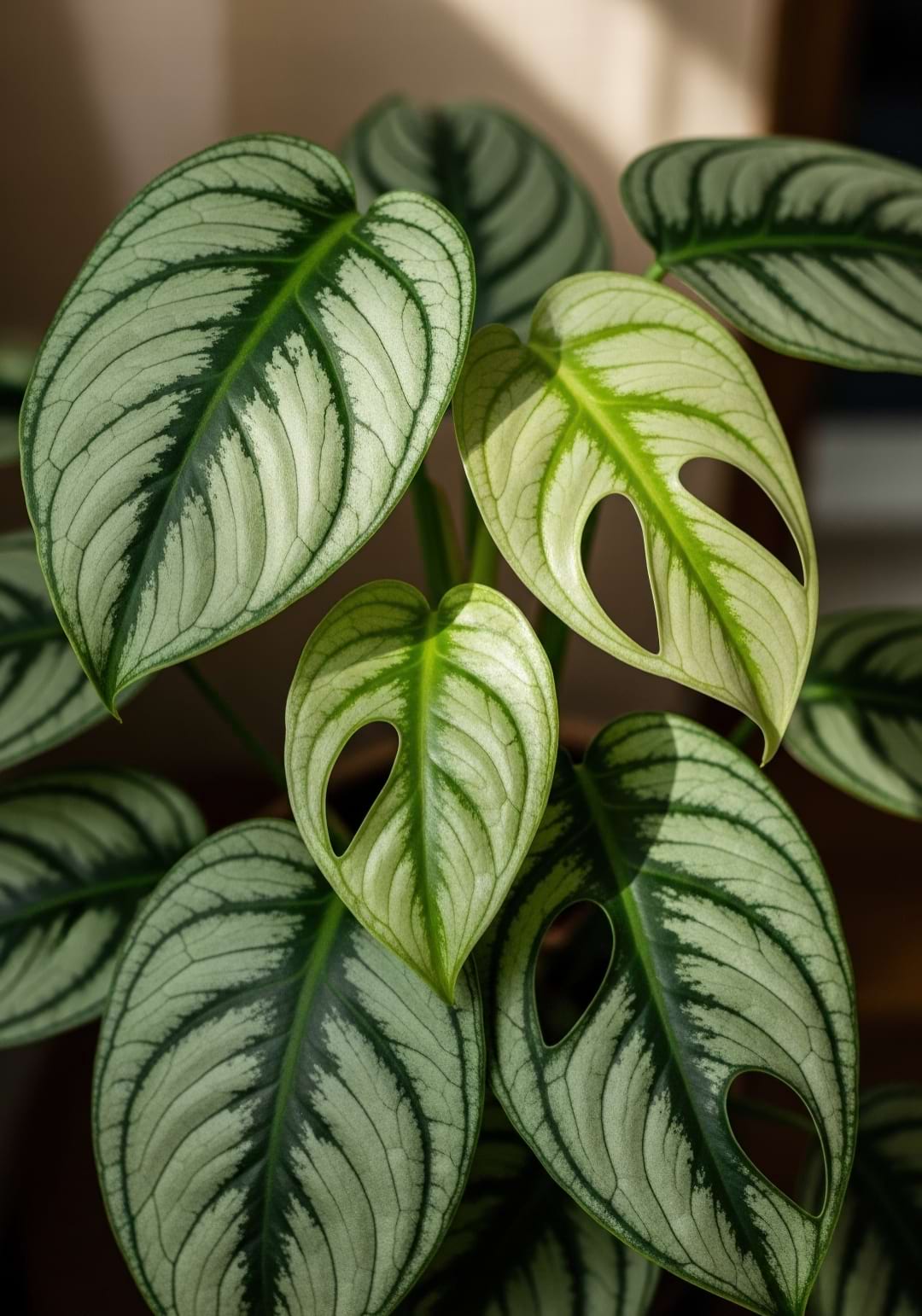
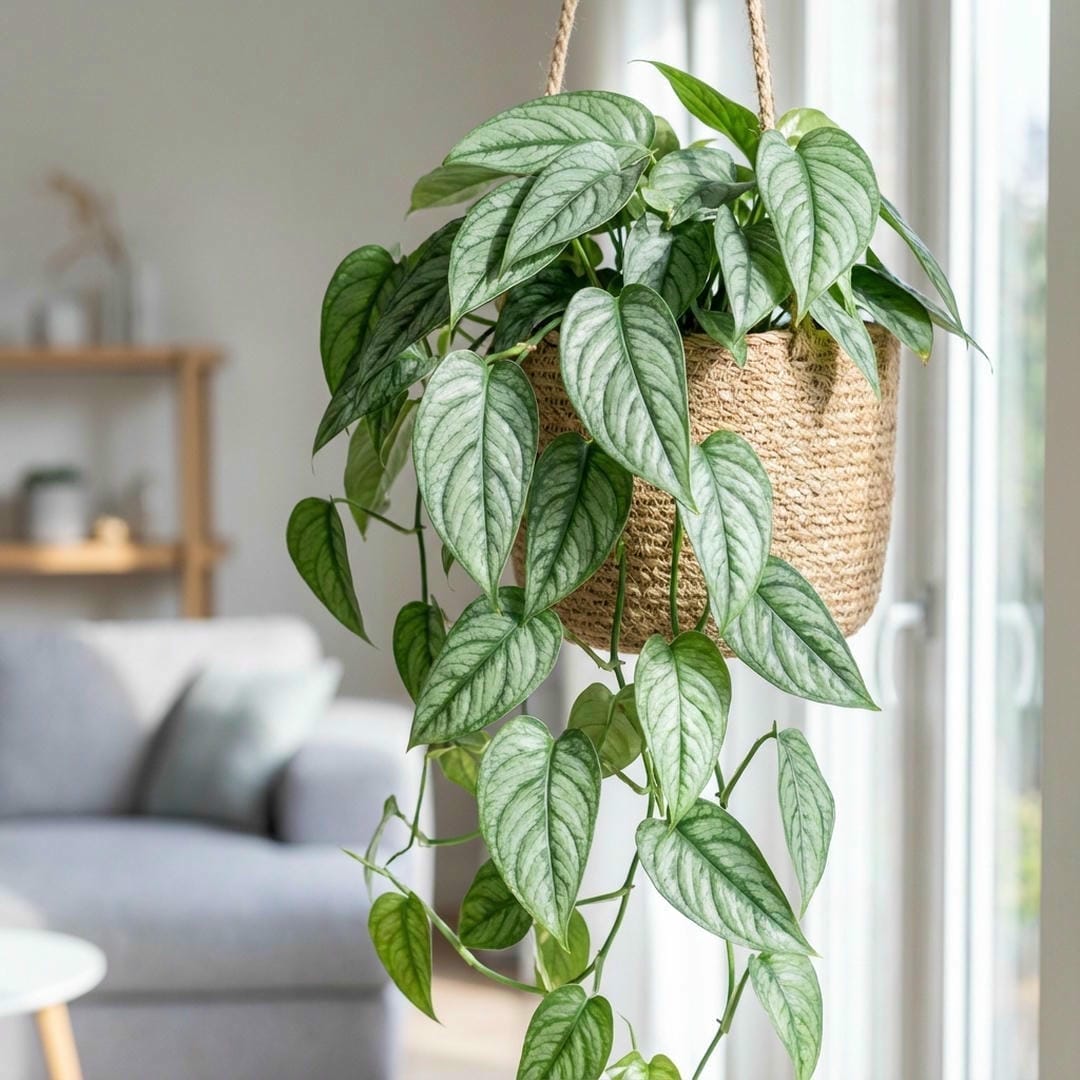
A plant with two faces. The juvenile form, often sold as "Silver Monstera," has beautiful silvery-blue leaves with dark green veins. As it climbs and matures, the leaves grow much larger, lose their silver coloring, and develop fenestrations.
Houseplant Care & Info
Widely available and affordable. It's a great choice for those who want to watch a plant dramatically transform as it grows.
👉 Get the full care details in our Complete Monstera Siltepecana Care Guide.
🌿 7. Monstera obliqua
Why It's Popular
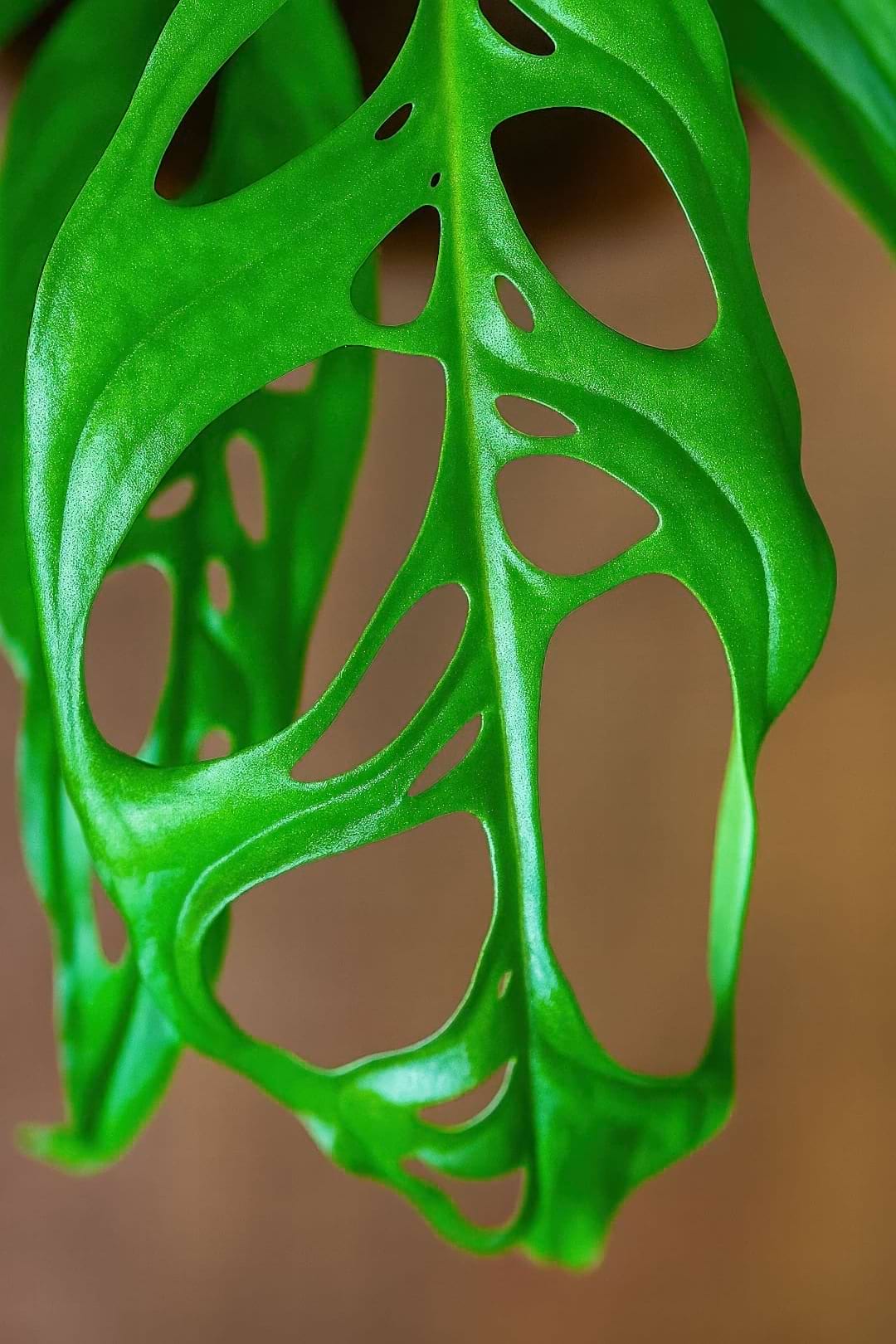
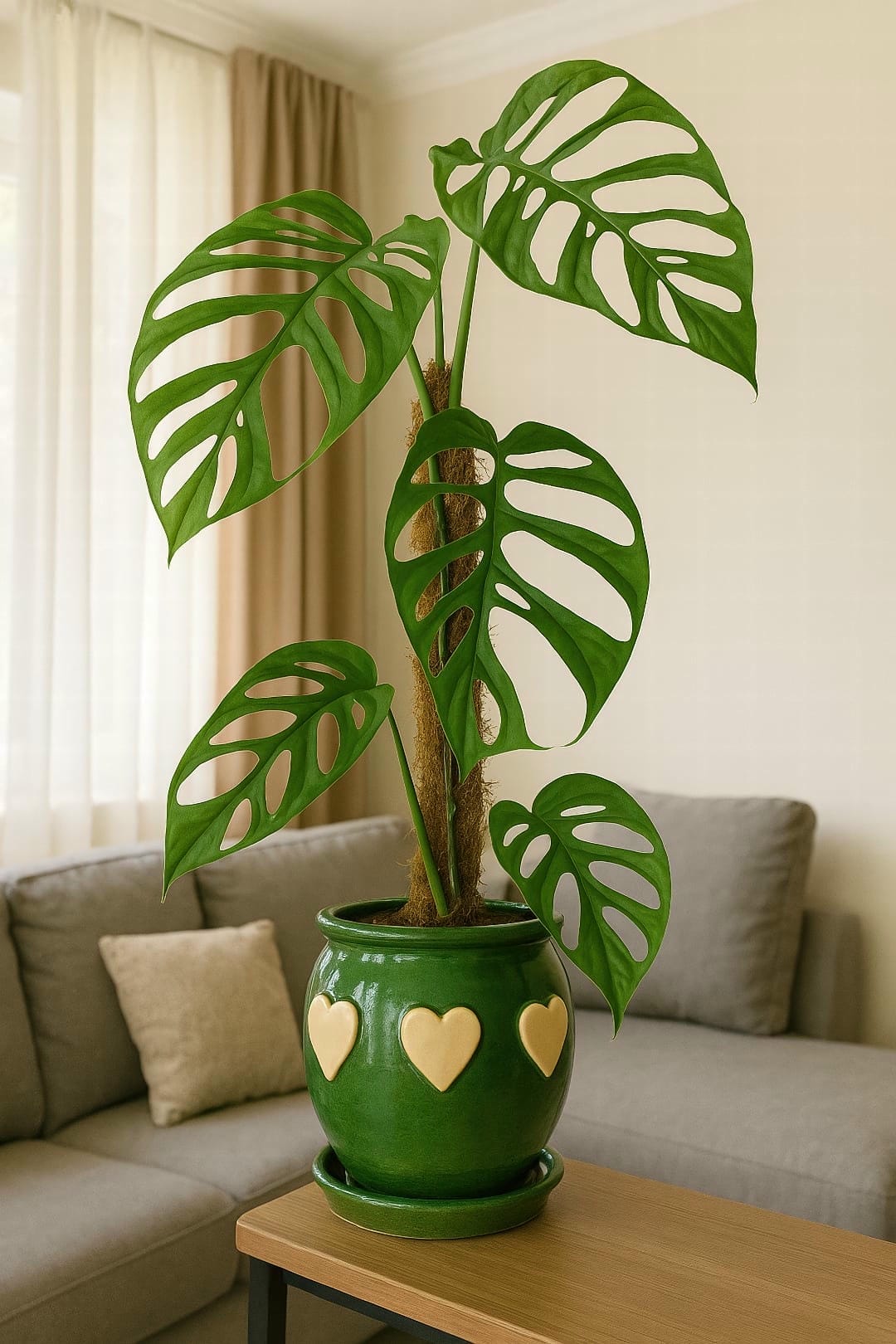
The "Holy Grail." True Monstera obliqua (specifically the Peru form) is legendary among collectors for its paper-thin leaves that consist of more empty space than actual plant tissue. It's the pinnacle of natural fenestration.
Houseplant Care & Info
Extremely rare and exceptionally expensive. Requires very high humidity and specialized care, making it a plant for expert-level collectors only. Often confused with the common M. adansonii.
👉 Get the expert-level details in our Complete Monstera Obliqua Care Guide.
🌿 8. Monstera epipremnoides
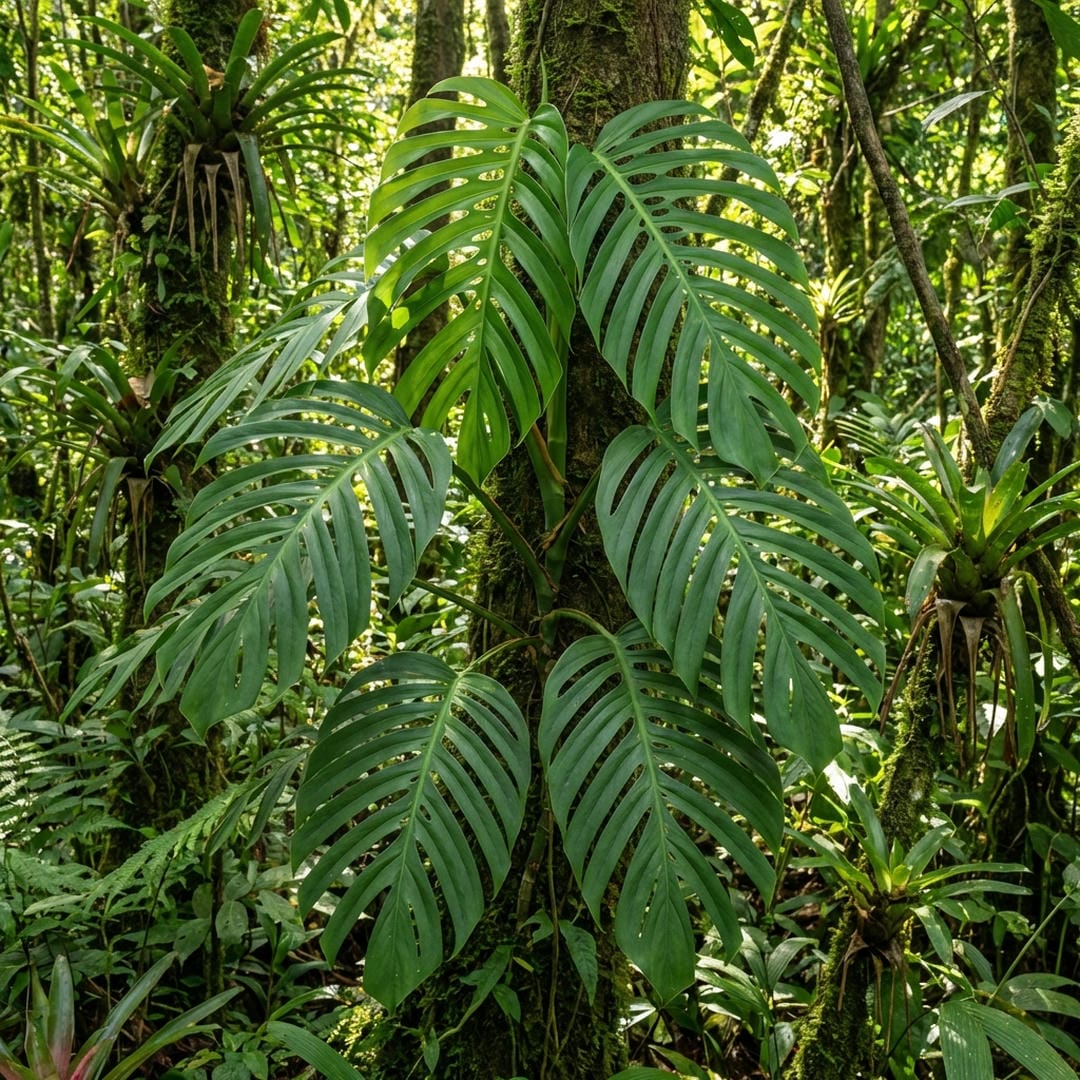
Why It's Popular
The "Mystery" plant. For decades, the plant now known as M. esqueleto was sold under this name. However, the true Monstera epipremnoides is an incredibly rare species from Costa Rica that has pinnate leaves (slits reaching the edge) rather than internal holes. It is almost never seen in cultivation.
Houseplant Care & Info
If you see a plant sold as "Epipremnoides" today, it is 99% likely to be Esqueleto. The true species is a "unicorn" plant for serious botanists only.
🌿 9. Monstera 'Peru' (M. karstenianum)
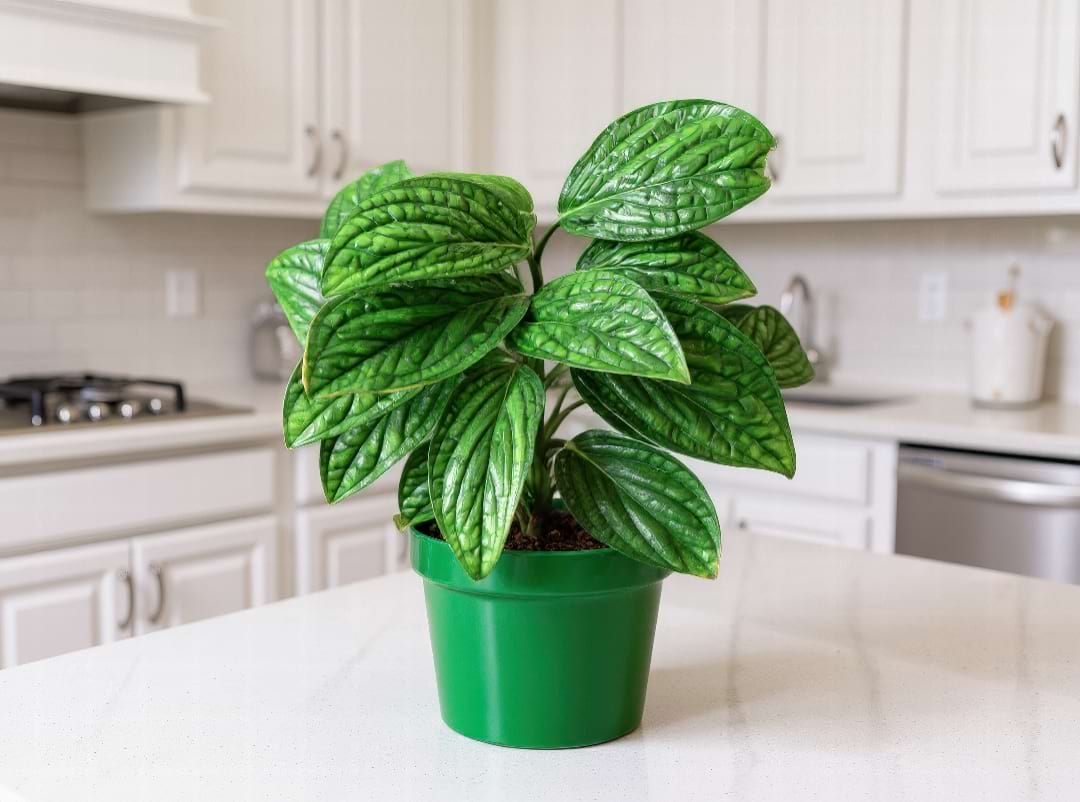
Why It's Popular
Loved for its incredible texture. Commonly sold as Monstera 'Peru', this plant stands out with its rigid, puckered (bullate), and almost reptilian-feeling leaves. It's a Monstera that offers deep visual interest without any splits or holes.
Houseplant Care & Info
This robust climber is becoming very popular and is relatively easy to care for. It's a fantastic choice for anyone looking to add a unique texture to their plant collection.
🌿 10. Monstera lechleriana
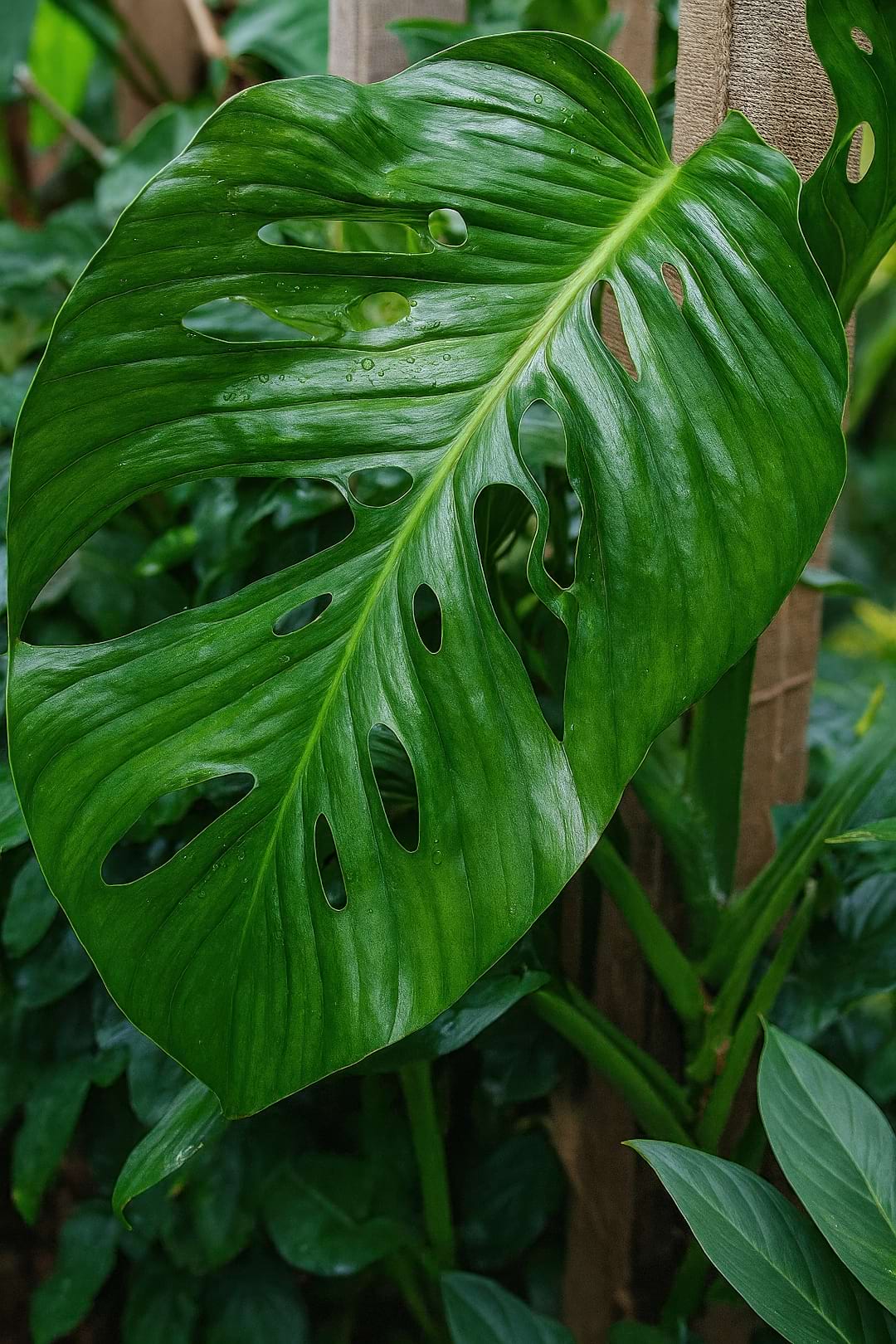
Why It's Popular
A vigorous climber prized for its neat and orderly fenestrations. As it matures, it develops a single, elegant row of circular holes on each side of the central leaf vein. It offers a cleaner, more geometric look compared to the random holes of an adansonii.
Houseplant Care & Info
A fantastic choice for intermediate growers who want a large, impressive climbing plant relatively quickly. It needs a moss pole or trellis to truly thrive and show off its mature leaves.
🌿 11. Monstera acuminata
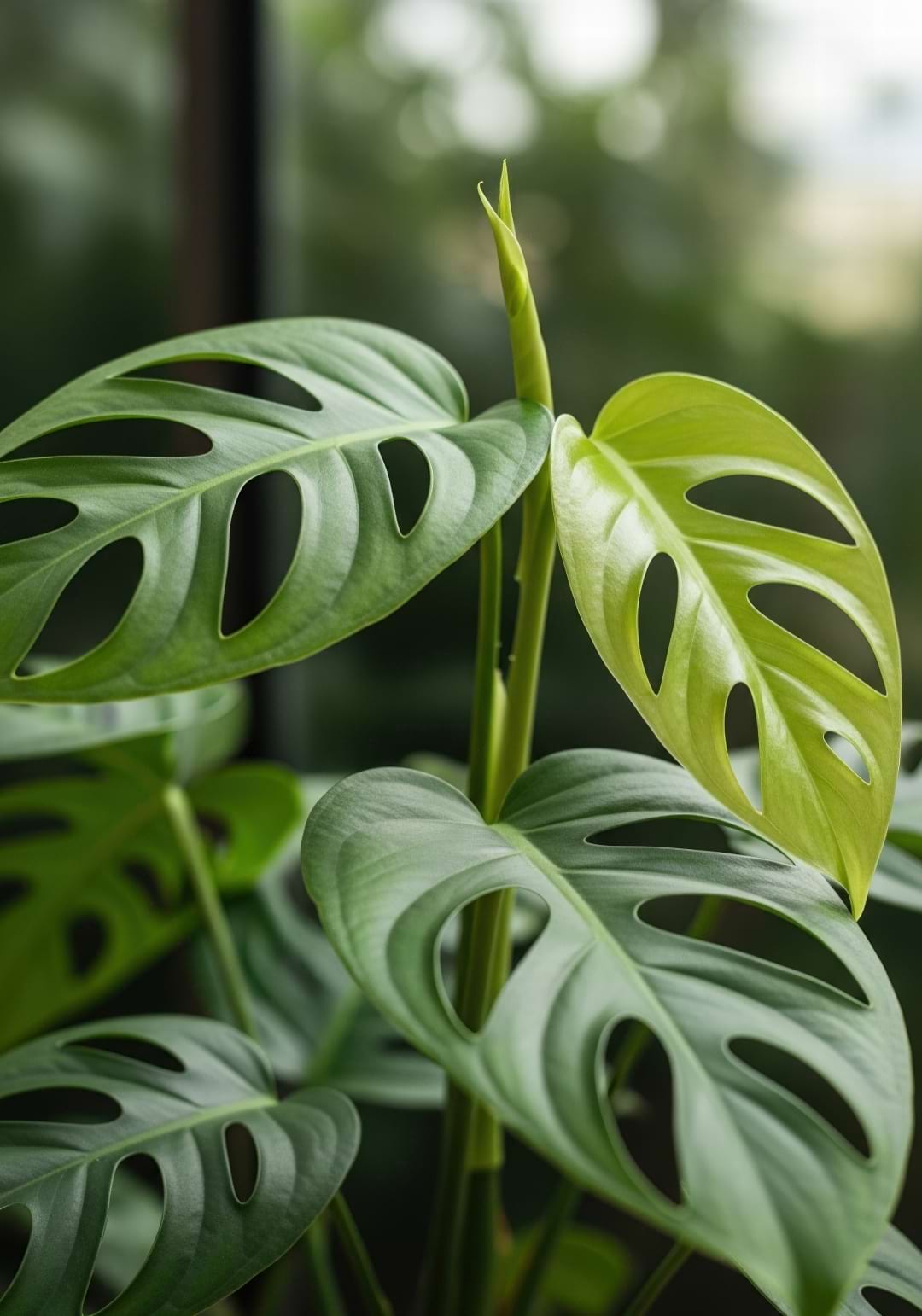
Why It's Popular
This species is appreciated for its shingling growth habit, similar to M. dubia but with deep green, subtly textured leaves. The leaves are smaller and more pointed, creating a beautiful chain-like effect as it climbs.
Houseplant Care & Info
An easy-to-care-for climber that is great for terrariums or mounting on a board. It is often confused with M. adansonii, but its shingling juvenile growth is a key differentiator.
🌿 12. Monstera subpinnata
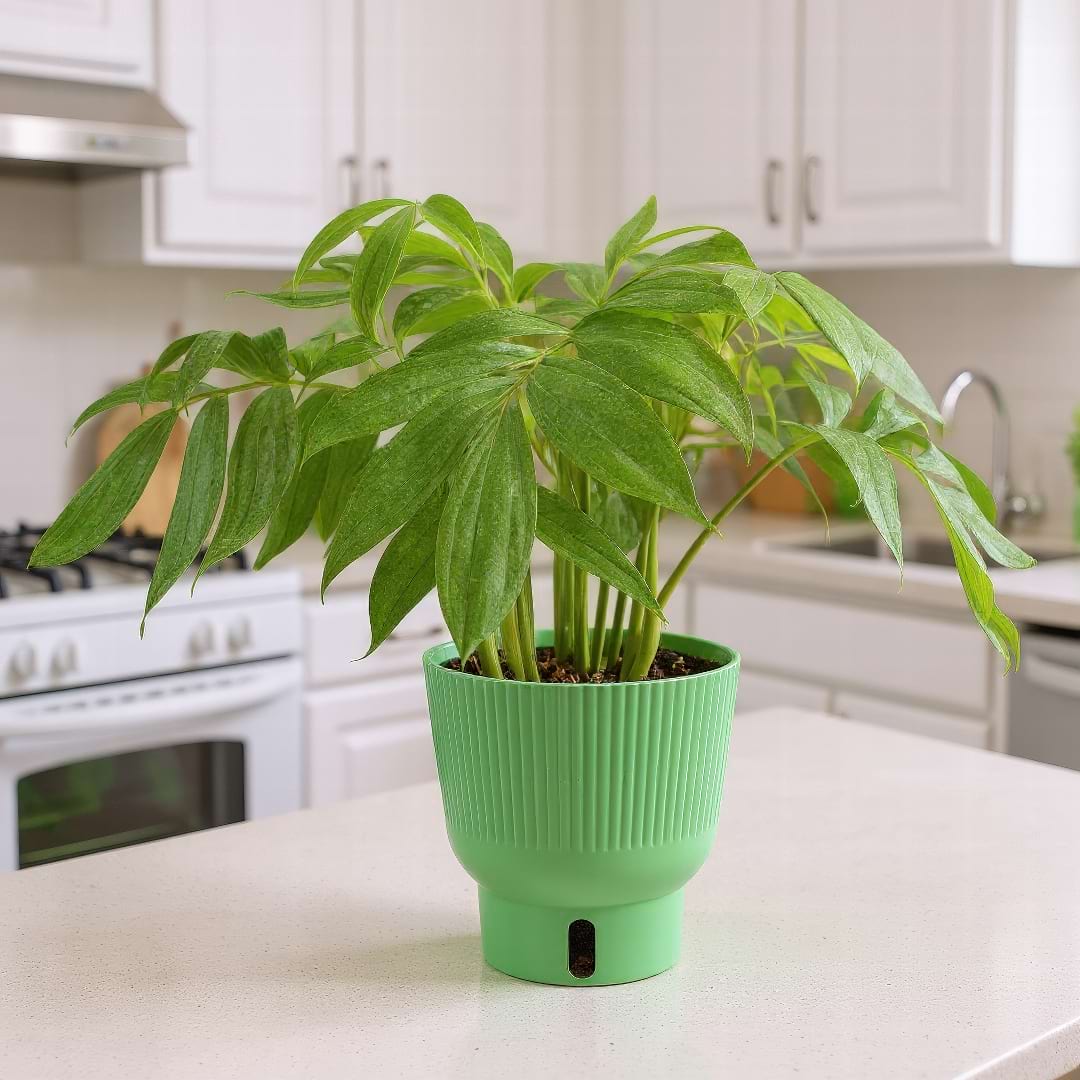
Why It's Popular
Sought after for its unique and elegant foliage. The leaves are deeply divided into delicate, finger-like pinnae, making it look more like a graceful palm frond or fern than a typical Monstera. It offers a completely different aesthetic.
Houseplant Care & Info
A true collector's plant that is becoming more accessible. It's a vining species that looks stunning when given space to trail or climb, bringing a touch of refined, tropical beauty to a collection.
🔥 13. Monstera 'Burle Marx Flame'
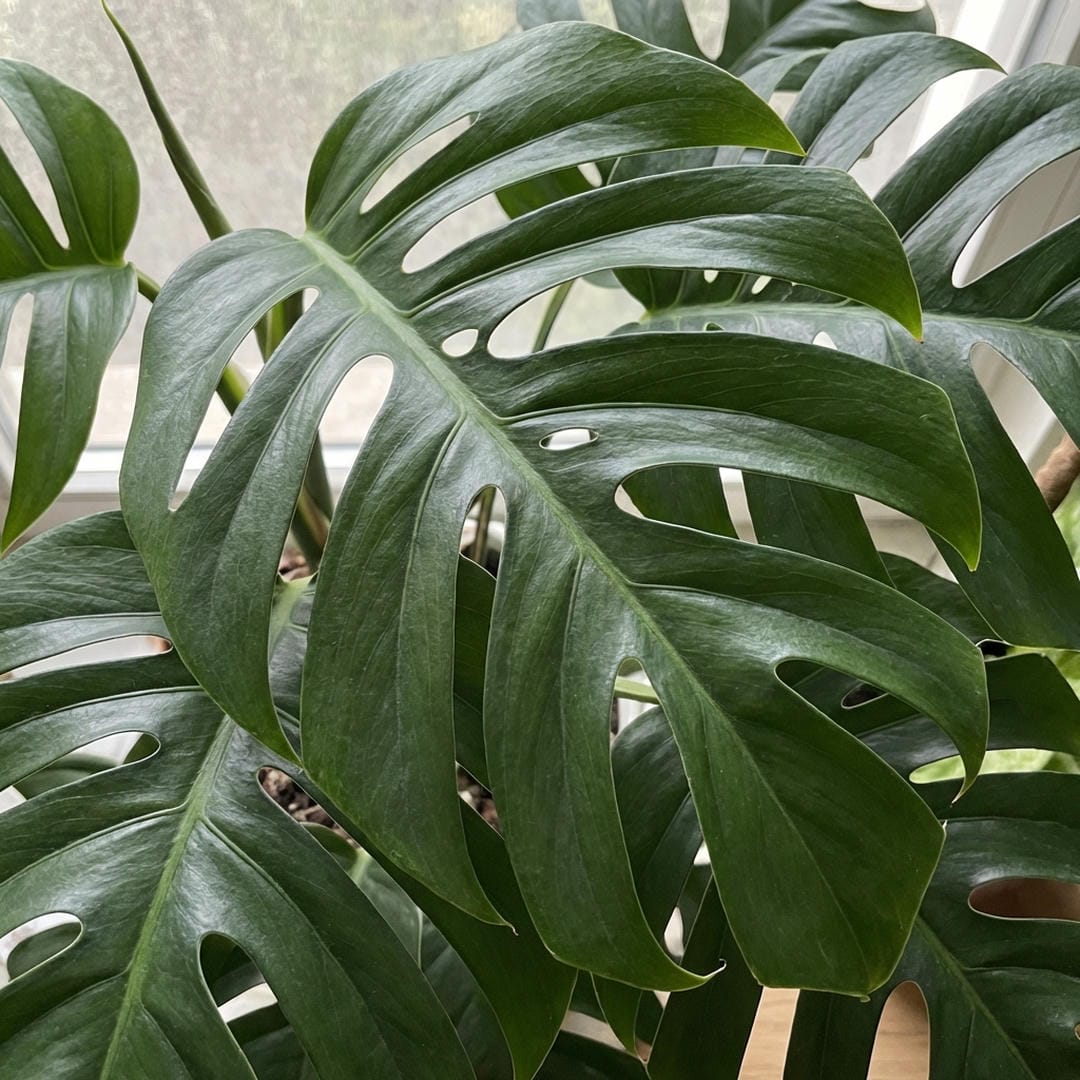
Why It's Popular
A recent sensation. This mysterious plant (likely a variant of M. dilacerata or M. sierrana) features immensely thick, stiff leaves that look like stylized flames or a ribcage. It feels almost plastic to the touch and is incredibly slow-growing.
Houseplant Care & Info
The "Tortoise" of the Monstera world. It is incredibly hardy but tests your patience.
👉 Read our Complete Monstera Burle Marx Flame Care Guide.
🦴 14. Monstera esqueleto
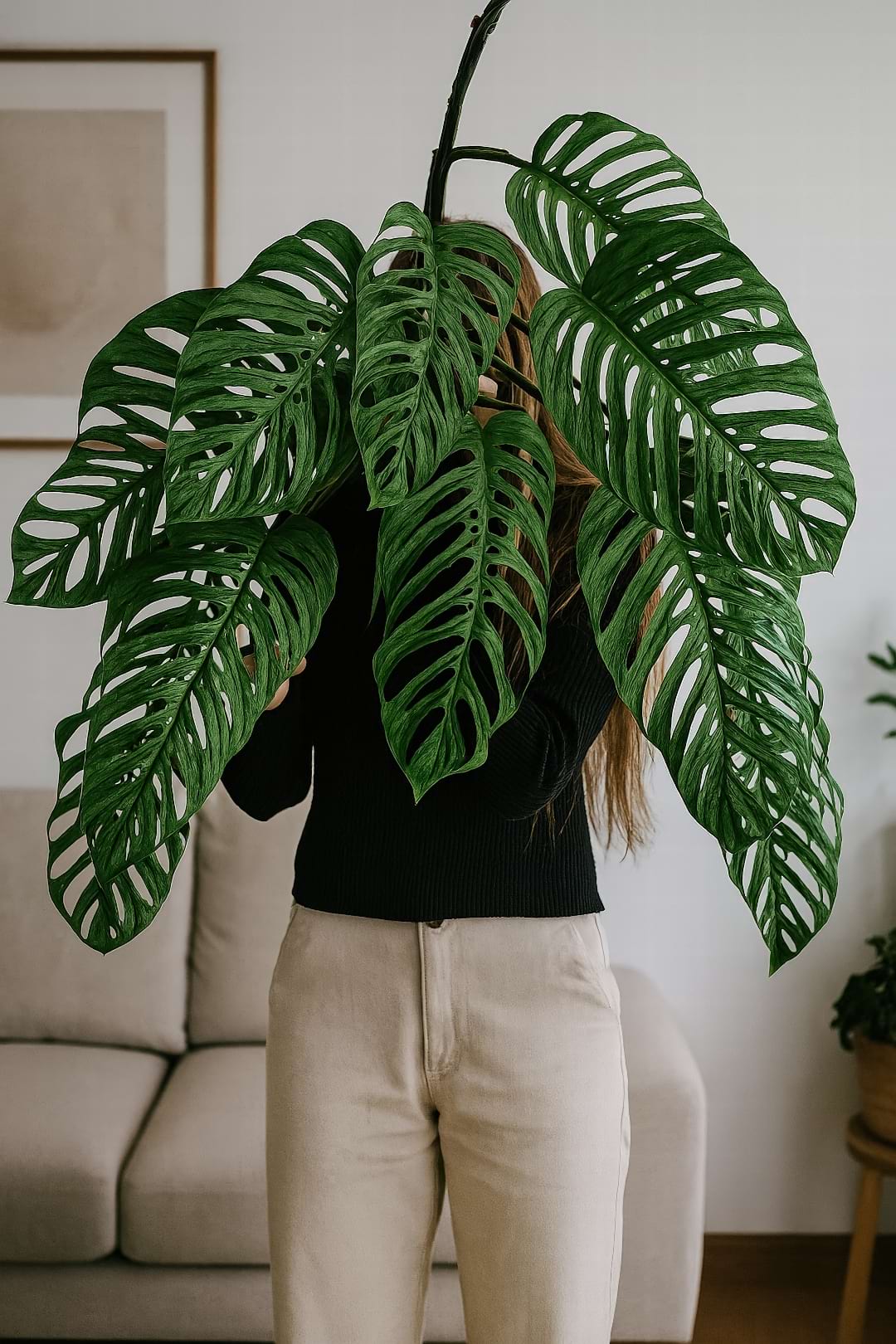
Why It's Popular
The "Skeleton" plant. Formerly sold as M. epipremnoides, this giant is distinct for its skeletal appearance. It has fenestrations so large and wide they put M. adansonii to shame, creating a stunning and intricate pattern.
Houseplant Care & Info
A highly sought-after collector's plant. It appreciates high humidity and bright, indirect light to produce its signature massive leaf holes.
👉 Read our Complete Monstera Esqueleto Care Guide.
📚 The Complete A-Z List (Botanical)
This list is based on the Plants of the World Online (POWO) database, a gold standard for botanical names. Many of these exist only in the wild and are not available as houseplants, but they represent the true diversity of the Monstera genus.
- Monstera acacoyaguensis: Native to Mexico and Central America. A climbing species rare in cultivation.
- Monstera acuminata: Widespread in Central America. Popular in the hobby, often called 'Shingle Plant' in its juvenile form.
- Monstera adansonii: The famous "Swiss Cheese Vine" with many subspecies, native to large parts of Central and South America.
- Monstera alcirana: A recently discovered species from Panama. Not in cultivation.
- Monstera alfaroi: Native to Costa Rica and Panama. Not in cultivation.
- Monstera amargalensis: Native to Colombia and Ecuador. A climbing species, rare in the hobby.
- Monstera anomala: Native to Panama. Not in general cultivation.
- Monstera aureopinnata: Native to Peru. Known for its yellow petiole sheath. Rare collector plant.
- Monstera barrieri: Native to French Guiana. Not in cultivation.
- Monstera bocatorensis: Native to Panama. Not in cultivation.
- Monstera boliviana: Native to Bolivia. Very rare in cultivation.
- Monstera buseyi: Native to Costa Rica and Panama. Not in cultivation.
- Monstera cenepensis: Native to Peru. Not in cultivation.
- Monstera costaricensis: Native to Costa Rica. Not in general cultivation.
- Monstera croatii: A recently discovered species from Panama, named after Dr. Thomas Croat.
- Monstera deliciosa: The classic, native to Southern Mexico and Central America. A detailed care guide is available.
- Monstera dissecta: Native to Central and South America.
- Monstera donosoensis: Native to Panama. Not in cultivation.
- Monstera dubia: Widespread in Central and South America. A popular shingling houseplant with specific humidity needs. A detailed care guide is available.
- Monstera egregia: Native to Brazil. Known for its massive, deeply cut leaves. Very rare.
- Monstera epipremnoides: Native to Costa Rica. Often confused with the common houseplant M. esqueleto.
- Monstera esqueleto: Native to Costa Rica. The popular "Skeleton" plant.
- Monstera filamentosa: Native to Costa Rica and Panama. Known for the string-like fibers on its petiole.
- Monstera florescanoana: Native to Mexico. Rare.
- Monstera gambensis: Native to Panama. Not in cultivation.
- Monstera gentryi: Native to Peru. Not in cultivation.
- Monstera gigas: Native to Panama. Known for its enormous, deeply fenestrated leaves.
- Monstera glaucescens: Native to Costa Rica and Panama.
- Monstera gracilis: Native to southern Central America and Colombia.
- Monstera guzmanjacobiae: A large-leafed species from Mexico.
- Monstera integrifolia: Native to Costa Rica.
- Monstera juliusii: Native to Peru. Known for its textured, bullate leaves.
- Monstera kessleri: Native to Bolivia.
- Monstera kikiae: Native to Colombia.
- Monstera lechleriana: Native to South America. A popular climber in the hobby.
- Monstera lentii: Native to Costa Rica.
- Monstera limitaris: Native to Panama.
- Monstera luteynii: Native to Costa Rica and Colombia.
- Monstera maderaverde: Native to Costa Rica.
- Monstera membranacea: Native to Costa Rica and Panama.
- Monstera minima: Native to Panama. Note: This is a true species and different from the "Mini Monstera" (Rhaphidophora tetrasperma).
- Monstera mittermeieri: Native to Peru.
- Monstera molinae: Native to Costa Rica and Honduras.
- Monstera momoi: Native to Bolivia.
- Monstera monteverdensis: Native to Costa Rica.
- Monstera obliqua: The ultra-rare species, widespread but with many distinct local forms.
- Monstera oreophila: Native to Costa Rica and Panama.
- Monstera pinnatipartita: Native to northwest South America. A popular showstopper houseplant.
- Monstera pittieri: Native to Costa Rica, Panama, and Colombia.
- Monstera planadensis: Native to Colombia.
- Monstera praetermissa: Native to Mexico. Often confused with M. siltepecana.
- Monstera punctulata: Native to southern Mexico and Central America.
- Monstera siltepecana: Native to southern Mexico and Central America. A very popular houseplant known for its silvery juvenile leaves.
- Monstera spruceana: Native to northern South America. A collector plant with bullate leaves.
- Monstera standleyana: Native from Honduras to Panama. A very popular variegated houseplant.
- Monstera subpinnata: Native to Ecuador and Peru. A collector plant with delicate, feather-like leaves.
- Monstera tablasensis: Native to Panama.
- Monstera tacanaensis: Native to southern Mexico and Guatemala.
- Monstera tarrazuensis: Native to Costa Rica.
- Monstera tenuis: Native to Costa Rica.
- Monstera titanum: Native to Panama and Colombia.
- Monstera tuberculata: Native to Mexico and Central America. Known for its velvety, non-fenestrated leaves.
- Monstera vasquezii: Native to Peru.
- Monstera wilsoniensis: Native to Panama.
- Monstera xanthospatha: Native to Colombia.
🪴 See also 🪴
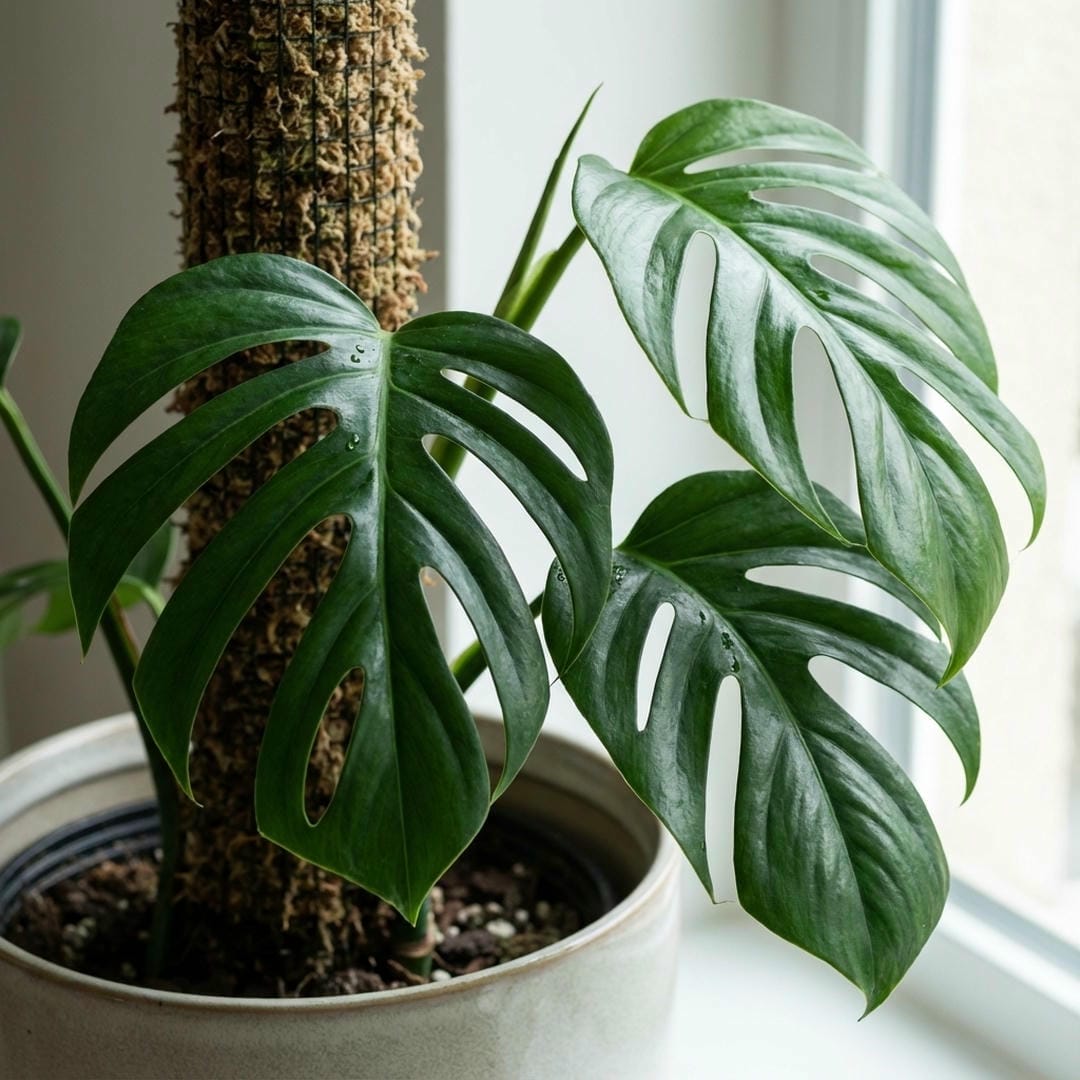
Complete Guide to Monstera Burle Marx Flame Care (The Bone Plant)
Complete Guide to Monstera Siltepecana Care (Silver Monstera)
Complete Guide to Monstera Obliqua Care and Growth
Complete Guide to Monstera Standleyana Care and Growth
Complete Guide to Monstera Pinnatipartita Care and Growth
Complete Guide to Monstera Dubia Care and Growth
Complete Guide to Monstera Adansonii Care and Growth